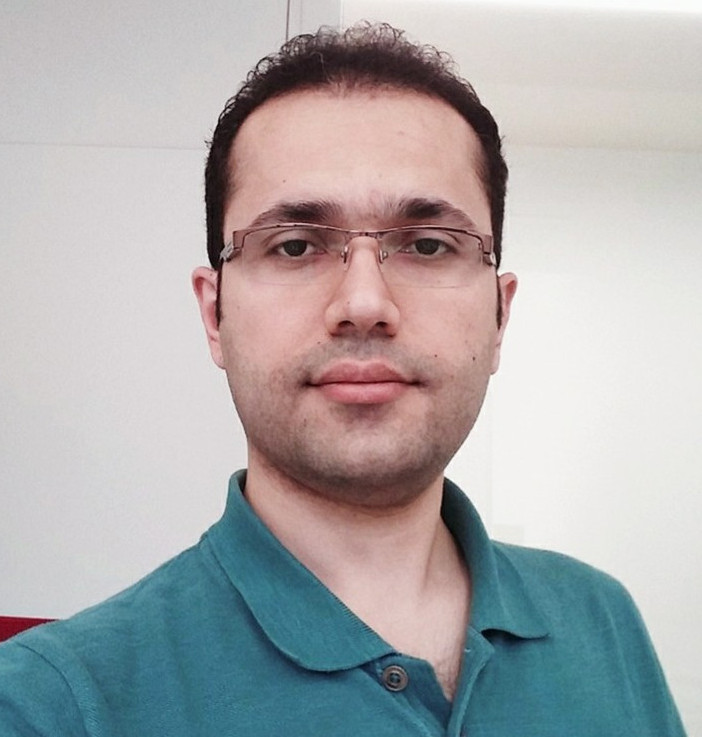
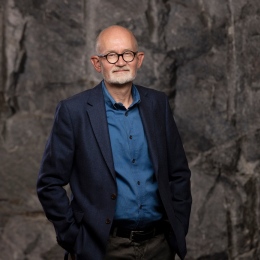
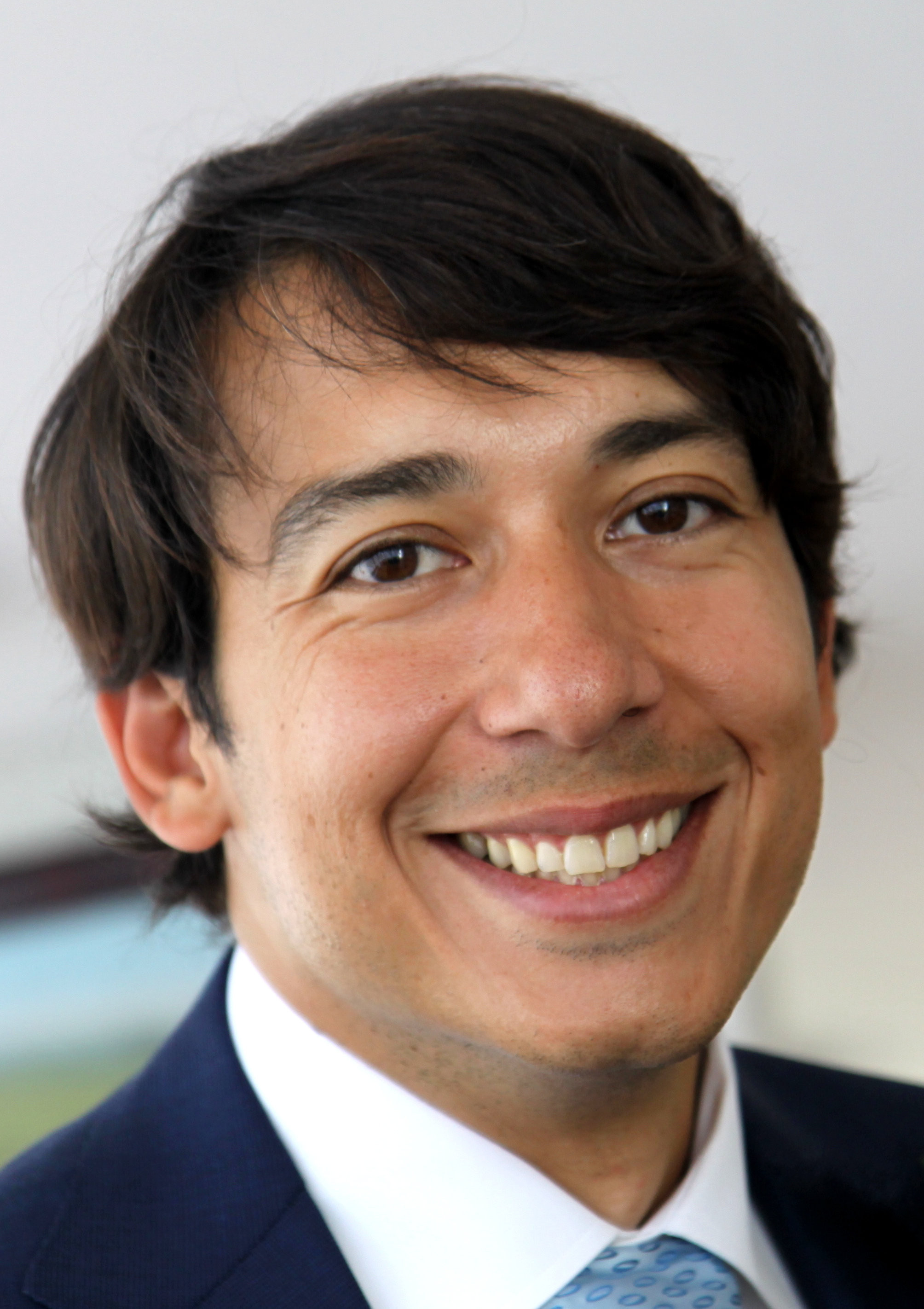
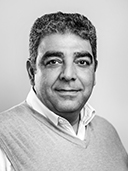
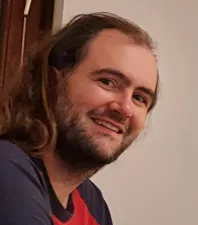
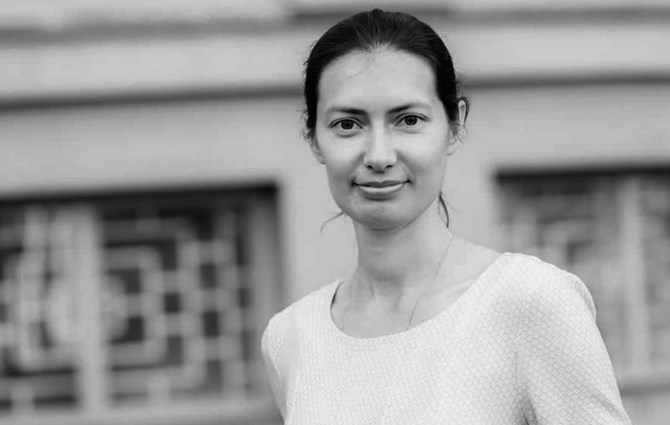
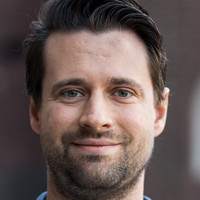
Hamed Nemati is an Assistant Professor at the Division of Network and Systems Engineering under the School of Electrical Engineering and Computer Science at KTH Royal Institute of Technology in Stockholm, Sweden. He was previously a Visiting Assistant Professor at Stanford University and a Research Group Leader at the Helmholtz Center for Information Security (CISPA) , where he also worked as a PostDoc and Research Fellow. Education : PhD in Computer Science from KTH Royal Institute of Technology Research Interests : Security of systems software, formal methods and program logics, interactive theorem proving, machine code analysis, applied machine learning Current Projects : Systematic verification of multi-language security protocols, hardware-software co-design for Spectre mitigation, capability-based access control models Scientific Awards : WASP (Wallenberg AI, Autonomous Systems and Software Program) faculty member Teaching Activities : Formal Methods in Security (Fall 2020-2023) at CISPA/Saarland University Digital Forensics and Incident Response (EP2780) (Fall 2024) at KTH
Meta Berghauser Pont is a Professor of Urban Morphology and Urban Planning at Chalmers University of Technology. She leads the Spatial Morphology Group (SMoG), focusing on quantitative analysis of urban form, space syntax, and design theory. Key research themes: urban density, sustainable cities, social-ecological systems, pedestrian movement modeling Authored the 2023 book Spacematrix: Space, Density and Urban Form , redefining density metrics Her work bridges analytical urban morphology with practical urban planning applications, particularly in noise/air quality management, transport infrastructure, and digital twin city modeling. She manages pedagogical development for architecture programs at Chalmers. Active projects include: Digital Twin Cities Centre (EU/VINNOVA) Sustainable Urban Form (Formas) Green Infrastructure Integration (Mistra Urban Futures) Multi-scale Climate Proofing (VINNOVA) Urban Design Calculator (Naturvårdsverket) Her lab develops open-source tools like the Place Syntax Tool (PST) for morphological analysis of cities.
Bo G Ekelund is a Professor of English Literature at Stockholm University's Department of English within the Faculty of Humanities. He received his PhD from Uppsala University in May 1995, served as a post-doctoral fellow at Uppsala's Department of English from 1996 to 2000, and has been at Stockholm University since summer 2000, where he was promoted to Professor in 2021. His office is located in Room E 854 at Universitetsvägen 10 E, 8th floor. Ekelund's research follows a tradition of critical social theory, heavily influenced by Pierre Bourdieu. His work spans several major projects including Literary Generations and Social Authority which analyzed 955 US prose fiction writers across 60 years, Studies in an Undead Culture: Scenes of Recognition in literature and politics 1980-2000 , and research on Caribbean Anglophone fiction funded by the Swedish Research Council. He has also conducted significant work on Swedish translations and the reception of international theory through projects funded by the Swedish Research Council. Ekelund's scholarly output demonstrates a consistent trajectory from his early work on John Gardner to his current focus on spatial theory, Caribbean literature, and geometric data analysis. His publications reveal a distinctive methodological approach that blends Bourdieusian sociology with innovative quantitative techniques like Geometric Data Analysis (GDA) to examine literary fields, spaces, and transnational knowledge flows. His work consistently interrogates the relationship between literature, place, and power across different geopolitical contexts. Ekelund has secured funding from prestigious sources including the National Bank of Sweden Tercentenary Foundation, the Swedish Research Council, and the RJ-funded research program Cosmopolitan and Vernacular Dynamics in World Literature . His research has established him as a significant figure in Scandinavian literary scholarship with a distinctive transnational perspective that bridges European and Caribbean literary studies. His work demonstrates how peripheral national contexts like Sweden can productively engage with global literary fields through methodological innovation and theoretical sophistication.
Alejandro Russo is a Professor at Chalmers University of Technology , specializing in Information Flow Control (IFC) , Secure Programming Languages , and Functional Programming . His research bridges theoretical foundations and practical implementations, focusing on mitigating timing channels , covert channels , and data leakage in concurrent systems. Developed novel frameworks for Differential Privacy with provable accuracy bounds Pioneered COWL integration for browser security and instruction-based scheduling to prevent cache timing attacks Led major projects like HIPSTER (hybrid static/dynamic IFC) and AppFlow (practical IFC deployment) His publications reveal expertise in security libraries for Haskell and Python , with a focus on faceted execution , label manipulation , and mechanized security proofs . Students under his supervision have explored topics ranging from secure eDSLs to privacy-preserving compilation techniques . Scientific awards : Google Research Award (2011) for Python taint analysis Advising and grants : Principal Investigator for VR , STINT , and Google Research Award Supervised 12+ PhD and Master’s students in security and functional programming research
Niclas Jansson is a researcher at the PDC Center for High Performance Computing at KTH Royal Institute of Technology. He holds an M.S. in Computer Science (2008) and a Ph.D. in Numerical Analysis (2013) from KTH. His career spans roles such as postdoctoral researcher at RIKEN Advanced Institute for Computational Science (2013-2016) and visiting scientist at RIKEN (2018-2021), where he contributed to the Japanese exascale program Flagship 2020. A core focus of his research involves extreme-scale computing and numerical method development. He is a key developer of RIKEN's multiphysics framework CUBE , the HPC branch of FEniCS , and the spectral element flow solver Neko . His work is currently supported by a Swedish Research Council Starting Grant aimed at enhancing high-order spectral element methods for exascale fluid simulations. Niclas has published extensively on topics such as GPU acceleration , adaptive finite element methods , in situ visualization , and extreme-scale turbulence modeling . He also teaches Computational Fluid Dynamics (SG2212) at KTH.
Sverker Molander is a Full Professor at the Environmental Systems Analysis group at Chalmers University. His research integrates systems approaches to analyze human-induced environmental change and its mitigation, with a focus on chemical risk assessment, material flows, and renewable energy systems. He actively collaborates with social scientists to examine technology-society-ecosystem interfaces and participates in international programs like Sida's collaboration with Universidade Eduardo Mondlane in Mozambique. SETAC Global Science Committee member Baltic Sea Foundation research delegation Kamprad Family Foundation scientific reviewer His work employs environmental risk assessments, life cycle analyses, and substance flow modeling, particularly examining: Toxicological impacts of nanomaterials Renewable energy environmental interactions Chemical exposure limit inconsistencies Multidisciplinary approaches to sustainability Risk communication in chemical supply chains Climate-chemical pollution intersections Recent publications demonstrate expertise in: Ecotoxicity extrapolation methods Machine learning for toxicity prediction Circular tungsten flows Marine energy collision risks Climate-adapted chemical management His research connects technical systems with societal and ecological considerations, emphasizing indicator development and interdisciplinary collaboration.
Pierre Nyquist is an Associate Professor and docent in the Department of Mathematical Sciences at Chalmers University of Technology and Gothenburg University. His research is sponsored by the Swedish Research Council, the Swedish e-science Research Center (SeRC), and the Wallenberg Artificial Intelligence, Autonomous Systems and Software Program (WASP). He is also an elected member of the Young Academy of Sweden for the period 2024-2029 and has served as a scientific ambassador for EURANDOM since November 2021. Dr. Nyquist's research interests lie at the intersection of probability theory, mathematical statistics, and applied mathematics. His main expertise is in probability theory, with a focus on large deviations theory and stochastic numerical methods. He has a general interest in all aspects of probability theory and much of what is categorized as applied mathematics, particularly questions related to partial differential equations, optimization, and stochastic optimal control. Recently, he has become increasingly interested in the mathematical foundations of complex data analysis and modeling, and the interplay with ideas from physics. His current research interests include large deviations, gradient flows and their generalizations, stochastic numerical methods, statistical learning theory, stochastic processes, and random dynamical systems. Pierre Nyquist has received research funding from several prestigious sources including the Swedish Research Council, the Swedish e-science Research Center (SeRC), and the Wallenberg Artificial Intelligence, Autonomous Systems and Software Program (WASP). His publications demonstrate a consistent focus on theoretical aspects of probability with applications to computational methods and data analysis, showing increasing integration with machine learning techniques in recent years. elected member of the Young Academy of Sweden (2024-2029) scientific ambassador for EURANDOM (since November 2021) Dr. Nyquist is actively involved in mentoring the next generation of researchers. He currently supervises several PhD students including Cinja Arndt (starting Aug. 2025), Niki Wilhemlson (started Aug. 2024), and Viktor Nilsson (started Aug. 2020). He has previously supervised successful PhD students such as Federica Milinanni (Aug. 2020-May 2025) and Carl Ringqvist (Aug 2015-June 2021). He regularly teaches graduate-level courses including "Modern methods of statistical learning" and has supervised numerous MSc theses on topics ranging from deep learning for time-series radar signals to neural network embedding in insurance pricing. His research group is active in both theoretical developments and practical applications, with current projects spanning from mathematical foundations of probability to applications in machine learning and data science. Dr. Nyquist maintains strong international collaborations, as evidenced by his frequent travel for conferences and research visits to institutions such as Brown University and TU Delft.
Mehrdad Ghandhari Alavijh is a Full Professor in Electric Power Systems at KTH Royal Institute of Technology. He leads research in power system dynamics, stability, and control, with a focus on FACTS (Flexible AC Transmission Systems), HVDC systems, and advanced control strategies. His work addresses challenges in grid reliability, renewable energy integration, and environmental sustainability. Education: Received M.Sc. (1995) and Ph.D. (2000) in Electrical Engineering from KTH. His research group develops innovative methods for secure, efficient power system operation, leveraging advanced monitoring and communication technologies. Research Interests: Power System Dynamics and Stability Transient Stability Assessment HVDC and FACTS Technologies Renewable Energy Integration Publications: Recent works focus on HVDC systems, battery storage, transient stability algorithms, and frequency control. His studies emphasize real-time monitoring and control strategies to enhance grid resilience against outages. Teaching: Supervises courses in power systems engineering, including degree projects in Electric Power Systems and Energy Innovation. Serves as an examiner and course responsible for multiple graduate programs.
Christoph Egger is an Assistant Professor at Chalmers University of Technology in the Department of Computer Science and Engineering, where he works with the Security & Privacy Lab and the Crypto Team. Prior to this position, he was a Marie-Curie Fellow at Institut de Recherche en Informatique Fondamentale (IRIF) from fall 2022 to 2024, researching connections between cryptography and complexity theory. His educational background includes: PhD: "On Abstraction and Modularization in Protocol Analysis" Master's: "An implementation of global caching for the alternation-free coalgebraic μ-calculus" Bachelor's: "Analysing and attacking the I2P Network Database" Dr. Egger's research focuses on cryptography and its connections to computational complexity, statistical privacy, and formal methods. His work spans multiple areas including cryptographic foundations (random oracles, key agreement protocols), privacy-enhancing technologies (ring signatures, information flow techniques), and practical applications in genomic data security. He develops both theoretical frameworks and practical tools like CryptoZoo for cryptographic proof visualization, bridging the gap between theoretical cryptography and real-world security challenges. His recent publications demonstrate a strong focus on cryptographic foundations and privacy technologies, with significant contributions to ring signatures, key agreement protocols, and genomic data security. His work bridges theoretical cryptography with practical applications in blockchain, anonymous communications, and healthcare data management, showing consistent productivity across multiple high-impact venues in security and privacy. Dr. Egger has served on program committees for prestigious conferences including IEEE Computer Security Foundations Symposium (CSF), Proceedings on Privacy Enhancing Technologies (PETS), and Conference on Applied Cryptography and Network Security (ACNS). He currently advises PhD students Lucia Lavagnino at Chalmers and Kirthivaasan Puniamurthy at Aalto University. Previously, he advised Master's students including Julian Brost and Kirthivaasan Puniamurthy. His Marie-Curie Fellowship was cofunded by EU H2020 Marie Sklodowska-Curie Action and FSMP Comunity Service. Dr. Egger is an active member of the Security & Privacy Lab and Crypto Team at Chalmers. He is also a founding member of the FAUST CTF team and has been a Debian Developer for over a decade, contributing to various Free Software projects including the Linux kernel and Git version control system, demonstrating his commitment to both academic research and practical software security.
Olga Obizhaeva is an Assistant Professor of Finance at the Stockholm School of Economics (SSE) and a Researcher at the Swedish House of Finance (SHoF). She holds a PhD from the London School of Economics. Her research focuses on empirical asset pricing, institutional asset management, market microstructure, fintech, and big data applications in finance. Education PhD in Finance, London School of Economics Research Interests Her work examines how institutions and market structures influence financial outcomes, including: Impact of search engine marketing on ETF performance Hedge fund fundraising dynamics and broker intermediation Market microstructure invariance theory and its implications for stock returns Corporate share repurchase strategies and their economic consequences Application of web analytics and big data to financial markets Notable Contributions Her 2022 co-authored book Stock Buyback Motivations and Consequences provides a comprehensive review of corporate repurchase strategies. Recent work explores digital visibility's role in attracting investment flows and the structural determinants of stock return dynamics through the lens of invariance theory. Affiliations Resident Researcher, Swedish House of Finance Member of the SHoF Data Center Academic Advisory Group
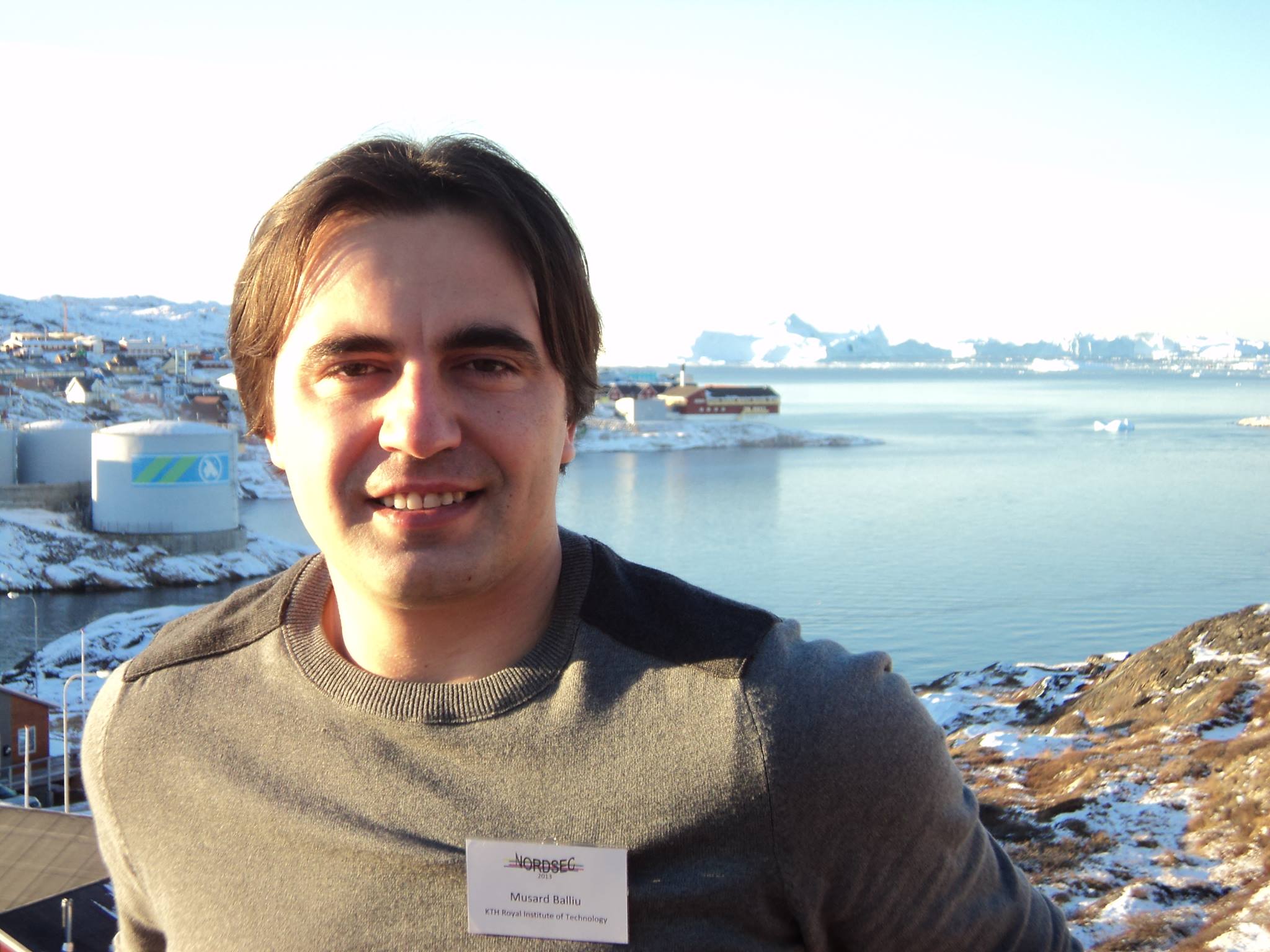
Musard Balliu is an Associate Professor at the School of Electrical Engineering and Computer Science at KTH Royal Institute of Technology in Stockholm, Sweden. He works in the Division of Theoretical Computer Science and leads the LangSec (Language-Based Security) research group. His research interests span multiple aspects of computer security, including: Information flow control Web and mobile application security IoT security Low-level security Program analysis and verification Logics in security contexts His recent publications focus on cutting-edge security challenges, with particular emphasis on JavaScript security (prototype pollution vulnerabilities), IoT platform security, database security, and formal methods for security verification. His work often bridges theoretical foundations with practical security solutions, addressing real-world security concerns in emerging technologies like IoT and modern web applications. His notable awards include: Best Reviewer Award at CCS 2022 Google Research Scholar Award in 2022 Facebook Award in Privacy-Enhancing Technologies in 2021 Dr. Balliu actively mentors students in the LangSec group, supervising both current students and recently graduated PhD candidates. He serves as Principal or Co-Principal Investigator on multiple research projects funded by prestigious organizations including Digital Futures, WASP, VR, and SSF, with a focus on next-generation security solutions for IoT, software supply chains, and cloud computing. He is also involved in various cybersecurity initiatives including the Swedish National Hacking Team (as co-founder and SC representative for Sweden), CDIS Cybercampus Sverige, and Digital Futures, demonstrating his commitment to advancing cybersecurity education and practice beyond academic research.
Ricardo Vinuesa is an Associate Professor at KTH Royal Institute of Technology, affiliated with the Department of Mechanics within the School of Engineering Sciences. He serves as the Principal Investigator (PI) for projects such as 'An AI-based framework for harmonizing climate policies and projects with the SDGs' and co-leads the 'Faster-than-real-time and high-resolution simulation of fluid flow in engineering applications' initiative. His work integrates artificial intelligence with fluid mechanics, sustainability, and climate policy. Education and Academic Roles: Vinuesa teaches courses including Data-driven methods in engineering mechanics, Mechanics I, and Turbulence, holding roles as examiner, course manager, and teacher. He is part of the Digital Futures Faculty and actively contributes to academic programs at KTH. Research Interests: His research focuses on AI-driven solutions for fluid mechanics challenges, turbulence modeling, sustainable development goals (SDGs), and climate policy alignment. He develops machine learning frameworks for flow control, sensor optimization, and climate risk assessment, emphasizing interdisciplinary applications. Projects and Applications: Key projects include AI-based frameworks for SDG harmonization, high-resolution fluid simulations for indoor climate, and turbulence control via reinforcement learning. His work bridges computational fluid dynamics with real-world sustainability challenges, leveraging deep learning and data-driven methodologies. Labs and Collaborations: Vinuesa leads the Artificial Intelligence Group, with a lab website at vinuesalab.com . His research is supported by collaborations with industry and academic partners, focusing on advancing fluid mechanics and environmental engineering through AI innovation.
Nicholas Loubere is a Senior Lecturer at the Centre for East and South-East Asian Studies , Lund University, with a joint affiliation at the Department of History . His work bridges China Studies and Development Studies , emphasizing interdisciplinary approaches and fieldwork methodologies. Education: BA in English Literature, Northern Illinois University MA in International Relations, Xiamen University PhD in East Asian Studies, University of Leeds Research focuses on three interconnected strands: microcredit programs for rural development in China , Chinese migration to Ghana for gold mining , and methodological critiques in China/Development Studies . His work contributes to UN Sustainable Development Goals (SDGs) related to poverty reduction and sustainable economies. Recent publications span topics from digital financial systems to Chinese migration impacts , with a strong engagement in open access advocacy as co-editor of the Made in China Journal . Awards include the International Co-operative Alliance Best Paper for Young Scholars Award (2015) . He actively participates in academic networks like the Extractivism Research Group and Chinese Global Orders , and has delivered keynotes at events such as Global China as Method to Global China from Below (2024). Current projects include Research After the Gold Rush and Fragmented Power: Maritime Silk Road Governance .
Per-Olav Moksnes is a Professor in the Department of Marine Sciences at the University of Gothenburg, where he serves as a researcher and lecturer in marine ecology. He concurrently holds the position of Marine Environmental Coordinator at the Swedish Institute for the Marine Environment, bridging academic research with practical environmental management. His research program focuses on three core areas: Larval behavioral and dispersal mechanisms in marine larvae Seagrass community ecology and restoration Recruitment ecology in benthic crabs Analysis of his 15 most recent publications (2020-2025) reveals a dominant emphasis on seagrass ecosystems, particularly eelgrass (Zostera marina), with recurring themes including genetic diversity monitoring, restoration ecology, biogeographic patterns, and ecosystem service valuation. His work consistently integrates genetic, biophysical, and ecological approaches across international collaborations, addressing critical conservation challenges such as climate change impacts, biodiversity loss, and blue carbon dynamics. Notable methodological strengths include large-scale monitoring frameworks, seascape genomics, and cross-continental comparative studies. As Marine Environmental Coordinator, Moksnes contributes directly to policy development through environmental compensation frameworks and coastal management strategies. His research on societal costs of seagrass loss and novel monitoring techniques demonstrates strong applied relevance for environmental governance. While specific grant funding isn't detailed, his extensive international collaborations suggest robust research support.
Amos H.C. Ng is a Professor of Automation Engineering at the School of Engineering Science, University West (Högskolan i Skövde). His academic qualifications include BEng, MPhil, and PhD degrees, complemented by professional certifications such as Chartered Engineer (UK) and membership in the Institution of Engineering and Technology (UK). His research focuses on production simulation, multi-objective optimization, simulation-based innovization, and digital human modeling, with applications in manufacturing systems, Industry 4.0, and smart manufacturing. Ng has contributed to over 150 publications since 2000, spanning topics like decision support systems, maintenance optimization, and reconfigurable manufacturing. His work integrates simulation, data mining, and evolutionary algorithms to address challenges in production systems, including bottleneck analysis, energy efficiency, and human-robot collaboration. Notable projects include developing the Mimer knowledge discovery tool and frameworks for digital twin applications in production lines. His research emphasizes practical industry applications, collaborating with organizations to improve production processes through advanced methods like trend mining and cloud-based optimization. Ng also serves as a course coordinator and contributes to educational initiatives in automation engineering.