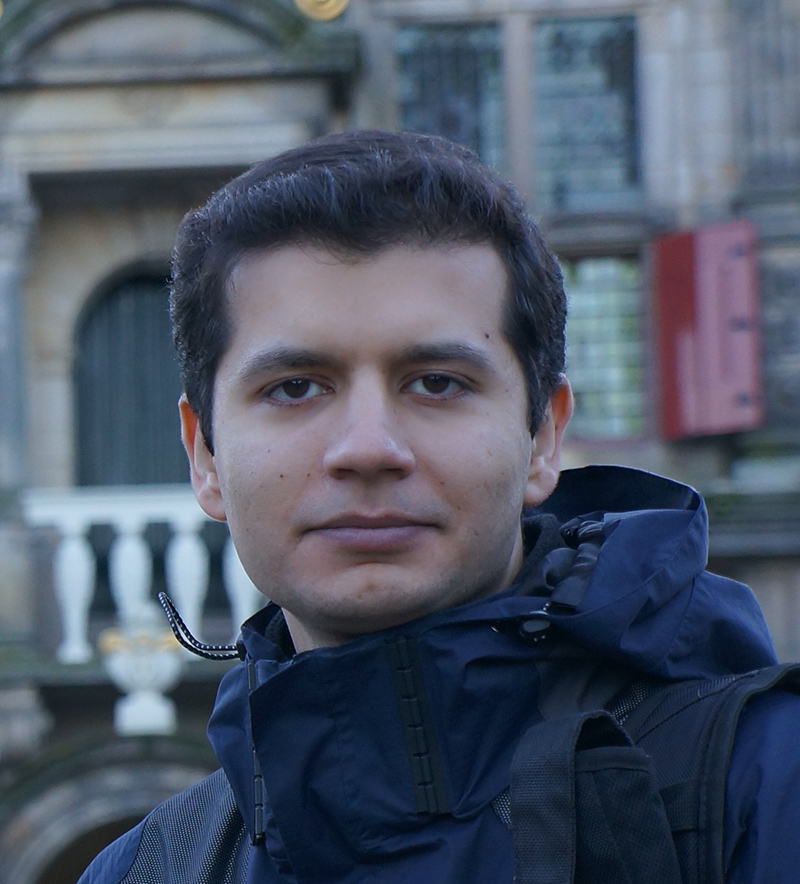
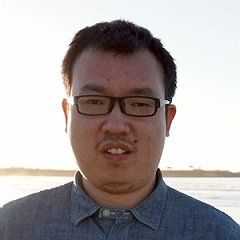
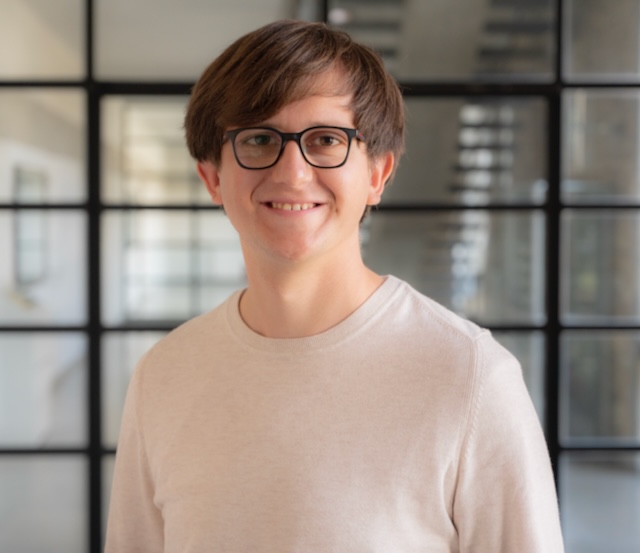
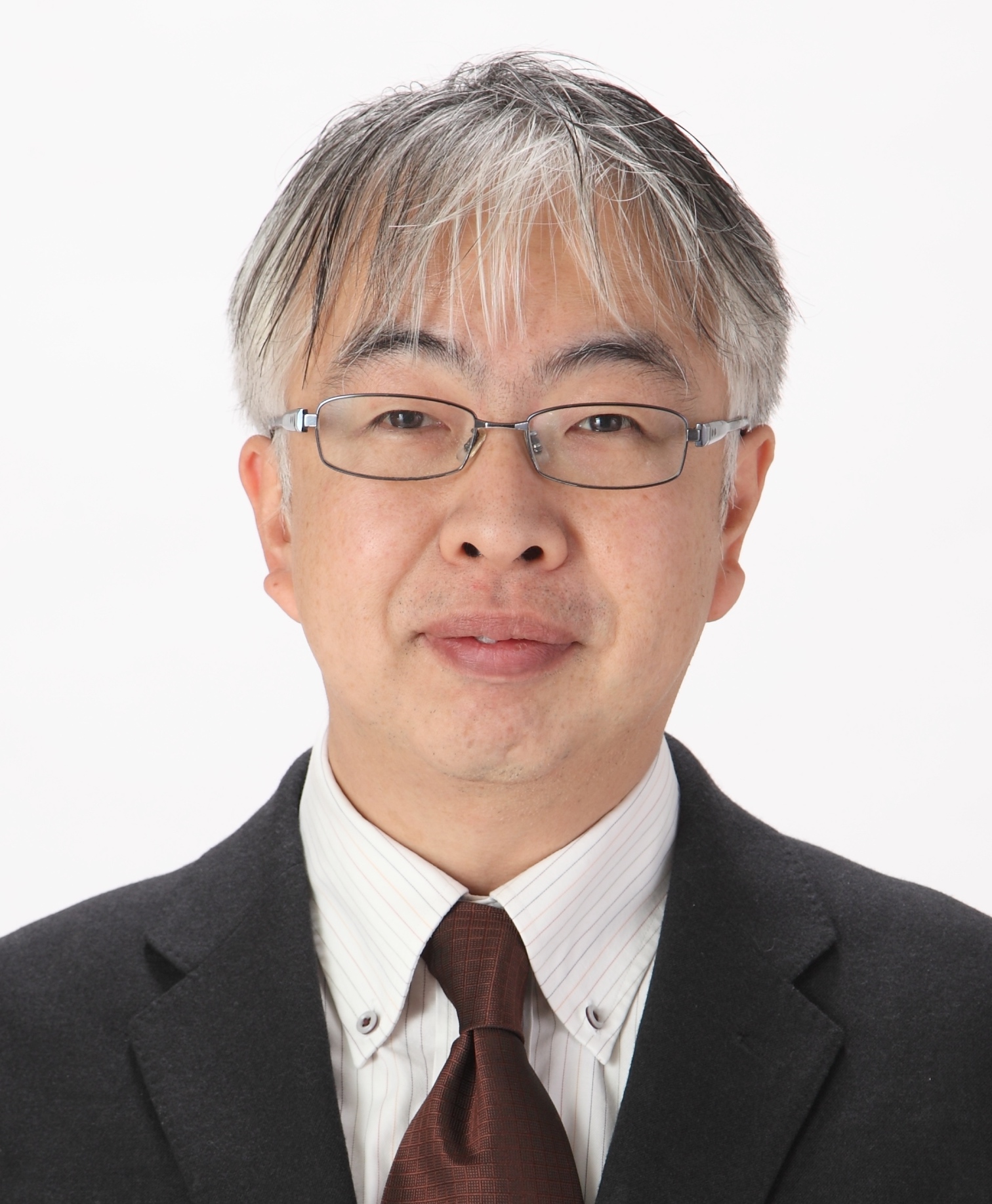
Hadi Hajibeygi is a Professor of Geo-Energy Solid and Fluid Mechanics at Delft University of Technology, leading subsurface storage research and multiscale modeling initiatives. He serves as the Subsurface Storage Theme Lead (2016–present) and Energi Simulation Chair holder (2022–present), with a focus on underground hydrogen storage, CO2 sequestration, and geothermal energy systems. His research integrates multiphase flow in porous media , multiscale simulation , and geomechanical stability , supported by NWO-Vidi and Interpore awards. He leads the DARSim and ADMIRE projects, developing frameworks like Adaptive Dynamic Multiscale Integration and pEDFM-U for fractured reservoirs. Key awards include: Interpore Award for Porous Media Research (2021) NWO-Vidi Laureate (2019) Interpore Rosette (2017) ETH Zurich PhD Medal (2012) TU Delft Innovative Teaching Talent (2018) His teaching portfolio spans Dynamics of Solids and Fluids , Numerical Methods for Subsurface Simulation , and Multiscale Modeling , while advising a team of postdocs and PhD candidates on projects spanning induced seismicity, microbial interactions, and fractured reservoir mechanics.
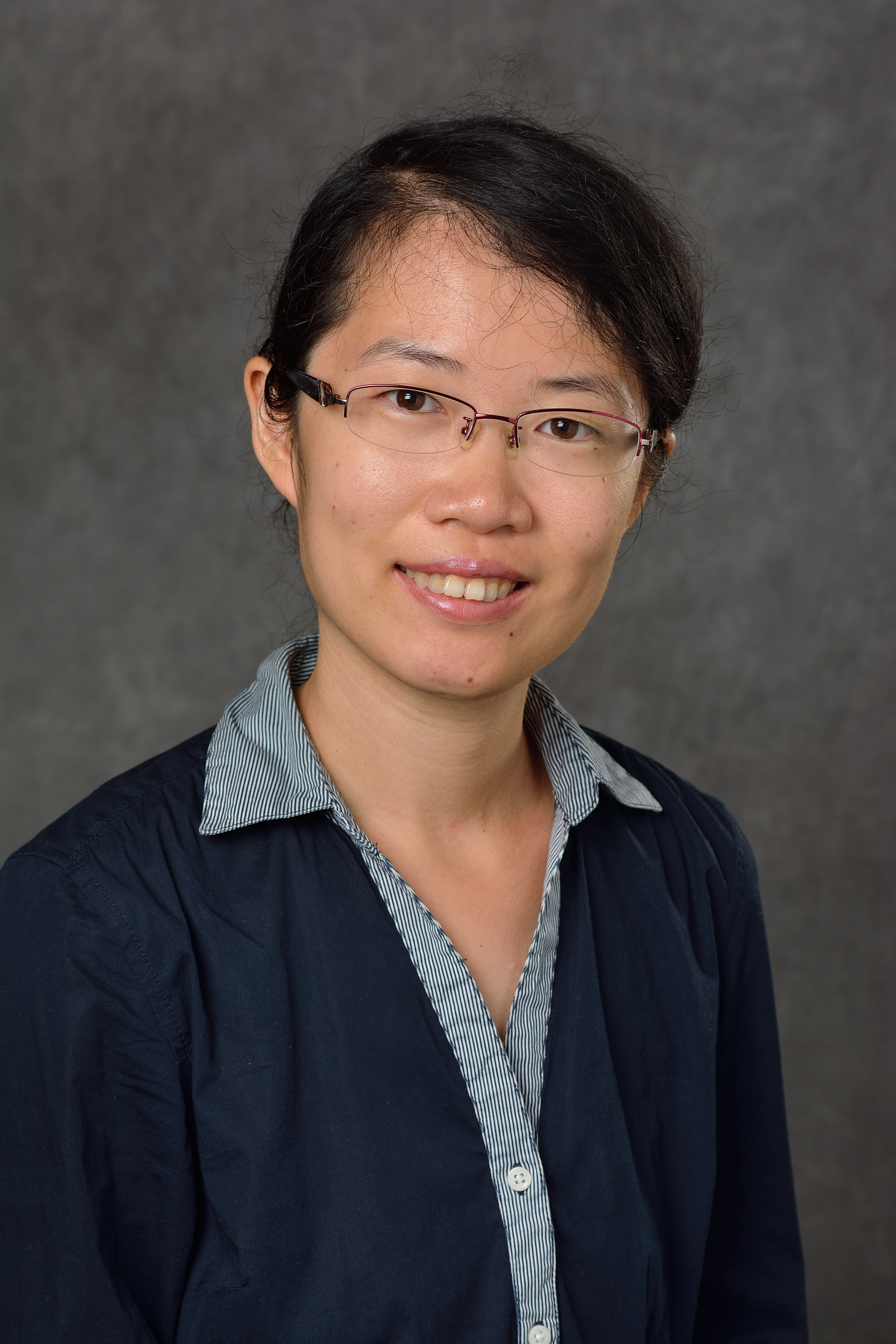
Rongrong Wang serves as Associate Professor in both the Department of Computational Mathematics, Science and Engineering (CMSE) and Department of Mathematics at Michigan State University, based in the Engineering Building with contact email wangron6@msu.edu . Her academic journey includes: B.S. in Mathematics and B.A. in Economics from Peking University, Beijing Ph.D. in Applied Mathematics from University of Maryland College Park under John Benedetto and Wojciech Czaja Postdoctoral fellowship at University of British Columbia with Ozgur Yilmaz and Felix Herrmann Her research spans Applied and Computational Harmonic Analysis , Machine Learning , and Compressed Sensing with focus areas including neural network training dynamics, learning theory, tensor analysis, and inverse problems. She investigates theoretical foundations of deep learning while developing applications for medical imaging and signal processing. Recent publications (2024-2025) demonstrate strong interdisciplinary work at the intersection of deep learning theory and medical imaging, particularly exploring edge-of-stability phenomena in neural networks and diffusion-guided reconstruction techniques. Her work also advances tensor decomposition methods and in-context learning mechanisms in language models. Professor Wang actively recruits self-motivated graduate and undergraduate students with backgrounds in mathematics, computer science, or electrical engineering for research opportunities in her lab.
Professor Melanie Jones serves as Professor of Economics at Cardiff Business School, Cardiff University, having joined in 2015 after previous positions at the University of Sheffield and Swansea University. She is an active media commentator and available for postgraduate supervision, with research focused on empirical labour economics using large-scale quantitative data analysis. Her academic qualifications include: PhD in Labour Economics from Swansea University MSc in Business Economics from Swansea University BSc in Economics from Swansea University Jones specializes in disability economics and gender pay gap analysis within the UK labour market. Her work examines critical questions such as sectoral differences in gender pay gaps, earnings discrimination against disabled individuals, workplace accident risks for older workers, and disabled employees' perception of workplace treatment. She actively collaborates with policy bodies including the Low Pay Commission and Office of Manpower Economics. Recent publications (2021-2025) demonstrate consistent focus on disability and gender pay gap intersections, particularly analyzing public sector roles, firm size effects, and transparency legislation impacts. Her work appears in top journals like Oxford Economic Papers and Social Science & Medicine, with emerging themes around pandemic labour shocks and musculoskeletal health employment retention. Her scientific recognition includes: IZA Research Fellow ONS Fellow Professor Jones currently supervises six PhD students including John Poole and Imran Khan. Her research is funded through ESRC Productivity Institute leadership, Nuffield Foundation grants on musculoskeletal conditions, and NIHR's Creating Health Jobs initiative. She chairs the Wales Productivity Forum and serves on the Review Body for Doctors' and Dentists' Remuneration. She leads the Economic Intelligence theme in Cardiff University's Strategic Partnership with the Office for National Statistics and is a member of WISERD. Her editorial roles include British Journal of Industrial Relations, and she contributes to the Royal Economic Society Council and ESRC Grant Assessment Panel C.
Demba Ba is an Associate Professor of Electrical Engineering and Bioengineering at Harvard University's School of Engineering and Applied Sciences (SEAS). He serves as the Dean of Undergraduate Studies for Bioengineering since 2020 and joined SEAS in 2015 after a postdoctoral fellowship at MIT (2007-2014). His research bridges computational neuroscience and artificial intelligence, focusing on sparse signal representations, interpretable AI, and neural network theory. Fluent in Wolof, Fulani, French, Spanish, English, and Arabic, he also contributes to signal processing, statistical learning, and dynamic systems. PhD in EECS from MIT (2011) MS in EECS from MIT (2006) BS in Electrical Engineering from University of Maryland (2004) His work explores connections between sparse coding and neural networks through publications in top venues like NeurIPS, ICML, and IEEE Transactions. Articles emphasize convolutional dictionary learning, Bayesian frameworks, and applications to neural data analysis. He has received the 2016 Sloan Fellowship in Neuroscience and 2021 Roslyn Abramson Award for undergraduate teaching excellence. 2021: Gaussian process convolutional dictionary learning (Submitted) 2020: Deep residual auto-encoders for dictionary learning 2018: Multitaper time-frequency analysis for neuroscience Demba Ba leads the CRISP research group and holds advisory roles at Harvard. His awards include: 2021 Roslyn Abramson Award 2016 Alfred P. Sloan Foundation Fellow 2010 ICME Best Student Paper Award He teaches courses like ES 201 (Decision Theory) and ES 157 (Biomedical Signal Processing), while maintaining interdisciplinary collaborations in neuroscience, machine learning, and signal processing.
Dominik Bongartz is a tenure-track assistant professor at KU Leuven's Faculty of Engineering Sciences, Department of Chemical Engineering, where he joined in 2022. He serves as subdivision head of EnergyVille CReaS and is an active member of both the EnergyVille Division and KU Leuven Institute for Energy and Society (KIEM). His academic roles include membership in the Faculty Council of Engineering Sciences, Departmental Council for Chemical Engineering, and as observer of the POC Chemical Engineering Techniques. Dr. Bongartz's research focuses on developing optimization methods for process design and control in chemical and energy engineering. His work centers on accelerated solution methods for chemical problems and machine learning applications, with particular emphasis on process electrification including heat pumps, electrochemical reactors, and their integration in power-to-x process chains. He is a developer of the open-source optimization software MAiNGO, which has become an important tool in the field. His recent publications reveal a strong trend toward electrochemical systems optimization, with multiple papers on electrochemical reactors, hydrogen production technologies, and heat pump integration for sustainable energy systems. The research demonstrates sophisticated application of nonconvex optimization techniques to practical engineering problems in the energy transition space. Professionally, he serves as secretary of the European Committee for the Use of Computers in Chemical Engineering Education (EURECHA) and sits on the editorial board of Computers & Chemical Engineering. These roles highlight his leadership in advancing computational methods in chemical engineering education and research. Dr. Bongartz teaches multiple courses including Systems Analysis of Chemical Processes, Process Control in the Chemical Industry, Process Simulation in the Chemical Industry at the master's level, and Systems Theory and Control Theory at the bachelor's level. His teaching directly complements his research expertise in process optimization and control. His research portfolio includes numerous funded projects from 2022-2028, primarily focused on nonconvex optimization methods, electrochemical processes, and power-to-x systems. These projects demonstrate strong industry relevance and alignment with European energy transition goals.
Aaron Scurto is a Professor in the Department of Chemical and Petroleum Engineering at the University of Kansas. His research focuses on enzyme catalysis in non-aqueous solvents, extractive fermentation, and pharmaceutical/biomaterials processing using compressed carbon dioxide. Research Trends : His recent work emphasizes thermodynamic modeling of ionic liquids, refrigerant separation via extractive distillation, CO2-induced polymer processing, and sustainable chemical synthesis. Applications : Explores ionic liquids for refrigerant recycling, CO2-based polyester upcycling, and enzyme-catalyzed biotransformations.
David R. McAllister, MD is a Professor and Vice Chair for Academic Affairs at the David Geffen School of Medicine at UCLA . He serves as Chief of the Sports Medicine Service, Head Team Physician for the UCLA Athletic Department, and Program Director for the sports medicine fellowship. Board-certified in Orthopedic Surgery and Sports Medicine, he treats athletes across professional, collegiate, and recreational levels, with expertise in knee ligament injuries and biomechanics. Education: MD, Ohio State University College of Medicine (1992) Internship, Residency, and Fellowship in Orthopedic Surgery Research Interests focus on knee ligament reconstruction , biomechanics , and tissue engineering , with a strong emphasis on ACL/PCL injuries and surgical outcomes. His work bridges clinical practice and robotic biomechanical studies to optimize graft fixation and joint kinematics. Publications highlight trends in ACL revision surgery , cartilage repair effectiveness , and biomechanical modeling , including collaborations with the MARS Group on machine learning predictions for surgical failure. His PubMed profile spans robotic testing, allograft matching, and nutritional factors in recovery. Scientific Awards include Super Doctors (2023-2025), Kappa Delta Award (2019), and multiple Visiting Professorships at institutions like the Medical College of Wisconsin and University of Colorado. He actively contributes to surgical education, peer-reviewed journals, and clinical guidelines for sports injury management.
Michael Lerch, PhD, is an Associate Professor in the Department of Biophysics at the Medical College of Wisconsin. He is a member of both the Cardiovascular Research Center (2023–present) and Cancer Center (2023–present). His work bridges structural biology, biophysics, and EPR spectroscopy to study protein conformational dynamics and GPCR signaling mechanisms. BS (2009) and University Scholar's Scholarship from University of San Francisco PhD (2015) in Wayne L. Hubbell's lab at UCLA Postdoctoral Fellow (2015–2017) at Stein Eye Institute, UCLA Dr. Lerch specializes in using electron paramagnetic resonance (EPR) spectroscopy to investigate protein structural transitions under pressure, develop novel DEER-derived distance restraints , and engineer advanced high-sensitivity EPR systems . His research on GPCR coupling specificity has revealed distinct conformational requirements for Gαs vs. Gαi isoforms through structural and biophysical analyses. Recent publications highlight his work on ProGuide (2025), a computational framework for protein conformational modeling, and the creation of pressure-jump EPR systems (2024) to monitor millisecond conformational exchange rates. His studies span applications from HIV envelope analysis (2018) to β2-adrenergic receptor signaling (2015, 2020). Scientific Awards and Recognition James S. Hyde Research Award (2023) Outstanding Graduate School Educator (2019–2020, 2022–2023) JEOL Prize at ESR Spectroscopy Meeting (2016) University Scholar's Scholarship and Chemistry awards at USF (2004–2009) Dr. Lerch actively mentors graduate students and postdoctoral researchers, has served on multiple NIH study sections (e.g., BBM 2025), and directs courses on magnetic resonance techniques. His work integrates experimental EPR developments with computational modeling to advance understanding of protein function.
Dimitris A. Pados is a Professor and I-SENSE Fellow at Florida Atlantic University, holding the prestigious Charles E. Schmidt Eminent Scholar in Engineering position. He serves as Director of both the Center for Connected Autonomy and Artificial Intelligence and the ExtremeComms Laboratory within the Department of Electrical Engineering and Computer Science in the College of Engineering. Prior to joining FAU in 2017, he spent 20 years at the University at Buffalo, where he held positions ranging from Assistant Professor to Clifford C. Furnas Chair Professor. Professor Pados' research spans two primary domains: Communications Theory and Systems, and Machine Learning and Adaptive Signal Processing. His work in communications includes Cognitive Software-defined Radios and Networks, Interference Avoiding Networking, Secure Wireless Communications, Underwater Cognitive Hi-rate/Long-distance Acoustic Communications, and Autonomous/Unmanned System Communications. In signal processing, he specializes in L1-norm Principal-component Analysis (L1-PCA), Robust Feature Extraction from Faulty Data Sets, Digital Data Embedding/Hiding, and Compressed-sensed Imaging and Video. His research has resulted in numerous high-impact publications and several best paper awards. His recent publications demonstrate a strong focus on robust signal processing techniques, particularly L1-PCA methods, and applications in wireless communications, video processing, and secure transmissions. The research shows consistent contributions to both theoretical foundations and practical implementations, with increasing emphasis on cognitive radio networks, underwater communications, and autonomous systems. 2013 ISWCS Best Paper Award in Physical Layer Communications and Signal Processing 2003 IEEE Transactions on Neural Networks Outstanding Paper Award IEEE ICT 2001 Best Paper Award 2010 IEEE ICC Best Paper Award in Signal Processing for Communications I-SENSE Fellow Charles E. Schmidt Eminent Scholar in Engineering Professor Pados has secured significant research funding through sponsored projects, particularly in wireless communications, signal processing, and autonomous systems. His work on software-defined radio platforms, underwater acoustic networks, and cognitive networking demonstrates strong industry and government interest. He has successfully translated theoretical research into practical implementations, as evidenced by his team's win in the Internet of H2O competition. As Director of the ExtremeComms Laboratory, Professor Pados leads a research group focused on communication systems for challenging environments. The laboratory provides opportunities for graduate students to work on cutting-edge projects in cognitive radio, underwater communications, and autonomous systems. His leadership of the Center for Connected Autonomy and Artificial Intelligence further expands research opportunities across multiple disciplines at Florida Atlantic University.
Ding Li is an Assistant Professor in the School of Computer Science at Peking University. He holds a Ph.D. in Computer Science from the University of Southern California (USC) and a B.S. from Peking University. His research focuses on program analysis, energy optimization for mobile applications, and security, with publications in top conferences including ICSE, FSE, and ASE. His research interests span: Program Analysis : Techniques to optimize mobile application energy consumption. System Security : Identifying vulnerabilities in Android apps and WebAssembly binaries. Cloud/Edge Computing : Enhancing serverless computing efficiency and federated learning security. Dr. Li's recent work explores the integration of large language models into pointer analysis and automated optimization of resource inefficiencies. His publications demonstrate a consistent focus on practical system optimizations and security enhancements across mobile, cloud, and machine learning domains. Awards: Viterbi Undergraduate Research Mentoring Award (2014)
Dominik Stöger is an Assistant Professor (tenure-track) in the Department of Mathematics at KU Eichstätt-Ingolstadt since 2021, affiliated with the Mathematical Institute for Data Science and Machine Learning (MIDS). His research bridges mathematical theory and data science applications. His educational background includes: B.Sc. in Mathematics, Technical University of Munich (2013) M.Sc. in Mathematics, Technical University of Munich (2015) Ph.D. in Mathematics, Technical University of Munich (2019) Stöger's research centers on mathematical foundations of data science, with emphasis on non-convex optimization in machine learning, theoretical analysis of overparameterized models, and low-rank matrix recovery. He combines optimization theory and high-dimensional probability to develop rigorous guarantees for modern algorithms, addressing critical challenges in deep learning theory. His recent publications (2020-2025) demonstrate consistent output in top venues including COLT, NeurIPS, and ICLR, with particular focus on implicit regularization phenomena and non-convex recovery guarantees. The 2025 pipeline shows active work extending theoretical boundaries in matrix sensing and neural network analysis. Stöger has received significant recognition: NeurIPS 2021 Spotlight Paper (top 3% of submissions) COLT 2025 paper presentation As a tenure-track faculty member, he maintains active collaborations across institutions (USC, TUM) and likely advises graduate students. His research program shows strong momentum with multiple concurrent projects advancing theoretical machine learning. He contributes to the research ecosystem through affiliation with MIDS, fostering interdisciplinary work in mathematical data science at KU Eichstätt-Ingolstadt.
Muhammad Mustafa Rafique is an Associate Professor in the Department of Computer Science at Rochester Institute of Technology's Golisano College of Computing and Information Sciences. His research specializes in optimizing large-scale computing systems, with focus areas including: High-performance computing (HPC) resource management Distributed deep learning acceleration Fault-tolerant cloud architectures GPU-accelerated checkpointing systems Serverless computing frameworks Dr. Rafique's work demonstrates consistent innovation in improving computational efficiency for containerized HPC workflows, multi-GPU scheduling, memory optimization, and distributed training pipelines. His publications frequently appear in premier IEEE/ACM conferences, reflecting contributions to systems performance engineering. While no awards or student advisees are mentioned in available materials, his research collaborations include co-authors from institutions worldwide, indicating active engagement in the high-performance computing research community. Current work explores emerging memory technologies like CXL and advanced containerization techniques for next-generation datacenters.
Professor Tadashi Wadayama serves in the Department of Computer Science within the Faculty of Engineering at Nagoya Institute of Technology. He holds a full professorship position and leads research initiatives in coding theory, signal processing, and deep learning applications for next-generation communication systems. Professor Wadayama received his B.E., M.E., and D.E. degrees from Kyoto Institute of Technology in 1991, 1993, and 1997 respectively. He began his academic career at Okayama Prefectural University in 1995 as a research associate and spent 1999-2000 as a visiting researcher at Essen University in Germany. He joined Nagoya Institute of Technology as an associate professor in 2004 and was promoted to full professor in 2010. He maintains active memberships in IEEE and the Institute of Electronics, Information and Communication Engineers (IEICE). His research spans multiple interconnected domains with primary focus on Coding Theory , Signal Processing for Wireless Communications , and Deep Learning applications . Professor Wadayama has made significant contributions to LDPC codes, MIMO signal detection, and the emerging field of deep unfolding techniques that bridge neural networks with traditional signal processing algorithms. His work increasingly incorporates physics-aware modeling of communication channels governed by partial differential equations. Recent research demonstrates strong interdisciplinary integration between information theory, machine learning, and communication engineering principles. Analysis of his recent publications reveals a clear trajectory toward developing foundational technologies for post-Shannon communication architectures. His work emphasizes ultra-large-scale coding, goal-oriented communication, digital homeostasis mechanisms, physics-embedded signal processing, and dual-process learning systems that combine fast reactive processing with deliberative meta-learning using LLM orchestrators. Fundamentals Review Best Author Award, IEICE, 2022 SRC 2010 Paper Award, Storage Research Promotion Organization, 2011 Professor Wadayama has successfully led multiple competitive research grants including JSPS Grant-in-Aid projects. He currently serves as Principal Investigator for the JST CRONOS project "Digital Cybernetics: Towards Next-Generation Communication Architecture" (2025-2031), which aims to develop foundational technologies supporting autonomous, adaptive, and robust large-scale AI systems. As IEEE Information Theory Workshop General Co-chair (2020-2021) and former chair of IEICE's Information Theory Research Committee (2020-2022), he maintains active leadership roles in the academic community. He leads the Wadayama Group at Nagoya Institute of Technology, which focuses on digital cybernetics and communication physics. The group develops physics-aware signal processing implementations, dual-process learning systems, digital homeostasis mechanisms, and system integration for next-generation communication architectures. His team collaborates with researchers from Kyoto University, Hiroshima University, Institute of Science Tokyo, and Tokyo University of Science, creating a robust research ecosystem focused on post-Shannon communication frameworks.