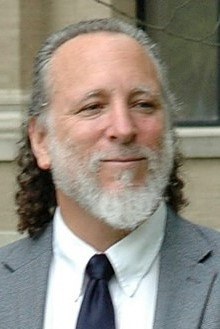
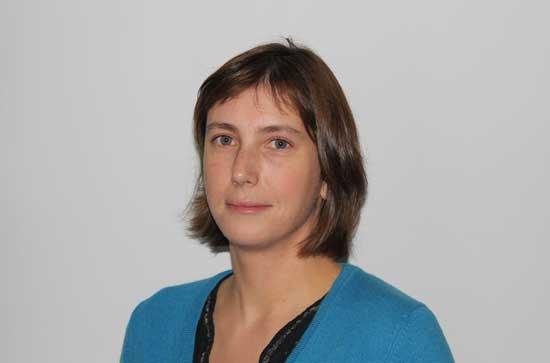
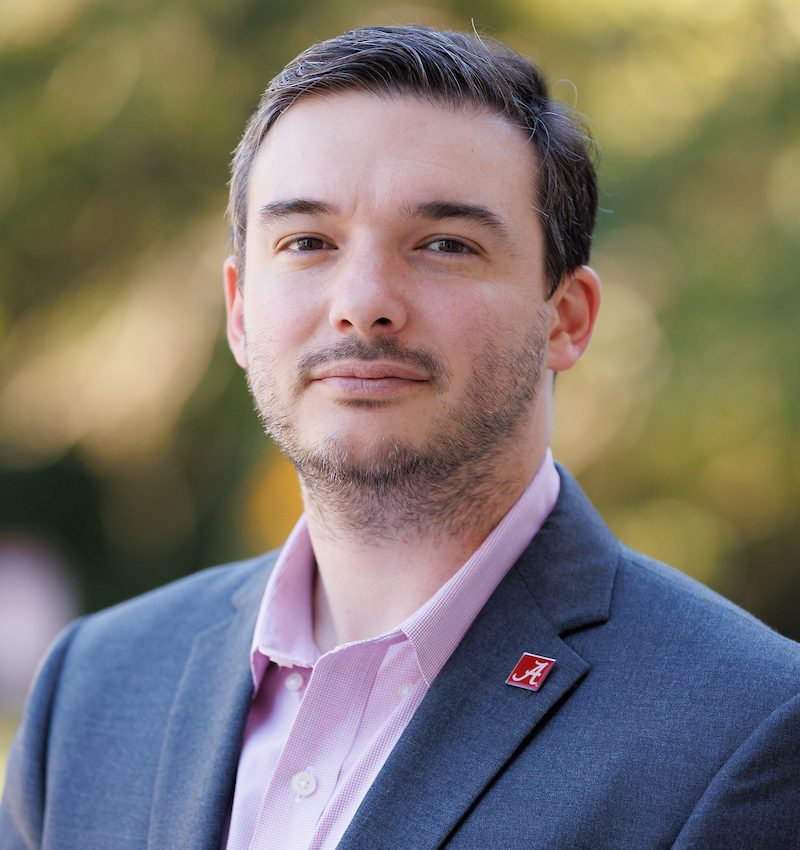
Andrew Stewart is a Professor at the School of Law, Queensland University of Technology (QUT), specializing in Labour Law, Employment Relations, and regulatory frameworks for the Gig Economy. His research focuses on internships, platform work regulation, and workplace fairness. Key Collaborations: Penny Williams, Paula McDonald, Rosemary Owens, Jim Stanford Research Themes: Gig economy fairness, internship regulation, employment classification, workplace surveillance His recent work includes Creighton and Stewart's Labour Law (7th Edition) and submissions to parliamentary inquiries on digital platform work. He co-edited Internships, Employability and the Search for Decent Work Experience (2021). Publications span the Industrial Law Journal , American Journal of Comparative Law , and The Economic and Labour Relations Review . Research emphasizes regulatory innovation in employment law and the intersection of education/work.
Dr. Yongchao Huang is a Lecturer (Assistant Professor) in the School of Natural and Computing Sciences at the University of Aberdeen, where he has been employed since August 2023. He also holds affiliations with the University of Oxford and the University of Cambridge through past postdoctoral and collaborative roles. He is actively involved in research, teaching, and academic service, and is currently accepting PhD students. His educational background includes: DPhil in Engineering Science, University of Oxford (2013–2017) Additional training in Machine Learning at Oxford (2015–2019) Dr. Huang's research focuses on fundamental and physics-informed machine learning, with core interests in Bayesian inference, variational methods, generative modeling (especially score-based), reinforcement learning, and interdisciplinary AI applications in mechanics, biology, energy, climate, and finance. A central theme of his work is the inference and sampling of probability densities, particularly through innovative particle-based and physics-inspired computational frameworks. He founded the Computational and Physical Learning (CPL) lab at Aberdeen in 2023. His recent publications (2020–2025) reflect a strong trend in probabilistic machine learning, with increasing focus on physics-based inference methods such as electrostatics, fluid dynamics, and material point methods. These works bridge machine learning with applied mathematics and physical simulation, demonstrating a unique interdisciplinary approach. Topics span Bayesian neural networks, acoustic wave propagation, mortality modeling, and adversarial cybersecurity. Dr. Huang has received academic recognition through invitations to serve on program committees and editorial roles: Program Committee Member, ECAI 2024 Organizing Committee, Bioinference 2024 Guest Editor, Journal of Theoretical Biology Senior Scientific Advisor to a UK firm He has supervised 57 MSc theses independently and currently supervises one PhD student. He has secured research engagement through collaborations with institutions including Oxford, Cambridge, and industry partners. His teaching includes courses such as Introduction to Software Engineering , Software Process and Management , and Computational Intelligence at Aberdeen, as well as practicals in inference at Cambridge. Dr. Huang leads the Computational and Physical Learning (CPL) lab at the University of Aberdeen, a curiosity-driven research group focused on foundational advances in machine intelligence. Though currently a solo researcher due to limited resources, the lab emphasizes end-to-end research and open collaboration. He encourages student mobility and interdisciplinary exploration.
Aaron Pincus is a Professor of Psychology at Penn State University's Department of Psychology within the College of the Liberal Arts. He is a Licensed Psychologist with extensive research expertise in personality psychology, clinical psychology, and interpersonal processes. Dr. Pincus directs the Personality Psychology Laboratory with a focus on adult clinical psychology. His primary research interests include Contemporary Integrative Interpersonal Theory (CIIT), pathological narcissism, and the DSM-5 Alternative Model of Personality Disorders. His work integrates clinical and personality psychology through the "interpersonal situation" framework, examining how individual differences in personality impact social functioning across multiple timescales. Dr. Pincus has developed several assessment tools including the Pathological Narcissism Inventory (PNI), the Inventory of Interpersonal Problems Circumplex Scales (IIP-C), and the Interpersonal Stressors Circumplex (ISC). His recent publications demonstrate expertise in circumplex measurement methods, interpersonal pathoplasticity, and the integration of personality structure and dynamics. Contemporary Integrative Interpersonal Theory (CIIT) Circumplex Measures and Methods Interpersonal Pathoplasticity Integration of Personality Structure and Dynamics Pathological Narcissism (grandiosity and vulnerability) DSM-5 Alternative Model of Personality Disorders His laboratory employs intensive repeated measures of social perception and behavior using daily diary assessments via smartphone technology to examine intraindividual variability across interactions, days, weeks, and years. This research connects social perception, behavior, emotions, and symptoms to stress, health, psychopathology, and adjustment.
Johannes Zimmermann is Professor of Differential and Personality Psychology at the Institute of Psychology, University of Kassel, Germany. His work integrates personality science, psychopathology research, and advanced assessment methods, with particular expertise in dimensional models of personality disorders and the Hierarchical Taxonomy of Psychopathology (HiTOP). Education and Career Diploma in Psychology, University of Koblenz-Landau (2007) Doctorate, University of Heidelberg (2011) Post-doctoral fellow, German-Chilean Graduate School, Heidelberg University (2007–2010) Research Associate, University of Kassel (2010–2015) Professor for Methodology and Psychological Diagnostics, Berlin School of Psychology (2015–2018) Professor of Differential and Personality Psychology, University of Kassel (since 2018) Research Interests Prof. Zimmermann's research centers on personality assessment , psychopathology , and psychotherapy outcomes . He develops and validates instruments for measuring personality functioning and maladaptive traits, advances the Hierarchical Taxonomy of Psychopathology (HiTOP) framework, and employs ambulatory assessment to capture dynamic processes in daily life. Key themes include: Dimensional classification of personality disorders and psychopathology Ecological momentary assessment of affect and behavior Validation of German-language assessment tools (e.g., LPFS-BF, PID-5, HiTOP-SR) Long-term effectiveness of psychodynamic and cognitive-behavioral therapies Digital mental health and smartphone-based data collection Scientific Awards ISSPD Young Investigator Award (2019) – International Society for the Study of Personality Disorders SITAR Jerry Wiggins Student Award (2010) – Society for Interpersonal Theory and Research Advising & Collaborative Networks Prof. Zimmermann mentors doctoral and post-doctoral researchers through his roles in the German-speaking psychological community. He collaborates with international consortia including the HiTOP consortium, the PsyChange Network, and the London Personality and Mood Disorder Research Consortium, serving as principal investigator or co-investigator on projects funded by the German Research Foundation (DFG) and other bodies. Labs & Teams He leads the Differential Psychology Research Group at the University of Kassel, which focuses on measurement development, ambulatory assessment, and applied psychopathology research. The group maintains active collaborations with clinical centers across Germany and Europe for data collection and intervention studies.
Steven Neil Evans is a Professor in the Departments of Statistics and Mathematics at the University of California, Berkeley, with a joint appointment since 1999. His research spans stochastic processes, probability on algebraic structures, and applications in population biology, phylogenetics, and computational biology. BSc (Hons I & University Medal) in Statistics, University of Sydney (1983) PhD in Mathematics, University of Cambridge (1987) Research Interests: Evans works on random matrices, Lévy processes, measure-valued stochastic processes, coalescent models in biology and chemistry, phylogenetics (including invariants), biodemography, mutation-selection balance, and stochastic models in population genetics. His recent work connects probability theory with computational biology, focusing on metagenomics and transcriptional regulation. He also explores computational algebra in modeling biological systems. Articles Trends: His publications reveal a trajectory from foundational work in stochastic processes and Lévy processes to interdisciplinary applications in phylogenetics, population genetics, and computational biology. Key subfields include mutation-selection models, random tree structures, stochastic differential equations, and algebraic probability. Recent work addresses phylogenetic networks and Frechet mean sets in metric spaces. Scientific Awards: Rollo Davidson Prize (1990) Presidential Young Investigator Award (1991) Alfred P. Sloan Foundation Fellowship (1993) G. de B. Robinson Prize (1997) Miller Research Professor (2002) Fellow, American Mathematical Society (2012) Member, National Academy of Sciences (2016) Advising and Grants: Evans has advised over 30 PhD/Master's students since 1993. He has received continuous NSF grants (1988-2019), NIH funding (2016-2018), and international fellowships. His academic service includes editorial roles at major journals and organizing conferences in probability and mathematical biology.
Katarina Domijan is an Associate Professor in Statistics at the Department of Mathematics and Statistics, Maynooth University, Ireland. She holds a PhD in Statistics from Trinity College Dublin (2008) and has been affiliated with Maynooth University since 2008, transitioning from Lecturer/Assistant Professor to her current role in 2024. Her academic career includes editorial roles as Associate Editor for The R Journal (2021–present) and the Journal of Computational and Graphical Statistics (2015–2024). Research Interests focus on Bayesian methods for high-dimensional data, particularly in classification problems. She specializes in feature selection and model visualization, with applications spanning agricultural data analysis (e.g., hyperspectral imaging for lactose prediction), medical diagnostics (e.g., sepsis and cancer detection), and space physics (e.g., Saturn Kilometric Radiation classification). Her work bridges theoretical statistics with real-world challenges, including socio-economic studies and forensic science. Key Research Areas Bayesian statistical inference Machine learning for large feature spaces Statistical computing and model interpretability Data visualization and chemometrics Scientific Contributions include leading projects like VistaMilk Phase II (2024–2030, €152,300) and Measuring Carbon Sequestration (2024–2028, €174,788.90). Her 15 most recent publications highlight advancements in ensemble modeling, spatial statistics, and medical diagnostics. Scientific Awards Associate Editor, The R Journal (2021–present) Associate Editor, Journal of Computational and Graphical Statistics (2015–2024) Student Supervision includes PhD and MSc graduates such as Dr. Bruna Wundervald (2024) and Dr. Mark O’Connell (2017). She also collaborates with researchers across disciplines, including Dr. Nadim Akasheh in food hypersensitivity studies.
Dr. Patrick Shane Crawford serves as Assistant Professor in the Department of Civil, Construction and Environmental Engineering at the University of Alabama's College of Engineering. Affiliated with the Center for Sustainable Infrastructure and Alabama Water Institute, his research focuses on enhancing community resilience to tornadoes, floods, and hurricanes through interdisciplinary engineering approaches integrating social science and policy perspectives. His educational background includes: B.S. in Civil Engineering (2012, University of Alabama) M.S. in Civil Engineering (2014, University of Alabama) Ph.D. in Civil Engineering (2018, University of Alabama) Dr. Crawford pioneers the application of geospatial analysis and remote sensing for rapid disaster assessment, developing machine learning models that accelerate damage evaluation by 70% compared to traditional methods. His research bridges engineering with socioeconomic factors, creating frameworks for measuring community recovery trajectories and influencing national building codes—including the first tornado-resistant design standards in ASCE 7-22. Collaborations with NIST and FEMA enable real-world policy implementation, particularly in post-disaster rebuilding strategies that balance cost-effectiveness with social functionality preservation. Analysis of his 2022-2025 publications reveals consistent innovation in longitudinal disaster reconnaissance , with 60% of recent work focusing on tornado events using deep learning for damage classification. Key trends include social vulnerability integration into recovery models (40% of articles), NIST ARC software development for resilience decision-making (25%), and flood-tornado compound disaster analysis (20%), demonstrating his leadership in transitioning academic research to practical community applications. Active in federal partnerships, Dr. Crawford's 2025 feature Confident but Exposed: How Prepared Are U.S. Homeowners for Extreme Weather? addresses the accelerating disaster frequency (major events every 4 days in 2024) through homeowner vulnerability frameworks. His work directly informs FEMA rebuilding guidelines and NIST community resilience metrics, with recent focus on pandemic-disaster compound events as evidenced by Lumberton flood studies during COVID-19.
Associate Professor Chengguo Zhang is a researcher at the University of New South Wales (UNSW Sydney) specializing in Mining Engineering and Geomechanics . His work focuses on improving mining safety and sustainability through fundamental and applied research on dynamic rock mass failures , groundwater-mining interactions , and data-driven visualization technologies . He currently serves as the Postgraduate Research Coordinator for the School of Mining Engineering. PhD in Mining Engineering from UNSW Sydney (2015) Coordinates postgraduate research programs Recipient of multiple teaching and research awards Research Interests: Zhang's work addresses critical mining industry challenges through: Quantification of energy sources and dissipation in rock masses for rockburst management Integration of AI data analytics and 3D visualization for geotechnical risk assessment Mine subsidence and coupled hydro-mechanical behavior of rock discontinuities Development of digital ground control management systems Article Trends: His recent publications demonstrate expertise in: Numerical modeling of rock fracturing mechanisms Nonlinear fluid flow analysis in fractured rock masses Shotcrete and ground support system evaluation Hydro-mechanical coupling during shear processes Energy-based coal burst risk classification Scientific Awards: Tim Shaw Award for Innovation in Teaching (2024) International Outstanding Young Scholar Award (2023) UNSW Education Excellence Award (2021) UNSW Research Excellence Award (2018) Research Supervision: Supervises 12 active PhD students (9 as primary/joint supervisor) and has guided 11 PhD completions (7 as primary/joint supervisor), including 3 Dean's Award recipients. Focuses on numerical modeling, data visualization, and machine learning applications in mining geomechanics.
Dr. Fengzhu Sun is a Professor of Quantitative and Computational Biology and Mathematics at the University of Southern California. His research spans computational biology, bioinformatics, statistical genetics, and mathematical modeling, with a focus on metagenomics, protein interaction networks, and genome sequence analysis. Dr. Sun earned his Bachelors in Mathematics from Shandong University, Masters in Probability and Statistics from Peking University, and PhD in Applied Mathematics from USC. He returned to USC in 2000 as an associate professor after serving at Emory University (1995-2000), becoming a full professor in 2006. His research interests encompass protein interaction networks, gene expression, SNPs, linkage disequilibrium, and their applications in predicting protein functions, gene regulation networks, and disease gene identification. He pioneered alignment-free methods for genome and metagenome sequence comparison, with recent work focusing on virus-host interactions in metagenomic data. His publication record shows consistent innovation, with recent work (2023-2025) emphasizing deep learning approaches (DeepMicroClass, DeepDecon, DeepLINK) and novel statistical methods. His research demonstrates strong interdisciplinary integration of computational methods with biological applications. Fellow of American Association for the Advancement of Sciences (AAAS, 2012) Fellow of American Statistical Association (ASA, 2015) Fellow of Institute of Mathematical Statistics (IMS, 2023) Fellow of International Society for Computational Biology (ISCB, 2024) Fellow of Asia-Pacific Artificial Intelligence Association (AAIA, 2025) Member of International Statistical Institute (ISI, 2012) USC Mellon Mentoring award for faculty mentoring (2012) USC Dornsife College senior Raubenheimer Outstanding Faculty Award (2017) Dr. Sun has mentored numerous successful students and postdocs, many now in academic positions or at leading tech and biotech companies. His research group develops computational methods for complex biological data analysis, with current focus on advanced deep learning for metagenomic classification, cancer cell fraction estimation, and virus-host interaction analysis. He has created influential software tools including DeepMicroClass, ImputeCC, DeepDecon, and ViralCC that have become standard resources in computational biology.
David H Laidlaw is a Professor of Computer Science at Brown University, specializing in virtual reality, scientific visualization, and medical imaging. His work spans interdisciplinary applications in neuroscience, biomedical research, and educational tools. Brown University Affiliation Department of Computer Science His research focuses on: Immersive visualization for complex data analysis Diffusion MRI and neuroimaging techniques Human-computer interaction in virtual environments 3D interaction methods for scientific exploration Collaborative visualization tools for multidisciplinary teams Recent trends in his publications highlight advancements in: Graph neural networks for biomedical data Memory-efficient segmentation algorithms Perceptual studies in VR environments Annotation and analysis of placental vasculature Technological innovations in foot dynamics research He teaches courses in virtual reality design and scientific visualization, including: CSCI 1370 - Virtual Reality Design for Science CSCI 1951S - Virtual Reality Software Review CSCI 1951T - Surveying VR Data Visualization Software CSCI 2370 - Interdisciplinary Scientific Visualization
Anne G Hoen is an Associate Professor at the Geisel School of Medicine , Dartmouth College, with joint appointments in Epidemiology , Biomedical Data Science , and Microbiology and Immunology . Her research focuses on microbiome development in infants, environmental exposures, and their associations with health outcomes, using interdisciplinary approaches including statistical modeling and bioinformatics. Research Interests: She explores how microbial communities in early life influence disease risk through environmental and dietary factors. Her work integrates microbiome-metabolome interactions, computational methods for microbial network analysis, and epidemiological studies of infectious diseases. Recent Article Trends: 2025-2024 publications highlight maternal diet-microbiome links, microbial interaction networks, ECHO consortium collaborations, and novel computational approaches for microbiome data. Key sub-fields include perinatal exposome, microRNA profiling, and longitudinal metabolomic analysis. Scientific Awards: K01LM011985: Bioinformatics strategies for early life microbiomics R01LM012723: Multi-omic functional integration using networks Advising: Mentors current PhD students in Dartmouth's Quantitative Biomedical Sciences (QBS) program, including Becky Lebeaux and Quang Nguyen, while alumni like Sara Lundgren and Wes Viles hold postdoctoral and academic positions.
Heather Krasna serves as Adjunct Assistant Professor of Health Policy and Management and Associate Dean of Career and Professional Development at Columbia University's Mailman School of Public Health. With over 25 years of experience, she leads career services for Mailman students while conducting nationally recognized research on public health workforce dynamics through major federal grants. Her educational background includes: BA from University of Michigan at Ann Arbor (1997) MS from New School University (1997) PhD from Maastricht University (2020) Training at Teachers College Columbia University (2020) Dr. Krasna's research examines employment outcomes, salary disparities, occupational classifications, and labor market competition within the public health workforce. Her work leverages large-scale job postings data and federal datasets to address critical gaps in workforce taxonomy and governmental public health infrastructure, directly informing policy interventions and educational curricula. Analysis of her 2021-2025 publications reveals consistent focus on defining the public health workforce scope, with growing emphasis on sector comparisons (public vs. private), equity in career services, and methodological improvements for occupational data collection. Her studies increasingly incorporate intersectional analysis of salary disparities and strategic recommendations for workforce strengthening. Her scientific recognition includes: Dean's Award for Excellence in Administrative Leadership Provost's Award for Massive Open Online Course Design Phi Beta Kappa membership As career services leader, Dr. Krasna provides individual advising to diverse populations including students, elected officials, and government executives. She directs significant grant-funded initiatives including a $4.35 million HRSA Research Grant as Site Principal Investigator for the Consortium for Public Health Workforce Research (C-WORPH) and a $250,000/year CDC grant for public health infrastructure strengthening. Through the Region II Public Health Training Center, she develops and delivers strategic hiring training to health departments nationwide. Dr. Krasna actively shapes national public health workforce policy through leadership roles in the American Public Health Association Governing Council, Association of State and Territorial Health Officials' Public Health Advocacy Consensus Task Force, and multiple national committees focused on workforce taxonomy and educational standards.
Dr. Amir Javed is a Lecturer in the School of Computer Science and Informatics at Cardiff University, where he has been employed since 2019. Previously, he served as a Research Associate at the same institution from 2015 to 2019, working on projects including WEFO collaboration with Airbus, the EPSRC Ebb and Flow Energy Systems project, and the ESRC HateLab project. His research spans cybersecurity, machine learning, and IoT security, with particular focus on intrusion detection systems for in-vehicle networks, adversarial machine learning, cloud security, and cybersecurity education. He investigates malware propagation on social networks, drive-by download attacks on Twitter, and the application of machine learning for real-time cyberattack forecasting. His recent work explores generative AI integration in cybersecurity education and adversarial attacks on autonomous vehicle security systems. Dr. Javed's publication trends reveal a strong emphasis on automotive cybersecurity (particularly intrusion detection for connected vehicles), adversarial machine learning techniques, and innovative approaches to cybersecurity education. His work increasingly focuses on federated learning applications for vehicle security and the educational challenges of integrating generative AI into cybersecurity curricula. He leads the Social Data Science Lab (ESRC-funded, £1.5 million, 2020-2022) and teaches the CMT116 Cyber Security and Risk course. His supervisory portfolio includes doctoral research on in-vehicle network security, cloud service abuse detection, and adversarial attacks in intrusion detection systems.
Jennifer Neville is a Senior Principal Researcher at Microsoft Research Redmond and holds the Samuel Conte Chair Professor of Computer Science and Statistics at Purdue University. With over 100 publications and 10K citations, her research spans data mining, machine learning, and AI algorithms for relational and networked domains including social networks, epidemiology, and web analytics. Education: BS in Computer Science, University of Massachusetts Amherst (2000) MS in Computer Science, University of Massachusetts Amherst (2004) PhD in Computer Science, University of Massachusetts Amherst (2006) Her work focuses on relational learning techniques that exploit connections between entities to enhance pattern discovery. Recent research explores large language models (LLMs), emphasizing alignment with user intent through interaction at scale, while addressing statistical biases from graph structures. Selected scientific awards include the NSF Career Award (2012), ICDM Best Paper (2009), and IEEE’s 10 to Watch in AI (2008). She served on the AAAI Executive Council (2015-2018) and chaired multiple conferences including SIAM Data Mining (2019) and ACM Web Search (2016). Contact: neville@cs.purdue.edu jenneville@microsoft.com
Paolo Rota is a tenure-track Assistant Professor at the University of Trento, affiliated with the Department of Information Engineering and Computer Science (DISI) and the Center for Mind/Brain Sciences (CIMeC). His research lies at the intersection of computer vision, machine learning, and multimodal AI, with a strong emphasis on vision-language models and activity recognition. His research interests include zero-shot action recognition, temporal action localization, open-world recognition, and person image synthesis. He explores how large multimodal models can be leveraged for practical applications in video analytics and industrial AI, often developing training-free or source-free adaptation methods that improve model generalization. Recent publications show a consistent trend in utilizing large vision-language models (e.g., CLIP, LMMs) for tasks such as image classification, domain adaptation, and action recognition, emphasizing simplicity, zero-shot capabilities, and real-world applicability. His work frequently appears in top venues including CVPR, NeurIPS, ICCV, and ICIAP. He actively mentors PhD students including Benedetta Liberatori, Jiaqi Liu, Yan Shu, Shiyao Xu, and Alessandro Conti, often co-advising with faculty such as Elisa Ricci and Nicu Sebe. He also contributes to teaching, including delivering lectures on machine learning for the MSc in Data Science program. He co-founded Mountain Maps, a startup using AI to enhance outdoor navigation and mountain exploration. His work bridges academic research and practical innovation, aiming to increase the real-world impact of AI systems.