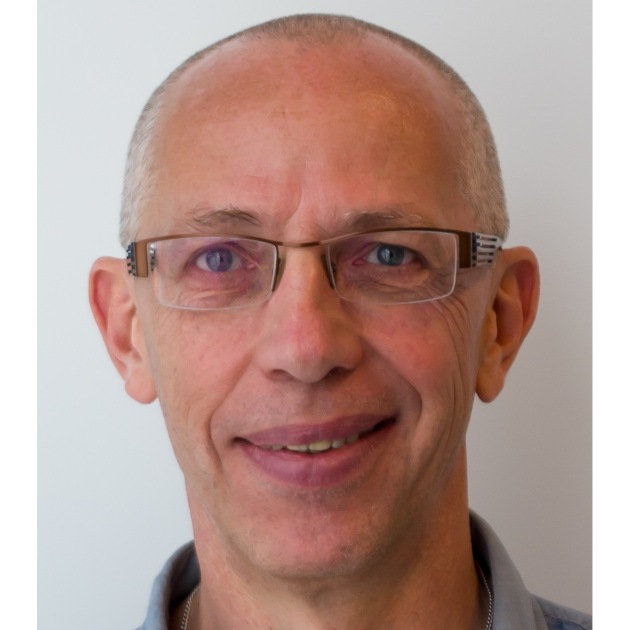
Renaud Pacalet is a Researcher at Institut Mines-Télécom – Télécom Paris , affiliated with the Communications and Electronics (Comelec) Department and the System on Chip (LabSoc) research team under the Information Processing and Communication Laboratory (LTCI). His work spans hardware security, embedded systems, and software-defined radio (SDR) architectures. Current Research: Hardware security, side-channel attacks (power, timing, fault injection), RISC-V security analysis using gem5, FPGA scheduling for cloud data centers, and model-driven design methodologies. Past Research: Hardware acceleration for ray tracing, SDR front-end processing, SoC security, and memory bus protection (SecBus project). Teaching: Courses on Digital Systems, Computer Architecture, and Hardware Security at EURECOM, including lab sessions on side-channel attacks and fault analysis. Email: renaud.pacalet@telecom-paris.fr Contact: Télécom ParisTech, Campus SophiaTech, 450 route des Chappes 06410 Biot, France
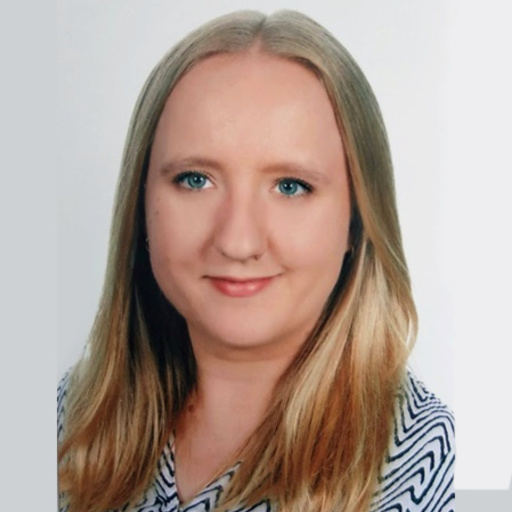
Aleksandra Knapińska is a doctoral researcher at the Wrocław University of Science and Technology, Faculty of Electronics, Photonics and Microsystems, Department of Computer Networks and Systems. She is an active member of multiple research teams including the Computer Networks Team, Machine Learning Team, and Advanced Data Analysis Methods Team. Her work is primarily associated with the MAAN project focused on optimizing multilayer application-aware networks. Her research interests center on network optimization , machine learning for traffic prediction , and multi-criteria optimization in optical and multilayer networks . She applies advanced data analysis and machine learning techniques to model and predict time-varying network traffic, particularly in backbone and optical networks. Her work bridges theoretical modeling with practical network performance evaluation. The most recent articles highlight a strong trend in using machine learning—especially ensemble and neural network models—for short-term and long-term network traffic forecasting. These publications emphasize challenges such as feature selection, bandwidth blocking, node failure resilience, and traffic fragmentation in spectrally-spatially flexible optical networks. The research is deeply applied, targeting real-world network performance improvements. Scientific profiles: Google Scholar ResearchGate ORCID: 0000-0003-2654-4893 She is involved in supervising diploma theses and has participated in international research collaborations, including an internship at Politecnico di Torino, Italy, under the InterDocSchool program. She has presented her work at major conferences such as GLOBECOM, ONDM, RNDM, and CNSM. Her PhD thesis, titled "Optimization of multilayer networks with time-varying traffic aided by traffic prediction", is supervised by Prof. Krzysztof Walkowiak, with Dr. Piotr Lechowicz as co-supervisor. She is part of ongoing research projects including: Dark-Box Optimization – Developing highly effective general-purpose optimizers Evolutionary methods for multi-criteria optimization with many criteria Advanced optimization of multi-layer application-aware networks (MAAN) Using multi-criteria optimization in classifier training for decision-making tasks
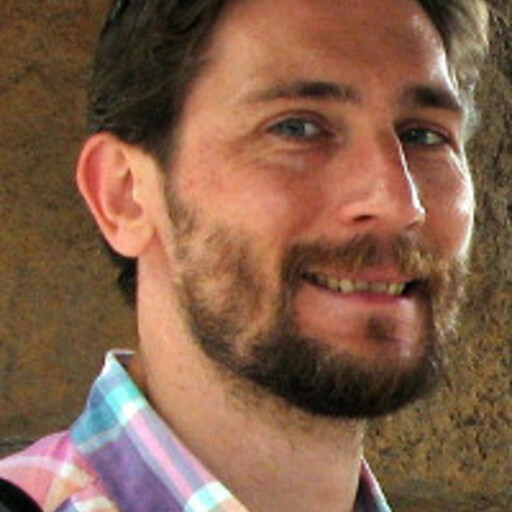
Harry Lahrmann is an Associate Professor and Research Group Leader at the Department of Construction, Urban and Environmental Engineering within Aalborg University's Faculty of Engineering and Science. He specializes in traffic safety research with a focus on cyclist-pedestrian interactions, vehicle inspection systems, and urban mobility solutions. Key Research Areas: Bicycle traffic, road safety analysis, traffic engineering, and data-driven transportation policy Recent Work Trends: Utilizes ambulance data and self-reporting mechanisms to identify hazardous road locations; investigates impact of vehicle inspection programs and cycling safety technologies Awards: 1994 - First prize in bicycle safety at intersections Advising & Grants: Supervises PhD students and secures funding from institutions like TrygFonden for projects such as "Better Data on Traffic Accidents." Labs & Teams: Leads the Traffic Research Group, collaborating with experts in infrastructure, hydraulic engineering, and environmental technology.
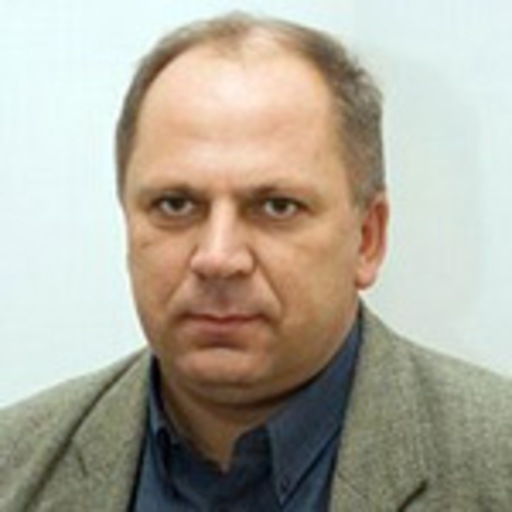
Paweł Myszkowski is a Professor at Wrocław University of Science and Technology, affiliated with the Department of Artificial Intelligence within the Faculty of Computer Science and Management. He is a key member of the Metaheuristics Team and actively contributes to research in evolutionary computation, multi-objective optimization, and scheduling algorithms. His research focuses on evolutionary algorithms , metaheuristics , and multi-objective optimization , particularly applied to the Multi-Skill Resource-Constrained Project Scheduling Problem (MS-RCPSP). He has developed hybrid algorithms combining differential evolution, greedy methods, and ant colony optimization. His work includes the creation of benchmark datasets (iMOPSE) and quality measures for optimization algorithms. The recent publications show a strong trend in algorithmic innovation for complex scheduling and design automation , with applications in architectural design and financial modeling. His work bridges theoretical optimization and practical implementation in software systems. Golden Badge of Wrocław University of Science and Technology He supervises diploma theses and collaborates extensively with researchers such as Maciej Laszczyk and Marek Skowroński. He has contributed to the development of tools and benchmarks that support reproducibility and comparative evaluation in computational intelligence research. He is involved in research projects on dark-box optimization, multi-criteria optimization for classifiers, and application-aware network optimization, indicating an ongoing active research agenda.
Michał Panek is a researcher at the Department of Computer Systems and Networks, Faculty of Computing, Wroclaw University of Science and Technology. He is a member of the Machine Learning Team (ZUM) and actively contributes to research in optimization and machine learning applications in networking. His research interests include: Machine Learning in cellular networks Multi-criteria and many-objective optimization Evolutionary algorithms with gene-linkage techniques Application-aware multi-layer network optimization Classifier training using optimization methods The research projects he is involved in focus on developing advanced general-purpose optimizers (Dark-Box Optimization), evolutionary methods for high-dimensional multi-criteria problems, and performance analysis for wireless network automation. These projects reflect a strong interdisciplinary trend combining computer science, optimization theory, and telecommunications engineering. Michał Panek serves as a supervisor for diploma theses and is engaged in teaching activities. He is currently completing his doctoral studies, with a thesis titled "Machine Learning-based performance analysis to enhance the wireless network automation," supervised by Prof. Michał Woźniak and Prof. Ireneusz Jabłoński. The defense is scheduled for March 18, 2025. He is involved in key research teams including: Machine Learning Team Teaching Team Computer Networks Team Advanced Data Analysis Methods Team Metaheuristics Team
Dr. Eng. Wojciech Kmiecik is a researcher at the Department of Computer Systems and Networks, Faculty of Electronics, Photonics and Microsystems, Wrocław University of Science and Technology. He is actively involved in multiple research teams including Machine Learning, Computer Networks, Advanced Data Analysis Methods, and Metaheuristics. He also contributes to teaching and supervises diploma theses. His research focuses on optical networks , survivable multicasting , multi-criteria optimization , and metaheuristic algorithms . He has led and contributed to projects such as Dark-Box Optimization, evolutionary multi-criteria optimization, and advanced methods for multi-layer networks. His work bridges theoretical algorithm development with practical network design. The publication trends from 2010 to 2020 show a consistent focus on network survivability , elastic optical networks , and task allocation in parallel systems . His research integrates optimization techniques into networking solutions, particularly in dual homing architectures and deadline-sensitive provisioning. Key themes include resilience, efficiency, and scalability in both optical and computational systems. Scientific Awards: Medal for long-standing service to Wrocław University of Science and Technology Dr. Kmiecik has supervised diploma theses and is involved in teaching. He has not received externally reported grants, but his sustained project involvement suggests institutional or collaborative funding. He collaborates extensively with Prof. Krzysztof Walkowiak and other researchers in the department. Research Labs and Teams: Machine Learning Team Teaching Team Computer Networks Team Advanced Data Analysis Methods Team Metaheuristics Team
Mariusz Kozioł is a faculty member at the Department of Computer Systems and Networks, Faculty of Computer Science and Telecommunications, Wrocław University of Science and Technology (PWr). He actively contributes to both teaching and research, participating in multiple research teams including the Machine Learning Team, Teaching Team, Computer Networks Team, Advanced Data Analysis Methods Team, and Metaheuristics Team. His research interests span a wide range of topics in computer science and engineering, particularly focusing on: Machine Learning and Classifier Training Multi-criteria and large-scale optimization Evolutionary algorithms and metaheuristics Dark-box optimization methods Application-aware multi-layer network optimization Operating systems, virtualization, and high availability solutions IBM Power platforms (AIX, IBM i) Data science and enterprise design thinking His recent work emphasizes the application of optimization techniques in machine learning and complex system design, with a strong practical orientation in enterprise IT and data science education. He has been recognized for his expertise through IBM certifications and institutional honors. Notable recognitions include: Golden Badge of Wrocław University of Science and Technology Bronze and Golden Medals for Long-Term Service IBM Data Science Practitioner Certificate: Instructor (issued Aug 21, 2023) IBM Enterprise Design Thinking Practitioner (issued Aug 1, 2023) Mariusz Kozioł supervises diploma theses and is involved in curriculum development and teaching specialties within the department. He contributes to major research projects such as "Dark-Box Optimization" and "Development of evolutionary methods for multi-criteria optimization." He is also associated with academic events like AI&ALE and CORES. His work bridges theoretical research with industrial applications, particularly in resilient systems and data-driven decision-making. He is an active member of professional communities including COMMON (https://www.common.org.pl/) and engages in knowledge dissemination through teaching and certification programs.
Dr. Eng. Joanna Klikowska is a researcher at the Department of Computer Systems and Networks, Faculty of Electronics, Photonics and Microsystems, Wrocław University of Science and Technology. She is actively involved in the Machine Learning Team and contributes to key research projects such as MOO, IDSTREAM, and Dark-Box Optimization. Her research focuses on machine learning, particularly in the areas of imbalanced data classification, ensemble learning, and multi-objective optimization. She applies evolutionary and optimization techniques to improve classifier performance in complex decision-making tasks. The recent publications highlight a strong trend in using multi-objective optimization for training classifiers and feature selection, especially in challenging data environments. Her work bridges theoretical optimization methods with practical applications in data classification and stream learning. Involved in projects: swarog, moo, idstream She supervises diploma theses and participates in teaching activities. She is also affiliated with scientific platforms including Google Scholar, ResearchGate, ORCID, and PBN.
Dr. Robert Kissell serves as a Clinical Assistant Professor and Finance and Business Economics area Coordinator at Fordham University's Gabelli School of Business, where he has held full-time faculty status since joining as an Adjunct Professor in Fall 2015. He teaches Algorithmic Trading, Fintech, and Investment Analysis courses while leveraging extensive industry experience from roles at UBS Securities, JP Morgan, Citigroup, and Instinet. His academic credentials include a Ph.D. in Economics from Fordham University, an M.S. in Applied Mathematics from Hofstra University, and dual degrees from Stony Brook University: an M.S. in Business Management and a B.S. in Applied Mathematics & Statistics. Dr. Kissell's research spans Quantitative Finance and Sports Analytics, with emphasis on practical applications of algorithmic trading strategies and predictive modeling. His work bridges theoretical economics with real-world financial and sports industry challenges, particularly in developing transparent trading frameworks and outcome prediction systems. His publication record features two major award-winning papers that demonstrate cross-disciplinary innovation: the 2019 NBEA best paper on sports analytics and the 2012 Institutional Investor paper of the year on pre-trade modeling, establishing him as a thought leader in quantitative methodology. Professional recognition includes: Institutional Investor’s paper of the year award (2012) for "Dynamic Pre-Trade Models: Beyond the Black Box" Northeast Business & Economics Association (NBEA) best paper award (2019) for "Predictive Sports Analytics" Prior academic appointments include teaching positions at Cornell University, Molloy University, and Baruch College. The source material does not specify graduate student advising relationships, research grants, or dedicated research laboratories.
Christopher M. Orban is an Associate Professor at The Ohio State University Marion Campus in the Department of Physics. His research spans plasma physics, cosmological simulations, and innovative physics education methods. He leads the STEMcoding Project and develops free VR apps through the BuckeyeVR Initiative . Academic Rank: Associate Professor Department: Physics University: The Ohio State University Campus: Marion Campus Research Interests: Orban investigates high-intensity laser-plasma interactions for ion acceleration, develops computational tools for astrophysical simulations, and pioneers the use of virtual reality and programming exercises in physics education. His work bridges theoretical modeling with experimental validation. Laser-Produced Plasmas Cosmological Perturbation Theory Virtual Reality Education Computational Thinking Code Validation (FLASH, Gadget2) Electromagnetic Field Simulations Notable Contributions: He developed open-source educational tools like the Arduino-based pressure sensor and created browser-based physics simulations using classic video games. His 2020 High Energy Density Physics paper validated FLASH code for astrophysical jet modeling, while 2019 Physics Education work explored computational thinking in introductory courses.
Amgad Elsayed is a researcher involved in advanced computational and optimization projects, affiliated with research teams focusing on Machine Learning, Computer Networks, and Metaheuristics. He contributes to key initiatives such as Dark-Box Optimization and multi-criteria evolutionary methods. His research interests span Machine Learning , Ensemble Learning , and Optimization , with a strong emphasis on developing novel algorithms for complex decision-making and network optimization tasks. His work integrates advanced data analysis and evolutionary computation techniques. The research projects he is involved in suggest a focus on high-impact computational intelligence, particularly in multi-objective optimization and classifier development. These efforts align with modern challenges in AI and intelligent systems. There are no scientific awards listed in the available information. Amgad Elsayed has been involved in supervising diploma theses, though specific student names are not provided. There is no mention of research grants. He is actively involved in multiple research teams, including the Machine Learning Team, Teaching Team, Computer Networks Team, Advanced Data Analysis Methods Team, and Metaheuristics Team, indicating a collaborative and multidisciplinary research profile.
Arkadiusz Grzybowski is a researcher at the Department of Computer Systems and Networks, Faculty of Electronics, Wrocław University of Science and Technology. He is actively involved in multiple research teams, including the Machine Learning Team, Teaching Team, Advanced Data Analysis Methods Team, and Metaheuristics Team. He supervises diploma theses and contributes to key research initiatives in optimization and intelligent systems. His research interests span: Multi-criteria and dark-box optimization Evolutionary computation and gene-inspired search techniques Machine learning classifier training Application-aware multi-layer network optimization The recent articles extracted do not include specific publications, but the described research projects indicate a strong focus on algorithmic innovation in optimization and data science, particularly for complex decision-making tasks. His work bridges theoretical algorithm development with practical applications in networks and machine learning. Scientific awards received: Medal for Long-standing Service to the University Meritorious Service to the Faculty of Electronics Presidential Distinction from the President of the Republic of Poland (2020) He actively participates in academic service, including membership in the Faculty Council, and contributes to teaching and student supervision. While no specific grants are named, his leadership in multiple research projects suggests involvement in funded research activities. He is part of the following research groups: Machine Learning Team Teaching Team Computer Networks Team Advanced Data Analysis Methods Team Metaheuristics Team
Dr. Hwai Chyuan Ong serves as an Adjunct Professor at the School of Civil and Environmental Engineering, University of Technology Sydney since May 16, 2022. His research spans renewable and sustainable energy systems with a focus on hydrogen production, biofuel development, and waste-to-energy conversion technologies. He maintains an active research profile with numerous high-impact publications in leading energy journals. Professor Ong's research interests center on sustainable energy solutions, with particular emphasis on hydrogen production technologies, biofuel & bioenergy systems, circular economy approaches, and green technology implementation. His work bridges fundamental research with practical applications, focusing on converting waste streams into valuable energy resources while addressing environmental challenges. His research spans multiple technical domains including thermochemical conversion processes, catalytic systems, and process optimization for sustainable energy production. His recent publications reveal a strong focus on hydrogen-related technologies, waste valorization, and sustainable process design. A significant portion of his work addresses palm oil mill effluent treatment and conversion to biohydrogen, reflecting regional environmental challenges in Southeast Asia. His research increasingly incorporates machine learning applications for process optimization and demonstrates a consistent trend toward integrated systems that address both energy production and waste management simultaneously. Australia's top early career researchers in Sustainable Energy (Australian Research Report 2021) 2020 & 2019 Highly Cited Researchers (Engineering) by Clarivate Analytics Malaysia's Research Star Award (frontier researcher) 2018 & 2017 Malaysia's Rising Star Award (young researcher) 2016 Outstanding research award and most highly cited paper award by University of Malaya Excellence Award 2018 Research Magazine's Rising Star (Sustainable Energy) 2021 Professor Ong serves as Associate Editor for Alexandria Engineering Journal (AEJ) and e-Prime, indicating his active role in scholarly communication. His research portfolio demonstrates strong industry and academic collaboration, with numerous co-authored publications reflecting interdisciplinary teamwork. His work on sustainable energy systems shows particular promise for commercial application, especially in waste-to-energy conversion technologies that address both environmental challenges and energy needs.
Dr Oliver Smith is an Associate Professor (Reader) in Criminology at the University of Plymouth, affiliated with the School of Society and Culture within the Faculty of Arts, Humanities and Business. He currently serves as Associate Head of School (Research), overseeing research strategy and academic development. His research interrogates intersections between leisure practices, consumer culture, and systemic harm, with particular focus on environmental crises, dark tourism, and gambling-related harms. Recent work examines the Maldives' ecocide challenges, Alpine ski resort ecologies, and post-pandemic environmental policy frameworks. He also explores digital gambling mechanics, 24/7 capitalism's impacts, and cross-cultural gambling behaviors. Dr Smith teaches across undergraduate and postgraduate criminology modules, emphasizing critical approaches to modern societal issues. His work bridges criminological theory with practical policy concerns, advocating interdisciplinary solutions to complex social harms.
Marek Kurzyński is a Professor actively engaged in research and teaching, associated with multiple interdisciplinary research teams including the Machine Learning Team, Advanced Data Analysis Methods Team, and Metaheuristics Team. His work spans computational intelligence, optimization, and data-driven decision systems. His research focuses on developing novel optimization techniques such as Dark-Box Optimization and evolutionary methods for multi-criteria problems, with applications in network optimization and classifier training. These efforts reflect a strong integration of theoretical algorithm development and practical implementation in complex systems. The publication and project trends indicate a consistent focus on AI-based optimization, particularly in handling high-dimensional, multi-objective problems using gene-interaction modeling and application-aware architectures. He supervises diploma theses, contributing to academic training in advanced computing disciplines. While no formal awards are listed, his leadership in key research initiatives underscores significant scholarly impact. He is involved in collaborative technological innovation, including the development of a bionic prosthetic hand, demonstrating applied research in biomedical engineering contexts.