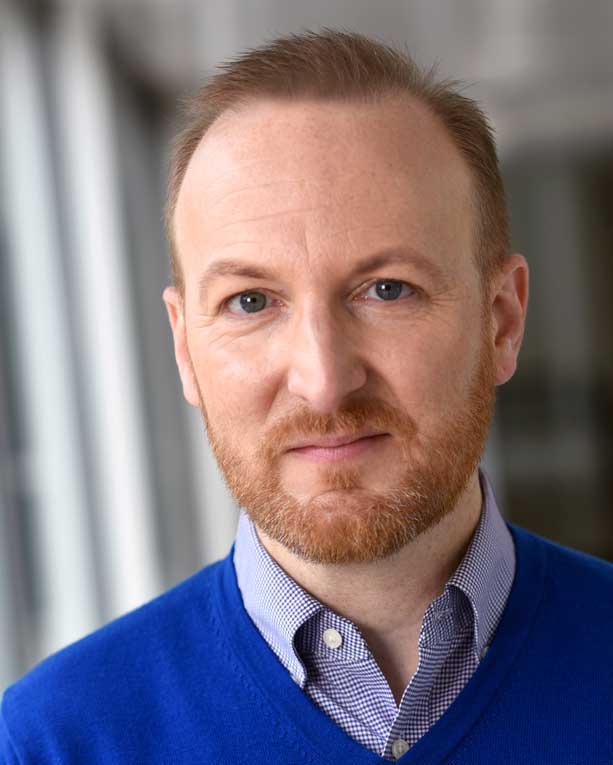
Michael J Barnes is Chair and Associate Professor in the Maggie Allesee Department of Theatre and Dance at Wayne State University. His expertise spans voice and speech coaching for stage/film, vocal training techniques, and integrating technology into theatre education. He has worked with prominent theatre companies and film productions, including dialect coaching for Sundance Award-winning The Witch . Holds an MFA from National Theatre Conservatory and BFA from University of Oklahoma Certified Associate Teacher of Fitzmaurice Voicework Advanced studies at Cambridge University Research focuses on ancient Greek pronunciation dictionaries and ultrasound biofeedback in voice training. He developed Wayne State's voice/speech curriculum, teaching courses in acting Shakespeare, speech foundations, and accent coaching. Directed 23 university productions including Cabaret , Rent , and Into the Woods . Served as VASTA President and Fitzmaurice Institute Director of Technology. His writings appear in The Voice & Speech Review and Theatre Journal .
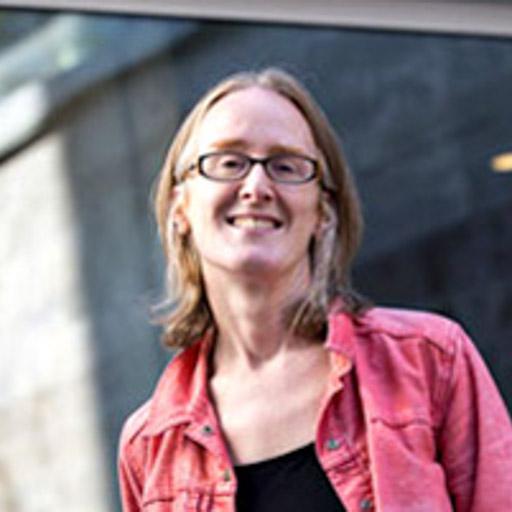
Chris Speed is a Lecturer in Games at the School of Computing and Mathematical Sciences, Faculty of Engineering and Science, University of Greenwich. He is a London-based audiovisual artist, DJ, and educator whose work explores the intersection of art and digital technology. His research and artistic practice focuses on real-time performance instruments, applied across music videos, live visuals, and immersive installations. Key research areas include: Game Development Digital Art Audiovisual Performance Immersive Installations Real-time Performance Systems New Media Art His artworks have been exhibited internationally at venues and festivals such as Peckham Digital, SOUND/IMAGE, Watermans, Arebyte Gallery, ArtFutura, and Amsterdam Dance Event. Within the university, Chris collaborates with the Greenwich-based SOUND/IMAGE Research Centre.
Tonia Ko is a Senior Lecturer in Composition at the Department of Music, Royal Holloway, University of London. She previously served as a Postdoctoral Researcher at the University of Chicago’s Center for Contemporary Composition (2018–2019) and as an Honorary Research Fellow at City, University of London (2019–2020). Her work bridges music composition with interdisciplinary practices, including sound art and visual installations. Education: B.M. (Eastman School of Music, 2010), M.M. (Indiana University Jacobs School of Music, 2012), D.M.A. (Cornell University, 2017). Her research explores experimental media, acoustic innovation, and interdisciplinary collaboration. Notable projects include Breath, Contained , using bubble wrap as a musical and visual medium, supported by residencies at MASS MoCA and the MacDowell Colony. Her music has been performed globally at venues like Carnegie Hall, Walt Disney Concert Hall, and festivals such as Tanglewood and Aspen Music Festival. Awards include the 2018 Guggenheim Fellowship and the 2021 Serge Koussevitzky Commission. She has collaborated with institutions like the Perry Chiu Experimental Theatre and Periapsis Music & Dance, expanding her work beyond traditional concert settings. Grants and residencies include the Fromm Music Foundation, Chamber Music America, and the Kimmel Harding Nelson Center. Her creative output spans acoustic compositions, improvisations, and site-specific installations, reflecting a holistic approach to sound and visual artistry.
MJ Thompson is Associate Professor in Art Education at Concordia University, researching performance studies, dance, writing pedagogies, and visual art. Her work spans feminist theory, embodiment, gender/sexuality studies, and art-environment relationships. Funded by SSHRC, Thompson examines everyday aesthetics and movement practices. She is currently writing a book on Québec dancer Louise Lecavalier and received the National Park Service Arts and Sciences Residency. Thompson has contributed to arts publications internationally for over twenty years.
David Bullen is a Lecturer in Drama & Theatre at the Department of Drama, Theatre and Dance, Royal Holloway, University of London. He specializes in feminist and queer approaches to classical texts, ancient Greek drama reception, and ecodramaturgies. Co-convenor of the MA in Theatre Directing with Katie Mitchell, he also leads the department's Careers and Professionalisation initiatives. Previously held roles include Deputy Admissions Tutor and trustee of the Actors of Dionysus. His research explores intersections between contemporary theatre practices and ancient texts, with a focus on marginalized voices in performance histories. Collaborations include work with the Centre for the Reception of Greece and Rome and the Archive of Performances of Greek and Roman Drama. He co-edited Greek Tragedy, Education, and Theatre Practices in the UK Classics Ecology (2024) and is preparing a monograph on Greek tragedy in modern British theatre. Recipient of 2022 College Team Teaching Commendation for Carbon Literacy Training initiative STR New Scholars Essay Prize (2020) for work on feminist adaptations of Bacchae Teaching encompasses undergraduate and postgraduate modules on adaptation, directing, dramaturgy, and environmental storytelling. Leads college-wide Carbon Literacy programs with cross-disciplinary teams, engaging theatre organizations like the RSC and National Theatre of Scotland. Founder of Theatre of the Gentle Furies collective, producing feminist/queer myth adaptations. Serves as Visiting Research Associate (2015-2021) at King's College London, overseeing classical drama productions. Associated with Royal Holloway's Centre for the Reception of Greece and Rome.
Dr. Kathryn J Adduci is an Associate Professor of Trumpet and Brass Area Coordinator at San José State University's School of Music & Dance, within the College of Humanities & the Arts. She holds degrees from University of Western Australia (BM, 1997), University of Georgia (MM, 2001), and University of North Texas (DMA, 2006). Her expertise spans historical instruments, particularly baroque trumpet, and she has performed globally with renowned orchestras including the Adelaide Symphony, West Australian Symphony, and Philharmonia Baroque Orchestra. Education: Doctor of Musical Arts, University of North Texas (2006) Master of Music, University of Georgia (2001) Bachelor of Music, University of Western Australia (1997) Her research focuses on historical performance practices, baroque trumpet techniques, and instrumental pedagogy. She has released multiple recordings, including a baroque solo CD (2012) and contributions to the Disney film Casanova (2005). Her teaching spans applied trumpet, brass fundamentals, and ensemble direction. Dr. Adduci's performances have been praised for their elegance and technical mastery, described as 'flawless, elegant... delicate as a flute yet powerful as brass.' She regularly collaborates with period instrument ensembles across North America and serves as a clinician for international music conferences. Teaching & Leadership: She teaches courses such as MUSC123A Brass Fundamentals, Applied Trumpet, and directs the Brass Ensemble. Office hours are held Mondays and Fridays.
Gordon Haramaki is an Associate Professor in the Department of Music at San Jose State University (SJSU), serving as Graduate Coordinator and Music History Coordinator. He directs the Collegium Musicum, the university's early music ensemble, and was a founding member of Musica Humana, an Early Music Collective at UCLA. Additionally, he co-edits echo: a music-centered journal , an online interdisciplinary publication. Education: PhD in Musicology, University of California, Los Angeles (2008) MA in Musicology, UCLA (2000) BA in Music, UCLA (1998) Research Interests: His work focuses on late Renaissance and early Baroque music, particularly the works of Claudio Monteverdi. He explores intersections between music, text, and performance practices, with additional interests in film music, Japanese court music (gagaku), and American Musical Theater. Key themes include genre representation, embodiment in music, and interdisciplinary connections between music and other arts. Key Awards: Ciro Zoppo Research Fellowship (2001) for work on Nicholas Lanier Ingolf Dahl Award in Musicology (2005), sponsored by the American Musicological Society UCLA Distinguished Teaching Assistant Award (2004) Advising and Leadership: Haramaki emphasizes innovative teaching and student engagement, as reflected in his Distinguished Teaching Award. He advises on Baroque performance practices and coordinates graduate programs in music history. Through his direction of Collegium Musicum, he integrates historical research with live performance. His collaborative projects include founding Musica Humana and co-editing echo , fostering interdisciplinary dialogue. Labs/Teams: Directs SJSU's Collegium Musicum ensemble and collaborates with Bay Area early music groups like Philharmonia Baroque and San José Chamber Orchestra. His work bridges academic research and performance through initiatives like the Beethoven Center and Humanities & Arts Student Showcase.
Bridget Quinn, MD is an Attending Physician in the Orthopedics and Sports Medicine Department at Boston Children's Hospital, where she serves as Company Physician for the Boston Ballet and Lead Consulting Physician for Dean College Palladino School of Dance & Performing Arts. She holds an academic appointment as Assistant Professor of Orthopedics at Harvard Medical School, contributing to medical education while maintaining an active clinical practice focused on performing artist athletes. Dr. Quinn completed her undergraduate education and medical degree at the University of Vermont, followed by Emergency Medicine residency at Emory University and Sports Medicine fellowship at Boston Children's Hospital. She is board certified by the American Board of Emergency Medicine, providing a strong foundation for her specialized work with dancers and other performing artists. Her educational background reflects a progression from general medical training to highly specialized sports medicine expertise. Dr. Quinn's research and clinical practice centers on the unique medical needs of performing artists, particularly dancers. Her work addresses dance-specific injuries like hallux sesamoid injuries, the effects of intensive training on growing dancers, and the relationship between body composition and menstrual health in female dancers. She has developed specialized assessment protocols for dancers' strength, flexibility, and functional performance during intensive training periods. Her expertise bridges traditional sports medicine with the specific physiological and psychological demands of dance performance, recognizing that dancers face unique injury risks and recovery challenges. Analysis of Dr. Quinn's publication record reveals a clear evolution from early cancer research (2014-2015) to her current focus on dance and sports medicine. Her most impactful recent work examines quality of life metrics in pre-professional dancers, sport specialization effects, and dancer-specific injury patterns. She has conducted comparative studies on Crossfit-related injuries and published important findings on the relationship between BMI and menstrual patterns in dancers. Her research consistently addresses the holistic needs of performing artists, considering physical, psychological, and nutritional factors that influence performance and injury risk. While specific scientific awards are not documented in the available information, Dr. Quinn's professional recognition is evident through her leadership roles with prestigious organizations including the Boston Ballet and Dean College. Her expertise is sought after for providing medical coverage during major performances and tours, demonstrating the trust placed in her specialized knowledge by the performing arts community. Through her academic appointment at Harvard Medical School, Dr. Quinn mentors medical students, residents, and fellows interested in sports medicine and orthopedics. Her clinical work involves comprehensive care for young athletes and performing artists, with emphasis on injury prevention, safe return to performance, and long-term health maintenance. She collaborates with physical therapists, athletic trainers, nutritionists, and mental health professionals to address the multidimensional needs of her patients, recognizing that optimal performance requires attention to all aspects of health. Dr. Quinn is an integral part of Boston Children's Hospital's Performing Artist Athletes Program and The Micheli Center for Sports Injury Prevention. These specialized programs provide comprehensive, multidisciplinary care addressing the unique medical needs of dancers and other performing artists, including nutrition counseling, bone health monitoring, endocrine evaluation, psychological support, and rehabilitation tailored to performance demands. Her work in these programs has helped establish standards of care for performing artist athletes that are now recognized nationally.
Joy Clark is a Lecturer in the Theatre Department at Boston College since Fall 2023. She holds additional roles as an Assistant Professor at Berklee College of Music, The Boston Conservatory at Berklee, and Emerson College. With 25 years of experience, she is an AEA actor, director, choreographer, and educator. Her teaching spans courses like Introduction to Theatre , Musical Theatre Dance , and Professional Preparation . Her research focuses on musical theatre history, dance, and industry readiness. She has been nominated for an IRNE Award and directed acclaimed productions such as Sweeney Todd and Make Way for Ducklings , praised by the Boston Globe. Awards include the William Wolack Playwriting Award and Miss California (2012). She teaches students from kindergarten to college, emphasizing arts advocacy. Professional activities include acting, choreography, and leadership in theatre education. Her work bridges performance, pedagogy, and community engagement.
Timothy R. Mangin is an Assistant Professor in the Department of Music at Boston College. He holds a Ph.D. from Columbia University (2013) and has taught at Columbia University, New York University, St. Lawrence University, and The City College of New York. His research focuses on ethnomusicology, indigenous cosmopolitanism, Senegalese music, and digital humanities, with a particular interest in the intersection of popular music, race, ethnicity, religion, and cosmopolitanism in West Africa and the African Diaspora. Education: Ph.D. in Music, Columbia University, 2013 Research Interests: Senegalese urban dance music (mbalax) Black, Wolof, gendered, and Muslim identities Senegalese hip hop and blackness Improvisation in NYC's underground hip hop and jazz scenes Role of digital humanities in music pedagogy and research Publications: Contributions to 'Begegnungen: The World Meets Jazz' and 'Uptown Conversations: The New Jazz Studies', as well as peer-reviewed articles in The Yearbook for Traditional Music and Ethnomusicology On-Line . Awards: Fulbright-Hays Doctoral Research Abroad Program Fellowship Mellon Foundation Predoctoral Fellowship Columbia University fellowships (Center for Comparative Literature and Society, Department of Music, Institute for Research in African Studies) Advising & Pedagogy: Founder of St. Lawrence University’s Jazz and Improv Ensemble; explores mbira and Capoeira Brasil music traditions; integrates digital humanities into teaching at Boston College. Current Projects: Book manuscript on indigenous cosmopolitanism through Senegalese mbalax music and identities; digital humanities initiatives with students and faculty.
Stephanie Petagno is a Professor of Production Design at the Savannah College of Art and Design (SCAD), specializing in costume design, immersive experiences, and cross-disciplinary production. Her career spans theater, film, opera, and music video projects with a focus on historical authenticity, avant-garde experimentation, and narrative-driven aesthetics. Education: M.F.A. in Costume Design from California Institute of the Arts (CalArts), B.F.A. in General Sculptural Studies from Maryland Institute College of Art (MICA). Professional training includes roles as co-instructor at CalArts' Community Arts Partnership (2020) and guest designer at Chavez Ravine (2019). Research interests include: 1) Costume design as narrative driver in theater/opera, 2) Immersive environments in music videos and installations, 3) Historical costume curation techniques, 4) Special effects makeup for film and theater. Notable projects include award-winning designs for The Day Shall Declare It (Stage Raw Awards), ZONA (2019 film), and Museum of America (30 Seconds to Mars collaboration). Recent work trends show increasing focus on interdisciplinary projects blending theater, film, and interactive media. Her 2016-2019 projects demonstrate expertise in dystopian narratives ( The Last Shift ), historical drama ( Chavez Ravine ), and avant-garde experimentation ( LORE immersive experience). Received Encore! Producer's Award (2016) for innovative production design Academy of Motion Picture Arts and Sciences Film Craft Grant (2014) Selected as guest instructor at multiple institutions including CalArts and LA Mission College Labs/Teams: Works closely with Moving Art Collective, Son of Semele Productions, and Wilderness Collective. Current projects emphasize collaborative approaches to costume design and immersive storytelling.
Steven Bray is a Professor in the Department of Kinesiology at McMaster University, where he directs the Exercise and Health Psychology Laboratory. His work bridges psychological theory and health behavior, focusing on self-regulation and self-efficacy in physical activity contexts. Ph.D. in Kinesiology, University of Waterloo (1998) M.A. in Kinesiology, University of Western Ontario (1992) B.A. in Physical and Health Education, University of Western Ontario (1990) Research interests center on psychological factors affecting health behavior adoption, particularly mental fatigue mechanisms , self-efficacy frameworks , and physical activity trajectories . His work spans populations from children to frail elderly, with recent emphasis on virtual rehabilitation programs and sedentary behavior mapping using wearable technology. Recent publications (2021-2024) reveal trends in mental fatigue-behavior interactions , dynamic physical literacy assessment , and technology-aided interventions for frail older adults . Key methodologies include ecological momentary assessment meta-analytic approaches longitudinal study designs Labs & Teams: Leads the Exercise and Health Psychology Laboratory , which develops interventions for diverse populations including postnatal women, cardiac rehabilitation patients, and youth athletes. Current projects involve virtual frailty rehabilitation systems and physical activity guidelines for children.
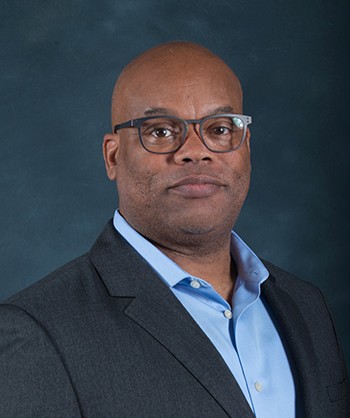
John L. Worley, Jr. is a Lecturer in the Department of Music at Stanford University, alongside roles at San Jose Jazz Educational Programs and Hope St. Music Studios. He is an accomplished Yamaha Performing Artist and educator, recognized in David Hickman’s Trumpet Greats (2013). His expertise spans jazz trumpet/flugelhorn performance and pedagogy, with over 30 years of experience in the San Francisco Bay Area's creative music scene. Research interests include jazz ensemble leadership, improvisation, and cross-cultural musical collaborations. Notable projects include his bands Mo-Chi Quartet, WorlView, and Bari Bari, which have performed at major festivals like Monterey Jazz Festival and Montreux Jazz Festival. He has collaborated with artists such as Wayne Shorter and Carla Bley, and produced albums like WorlView (2003) and Naivasha (2014). Award highlights include inclusion in Trumpet Greats and Yamaha artist status. He actively contributes to music education through Stanford, San Jose Jazz, and Hope St., emphasizing accessibility and enthusiasm across diverse learners. Labs/Teams: Leader of Mo-Chi Quartet, WorlView, and Bari Bari; affiliated with Dancing Sumo Records (his label). Professional memberships include BMI, AFM Local 6, and International Trumpet Guild.
Sarah Weston is a researcher and practitioner specializing in applied and community theatre and performance practice. She holds a PhD from the University of Leeds (2018), an MA from the University of Manchester (2014), and a BA from Royal Holloway, University of London (2011). Currently affiliated with the University of Manchester's Research Explorer, she has taught at the University of Leeds and University of Bolton, focusing on theatre, media, and applied arts. Her work investigates performance training’s social impact, particularly voice training as a tool for political intervention and community engagement. Weston co-directs Salford Community Theatre, creating promenade plays rooted in local industrial heritage. She serves as Co-Editor of the Theatre Dance and Performance Training Blog and Convener of the TAPRA Performer Training Working Group. Her research emphasizes the intersection of voice, political communication, and embodied performance, particularly with young women and marginalized communities. Her publications (2018–2019) explore voice training’s role in social change, community plays as political tools, and methods to foster youth civic engagement. Though no formal awards are listed, her contributions to applied theatre and performer training reflect sustained scholarly and practical innovation.
Professor Richard Causton is a leading contemporary composer at the University of Cambridge's Faculty of Music , where he also supervises PhD students. His work bridges political critique , mythological themes , and technical innovation in orchestral and chamber music. Studied at University of York , Royal College of Music , and Scuola Civica, Milan under Franco Donatoni Current projects include IRCAM Artistic Research Residency (2022-2023) developing Electro-Magnetically-Prepared Piano with Per Bloland His compositions explore: Temporal duality in works like Ik zeg: NU (2019) and If I Could Tell You (2024) William Blake's influence through pieces such as Twenty-Seven Heavens (2012) and Chamber Symphony (2010) Instrumental innovation including custom-built microtonal bells for The Persistence of Memory (1995) Recent article trends show: 15 compositions spanning 1992-2024 Focus on time perception (7 works), political allegory (5 works), and instrumental transformation (6 works) Emphasis on spatial sound design and live-recorded interplay Scientific recognition includes: 2006 Royal Philharmonic Society Award for Phoenix British Composer Award First Prize at International 'Nuove Sincronie' Competition 2019 International Rostrum Commendation for Ik zeg: NU Active grants and affiliations: IRCAM Artistic Research Residency (2022-2023) Sound Investment commissioning scheme (for Chamber Symphony ) 2012 London 2012 Cultural Olympiad participant Collaborations with BBC Symphony Orchestra , London Sinfonietta , and Britten Sinfonia