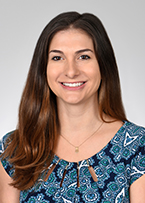
Dr. Abby Mulay is an Assistant Professor in the Department of Psychiatry and Behavioral Sciences at the Medical University of South Carolina (MUSC), specializing in forensic psychology within the Community and Public Safety Psychiatry Division. She holds a PhD in clinical psychology from Long Island University and a Bachelor's in Jazz Voice Performance from the Manhattan School of Music. Education: Bachelor's of Music in Jazz Voice Performance (Manhattan School of Music) PhD in Clinical Psychology (Long Island University) Her research focuses on forensic evaluation methodologies, including competency assessments and the clinical utility of the DSM-5 Alternative Model for Personality Disorders (AMPD). She co-edited a seminal text on the AMPD and serves as Associate Editor for the Journal of Personality Disorders . Her clinical work includes treating personality disorders using integrative DBT/CBT approaches and supervising trainees in forensic psychology. Awards: SPA John E. Exner Scholar Award (recent recipient) Professional Roles: Representative-At-Large, Society of Personality Assessment (SPA) Board of Trustees Editorial Board Member for multiple personality and criminal justice journals She maintains a small outpatient psychotherapy practice and is actively involved in reptile care and yoga training (Baptiste style).
Emily D. Gottfried, PhD, is an Associate Professor at the Medical University of South Carolina (MUSC) in the Department of Psychiatry and Behavioral Sciences, College of Medicine. She serves as Director of the MUSC Sexual Behaviors Clinic and Lab (SBCL) and CPSPD Student Education & Research, conducting forensic evaluations, physiological sexual arousal assessments, and mentoring students. She is licensed in South Carolina and Georgia, and a National Register Health Service Psychologist. Bachelor’s in Psychology, San Diego State University Master’s in Psychology, Teachers College, Columbia University PhD in Clinical Psychology, Florida State University Her research focuses on sex offender risk assessment , malingering detection (PPG/VPP technology), female offender psychology , and forensic evaluation validity . Recent work includes dimensional personality models and QAnon-related threat analysis . She has published extensively on psychopathy , penile/vaginal plethysmography , and mental health court outcomes . Notable publication trends include Forensic validity of symptom detection tools Psychopathy in female offenders Technology's role in sexual behavior assessment Telehealth adaptation during pandemics MMPI-2-RF applications in correctional settings Psychological factors in civil commitment She leads ongoing funded studies on female sexual arousal and police officer behavioral outcomes , operating at the intersection of forensic science and clinical psychology .
Fred R. Volkmar, M.D., is the Irving B. Harris Professor of Child Psychiatry, Pediatrics, and Psychology at Yale University, and Director of the Yale Child Study Center. He also serves as Chief of Child Psychiatry at Yale-New Haven Hospital. His academic affiliations include the Yale School of Medicine and leadership roles in multiple clinical and research programs. Dr. Volkmar holds an M.D. from Stanford University (1976) and a psychology master’s degree from the same institution, alongside an undergraduate psychology degree from the University of Illinois (1972). He is renowned for authoring the DSM-IV autism and pervasive developmental disorders section and has authored hundreds of publications and several influential books, including Asperger’s Syndrome and Handbook of Autism . His research focuses on autism spectrum disorders (ASD), including diagnosis, treatment, comorbidities, and transition to adulthood. His publications emphasize evidence-based practices, neurodevelopmental mechanisms, and clinical guidelines. He leads initiatives in medical care for ASD populations and advocates for improved community support systems. Notable contributions include co-developing the M-CHAT screening tool and advancing interdisciplinary approaches to ASD management. His work intersects clinical practice, policy, and education, prioritizing patient-centered care and reducing stigma.
Aaron Pincus is a Professor of Psychology at Penn State University's Department of Psychology within the College of the Liberal Arts. He is a Licensed Psychologist with extensive research expertise in personality psychology, clinical psychology, and interpersonal processes. Dr. Pincus directs the Personality Psychology Laboratory with a focus on adult clinical psychology. His primary research interests include Contemporary Integrative Interpersonal Theory (CIIT), pathological narcissism, and the DSM-5 Alternative Model of Personality Disorders. His work integrates clinical and personality psychology through the "interpersonal situation" framework, examining how individual differences in personality impact social functioning across multiple timescales. Dr. Pincus has developed several assessment tools including the Pathological Narcissism Inventory (PNI), the Inventory of Interpersonal Problems Circumplex Scales (IIP-C), and the Interpersonal Stressors Circumplex (ISC). His recent publications demonstrate expertise in circumplex measurement methods, interpersonal pathoplasticity, and the integration of personality structure and dynamics. Contemporary Integrative Interpersonal Theory (CIIT) Circumplex Measures and Methods Interpersonal Pathoplasticity Integration of Personality Structure and Dynamics Pathological Narcissism (grandiosity and vulnerability) DSM-5 Alternative Model of Personality Disorders His laboratory employs intensive repeated measures of social perception and behavior using daily diary assessments via smartphone technology to examine intraindividual variability across interactions, days, weeks, and years. This research connects social perception, behavior, emotions, and symptoms to stress, health, psychopathology, and adjustment.
Dominick Gamache, Ph.D. serves as an Associate Professor at the Université du Québec à Trois-Rivières, working as a Psychologist with research focused on Clinical and Cognitive Neuroscience. His institutional affiliation includes office space at the Centre de traitement le Faubourg Saint-Jean and contact through dominick.gamache@uqtr.ca. Dr. Gamache's research centers on personality disorders with particular emphasis on evaluation and treatment methodologies. His work examines premature treatment dropout in patients with personality disorders, leading to the development of the Treatment Attrition-Retention Scale for Personality Disorders. He investigates variables associated with therapeutic relationships including alliance, collaboration, transference, and counter-transference during psychodynamic psychotherapy. Additionally, he has launched a significant research program examining stalking behaviors in young adult love relationships. His methodological contributions include developing and validating measures of psychodynamic variables such as personality organization and transference. Analysis of his recent publications (2022-2025) reveals a strong focus on the DSM-5 Alternative Model for Personality Disorders across multiple research domains. His work spans clinical applications, forensic contexts (particularly stalking behaviors), relationship dynamics, and psychometric validation. The research demonstrates interdisciplinary approaches combining clinical psychology, cognitive neuroscience, and forensic psychology with consistent methodological rigor in scale development and validation. Dr. Gamache maintains an active research program with numerous collaborative projects, evidenced by his extensive publication record in high-impact journals including Journal of Personality Disorders, Journal of Personality Assessment, and Frontiers in Psychiatry. His work bridges theoretical psychodynamic concepts with empirical validation, contributing significantly to personality disorders research and clinical practice.
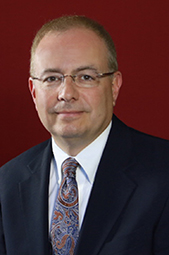
Steven K. Huprich is Professor of Psychology and Associate Director of the Doctoral Program in Clinical Psychology at the University of Detroit Mercy. He specializes in personality disorders, psychoanalytic psychotherapy, and clinical assessment. Huprich holds a Ph.D. from the University of North Carolina at Greensboro and completed clinical training at SUNY Upstate Medical University and Columbia University. His research examines classification and assessment of personality pathology, with focus on malignant self-regard as a unifying construct for depressive, narcissistic, and self-defeating personalities. Huprich has published over 125 peer-reviewed articles and authored/edited six textbooks, including 'Personality Disorders and Pathology: Integrating Clinical Assessment and Practice in the DSM-5 and ICD-11 Era' (APA, 2022). Honors include the Theodore Millon Award from the American Psychological Association (2013) for mid-career excellence in personality research. He maintains a clinical practice specializing in psychoanalytically-informed psychotherapy and diagnostic assessments.
Dr. Muirne Paap is an Associate Professor with Ius Promovendi at the Faculty of Behavioural and Social Sciences, University of Groningen. She specializes in psychometrics, with expertise in test theory, item response theory, and computerized adaptive testing. Her research focuses on enhancing clinical decision-making through advanced measurement methodologies. Education: PhD in Psychiatry from the University of Oslo (2011), MSc in Clinical Psychology and Psychometrics from the University of Groningen (2006, cum laude). Research Interests: Development of reliable clinical assessment tools Computerized adaptive testing (CAT) applications in healthcare Measurement of personality disorders and quality of life Notable Projects: SEALS Project (2024–2028): Methodology for progressive tests in education PersoniCAT Project (2019–2022): Adaptive diagnostic interviews for personality pathology Awards: FRIPRO Young Research Talents Grant (2018) Member of the Young Academy Groningen (2021) Teaching: Test theory, item response theory, and applied statistics at undergraduate and master's levels. Collaborations: Extensive international partnerships, including with Oslo University Hospital, Harvard Medical School, and the Netherlands Cancer Institute.
Dr. Anna Kubiak is a psychologist and researcher at SWPS University in Poznań, Poland, affiliated with the Faculty of Psychology and Law, Department of Clinical and Health Psychology, and the Institute of Psychology's Personality Development Research Center. She specializes in adult clinical psychology with expertise in self-destructiveness, psychological assessment, and systemic therapy. Institution: SWPS University Faculty: Faculty of Psychology and Law in Poznań Department: Department of Clinical and Health Psychology Research Center: Personality Development Research Center Contact: akubiak1@swps.edu.pl Her research focuses on non-suicidal self-harm, indirect self-destructiveness, and their relationships with attachment, emotion regulation, and inhibitory control. She has published extensively on borderline personality disorder, self-harm mechanisms, and clinical assessment methods. Her work spans both theoretical frameworks and practical clinical applications, with publications appearing in Polish and international journals. Dr. Kubiak's research demonstrates a clear progression from foundational work on self-harm mechanisms to more recent sophisticated analyses using the DSM-5 Alternative Model for Personality Disorders. Her publications show consistent focus on understanding the psychological underpinnings of self-destructive behaviors through multiple lenses including attachment theory, emotion regulation, and personality pathology. She is an associate member of the Greater Poland Society for Systemic Therapy and has practical experience working in primary and secondary schools for 10 years. Currently, she maintains a private therapeutic practice alongside her academic work. At SWPS University, Dr. Kubiak teaches psychological diagnosis, professional ethics of psychologists, and master's seminars. Her teaching reflects her clinical expertise and research interests, providing students with both theoretical knowledge and practical applications in clinical psychology.
Sander Werkhoven is an Assistant Professor at the Ethics Institute within the Department of Philosophy and Religious Studies at Utrecht University's Faculty of Humanities. His academic work focuses on the philosophical foundations of medicine, psychiatry, and ethics, with particular attention to conceptual and normative issues in health, disease, and diagnostic classification. Dr. Werkhoven earned his PhD from the University of Warwick (UK) in 2015 with a dissertation titled 'A Dispositional Theory of Health.' His educational background has prepared him for interdisciplinary work at the intersection of philosophy, medicine, and psychology. His research interests span multiple interconnected domains including the philosophy of medicine and psychiatry, medical ethics, normative ethics, and meta-ethics. Dr. Werkhoven is particularly engaged with questions about diagnostic classification in psychiatry, the conceptual foundations of health and disease, and the ethical implications of diagnostic labels. His work often addresses practical concerns in clinical settings while maintaining philosophical rigor. He is involved with the Dynamics of Youth research theme at Utrecht University, focusing on 'Becoming Adults in a Changing World' and examining how labels affect children's development. Dr. Werkhoven's publication record demonstrates a consistent focus on conceptual clarity in medical and psychiatric practice. His recent work critically examines diagnostic classification systems (particularly DSM-5), questions the conceptual foundations of ADHD diagnosis, and explores alternative frameworks for understanding health and mental disorders. His scholarship bridges analytic philosophy with practical concerns in healthcare, making significant contributions to both academic discourse and clinical practice. As an educator, Dr. Werkhoven teaches (meta-)ethics and political philosophy at both Bachelor's and Master's levels in the Department of Philosophy. He serves as a core lecturer in the Medical Humanities Master's program and teaches medical ethics in various contexts. His courses include 'The Right Question: Biomedical Ethics and Medical Philosophy,' 'Tutorial Philosophy 1,' and 'Tutorial Philosophy 2.'
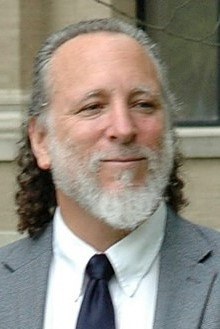
Dr. David Van Dyke is a Professor at Wheaton College, specializing in Marriage and Family Therapy (MFT) with a focus on integrating Christian faith and systemic thought. He holds a Ph.D. in Child & Family Development from the University of Georgia (2000) and is a Licensed Marriage and Family Therapist in Illinois. His teaching portfolio includes courses on systemic assessment, clinical practicum, and integration of faith with therapy. Ph.D., Child & Family Development, University of Georgia, 2000 M.S., Marriage & Family Therapy, Fuller Theological Seminary, 1995 B.A., Psychology, Wheaton College, 1991 His research spans adolescent development, family therapy models, and the intersection of Christianity with systemic theory. He has published in journals like Journal of Psychology and Christianity and contributed book chapters on faith integration and systems theory. His work explores digital interventions in therapy and the reintegration of Christian ethics into systemic practice. Recent trends in his publications emphasize faith-based MFT education, critiques of diagnostic criteria (DSM-5), and neurobiological approaches to family therapy. He has presented globally, including in China, Hungary, and Brazil, on topics like Bowenian family therapy and systemic supervision. Fulbright Scholar, Eszterházy Károly University, Hungary (2018-2019) Fellow, Chicago Center for Family Health (2000) As an AAMFT Approved Supervisor and COAMFTE Commissioner, he contributes to MFT accreditation and training. He co-hosts the With U Podcast , discussing relational therapy and faith integration.
Dr. James Sexton is Full Professor in the Clinical Psychology department at The Chicago School (Washington DC campus). With dual doctorates—Clinical Psychology (American University) and Social Psychology (UMass Amherst)—his research examines personality functioning models, trauma impacts, and emotional regulation. As consultant for NIH, CDC, and Department of State grants, he has authored 100+ presentations and publications. Clinical practice integrates mindfulness, attachment theory, and ACT for international clients managing anxiety, trauma, and anger. Chairs an APA research committee and reviews for multiple journals.
Theresa Wilberg is a Professor in the Adult Psychiatry Unit at the University of Oslo , affiliated with the Faculty of Medicine. Her research focuses on personality disorders, particularly avoidant and borderline types, and their treatment through psychotherapy. She has contributed to studies on mentalization-based treatment, societal costs of mental health conditions, and the psychometric evaluation of diagnostic tools. Key collaborations include the Norwegian network for personality disorders and the TREATment project. Wilberg has published extensively in journals like Frontiers in Psychiatry and Psychotherapy Research , emphasizing clinical outcomes, therapeutic processes, and patient experiences. Her work integrates clinical practice with long-term observational studies and qualitative analyses. Education & Background: While formal education details are not explicitly stated, her academic trajectory is evident through her long-term contributions to clinical psychiatry research and leadership in mental health initiatives. Research Interests: Wilberg’s work centers on personality disorder etiology, treatment efficacy (e.g., CBT vs. psychodynamic therapy), mentalization, and the socio-economic impact of mental health issues. She explores topics like alexithymia, countertransference, and patient-reported outcomes in specialized treatment programs. Grants & Projects: Involved in projects such as MECHANISMS OF CHANGE IN PSYCHOTHERAPY (MOP) and TREATMENT: Treatment of mental disorders and distress . Research groups include Personality Psychiatry and Psychotherapy for adults . Labs/Teams: Leads or contributes to research teams focused on personality disorder treatment, including the Adult Psychiatry Unit’s clinical research initiatives.
Antonella Somma is an Associate Professor of Clinical Psychology (RTD-B) at the Faculty of Psychology, Vita-Salute San Raffaele University in Milan, Italy. She has held this position since June 1, 2022, following a previous role as Fixed-Term Researcher Type A (RTD-A) in Psychometrics from May 2019 to April 2022. She is actively engaged in research, teaching, and editorial work, with a focus on personality disorders, psychopathology, and clinical assessment. Dr. Somma earned her Degree in Psychological Sciences in 2008 and Master's Degree in Clinical Psychology in 2010, both with honors (110/110 cum laude) from Vita-Salute San Raffaele University. She completed additional specialized training including a Master's in Forensic Psychopathology and Clinical Criminology (2011), a PhD from LUMSA University (2016), and specialized training in Psychotherapy (2018). She is registered with the Order of Psychology of Lombardy (number 14729) and maintains active clinical practice. Her research focuses on clinical psychology, particularly personality disorders, narcissism, psychopathy, mentalization, and psychometric assessment tools. She investigates the relationships between personality traits, emotional processing, executive functioning, and clinical outcomes. Her work often employs sophisticated methodological approaches including network analysis, latent dimension analysis, and intensive longitudinal data modeling. She has made significant contributions to understanding the DSM-5 Alternative Model of Personality Disorders and the assessment of personality pathology across different age groups. Dr. Somma has published extensively in high-impact journals, with recent work examining malignant narcissism, psychopathic traits, emotion regulation, and the assessment of personality disorders. Her research demonstrates a consistent focus on bridging clinical theory with empirical validation of assessment tools, particularly in Italian populations. She has contributed to both clinical applications and theoretical advancements in personality assessment. Among her scientific recognitions are the Youth Research Award from the Italian Society of Psychotherapy (2017) and multiple Best Poster Awards at national psychology conferences (2014, 2015). She serves as Associate Editor for BMC Psychiatry (Personality Disorders section) and has reviewed for several prestigious journals including Psychological Assessment and European Psychiatry. Dr. Somma is actively involved in teaching at both undergraduate and graduate levels, offering courses in psychological research methodology, psychological assessment, and multivariate analysis. She provides specialized training in SCID-5-PD and DSM-5 personality disorders assessment. She is also a member of the Research Review Group at the Faculty of Psychology and has supervised numerous student projects. Her commitment to public engagement is evident through numerous media appearances and public lectures on psychological topics for non-academic audiences.
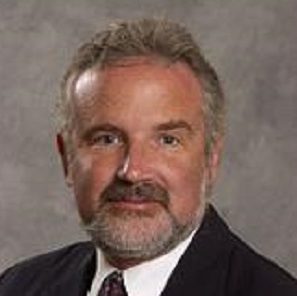
Les Morey is the George T. and Gladys H. Abell Professor of Psychology at Texas A&M University. His research focuses on clinical personality processes, particularly the assessment, diagnosis, and classification of personality disorders and psychopathology. He has contributed significantly to the development and validation of assessment tools like the Personality Assessment Screener (PAS) and the DSM-5 Alternative Model for Personality Disorders. His work emphasizes dimensional approaches to psychopathology, such as the Hierarchical Taxonomy of Psychopathology (HiTOP), challenging traditional categorical systems. Dr. Morey's research spans reliability of diagnostic criteria, gender-related biases in assessments, and the integration of modern taxonomies into clinical practice. He has authored over 150 peer-reviewed articles and book chapters, many focusing on personality functioning, validity indicators, and longitudinal stability of traits. Key Affiliation: College of Liberal Arts (implied via department) Leading Expertise: DSM-5 Implementation, Personality Assessment, Borderline Personality Disorder Research Interests: Personality Disorder Taxonomy – Explores hierarchical and dimensional models; Assessment Validity – Investigates reliability and feigning detection; Clinical Applications – Translating research into diagnostic and therapeutic tools. Publications Highlight: Over 20 articles since 2013 on HiTOP integration, DSM-5 criteria validation, and personality functioning scales. His 2017 Journal of Abnormal Psychology paper on HiTOP redefined clinical classification paradigms. Grants & Advising: While specific grants aren't listed, his sustained publication output suggests active funding. Advising focus likely centers on clinical psychology doctoral students.
Piotr Brud, Ph.D., is an assistant professor (adiunkt) at the Faculty of Christian Philosophy , Cardinal Stefan Wyszyński University in Warsaw (UKSW). His research profile is anchored in psychology, with a particular concentration on personality disorders, narcissism, the Dark Triad construct, and aggression-related phenomena. Research Interests Dr Brud’s work sits at the intersection of clinical and social psychology. Key themes include: Nosological heterogeneity of personality disorders under DSM-5 and ICD-11 Measurement and structure of narcissistic and borderline traits Dark Triad (narcissism, Machiavellianism, psychopathy) and their behavioural correlates Aggression, revenge attitudes, and self-control mechanisms Integration of the Five-Factor Model and alternative trait frameworks (FFM, FFBI) in explaining dark personality These interests are reflected in a keyword cloud automatically generated from his documented scholarly output. Scientific Output & Visibility He maintains an active publication record (nine works indexed in the university repository), holds an h-index of 3 in both Scopus and Web of Science, and has an aggregate ministerial score of 720. His ORCID (0000-0002-0320-3239) and profiles on Google Scholar, Scopus, and Web of Science ensure broad visibility of his research. Advising & Collaboration While no formal list of doctoral or master’s advisees is provided, Dr Brud offers weekly on-site consultations on Mondays 13:15–14:45 in room 1452, as well as online meetings via MS Teams by prior e-mail arrangement, indicating active engagement with students and collaborators. Laboratory & Teams Details of specific labs or funded projects are not disclosed in the source material.


/prod02/channel_1/media/center-for-family-and-relational-health/Dr-David-Van-Dyke-1000X1200.jpg)