Dr. Jessica Schwelm is a Scientific Associate at the University of Duisburg-Essen within the Faculty of Biology's Aquatic Ecology department. Her work focuses on freshwater parasitology and ecosystem health. Biodiversity conservation assessments Climate change impact studies Environmental parasitology Ecotoxicology research Jessica's research primarily examines trematode parasites in aquatic ecosystems, with current projects investigating parasite-pollutant interactions and riverine organism responses to anthropogenic stressors. Her work spans from individual helminth biology to community-level diversity patterns. Publication Trends : Recent work emphasizes trematode taxonomy (particularly Digenea), freshwater parasite ecology, and climate change impacts on host-parasite systems. Studies cover southern Africa, subarctic lakes, and Central European river basins. Research Infrastructure : Based in the Aquatic Ecology department at the University of Duisburg-Essen, she works with multidisciplinary teams studying parasite biodiversity and environmental stressors.
Dr. Katharina Kniesz is a Researcher at the Leibniz Institute for Baltic Sea Research Warnemünde, working within the Ecology of Benthic Organisms group. She holds a PhD from the German Centre for Marine Biodiversity Research (DZMB) and Carl von Ossietzky University Oldenburg (2018-2024), with a focus on hydrothermal vent macrofauna. Since February 2024, she has been a Postdoc in the ArKoBi project investigating Arctica islandica's role in Baltic Sea carbon storage. Her education includes a Master's (University of Hamburg, 2015-2018) and Bachelor's (2011-2015) in Biology, with research on deep-sea biodiversity and genetic diversity. Key research interests span benthic ecology, population genetics, and DNA barcoding of deep-sea and hydrothermal vent species. Her work involves extensive marine expeditions, including cruises to the Central Indian Ridge and Baltic Sea, focusing on vent fauna connectivity, amphipod scavengers, and genetic analyses. Publications highlight contributions to Anatoma species discovery, vent habitat studies, and biodiversity informatics. Kniesz has participated in over a dozen international research cruises since 2016, collaborating with institutions like BGR and Senckenberg. She actively presents at conferences such as the Symposium on Massive Sulfide Exploration and World Congress of Malacology.
Dr. Franziska Bergmeier is a postdoctoral researcher in Systematic Zoology at Ludwig Maximilian University of Munich. Her work focuses on integrative taxonomy of Solenogastres (Mollusca), particularly in deep-sea environments of the Northwest Pacific. Combining morphological and molecular methods, she explores biodiversity patterns in these understudied molluscs. Education: B.Sc. Biology (2008–2012), LMU Munich M.Sc. Biology (2012–2013), LMU Munich (Thesis: Integrative Taxonomy of Interstitial Solenogastres) PhD (2014–2021), LMU Munich Research Interests: Cryptic speciation, molecular phylogenetics, deep-sea biodiversity, meiofaunal ecology, and systematics of Aplacophora. Her work bridges traditional morphology with modern genetic techniques to redefine species boundaries in understudied marine taxa. Awards & Grants: 2018 Oxford Prize of Malacology 2017 DAAD Scholarship for research in Tokyo Multiple best presentation awards at Deep-Sea Biology Symposia Funding from the Society of Systematic Biologists and Malacological Societies Advising & Labs: No listed advisees, but collaborates extensively with deep-sea research networks. Active participant in MEIOZORES expeditions exploring Azorean meiofauna.
Lara Kösters is a Doctoral Researcher at the Max Planck Institute for Biogeochemistry in Jena, Germany, affiliated with the Biogeochemical Integration department and the Biod.AI.versity Observation & Integration research group. Her work bridges computational methods with biodiversity and biogeochemical research. Ph.D. student (2021–present), Max Planck Institute for Biogeochemistry, Jena, Germany Research assistant (2020–2021), Humboldt-Universität zu Berlin M.Sc. in Life Science (2018–2020), University of Münster B.Sc. in Life Science (2015–2018), University of Münster Her research focuses on Artificial Intelligence in biodiversity studies , biogeochemical integration , and computational biology . She develops AI-driven tools for plant identification and ecological data management, as evidenced by her publications on deep learning for morphometrics, DNA barcoding frameworks, and parasitic plant research. Lara’s recent work involves geometric morphometrics , taxonomic affinity modeling , and DNA barcoding , reflecting a trend toward data science and environmental informatics in her publications.
Gustavo Castellanos-Galindo serves as Programme Area Manager (PA1) for Coastal Resources and Sustainable Blue Economy at the Leibniz Centre for Tropical Marine Research (ZMT) in Bremen, Germany. His research focuses on tropical marine ecosystems with emphasis on conservation biology and human-environment interactions. His primary research interests include tropical fish ecology , mangrove conservation , invasion biology , and small-scale fisheries management . His work integrates ecological modelling with field studies to address sustainability challenges in tropical social-ecological systems, particularly examining how climate change and anthropogenic pressures affect coastal communities and biodiversity. Analysis of his recent publications reveals a consistent focus on mangrove ecosystems as critical nurseries supporting global fisheries, interoceanic species invasions through canals like Panama, and community-based conservation approaches . His research spans methodologies from environmental DNA analysis to AI-based habitat mapping, demonstrating interdisciplinary innovation in marine science. Dr. Castellanos-Galindo actively contributes to international conservation initiatives including the STRONG High Seas project, where he co-authored reports on biodiversity beyond national jurisdiction in the Southeast Pacific. His work bridges scientific research with policy-relevant applications for marine resource management. His laboratory and field research primarily operates in the Tropical Eastern Pacific, with significant work in Colombia and Panama, focusing on mangrove forests, coral reefs, and associated fisheries. Current projects examine Panama Canal-mediated species invasions and sustainable management frameworks for small-scale fisheries.
Michael Heethoff is an Associate Professor at the Technical University of Darmstadt in the Department of Animal Evolutionary Ecology. His research spans soil ecology, chemical defense mechanisms in arthropods, functional morphology of microarthropods, and the evolution of parthenogenesis. He leads interdisciplinary projects using Synchrotron X-ray tomography and DISC3D for 3D insect digitization. PhD in Genetic Diversity of Parthenogenetic Oribatid Mites (2003, TU Darmstadt) Habilitation on Evolution and Ecology of Oribatid Mites (2012, University of Tübingen) His work integrates chemical ecology with biomechanical modeling , focusing on predator-prey dynamics and forest soil community responses to climate change. Recent publications highlight collaborations in biomedical image segmentation and genetic studies of arthropod defense systems. He advises PhD students Jascha Höpfner , Arianna Tartara , and Matteo Trevisan , and has secured grants from DFG and BMBF for projects like ASTOR and Predator-Prey Networks . His lab investigates tropical rainforest regeneration in Ecuador and microclimatic changes in Hessian forests.
Professor Mark Blaxter serves as Programme Lead for the Tree of Life Programme at the Wellcome Sanger Institute and Professor of Evolutionary Genomics at the University of Edinburgh. He heads the Blaxter Group, which focuses on evolutionary genomics with an emphasis on biodiversity conservation through high-quality genome sequencing. As a key figure in the Darwin Tree of Life Project, he leads efforts to sequence all 60,000 named eukaryotic species in the British Isles over the next decade, working within the global framework of the Earth BioGenome Project. Blaxter completed his BSc (Honours Zoology) at the University of Edinburgh followed by a PhD from the London School of Hygiene and Tropical Medicine. His academic career progressed from Lecturer to Reader to Professor at Edinburgh, with previous research fellowships at Imperial College London supported by the Wellcome Trust and Medical Research Council. Professor Blaxter's research spans evolutionary genomics, biodiversity science, and conservation. His work focuses on using high-quality genome sequences to explore evolutionary relationships, build the tree of life, and provide resources for conservation and biotechnology. He has pioneered approaches to generate reference-quality genomes for thousands of species beyond traditional model organisms. His research investigates genome evolution through time, cryptic species diversity, symbiosis (particularly parasitism), and chromosomal structure evolution. With over 30% of all eukaryotes classified as parasites, understanding these relationships is central to his work on genomic diversity and biodiversity conservation. Analysis of Blaxter's recent publications reveals a strong focus on biodiversity genomics, with particular emphasis on creating reference genomes for diverse species across the tree of life. His work spans nematodes, insects, marine organisms, and other eukaryotes, contributing to large-scale initiatives like the Earth BioGenome Project. The research demonstrates increasing sophistication in genomic technologies, moving from single-species studies to large-scale comparative analyses that address fundamental evolutionary questions while providing practical conservation tools. Throughout his career, Professor Blaxter has championed open access to genomic data, releasing datasets well in advance of publication to encourage reuse. His group develops essential tools for genome analysis including BlobToolKit for quality assessment, KinFin for taxon-aware protein analysis, and MitoHiFi for mitochondrial genome assembly. The Blaxter Group collaborates extensively with institutions across the British Isles including the Natural History Museum, Royal Botanic Gardens Kew, Royal Botanic Gardens Edinburgh, Marine Biological Association, and universities including Oxford and Cambridge. Blaxter leads the Tree of Life Programme at the Sanger Institute, a major initiative generating high-quality genome sequences to explore evolutionary relationships across the tree of life. The program works closely with the Darwin Tree of Life Project and other international genome sequencing efforts to create a comprehensive genomic resource for biological science. His laboratory combines wet-lab genomic approaches with advanced bioinformatics to tackle questions at the intersection of evolution, biodiversity, and conservation, addressing the critical challenge of the sixth great extinction through genomic insights.
Prof. Dr. Alexander Keller is a Professor at Ludwig Maximilian University of Munich (LMU), based at the LMU Biocenter in Planegg-Martinsried, Germany. He leads the "Cellular and Organismic Networks" research group within the Graduate School Life Science Munich (LSM), integrating field ecology, bioinformatics, and next-generation sequencing technologies to study ecological networks. His research centers on biodiversity dynamics within the plant-microbe-pollinator triangle , examining mutualistic interactions, microbiome compositions, and genomic-level molecular processes. Key methodologies include DNA metabarcoding, phylogenetic reconstructions, and computational workflow development. His work addresses ecosystem resilience, biodiversity loss, and conservation strategies under environmental change, with emphasis on land-use impacts, urbanization, and climate gradients across tropical and temperate ecosystems. Recent publications (2025) demonstrate strong trends in pollination ecology, microbiome analysis, and biodiversity monitoring using advanced sequencing . His studies reveal how landscape heterogeneity affects bee-pollen networks, how host identity shapes microbiomes, and how urban bees adapt foraging strategies. Notable methodological contributions include the LEPY pipeline for morphological analysis and MetAnoDe for metabarcoding quality control, alongside extensive work on tropical forest regeneration and undescribed species cataloging. Scientific Awards: No awards were mentioned in the provided text. Information regarding student advising and research grants was not provided in the available text. The "Cellular and Organismic Networks" group develops open computational pipelines and laboratory protocols for ecological data analysis. They conduct fieldwork across Ecuadorian rainforests, European grasslands, and urban environments, maintaining databases for trait analysis and sequence curation while adhering to open science principles. Current projects investigate microbiome transmission in bee-flower networks, forest succession dynamics, and the molecular basis of ecological resilience under global change.
Prof. Dr. Kerstin Ludwig is a Professor at the Institut für Humangenetik, University of Bonn, affiliated with the Life and Health Transdisciplinary Research Area. Her research focuses on identifying genetic risk factors for complex traits and congenital defects, particularly orofacial clefting and host genetics in diseases like COVID-19. Using genomic technologies such as exome/genome sequencing and multi-omics integration, she explores functional impacts of genetic variants and their cell-type-specific effects. Key research interests include: Complex genetics of multifactorial diseases Craniofacial malformations and their genetic basis Host genetic factors in viral infections (e.g., SARS-CoV-2) Multi-omics approaches for disease mechanism elucidation Her lab has pioneered diagnostic tools like LAMP-Seq for scalable pandemic testing and contributed to understanding genetic architecture of cleft lip/palate. Collaborations span clinical, computational, and basic science domains to bridge genotype-phenotype gaps.
Dr. Matthias Schultz serves as Chief Curator/Senior Curator at the Herbarium Hamburgense within the Department of Biology at the University of Hamburg's Faculty of Mathematics, Computer Science and Natural Sciences. With over two decades of professional experience in lichenology, he has established himself as a leading expert in cyanolichen taxonomy and systematics. His work bridges traditional morphological approaches with cutting-edge molecular techniques to address fundamental questions in lichen evolution and biodiversity. Dr. Schultz's research interests focus on the taxonomy, systematics, and evolution of lichens, particularly cyanolichens. His work spans diverse geographical regions including the Canary Islands, Socotra, Yemen, Namibia, Oman, and various national parks across North America. He has made significant contributions to understanding lichen biodiversity patterns, biogeography, and the impacts of environmental change on lichen communities. His fieldwork has taken him to numerous international locations, from the arid regions of North Africa to the coastal ecosystems of Alaska, documenting lichen diversity in both pristine and anthropogenically influenced landscapes. His expertise in cyanobacterial lichens has positioned him at the forefront of research on this ecologically important but taxonomically challenging group. Analysis of Dr. Schultz's recent publications reveals a consistent focus on lichen taxonomy and biodiversity documentation, with increasing integration of molecular phylogenetic methods. His work spans from foundational taxonomic revisions to applied conservation biology, with particular attention to documenting lichen diversity in Germany and Europe. Recent publications show a growing emphasis on understanding biogeographic patterns and the impacts of environmental change on lichen communities. His collaborative network extends across continents, reflecting the international nature of lichenological research and the importance of global perspectives in understanding lichen biodiversity. DFG Postdoctoral Fellowship (2003-2005) for research on Lichinaceae phylogeny Promotion Scholarship at University of Kaiserslautern (1997-1999) Project work on 'Orchideen-Typusbelege' funded by GBIF (2005-2015) 'Herbarium Hamburgense Type Digitization Project' funded by A.W. Mellon Foundation (2006-2015) Collaborative projects with Swedish Taxonomy Initiative, Behörde für Umwelt und Energie Hamburg, and National Park Services in the US Dr. Schultz has advised on numerous collaborative research projects focusing on lichen biodiversity assessment and conservation. His work with the Herbarium Hamburgense serves as a critical resource for researchers worldwide, providing access to extensive lichen collections and taxonomic expertise. He has been instrumental in major projects including 'Die Flechten Deutschlands' and the 'Rote Liste der Flechten Deutschland,' which represent comprehensive assessments of German lichen biodiversity. His laboratory work combines traditional morphological examination with molecular techniques, particularly in the study of cyanolichen phylogeny and systematics. The Herbarium Hamburgense under his curation continues to be a vital center for lichenological research in Europe, supporting both fundamental and applied studies in lichen biodiversity and conservation.
Dr. Barbara Rudolph is a Postdoctoral Researcher at the Department of Biology, University of Hamburg, affiliated with the Institute of Plant Sciences and Microbiology. Her research focuses on systematics, evolutionary biology, and molecular ecology of plants, with specific emphasis on phylogenetic relationships in Lauraceae and Aizoaceae families, invasive species dynamics, and genetic diversity analysis. Current affiliation: University of Hamburg Research focus: Plant systematics, phylogenetics, invasive species genetics Her work spans multiple ecological and evolutionary contexts, including studies on polyploid tropical trees (2019), ecological speciation in grass species (2017), and taxonomic revisions in Lauraceae (2017). She has contributed extensively to understanding invasion pathways of aquatic plants like water hyacinth (2010) and iceplant species (2010), while also investigating phylogenetic patterns in European heathlands (2016). A key theme in her research involves integrating molecular markers with ecological observations to resolve taxonomic uncertainties and evolutionary processes. Her publications demonstrate expertise in phylogenetic analysis, taxonomic revision, and application of molecular tools to ecological questions. While no formal awards are documented in the provided text, her collaborative work appears in leading journals like Taxon and Ecological Entomology , often addressing speciation mechanisms and invasive species management.
Christoph Scherber is a Professor at the Leibniz Institute for the Analysis of Biodiversity Change (LIB), where he leads multiple research projects focused on sustainable agriculture and biodiversity conservation. His work bridges entomology, agroecology, and conservation science, with particular emphasis on developing innovative monitoring techniques and nature-based solutions for agricultural systems. His research examines biodiversity patterns in agricultural landscapes, pesticide impacts on non-target organisms, and the ecological benefits of diversified farming practices. Scherber's work consistently addresses the intersection of agricultural productivity and ecosystem conservation, employing both field experiments and technological innovations. Scherber's publications demonstrate a strong focus on: Developing automated insect monitoring systems (Malaise traps, sensor networks) Assessing pesticide impacts across trophic levels Quantifying biodiversity benefits of agricultural diversification Creating standardized protocols for conservation assessment Translating research into practical conservation strategies He directs significant projects including PhenoRob2 (robotics for sustainable plant production), Tr.i.fl.e (insect tracking via eDNA), and BALIN (light pollution reduction for insect conservation). These interdisciplinary initiatives combine field ecology with technological innovation to address biodiversity decline in human-modified landscapes.
Dr. Marianna Simões is a researcher affiliated with the Senckenberg Gesellschaft für Naturforschung, focusing on beetle systematics, biogeography, and ecological niche modeling. She is known for her work on Cassidinae beetles, particularly the species Dorynota pugionata , which exhibits unique adaptations like a telescopic anus for fecal shield formation. Her research bridges taxonomy, evolutionary biology, and conservation, with contributions to understanding insect diversity in Brazil and other regions. She has participated in the Weird Species podcast series, discussing fascinating insect adaptations. Key research interests include: Coleoptera (beetle) systematics and taxonomy Phylogenetic and biogeographic patterns in insects Ecological niche modeling for conservation and invasive species studies Evolutionary adaptations in arthropods Her work spans diverse projects, such as: Describing new species in the Dorynotini tribe and Cerambycidae family Assessing climate change impacts on marine and terrestrial ecosystems Analyzing museum collections (e.g., Zoological Museum Hamburg) for taxonomic studies Awards and grants are not explicitly mentioned, but her extensive publication record reflects sustained academic contribution. She collaborates internationally, evidenced by co-authored papers on global biodiversity topics.
Jun.-Prof. Dr. Mathilde Cordellier held a Junior Professorship in Population Genetics at the University of Hamburg (2014–present, now emeritus). She specializes in evolutionary genomics, phylogeography, and the ecological impacts of climate change on freshwater organisms. Her work focuses on Daphnia species, freshwater gastropods, and insects, leveraging genomic tools to study adaptation, hybridization, and population dynamics. Education: PhD in Biology (Dr. phil. nat.), Goethe University Frankfurt (2005–2009) Bachelor/Master studies in Biology at Universities of Nantes, Montpellier, and Lille (1999–2004) Key Research Themes: Genomic responses to environmental stressors (e.g., predation, eutrophication) Phylogeographic patterns in freshwater species Climate-driven range shifts and adaptation Her research integrates transcriptomics, phylogenetics, and ecological modeling, with a focus on the Daphnia genus as a model organism. Notable contributions include studies on hybridization dynamics in Daphnia species complexes and the genetic basis of predator-induced traits. Awards & Grants: Recipient of the VolkswagenStiftung Postdoc Fellowship (2012–2016), LMU Mentoring Grant (2013–2014), and Wolfgang Strutz-Promotionspreis (2010). She has led projects on Daphnia genomics and ecological adaptation funded by LOEWE and other institutions. Professional Engagement: Presented at major conferences (e.g., German Zoological Society, Evolutionary Biology Workshops) and served as an invited speaker at universities across Europe, including LMU Munich, Charles University (Prague), and the MPI for Evolutionary Biology (Plön).
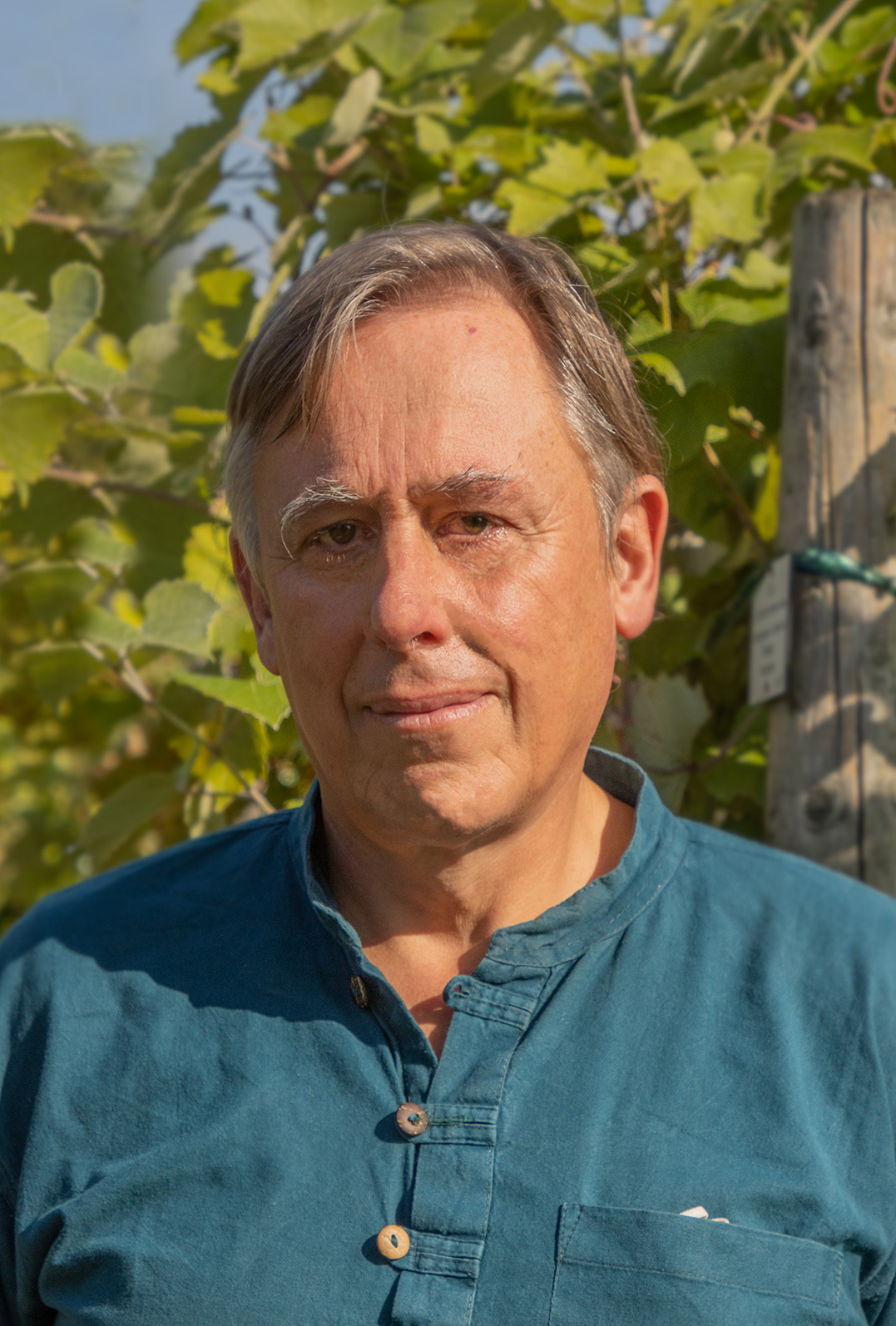
Peter Nick is a Professor of Molecular Cell Biology at the Joseph Gottlieb Kölreuter Institute of Plant Sciences, affiliated with Karlsruhe Institute of Technology (KIT). His research focuses on adapting viticulture to climate change by enhancing grapevine resilience through crossbreeding with wild vines and studying the role of root-zone microbiomes in plant immunity. He co-directs the KIT Botanical Institute, which houses a unique collection of European wild grapevines and a genome database for trait-specific breeding. Research Interests: Studying plant-pathogen interactions via microfluidic chips to analyze molecular signals without physical contact. Investigating defense substances in plants for scientific validation of traditional medicinal uses. Utilizing DNA barcoding to authenticate plant specimens for food and medical product safety. Labs & Collaborations: Nick leads the KIT Botanical Institute alongside Professor Holger Puchta. His team collaborates with the Chemical and Veterinary Investigation Office of Baden-Württemberg to address plant-related poisoning cases in pets.