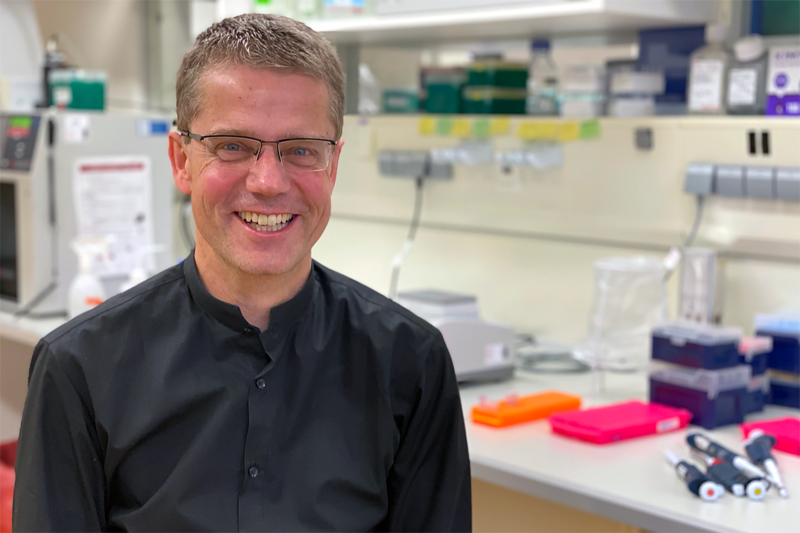
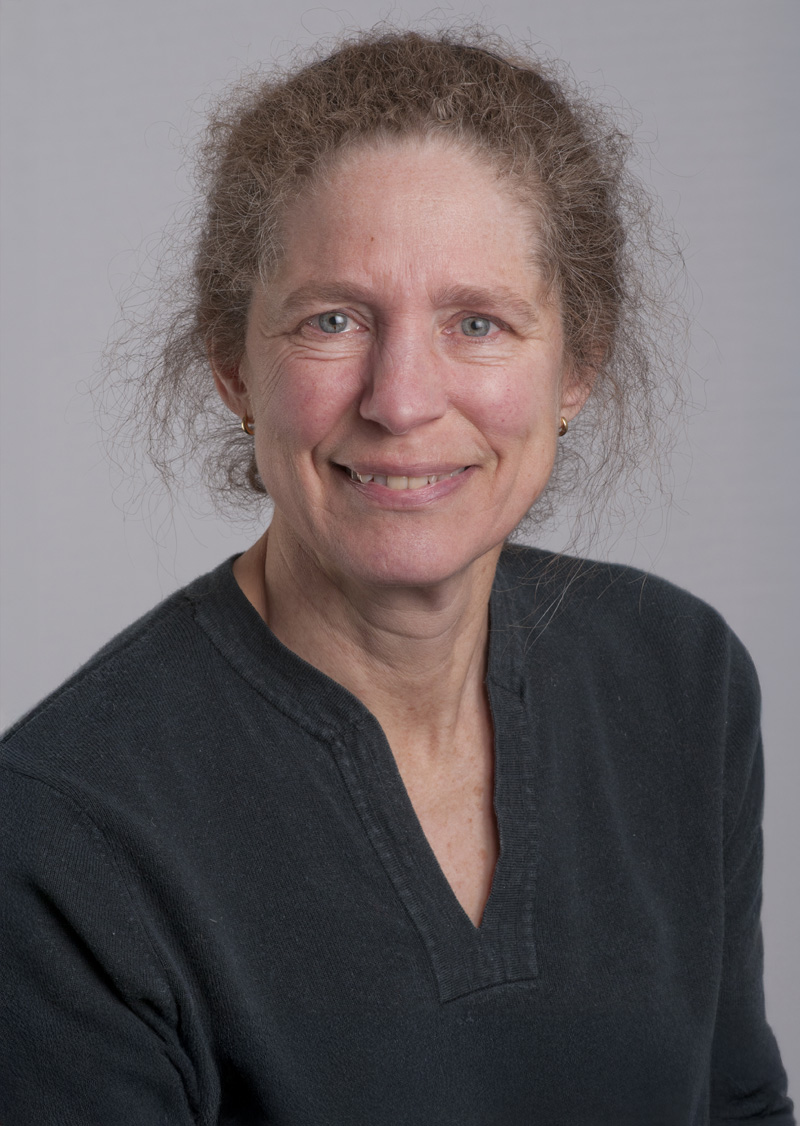
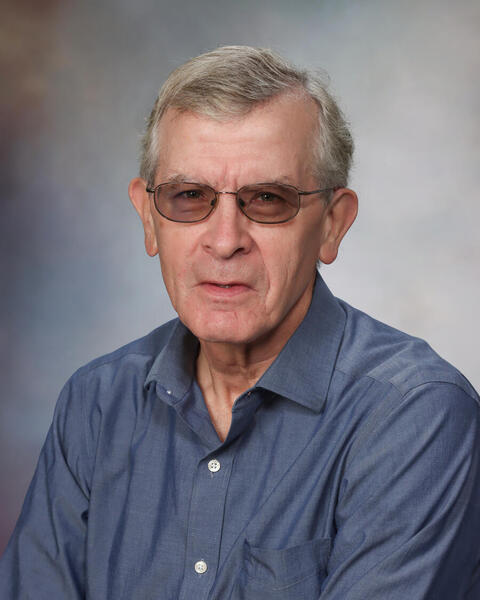
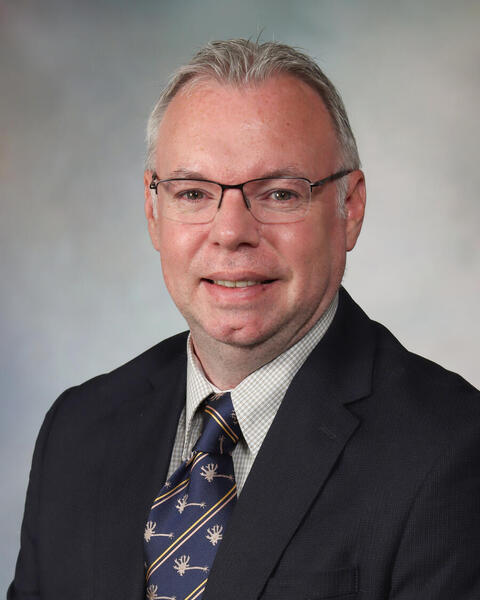
David Lilley is a Professor of Molecular Biology at the University of Dundee, specializing in RNA structure, ribozyme catalysis, and nucleic acid interactions. His research focuses on understanding the mechanisms of RNA-mediated catalysis, riboswitch function, and structural biology. He leads projects funded by the Engineering and Physical Sciences Research Council (EPSRC) and collaborates on initiatives like the Post-Genomics and Molecular Interactions Centre. His work contributes to advancements in nanobiotechnology and enzymology, with over 140 publications. Key research interests include RNA crystallization strategies, alkyl transfer reactions in ribozymes, and the structural dynamics of riboswitches. Lilley's studies often involve collaborations to explore molecular tools and their applications in biomedicine. He has been instrumental in elucidating the catalytic mechanisms of nucleolytic ribozymes and the role of RNA motifs like kink-turns in biological processes. His grants and projects emphasize structural biology and the development of novel RNA-based technologies. Lilley is part of the Nucleic Acid Structure Research Group, advancing knowledge in RNA's role in cellular processes and disease mechanisms.
Robert Schneider serves as Director of the Institute for Functional Epigenetics (IFE) at Helmholtz Zentrum München and Professor at the Faculty of Biology, LMU Munich. His academic career spans leadership positions at major European research institutions including IGBMC in Strasbourg and the Max Planck Institute for Immunobiology and Epigenetics in Freiburg. Dr. Schneider's research focuses on epigenetic mechanisms with particular expertise in chromatin biology, histone modifications, and transcriptional memory. His laboratory investigates the molecular basis of epigenetic reprogramming, environment-genome interactions, and metabolic signaling to chromatin. Current work explores how metabolic signals influence chromatin states and how epigenetic information is maintained through cell divisions. His publication record demonstrates consistent contributions to understanding histone modifications, particularly regarding less-studied modifications like propionylation and succinylation, as well as the role of linker histones in chromatin organization. Recent work connects metabolic pathways with epigenetic regulation, showing how cellular metabolites directly influence chromatin states and gene expression patterns. ERC Starting Grant (2007) HFSP Career Development Award (2005) Chaire Gutenberg awarded by Universite de Strasbourg (2011) Ligue Contre la Cancer, Equipe labelisée (2014) Membership of Epigenesys Network of Excellence (2011) As an active member of the epigenetics community, Schneider serves on multiple scientific boards including the Research Coordination Board of the German Center for Diabetes Research since 2017. He has organized numerous major conferences including the 2023 GRC on DNA and Histone Modifications and the annual Munich Epigenetics Spotlight series since 2016. His laboratory maintains strong collaborative networks across Europe through initiatives like the 'Epicrossborders' International Research School which he has led since 2019.
Luigi Naldini is a renowned Italian scientist and academic at San Raffaele Vita-Salute University , serving as Director of the San Raffaele Telethon Institute for Gene Therapy (SR-Tiget) since 2008. Over a 25-year career, he has revolutionized gene therapy through lentiviral vector development, impacting genetic disease treatment, cancer immunotherapy, and stem cell research.
Victoria Meller is a Professor in the Department of Biological Sciences at Wayne State University's College of Liberal Arts and Sciences. Her research focuses on epigenetic regulation of gene expression, particularly dosage compensation mechanisms in Drosophila and mammals. She leads a lab investigating non-coding RNAs (e.g., roX RNAs) and their roles in chromatin modification. Education: Ph.D. in Biology from the University of North Carolina, Chapel Hill (1990). Research Interests: Genetics, epigenetics, gene regulation, and the functional roles of long/short non-coding RNAs in chromatin-based regulatory systems. Current projects explore regulatory networks underlying X chromosome modifications and the convergence of dosage compensation mechanisms between flies and mammals. Key Findings: Demonstrated redundancy of roX1/roX2 RNAs in Drosophila dosage compensation, identified roles for siRNA in X chromosome recognition, and discovered parallels between Drosophila and mammalian X-inactivation pathways. Awards: AAAS Fellow (2019), NIH and NSF grants, including NIH RO1 GM093110 and NSF 0641121. Teaching: Courses include Genetics (BIO3070), Eukaryotic Gene Structure (BIO7510), and Responsible Conduct of Research (BIO6700). Lab Activities: Active research on satellite repeats, chromatin architecture, and RNA-dependent regulatory pathways. Collaborations include genomic studies on mosquito X chromosome regulation and heterochromatin dynamics.
Pavol Makovický, PhD is a Researcher at the Biology Department of the Teacher Training Faculty at Selye János University in Komárom, Slovakia. He previously served as an Assistant Professor at the same institution from 2011 to 2019. His academic career focuses on animal science and veterinary research, particularly in sheep breeding and animal husbandry. Dr. Makovický completed his undergraduate studies in Animal Breeding at the Slovak University of Agriculture in Nitra (2001-2006), followed by a PhD in Special Animal Breeding at the same institution (2006-2009). His primary research interests include animal breeding, veterinary science, and sheep husbandry. Dr. Makovický has contributed significantly to understanding udder morphology, milk quality, and genetic parameters in various sheep breeds including Improved Valachian, Tsigai, and Lacaune. His work bridges practical animal husbandry with scientific research to improve breeding practices and animal health. Dr. Makovický's recent publications (2022-2024) demonstrate a diverse research portfolio spanning veterinary medicine, animal science, and biomedical research. His work on sheep mastitis, udder morphology, and somatic cell counts in sheep milk represents his core expertise in animal husbandry. Additionally, he has collaborated on studies related to human health topics including colorectal cancer, oxidative damage, and the effects of dietary components. Dr. Makovický has been involved in multiple research projects funded by VEGA, KEGA, EnviroFond, and SORO programs, demonstrating sustained research activity and funding success throughout his career. As a researcher, Dr. Makovický has published over 230 scientific works, including numerous articles in international journals. His research collaborations span multiple institutions across Central Europe, reflecting an active research network in animal science and veterinary medicine. Dr. Makovický's laboratory work focuses on practical animal husbandry research with applications in sheep breeding and dairy production. His research integrates field studies with laboratory analysis to address real-world challenges in animal agriculture.
Ka Wing Fong is an Assistant Professor in the Department of Toxicology and Cancer Biology at the University of Kentucky. His research focuses on epigenetic dysregulation and cell signaling mechanisms driving castration-resistant prostate cancer. He leads the Fong Lab, located at the Markey Cancer Center, where his team explores translational strategies for biomarker identification and therapeutic development. Dr. Fong earned his PhD from The Hong Kong University of Science and Technology. His work integrates high-throughput genomic techniques (ChIP-Seq, RNA-Seq), proteomics, and pre-clinical mouse models to dissect cancer mechanisms. Key research themes include: Androgen receptor regulation via CCN3/ TRIM28 CXCR7-mediated MAPK-ERK signaling in drug resistance PRC2 subunit PALI1's role in tumor growth Multi-omics approaches (metabolomics, epigenomics) Recent studies highlight novel insights into epigenetic silencing mechanisms and metabolic reprogramming in prostate cancer. His lab's translational efforts aim to bridge basic discoveries with clinical applications through biomarker characterization and therapeutic target validation. Lab activities focus on collaborative projects involving: Epigenetic therapy development Prostate cancer progression modeling Omics data integration Lab facilities are part of the University of Kentucky's state-of-the-art research infrastructure.
Dennis W. Dickson, M.D., is a Professor of Laboratory Medicine and Pathology at Mayo Clinic in Jacksonville, Florida, where he serves as a Consultant in the Department of Neuroscience. He leads the Mayo Clinic brain bank, a major national resource for neuropathological research, and directs an American Parkinson Disease Association Center for Advanced Research. His work is pivotal in understanding the pathology of neurodegenerative disorders through extensive collaboration with institutions like the National Institute on Aging, Albert Einstein College of Medicine, and the Brain Support Network. Education: MD, University of Iowa Clinical Fellowship, Department of Pathology, Albert Einstein College of Medicine Residency and Chief Residency, Department of Pathology, Bronx Municipal Hospital Center Dr. Dickson’s research focuses on the neuropathological underpinnings of Alzheimer’s disease, Parkinson’s disease, Lewy body dementia, progressive supranuclear palsy, frontotemporal dementia, and TDP-43 proteinopathies. His team utilizes advanced techniques such as histology, immunohistochemistry, electron microscopy, and genetic analysis to characterize brain tissue from longitudinal studies and transgenic models. His work has been instrumental in defining molecular and pathological signatures of these diseases, bridging clinical and pathological findings. The most recent publications highlight ongoing research into tau isoforms in Pick’s disease, PINK1 assays for Parkinson’s, neuroimaging in PSP, and transcriptional differences between Lewy body and Alzheimer’s diseases. These studies reflect a strong trend toward molecular diagnostics, biomarker discovery, and clinicopathological correlation across neurodegenerative conditions. Scientific Awards: Robert E. Jacoby Professor for Alzheimer's Research, Mayo Clinic (2010) Potamkin Prize, American Academy of Neurology (2011) Award for Meritorious Service, American Association of Neuropathologists (2016) Award for Medical Research, Metropolitan Life (2001) President, American Association of Neuropathologists (2001–2002) Dr. Dickson has secured significant grant funding, including multiple awards from the National Institute on Aging, supporting projects such as ‘Clinicopathological Studies’ and the ‘Neuropathology Core.’ He mentors a large research team and collaborates with leading scientists like Owen A. Ross, Nilufer Ertekin-Taner, and Marka M. Van Blitterswijk. His lab contributes frozen and fixed brain tissues to qualified researchers globally, advancing translational science. He oversees the CurePSP Brain Bank and contributes to major research centers including the Mayo Clinic Alzheimer's Disease Research Center and the Mayo Clinic Study of Aging. His work ensures high-quality neuropathological diagnosis, providing closure to families and feedback to clinicians, while driving the development of targeted therapies and prevention strategies.
Owen A. Ross, Ph.D., is a Professor of Neuroscience and a Consultant in the Department of Neuroscience at Mayo Clinic, Jacksonville, Florida. He also holds the administrative appointment of Senior Associate Consultant II in the Department of Medical Genetics. He leads two major research laboratories: the Parkinson’s Disease Laboratory and the Stroke and Vascular Disease Laboratory, both focused on the genetics of aging and neurodegenerative disorders. Education: Ph.D. in Genetics, University of Ulster MMedSc in Laboratory Science, Genetics and Gerontology, Queen’s University, Belfast BSc in Biochemistry (Honors), Queen’s University, Belfast Dr. Ross’s research centers on the genetic mechanisms underlying Parkinson’s disease, stroke, and related neurodegenerative conditions. His work has been pivotal in characterizing the LRRK2 and SNCA genes, identifying functional risk factors in both familial and sporadic Parkinson’s disease, and discovering novel genes associated with movement disorders. His lab investigates mitochondrial DNA variation, immunogenetics, and neuroinflammation, with a strong emphasis on translational neuroscience and individualized medicine. Using high-throughput automation, RT-QuIC, and multi-omic bioinformatics, his team analyzes genetic and molecular data from global cohorts. The recent research trends, as reflected in his latest publications, focus on polygenic risk scoring in Parkinson’s subtypes, transcriptomic distinctions between Lewy body disease and Alzheimer’s, mitochondrial genomics in aging, and novel genetic loci in multiple system atrophy and Pick’s disease. His work increasingly integrates iPSC models, organoids, and gut microbiome analysis to understand disease mechanisms and identify therapeutic targets. Dr. Ross collaborates extensively with international researchers and is affiliated with key centers at Mayo Clinic, including the Alzheimer’s Disease Research Center and the Robert and Arlene Kogod Center on Aging. He has published over 450 peer-reviewed articles in high-impact journals such as Brain , Nature Genetics , and Science Advances . He actively mentors researchers and offers training opportunities in his laboratories. His leadership in large-scale consortia underscores his role in advancing collaborative neuroscience research.
Tamas Ordog, M.D., is a Professor of Physiology at Mayo Clinic in Rochester, Minnesota, with primary appointments in the Department of Physiology & Biomedical Engineering and a joint appointment in the Division of Gastroenterology and Hepatology, Department of Internal Medicine. He leads research in gastrointestinal neuromuscular biology and epigenomics, contributing significantly to understanding motility disorders and gastrointestinal stromal tumors. Primary Appointment: Consultant, Department of Physiology & Biomedical Engineering Joint Appointment: Consultant, Division of Gastroenterology and Hepatology, Department of Internal Medicine Academic Rank: Professor of Physiology Institution: Mayo Clinic, Rochester, MN Dr. Ordog earned his M.D. from the University of Pecs Medical School, Hungary, followed by postdoctoral training in neuroendocrinology at the University of Texas Medical School at Houston under Dr. Ernst Knobil, and in uterine cell proliferation at the University of Pecs under Dr. Marietta Vertes. His research focuses on the molecular and cellular mechanisms of gastrointestinal motility, particularly interstitial cells of Cajal and enteric neurons. He investigates how epigenetic and metabolic dysregulation contributes to diseases like diabetic gastroparesis and GISTs. Dr. Ordog established the Epigenomics Program at Mayo Clinic’s Center for Individualized Medicine, advancing cutting-edge epigenomic technologies. The most recent publications reflect a strong trend in single-cell and spatial multiomics, AI-assisted imaging, and translational applications in diabetes and cancer. His work integrates genomics, epigenomics, metabolomics, and animal models to identify therapeutic targets. Honoree, Famous Hungarian Neuroscientists in the World, University of Pecs, Hungary, 2017 Recipient, Geza Hetenyi Memorial Medallion and honorary membership, Hungarian Gastroenterological Society, 2010 Recipient, Masters Award in Gastroenterology, PriCara, 2008 Dr. Ordog is actively involved in multiple NIH-funded research projects, including as Principal Investigator (PI) or Co-PI on grants from the National Institute of Diabetes and Digestive and Kidney Diseases. He mentors researchers and leads core facilities such as the Epigenomics and Spatial Biology Core. His lab is part of the Center for Cell Signaling in Gastroenterology and the Enteric Neuroscience Program, fostering interdisciplinary collaboration. His research group utilizes advanced technologies in gene editing, epigenomic profiling, and spatial proteomics, contributing to novel diagnostic and therapeutic strategies for gastrointestinal diseases.
Yongjie Zhang, Ph.D., is an Associate Professor in the Department of Neuroscience at Mayo Clinic, Jacksonville, Florida. He leads a research laboratory focused on understanding the molecular and cellular mechanisms underlying frontotemporal dementia (FTD) and amyotrophic lateral sclerosis (ALS), two fatal neurodegenerative disorders that share pathological and genetic features. His work integrates molecular biology, functional assays, and animal modeling to uncover disease pathways and develop novel therapeutic strategies. Dr. Zhang earned his Ph.D. in Neuroscience from Tongji Medical College & Hua-Zhong University of Science and Technology (HUST), an M.S. in Microbiology from Xiamen University, and a B.S. in Biology from Hebei Normal University. His research centers on the pathogenic roles of aggregation-prone proteins, particularly TDP-43 and C9orf72 dipeptide repeat (DPR) proteins. He has developed novel mouse models expressing individual DPR proteins to dissect their specific contributions to neurodegeneration, stress granule dynamics, and behavioral deficits. A key focus is understanding how DPR proteins and TDP-43 co-aggregate in stress granules and drive proteinopathy. He also investigates genetic modifiers and antisense oligonucleotides (ASOs) as potential therapeutics for C9orf72-associated FTD and ALS. Analysis of Dr. Zhang’s recent publications reveals a strong emphasis on TDP-43 pathology, DPR protein toxicity, stress granule biology, and biomarker discovery. His work spans from basic molecular mechanisms to translational applications, including antibody development and therapeutic targeting. There is a consistent trajectory toward identifying and validating novel targets for intervention in ALS and FTD. Target ALS Foundation Grant Program (2017–2019, 2020–2022) ALS Association Research Grant (2014–2017, 2015–2018) Alzheimer's Association New Investigator Research Program (2014–2016) AFAR Affiliate Research Grant Program (2009–2010) Dr. Zhang has served as Principal Investigator (PI) on multiple significant grants, including NIH/NINDS and Alzheimer’s Association projects, demonstrating sustained funding and leadership in neurodegeneration research. His lab actively collaborates with prominent researchers at Mayo Clinic, such as Dr. Leonard Petrucelli and Dr. Tania Gendron. He leads a research team investigating disease mechanisms and therapeutic strategies, supported by active projects on poly(ADP-ribose) in DPR toxicity, mechanisms of DPR-induced cell death, and TDP-43 function.
Emily Lavering is an Assistant Professor of Chemistry and Biochemistry in the Department of Natural Sciences at the College of Innovation and Technology, University of Michigan-Flint. She is actively engaged in research and teaching, with a strong focus on molecular and cellular biochemistry. Her work integrates experimental and analytical approaches to study protein organization, antimicrobial agents, and bacteriophage applications. Education: Ph.D. in Biochemistry and Molecular Biology, University of Iowa, 2023 Her research interests span protein aggregation , nucleolar organization , antimicrobial compound evaluation , and bacteriophage genomics . She uses model systems like Xenopus laevis oocytes and bacterial biofilms to investigate fundamental cellular mechanisms and potential therapeutic interventions. Her lab explores both basic molecular processes and applied microbiology, particularly in the context of oral pathogens such as Streptococcus mutans . The recent publications highlight a consistent trajectory in understanding protein localization and modification, with an emerging emphasis on translational microbiology. Her 2023 work in PLOS Biology challenged assumptions about intrinsically disordered regions in nucleolar targeting, while her contributions to bacteriophage genomics open new avenues for phage therapy. Scientific Awards: Subramanian Thesis Award (2025), University of Iowa Dr. Lavering is actively mentoring students and securing competitive funding. She serves as PI on a Research and Creative Activity (RCA) grant focused on bacteriophage discovery and biofilm roles in Streptococcus mutans , and as CoPI on a SURE grant evaluating hexocannabitriol analogs. Students such as Brookyln Dean, Abigail Ortman, and Jacqueline Perry have presented research under her guidance. She also contributes to academic discourse through invited seminars, including a 2025 talk titled Protein Aggregation: Friend or Foe . Her research is conducted within the Chemistry and Biochemistry program at UM-Flint, where she leads a dynamic team focused on interdisciplinary biochemical inquiry, bridging basic science with potential biomedical applications.
Sherif Abouelhadid is a DL Tutor in Infection Biology at the London School of Hygiene & Tropical Medicine (LSHTM) and a Research Fellow since 2019. He previously worked on Salmonella Typhi vaccine development in Egypt and joined LSHTM's Wren Lab as a Research Assistant before pursuing his PhD in glycobiology. His current roles include Deputy Director of LSHTM's Antimicrobial Resistance Centre and Head of its Biological & Pharmacological Sciences Pillar. Education: PhD (2019) at LSHTM Diploma in Biotechnology (2008) at Alexandria University BSc in Pharmaceutical Sciences (2006) at Misr University for Science & Technology Research interests span two areas: basic biology focuses on N-linked glycans' biological roles and glycosylation systems in organisms like Campylobacter jejuni , while applied science targets vaccine development and humanized glycoproteins using bacterial enzymes. His work bridges fundamental glycobiology with translational applications. Article trends (15 most recent) highlight glycoengineering innovations, vaccine platforms (Streptococcus, Shigella, poultry pathogens), bacterial N-glycosylation mechanisms, and antimicrobial resistance links. Key disciplines include Vaccinology, Biochemistry, and Molecular Biology. Grants include a LSHTM-funded project (2021-2022) for Shigella sonnei vaccine development. He serves as a reviewer for Microorganisms and co-founded The Per-Ankh Foundation for Science & Philosophy in 2012.
Beata Liberek is a Professor at the University of Gdańsk , affiliated with the Faculty of Chemistry and the Department of Organic Chemistry . She leads the Laboratory of Glycochemistry , focusing on carbohydrate-based organic synthesis and computational studies of molecular conformations. Research Interests: Glycochemistry, photochemical materials, medicinal compounds, and computational modeling of reaction mechanisms. Recent Publications: Her work includes synthesis of bioactive glycosides, photophysical studies of TADF emitters, and conformational analysis of nucleic acid derivatives. Scientific Contributions: She explores the intersection of organic synthesis, theoretical chemistry, and biomedical applications.
Marta S. P. Carepo is an Associate Professor at Universidade Lusófona, where she also serves as Director of the Biochemistry degree program. She is concurrently a Researcher at LAQV-REQUIMTE, an Associated Laboratory for Green Chemistry hosted at FCT NOVA. Her academic journey includes a PhD in Biochemistry-Biotechnology from FCT NOVA and postdoctoral research at the Federal University of Pará, Brazil. She has held a Principal Investigator position at the Federal University of Ceará under a CAPES grant. PhD in Biochemistry-Biotechnology, FCT NOVA (2002) Licentiate in Biochemistry, Faculty of Sciences, University of Lisbon Her research focuses on the structural and functional characterization of metalloproteins, particularly those involved in hydrogen metabolism, oxygen sensing, and heavy metal detoxification in bacteria. She employs a multidisciplinary approach combining spectroscopy (EPR, ENDOR, CD, fluorescence), biochemistry, and biophysics, often integrating omics data. Her work has strong implications in environmental biotechnology, infectious disease mechanisms (particularly in Mycobacterium tuberculosis ), and green chemistry. The 15 most recent publications reflect a consistent focus on metalloprotein function, redox chemistry, and bioinorganic mechanisms. Key themes include heme-based oxygen sensors (e.g., DevS, FixL), molybdenum and copper cluster proteins, metallodrug design, DNA cleavage, and ROS generation. Her studies frequently involve spectroscopic and electrochemical characterization, protein engineering, and bacterial stress responses. The articles span biochemistry, inorganic chemistry, microbiology, and medicinal chemistry, indicating a highly interdisciplinary research profile. Her scientific achievements have been recognized through competitive grants and collaborative projects: Principal Investigator, CAPES Grant, Brazil (2014–2017) Portugal-Brazil Transnational Cooperation Project (PI) Marta S. P. Carepo has supervised 3 PhD students (1 ongoing), 6 Master’s students (2 ongoing), and numerous undergraduate and exchange students. She has served on academic evaluation juries and examination boards and is actively involved in public science outreach, including organizing activities for the European Researchers’ Night. Her research is supported by grants from FCT (Portugal) and CAPES (Brazil), and she continues to lead projects in metalloprotein biochemistry and environmental detoxification. She leads and contributes to research teams at LAQV-REQUIMTE and collaborates with groups in Brazil. Her lab integrates biochemical, spectroscopic, and molecular biology techniques to study metalloprotein function and bacterial adaptation mechanisms.
Hairong Wei is a Professor at Michigan Technological University's College of Forest Resources and Environmental Science (CFRES), with affiliated appointments in the Department of Computer Science and Department of Mathematics. He serves as Editor-in-Chief of Forestry Research and leads the Wei Group, which develops bioinformatics tools (e.g., JRmGRN, TGMI, HB-PLS). His research integrates computational biology and plant genomics to study gene regulatory networks, genome assembly, and wood formation. Education: PhD in Plant Molecular Biology (University of Hawaii at Manoa) MS in Computer Science (University of Chicago) MS in Forest Genetics (Beijing Forestry University) BS in Agricultural Sciences (Beijing Forestry University) Research Interests: Wei's work focuses on bioinformatics algorithm development, systems biology approaches for gene identification, functional genomics of forest species, and hierarchical gene regulatory networks governing traits like root formation and cell wall biosynthesis. His lab emphasizes translational applications in plant improvement and epigenetics. Grant Leadership: Genomic surveillance in Upper Peninsula ($4.37M; DMHHS, 2021-2023) NSF ECA-PGR: Genetic Components of Maize Regeneration ($2.5M; 2018-2022) NSF STTM Technology for miRNA inactivation ($2.5M; 2014-2017) NSF ABI Innovation: Plant G2P Association ($384K; 2015-2018) Teaching: Courses include Experimental Design, Programming for Bioinformatics, Gene Expression Data Analysis, and Forest Biometrics.