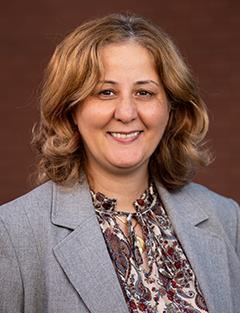
Kora DeBeck is a Distinguished Professor of Substance Use and Drug Policy in the School of Public Policy at Simon Fraser University, a CIHR Applied Public Health Chair, and Dorothy Killam Fellow. She is also a Research Scientist with the BC Centre on Substance Use and Principal Investigator of the At-Risk Youth Study (ARYS), a longitudinal cohort tracking over 1,200 street-involved youth. Her research focuses on substance use policy, health services for marginalized populations, and the structural drivers of drug-related harms. She has published over 200 peer-reviewed articles challenging ineffective drug enforcement models and advocating for policy reforms. Recent publications analyze trends in opioid use, harm reduction during the COVID-19 pandemic, drug decriminalization, and youth-focused interventions. Her work consistently addresses social inequities through data-driven approaches to the toxic drug crisis. CIHR Applied Public Health Chair Dorothy Killam Fellow Michael Smith Health Research BC Scholar Award Distinguished SFU Professorship She has secured over $50 million in research funding, including $21M as principal investigator for ARYS. Her lab collaborates with healthcare providers, community organizations, and policymakers to translate research into practice.
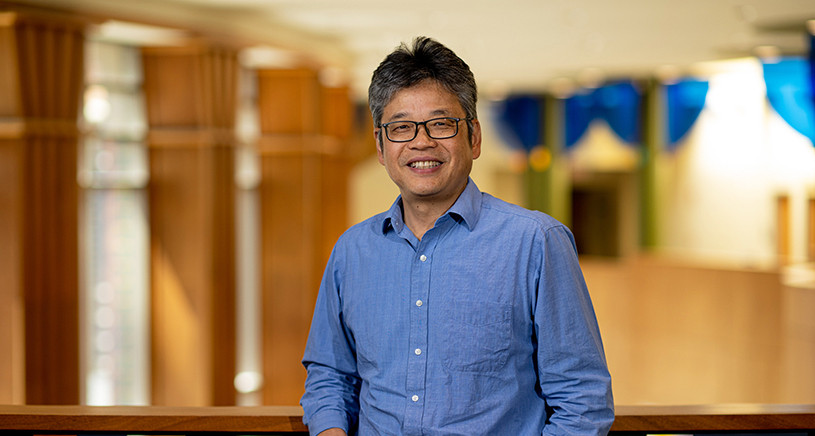
Jens S. Andersen is a Professor in the Department of Biochemistry and Molecular Biology at the University of Southern Denmark, where he leads research in Biomedical Mass Spectrometry and Systems Biology. His work is centered on the development and application of quantitative mass spectrometry and microscopy-based proteomics to study human cell biology, particularly the structure and function of organelles such as centrosomes, cilia, autophagosomes, and mitochondria. His research focuses on determining the protein composition and dynamic properties of cellular organelles, the roles of specific protein groups, and their contributions to biological processes and diseases. He investigates cell signaling mediated by post-translational modifications, especially within the DNA damage response, autophagy, and immune systems. His lab, the Jens S. Andersen Lab, is part of the Research Section of Biomedical Mass Spectrometry. The analysis of his recent publications reveals a strong interdisciplinary trend combining proteomics, structural biology, and cell signaling. His work spans cilia biology, RNA metabolism, DNA repair, and cancer mechanisms, with frequent use of advanced techniques like mass spectrometry, CRISPR, and live-cell imaging. The integration of systems biology approaches is evident across his research outputs. Professor, Department of Biochemistry and Molecular Biology, University of Southern Denmark Head of Research, Biomedical Mass Spectrometry and Systems Biology Principal Investigator, Jens S. Andersen Lab ORCID: 0000-0002-6091-140X While no specific scientific awards are mentioned in the provided texts, his extensive publication record in high-impact journals such as Science , Nature Communications , Molecular Cell , and EMBO Journal reflects significant scholarly contributions. He has supervised research projects and collaborated widely across Europe, though specific names of students are not listed. His research is supported by multiple ongoing projects, reflecting sustained funding and academic leadership. The Jens S. Andersen Lab operates at the intersection of proteomics and cell biology, contributing to fundamental understanding of organelle dynamics and disease mechanisms. The lab's work is highly collaborative, involving partnerships with groups in structural biology, RNA research, and cancer biology.
Adrian Linacre is a Professor and Chair in Forensic DNA Technology at Flinders University, within the College of Science and Engineering, Department of Biological Sciences. He is a leading figure in forensic science, with a focus on DNA analysis, wildlife forensics, and crime scene investigation. BSc in Biological Sciences (Hons), University of Edinburgh, 1984 DPhil in Molecular Genetics, University of Sussex, 1988 His research centers on getting more from less at crime scenes , particularly through developing highly sensitive DNA typing methods and studying the transfer and persistence of biological materials. He also pioneers the use of non-human DNA in forensic investigations, notably in wildlife forensic science , aiding in species identification and combating illegal wildlife trade. His recent publications reflect a strong trend in trace DNA analysis , body fluid identification , and DNA transfer dynamics , with applications in drug cases, sexual assault investigations, and environmental DNA degradation. His work increasingly integrates molecular techniques with real-world forensic challenges. Notable scientific awards include: Medal of the Order of Australia (OAM), 2020 Inspirational Scientist of the Year, Royal Society of Edinburgh, 2005 Fellow of the Royal Society for the Encouragement of Arts and Commerce (FRSA) Finalist, South Australian Science Excellence and Innovation Awards (2023, 2024) He has successfully supervised several students, including Piyamas Kanokwongnuwut and Alicia Haines, many of whom have won international recognition. He has secured significant research funding and contributed to national and international forensic policy, including a key review for the UK Home Office on low-template DNA. His professional leadership includes presidencies of the ANZFSS and ISFG, and vice presidency of the IAFS. Linacre is actively involved in editorial roles, serving as Associate Editor for Forensic Science International: Genetics and on the boards of Forensic Science, Medicine and Pathology and the Australian Journal of Forensic Science . He is a sought-after expert witness and media commentator in forensic science.
Karestan C. Koenen is Professor of Psychiatric Epidemiology at the Harvard T.H. Chan School of Public Health and an Associate Member at the Broad Institute of MIT and Harvard . She also serves as Affiliated Faculty at the Harvard University Center for the Environment , advising students in Epidemiology and Social Behavioral Sciences. BA in Economics, Wellesley College MA in Developmental Psychology, Columbia University PhD in Clinical Psychology, Boston University Post-doctoral Fellowship in Psychiatric Epidemiology, Columbia University Dr. Koenen's research focuses on three areas: (1) understanding PTSD resilience, (2) trauma's long-term physical health impacts, and (3) expanding access to evidence-based mental health treatments. Her work bridges genetics, global mental health, and trauma epidemiology, with recent studies on epigenetic aging, cognitive outcomes after trauma, and substance use comorbidities. Her 2025 publications span psychiatric genetics, trauma neurobiology, and women's health, emphasizing machine learning, neuroimaging, and population-level interventions. Current projects include the Broad Trauma Initiative and NIMH-funded training programs. 2025 Junior Faculty Mentoring Award 2021 Pamela Sklar Innovation Award 2017 Distinguished Alumnae Award 2015 Robert S. Laufer Memorial Award Dr. Koenen actively trains graduate students through the Trauma Epidemiology and Population Mental Health Research Group . She integrates advocacy into her work, having testified before Congress and consulted on documentaries about trauma, while publishing in outlets like the Boston Globe and Psychology Today . Her lab collaborates on mental health policy and global trauma research.
Dr. Ed E. Moret is an Associate Professor of Computational Medicinal Chemistry at Utrecht University, where he serves as Managing Director of the Utrecht Institute for Pharmaceutical Sciences. He is a member of the Departmental Executive Board and Chair of the Board of Examiners of the School of Pharmacy. His academic career spans over three decades with significant contributions to pharmaceutical sciences. Utrecht University, Utrecht Institute for Pharmaceutical Sciences School of Pharmacy, Department of Chemical Biology and Drug Discovery Managing Director since January 2010 Dr. Moret's educational background includes completing Gymnasium-b at Gymnasium Camphusianum in Gorinchem in 1979, followed by pharmacy studies at Utrecht University until 1988. He earned his PhD in 1993 with research on calculations and simulations of DNA-alkylating cytostatics under supervision of Prof. L.H.M. Janssen and Prof. J.P.A.E. Tollenaere. He also conducted postdoctoral research at the Scripps Research Institute with Prof. A.J. Olson. His primary research interests focus on molecular recognition, particularly in auto-immune diseases, with expertise spanning computational medicinal chemistry, computer-aided drug discovery, cheminformatics, and bioinformatics. Dr. Moret's work bridges the gap between theoretical calculations and experimental validation in drug design. His research portfolio demonstrates a consistent trajectory from fundamental molecular interactions to applied drug discovery, with particular emphasis on enzyme inhibitors, carbohydrate-protein interactions, and molecular recognition processes. Analysis of his publication record reveals a strong focus on structure-based drug design, with significant contributions to the development of inhibitors for enzymes like β-glucocerebrosidase, NNMT, and neuraminidase. His work spans multiple therapeutic areas including lysosomal storage disorders, cancer metabolism, and infectious diseases. The interdisciplinary nature of his research is evident in the integration of computational approaches with experimental validation across biochemistry, pharmacology, and medicinal chemistry. Teacher of the Year (awarded three times by Pharmacy students) Member of editorial boards for Medicines and Conceptuur journals Secretary of Board of FIGON (2016) Secretary of Raad voor de Farmaceutische Wetenschappen (2024) Member of Board of Stichting Farmaceutische Erfgoed (2024) Dr. Moret has been actively involved in educational innovation, developing and coordinating the master's programme Drug Innovation, the profile Drug Regulatory Sciences, and the Honours programme Pharmaceutical Sciences. He has taught courses for pharmacy, chemistry, UCU and medical sciences students, as well as PhD courses in bioinformatics and computer-aided drug discovery. His educational contributions include developing an inquiry-based elective course on drug discovery, for which he published educational research. He holds BKO and SKO teaching qualifications and participated in the Centre of Excellence in University Teaching program. As Managing Director of the Utrecht Institute for Pharmaceutical Sciences, Dr. Moret leads research initiatives across chemical biology, drug discovery, and pharmaceutical sciences. His leadership extends to multiple advisory and editorial roles within the pharmaceutical research community, reflecting his significant contributions to both academic and professional spheres of pharmaceutical sciences.
Tim Lewens is Professor of Philosophy of Science and Head of the Department of History and Philosophy of Science at the University of Cambridge, currently on leave for the 2024/25 academic year. His career bridges philosophy, biology, and bioethics with significant institutional roles including Deputy Director of CRASSH (2014-2017) and Council Member of the Nuffield Council on Bioethics (2009-2015). His research focuses on philosophy of biology, evolutionary theory, and bioethics, with particular expertise in human nature debates, extended evolutionary synthesis, and medical ethics. Key contributions include critical analyses of mitochondrial replacement therapy ethics, genome editing implications, and conceptual challenges in cultural evolution. His work consistently addresses interdisciplinary tensions between biological determinism and social constructivism. Analysis of his 15 most recent publications reveals dominant themes in evolutionary philosophy (40%), bioethics (35%), and conceptual foundations of science (25%). Notable trends include re-examining Paleyan design arguments in modern biology, ethical frameworks for emerging biotechnologies, and interdisciplinary approaches to human nature that challenge essentialist perspectives. Lewens has secured major research funding including an ERC grant for 'A Science of Human Nature?' (2011-2016) and Templeton Foundation funding for 'Putting the Extended Evolutionary Synthesis to the Test' (2016-2019). His policy impact is evident through contributions to Nuffield Council reports on mitochondrial DNA disorders (2012) and human body donation (2011), demonstrating applied philosophical engagement with contemporary medical ethics.
Associate Professor Richard Burns is a Senior Fellow at the Australian National University's National Centre for Epidemiology and Population Health, working within the Department of Health Economics, Wellbeing and Society. With a distinguished academic career spanning epidemiology and population health, he contributes significantly to global health research initiatives including the Global Burden of Disease Study. BMus (ANU) BA (CSU) PGDE (UC) MSc (Manchester) MBiostats (USyd) PhD (USQ) Professor Burns' research focuses primarily on mental health, wellbeing, and the global disease burden, with particular expertise in life expectancy, psychological wellbeing, and dementia. His work bridges epidemiological methods with practical applications for population health improvement. His research fingerprint shows strong concentration in mental health (100%), wellbeing (49%), global disease burden (47%), and life expectancy (25%). His recent publication record demonstrates remarkable productivity, with 112 research outputs including 18 publications in 2024 alone. These works span high-impact journals including The Lancet, The Lancet Neurology, and Genes, focusing on global health metrics, mental health services, cognitive function, and healthy aging across diverse populations. His research shows a clear trend toward interdisciplinary approaches combining epidemiology, neuroscience, and public health policy. Professor Burns has successfully secured multiple research projects, including the Internal Validation of Defence Wellbeing Measure (2023-2025), Mental Health Analysis and Modelling, and the Request for Quotation application: Defence Wellbeing Research Framework. He collaborates extensively with researchers across Australia and internationally. As a registered supervisor, Professor Burns mentors students in epidemiology and population health research. His laboratory work focuses on the PATH through Life Project and other longitudinal studies examining mental health trajectories across the lifespan. His team employs advanced statistical modeling and neuroimaging techniques to understand the complex interplay between biological, psychological, and social determinants of health.
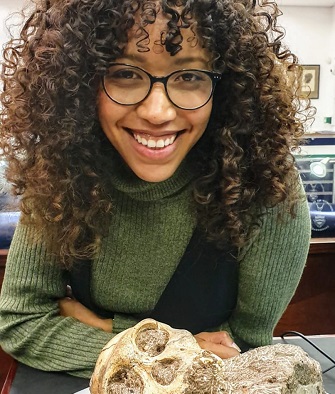
Lauren Schroeder serves as Associate Professor and Associate Chair of Graduate Anthropology in the Department of Anthropology at the University of Toronto Mississauga (UTM). A South African palaeoanthropologist specializing in hominin cranial and mandibular diversity, she employs quantitative methods including 3D morphological modeling and quantitative genetics. Dr. Schroeder maintains research affiliations with the Royal Ontario Museum, Human Evolutionary Research Institute, and Evolutionary Studies Institute at the University of the Witwatersrand. Her academic credentials include: PhD, University of Cape Town, 2015 BSc (Hons), University of Cape Town Dr. Schroeder's research spans Biological Anthropology, Palaeoanthropology, and Evolutionary Anthropology with emphasis on hominin variability, evolutionary theory, and quantitative genetics. Her work integrates statistical analyses of 3D morphological data with quantitative genetic approaches to investigate evolutionary processes underlying morphological variation. Current projects examine primate skeletal evolution, skeletal signatures of hybridization for detecting gene flow in fossil records, and the relative contributions of genetic drift versus natural selection in hominin evolution. Analysis of her 2016-2020 publications reveals consistent focus on paleoanthropological research centered on Homo naledi and other hominin fossils. Her scholarly output demonstrates integration of evolutionary theory, quantitative genetics, and morphological integration to explore hominin diversity and evolutionary mechanisms. Recurring themes include Bayesian phylogenetic methods, hybridization studies in human evolution, and critical reflections on ethics and decolonization within anthropological practice. No scientific awards were documented in the provided materials. Information regarding graduate student advising and research grant funding was not specified in available sources. The Schroeder Lab, situated in UTM's Terrence Donnelly Health Sciences Complex, advances morphological evolution research in humans and primates through innovative quantitative methodologies. Dr. Schroeder has contributed significantly to major paleoanthropological projects including the Malapa excavation (Australopithecus sediba) and Rising Star Cave (Homo naledi) as core research team member analyzing fossil hominins.
Katarina Domijan is an Associate Professor in Statistics at the Department of Mathematics and Statistics, Maynooth University, Ireland. She holds a PhD in Statistics from Trinity College Dublin (2008) and has been affiliated with Maynooth University since 2008, transitioning from Lecturer/Assistant Professor to her current role in 2024. Her academic career includes editorial roles as Associate Editor for The R Journal (2021–present) and the Journal of Computational and Graphical Statistics (2015–2024). Research Interests focus on Bayesian methods for high-dimensional data, particularly in classification problems. She specializes in feature selection and model visualization, with applications spanning agricultural data analysis (e.g., hyperspectral imaging for lactose prediction), medical diagnostics (e.g., sepsis and cancer detection), and space physics (e.g., Saturn Kilometric Radiation classification). Her work bridges theoretical statistics with real-world challenges, including socio-economic studies and forensic science. Key Research Areas Bayesian statistical inference Machine learning for large feature spaces Statistical computing and model interpretability Data visualization and chemometrics Scientific Contributions include leading projects like VistaMilk Phase II (2024–2030, €152,300) and Measuring Carbon Sequestration (2024–2028, €174,788.90). Her 15 most recent publications highlight advancements in ensemble modeling, spatial statistics, and medical diagnostics. Scientific Awards Associate Editor, The R Journal (2021–present) Associate Editor, Journal of Computational and Graphical Statistics (2015–2024) Student Supervision includes PhD and MSc graduates such as Dr. Bruna Wundervald (2024) and Dr. Mark O’Connell (2017). She also collaborates with researchers across disciplines, including Dr. Nadim Akasheh in food hypersensitivity studies.
Shayesteh Jahanfar is a Professor in the Department of Public Health and Community Medicine at Tufts University School of Medicine, with a secondary appointment in Community Health at the Tufts School of Arts and Sciences. As a reproductive epidemiologist with expertise in public health and biostatistics, she directs the Cochrane Affiliate at Tufts and co-directs the Pregnancy and Childbirth US Satellite with Cochrane. Her global research spans reproductive health, maternal-child health, and genetic versus environmental studies across Australia, Malaysia, Canada, and the USA. Education: Doctor of Philosophy, University of British Columbia, Vancouver, Canada (2016) Doctor of Philosophy, University of New South Wales, Sydney, Australia (1995) Master of Science in Community Health, Universiti Putra Malaysia, Seri Kembangan, Malaysia (2009) Postdoc Epidemiology and Public Health, Universiti Putra Malaysia, Seri Kembangan, Malaysia (2008) Dr. Jahanfar's research program focuses on reproductive health, maternal-child health, global health, HIV/AIDS, opioid use, and twin studies. She leads WHO-funded projects related to reasons for Cesarean sections, family planning, and assisted vaginal birth, and collaborates with WHO's Department of Sexual and Reproductive Health and Research. Her work with twin studies spans multiple international settings, examining genetic versus environmental influences on health outcomes. She actively develops training materials for Cochrane trainers and promotes evidence-based healthcare practices globally. Her recent publications (2025) demonstrate a strong focus on women's health issues, particularly reproductive health, maternal outcomes, and interventions during pregnancy and childbirth. Her research combines epidemiological methods with clinical trials and systematic reviews, often with a global health perspective. She frequently collaborates on research in Iran and other international settings, addressing both clinical and social determinants of health. Her work spans from molecular diagnostics in cancer to behavioral interventions in maternal health, reflecting her interdisciplinary approach to public health research. Scientific Awards: Equity & Inclusion Fellow (2023) Most Stimulating Paper (2019) President and Provost's Research Award Nomination (2019) With over 35 years of teaching experience, Dr. Jahanfar has trained more than 800 clinicians and scientists through over 80 Cochrane workshops worldwide. Her grant portfolio includes multiple WHO-funded projects on family planning, Cesarean sections, and assisted vaginal birth. Under her leadership, Tufts University established a memorandum of understanding with the University of Malaya, facilitating student research projects in Malaysia during Summers 2022-2024. She actively seeks students and researchers to collaborate on Cochrane's work, twin studies, and reproductive health research projects. Dr. Jahanfar directs the Cochrane Affiliate at Tufts and co-directs the Pregnancy and Childbirth US Satellite. She collaborates with WHO's Maternal and Perinatal Health department, Department of Sexual and Reproductive Health and Research, and serves as a consultant for WHO and EMRO. Her global health research initiatives span Australia, Malaysia, Egypt, Iran, Europe, and the Middle East, reflecting her commitment to advancing global health education and research through international partnerships.
Georgina Meakin is an Associate Professor in Forensic Science at the University of Technology Sydney's Centre for Forensic Science within the School of Mathematical and Physical Sciences. She joined UTS in October 2019 after six years at University College London's Centre for Forensic Sciences. With expertise in forensic DNA analysis, particularly in DNA transfer, persistence, prevalence, and recovery (TPPR), Dr. Meakin is recognized for her contributions to forensic science research and casework. Her academic credentials include: MSc in Forensic and Analytical Science, University of Huddersfield (2007-2008) PhD in Molecular Microbiology and Biochemistry, University of East Anglia (2003-2007) BSc in Molecular Biology and Genetics, University of East Anglia (1999-2003) Dr. Meakin's research focuses on the transfer, persistence, prevalence, and recovery (TPPR) of DNA and other trace evidence in forensic contexts. She is particularly interested in indirect DNA transfer and its implications for forensic interpretation. Her work spans crime scene evidence collection, DNA recovery methods, packaging considerations, and the evaluation of trace DNA in casework. Dr. Meakin has co-authored major review articles on DNA transfer in forensic science and contributes to the development of best practices in forensic DNA analysis. Dr. Meakin's recent publications demonstrate a consistent focus on practical forensic challenges related to DNA evidence. Her work examines DNA recovery methods across various substrates, environmental effects on DNA persistence, and packaging considerations to minimize DNA transfer. She has developed innovative approaches to DNA collection, including an applicator prototype for tapelifts. Her research increasingly addresses operational forensic science questions with direct implications for crime scene investigation protocols and evidentiary interpretation. Dr. Meakin actively supervises students in Biological Criminalistics and Crime Scene Investigation courses at UTS. She has secured research funding including a grant for "Development and validation of an applicator for use with adhesive tape for DNA recovery" from the Defence Science and Technology Group (2022-2024). She provides forensic DNA consulting services for legal cases through various solicitors. As part of the Centre for Forensic Science at UTS, Dr. Meakin collaborates with forensic practitioners and researchers globally. She has participated in high-profile cases, notably serving as a forensic scientist on the team that re-examined evidence for the BBC2 documentary 'The Chillenden Murders'. Her editorial roles with Science and Justice and previous work with Annals of Human Genetics demonstrate her commitment to advancing forensic science scholarship.
Peter X. K. Song is a Professor in the Department of Biostatistics at the University of Michigan School of Public Health. With expertise spanning statistical methodology development and interdisciplinary applications, Dr. Song maintains active collaborations across Nutritional Sciences, Environmental Health Sciences, Chronic Disease research, and Nephrology. His work bridges theoretical statistics with practical healthcare solutions, focusing on innovative approaches to complex data challenges in public health and medicine. Based at the M4140 SPH II building in Ann Arbor, he leads the Song Lab and contributes significantly to the academic community through teaching, research mentorship, and scholarly publications. PhD, University of British Columbia, Vancouver, 1996 BS, Jilin University, Changchun, 1985 Dr. Song's research focuses on the statistical foundation of big data analytics, with particular emphasis on data integration, distributed inference, high-dimensional data analysis, longitudinal data analysis, mediation analysis, and spatiotemporal modeling. His methodological innovations address critical challenges in smart health applications, including organ exchange programs, children's health, chronic disease management, environmental health assessment, and nutritional sciences. His approach combines statistical theory, integer optimization, and algorithm development to create practical tools that help researchers understand complex relationships between environmental exposures and health outcomes. Dr. Song's publication record demonstrates a consistent trajectory of methodological innovation applied to pressing health challenges. His recent work shows increasing focus on sleep classification using AI techniques, personalized treatment effect analysis, distributed statistical methods for high-dimensional data, and epigenetic applications in adolescent health. The interdisciplinary nature of his research is evident in publications spanning biostatistics journals, computer science venues, and domain-specific medical publications. His work increasingly addresses the challenges of integrating diverse data sources while maintaining statistical rigor in the era of big data. IMS Fellow ASA Fellow Elected Member of the International Statistical Institute 2017 ENAR John Van Ryzin Award Dr. Song has mentored an impressive 22 PhD students and 6 postdoctoral trainees throughout his career, with many now holding faculty positions at prestigious institutions or working as data scientists in leading technology companies. His lab, the Song Lab, currently supports two postdoctoral research fellows and eight doctoral students working on cutting-edge statistical methodology development. His collaborative research extends across numerous grants that support interdisciplinary projects in kidney paired donation programs, environmental health studies, nutritional sciences, and chronic disease research, demonstrating his commitment to translating statistical innovation into practical health solutions. The Song Lab serves as a hub for interdisciplinary statistical research at the University of Michigan, bringing together experts from statistics, operations research, and machine learning to address complex challenges in medical and public health sciences. Current lab members include eight doctoral students and three postdoctoral fellows working on projects related to optimal organ matching strategies, causal mediation pathways of omics biomarkers, and statistical methods for big data integration. The lab maintains strong connections with clinical researchers across nephrology, pediatrics, environmental health sciences, and nutritional sciences, ensuring that methodological developments remain grounded in real-world applications.
Elliot A. Asare, MD, MS, CMQ, FACS serves as Assistant Professor in the Section of Surgical Oncology within the Division of General Surgery at the University of Utah. He specializes in cutaneous malignancies and sarcomas of the retroperitoneum and soft tissues, practicing clinically at both Huntsman Cancer Institute and Intermountain Healthcare Center in Murray. His educational trajectory includes: Phi Beta Kappa graduate with B.S. in Biology and Chemistry (double major) from Randolph-Macon College M.D. from Howard University College of Medicine (Alpha Omega Alpha inductee) General Surgery residency at Medical College of Wisconsin Affiliated Hospitals M.S. in Health Services and Outcomes Research from Northwestern University Complex General Surgical Oncology fellowship at University of Texas MD Anderson Cancer Center Dr. Asare's research program centers on cancer staging methodology, data quality enhancement, prognostication frameworks, and outcomes research with emphasis on health disparities. His work integrates large-scale database analyses (SEER, National Cancer Data Base) to refine AJCC staging systems while addressing inequities in melanoma and sarcoma care across elderly, minority, and rural populations. Recent investigations explore sentinel lymph node biopsy efficacy in aging patients and viral infection impacts on melanoma mortality. His 2023-2025 publications reveal three dominant themes: (1) AJCC Version 9 implementation across multiple cancer types (anal, appendiceal, neuroendocrine), (2) persistent disparities in skin cancer outcomes linked to demographic and geographic factors, and (3) telehealth applications for expanding surgical oncology access. These studies consistently leverage national datasets to validate staging systems while identifying structural barriers to equitable care. Professional recognition includes: Phi Beta Kappa honor society membership Alpha Omega Alpha Medical Honor Society induction Fellowship in the American College of Surgeons (FACS) Dr. Asare actively contributes to surgical oncology education through The SCORE Portal as item writer for soft tissue neoplasm assessments and via publications on medical education frameworks. His institutional affiliations with Huntsman Cancer Institute and Intermountain Healthcare provide platforms for multidisciplinary sarcoma and melanoma management, where he integrates evidence-based staging protocols with patient-centered surgical approaches as evidenced by consistently high patient satisfaction scores (4.9/5 from 166 reviews).
George M. Church is a Professor of Genetics at Harvard Medical School and affiliated with MIT, where he directs PersonalGenomes.org, providing open-access genomic, environmental and trait data. His laboratory focuses on transformative technologies for reading and writing 3D/4D biological structures with attention to ethics, safety, and equitable access. Church has co-initiated major scientific initiatives including the BRAIN Initiative (2011) and multiple Genome Projects (GP-Read-1984, GP-Write-2016, PGP-2005). Church's research spans multiple cutting-edge domains including genome engineering, synthetic biology, aging reversal, and space genetics. His lab pioneered foundational methods for direct genome sequencing, molecular multiplexing and barcoding in 1984, leading to the first genome sequence in 1994. His innovations contributed to nearly all next-generation DNA sequencing methods and companies. Current research directions include machine learning for protein engineering, tissue reprogramming, organoids, gene therapy, and in situ 3D DNA/RNA/protein imaging. His work bridges fundamental biology with therapeutic applications across diverse fields from Alzheimer's disease to de-extinction biology. Church's recent publications reveal a remarkable breadth of scientific inquiry, spanning from fundamental genome editing techniques to applications in aging research, neuroscience, and space biology. His work increasingly integrates artificial intelligence with biological systems, as seen in papers on machine-guided cell-fate engineering and automation of systematic reviews with large language models. His research maintains a strong translational focus, with numerous papers addressing therapeutic applications in cancer immunotherapy, gene therapy, and diagnostics. The consistent theme across his diverse publications is the development and application of transformative technologies to address fundamental biological questions and medical challenges. National Academy of Sciences (NAS) membership National Academy of Engineering (NAE) membership Franklin Bower Laureate for Achievement in Science Co-initiator of the BRAIN Initiative (2011) Director of multiple NIH Centers for Excellence in Genomic Science (2004-2020) Church directs numerous research centers including the NIH-CEGS, Personal Genome Project (PGP), Lipper Center for Computational Genetics, and Wyss Institute Synthetic Biology center. His laboratory has trained PhD students across multiple Harvard and MIT programs including Biophysics, BBS, Biomedical Informatics, ChemBio, Chemistry, SSQB, MCO, Virology, HST, EE/CS, Physics and Applied Math. His commercial impact is extensive through companies spanning medical diagnostics (Knome/PierianDx, Alacris, Nebula, Veritas) and synthetic biology/therapeutics (AbVitro/Juno, Gen9/enEvolv/Zymergen/Warpdrive/Gingko, Editas, Egenesis). Church also pioneered new privacy, biosafety, ELSI, environmental and biosecurity policies. The Church Lab operates across multiple research domains including molecular multiplexing, next-generation sequencing, nanopore technology, and genome engineering. The lab maintains strong connections with the Personal Genome Project, Wyss Institute, and multiple commercial ventures. Current research directions include the Spatial Atlas of Human Anatomy (SAHA), human skin rejuvenation via mRNA, and space genetics research through the Consortium for Space Genetics and BioAstra. The lab's mission focuses on transformative technologies for reading and writing 3D/4D structures at any scale, inspired by but not limited by biology.
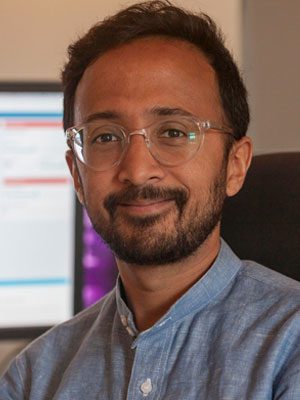
Ajay Pillarisetti is an Assistant Professor at the University of California, Berkeley's School of Public Health, Department of Environmental Health Sciences. His research focuses on the interplay between household energy use, air pollution exposure, health outcomes, and climate change in low- and middle-income countries. A graduate of UC Berkeley (PhD) and Emory University (MPH, BS), he has led global projects in India, Mongolia, Nepal, Guatemala, Peru, and Rwanda. PhD – Environmental Health Sciences, UC Berkeley MPH – Global Environmental Health, Emory University BS – Biology, Emory College His work employs low-cost air quality sensors, longitudinal surveys, and randomized controlled trials like the HAPIN study to assess health impacts of clean fuel interventions. Key subfields include exposure assessment, implementation science, pollution's metabolic effects, and policy-driven energy transitions. He collaborates with teams across four continents and has published extensively on household air pollution's multi-scale health burdens. Recent articles (2023–2025) highlight trends in quantifying PM2.5's health effects, optimizing sensor networks, and evaluating LPG interventions for maternal/child health. His studies span Guatemala's RESPIRE cohort, Rwanda's HAPIN trial, and India's community monitoring systems, addressing gaps in exposure-response modeling, biomarker analysis, and policy advocacy.