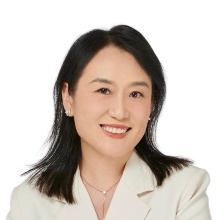
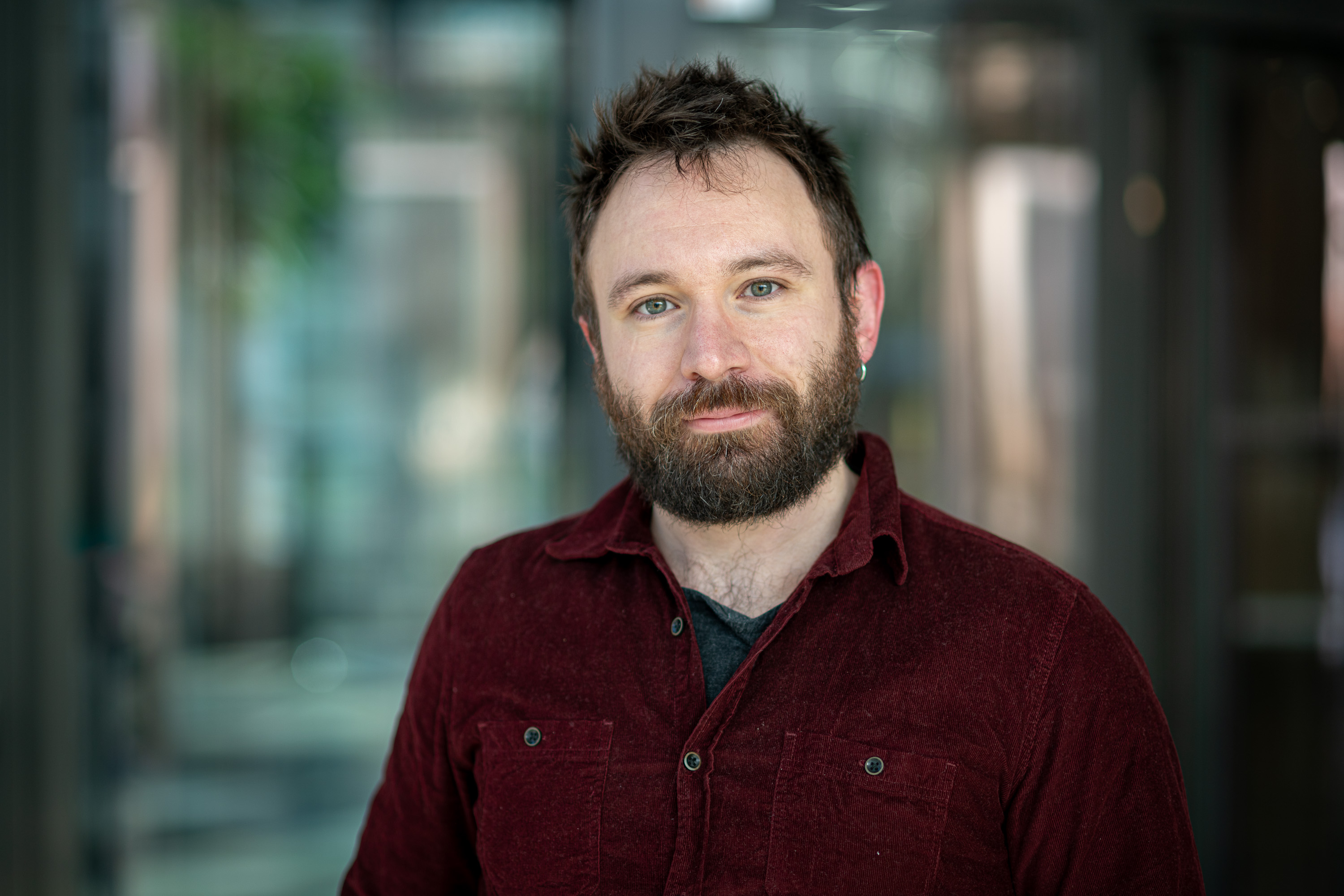
Prof. Laura Na Liu is a Professor and Director at the 2nd Physics Institute, University of Stuttgart, with a dual affiliation at the Max Planck Institute for Solid State Research. Her research bridges nanophotonics, DNA nanotechnology, and plasmonics, focusing on dynamic systems for biomedical applications, optical metamaterials, and synthetic biology. Key contributions include DNA-templated plasmonic architectures, reconfigurable metasurfaces, and synthetic cell components using DNA nanotechnology. Academic training includes advanced work in physics and materials science, with a career spanning leading institutions. Research interests emphasize the interplay between nanoscale structures and optical/chemical functionalities. Recent publications highlight innovations in programmable nanomaterials, real-time molecular tracking, and high-performance holography systems. Her work integrates experimental and theoretical approaches, addressing challenges in biophotonics, nanoelectronics, and smart materials. Awards and recognitions are listed in institutional records, while her lab actively collaborates with industry on applied photonics solutions.
Wiebke Kirleis is Professor for Environmental Archaeology and Archaeobotany at the Institute for Pre- and Protohistory, Faculty of Arts and Humanities, Christian-Albrechts-Universität zu Kiel (CAU). She has held this position since May 2014 and was previously a junior professor at the same university from 2008 to 2014. She is actively involved in major interdisciplinary research projects, including the Cluster of Excellence ROOTS and the Collaborative Research Centre 1266 'Scales of Transformation', where she serves as co-speaker and technical platform speaker. PhD in Natural Sciences, University of Göttingen (2002) Diploma in Biology, University of Göttingen (1998) Studies in Botany, Anthropology, and Environmental History, University of Göttingen (1990–1998) Wiebke Kirleis' research centers on the interaction between humans and plants during the late Pleistocene and Holocene, with a focus on plant economy, domestication, agricultural development, and landscape transformation. Her work explores how wild and cultivated plants were used for nutrition, ritual, and technical purposes, and how agricultural innovations such as ploughing and manuring impacted Central European landscapes. She has a strong geographical focus on Northern and Central Germany, Southeastern Europe, the Near and Middle East, and Southeast and East Asia, particularly Indonesia. Her methodological expertise includes archaeobotany (analysis of charred and waterlogged plant remains), palynology (pollen and spore analysis from sediment cores), and anthracology (study of charcoal remains). Her recent research includes studies on broomcorn millet diffusion, early farming in Scandinavia and Russia, and plant use in Bronze Age settlements across Europe and Turkey. She leads and collaborates on numerous interdisciplinary projects, emphasizing the integration of botanical data into broader archaeological narratives. Her publications reflect a consistent trend in environmental archaeology, focusing on plant domestication, agricultural transitions, and human-induced landscape change. Keywords across her recent work include archaeobotany, palynology, Neolithic and Bronze Age subsistence, and environmental reconstruction. Her research spans subfields such as food security, cultural transmission of plant use, early monumentality, and socio-economic aspects of prehistoric agriculture. Board member, Cluster of Excellence ROOTS Co-speaker, CRC 1266 'Scales of Transformation' Speaker, ROOTS Technical Platform Board member, Johanna-Mestorf-Akademie Chair, Scientific Advisory Board, Dithmarschen Stone Age Park (since 2023) Full member, German Archaeological Institute (DAI) Elected member, Commission for Archaeology of Non-European Cultures (KAAK) Wiebke Kirleis has supervised numerous research projects funded by the DFG and other agencies, including the Graduate School 'Human Development in Landscapes'. She has advised students and collaborated internationally with institutions in Italy, Norway, Indonesia, and Australia. Her leadership roles in academic self-administration include serving on planning, budget, and equality committees at CAU Kiel. She is committed to science communication, having launched the digital exhibition 'Alles bleibt anders' and produced educational films on archaeobotany. She is also involved in mentoring female postdocs through the via:mento program. She leads the archaeobotanical component in the 'Superfood' module of the SFB 1266 digital exhibition and is actively involved in the ROOTS Cluster’s Subcluster 'Dietary ROOTS'. Her lab and research team operate within the Institute for Pre- and Protohistory, contributing to the university’s strong focus on interdisciplinary landscape archaeology.
Dr. Elisha Krieg serves as Group Leader at the Leibniz Institute for Polymer Research Dresden and TUD Young Investigator at Dresden University of Technology, Germany. Her research pioneers programmable biomaterials using DNA nanotechnology for advanced biomedical applications, bridging synthetic polymer science with biological complexity. Her academic foundation includes: Ph.D. in Chemistry, Weizmann Institute of Science, Israel (2013) M.Sc. in Chemistry, Weizmann Institute of Science, Israel (2009) Vordiplom in Chemistry, University of Cologne, Germany (2006) Krieg's work centers on developing DNA-based nanomaterials that translate nanoscale programmability to macroscopic functional materials. Her group designs synthetic polymers functionalized with DNA modules to create reconfigurable platforms for diagnostics, tissue engineering, and nucleic acid purification. This approach leverages DNA's molecular precision to overcome limitations of conventional synthetic polymers, enabling dynamic biomaterials that respond to biological cues. Recent publications reveal a clear trajectory toward clinical translation, with 12 of 15 recent papers focusing on DNA-encoded hydrogels for cell culture matrices and nucleic acid diagnostics. The research spans fundamental supramolecular chemistry to applied biomedical engineering, emphasizing scalability and point-of-care compatibility. Key recognition includes: HFSP Postdoctoral Fellowship during Harvard tenure Krieg actively recruits MSc/PhD students through DIGS-BB and secures competitive funding including the TUD Young Investigator program. Her mentorship emphasizes interdisciplinary training in polymer chemistry, molecular biology, and nanomaterial characterization. Current grants support three core application areas: DNA/RNA purification for sequencing diagnostics, dynamic 3D cell culture matrices, and pathogen detection systems. The Krieg Group operates within the Max Bergmann Center of Biomaterials, utilizing advanced facilities for DNA nanotechnology, polymer synthesis, and nanomaterial characterization including cryo-EM and rheology.
Professor Stephan Seifert leads research at the University of Hamburg's Department of Chemistry, focusing on chemometrics and bioinformatic methods for food profiling and manuscript analysis. His group develops analytical approaches using vibrational spectroscopy, machine learning, and data fusion techniques. Research spans: Chemometric method development (random forests, variable selection) Spectroscopic analysis (FTIR, Raman, NMR) Food authentication and quality control Manuscript material characterization Recent publications demonstrate increasing use of machine learning for metabolomics data interpretation and multi-technique data fusion. Research integrates analytical chemistry with computational approaches to solve problems in food science and cultural heritage. Current projects include the Cluster of Excellence 'Understanding Written Artefacts' and Palm-Leaf Manuscript Profiling Initiative. Leads the Seifert AG research group at the Institute of Food Chemistry.
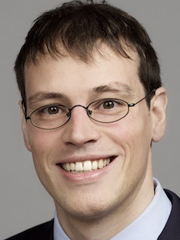
Dr. Ivan Bozhev is a Research Fellow at the University of Würzburg's Faculty of Physics and Astronomy, affiliated with the Chair of Experimental Physics III. His research focuses on nanotechnology, quantum transport, and advanced materials for biosensors and medical diagnostics. He contributes to projects at the Institute for Topological Insulators , exploring novel applications of silicon nanowires, SERS substrates, and nanostructured oxides. Key research interests include: Design of biosensors for pathogen and disease detection (e.g., Listeria monocytogenes, H1N1 virus) Development of nanowire-based drug delivery systems at single-cell resolution Material characterization under extreme conditions (ion irradiation, high-temperature gas sensing) Optimization of nanowire fabrication via metal-assisted chemical etching and anodic oxidation His work bridges fundamental materials science with applied technologies, such as high-temperature gas sensors, NO₂ detection systems, and SERS-based diagnostic tools. Recent advancements include gold-decorated silicon nanowires for bilirubin detection and antiviral applications of porous silicon nanoparticles. Contact: Email | Phone: +49 931 31-87943 | Chair of Experimental Physics III
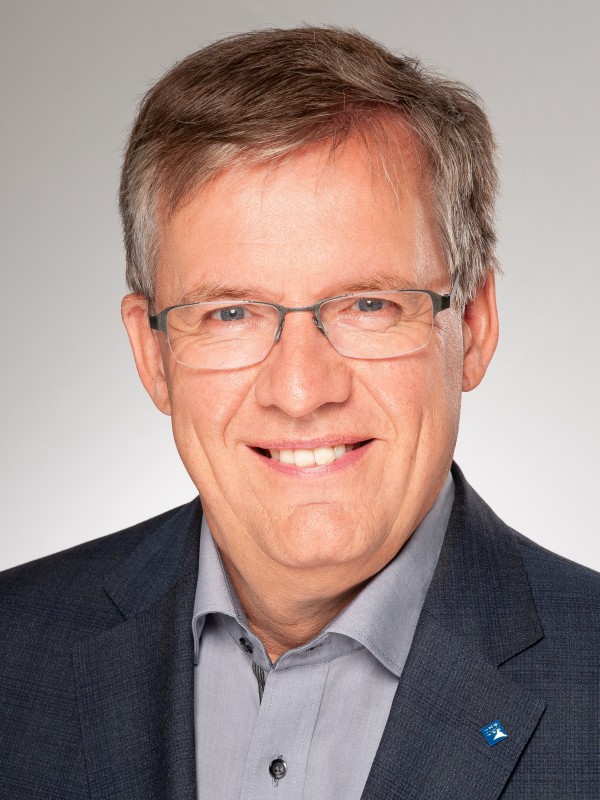
Prof. Jörn Ostermann is a Full Professor and Head of the Institut für Informationsverarbeitung at Leibniz Universität Hannover since 2003, with prior roles at AT&T Bell Labs and AT&T Labs-Research. He served as Dean of the Faculty of Electrical Engineering and Computer Science (2011–2013) and member of the Senat (since 2020). His research spans video coding, computer vision, machine learning, 3D modeling, and computer-human interfaces , with applications in SAR imaging, predictive maintenance, children's speech analysis, and cochlear implants. Key projects include Next Generation Video Coding , Conditional Coding for Learned Compression , and GreenAutoML4FAS . Notable trends in his recent publications (2025–2023) include Neural network-based video compression Uncertainty estimation in speech recognition Zero-delay coding for cochlear implants Domain adaptation for aerial image segmentation 3D mesh compression standards Error concealment in VVC coding Scientific recognitions: AT&T Standards Recognition Award (1998) ISO Award (1998) IEEE Fellow (2005) Distinguished Lecturer, IEEE CAS Society (2002/2003) MPEG Convenor (2020–2023) He co-authored a graduate textbook on Video Communications , holds >30 patents, and has led >20 research projects. His work bridges academic research and industrial standardization, particularly in MPEG and IEEE committees.
Dr. Riccardo Massei is a Scientist and Co-PI at the Helmholtz Centre for Environmental Research – UFZ , Leipzig, since July 2023. He serves as a Data Steward in the NFDI4BIOIMAGE initiative for high-content screening (HCS) data management and metadata annotation in toxicology and ecotoxicology. Previously, he held postdoctoral positions at UFZ's Department of Bioanalytical Ecotoxicology (2021–2023) and the Department of Veterinary Sciences at the University of Antwerp (2020–2021). Education: Doctoral degree in Natural Sciences (2018) from RWTH Aachen, focusing on pesticide mixtures and neuroactive chemicals in EU river basins. Research Expertise: Development of automated workflows for HCS data, metadata analysis, and FAIR-compliant image data storage using Python, KNIME, and Galaxy. His research spans ecotoxicology, computational biology, and environmental analytical chemistry , with over 30 publications since 2015. Recent work focuses on high-throughput effect-directed analysis, zebrafish embryo toxicity testing, and data-driven toxicology , particularly in the 2025_nanoINHALE and 2024_SafePol projects. Scientific achievements include the Young Scientist Award at SETAC 2016 and leadership in organizing sessions on "Fish model species in toxicology" since 2017. His publications cover topics like neurotoxicity of complex environmental mixtures biotransformation impacts on chemical toxicity automated behavioral assays for embryos sediment contamination analysis genotoxicity assessment in water systems Dr. Massei administers UFZ's OMERO instance and provides advisory services for research data management (RDM) concepts in toxicology.
Bernd Freisleben is a Professor at Philipps University of Marburg in the Department of Mathematics and Computer Science, leading the Distributed Systems research group. His work focuses on distributed systems, wireless communication, and emergency communication networks. He is affiliated with the Verteilte Systeme (Distributed Systems) group and the emergenCITY project, emphasizing resilient disaster communication and smart city technologies. Research interests include disruption-tolerant networking (DTN), machine learning applications in multimedia analysis, and energy-efficient wireless protocols. His group develops tools like ProgDTN for programmable DTN and the BatRack device for wildlife monitoring. Students under his supervision include Hicham Bellafkir (PhD since 2021), Markus Sommer (PhD since 2020), and Daniel Schneider (PhD since 2020). Key projects include Nature 4.0, a networked sensor system for biodiversity monitoring, and the ForestEdge initiative for unobtrusive environmental monitoring. Recent publications highlight work on resilient networks, deep learning for multimedia, and bio-inspired data storage solutions.
Professor Markus Fischer is a prominent academic at the University of Hamburg, leading roles as Spokesperson for Research Field A: 'Artefact Profiling' within the Cluster of Excellence 'Understanding Written Artefacts' (UWA), Head of the Container Lab, and Director of the Hamburg School of Food Science. His primary affiliations include the Department of Chemistry under the Faculty of Mathematics, Informatics and Natural Sciences, and the Institute of Food Chemistry. His research focuses on food authentication using advanced analytical techniques like mass spectrometry and spectroscopy, as well as panomics approaches for written artifact analysis. Key projects include mobile container laboratories for global use and paleogenomic studies of artifacts. He also investigates metabolic pathways in food systems and marine biology, particularly hypoxia tolerance in pinnipeds. Prof. Fischer’s publications span food safety, material analysis, and biomolecular studies, with over 266 papers. He collaborates on initiatives like the Palm-Leaf Manuscript Profiling Initiative and has developed aptamers for analytical applications. His work integrates cutting-edge technologies to address challenges in food traceability, cultural heritage preservation, and environmental sustainability. Equipment managed includes ICP mass spectrometers, LC-ESI-IMS-QTOF systems, and Orbitrap mass spectrometers, enabling high-resolution analyses. His contributions extend to academic leadership, including supervising research projects and organizing conferences like the DESY/UWA panel on written artefacts.
Dörthe Tetzlaff is a W3 Professor of Ecohydrology at Humboldt University of Berlin and Head of the Department of Ecohydrology & Biogeochemistry at IGB (Leibniz-Institute of Freshwater Ecology and Inland Fisheries). She holds an Honorary Professorship at the University of Aberdeen and has served in numerous leadership roles in hydrology societies. PhD in Hydrology (University of Freiburg) DSc in Hydrology (University of Aberdeen) Member of Berlin-Brandenburg Academy of Sciences Her research focuses on eco-hydrological connectivity , stable isotope applications , and drought impacts on water systems . She develops tracer-aided models to quantify water partitioning in urban and agricultural catchments, with recent work on climate-vegetation interactions and nature-based solutions . Her 2025 publications examine NO3-N cycling, urban green space dynamics, and drought-sensitive catchment modeling. Scientific accolades include the 2024 Polubarinova-Kochina Mid-Career Award (AGU), 2024 Wasser-Ressourcenpreis , and multiple fellowships (AGU, RSE, GSA). She teaches Measurements in Ecohydrology and Water Security at Humboldt University.
Thomas Häber is a Senior Scientist and Research Fellow at the Karlsruhe Institute of Technology (KIT), where he leads research in the Institute for Chemical Technology and Polymer Chemistry. He holds a PhD in Physical Chemistry from the University of Göttingen (2000) and an MS in Chemistry from the University of Paderborn (1997). His work focuses on combustion diagnostics, molecular spectroscopy, and catalysis, with expertise in laser-based techniques like PLIF and high-resolution FTIR. He has pioneered studies on flame-wall interaction, ignition mechanisms, and computational fluid dynamics modeling. Key achievements include developing tomographic multispecies visualization methods and analyzing NOx storage catalysts. His research projects include collaborations within the SFB 150 and FOR 1447 frameworks. He has received awards such as the Richard Zsigmondy Award and Humboldt Foundation fellowship. Research interests span combustion dynamics, laser diagnostics, and computational tools like machine learning. His contributions to understanding flame quenching, hot particle ignition, and catalytic oxidation have advanced both fundamental science and engineering applications. He collaborates across disciplines, integrating experimental and numerical approaches to solve complex fluid flow and reaction problems.
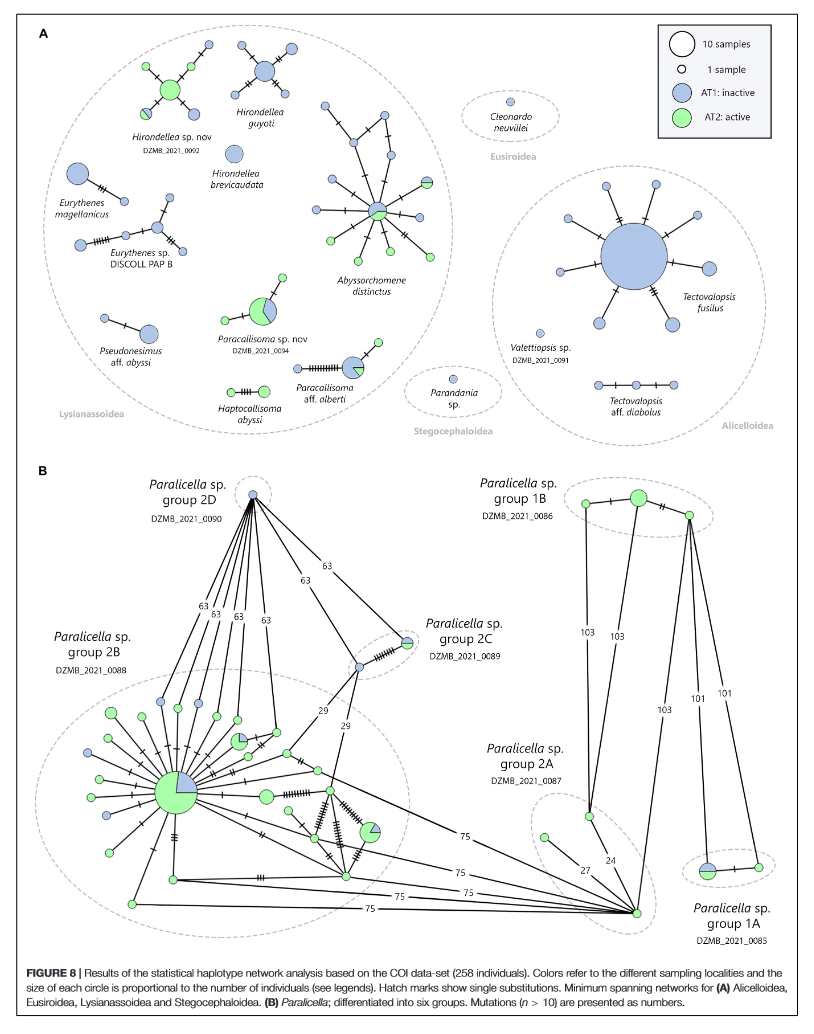
Dr. Katharina Kniesz is a Researcher at the Leibniz Institute for Baltic Sea Research Warnemünde, working within the Ecology of Benthic Organisms group. She holds a PhD from the German Centre for Marine Biodiversity Research (DZMB) and Carl von Ossietzky University Oldenburg (2018-2024), with a focus on hydrothermal vent macrofauna. Since February 2024, she has been a Postdoc in the ArKoBi project investigating Arctica islandica's role in Baltic Sea carbon storage. Her education includes a Master's (University of Hamburg, 2015-2018) and Bachelor's (2011-2015) in Biology, with research on deep-sea biodiversity and genetic diversity. Key research interests span benthic ecology, population genetics, and DNA barcoding of deep-sea and hydrothermal vent species. Her work involves extensive marine expeditions, including cruises to the Central Indian Ridge and Baltic Sea, focusing on vent fauna connectivity, amphipod scavengers, and genetic analyses. Publications highlight contributions to Anatoma species discovery, vent habitat studies, and biodiversity informatics. Kniesz has participated in over a dozen international research cruises since 2016, collaborating with institutions like BGR and Senckenberg. She actively presents at conferences such as the Symposium on Massive Sulfide Exploration and World Congress of Malacology.
Dr. Martin Mynarek is a Senior Physician and Medical Specialist in Pediatrics and Youth Medicine with a focus on Pediatric Hematology and Oncology at the University Medical Center Hamburg-Eppendorf (UKE). He is affiliated with the Department of Pediatric Hematology and Oncology within the Center for Obstetrics and Pediatrics under the Faculty of Medicine. His work centers on neuro-oncological research, particularly in pediatric brain tumors like medulloblastoma, ependymoma, and pineal parenchymal tumors. He contributes to international clinical trials, including the SIOP PNET5 MB trial, and emphasizes molecular stratification for improved patient outcomes. Key research interests include risk stratification in medulloblastoma subgroups, molecular profiling of tumors, and the clinical impact of genetic alterations. He has led studies on treatment efficacy, radiation therapy outcomes, and long-term neurocognitive effects in survivors. His publications span over a decade, addressing topics such as liquid biopsy techniques, genetic syndromes in cancer, and multiomic approaches to diagnosis. Dr. Mynarek collaborates extensively with institutions worldwide, contributing to consensus studies on tumor classification and treatment guidelines. His work bridges clinical practice and translational research, aiming to refine therapies and improve survival rates for pediatric cancer patients.
Reinhard Heckel is a Professor of Machine Learning at the Department of Computer Engineering, Technical University of Munich (TUM). His career includes positions as a Tenure-Track Assistant Professor at Rice University (2017–2019) and postdoctoral fellow at UC Berkeley's Berkeley Artificial Intelligence Research Lab. He holds a PhD from ETH Zurich (2014) and conducted doctoral research at Stanford University’s Statistics Department. Recognitions include being named one of Germany's 'Top 40 under 40' (2022) and the Werner von Siemens Ring Foundation Award (2022). Education & Professional Background: PhD in Computer Science, ETH Zurich (2014) Visiting Doctoral Fellow, Stanford University (Statistics Department) Postdoctoral Fellowship, UC Berkeley (EECS Department) Research Focus: His work bridges theoretical foundations and practical applications in machine learning, including: Algorithm development for deep learning and medical image processing Mathematical foundations of machine learning DNA data storage technology (error correction, synthesis methods) Computational imaging and inverse problem solutions Awards & Highlights: 2022: Capital 40 under 40, Werner von Siemens Ring Foundation Award 2015: ETH Zurich Medal for Doctoral Thesis, IBM Invention Achievement Award Grants & Collaboration: His research has been supported by grants focusing on DNA storage scalability and MRI reconstruction. He collaborates with institutions like IBM Research and the Berkeley AI Lab. Key projects include developing DNA synthesis methods and AI-driven medical imaging tools. Labs & Teams: Leads TUM's machine learning initiatives in computational imaging and biological data storage systems. Active in interdisciplinary teams bridging computer science, bioengineering, and statistics.
Masoumeh Karvar is a Research Fellow at the Chair of Line Transmission Technology (Prof. Norbert Hanik) within the Institute for Communications Engineering at the Technical University of Munich. Her work focuses on advanced communications systems and theoretical foundations of data transmission. Her research spans Communications Engineering with emphasis on Signal Processing, Information Theory, and Coding Theory. The Institute maintains leadership in coding applications including DNA-based data storage and quantum communication networks, organizing annual workshops like the Munich Workshop on Coding and Cryptography that attract global researchers. Current initiatives explore 6G technologies and molecular communications through collaborations with DLR (German Aerospace Center). Dr. Karvar contributes to the institute's mission of advancing transmission technologies for next-generation communication networks through both theoretical research and practical implementations.