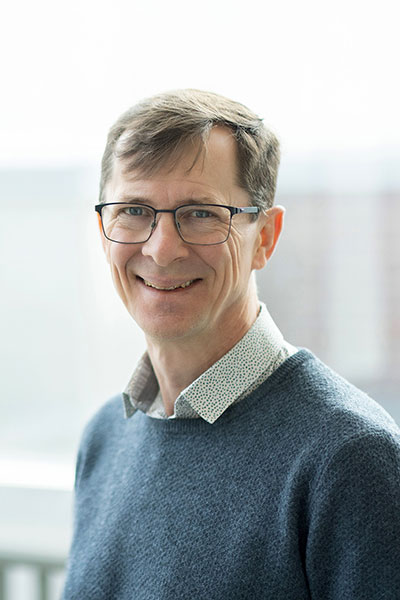
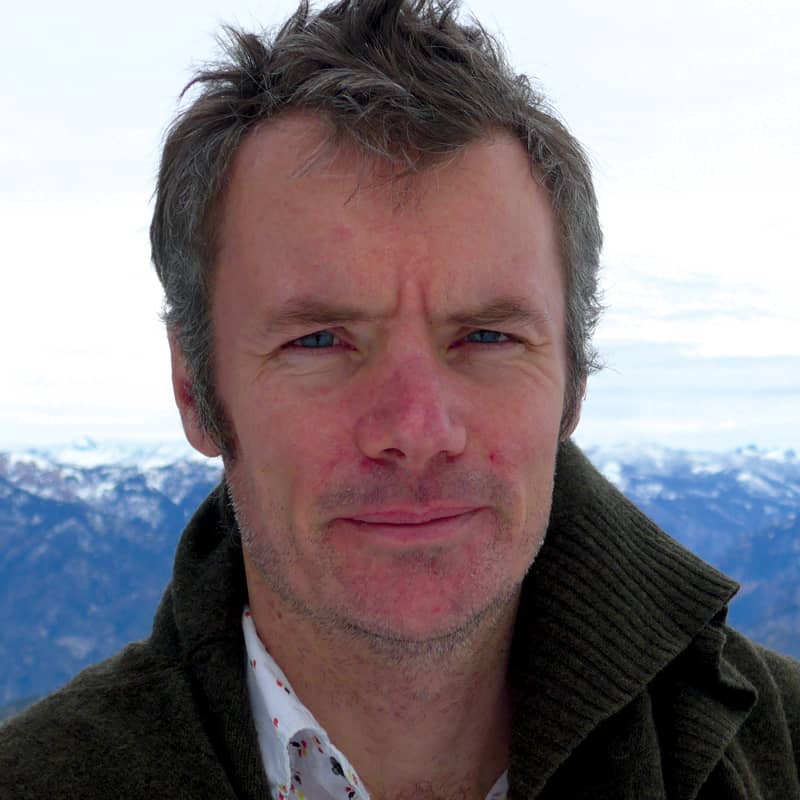
Massimo Delledonne is a Full Professor in the Department of Biotechnology at the University of Verona. His research focuses on clinical genomics, functional genomics, structural genomics, and metagenomics. He teaches modules such as Genetics and Human Genomics across undergraduate and graduate programs, including Molecular and Medical Biotechnology and Medical Bioinformatics. Affiliations: Department of Biotechnology, University of Verona Committees: Faculty Board of PhD in Biotechnology, Biotechnology Teaching Committee Spin-offs: EDIVITE s.r.l., Microbion S.r.l., Enerzyme s.r.l. (among others) His research interests include genome assembly, single nucleotide variant analysis, and applications of next-generation sequencing technologies. Projects span plant and human genomics, with a focus on crop improvement, disease diagnostics, and microbial interactions. Recent work includes studies on lupin diversity, common bean evolution, and grapevine genetics. Key projects include IBEARAD (Bioinformatics for Agricultural Resilience) and SYMPHONY (Phaseolus vulgaris genome analysis). He leads interdisciplinary efforts in genomic medicine, plant genomics, and environmental genomics.
Dr. Joseph Vinetz is Professor of Medicine (Infectious Diseases), Anthropology, and Epidemiology (Microbial Diseases) at Yale University, with additional affiliations as Research Professor at Universidad Peruana Cayetano Heredia and Senior Investigator at the Alexander von Humboldt Institute of Tropical Medicine. His work bridges clinical practice, laboratory research, and field epidemiology, focusing on malaria and leptospirosis in the Peruvian Amazon, Brazilian Amazon, and Sri Lanka. He leads a research program continuously funded by NIH since 2001, alongside support from WHO, Gates Foundation, and HHMI. Research Highlights: Malaria resilience mechanisms in Amazonian populations Molecular ecology of Plasmodium-Anopheles interactions Leptospirosis diagnostics and vaccine development Genomic studies of malaria vectors and parasites Climate change impacts on tropical disease transmission Scientific Recognition: Elected to American Society for Clinical Investigation Fellow of American College of Physicians Bailey K. Ashford Medal recipient Doctor Honoris Causa from PGIMER, India Academic Leadership: Dr. Vinetz mentors multidisciplinary research teams and contributes to Yale's global health initiatives. His lab develops novel interventions for neglected tropical diseases while translating bench discoveries to clinical and public health applications.
Dr. Dorota Porazinska is an Assistant Professor in the Department of Entomology and Nematology at the University of Florida, Gainesville. Her research focuses on soil biodiversity, plant-soil interactions, and microbial ecology, with emphasis on nematodes and extreme environments. She holds a PhD from the University of Florida (1998) and has held research positions at institutions like the University of Colorado and CSIRO Australia. Her work combines classical ecological methods with cutting-edge molecular tools, including metagenomics and mitochondrial metagenomics. Education: PhD, Entomology and Nematology, University of Florida (1994–1998) MS, Ecology, University of Georgia (1992–1994) BS/MS, Biology and Earth Sciences, Nicolaus Copernicus University (1987–1991) Research Interests: Soil microbiomes, nematode ecology, climate change impacts, biosecurity diagnostics, and biodiversity conservation. She investigates microbial community assembly in extreme environments (e.g., Antarctica, high alpine regions) and agricultural systems, leveraging molecular tools for species identification and ecosystem function studies. Key Awards: Science Ambassador, Science Discovery (2015) Distinguished Visiting Scientist, CSIRO (2012) STAMPS Fellowship, Marine Biological Laboratory (2011) Grants & Teaching: Secured over $2M in research funding from NSF, USDA, and others. Active in developing innovative curricula, including digital nematode slide collections and online education tools. Served as Chair of the ENY Seminar Series and Editor of the Journal of Nematology . Labs & Teams: Leads the WORMS ET AL. research group, focusing on soil biodiversity and molecular diagnostics. Collaborates with interdisciplinary teams on projects like the Antarctic cryoconite hole microbiome and nematode gut microbiome assembly.
Abderrahim Ouarghidi is a Teaching Professor in the Department of Anthropology at Pennsylvania State University, specializing in African Studies and Anthropology. His research focuses on Moroccan socio-ecological systems, traditional knowledge, and cultural heritage conservation. He investigates rural livelihoods, ethnobotanical practices, and environmental change in Morocco's High Atlas Mountains and oases. While specific educational details are not provided in the text, his work demonstrates expertise in anthropology, botany, and environmental studies. Research interests include crop diversity, medicinal plant conservation, and the intersection of traditional practices with modern challenges such as market integration and climate change. His publications analyze topics like arbuscular mycorrhizal fungi in endemic plants, pesticide use in pome fruit cultivation, and the ethics of archaeological remote sensing in sacred spaces. He emphasizes interdisciplinary approaches, combining ethnography with molecular methods like DNA barcoding to address biodiversity and health concerns. No scientific awards or grants are explicitly mentioned, though his active research portfolio suggests involvement in relevant funding networks. He advises no listed students but contributes to teaching and mentoring in anthropology and African studies programs. Ouarghidi's work often highlights community-based conservation strategies and the vulnerability of traditional knowledge systems to globalization. His research has implications for policy-making in sustainable agriculture, cultural heritage management, and public health.
Allen L. Szalanski is a Professor in the Department of Entomology and Plant Pathology at the University of Arkansas. His research focuses on molecular diagnostics and genetic variation of invasive insect species, particularly honey bees, termites, ticks, and agricultural pests. He teaches ENTO 4043/5043 Honey Bee Biology and Beekeeping. Education : PhD in Entomology (University of Nebraska-Lincoln, 1995), MS in Entomology (Kansas State University, 1992), BS in Agriculture (University of Manitoba, 1989) His work includes phylogenetic studies of termites using mitochondrial markers, population genetics of Amblyomma americanum ticks in Arkansas, and development of multiplex PCR assays for bed bug and trypanosomatid diagnostics. Recent studies examine Lotmaria passim in honey bees and expanded host ranges of invasive pests like Acanthococcus lagerstroemiae. Key collaborative efforts involve taxonomy revisions (e.g., Nasutitermes synonymy) and applied research on biological control agents such as Metarhizium species. He has mentored over 10 graduate students, many now in prominent roles in academia, USDA, and industry.
Michelle Jungbluth is an Adjunct Professor of Biology at San Francisco State University (SFSU), specializing in Biological Oceanography and Molecular Biology. She leads the Jungbluth Lab at the Estuary & Ocean Science Center, focusing on marine ecosystems, microbial diversity, and the application of advanced molecular techniques like environmental DNA (eDNA) and genomics. Her work integrates interdisciplinary collaborations, including studies on deep-sea exploration, microbial extremophiles, and AI-driven environmental solutions. Her research emphasizes food web dynamics, wetland restoration, and biodiversity assessment in marine and estuarine environments. Key projects include collaborations with Dr. Wim Kimmerer on zooplankton studies, Dr. Karen Crow on manta ray distribution via eDNA, and UC Davis on sevengill shark diets. She also develops data standards for genomic and environmental research through initiatives like the MIEM guidelines and FAIR-aligned data frameworks. Research interests span astrobiology, deep biosphere exploration, and synthetic biology applications for environmental challenges. The lab supports M.S. students in Integrative Biology or Computer Science, and volunteers in field and lab settings. Funding sources include grants from agencies like NSF and NOAA, supporting projects on microbial ecology, deep-sea biodiversity, and AI in environmental science. Notable achievements include pioneering eDNA methodologies, characterizing abyssal larval communities, and advancing genomic standards. Her lab’s work contributes to both fundamental understanding of marine systems and applied solutions for ecosystem resilience and conservation.
Dr. Georg Brenneis is a researcher in Integrative Zoology at the University of Vienna , Austria. His research focuses on arthropod development, morphology, and diversity within a phylogenetic and evolutionary framework. Affiliated with the University of Vienna, Naturhistorisches Museum Wien, and Universität Greifswald, he specializes in marine sea spiders (Pycnogonida) and their neural, developmental, and taxonomic studies. Research Interests: Dr. Brenneis investigates the arthropod nervous system, with emphasis on neurogenesis, neural differentiation, and neuroanatomy in sea spiders. He also studies adult neurogenesis in non-insect arthropods like crayfish, aiming to compare this across major arthropod groups. Additional interests include external morphogenesis, muscle development, regeneration in sea spiders, life-history features, taxonomy, and phylogenetic relationships within Pycnogonida. Recent Research Trends: His 2020 work on Pallenella in Tasmanian waters used integrative taxonomy combining morphology and genetic markers (COI and ITS) to identify 13 sympatric species. Earlier studies (2011-2019) explored embryonic/postembryonic development in Pseudopallene , Antarctic species, and ventral organ neurogenesis. Collaborative projects span phylogenomic analysis, biogeography, and regeneration mechanisms.
Professor Roderic D Page is a faculty member at the University of Glasgow, holding the position of Professor of Taxonomy (Evolution & Diversity) within the School of Biodiversity, One Health & Veterinary Medicine. His primary affiliation is with the Institute of Biodiversity, Animal Health & Comparative Medicine. He is based in Glasgow, Scotland, and can be contacted via email at Roderic.Page@glasgow.ac.uk or through his ORCID profile (0000-0002-7101-9767). Professor Page's research focuses on biodiversity informatics, taxonomy, and phylogenetics. He is a leading advocate for open science, particularly in improving access to taxonomic literature and integrating biodiversity data through knowledge graphs. His work includes projects such as BioStor (digitizing historical biodiversity literature), the Biodiversity Heritage Library (BHL), and initiatives to link persistent identifiers (e.g., LSIDs, DOIs, ORCIDs) across taxonomic databases. Key themes in his research include: Enhancing interoperability between biodiversity datasets Developing tools for phylogenetic visualization and analysis Addressing challenges in DNA barcoding and taxonomic classification Promoting open access to biodiversity data and legacy literature His recent work explores machine learning applications in taxonomy, the limitations of current data-sharing practices in phylogenetics, and the role of knowledge graphs in synthesizing biodiversity knowledge. He frequently critiques siloed approaches to data management and advocates for global collaboration in biodiversity informatics. Grants and funding for his research include support from initiatives related to the Biodiversity Heritage Library, the LOTUS project (open natural products research), and the Global Biodiversity Information Facility (GBIF). His contributions have advanced both computational methods and policy frameworks for biodiversity data integration. Professor Page is associated with the BioNames and BHL projects, and his lab focuses on bridging gaps between taxonomic databases, genomic data, and geospatial information. He actively participates in international efforts to standardize biodiversity data and improve accessibility for researchers worldwide.
Daniel Janzen is a Professor of Biology and holder of the Thomas G. and Louise E. DiMaura Term Chair at the University of Pennsylvania's School of Arts & Sciences. His primary affiliation is with the Department of Biology. He holds a Ph.D. from the University of California, Berkeley (1965). His research focuses on tropical ecology, biodiversity conservation, and the intricate relationships between plants, insects, and parasitoids in Costa Rica's ecosystems. Key research areas include understanding caterpillar-plant interactions, parasitoid behaviors, and biodiversity development in conserved tropical wildlands like Area de Conservación Guanacaste (ACG). Janzen pioneered the use of DNA barcoding for biodiversity inventory and integrates taxonomy, ecology, and conservation policy to promote sustainable land use. His work emphasizes non-destructive utilization of tropical biodiversity for ecotourism, biotechnology, and environmental monitoring. Publications highlight discoveries in cryptic species identification, parasitoid wasp systematics, and microbiome studies in caterpillars. Janzen’s long-term fieldwork in Costa Rica has produced foundational insights into tropical ecosystem management and conservation engineering. Despite an extensive publication record, no specific scientific awards are explicitly mentioned in the text. His research involves collaborations with institutions like the Smithsonian Institution and the Barcode of Life initiative. While no advising details are provided, his work engages with global biodiversity databases and participatory conservation frameworks involving local communities. The ACG serves as a key field site for his integrative approach to linking basic ecology with applied conservation strategies.
Anita Diaz Isla is a Professor in the Department of Life and Environmental Sciences at Bournemouth University, Faculty of Science and Technology. Her work integrates research, education, and public engagement in conservation ecology, with a focus on cultural habitats such as heathlands, meadows, and woodlands. Her research interests span conservation ecology, ecological restoration, biodiversity dynamics, human-wildlife interactions, and climate change impacts. She investigates how traditional and modern land uses affect ecological feedbacks like grazing and pollination. A key focus is on heathland restoration, soil-plant-animal interactions, and the role of citizen science in conservation. She promotes public involvement in nature through initiatives like NatureVolunteers.uk. Her recent publications reveal a strong trend in long-term ecological monitoring, soil biogeochemistry, biodiversity change, and the effectiveness of restoration techniques. Themes include carbon storage in restored heathlands, pH effects on soil enzymes, and plant-insect co-dynamics over decades. Her work often involves collaborations with the National Trust, Natural England, and international partners in Spain. Anita actively mentors students and involves them as co-researchers in real-world conservation projects. She has led educational innovations in fieldwork and student-staff research communities. Her work is supported by HEIF funding and partnerships with conservation organizations. She is involved in several research teams and collaborative networks focused on heathland conservation, ecological restoration, and citizen science. Her projects often integrate fieldwork, laboratory analysis, and community engagement, forming interdisciplinary teams across institutions.
Stefano Mariani is a Professor at Liverpool John Moores University (since 2019) in the School of Environment & Life Sciences. Previously, he held roles including Professor of Conservation Genetics at the University of Salford (2011–2019), Lecturer at University College Dublin (2005–2011), and Post-Doctoral Researcher at the University of Hull (2002–2004). He earned his PhD in Animal Biology from Sapienza University of Rome (2001) and a BSc+MSc in Biology from the University of Rome Tor Vergata (1997). His research focuses on marine ecology and conservation genetics, with emphasis on interdisciplinary approaches for biodiversity management, DNA metabarcoding, and fisheries sustainability. Recent work includes leveraging eDNA from sponges and diver-assisted sampling for marine biodiversity monitoring, as well as investigating sex change dynamics in fish populations. Key contributions span environmental DNA applications, seafood traceability, and Antarctic biodiversity studies. Publications highlight innovations like using museum-preserved sponges for historical eDNA analysis and developing tools to combat seafood mislabeling. Collaborative projects include global biodiversity monitoring (e.g., DNA Divers initiative) and forensic applications of eDNA in wildlife crime investigations. His work bridges academic research with practical conservation, emphasizing scalable solutions for marine ecosystems. Current affiliations include Liverpool John Moores University, with grants and partnerships focused on eDNA technologies and fisheries management.
Yanxiang Deng is an Assistant Professor in the Department of Pathology and Laboratory Medicine at the Perelman School of Medicine, University of Pennsylvania. His research pioneers spatial omics technologies to decode tissue architecture in development and disease, with seminal contributions including spatial-CUT&Tag and spatial-ATAC-seq for epigenetic mapping. His educational background includes a PhD from Rensselaer Polytechnic Institute (2018) followed by postdoctoral training at Yale University (2018-2022). Key appointments span Cell and Molecular Biology and Genomics and Computational Biology graduate groups. Deng's lab focuses on developing microfluidic platforms for spatial multi-omics, enabling pixel-level profiling of histone modifications, chromatin accessibility, and proteome-transcriptome interactions. His work bridges engineering and biomedicine to address cancer mechanisms and neurodegenerative disorders, with technologies allowing unprecedented resolution of cell-type-specific epigenetic landscapes in intact tissues. Analysis of his 15 most recent publications (2023-2025) reveals accelerating innovation in multimodal spatial mapping, particularly FFPE tissue compatibility, DNA methylation-transcriptome co-profiling, and neuroscience applications. His methods increasingly integrate chromatin features with proteomic data, expanding from foundational 2022 Science and Nature papers to clinical translation in depression and cancer. Major recognitions include: Blavatnik Awards for Young Scientists, Regional Laureate in Life Sciences (2023) Founders Award of Excellence, Rensselaer Polytechnic Institute (2015) National Scholarship (2008) He actively mentors 8 trainees including 6 graduate students and 2 postdocs, with research supported by NIH grants and institutional funding. His lab's deterministic barcoding approach (DBiT-seq), highlighted as Nature Methods' "Method of the Year," underpins multiple high-impact collaborations in immunology and neuroscience. The Deng Lab operates from Stellar Chance Laboratories, employing interdisciplinary teams to develop next-generation tools for spatial multi-omics. Current projects include Spatial-DMT for DNA methylation mapping and spatial-Mux-seq for quadruple-modality profiling, leveraging microfluidics expertise to unlock archival tissue repositories for disease research.
Paul Shipley is an Associate Professor in the Department of Chemistry within the Irving K. Barber Faculty of Science at the University of British Columbia Okanagan. He also serves as Associate Dean of the College of Graduate Studies. His research focuses on natural products chemistry, metabolomics, and NMR-based analysis of medicinal plants and bacteria to investigate chemical differences between species and samples. His work has applications in discovering biological activities, optimizing natural health product formulation, identifying adulterated products, and classifying species by their chemistry. Dr. Shipley's educational background includes: PhD from the University of Washington Dr. Shipley's research centers on organic chemistry and natural products biosynthesis, with particular emphasis on the biochemistry of secondary metabolism in plants and bacteria. His laboratory develops and applies nuclear magnetic resonance (NMR) metabolomics approaches to define the complex chemistry of medicinal plants, which traditionally has been challenging due to the estimated 30,000 distinct phytochemicals present in an average plant tissue. His work bridges analytical chemistry, plant biochemistry, and statistical analysis to create robust methods for species differentiation and chemical profiling. Specifically, his lab investigates NMR-based chemical approaches for medicinal plant analysis across various species, comparing results with LC/MS metabolomic analysis and chromatographic separation methods. They develop statistical tools to discriminate between true and false positives in significance analysis and optimize NMR experiments for best discrimination between sample types, with applications in hawthorn chemotaxonomy, cranberry analysis, and other medicinal plant studies. Dr. Shipley's recent publications demonstrate a strong focus on NMR-based metabolomics applied to plant chemistry, particularly for species identification and quality control of natural health products. His work spans multiple plant genera including Crataegus (hawthorn), Vaccinium (cranberry), and Artemisia (sagebrush), with consistent methodological development in statistical analysis and NMR techniques. A notable trend is the application of machine learning algorithms to refine metabolomic data interpretation and the development of robust models for distinguishing between closely related plant species and varieties. His research program has contributed significantly to: Development of new NMR-based approaches for plant metabolome analysis Creation of statistical tools for metabolomic data refinement Chemotaxonomic studies of medicinal plants with pharmacological relevance Identification of cardioprotective compounds in hawthorn species As a graduate student supervisor in the Department of Chemistry, Dr. Shipley mentors students in organic chemistry, natural products biosynthesis, and analytical methodology development. His research program involves multiple funding sources supporting NMR metabolomics instrumentation, plant collection and analysis fieldwork, statistical methodology development, and collaborative studies with pharmacology and botanical researchers. Dr. Shipley leads a research laboratory focused on NMR-based metabolomics of medicinal plants and bacteria. His team develops advanced statistical and methodological tools for model improvement in metabolomic analysis, with particular expertise in distinguishing between closely related plant species and varieties. The lab collaborates across disciplines, integrating chemical analysis with biological activity studies to connect phytochemical profiles with potential pharmacological relevance, particularly in cardioprotective compounds found in hawthorn and urinary tract health applications of cranberry compounds.
Dr. Wannes Dermauw is a Belgian researcher affiliated with Ghent University and the Institute for Agricultural and Fisheries Research (ILVO), specializing in plant sciences. His work focuses on genetic and molecular mechanisms of pesticide resistance in agricultural pests like spider mites and whiteflies, particularly through cytochrome P450 enzymes and CRISPR-Cas9 gene editing. He has received prestigious funding through an ERC grant (POLYADAPT) and an FWO Postdoctoral Fellowship. Institute for Agricultural and Fisheries Research (ILVO) | 2020–Present Ghent University | 2019–2020 Rubenhof 2013–2019 University of Ghent | 2006–2013 His research intersects entomology, molecular biology, and agricultural science, emphasizing: Mechanisms of acaricide and insecticide resistance CRISPR-Cas9 applications in arthropods Horizontal gene transfer between plants and pests Functional genomics of detoxification enzymes Population genetics of cosmopolitan mite pests Development of diagnostic tools for resistance monitoring Scientific awards include: European Research Council (ERC) grant POLYADAPT FWO Postdoctoral Fellowship His publications reveal trends in: Molecular basis of resistance mutations Evolutionary adaptation to xenobiotics CRISPR-Cas9 in non-model arthropods Genomic differentiation between pest morphs Novel detoxification enzyme families Tick-pathogen interactions in livestock
Dr. Jonathan Davies is an Associate Professor at the University of British Columbia's Faculty of Forestry, with dual affiliations in the Department of Botany and Department of Forest and Conservation Sciences. His research focuses on phylogenetic ecology, integrating evolutionary biology with ecological systems to address biodiversity conservation and climate change challenges. Academic Rank: Associate Professor Departments: Botany; Forest and Conservation Sciences Research Center: Biodiversity Research Center Email: j.davies@ubc.ca Research Interests : At the intersection of ecology and evolution, Davies' work explores phylogenetic approaches to conservation science, climate change biology, and disease ecology. His lab investigates: Climate change impacts on biodiversity and disease emergence Phylogenetic dilution effects in forest pest dynamics Evolutionary patterns in plant-herbivore interactions Statistical methods for phylogenetic analysis Global biodiversity patterns and diversification rates Eco-phylogenetics of protected area effectiveness