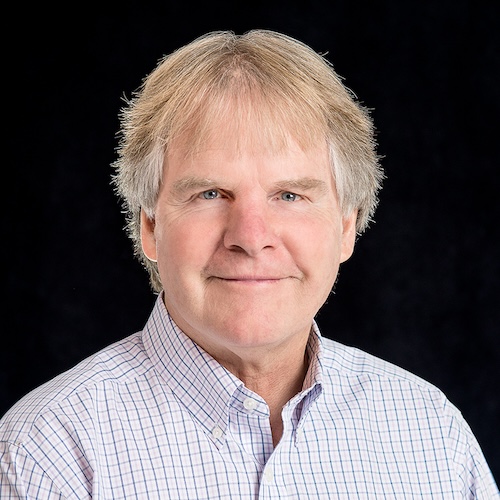
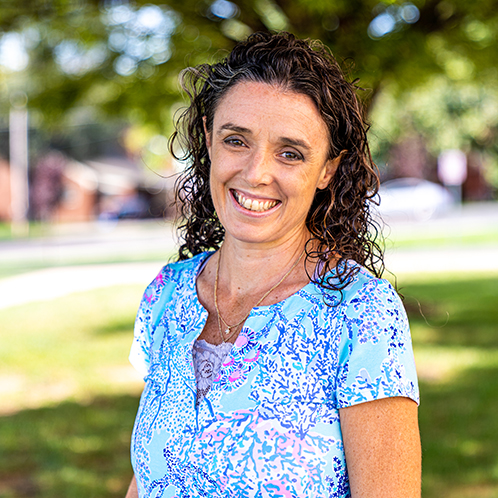
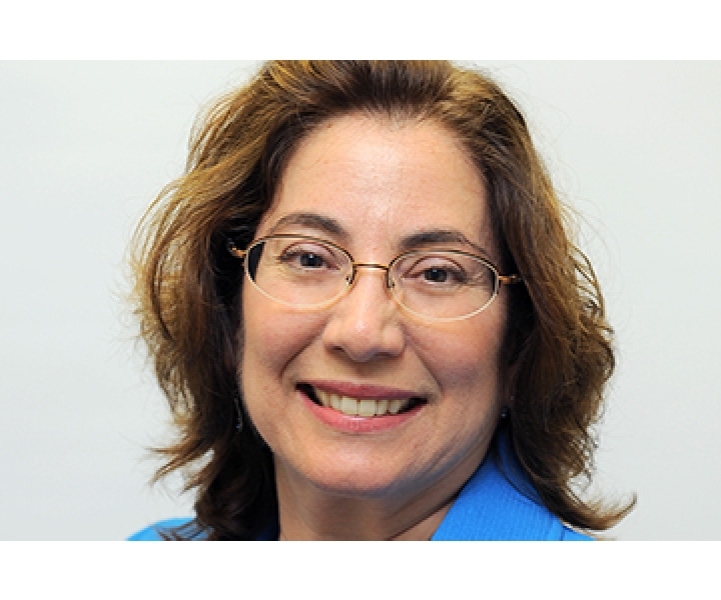
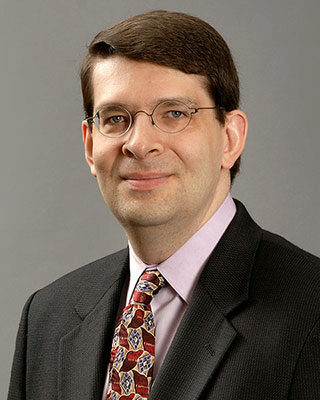
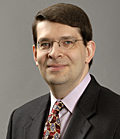
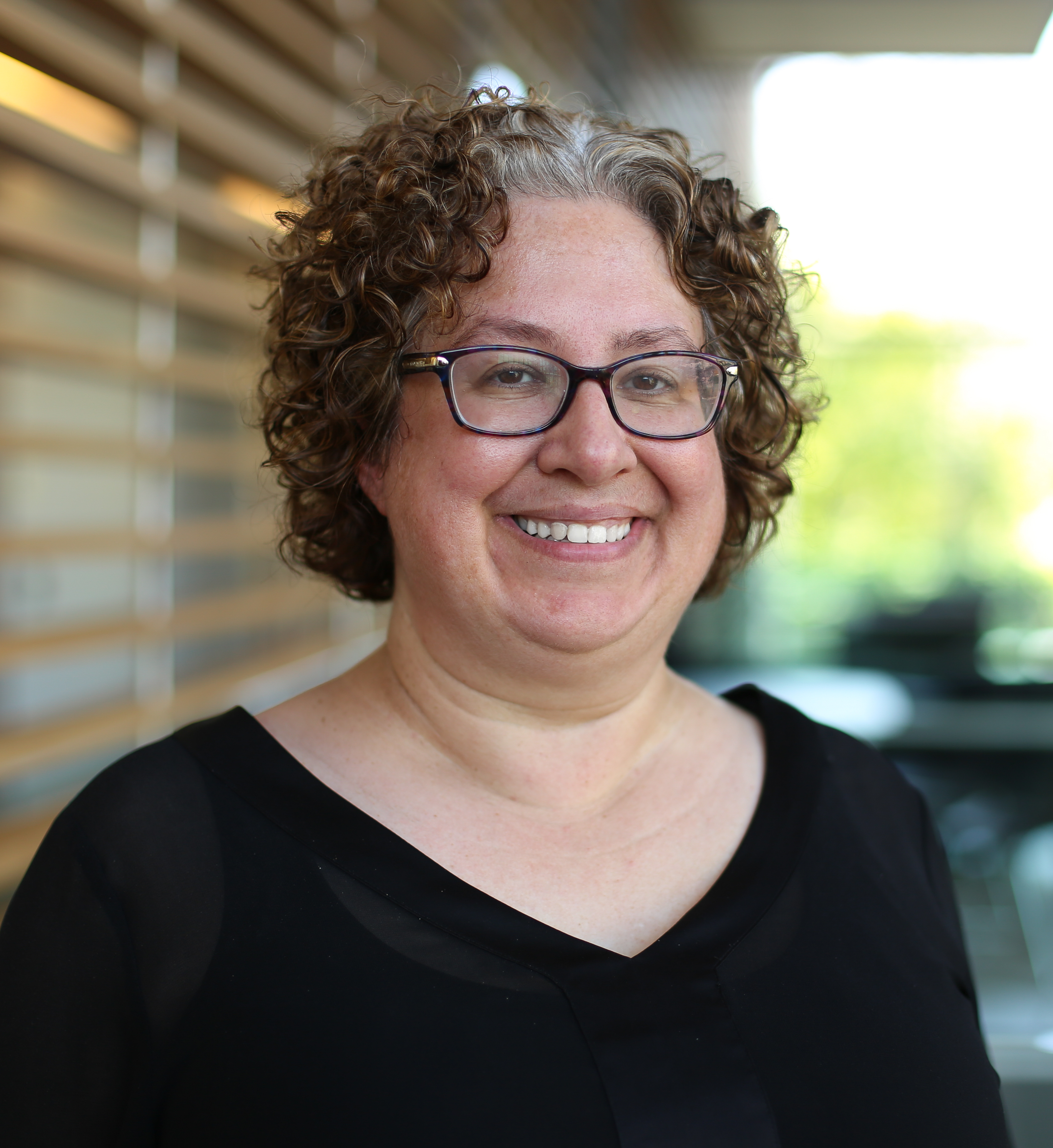
Michael Lounsbury is Professor and A.F. (Chip) Collins Chair at the University of Alberta's Alberta School of Business, where he chairs the Department of Strategy, Entrepreneurship and Management and serves as Academic Director of eHUB Entrepreneurship Centre. His research examines institutional change processes, cultural entrepreneurship, and market creation. Organization theory investigations focus on how institutional logics shape entrepreneurial action and market evolution. Cultural entrepreneurship research analyzes meaning construction and category formation in nascent industries. Institutional change studies examine pathways of organizational and field-level transformation across diverse contexts from finance to nanotechnology. Publications exhibit theoretical innovation across organization studies and strategic management. Recent works build frameworks for understanding institutional complexity while early contributions established foundations of institutional logics perspective. Consistent themes include: (1) Cultural mechanisms in market formation, (2) Microfoundations of institutional processes, and (3) Identity dynamics in organizational fields. J. Gordin Kaplan Award for Excellence in Research (2020) Elected Fellow of the Academy of Management Canada Research Chair in Entrepreneurship and Innovation (2014-2022) Leads Canadian 2SLGBTQI+ Entrepreneurship Knowledge Hub as Co-PI and Research Director. Oversees curricular and co-curricular entrepreneurship initiatives through eHUB centre. Teaches PhD seminar in organization theory examining major theoretical schools and contemporary debates.
James Moore is a Professor and Director of the Educational Resources Unit within the Department of Large Animal Medicine at the University of Georgia’s College of Veterinary Medicine. He joined UGA in 1981 after completing a DVM from the University of California, Davis, an internship at the Ontario Veterinary College, and a combined equine surgery residency and PhD program at the University of Missouri. His work focuses on developing innovative educational materials, including interactive 3D models and animations for teaching abdominal diseases in horses. As director, he leads the creation of curricular resources and online courses for healthcare career aspirants. Education: DVM, University of California, Davis PhD in Equine Surgery, University of Missouri Diplomate of the American College of Veterinary Surgeons (Dip ACVS) Dr. Moore’s research emphasizes veterinary education technology and surgical methodologies. He pioneered the integration of 3D modeling into veterinary training, enhancing student understanding of complex anatomical and pathological processes. His contributions to online education aim to broaden access to healthcare career pathways. While no specific grants or awards are noted, his role as director underscores his leadership in academic innovation. He oversees the Educational Resources Unit, collaborating with faculty to align teaching materials with clinical and academic standards. No specific student advisees or labs are listed in the provided text.
Dr. Cijy Elizabeth Sunny serves as an Assistant Professor in the Department of Mathematics within Florida Gulf Coast University's College of Arts & Sciences. Her academic profile demonstrates interdisciplinary expertise spanning STEM education research, psychometrics, and quantitative methodology across multiple continents. Research Focus: Dr. Sunny specializes in developing and validating assessment tools for affective domain skills using classical test theory, item response theory, and Rasch measurement. Her work bridges STEM education research, medical education, engineering education, and human trafficking studies. She actively conducts workshops on concept mapping methodology, mixed methods research for standardized patient educators, and standard-setting for physician educators. Publication Trends: Her recent scholarly output reveals a strong emphasis on equity in STEM education (particularly for Latino/Hispanic students), hidden curriculum dynamics in engineering education, innovative assessment tools, and psychometric validation studies. Her work consistently applies rigorous quantitative and mixed methods approaches to address complex educational challenges across healthcare, engineering, and social science contexts. Academic Service: Dr. Sunny has developed specialized workshops including: Concept mapping methodology for scale development Mixed methods research for standardized patient educators Standard-setting protocols for physician educators Teaching Portfolio: She teaches across physics, statistics, mathematics, programming, research methodology, and data science disciplines, leveraging her background as an engineering physicist and psychometrician to create interdisciplinary learning experiences.
Amelia F Rauser serves as the Charles A. Dana Professor of Art History and Senior Associate Dean of the Faculty at Franklin & Marshall College, where she bridges academic leadership with groundbreaking scholarship in eighteenth-century visual culture. Her institutional affiliation centers on the Department of Art History within the broader liberal arts framework of the college. Rauser's educational foundation includes a BA from the University of California, Berkeley and MA/PhD degrees from Northwestern University, establishing her interdisciplinary approach to art historical research. Her research explores Eighteenth-Century Art , Fashion History , and Political Caricature through innovative lenses like material culture and sensory studies . The award-winning book The Age of Undress: Art, Fashion, and the Classical Ideal in the 1790s examines neoclassical fashion as a radical political statement, connecting draped garments to contemporary debates on liberty, race, and gender. Her work consistently reveals how clothing functions as ideological battlegrounds, notably analyzing madras cloth as cultural appropriation and black bodies in neoclassical whiteness . Recent projects like the co-curated exhibition Artful Nature: Fashion and Theatricality demonstrate her commitment to interdisciplinary public scholarship. Analysis of her 15 most recent publications shows a decisive shift toward materiality studies (2020-2022), with concentrated exploration of textile properties (transparency, drapery, muslin), bodily experience, and sensory dimensions of neoclassical aesthetics. Earlier works established foundational research on caricature's origins and the visual culture of war, but her current trajectory emphasizes fashion as a site of political resistance and identity formation. Rauser's scholarly recognition includes: Charles A. Dana Distinguished Professorship (2022) Bradley R. Dewey Research Award (2020) Fulbright-Nehru Fellowship (2018-19) NEH Enduring Questions Grant (2014) NEH Summer Stipend (2012) CPC/Mellon Award (2008) As Senior Associate Dean and past president of the Historians of Eighteenth-Century Art and Architecture (HECAA), she has secured significant external funding while pioneering curricular innovation like the first-year humanities course What is the Examined Life? . Her collaborative approach extends to co-curating exhibitions with scholars like Dr. Laura Engel and developing digital resources such as the Artful Nature online exhibition. Rauser maintains active engagement with public audiences through lectures at institutions like the National Arts Club and Lewis Walpole Library, alongside features in Atlas Obscura and History Buffs that translate complex scholarship into accessible narratives about topics ranging from Yankee Doodle to tuberculosis 'fashion'.
Karen Blood is a Clinical Associate Professor in the Department of Physical Therapy at Quinnipiac University's School of Health Sciences. She teaches core courses including Pathophysiology & Pharmacology I, Physical Therapy Process I Lab, Scholarly Inquiry II, and Physical Therapy Skills Elective. She is actively involved in curriculum development, student mentorship, and professional leadership. Education: BS in Exercise Science, Sacred Heart University MS in Physical Therapy, Sacred Heart University DPT, Northeastern University DHS (Doctor of Health Science), University of Bridgeport, focused on healthcare education Her research and professional interests span geriatric physical therapy, resilience training in students, deprescribing, interprofessional education, and competency-based curriculum development. She has led national initiatives to revise essential geriatric competencies for entry-level physical therapists. Her recent publications and presentations emphasize the integration of the Geriatric 5Ms model into education and practice, student mental health, and interdisciplinary collaboration in acute and geriatric care. Karen Blood has been recognized as a Certified Geriatric Clinical Specialist (GCS) by the American Board of Physical Therapy Specialties since 2011, with recertification valid through 2031. She has also contributed to educational innovation through journal clubs, curriculum design, and leadership in professional organizations. She mentors Doctor of Physical Therapy students in scholarly projects, particularly in areas of burnout, stress, and gratitude interventions. She has received research support for student-led projects on resilience and wellness. Her teaching and scholarship are closely tied to clinical practice, where she continues to serve as a Physical Therapist at Griffin Hospital. Karen is actively involved in professional service, including leadership roles in the American Physical Therapy Association. She chairs the Academic Education Committee for the Academy of Geriatrics and serves on the Geriatric Specialty Panel for the American Board of Physical Therapist Specialists. Her work has helped shape national standards for geriatric physical therapy education.
Donna Werderich , Ed.D., is a Presidential Teaching Professor in the Department of Curriculum and Instruction at Northern Illinois University. Her teaching focuses on language arts education at both undergraduate and graduate levels, with expertise in writing instruction and teacher preparation. Specializes in student-centered pedagogy Coordinates B.S.Ed. program in Middle Level Teaching and Learning Former elementary/middle school teacher Education : Ed.D., Northern Illinois University M.S., Northern Illinois University B.A., Concordia University Research Interests include language arts education, digital writing instruction, and teacher education frameworks that emphasize: Caring classroom environments Organizational strategies Role modeling with technology Engagement through social learning theory Scientific Awards : Illinois Reading Educator of the Year (2013) Certificate of Excellence in Online Teaching (2022) Blackboard Exemplary Course Program Winner (2022) Excellence in Teaching and Campus Leadership (2007)
Prof. Dr. Hendrik Härtig is a faculty member at the University of Duisburg-Essen, affiliated with the Faculty of Physics and Department of Physics Education. His academic career spans roles such as Chair of Physics Education (since 2016), Junior Professorship at the Leibniz Institute for Science and Mathematics Education (2011–2016), and postdoctoral research at UDE (2010–2011). Doctorate in physics education (2010, University of Duisburg-Essen) Studied physics at University of Bonn (2001–2003) Graduate of physics, educational sciences, and social sciences (2003–2006, UDE) His research focuses on: Interplay between literacy and physics competency acquisition Experimental skills development in science education Impact of answer formats on assessment performance School-to-vocational transition in technical fields Analysis of his 15 most recent publications reveals trends in: Meta-analytical studies on text comprehension in STEM Cognitive strategies for problem-solving instruction Media integration in science classrooms Control-of-variables strategy (CVS) training Comparative studies of narrative vs. expository texts Accessibility of scientific language ("leichte Sprache") He leads the Härtig group on Physics Education and contributes to institutional governance via memberships in the Senate of the University of Duisburg-Essen and the Faculty Council of Physics. He also chairs the scientific advisory board of the Junior University Essen and the Institute for Key Scientific Competencies (IwiS).
Dr. Sarah Lupo is an Associate Professor in the Middle, Secondary, and Mathematics Department at James Madison University’s College of Education. With over two decades of experience in K-12 education, she specializes in literacy instruction, content-area literacy, and culturally sustaining pedagogy. Her work bridges theoretical research with practical classroom applications to improve literacy outcomes for diverse learners, including English Language Learners and students from nontraditional backgrounds. B.A. in Philosophy, James Madison University M.A. and Ph.D. in Literacy Education, University of Virginia Dr. Lupo’s research examines how text complexity, prior knowledge activation, and differentiated instruction impact comprehension across content areas. Her publications emphasize culturally responsive approaches, interdisciplinary learning, and the Science of Reading, particularly in secondary education. She advocates for leveraging students’ existing knowledge and integrating technology to enhance reading accountability. Dr. Lupo has received prestigious accolades such as the Reading Hall of Fame Emerging Scholars Fellowship, AERA Division C New Faculty Fellow, and Jeanne Chall Fellowship. She co-authored the influential book Teaching Disciplinary Literacy in Grades K-6 (Routledge, 2021) and contributes regularly to journals like Reading Research Quarterly and Review of Educational Research . Media Contact: Chad Saylor ( saylorcx@jmu.edu )
Luke Gillespie serves as Professor of Music in Jazz Studies at Indiana University's Jacobs School of Music, where he maintains an active dual career as a performer and educator specializing in jazz and classical piano. His international performance career spans over two dozen countries across five continents. Education: Doctor of Music (D.M.), Indiana University, 1997 Master of Music (M.M.), Indiana University, 1985 Bachelor of Music (B.M.), Indiana University, 1979 Gillespie's research centers on jazz pedagogy and performance practice , with particular focus on harmonic voicings, improvisational frameworks, and cross-genre interpretation. His work bridges theoretical concepts with practical application through publications like Stylistic II/V7/I Voicings for Keyboardists and contributions to jazz education forums. He actively develops curricular materials for jazz camps and online education platforms. His scholarly publications demonstrate consistent exploration of jazz appreciation methodologies and piano performance techniques, with recent work appearing in International Piano and DownBeat . These writings reflect his commitment to making complex musical concepts accessible to diverse audiences while maintaining academic rigor. Awards: Best Performance, Indianapolis Jazz Festival Competition (1994) The Indianapolis Star Recognition (1993) Piano Concerto (Copland) Competition, Indiana University (1990) Gillespie mentors emerging musicians through intensive jazz camps at Music for All, Shell Lake Arts Center, Interlochen Arts Center, and Indiana University. His 2024 OPEN STUDIO forum session on Diminished Pentatonics exemplifies his innovative approach to jazz education. Performance engagements with major ensembles like the Smithsonian Jazz Masterworks Orchestra provide ongoing professional development opportunities for students. He maintains active artistic partnerships with the Buselli-Wallarab Jazz Orchestra and Arts Center Jazz Collective, frequently recording and touring with these ensembles while integrating real-world experience into his pedagogy.
Professor Robin Boyle is a Professor of Legal Writing and a full-time faculty member at St. John's University School of Law. She teaches first-year Legal Writing I and II courses, as well as upper-level courses in Drafting: Contracts and Scholarly Research and Writing. Professor Boyle has extensive international teaching experience, including lecturing remotely to graduate schools in Ukraine and teaching at Beijing Jiaotong University in China. She has also contributed to pre-law education through the Ron Brown Prep Program for 17 summers and the Law School's conditional admissions program for 7 summers. Professor Boyle earned her J.D. from Fordham University School of Law in 1989 and her B.A. from Vassar College in 1980. Her academic credentials are complemented by significant professional development through Vincentian Research Fellowships. Professor Boyle's scholarly work bridges two primary domains: legal education pedagogy and the legal dimensions of human trafficking and cult dynamics. Her research in legal writing examines learning styles, active learning techniques, and innovative approaches to teaching contract drafting. In human trafficking studies, she has pioneered the application of trafficking laws to combat destructive cults, with her 2016 article directly influencing the successful prosecution in the NXIVM case. Her recent scholarship increasingly focuses on practical applications, developing accessible resources for parents, educators, and law enforcement to recognize and prevent trafficking and cult recruitment. She has created numerous educational materials including workbooks and online formative assessments that transform legal writing instruction. Professor Boyle's publication record demonstrates consistent interdisciplinary scholarship connecting legal theory with social psychology and human rights. Her recent articles show a growing emphasis on translating complex legal concepts into practical guidance while maintaining rigorous academic standards. Immediate Past Editor in Chief of Perspectives: Teaching Legal Research and Writing Member of the Board of the International Cultic Studies Association (2023-present) Vincentian Research Fellow: Senior Fellow since 2021; Research Fellow since 2019 Co-Founder of Empire Legal Writing Biennial Conferences (since 2010) Co-Founder of LWI Annual One-Day Workshops (since 2009) Faculty Advisor for SJU student chapter of EDNY Federal Bar Association (since 2015) Professor Boyle has developed innovative co-curricular programs that connect law students with legal professionals, notably the Student Scholars Program which helps law schools meet ABA accreditation standards related to professional identity formation. She regularly presents at international conferences on legal education, human trafficking, and cult dynamics, with recent presentations in Barcelona, Montreal, and Philadelphia. Her forthcoming book 'Taken No More' represents a significant contribution to making legal protections accessible to non-lawyers while serving as a professional resource for multiple disciplines.
Brian J. Bushee is the Geoffrey T. Boisi Professor of Accounting and Senior Vice Dean of Teaching and Learning at the Wharton School, University of Pennsylvania. He joined Wharton in 2000 after serving as an assistant professor at Harvard Business School and a visiting assistant professor at the University of Chicago. His professional background includes roles as a Senior Credit Analyst at CoreStates Financial Corp. and a National Office Researcher at Coopers and Lybrand LLP. Education: PhD in Accounting, University of Michigan AB, Duke University Bushee's research examines how information intermediaries (institutional investors, analysts, media) influence corporate disclosure and market pricing. His work integrates accounting, finance, and behavioral economics to analyze disclosure strategies, investor behavior, and market efficiency. Key themes include corporate transparency, linguistic complexity in disclosures, and institutional investor impact. His publications demonstrate consistent focus on market efficiency, disclosure ethics, and investor psychology. Recent work explores managerial opportunism in investor conferences and media effects during IPO quiet periods, showing evolution toward behavioral finance and regulatory impacts. Awards and Honors: Christian R. and Mary F. Lindback Award for Distinguished Teaching (2015) Teaching Commitment and Curricular Innovation Award (2014) Helen Kardon Moss Anvil Teaching Award (2009) AAA Competitive Manuscript Award (1998) Multiple Excellence in Teaching Awards As Senior Vice Dean, Bushee oversees pedagogical innovation including 'flipped classroom' initiatives. He teaches Problems in Financial Reporting and executive education programs, with recognition for curricular redesign.
Brian Bushee is The Geoffrey T. Boisi Professor and Senior Vice Dean of Teaching and Learning at the Wharton School of the University of Pennsylvania. He has been a faculty member at Wharton since 2000, after previously serving as an Assistant Professor at Harvard Business School and a Visiting Assistant Professor at the University of Chicago. His primary academic affiliation is with the Accounting Department where he teaches MBA courses in financial reporting and disclosure analytics. Professor Bushee received his Ph.D. in Accounting from the University of Michigan's Ross School of Business and his A.B. from Duke University, where he was elected to Phi Beta Kappa in 1989. His educational background provided the foundation for his distinguished career in academic accounting research and teaching. Professor Bushee's research program focuses on the impact of information intermediaries—such as institutional investors, sell-side analysts, and the business press—on corporate disclosure decisions and on the stock market pricing of information. His work examines how different types of investors interact with corporate disclosures, how disclosure quality affects market efficiency, and how corporate managers strategically communicate with investors. He has developed influential classifications of institutional investors based on their trading horizons, investment styles, and tax sensitivity, which have been widely adopted in financial accounting research. His research output demonstrates consistent high-quality contributions to the field, with publications spanning corporate disclosure practices, institutional investor behavior, and market efficiency. Recent work has examined managerial opportunism around investor conferences, media effects on retail investors during IPO periods, and linguistic complexity in firm disclosures, showing his continued engagement with both theoretical and practical aspects of financial reporting. Christian R. and Mary F. Lindback Award for Distinguished Teaching at the University of Pennsylvania (2015) Multiple Excellence in Teaching Awards at Wharton Helen Kardon Moss Anvil Teaching Award (2009) University of Michigan Ross School of Business Ph.D. Distinguished Alumni Award (2011) AAA Competitive Manuscript Award (1998) As an educator, Professor Bushee has taught the MBA introductory financial accounting course at Wharton, Harvard, and Chicago, and he also teaches in the Wharton Seminar for Business Journalists and various Executive Education programs. His commitment to innovative teaching methods and curriculum development has been recognized with the Teaching Commitment and Curricular Innovation Award. He serves as Senior Vice Dean of Teaching and Learning, where he plays a key leadership role in educational innovation at Wharton. Professor Bushee maintains an active research program with several ongoing projects examining corporate disclosure practices and investor behavior. His Institutional Investor Classification Data website provides valuable resources for researchers studying institutional ownership patterns, with classifications spanning transient/quasi-indexer/dedicated orientation, investment style, growth style, and tax sensitivity.
Dr David Morrison-Love is a Senior Lecturer in Education at the University of Glasgow, specializing in Curriculum, Assessment, and Pedagogy. He serves as Joint Director of the University of Glasgow Educational Assessment Network (UGEAN) and a member of the International Educational Assessment Network (IEAN). His research focuses on the interplay between curriculum, assessment, and pedagogy in educational systems, with a particular emphasis on Wales' Curriculum for Wales reform. He has held multiple roles including Programme Leader in Initial Teacher Education and Principal Investigator for the Camau i’r Dyfodol Project, a large-scale initiative supporting the Welsh education system's transition to new curricular frameworks. Education Bachelor’s Degree, University of Glasgow (2001) PhD Scholarship from the Underwood Trust, focusing on pupils’ technological problem-solving Research Interests Dr Morrison-Love explores curriculum reform, assessment as relational processes, and pedagogical reasoning in Design & Technology education. His work integrates interpretivist methodologies and 'theorizing' as a practice-focused research approach. Key areas include: Curriculum coherence in national reforms Authentic assessment frameworks Pedagogical reasoning development in pre-service teachers Educational policy-practice connections Grants & Projects Lead Principal Investigator for the £2.4M Camau i’r Dyfodol Project (2022-2025). Also led the Carnegie-funded Understanding Learning Progression Methods Project (2020-2022), and contributed to the CAMAU Project (2017-2020) developing Wales' curriculum progression frameworks. Professional Recognition Recipient of the Sylvius-Wolansky Award (2019), Top Presentation Award at PATT38 (2021), and Underwood Trust Scholarship. Holds GTCS Professional Recognition in Technology Education, Assessment, and Mentoring.
Dr. Michelle Gibson is an Assistant Professor in the Division of Geriatric Medicine at Queen’s University. She obtained her M.D. from Memorial University of Newfoundland in 1999 and completed further training in Family Medicine and Care of the Elderly at Queen’s University. Since 2002, she has been active in geriatric medicine, holding roles at Providence Care Hospital’s Geriatric Inpatient unit and outpatient clinics. Clinically, she focuses on interdisciplinary geriatric assessment in Seniors Day Rehabilitation and occasional consultations at KGH. Her educational leadership includes serving as Assistant Dean, Curriculum for Undergraduate Medical Education at Queen’s University, Director of Year 1, and former Program Director for Care of the Elderly. Academically, she earned an M.Ed. in 2012 from Queen’s University, focusing on medical student assessment in clinical rotations. Her scholarly work emphasizes innovative assessment practices, social media in medical education, and curricular reform. Her presentations address topics like novel assessment strategies and integrating technology into education. Dr. Gibson’s contributions span clinical practice, educational administration, and advancing pedagogical methods in healthcare training. She actively participates in interdepartmental initiatives at Providence Care Hospital and Queen’s University, contributing to both patient care and shaping future medical professionals through curriculum design and assessment frameworks.
Peter A. Shulman is the Associate Provost for Curriculum at Case Western Reserve University (CWRU) and holds a dual appointment as the Elizabeth and Raymond Armington Professor and Associate Professor of History in the Department of History, College of Arts and Sciences. He oversees the university's undergraduate curriculum, including the Unified General Education Requirements (UGER), pre-major advising, and the Explore program. His administrative responsibilities include reviewing course proposals, collaborating on curricular policies, and organizing undergraduate awards ceremonies like the Wittke and Jackson awards. Shulman earned an SB in Mathematics (2001) and a PhD in the History of Science and Technology (2007) from MIT, followed by a Mellon postdoctoral fellowship at Johns Hopkins University. He joined CWRU in 2008. His research focuses on science, technology, and American political history from the 19th to 20th centuries. Key areas include energy security, environmental history, communication/transportation systems, American foreign relations, and the social implications of genetic science. His book Coal and Empire: The Birth of Energy Security in Industrial America (2015) explores how coal shaped national security thinking. His current project examines genetics' role in debates about human identity (1970–2000). Shulman teaches courses on technology history, energy/environment, and contemporary American history. He has published widely in journals like Journal of Global History and Journal of Policy History , and contributes to public discourse through outlets like The Atlantic .