Praveena Kodoth is a Professor at the Centre for Development Studies (CDS) in Trivandrum. Her work focuses on Gender, Migration, and Human Development, with a strong emphasis on women's labor rights and social equity in Kerala and South India. Ph.D in Economics (University of Hyderabad, 1999) M.Phil in Economics (University of Hyderabad, 1992) M.A. in Economics (Madras University, 1990) B.Com (Christian College, Chennai, 1987) Her research explores gendered migration patterns, dowry practices, and property rights in Kerala, particularly analyzing the vulnerabilities of domestic workers in the Middle East and the impacts of state policies. She has authored multiple book chapters and journal articles in Economic and Political Weekly , Development and Change , and edited volumes on gender and migration. Scientific awards include the Sir Ratan Tata Fellow (2006) and a postdoctoral fellowship (2001). She currently teaches Gender and Development at CDS and leads research projects on child migration and the political economy of nurse/domestic worker migration.
Knut Dørum is a Professor at the Department of Religion, Philosophy and History at the University of Agder . His research spans medieval, early modern, and modern history with a focus on state development (1000-1350), political culture, democratization (19th-20th centuries), agrarian history (pre-1900), and urban history (1500-1900). He has published extensively on themes like the Hauge movement, Nordic welfare cities, anti-fascism, and gender equality policy. Research Interests: State-building from below in Nordic countries Political culture and democratization Interaction between religion and politics Urban and agrarian history Anti-fascist movements in Norway Publications Trends include studies on municipalization (2024), Haugean theological justifications (2023), agrarian capitalism (2022), and critiques of autocracy (2013). His work often connects historical analysis with contemporary political discourse. Advising and Collaborations involve co-authoring with scholars like Helje Kringlebotn Sødal and Øyvind Tønnesson. He has edited volumes on topics including the 1968 legacy and Nordic state-building.
Jerome Rousseau is a Professor of Anthropology at McGill University, specializing in the study of indigenous societies of Borneo. He holds a B.Sc., M.A., and Ph.D. in Anthropology from Université de Montréal (1968, 1969) and the University of Cambridge (1974). His research focuses on cultural anthropology, social stratification, and religious practices among Borneo communities, including the Kayan and Kenyah peoples. Key themes include ancestral rituals, social organization, and the impact of historical and colonial processes on indigenous cultures. Education: B.Sc. in Anthropology, Université de Montréal (1968) M.A. in Anthropology, Université de Montréal (1969) Ph.D. in Anthropology, University of Cambridge (1974) Research Interests: Rousseau’s work explores the intersection of cultural identity, social structure, and historical change in Southeast Asia. He has conducted extensive fieldwork on topics such as Kayan religion, Borneo nomadism, and the dynamics of ethnic communities. His analyses often address themes like reciprocity, ritual practices, and the evolution of social inequality in indigenous societies. Publications: His prolific output includes monographs and articles on Borneo ethnography, such as Kayan Religion (2022), Brief Encounter: Reciprocity Between Inuit Hunters and Martin Frobisher (2009), and Rethinking social evolution: the perspective from middle-range societies (2006). These works highlight his expertise in cultural evolution, ritual systems, and colonial interactions. Awards: No scientific awards explicitly listed in the provided texts. Advising & Grants: No specific advisees or grants are mentioned in the text. His contributions are primarily through research and publications. Labs/Teams: No formal lab or team affiliations are noted, though his work engages with broader anthropological networks and field research collaborations.
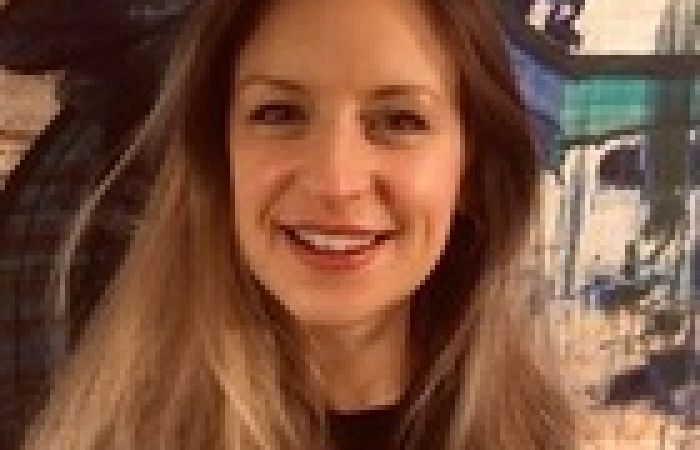
Claudia Crocini is a DZHK junior research group leader at the Max Rubner Center for Cardiovascular Metabolic Renal Research, Charité - Universitätsmedizin Berlin. Her work bridges cardiac physiology, epigenetics, and sex-specific medicine to address critical gaps in cardiovascular research where female hearts have been historically neglected. Her research program centers on sex-dependent differences in human cardiac cells, investigating how biological sex influences contractility, ionic currents, gene expression, and epigenetic regulation. By leveraging induced pluripotent stem cell technology, tissue engineering, and computational modeling, her lab identifies fundamental mechanisms underlying sex-specific cardiac responses to disease. This approach integrates cardiac mechanobiology with molecular analysis to uncover targets for precision medicine. Analysis of her publication record reveals a consistent trajectory toward understanding sex-dimorphic cardiac function, with recent work emphasizing sarcomere mechanics, RNA splicing, and nuclear mechanosensing. Her methodology combines voltage/calcium imaging, contractility assays, and next-generation sequencing to establish sex-specific biomarkers and therapeutic pathways. Dr. Crocini's scientific contributions have been recognized through competitive awards: First prize: Best Postdoc at the MDC (2022) Marie Skłodowska-Curie Fellowship for 'TiGER: Titin can govern epigenetic remodelling' (2021) American Heart Association Postdoc Fellowship (2020) Biophysical Society Travel Award (2020) HSFP Long-Term Fellowship (2017) As principal investigator of her DZHK-funded research group, she directs projects examining sex-dependent cardiac adaptation mechanisms while securing major grants including the Marie Skłodowska-Curie and American Heart Association fellowships. Her work directly addresses the urgent need for sex-inclusive cardiac research to improve clinical outcomes. The Crocini Lab operates within the Max Rubner Center, utilizing stem cell differentiation platforms, engineered cardiac tissues, and advanced imaging to dissect sex-specific cardiac physiology. Current projects focus on translating cellular findings into clinically relevant insights for sex-tailored cardiovascular therapies.
Dr. Siobhan Magee is a Lecturer in Social Anthropology at the University of Edinburgh's School of Social and Political Science. She holds a PhD from Edinburgh and has held postdoctoral positions at the Institute for Advanced Studies in the Humanities and the Rijksuniversiteit Groningen. Her research focuses on kinship, marriage, gender, and material culture, with fieldwork conducted in Poland, the UK, and the US. She is currently completing a book on marriage in the US and exploring topics like children's biographies, philanthropy in higher education, and sun protection in Scotland. Teaching responsibilities include courses on the Anthropology of Sex and Reproduction, Kinship, and Ethnographies of the US. She coordinates the Kinship Hub and supervises undergraduate and postgraduate dissertations on themes like transnational relationships and inclusive education. Dr. Magee is a Fellow of the Higher Education Academy and has published extensively on topics ranging from Polish fur trade dynamics to graphic memoirs and legal marriage frameworks. Education: PhD, MSc, and BA in Social Anthropology from the University of Edinburgh. Research Themes: Kinship and relatedness, gender/sexuality, material culture, US political anthropology, and children's narratives. Current Projects: Philanthropy in universities, sun protection policies, and children's biographical literature. Her work bridges intimate relationships and broader socio-political contexts, emphasizing ethical and historical dimensions. She has contributed to academic journals like Cultural Anthropology and Current Anthropology , and her research has been featured in media including BBC Radio 4.
Ass.Prof. Mag. Christian Domenig is an Assistant Professor at the University of Klagenfurt's Institute of History, specializing in Medieval History and Historical Auxiliary Sciences. His research focuses on the Counts of Cilli, medieval social structures, source criticism, and interdisciplinary approaches linking medieval studies with modern media like Star Trek. He holds a doctoral degree from the University of Klagenfurt (2004) and completed diploma studies in History and Media Communication (1999). Education: 1994-1999: Diploma in History & Media Communication, University of Klagenfurt 1999-2004: Doctoral Studies in History, University of Klagenfurt His research interests include medieval administrative practices, cultural history, and the intersection of medieval themes with contemporary media. Notable projects include the 'Documents and Letters of the Counts of Cilli' (2002-2005) and exhibitions on medieval calendars. He received the Rome Scholarship (2005) for research at the Austrian Cultural Forum in Rome. His publications explore topics like medieval catastrophe narratives, castle politics, and the role of Jewish communities in feudal power structures. He also engages with pop culture interpretations of the Middle Ages, such as analyzing Star Trek's portrayal of pre-modern societies. Awards: Rome Scholarship, Federal Ministry of Education (2005) He advises projects on medieval source criticism and collaborates on digital humanities initiatives like the Klagenfurt Charter Database. His work often bridges traditional historiography with modern pedagogical methods.
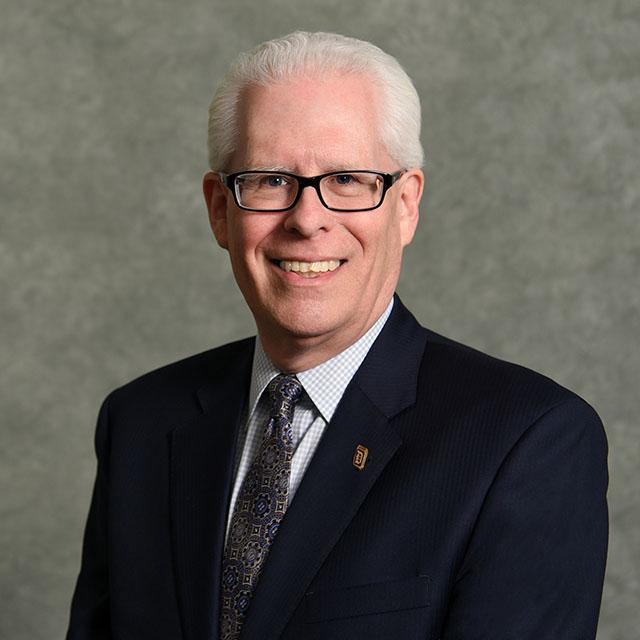
Dean McFarlin serves as Dean and Professor of Management at the Palumbo-Donahue School of Business, Duquesne University. He has led the School since 2013, overseeing major initiatives including the renovation of Rockwell Hall, strategic planning, alumni engagement, and fundraising. His leadership includes launching the Duquesne New Venture Challenge and establishing eight centers of excellence for applied research and education. Education: Ph.D., Social/Organizational Psychology (SUNY-Buffalo); B.A., Psychology (Marquette University). Prior roles include Chair of Management and Marketing at the University of Dayton and professorships at Marquette University. Research focuses on cross-cultural management, organizational justice, leadership, and executive influence. Over 100 publications and conference presentations highlight contributions to global leadership, entrepreneurship, and intercultural dynamics. Key works include International Organizational Behavior and International Management: Strategic Opportunities and Cultural Challenges . Leadership initiatives include the Executive-in-Residence Program and diverse faculty recruitment. His work emphasizes bridging theory and practice, with centers supporting innovation in investment strategy, professional selling, and applied research.
Deborah Kelemen is Professor of Psychological & Brain Sciences at Boston University, where she directs the Child Cognition Laboratory. Her research examines conceptual development across domains including intuitive theory formation, moral cognition, and science education. She investigates how children develop frameworks to understand the natural and social world, with particular focus on teleological reasoning and biological essentialism. Kelemen's work explores how early-emerging cognitive biases influence reasoning about nature's purpose and design, and how these intuitions persist into adulthood. Her research program bridges developmental psychology with science education, creating interventions to improve evolution understanding and environmental attitudes. Current projects examine the cognitive foundations of moral judgments about environmental issues and human purpose. Through extensive experimental studies, Kelemen analyzes how children and adults conceptualize biological traits, environmental relationships, and complex scientific mechanisms. Her educational research develops storybook curricula to foster accurate scientific understanding while addressing persistent misconceptions.
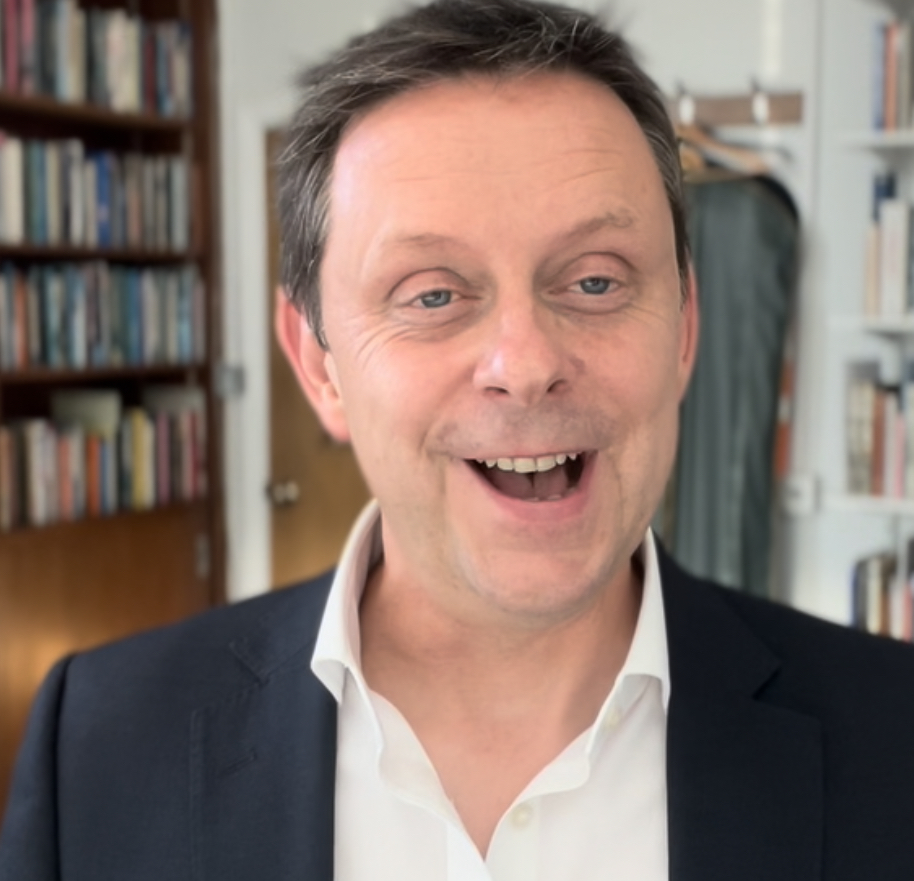
Tom Wenseleers is a Professor at KU Leuven's Department of Biology within the Faculty of Science, where he leads the Laboratory of Socioecology and Social Evolution. His research spans theoretical and experimental approaches to evolutionary biology, with particular focus on social insect systems. Research spans social insects (ants, bees, wasps), microbes, viruses, and human systems Primary model organisms: social insects studying major evolutionary transitions Current projects examine caste determination, chemical communication, and evolutionary conflicts His research integrates theoretical modeling with experimental, behavioral, and comparative studies. Recent work combines genomic techniques and high-throughput GC/MS analysis to decipher chemical communication systems. Current trends show increasing interdisciplinary work spanning virology (SARS-CoV-2 variants), microbial ecology (antibiotic resistance), and robotics (pollinator behavior monitoring). The research demonstrates consistent application of evolutionary theory to diverse biological systems while maintaining social insects as the core model. Wenseleers actively mentors PhD students and postdocs, with recent graduates including Kamiel Debeuckelaere and Viviana Di Pietro. His lab receives substantial funding through multiple concurrent research projects, including Promotor roles on grants examining caste development in bee societies and microbial metabolite screening. The laboratory maintains strong international collaborations across Europe and South America. The lab operates within the Ecology, Evolution and Biodiversity Conservation unit at KU Leuven, with physical location at Naamsestraat 59, box 2466, 3000 Leuven. The research group maintains active outreach programs including science workshops for schools and public engagement events focused on insect conservation.
Mouez Khalfaoui is Professor of Islamic Law at the Center for Islamic Theology at the University of Tübingen, where he has served since 2014. He previously held the position of Junior Professor for Islamic Law (2012-2014) and served as Deputy Director of the Center for Islamic Theology from 2021-2023. His administrative roles include Head of the Examination Board, Member of the Study Commission, and Member of the Center Council. Dr. Khalfaoui earned his Doctorate in Islamic Studies from the University of Erfurt in 2008 and completed his State Examination in Islamic Studies and Arabic Studies at Manouba University of Tunis, Tunisia in 1998. Prior to his academic career, he served in the Kuwaiti Embassy in Berlin (2010-2012) and worked as an Academic lecturer for Islamic and Arabic studies at the Free University of Berlin (2009-2012). His research focuses on Islamic law, normative theory and history, Islamic theology, minority rights, Islamic education, and social ethics with particular emphasis on Islam in European contexts. Dr. Khalfaoui has led major research projects including comparative studies of work ethics across Abrahamic religions, Islamic Law and Ethics from a European perspective, Islamic family law in Europe, and the normativity of the Quran in contemporary contexts. His work addresses critical issues such as Muslim minority rights, the role of women in Islam, Islamic family law in Europe, Sharia and secular law, and Islamic work ethics in global contexts. Analysis of his recent publications reveals a consistent focus on the intersection of Islamic legal tradition with contemporary European contexts, particularly examining how Muslim minorities navigate religious obligations within secular legal frameworks. His work demonstrates a methodological approach combining historical, sociological, philosophical, legal and theological perspectives to address current challenges facing Muslim communities in Europe. Dr. Khalfaoui has been awarded research funding for projects including the comparative study of work ethics across Abrahamic religions and research on Islamic family law in Europe. His work has been supported by institutions including the Akademie für Islam in Wissenschaft und Gesellschaft (AIWG) and the Deutsche Forschungsgemeinschaft (DFG), with a recent May 2024 application for research on 'The primacy of what is right in a plural and multi-religious society'. He supervises the interdisciplinary post-doc research group 'Religion and Rationality − Faith and Reason in the Life and Thought of Muslims, Christians and Jews in the Context of Plural Societies' and serves as consultant and reviewer for European foundations including DAAD, Humboldt Foundation, and Porticus Foundation. Dr. Khalfaoui is actively involved in academic organizations as co-founder of the German International Society for Theological Studies (DIGITS), founding member of the Berlin Institute for Public Theology, and founding member of the Tübingen School of Education.
Professor Alastair Owens is a historical geographer and social/economic historian at Queen Mary University of London , specializing in modern Britain since 1800 with a focus on London . He received a Leverhulme Research Fellowship (2024) for his project on inheritance, families, and 'wealthfare' in England and Wales (1850–1930). Owens has held leadership roles including Chair of Trustees at the Geographical Association (UK’s leading geography teaching body) and Head of School of Geography (2018–2022). Research Themes : Anglicanism & inner city crisis (1970s–1990s), COVID-19 domestic geographies , inheritance & middle-class wealth (1850–1930), inclusive heritage in East London. Collaborations : Partnered with Museum of the Home , Museum of London , Spitalfields Music , and Tower Hamlets Archives for projects blending geography with history, archaeology, and heritage. Teaching : Led innovative modules like Boston Reworked (fieldwork in the US) and Victorian London , winning the Drapers’ Award for Excellence in Teaching (2003). Public Engagement : Created heritage trails (e.g., Bengali Heritage Trail ), co-produced museum exhibitions, and advised TV/film production companies. Scientific Awards : Leverhulme Research Fellowship (2024) Drapers’ Award for Excellence in Teaching (2003) Research Trends : His recent work examines pandemic-induced transformations of domestic space, inner-city religious responses to social crises, and the role of inheritance in shaping social inequality. He emphasizes interdisciplinary methodologies, combining archival research with oral histories and material culture analysis.
Neil Maddox is an Associate Professor in the Law Department at Maynooth University. He holds a doctoral degree from University College Dublin (UCD) and was a Government of Ireland Postgraduate Scholar. Prior to joining Maynooth, he taught law at UCD and the Dublin Institute of Technology. His research focuses on property rights in human biomaterials, regulatory challenges in artificial reproductive technology (ART), and broader areas of property law, health law, biotechnology law, and constitutional law. Education: Doctorate in Law (Government of Ireland Postgraduate Scholarship), University College Dublin Graduate of King's Inns (Legal Education) Research Interests: Property rights in human body tissues and biomaterials Legal frameworks for ART, including fertility preservation and posthumous conception Constitutional dimensions of property law and housing rights Biotechnology ethics and legal regulation Publications Trends: Neil’s work bridges legal theory and practice, with a focus on contemporary issues like cryptocurrency regulation, derelict site law reforms, and the intersection of health law with biotechnology. His recent articles address pandemic legal responses and ethical challenges in fertility preservation for minors. Awards: No scientific awards explicitly listed. Advising & Grants: No formal advisees or grant details provided. His contributions focus on legal commentary, book publications, and conference engagements. Labs/Teams: Active in interdisciplinary legal research networks, including the Irish Association of Law Teachers and the European Association of Health Lawyers.
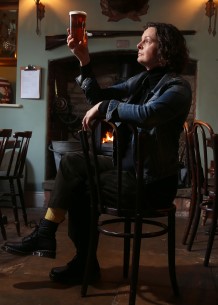
Victoria Wells is a Professor of Sustainable Management and Chair in Management at the School for Business and Society, University of York, since 2017. She holds a PhD from Keele University and has held academic positions at Sheffield, Durham, and Cardiff Universities. Her research focuses on consumer behavior in pubs and sustainable practices, blending theoretical insights with real-world interventions. She is a Senior Fellow of the Higher Education Academy and a Chartered Marketer. Research Interests: Pub consumer behavior and community dynamics Sustainable consumer behavior, including environmental segmentation and renewable technologies Social marketing applications for sustainability Collaborations include work with Global Action Plan, GRAB Trust, and Golden Ball Cooperative Pub. Her recent projects address pub survival strategies, employee environmental behavior, and reusable coffee cup campaigns. Teaching emphasizes interdisciplinary approaches to marketing and sustainability, including a MOOC on pub management and protection. Key Achievements: Principal Investigator for the EPSRC-funded MacroBioCrude project Author of over 40 publications in consumer behavior and sustainability Recipient of the Certified Management & Business Educator designation
Tolga U. Esmer is an Associate Professor in the Department of Historical Studies at Central European University (CEU), where he has been teaching since 2009. He is affiliated with the Doctoral School of History and the Center for Eastern Mediterranean Studies. Prior to joining CEU, he taught Islamic and Ottoman history at Northwestern University and Pennsylvania State University in the United States. MA, University of Washington, Department of Near Eastern Languages and Civilizations (2000) Ph.D., University of Chicago, Department of History (2009) His research and teaching focus on Ottoman, Middle Eastern, Balkan, and Mediterranean history, with thematic interests in comparative empire, the history of everyday life, gender and masculinity, crime, corruption, governance, violence, state-building, social rebellion, Muslim-Christian relations, and the history of emotions. He approaches these themes through an anthropological and interdisciplinary lens, emphasizing socio-cultural dynamics in imperial contexts. The 15 most recent articles in his body of work reflect a consistent engagement with the intersections of violence, sovereignty, and social order in the late Ottoman Empire. His publications span journals such as Past & Present and Comparative Studies in Society and History , covering subfields like banditry, emotional communities, borderlands, property practices, and trans-imperial knowledge networks. A central theme across these works is the re-examination of informal power structures and their role in shaping state-society relations during periods of transformation. He is currently completing a major monograph titled Economies of Violence: Tales of Banditry, Corruption, and Sovereignty in the Late Ottoman Empire (1790s–1820s) , which re-conceptualizes banditry as a politicized phenomenon reflecting broader societal tensions and negotiations of power. Flora Ghazaryan – Confessional Relations in 19th-century Ottoman Constantinople Ahmet Bilaloglu – Trans-Imperial Knowledge Networks (co-supervised) Eda Guclu – Social Practices of Property in Istanbul Scott Michael Rank – Christian-Muslim Polemics in the Ottoman Print Sphere Dr. Esmer has participated in academic events such as 'Emotions and Religious Sentiments across Central and Eastern Europe and the Eastern Mediterranean' (2018) and 'Dangerous Gifts & Pernicious Transactions' (2017), reflecting his interdisciplinary reach. While no scientific awards are listed in the provided text, his publication record and supervisory roles indicate an active and influential scholarly profile.
Juan Manuel Bartolomé Bartolomé is a Professor in the Department of History at the Faculty of Philosophy and Letters, University of León, Spain. His academic work focuses on Modern History, particularly the social and economic structures of León province during the 18th and 19th centuries. He is affiliated with the research group INDETEHI/HISMECON TEMAS HISTÓRICOS/HISTORIA Y MEMORIA CONTEMPORÁNEA, which specializes in contemporary historical topics and memory studies. Education: Doctorate from University of León (1995) Thesis: "Señores cosecheros, hidalgos y campesinos en el Bierzo leonés análisis estructural y dinámica socioeconómica en el siglo XVIII" Supervised by Dr. Laureano M. Rubio Pérez Bartolomé Bartolomé's research centers on social and economic history of early modern Spain, particularly León province. His work examines living conditions across social classes, consumption patterns, material culture, property ownership, and inheritance practices. He analyzes how wealth levels influenced daily life, domestic spaces, clothing, and social mobility during the transition from the Ancien Régime to modern economic structures. His methodological approach involves correlating material culture with levels of patrimonial wealth, revealing how economic standing shaped social expressions. His publication record demonstrates consistent focus on material culture and social stratification in 18th-19th century León. Bartolomé Bartolomé analyzes how different social groups - peasants, bourgeoisie, nobility, and clergy - expressed their status through consumption and domestic arrangements. His research shows the gradual incorporation of new goods and practices into daily life, with strong connections to wealth levels and social aspirations. The temporal scope of his work (1700-1850) captures significant economic and social transformations in the region. While no specific awards are documented in the available information, his extensive publication record indicates significant scholarly contributions to the field of Spanish social history. His work appears in numerous academic publications and conference proceedings, demonstrating recognition within the historical research community. As a Professor at the University of León, Bartolomé Bartolomé has likely supervised numerous graduate students and participated in academic mentorship, though specific students aren't listed in the available information. His research has been supported by academic funding that enabled extensive archival work with notarial records, particularly property inventories, which form the empirical foundation of his scholarship. He is actively affiliated with the research group INDETEHI/HISMECON TEMAS HISTÓRICOS/HISTORIA Y MEMORIA CONTEMPORÁNEA, which facilitates collaborative historical research at the University of León. This group provides institutional support for his investigations into historical topics and contemporary memory, allowing for interdisciplinary approaches to historical analysis.


.jpg)