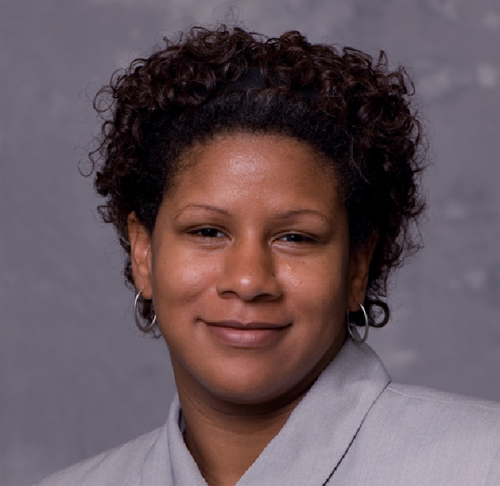
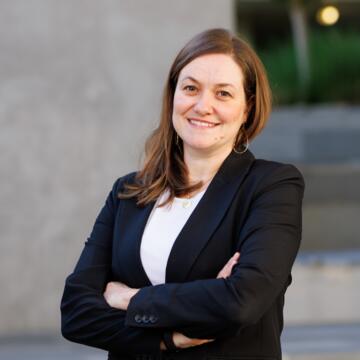
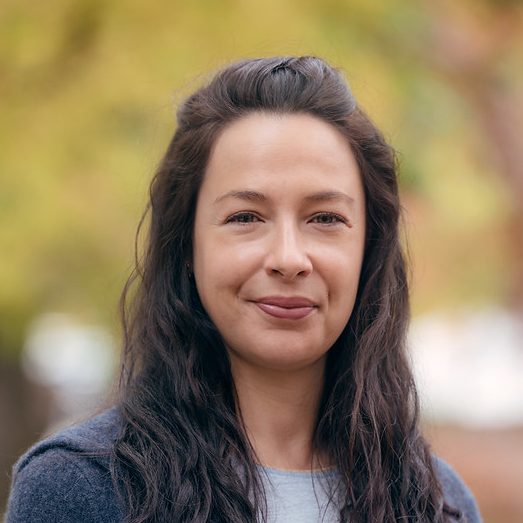
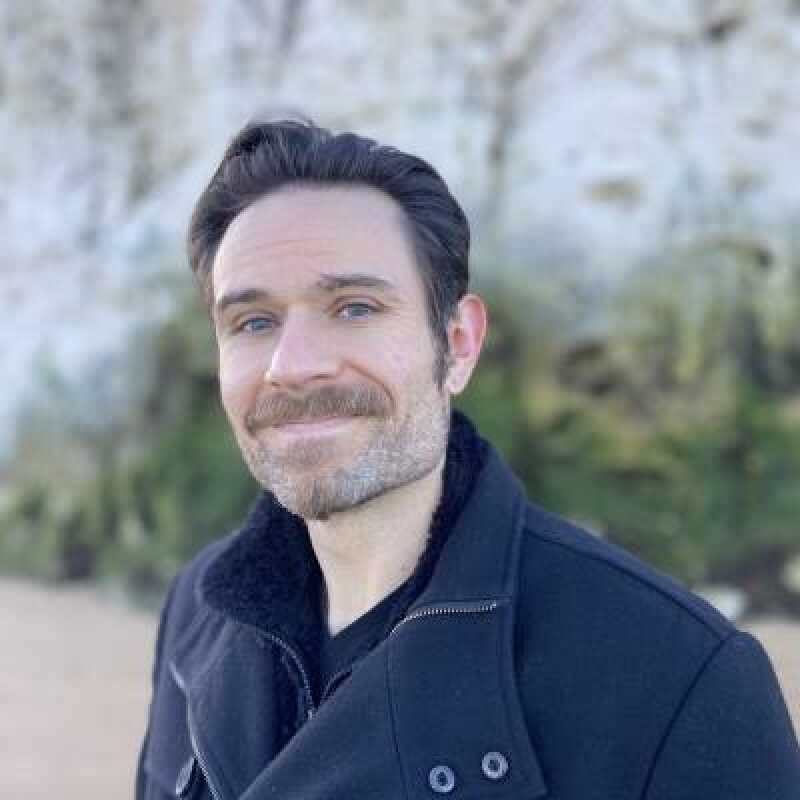
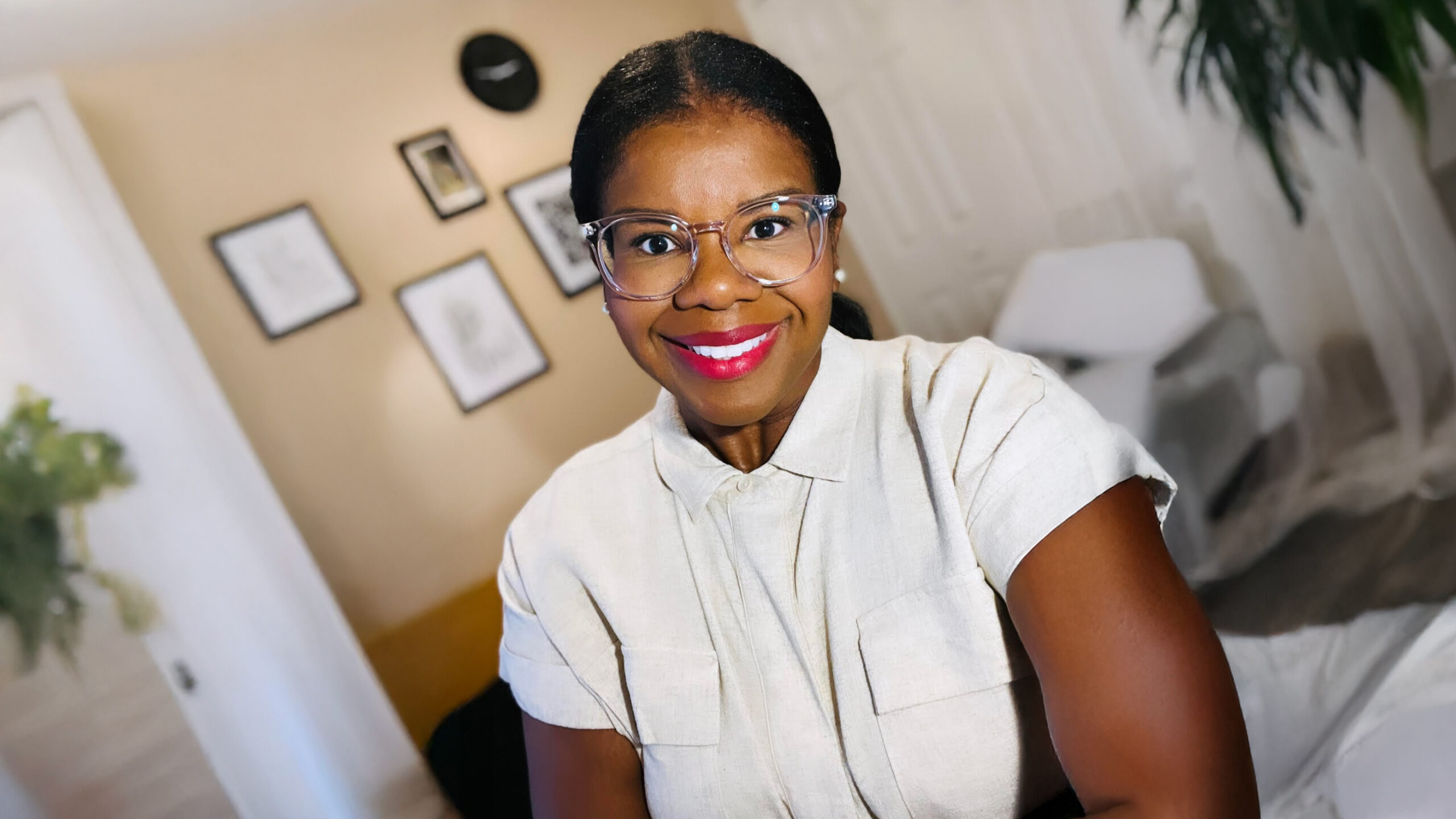
Chrystal Johnson is an Associate Professor in Social Studies Education at Purdue University, affiliated with the African American Studies program and the SIS Office. Her work bridges civics, critical pedagogy, and cultural competence. Education Focus: African American history integration into curricula Research Areas: Civic outcomes of charter schools, Black youth political efficacy, culturally responsive teaching Methodological Interests: Collaborative teacher development, spatial information literacy Recent publications examine neoliberal education policies, engineering design in civics, and trauma-informed teaching practices. Her work utilizes NAEP data and cultural-historical activity theory to analyze educational equity and democratic engagement.
Lindsay M. Harris serves as Professor of Law, Director of the Frank C. Newman International Human Rights Clinic, and Academic Director of International Programs at the University of San Francisco School of Law. She holds the Dean's Circle Scholar designation (2025-Present) and previously served as Associate Dean of Clinical and Experiential Programs at the University of the District of Columbia David A. Clarke School of Law, with prior teaching appointments at Georgetown Law and George Mason. Her educational background includes: LLM in Advocacy, Georgetown Law (2015) JD, University of California Berkeley Law (2009) Dual BA in International Studies and Psychology, University of California San Diego (2005) Professor Harris specializes in asylum law and immigration policy with significant contributions to international human rights advocacy. Her research uniquely bridges doctrinal analysis with clinical pedagogy, particularly examining secondary trauma and burnout among legal practitioners. She has developed innovative teaching methodologies addressing emotional challenges in high-trauma legal practice while maintaining rigorous scholarly engagement with evolving immigration enforcement systems. Her publication trajectory (2018-2024) reveals two interconnected research strands: systemic critiques of U.S. asylum processing (especially regarding family detention and Afghan allies) and pioneering work on psychological impacts in legal practice. This dual focus manifests in both traditional law review articles and public-facing op-eds for major media outlets, demonstrating commitment to translating academic insights into practical advocacy. Award highlights include: USF Provost's Award for Innovation in Global Education (2024) Drexel Law Participatory Law Fund Award (2024) AILA Elmer Fried Excellence in Teaching Award (2020) UDC Lamplighter Award (2018) Learning Legal Interviewing Film Project recognition (2018) As clinic director, Harris supervises student attorneys representing asylum seekers while developing trauma-informed pedagogical frameworks. Her grant-funded initiatives include the Language Access Film Project addressing interpreter coordination challenges. Professional leadership includes founding AsylumWorks (2016-2021), serving on AILA's Afghan Task Force (2021-2023), and Clinical Legal Education Association board service (2017-2020). The International Human Rights Clinic under her direction provides direct representation to asylum seekers while engaging in systemic advocacy. Her work connects local clinical practice with national policy initiatives through organizations like AsylumWorks and AILA's Asylum Committee (2014-2022), creating pipelines for student engagement in high-impact human rights litigation.
Julie Higaki is an Associate Professor at the School of International Liberal Studies , Waseda University . She holds a Doctorate from the University of Paris-Sorbonne and a Master of Letters from the University of Tokyo , specializing in French Literature and Philosophy of Religion . Her academic career spans institutions across Japan and France, including International Christian University and Ashikaga Institute of Technology . Education : Ph.D. (French Literature) - Paris-Sorbonne; M.A. - University of Tokyo; B.A. - Sophia University Higaki's research bridges European Literature , Christian Thought , and Interreligious Dialogues , with a focus on Pascal and Péguy . Her publications explore themes like Augustinianism , Mystical vs. Political Orders , and Incarnation Theology . She actively participates in international conferences on spiritual transformation and comparative religious studies. Recent work includes a three-year project analyzing Pascal's Pensées and its biblical sources, connecting medieval theology (St. Bernard) to modern interpretations. She collaborates with institutions like the Laboratoire d'Etudes sur les Monotheismes, CNRS , and contributes to French Christian literary circles through memberships in Amitié Charles Péguy and Société des Amis de Port Royal .
Tabitha Robin is an Assistant Professor at the University of British Columbia's Faculty of Land and Food Systems. She holds a PhD in Applied Biology from the University of Manitoba and focuses her research on Indigenous food systems and food sovereignty. Her work integrates Indigenous knowledges with contemporary food challenges, emphasizing food literacy, seed knowledges, and land-based education. PhD (University of Manitoba) MEnv (University of Manitoba) BSc (University of Winnipeg) Robin's research explores the intersection of Indigenous food sovereignty with cultural practices, colonial histories, and environmental relationships. She investigates decolonizing food planning, ethical engagements between Western and Indigenous sciences, and the impact of settler colonial bureaucracies on Indigenous food autonomy. Her work also addresses pandemic-related food challenges and the role of traditional knowledge in urban Indigenous communities. Recent publications highlight her focus on Indigenous food systems, decolonization, cultural reclamation, land-based practices, and food security. These works span themes from Cree food knowledges to corporate food regime critiques, emphasizing relational approaches to food as a mediator of health, identity, and ecological balance.
Marie L Miville is a Professor of Psychology and Education at Teachers College, Columbia University, and serves as Vice Dean for Faculty Affairs. Her academic career spans over three decades, with expertise in multicultural counseling, Latine/a/o mental health, and gender studies. She holds a Ph.D. in Counseling Psychology from the University of Maryland at College Park and is a licensed psychologist in Ohio. Her research focuses on intersections of race, ethnicity, gender, and LGBTQ+ identities, emphasizing culturally grounded leadership and social justice advocacy. Notable works include Counseling and Gender: Intersectional Approaches (2024) and Women and the Challenge of STEM Professions (2022). She has contributed to clinical supervision guidelines and led initiatives promoting diversity in counseling psychology training programs. Dr. Miville has been a vocal advocate for inclusive academic environments, addressing systemic barriers faced by marginalized groups. Her work integrates qualitative and quantitative methods, with recent publications exploring Latinx Jewish identity, transgender affirmative practices, and STEM equity. She serves on task forces shaping professional standards in health service psychology. Her leadership roles include chairing the Department of Counseling and Clinical Psychology and mentoring early-career scholars. She emphasizes training that bridges clinical practice with community advocacy, reflecting her commitment to socially responsive education.
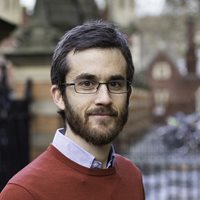
Dr. Benjamin Ruisch serves as a Lecturer in Psychology at the University of Kent's School of Psychology, specializing in political attitudes and intergroup prejudice. His research examines ideological divides through the lens of social and political psychology, with emphasis on conspiracy theories and pandemic-related social dynamics. His academic journey includes: PhD from Cornell University Social Psychology Area Postdoctoral Fellowship at Ohio State University Marie Sklodowska-Curie Fellowship at Leiden University Research Interests: Dr. Ruisch investigates the psychological foundations of political ideology, focusing on: Physiological correlates of political orientation (e.g., interoceptive sensitivity) Conspiracy theory formation and psychological consequences Ideological asymmetries in prejudice and moral judgment Social dynamics during global crises like the COVID-19 pandemic Publication Trends: His 2022-2025 work reveals evolving focus from pandemic responses to fundamental ideological processes. Key themes include the relationship between bodily awareness and political liberalism, slippery-slope reasoning in moral judgments, and longitudinal impacts of conspiracy beliefs. Publications consistently bridge political science with psychological mechanisms. Scientific Awards: Marie Sklodowska-Curie Fellowship Grants and Funding: Dr. Ruisch has secured support from major international bodies: European Commission U.S. National Science Foundation Society for Personality and Social Psychology American Psychology-Law Society United States-Indonesia Society Cornell University institutes (Institute for Social Sciences, Einaudi Center, Center for Study of Inequality) Labs and Teams: His collaborative network spans Cornell, Ohio State, Leiden, and Kent universities, operating through interdisciplinary teams focused on experimental social psychology. Current work involves pandemic-related attitude tracking and cross-national ideology studies without dedicated lab branding.
Dr. Tommaso Palermo is an Associate Professor of Accounting at the Department of Accounting, London School of Economics and Political Science (LSE). His research focuses on risk regulation, performance management processes, and risk culture in financial institutions. He teaches courses such as AC412 (Accountability, Organisations and Risk Management) and AC312 (Performance Measurement, Strategy, and Uncertainty). His work explores intersections between accounting systems, organizational behavior, and regulatory frameworks, with notable studies on risk culture transformation in financial sectors and market infrastructure creation in emerging industries like cannabis legalization. Key research areas include: risk management practices in aviation and financial sectors, the role of accounting in market creation through regulatory infrastructure, and the dynamics of integrating risk and performance measurement systems. His recent publications challenge conventional research output norms, advocating for experimental methodologies like workshop-based collaborative inquiry. Palermo's work bridges academic inquiry with practical applications, addressing how organizations navigate institutional complexities and regulatory environments. He has advised on frameworks for improving risk cultures in financial institutions, emphasizing behavioral and systemic approaches to resilience. His interdisciplinary focus spans accounting, organizational theory, and public policy.
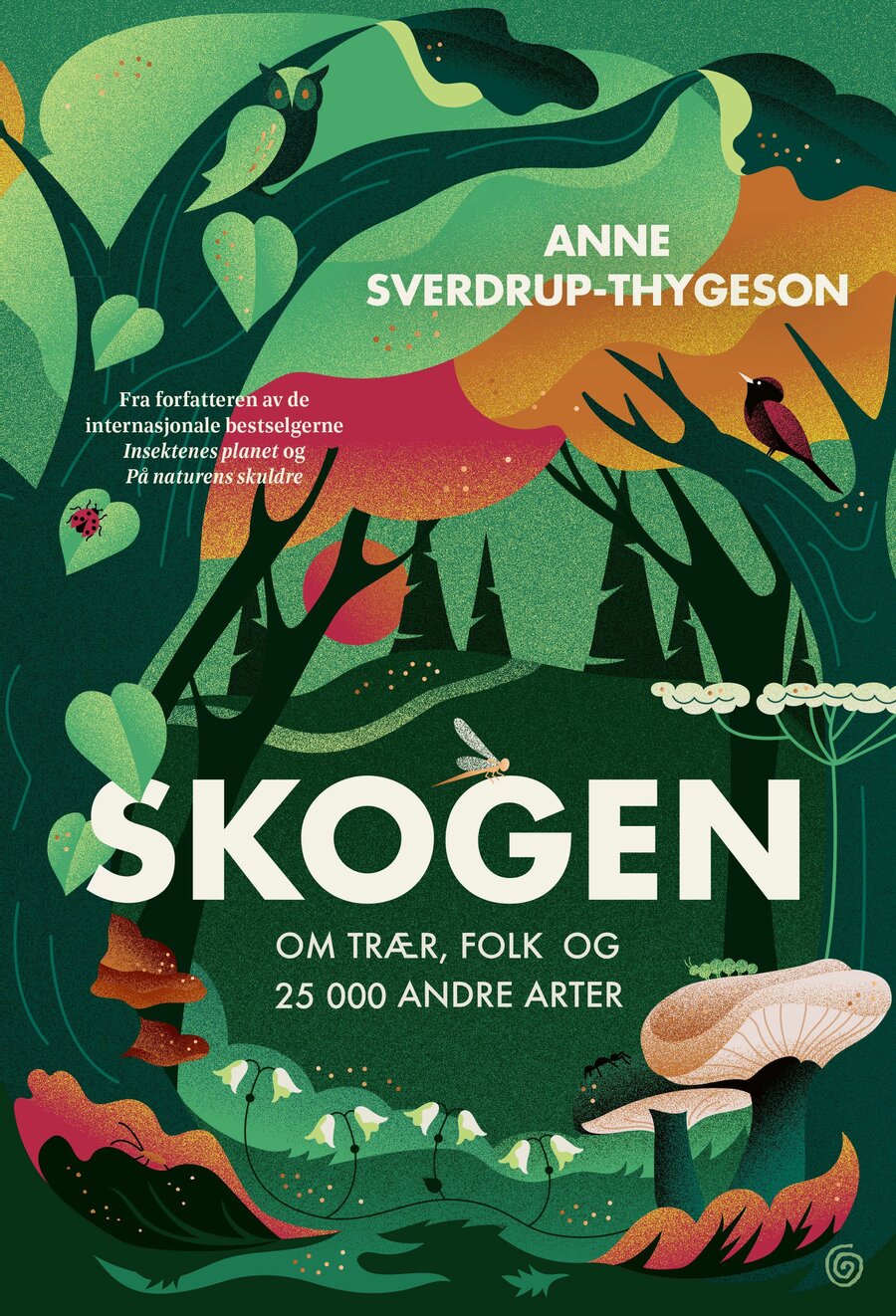
Anne Sverdrup-Thygeson is a Professor of Conservation Biology at the Norwegian University of Life Sciences (NMBU), Faculty of Environmental Sciences and Nature Management, where she is affiliated with the Section for Ecology and Nature Management. Her work integrates research, education, and science communication, with a strong emphasis on biodiversity, forest ecology, and the critical roles of insects and fungi in ecosystem functioning. Her research focuses on how human activities impact forest biodiversity and the ecosystem services forests provide. She is particularly passionate about 'anonymous biodiversity'—often overlooked species such as insects and fungi—which play essential roles in decomposition, pollination, and food webs. She is actively involved in key research projects including EcoForest , BioDivAbove , Kart over naturskog , Nasjonal insektovervåking , and Nasjonal eikeovervåking . Her publications span peer-reviewed research and influential books, including Skogen (2023), Insekter i Norge (2021), and På naturens skuldre (2020), all reflecting interdisciplinary themes in ecology, conservation, and public engagement. Her work consistently emphasizes the interdependence between humans and nature, advocating for greater awareness and sustainable practices. Anne has received widespread recognition for her science communication, including the Naturviterprisen (2024), Akademikerprisen (2023), the Research Council of Norway’s Communication Prize (2020), and the Bonnevie Prize (2018). In 2023, she was awarded an honorary doctorate from the Swedish University of Agricultural Sciences. She frequently gives lectures, writes chronicles in Klassekampen , and delivers TEDx talks, making complex ecological concepts accessible to broad audiences. Honorary Doctorate from Swedish University of Agricultural Sciences (2023) Naturviterprisen (2024) Akademikerprisen (2023) Research Council of Norway’s Communication Prize (2020) Bonnevie Prize (2018) She mentors students and contributes to public discourse through media appearances, book publications, and policy-relevant writing. Her research is supported by national and international collaborations, and she plays a key role in national insect and forest monitoring programs. Anne leads or participates in interdisciplinary teams focusing on biodiversity assessment, conservation planning, and science outreach. Her future work will likely continue to bridge scientific research and public understanding, emphasizing the urgency of biodiversity conservation in the face of environmental crises.
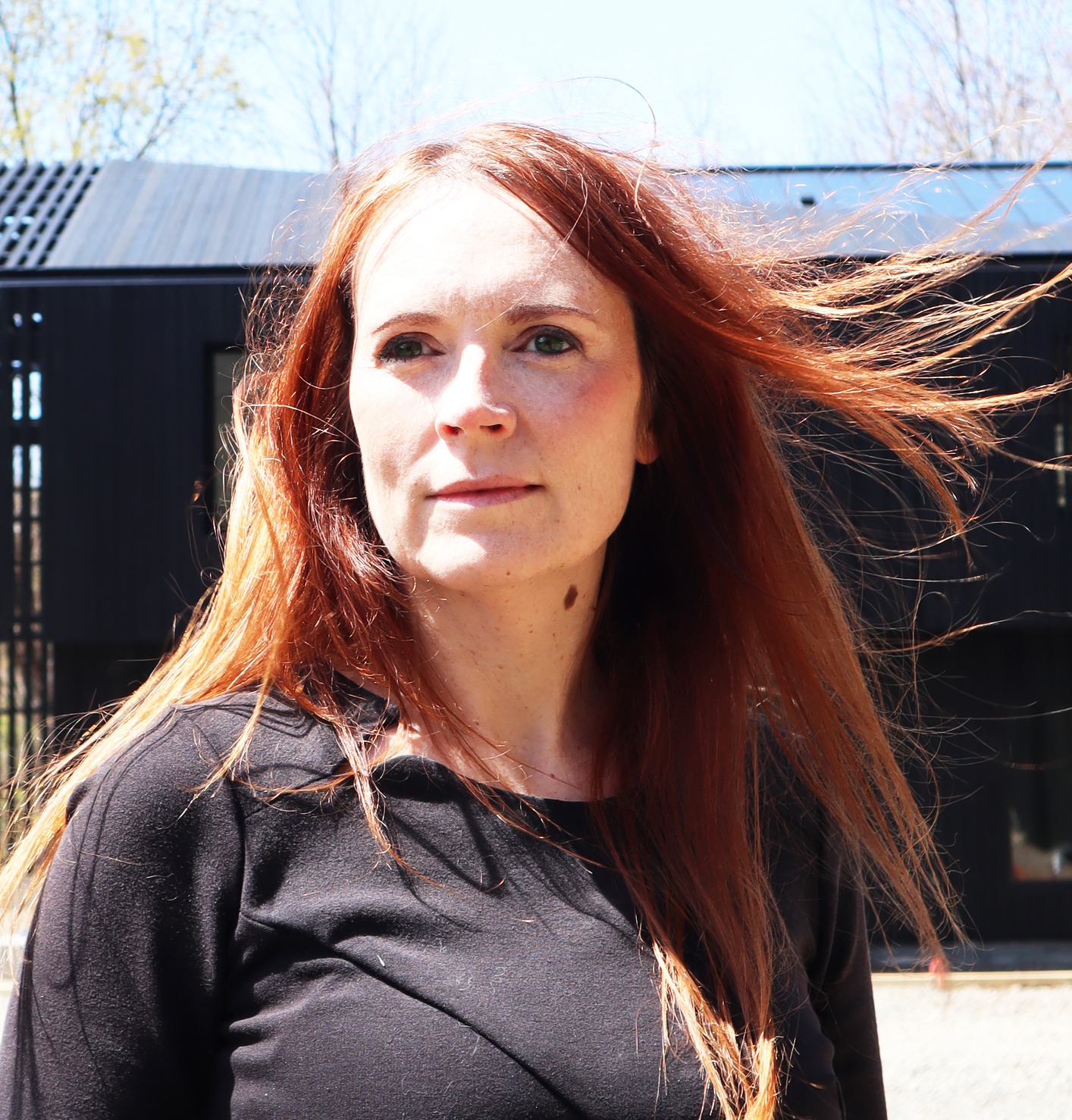
Caroline O'Donnell is the Edgar A. Tafel Professor of Architecture in the Department of Architecture at Cornell University’s College of Architecture, Art, and Planning. She served as Chair of the Department and is a licensed architect, educator, and researcher with a strong focus on ecological design, sustainability, and architectural theory. She is the founder and principal of CODA (Caroline O'Donnell Architecture), a practice based in Ithaca, NY, known for innovative, environmentally responsive design. B.Arch, Manchester School of Architecture (2000) M.Arch, Princeton University (2006) Her research centers on sustainability, material innovation, and the circular economy, explored through her leadership of the Ecological Action Lab (EAL) at Cornell. Her work challenges conventional material use by experimenting with waste, biodegradable substances, and 'nose-to-tail' design practices. Projects like Primitive Hut and Etvitim at Art Omi demonstrate her commitment to reimagining architecture’s relationship with nature and material lifecycles. O'Donnell’s publications, including Niche Tactics , The Architecture of Waste , and Werewolf , reflect a deep engagement with architectural theory, ecology, and cultural narratives. Her edited journals— Cornell Journal of Architecture (issues 8–10) and Pidgin —further establish her as a key voice in architectural discourse. Her recent articles and books explore themes of material metamorphosis, performativity, anti-aesthetics, and narrative in design. The works collectively emphasize a shift from static form to dynamic, responsive, and ecologically grounded architecture, often drawing from biological analogues and philosophical inquiry. MoMA/PS1 Young Architects Program Winner (2013) Pelli Clarke Pelli Fellowship MacDowell Colony Fellowship AIA Peconic Jury Award Europan Competition Prizes Heywood Medal and Suzanne Kolarik Underwood Prize O'Donnell has advised numerous projects and research initiatives through CODA and the Ecological Action Lab, securing grants such as the NEXUS-NY and Cornell Council for the Arts awards. She has previously taught at Harvard GSD and The Cooper Union, mentoring the next generation of architects. Her collaborative work with OMG (O'Donnell Miller Group) extends her research into walking pavilions and decomposing structures. Future work continues to explore the boundaries of architecture, waste, and narrative, pushing the discipline toward more resilient and imaginative futures.
Cara Scheuer, Ph.D., is an Associate Professor in the Department of Management and Decision Sciences at Coastal Carolina University's E. Craig Wall Sr. College of Business Administration. Her academic journey includes earning a Ph.D. in Business Administration from Saint Mary's University, an MBA and Master of Sport Business Management from the University of Central Florida, and a Bachelor of Arts in Sociology from Duke University. Ph.D., Business Administration, Saint Mary's University MBA, University of Central Florida Master of Sport Business Management, University of Central Florida Bachelor of Arts, Sociology, Duke University Cara Scheuer's research focuses on workplace diversity, organizational leadership, and HR management. Her recent work explores diversity-specific empowering leadership, intergenerational trust in knowledge transfer, and gender equity strategies. She has published extensively on age diversity in contemporary workplaces and the intersectionality of age, gender, and reputation in leadership perceptions. Current research trends highlight her expertise in cross-cultural leadership dynamics, virtual team effectiveness post-COVID-19, and institutional healthcare quality comparisons across North America. Her teaching interests align with organizational leadership, ethics, and international business practices. Professional experience spans multiple roles at Coastal Carolina University including Manager of Student Development and Retention, Experiential Learning Coordinator, and Student Services Program Coordinator II. Formerly, she worked in production coordination at Fox Sports Network, demonstrating a unique blend of academic and corporate expertise.
Alison Packwood Henry is faculty at Antioch University New England's Waldorf Teacher Education Program since 2018, where she teaches Waldorf curriculum courses and advises Master's students working on educational projects. She recently completed her PhD in Leadership and Change at Antioch University in 2024. Her research focuses on decolonial approaches to education, examining how colonial narratives perpetuate systemic inequalities and exploring pathways toward healing through transformative storytelling. She investigates humility in leadership, colonial ways of thinking, and the role of narrative in reproducing or disrupting colonial relationships. Henry's scholarly work centers on the intersection of decolonial theory and educational practice, particularly within Waldorf education contexts. Her research demonstrates how educators can collaborate with communities to develop culturally responsive, liberatory teaching approaches that honor local geographies and cultures while challenging Eurocentric educational frameworks. As an educator and researcher, Henry emphasizes the importance of intellectual and moral courage, relationality, and humility in disrupting colonial ways of thinking. Her work suggests that meaningful educational transformation occurs through small-scale, context-specific initiatives rather than universal solutions. She advises Master's students at Antioch University New England who are completing projects related to Waldorf education and decolonial pedagogy, supporting them in exploring areas of deep personal and professional interest within educational transformation.
Dr. Annmary Abdou is an Associate Professor at the Attallah College of Educational Studies, Chapman University. She holds a Ph.D. in Counseling, Clinical, and School Psychology from the University of California, Santa Barbara, and is a Licensed Educational Psychologist and Nationally Certified School Psychologist. Her research focuses on social justice in education, sustainable systems change, and equitable access for diverse learners. She specializes in positive discipline frameworks, restorative justice practices, and participatory action research, with a particular interest in aligning school-wide initiatives with peacebuilding principles. Doctorate: Counseling, Clinical, and School Psychology, University of California, Santa Barbara Master's: Education, University of California, Santa Barbara; Arts, Pepperdine University Bachelor's: Arts, University of California, Santa Barbara Dr. Abdou teaches courses in consultation and collaboration, school psychology practicum, advocacy for social justice, and leadership systems change. Her recent publications explore peace education frameworks, restorative practices in schools, and equity in trauma-informed educational systems. She has led grant-funded initiatives like the Peace Project , which utilized Participatory Action Research to integrate peace leadership into elementary school climate strategies. This work emphasized aligning existing programs with the Integral Peace Leadership framework, enhancing community engagement through libraries and wellness spaces, and measuring social validity via surveys and interviews.
Dr. Maureen Hillier serves as a Senior Lecturer in Nursing within Curry College's School of Nursing and Health Sciences, where she has taught since 2008 across RN-BS, Traditional, Accelerated, and MSN programs. She concurrently holds a part-time faculty position at MGH Institute of Healthcare Professions and maintains a 25-year clinical career in Boston Children’s Hospital Medical Surgical Intensive Care Unit. Educational background: Doctor of Nursing Practice (DNP), Regis College (2015) Master of Science in Nursing (MSN), Framingham State University (2010) Bachelor of Science in Nursing (BSN), University of Rhode Island (1987) Her research pioneers high-fidelity simulation methodologies, particularly virtual end-of-life scenarios for pediatric nursing education. Current scholarship integrates TED Talk pedagogy with reflective writing to develop communication competencies, while pandemic-era work reimagined clinical reentry protocols and standardized patient training. Her publications consistently bridge simulation innovation with pediatric critical care applications. Professional recognition: Pediatric Critical Care Registered Nurse (CCRN) Certified Healthcare Simulation Educator (CHSE) National League for Nursing Simulation Fellowship (2021) As Chair of INACSL's Membership Committee, Dr. Hillier shapes national simulation standards while mentoring faculty in simulation education. Her clinical expertise in pediatric end-of-life care directly informs curriculum development, particularly in Family Centered Simulation and Nursing Synthesis courses. She actively contributes to healthcare inclusion through disability accommodation research in simulation environments. Dr. Hillier leads interdisciplinary simulation initiatives connecting Curry College's nursing programs with Boston Children’s Hospital clinical environments, focusing on developing transferable critical care competencies through technology-enhanced learning experiences.
Jamie Pearson serves as Associate Professor of Special Education and Educational Equity in the Department of Teacher Education and Learning Sciences at North Carolina State University's College of Education. Her work bridges U.S. and international special education through grant-funded initiatives addressing systemic disparities for racially marginalized students with disabilities. Her academic credentials include a Ph.D. in Special Education from the University of Illinois at Urbana-Champaign (2017), M.A. in Psychology from North Carolina Central University (2013), and B.A. in Psychology and Sociology from the University of North Carolina at Chapel Hill (2009). Dr. Pearson's research centers on dismantling racial disparities in autism services through four interconnected pillars: Investigating diagnostic and service access barriers for Black autistic children Developing culturally responsive parent advocacy interventions Designing classroom strategies for Black autistic students Building equitable educator-family partnerships Her work integrates critical race theory with disability studies to address intersectional oppression in educational systems. Analysis of her 15 most recent publications reveals dominant trends in racial equity within autism research, with 87% focusing on Black family experiences. Key methodological approaches include community-based participatory research (40%), qualitative narrative analysis (33%), and culturally adapted intervention studies (27%). Emerging subfields include disability theology (13%), international comparative disability education (20%), and decolonizing research methodologies (7%). Her active grant portfolio includes: $950,647 U.S. Department of Education grant leading the SPARC Consortium (22 doctoral trainees across 6 universities) $55,171 Spencer Foundation grant researching autism education in Kenya National Center for Special Education Research grant #R324B210003 for the FACES advocacy program She mentors doctoral students through SPARC and supervises international research teams in Jamaica and Kenya. She directs the FACES (Fostering Advocacy, Communication, Empowerment, and Support) program serving Black families of autistic children, and collaborates with Jamaica's Savanna-LaMar Inclusive Academy and Kenyan researchers to develop context-specific educational interventions for neurodevelopmental disabilities.
Ellen Hawley McWhirter serves as the Ann Swindells Professor in Counseling Psychology at the University of Oregon's College of Education, where she directs the Spanish Language Psychological Services and Research Specialization. Her research examines systemic barriers affecting youth development, with particular focus on Latinx adolescents' educational and vocational trajectories amid structural inequities. Her academic credentials include a PhD in Counseling Psychology (1992) and MC in Counseling (1988) from Arizona State University, and a BA in Psychology (1983) from the University of Notre Dame. These foundational experiences inform her critical approach to vocational psychology. Dr. McWhirter's scholarship centers on critical consciousness and its role in career development among marginalized youth. She investigates how discrimination, documentation status, and social determinants shape Latinx adolescents' postsecondary plans through community-engaged methodologies. Her work bridges vocational psychology with social justice frameworks, emphasizing asset-based approaches to educational equity and culturally responsive career counseling practices that challenge systemic barriers. Analysis of her 15 most recent publications reveals three dominant research trajectories: 1) COVID-19 health disparities in Latinx communities through projects like Oregon Saludable; 2) Critical consciousness applications in vocational development; and 3) Structural barriers in STEM access for underrepresented groups. Her methodological approach combines community-based participatory research with mixed methods, prioritizing culturally tailored interventions co-developed with community partners. Her scientific contributions have garnered significant recognition: Jeanett Castellanos Mentorship Award (2021) John Holland Award for Career Research (2008) Fulbright Scholar Award (2004) Distinguished Achievement Award, Society for Vocational Psychology (2015) Fritz and Lynn Kuder Early Career Award (2001) As a dedicated mentor, Dr. McWhirter has guided numerous graduate students in Counseling Psychology and Prevention Science, earning multiple university-wide mentorship awards despite her current pause in accepting new PhD students for 2026-2027. Her research is sustained through federal and community grants supporting initiatives like Oregon Saludable: Juntos Podemos, which addresses health disparities through promotores de salud networks. She leads the Spanish Language Psychological Services and Research Specialization and co-directs the Oregon Saludable initiative, which employs community health workers to deliver culturally responsive public health interventions across Oregon's Latinx communities through a phased community engagement framework.