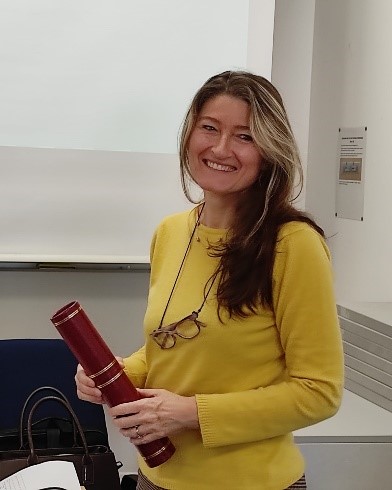
María Eugenia Rabanal Jiménez is Associate Professor at Universidad Carlos III de Madrid and Deputy Director of the Álvaro Alonso Barba Institute of Chemistry and Materials Technology. Her research focuses on advanced materials synthesis and characterization, particularly nanostructured metal oxides for photocatalytic and biomedical applications. Primary research domains include: Design of ZnO-based nanostructures with controlled morphology Rare-earth doped materials for sensing and catalysis Electrospun nanocomposites for medical applications Metallurgical development of oxide dispersion strengthened steels Recent publications demonstrate strong emphasis on photocatalytic materials, with 12 of 15 articles (2020-2025) addressing ZnO modifications, degradation mechanisms, and catalytic efficiency enhancement through doping and defect engineering. She leads the Powder Technology research group and participates in multiple national projects on nanomaterials processing and sustainable material solutions for industrial applications.
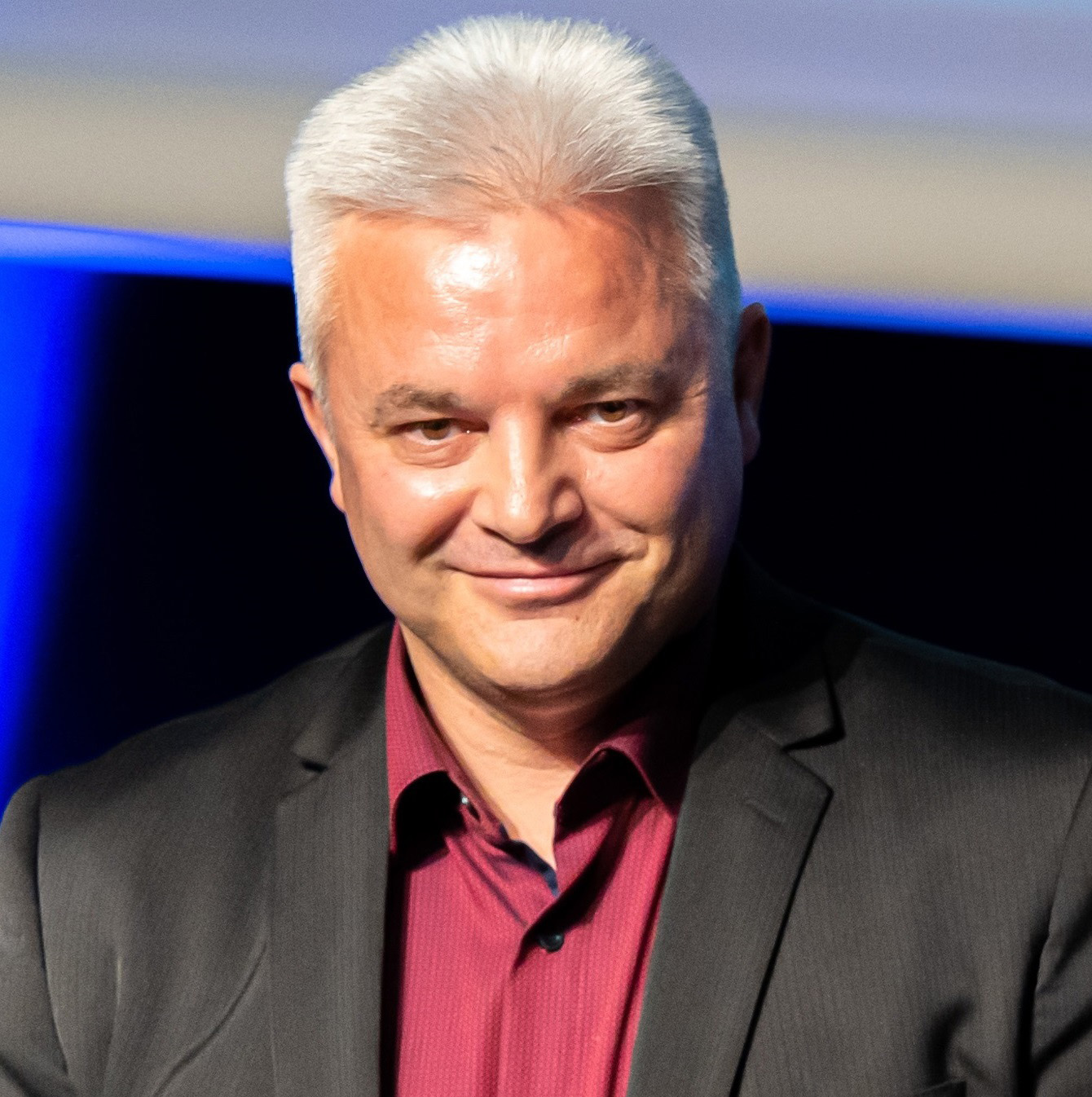
Eric Collet is an Exceptional Class Professor at the University of Rennes and Senior Member of the Institut Universitaire de France (IUF). He leads the Materials and Light Department at the Institut de Physique de Rennes (IPR) and co-directs the CNRS-funded International Research Laboratory DYNACOM with Prof. S. Ohkoshi. His research focuses on ultrafast photo-induced phase transitions, spin crossover phenomena, and symmetry-breaking dynamics in functional materials, leveraging advanced techniques like femtosecond spectroscopy and X-ray free-electron lasers. Collet investigates coupled electronic-structural dynamics, elastic cooperativity, and light-driven phase transitions. His work bridges condensed matter physics, materials chemistry, and ultrafast science, with themes including: Ultrafast photo-switching of spin states Charge-transfer-driven lattice reorganization Non-equilibrium material responses Coherent structural control using light/THz excitation His publications emphasize ultrafast structural dynamics, spin crossover cooperativity, and photo-magnetic switching, frequently utilizing synchrotron/X-FEL facilities to resolve femtosecond-scale processes. Major scientific awards include: CNRS Silver Medal (2020) for research originality Louis Ancel Prize (2017) for condensed matter physics breakthroughs Alajos Kálmán Prize (2022) from the European Crystallographic Association Senior IUF Chair (2022–2027) He directs international collaborations (e.g., France-Japan DYNACOM) and oversees ANR/JSPS-funded projects. No student advisees are listed in available data.
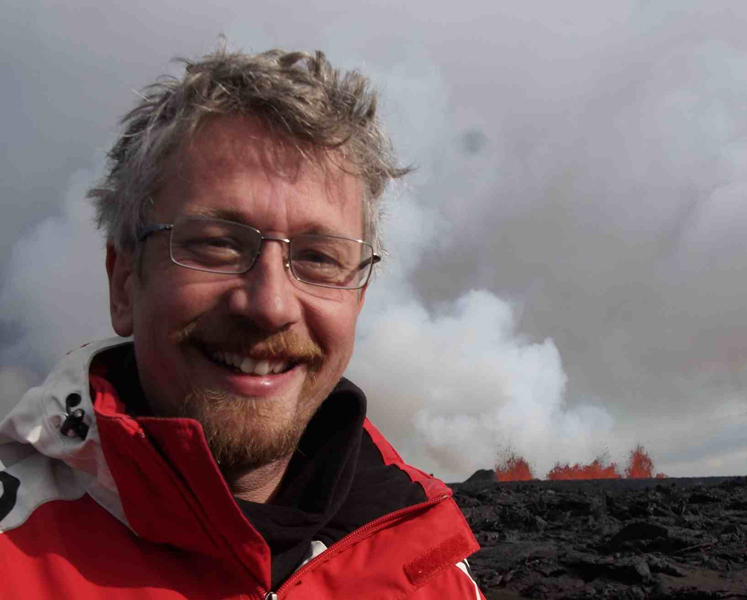
Mike Burton is the Chair in Volcanology at the School of Earth and Environmental Sciences, University of Manchester . Since 2015, he has led the Geoscience Group, comprising 13 permanent academic staff, and directs a research team of 3 postdoctoral researchers, 3 PhD students, and a senior research fellow. He also serves on the School Senior Leadership Team, shaping institutional strategy and research direction. He earned a BSc in Chemical Physics from the University of Sussex in 1993 and a PhD in Atmospheric Chemistry from the University of Cambridge in 1999. His early career included postdoctoral research at Cambridge and research roles at INGV in Catania and Pisa, Italy, before returning to the UK in 2015. His research integrates volcanology , petrology , remote sensing , and gas geochemistry to improve eruption forecasting and volcanic hazard management. He uses ground-based and satellite observations, numerical modeling, and field experiments to study volcanic degassing, magma ascent, and volatile cycling. He has pioneered the use of SO2 cameras and open-path FTIR systems for real-time volcanic gas monitoring. His recent publications span mafic eruption dynamics , CO2 flux quantification , tephra microstructure , and remote sensing of volcanic plumes , often in collaboration with volcano observatories and international partners. These works reflect a consistent focus on integrating observational data with modeling to understand volcanic behavior and its environmental impact. Scientific Recognition: ERC Consolidator Grant (CO2Volc, €1.72M) NERC Large Grant (DisEqm, £3.5M) University of Manchester Researcher of the Year (2017) President, GMPV Division, European Geosciences Union (2015–2018) Fellow of the Geological Society (2016–present) Invited/keynote speaker at AGU, EGU, and other major conferences Leadership & Advisory Roles: Member, Foreign Office Scientific Advisory Committee (UK volcanism hazards) Former Chief Scientist, Stromboli Volcano Observatory (2002/03 crisis) Led INGV Catania gas monitoring team (2002–2008) External PhD examiner for Cambridge and Montreal Reviewer for Nature, Science, EPSL, JVGR, and funding agencies (NERC, NSF, EU) Research Platforms & Collaborations: He is affiliated with the Manchester Environmental Research Institute , Sustainable Futures , and Digital Futures research platforms. He maintains active collaborations with INGV (Italy), NSF (USA), and multiple European institutions, and has co-supervised joint PhD students.
Prof. Claudia Romano is a Full Professor at Università Roma TRE , with a career spanning over 25 years. She has held roles including Post-doctoral Fellow at Bayerisches Geoinstitut (Bayreuth), Researcher (1996-2014), Associate Professor (2014-2019), and Full Professor (2019-present) in the Department of Sciences. Her institutional responsibilities include coordinating geological degree programs, leading the Experimental Volcanology and Petrology Lab (EVPlab) , and serving in editorial roles for Chemical Geology and Minerals . PhD , Earth Science, University of Rome La Sapienza (1994) MSc , Earth Science, University of Rome La Sapienza (1990) Prof. Romano’s research focuses on volcanic processes, magma properties, and thermal maturity analysis. Her work encompasses electrical conductivity of minerals , experimental volcanology , volatile degassing mechanisms , and Raman spectroscopy applications . She has supervised 12 PhD students and teaches 150-200 hours annually across 50+ courses. Her publications (103 peer-reviewed) and editorial leadership highlight her expertise. Awards include the 1995 S.I.M.P. Best PhD Thesis . With 4049 Google Scholar citations (h-index 38), her work bridges volcanology, petrology, and geochemical analysis. Recent articles explore magma rheology, diamond formation depths, and volcanic glass analysis. Trends show emphasis on high-pressure experiments , eruptive dynamics , and advanced spectroscopic techniques . Best PhD Thesis in Earth Science - Societa italiana di Mineralogia e Petrologia (1995) As an educator, she has supervised 12 PhD students and taught over 50 courses. She leads EVPlab and has served editorial boards for Chemical Geology and Geochimica and Cosmochimica Acta . Her 200+ scientific meeting participations underscore her collaborative approach.
Alejandro Marangoni is a Professor and Tier I Canada Research Chair in Food, Health and Aging at the University of Guelph. He holds a B.Sc. from McGill University and a Ph.D. from the University of Guelph. His research focuses on the physical properties of fats and oils, including structured emulsions, oleogels, and sustainable materials for food and non-food applications. Marangoni’s academic roles include editorial leadership as Co-Editor-in-Chief of Current Opinion in Food Science and Technology and former Editor-in-Chief of Food Research International . He has been recognized with over 40 patents and numerous awards, including the E.W.R. Steacie Memorial Fellowship and the Kaufmann Medal. His work bridges food science, chemistry, and materials engineering, addressing sustainability challenges in food production and environmental remediation. Education: B.Sc. (McGill University), Ph.D. (University of Guelph) Affiliations: Fellow of the Royal Society of Chemistry, Fellow of AOCS, Member of IFT and APS Research Themes: Fat crystallization, edible emulsions, biolubricants, anti-aging cosmetics His lab has trained over 100 researchers, many now in academia and industry. Recent projects include plant-based cheese alternatives, sulfolane separation in groundwater, and ferroelectric soft materials. Marangoni’s interdisciplinary approach drives innovation in both food systems and sustainable technologies.
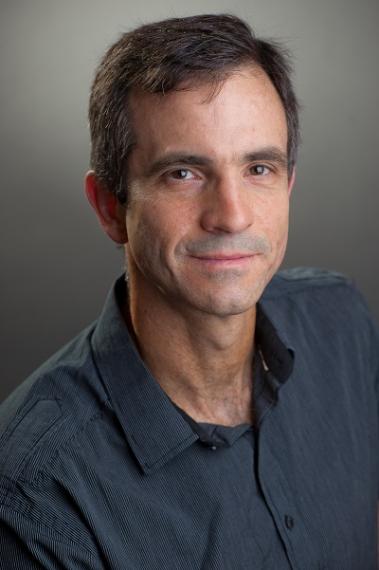
Thomas Sheldrake is an SNSF Eccellenza Professorial Fellow (Assistant Professor) at the Department of Earth Sciences, University of Geneva. His research focuses on magmatic processes, volcanic systems, and geochronological methods with applications to understanding eruption dynamics and tectonic interactions. He specializes in integrating geochemical, petrological, and computational approaches to study magma evolution and volcanic hazards. Research interests include: Magmatic system evolution and eruption triggers Zircon-based geochronology and petrochronology Volcanic crystal records of magma storage and degassing Remote sensing of volcanic structures using micro-CT Statistical modeling of volcanic eruption data His work spans field-based studies in the Caribbean, Iceland, and Italy, alongside computational methods for mineral analysis. Notable contributions include linking sea-level changes to magmatic pulses during the Messinian crisis and developing zircon age spectra techniques for magma evolution quantification. His recent 2025 study on Caribbean coral porosity demonstrates interdisciplinary approaches bridging geology and environmental science. Scientific Awards: SNSF Eccellenza Professorial Fellowship Research collaborations involve institutions globally, with frequent co-authorship on topics ranging from Holuhraun eruption geochemistry to Saint Kitts volcanic stratigraphy. His work emphasizes bridging fundamental geoscience with applied volcanic hazard assessment.
Luca Caricchi is a Full Professor at the University of Geneva's Department of Earth Sciences, within the Section of Earth and Environmental Sciences. He serves as Secretary of the VGP AGU, IAVCEI Swiss national representative, and editor for Progress in Earth and Planetary Science and Artificial Intelligence in the Geosciences . His research focuses on understanding magmatic processes, including magma transfer in the crust, eruption dynamics, and the formation of magmatic ore deposits. Current projects include studies on volcanic degassing, mineral zoning, and machine learning applications in geosciences. His administrative roles include membership in the Faculty Council, ELSTE council, and SwissSIMS steering committee. He advises multiple PhD and master's students, including Corin Jorgenson and Alessandro Musu. Research is supported by the Swiss National Science Foundation (SNSF). His fieldwork and teaching include courses on magmatic processes and field trips to active volcanoes like Mt. Etna.
Peter Parbrook is a Stokes Professor at the University College Cork (UCC), jointly appointed between the School of Engineering and the Tyndall National Institute. He holds a first-class honors degree in Physics from the University of Strathclyde and a Ph.D. in wide-bandgap II-VI semiconductors. His career includes roles as a Toshiba Fellow at Toshiba Central Research and Development Center in Japan, followed by a lectureship at the University of Sheffield (1995–2009), where he became a Reader and later led the Nitride Team in the EPSRC National Centre for III-V Technologies. He has served as Head of the Electrical and Electronic Engineering Discipline within UCC's School of Engineering since 2016. Education: B.Sc. (Hons) Physics, University of Strathclyde, 1987 Ph.D. in Physics (wide-bandgap semiconductors), University of Strathclyde, 1991 Research Interests: Professor Parbrook specializes in III-nitride semiconductors for optoelectronics, focusing on GaN-based materials and devices. His work emphasizes metalorganic vapor phase epitaxy (MOVPE) growth, defect reduction in III-N materials, and ultraviolet (UV) light-emitting diodes (LEDs). Key areas include improving laser/LED efficiency at wavelengths below 360 nm and developing novel alloys/crystal orientations for nanostructured devices. Grants & Collaborations: Principal Investigator on multiple grants from Science Foundation Ireland (SFI), EU Framework Programmes, and the Irish Research Council. Research programs include 300–340 nm LEDs, deep UV LEDs for space applications, InAlN transistor reliability, and yellow LEDs. Labs & Teams: He leads the Nitride Materials Research Group at Tyndall National Institute, focusing on advanced MOVPE growth and device fabrication. His team collaborates with international partners on projects like the SFI Stokes Professorship and EU-funded initiatives.
Wei Ouyang is an Assistant Professor of Engineering at the Thayer School of Engineering, Dartmouth College. His research focuses on bio-integrated microsystems for neuroscience and healthcare innovation, leveraging MEMS, wearables, and implantables. He holds a BS from Peking University (2013), and SM/PhD from MIT (2016/2019). His work spans bioelectronics, microfluidics, and digital health, with notable contributions to implantable systems and molecular diagnostics. Education: BS in Microelectronics, Peking University, 2013 SM in Electrical Engineering and Computer Science, MIT, 2016 PhD in Electrical Engineering, MIT, 2019 Research Interests: Bioelectronics, MEMS, wearables, implantables, microfluidics, digital health, neuroengineering. His lab develops systems for wireless, battery-free neural recording/neuromodulation and closed-loop health monitoring. Awards: Chinese Government Award for Outstanding Self-Financed Students Abroad (2020) Siebel Scholar (2016) Ernst A. Guillemin Thesis Award (2016) Multiple MIT and Peking University honors Advising & Labs: Mentors students/postdocs in interdisciplinary engineering. Leads the Bio-Integrated Microsystems Group , focused on wearable/implantable systems for healthcare and neuroscience. Recent team members include Ben Fu, Jianyu Gu, and Yunxiang Huang. Key Projects: Injectable bioresorbable pacemakers, wireless neural implants, and multiparametric respiratory monitoring for pandemic response.
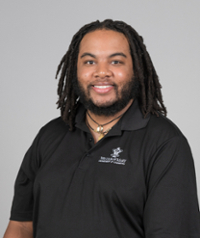
Isaiah Speight is an Assistant Professor in the Department of Chemistry at William & Mary, where he teaches organic chemistry. His research focuses on advancing organic synthesis and catalysis through mechanochemistry, sustainable chemistry, and 3D printing technologies. Dr. Speight earned his B.S. in Chemistry from Norfolk State University and his Ph.D. in Chemistry from Vanderbilt University, followed by postdoctoral work at the University of California, Irvine, and a Visiting Scientist role at AbbVie. Education: B.S. in Chemistry (Norfolk State University), Ph.D. in Chemistry (Vanderbilt University) Dr. Speight's research integrates mechanochemistry to develop solvent-free synthetic methods, emphasizing sustainability and innovative material design. His work explores polymorphism control in metal-organic frameworks, activation of solid-state reactions, and application of ball milling for organic and inorganic synthesis. Recent publications highlight advancements in mechanochemical Grignard reactions, nickel complex reactivity, and dimensional control of crystalline materials. His 15 most recent articles focus on mechanochemistry, organic synthesis, catalysis, and sustainable chemical technologies. These studies span topics such as ball milling optimization, polymorph stabilization, and solid-state reaction mechanisms. Dr. Speight also advocates for diversity in science as a catalyst for innovation and ethical progress.
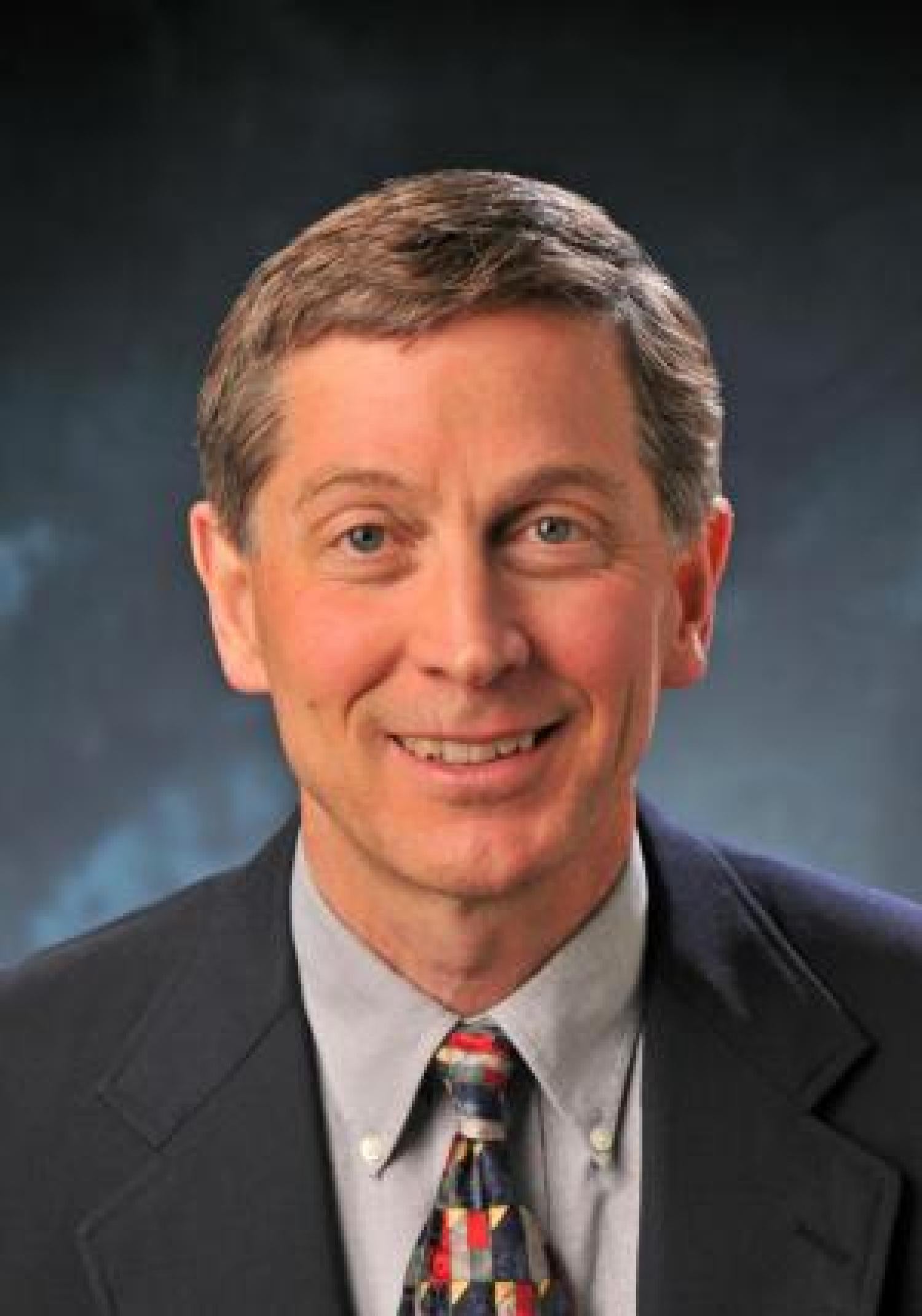
Steven M. George is a Professor of Chemistry at the University of Colorado at Boulder, affiliated with the College of Engineering and Applied Science. His research focuses on surface chemistry, nanotechnology, and thin film growth, with applications in semiconductor processing, energy storage, and renewable energy. He leads the George Lab, which develops atomic layer deposition (ALD) and molecular layer deposition (MLD) techniques for advanced material fabrication. Education: Ph.D. in Chemistry, University of California, Berkeley (1983) B.S. in Chemistry, Yale University (1977) Research Interests: George’s work bridges chemistry, physics, and engineering, emphasizing atomic-scale control of thin films and nanostructures. His lab explores ALD/MLD applications in lithium-ion batteries, solar cells, and flexible electronics. Key innovations include gas diffusion barriers for polymer substrates and ALD-coated catalytic materials. Professional Activities: He has held leadership roles in the American Vacuum Society, including Board Member and Chair, and co-founded ALD NanoSolutions. His editorial roles include the Surface Review and Letters and Coatings journals. Awards: George has received prestigious honors such as the DPS Nishizawa Award (2024), R&D 100 Award (2004), and Fellowships from the American Vacuum and Physical Societies. Labs/Teams: The George Lab collaborates with interdisciplinary teams across departments and institutions, leveraging advanced characterization tools like quartz crystal microbalance and X-ray photoelectron spectroscopy.
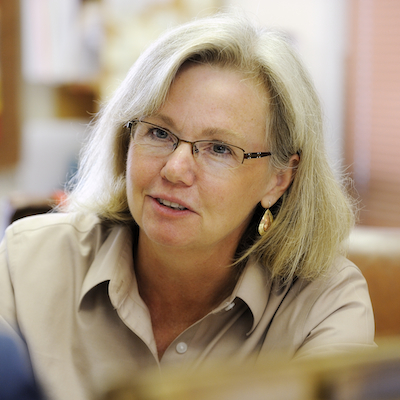
Patricia M. Dove is a University Distinguished Professor and C.P. Miles Professor of Science at Virginia Tech's College of Science, Department of Geosciences. Her research focuses on biomineralization, exploring how organisms form functional mineralized structures like shells and teeth. She investigates the interplay between organic molecules and mineral nucleation/kinetics, with applications in biomaterials and environmental science. Education: Ph.D. (Geochemistry, Princeton University, 1991), M.S. (Geochemistry, Virginia Tech, 1984), B.S. (Agronomy, Virginia Tech, 1980). Research interests include environmental geochemistry, biomaterials, and the thermodynamics of mineral-water interactions. Her work bridges fundamental science with applications in drug delivery, energy, and sustainable materials. Notable awards include the 2022 International Mineralogical Association Medal, 2017 Thomas Jefferson Medal, and 2012 election to the National Academy of Sciences. She chairs the National Academy of Sciences' Section 15 (Geology) and has held leadership roles in scientific organizations. Her lab, the Earth Materials Group, explores biomineralization mechanisms and their implications for Earth systems and technology. Collaborations span geochemistry, biology, and engineering.
Ji Ma is an Assistant Professor in the Department of Materials Science and Engineering at the University of Virginia. His research focuses on additive manufacturing of metallic alloys, microstructure control, and multifunctional materials design. He explores novel material properties through 3D printing techniques, including spatially tailored properties, 3D concrete printing, and medical implant applications. His work addresses challenges in porosity, residual stress, and corrosion resistance in additively manufactured materials. Education: Ph.D. Mechanical Engineering, Texas A&M University (2012) B.S. Civil Engineering, Texas A&M University (2008) Research Interests include: Additive Manufacturing Multifunctional Materials Tailored Materials Orthopaedic Implants His projects span metallic alloys, multi-material printing, and bio-inspired materials for healthcare and construction. Grants and Collaborations: Virginia Innovation Partnership grant for commercializing 3D-printed wrist replacement technology Lead of $4.3M DARPA project to develop corrosion-resistant materials for naval systems Cross-disciplinary work with architecture and environmental sciences on sustainable 3D-printed soil structures Labs/Teams: Directs the Advanced Additive Manufacturing and Materials Group, focusing on innovation in material design, process optimization, and application-driven solutions for industry and healthcare.
Baltasar Escriche Soler is a Full Professor in the Department of Genetics at the Faculty of Biological Sciences, Universitat de València, Spain. He is a core researcher in the Univ. Institute of Biotechnology and Biomedicine (BIOTECMED) and leads the CPB Biotechnological Pest Control research group. His work is centered on the molecular mechanisms and agricultural applications of Bacillus thuringiensis (Bt) insecticidal proteins, including Cry and Vip toxins, for sustainable pest and nematode management. Research Interests: His research spans molecular entomology , biological pest control , genomics and proteomics of Bt strains , resistance evolution in insect pests , and toxin engineering . He investigates how Bt toxins interact with insect midgut receptors, how resistance develops, and how new toxins can be discovered and optimized for broader efficacy. His work has significant implications for integrated pest management and GMO safety. The most recent articles (2020–2025) reveal a strong trend toward genomic and proteomic discovery of novel pesticidal proteins , enhancement of toxin delivery via encapsulation , and expanding Bt applications to nematodes . His publications demonstrate a consistent focus on both fundamental mechanisms and practical agricultural solutions, with increasing emphasis on multi-omics approaches and cross-species toxin evaluation. Scientific Contributions: Over 80 peer-reviewed publications on Bt toxins and resistance. Key role in EU-level working groups on GMOs and Bt resistance management. Supervision of PhD theses and research projects in biotechnological pest control. Advising and Grants: While specific student names and grant details are not listed, his leadership of a research group and PhD supervision indicate active mentoring and likely success in securing competitive research funding. His involvement in collaborative projects and working groups suggests strong national and international networks. Labs and Teams: He leads the CPB Biotechnological Pest Control group at BIOTECMED, focusing on molecular and applied aspects of Bt-based biocontrol. The team integrates molecular biology, biochemistry, genomics, and entomology to develop sustainable alternatives to chemical pesticides.
Vittorio Curri is a Full Professor in Optical Communications and Networking at the Department of Electronics and Telecommunications (DET) of Politecnico di Torino , Italy. He is a founding member of the OptCom Group and PhotonLab and leads the PLANET research team. His work spans optical network modeling, AI-assisted control, open-source software (GNPy), and environmental sensing via optical fiber. He has led numerous EU and industry-funded projects and is a key figure in open optical networking. Research Interests: Multi-band optical transmission in single-mode fibers Physical layer aware networking Machine learning and AI for optical network optimization Environmental sensing using optical network telemetry Open and disaggregated optical networks Digital twin development (GNPy project) WDM and coherent transmission modeling The recent publications reflect a strong trend toward integrating AI and machine learning with digital twin technologies for real-time network control, anomaly detection, and performance optimization. There is a clear focus on wideband, multi-band, and converged metro-access networks , with modeling efforts extending to filtering effects, polarization, and nonlinear impairments. The research is highly applied, with strong industry collaboration and open-source contributions. Scientific Awards: Concorso "Galileo Feraris" (2002) JLT Best Paper Award (2014, 2015) FFABR 2017 Research Grant Advising and Grants: Prof. Curri has supervised 25 PhD students and numerous postdocs. He has served as Principal Investigator on major projects including WON (EU H2020) , ALLEGRO , NESTOR , RESTART , SENSEI , and SCIPIO . He leads the GNPy open-source project under TIP and has extensive collaborations with Synopsys, Open Fiber, INFINERA, and CESNET. His research is funded by EU programs (Horizon Europe, H2020), PNRR, and multiple industrial contracts. Labs and Teams: He leads the PLANET (Physical Layer Aware NETworking) team, a subgroup of the OptCom Group at PoliTo. The team focuses on simulation, modeling, and AI-driven control of next-generation optical networks. They collaborate closely with the LINKS Foundation and international partners including Soochow University and CESNET .