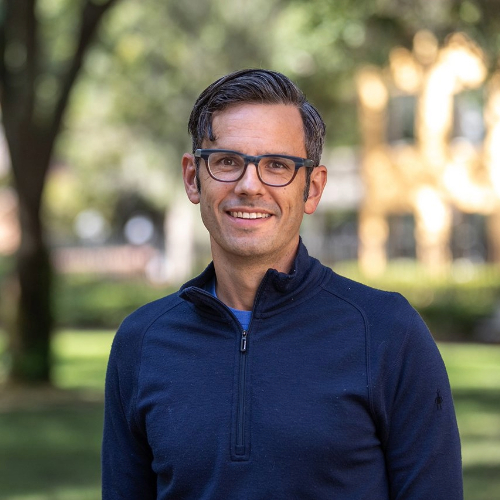
Lucille Chapuisمشاهده پروفایل
پژوهشگر ارشد
- Marine Bioacoustics
- Sensory Ecology
- Neuroecology
- +۷ مورد دیگر
Dr Lucille Chapuis is an ARC DECRA Fellow at La Trobe University's Ecological Plant and Animal Sciences school in Melbourne, specializing in marine bioacoustics and neuroecology. She pioneers low-cost acoustic monitoring technologies and novel imaging techniques to investigate hearing systems in aquatic organisms, particularly elasmobranchs and other marine species. Her work contributes significantly to global ocean monitoring initiatives and understanding of underwater soundscapes. Chapuis's research focuses on sensory ecology of aquatic organisms, exploring how fish and marine animals perceive and respond to underwater sound. Her work lies at the intersection of sensory biology, neuroecology, and conservation, with emphasis on understanding hearing mechanisms in fishes (including elasmobranchs and deep-sea species) and invertebrates. She investigates how soundscapes shape ecological interactions and how human-induced noise affects vulnerable marine life, combining passive acoustic monitoring, 3D bioimaging, and experimental neurophysiology. Her publications reveal a strong trend toward interdisciplinary marine acoustics research, combining traditional biological methods with cutting-edge computational approaches. Recent work emphasizes AI applications for coral reef soundscapes, low-cost monitoring technologies, and detailed anatomical studies of hearing systems across diverse marine taxa. Her research spans fundamental neuroanatomy to applied conservation, with increasing focus on anthropogenic noise impacts across multiple marine ecosystems. ARC DECRA Fellowship Swiss National Science Foundation Postdoc Mobility Fellowship Marie Skłodowska-Curie Fellowship Chapuis leads international research collaborations focused on marine bioacoustics and sensory ecology. Her lab develops innovative tools including low-cost hydrophones (HydroMoth) for widespread acoustic monitoring of marine ecosystems. Current projects investigate the impacts of boat noise, deep-sea mining sounds, and other anthropogenic noise sources on marine organisms, contributing to evidence-based conservation strategies. She actively participates in global ocean monitoring initiatives addressing Sustainable Development Goal 14 (Life Below Water). Dr Chapuis's lab explores how aquatic animals perceive, produce, and interact with sound in their environments, focusing on understudied taxa to uncover sensory adaptations. The team combines field studies with advanced bioimaging techniques to investigate hearing mechanisms across diverse marine species, from coral reef fish to deep-sea organisms.