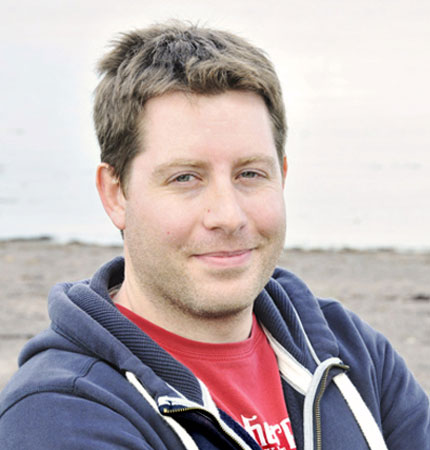
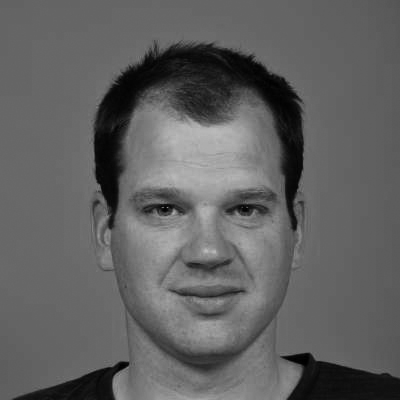
Marilia Fernandes Erickson is a researcher affiliated with the School of Natural Sciences at Macquarie University within the Faculty of Science and Engineering. Her work bridges botany, ecology, and evolutionary biology. Educational Background: Doctor of Philosophy Her research explores flower coloration , pollinator behavior , and convergent evolution , with a focus on biochemical and ecological mechanisms. Recent publications analyze pigments in fiddler crabs and flower-pollinator dynamics. Scientific Contributions: Inter-Departmental Collaboration - [EX]plore Conference Organising Committee (2022) She collaborates across disciplines, leveraging data from biochemistry to animal behavior, and contributes to open-access research dissemination.
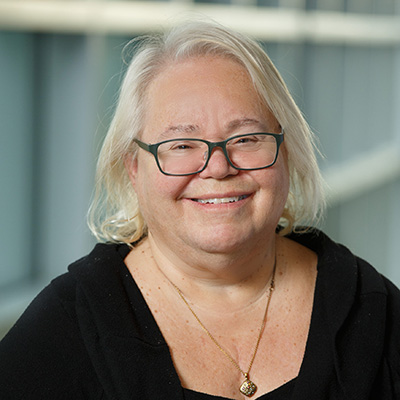
Eve Marder is the Victor and Gwendolyn Beinfield Professor of Neuroscience/Biology at Brandeis University. She is a member of the U.S. National Academy of Sciences and has held leadership roles including President of the Society for Neuroscience (2008). Her research focuses on the modulation of neural networks using the crustacean stomatogastric nervous system as a model. Her work explores: How neuromodulators reconfigure neural circuits Mechanisms of network stability despite protein turnover Parameter variability in neural circuits Recent publications (2023-2025) address neural robustness , degeneracy in circuit mechanisms , and climate-neuroscience intersections . Her research combines electrophysiology , computational modeling , and molecular techniques to study these phenomena. Major honors include: National Medal of Science (2023) Pearl Meister Greengard Prize (2023) Kavli Prize in Neuroscience (2016) Gruber Award in Neuroscience As an educator, she emphasizes scientific communication and has authored multiple chapters in Principles of Neural Science . Her lab continues to publish extensively on neuronal oscillator dynamics and environmental adaptation in neural circuits.
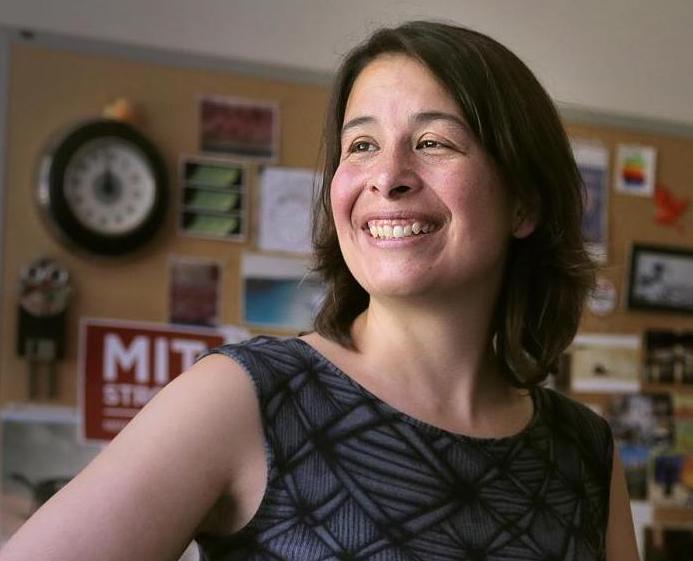
Anette Hosoi is the Neil and Jane Pappalardo Professor of Mechanical Engineering at the Massachusetts Institute of Technology (MIT), with joint appointments in the Institute for Data, Systems, and Society (IDSS) and Mathematics. She co-founded the MIT Sports Lab, which bridges engineering innovation with athletic performance analysis. Education: BA in Physics, Princeton University MA in Physics, University of Chicago PhD in Physics, University of Chicago Her research integrates fluid dynamics, bio-inspired design, and data science to address challenges in soft robotics, sports technology, and biological optimization. Key areas include: Fluid dynamics : Microscale flows, particle dynamics, and bio-locomotion. Sports engineering : Optimal design of athletic gear (e.g., shoes, sports bras) using biomechanics and control theory. Algorithmic fairness : Developing reparative models to correct historical biases in housing and social systems. Recent publications (2020–2024) demonstrate a focus on interdisciplinary applications: biomechanics (e.g., running optimization, sperm motility), data-driven pandemic control, sustainable product design, and AI ethics. Her work frequently employs reinforcement learning, optimal control, and experimental fluid dynamics. Scientific Awards: APS Stanley Corrsin Award Bose Award for Excellence in Teaching Jacob P. Den Hartog Distinguished Educator Award She co-leads the MIT Sports Lab, fostering collaborations between engineers, athletes, and data scientists to innovate sports technology and analytics.
Professor John Spicer is a marine zoologist at the University of Plymouth's Marine Institute, specializing in ecophysiology. With over three decades of research experience, he focuses on how marine organisms adapt to climate change stressors like ocean acidification and hypoxia, authoring 180+ publications and advising policymakers globally. Key research areas: Ecophysiology, Climate Change Impacts, Ocean Acidification Co-developed EmbryoPhenomics - an automated system for real-time embryonic development tracking Scientific advisor for Ancient Mariner Big Read , integrating marine science with arts His work on Antarctic gigantism and hypoxia sensitivity (2019) and collaborations with British Antarctic Survey highlight evolutionary responses to climate-driven oxygen reduction. Media coverage includes BBC, The Guardian, and The Independent. Teaching modules: MBIO162 Biodiversity MBIO228 Experimental Marine Biology Field Course MBIO329 Marine Biology: An evolutionary approach Contact: Room 613, Davy Building, Plymouth | +44 1752 584650 | J.I.Spicer@plymouth.ac.uk
Karen M. Barkel, PhD, is a Professor of Biology in the Department of Biological Sciences at Ferris State University's College of Arts, Sciences and Education. Her academic credentials include a PhD in Biology (Environmental and Evolutionary) from the University of Louisiana at Lafayette and a BS in Marine Science-Biology from the University of Tampa. Her research focuses on marine crustacean ecology, with emphasis on larval development dynamics, population biology of ghost shrimp ( Callichirus spp., Sergio trilobata , Axianassa australis ), symbiotic relationships (e.g., copepod-host interactions), and environmental influences on settlement and distribution. Key areas include: Larval responses to salinity/trace metals Substrate-specific settlement behavior Population structure of burrowing shrimp Hermit crab community ecology Her publication portfolio (1999-2007) reveals consistent specialization in thalassinidean shrimp ecology, integrating laboratory experiments with field observations from Gulf of Mexico and Atlantic Coast habitats. Research methodologies span larval cultivation, morphometric analysis, sediment chemistry, and sympatric population comparisons. No awards, student advisees, or grants are documented in the available information.
Janne Sundell is a University Lecturer at the University of Helsinki's Faculty of Biological and Environmental Sciences, where he serves as Station Manager of the Lammi Biological Station. His academic career spans over two decades with significant contributions to ecological research, particularly in population dynamics, behavioral ecology, and mammalogy. Dr. Sundell's research focuses on ecology and evolutionary biology, with particular emphasis on population dynamics, behavioral ecology, game biology, and mammal studies. His work explores how environmental factors, predation, and habitat modification influence animal behavior and population structures. He has conducted extensive field research on small mammals, especially voles, and their interactions with predators in boreal ecosystems. His studies often incorporate long-term monitoring to understand ecological patterns and processes across temporal and spatial scales. His recent publications reveal a strong focus on biodiversity monitoring using innovative approaches including passive acoustic monitoring for bats and citizen science applications for bird observations. Dr. Sundell has made significant contributions to understanding the ecological role of beavers as ecosystem engineers and the importance of vernal pools as biodiversity hotspots in boreal landscapes. His research increasingly addresses the impacts of environmental change on ecological communities and the development of methods for ecological assessment and conservation. Commendation as a supervisor of MSc thesis (2011) Dr. Sundell has supervised numerous Master's and PhD students, including Basile Marteau, Francesca Malcangi, Kasper Mickos, Marina Rodriguez Vilalta, and Charlotte Busetti. His research has been supported by diverse funding sources including EU Research and Innovation Actions, corporate funding from Lammin Säästöpankki, ministry funding, and foundation grants. Current projects include 'Integrated Research Infrastructure Servi' (2024-2028), 'EEAP Meeting' (2024), and 'Nurmikoiden biodivertisiteetti' (2023-2024). As Station Manager of the Lammi Biological Station, Dr. Sundell oversees research infrastructure that supports ecological studies in field conditions. The station serves as a hub for biodiversity research, particularly focused on boreal ecosystems, and facilitates long-term ecological monitoring programs. His leadership has helped establish the station as a key facility for ecological research in Finland, supporting both national and international research collaborations.
Harrison Stevens serves as a HyTECH Postdoctoral Research Fellow in the Department of Chemistry within the School of Natural Sciences at the University of Tasmania, Hobart, Australia. His position commenced on 26 May 2025, following a concurrent role as Research Technician at the same institution since October 2023. His research focuses on environmental analytical chemistry with specialization in biomass burning tracers, sediment geochemistry, and isotopic fingerprinting techniques. Key methodologies include advanced mass spectrometry for analyzing levoglucosan isomers, metal contaminants, and atmospheric deposition indicators in Antarctic and Tasmanian ecosystems. His work bridges environmental monitoring, paleoenvironmental reconstruction, and pollution source identification. Recent publications demonstrate strong trends in developing analytical methods for biomass burning markers (levoglucosan/mannosan ratios) and applying these to study Australian wildfires, Antarctic ice cores, and Tasmanian lake systems. His research integrates chromatography-mass spectrometry innovations with environmental forensics to address questions about nutrient cycling, metal contamination, and historical fire regimes. Stevens secured competitive funding through the Australian Institute of Nuclear Science & Engineering for the project Reconstructing atmospheric deposition, nutrient cycling and history of lakes in the Tasmanian Central Highlands (2021-2026), totaling $34,650. This work examines damming impacts on lake ecosystems through geochemical indicators and isotopic dating techniques. His technical expertise spans HILIC chromatography, tandem mass spectrometry, lead isotope analysis, and sediment core interpretation. Current projects investigate atmospheric metal contamination from legacy mining, biomass burning history through levoglucosan proxies, and nutrient flux alterations in manipulated lake systems.
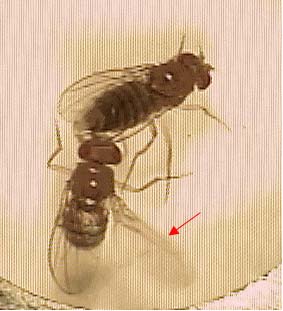
Daniel Eberl is a Professor in the Department of Biology at the University of Iowa , affiliated with the College of Liberal Arts and Sciences. His research focuses on the molecular and cellular mechanisms of hearing and auditory behavior using Drosophila and other insects. Research Areas : Genetics, Neurobiology, Auditory Neuroscience Model Systems : Drosophila melanogaster , mosquitoes, cicadas Research Highlights include: Investigating active hearing mechanisms through potassium/sodium channel studies Comparative analysis of mosquito auditory systems for conspecific recognition Identifying genetic correlations between insect and vertebrate deafness genes Developing genetically-encoded biosensors for neural activity monitoring Exploring evolutionary conservation of auditory molecular pathways Recent Publications (2024–2025) cover topics ranging from mosquito hearing systems to neurodevelopmental gene variants, with contributions to understanding human hearing loss through insect models. Lab News : Recent graduates Dylan Dolezal (medical school) and Eli (Carver College of Medicine) have advanced their research careers. The lab continues to publish first-author papers on auditory gene function and comparative sensory biology.
Risto Väinölä serves as Chief Superintendent and Zoology Unit Supervisor in the Doctoral Programme in Wildlife Biology at the Finnish Museum of Natural History (Luomus), University of Helsinki. He oversees scientific collections for Mammals, Pisces, and Aquatic invertebrates (except insects), with research spanning northern aquatic ecosystems from the Baltic Sea to Lake Baikal. His primary research integrates molecular systematics, phylogeography, and population genetics to investigate cryptic species, hybrid zones, and faunal history across Atlantic-Pacific connections. Key focus areas include glacial relict mammals in northern lakes, Baltic Sea mussels/polychaetes, and Lake Baikal's endemic diversity, revealing evolutionary patterns through genetic analyses of species like amphipods, herring, and seals. Recent publications (2021-2025) demonstrate consistent contributions to freshwater/marine biodiversity databases and studies on climate-driven species shifts. Work emphasizes cryptic diversity in crustaceans, hybridization in fish, and non-indigenous species impacts, with strong methodological integration of nuclear/mitochondrial DNA sequencing and biogeographic modeling. No scientific awards are documented in the provided materials. Väinölä has supervised 2 doctoral works and led two major Academy of Finland-funded projects: Cryptic diversity and phylogeography of freshwater crustaceans (2019-2024) as Principal Investigator, and Evolution of amphibious marine fauna (2009-2012) as Project Director. His research program combines field collection, genetic analysis, and database curation to address conservation challenges. As Chief Superintendent of Luomus' Zoology Unit, he manages extensive natural history collections while contributing to global taxonomic resources like the World Amphipoda Database and World List of Lophogastrida. His team fosters international collaboration on northern aquatic biodiversity, with emphasis on museum-based research for environmental monitoring.
Dr Lokesh Kumar serves as a Senior Lecturer in Food Structure and Processing at Lincoln University's Department of Wine Food & Molecular Biosciences within the Faculty of Agriculture and Life Sciences. He also holds the position of Program Coordinator and Academic Advisor for the Master of Science in Food Innovation program and participates in the Faculty Learning and Teaching Committee. Dr Kumar specializes in food biophysics with extensive expertise in macromolecular interactions within complex food systems. Dr Kumar's research focuses on understanding how the molecular organization of proteins, starches, hydrocolloids, fibres, fats, and polyphenols influences food texture, digestibility, and functionality. His work examines tertiary and quaternary macromolecular relationships that determine food behavior across scales in cereal, dairy, and functional food systems. He employs biophysical and structural characterization methods including rheology, texture and tribology analysis, thermal analysis, and microstructural techniques to link molecular interactions with material properties. His recent publications (2024-2025) demonstrate expertise across multiple food science domains including starch-protein interactions, plant-based dairy alternatives, polyphenol-carbohydrate interactions, millet processing, and probiotic delivery systems. These works appear in high-impact journals such as Food Hydrocolloids, Food Chemistry, and International Journal of Dairy Technology. Post Doctoral Fellow in Wine Chemistry Honorary Associate Editor – International Journal of Dairy Technology National Delegate and Executive Committee Member, International Association for Cereal Science and Technology As an educator, Dr Kumar teaches Advanced Food Processing, Food Engineering, Food Processing and Quality, and Food Product Innovation courses. He has supervised postgraduate research on topics including hemp protein hydrolysates' effects on starch properties and consumer responses to novel food products. Dr Kumar actively collaborates with academic and industry partners to translate fundamental research into practical outcomes supporting healthier diets and more resilient food systems, aligning with UN Sustainable Development Goals including Zero Hunger and Good Health and Well-being.
Jørgen Olesen is an Associate Professor and Curator at The Natural History Museum, which is part of the University of Copenhagen. His primary research focuses on the diversity, phylogeny, and evolution of Crustacea, with significant contributions to both taxonomic and evolutionary studies of this diverse arthropod group. He also curates the museum's extensive Crustacea collection, which serves as a foundation for his research. Dr. Olesen's research spans multiple levels of biological organization, from species-level taxonomy of Laevicaudata (freshwater crustaceans) to higher-level phylogeny of various crustacean groups. His work encompasses a wide range of taxa including branchiopods from temporary water bodies, remipedes and thermosbaenaceans from anchialine caves, and raptorial cladocerans from the Caspian Lake. He integrates morphological analysis with molecular data to build comprehensive phylogenetic frameworks, with particular emphasis on obscure, microscopic taxa and their larvae. His research also extends to important Cambrian fossil taxa through collaborative work. Analysis of Dr. Olesen's recent publications (2024-2025) reveals a strong focus on enigmatic crustacean groups, particularly "y-larvae" (Facetotecta). His research explores their abundance patterns across different marine environments (Okinawa, Caribbean), evolutionary significance, and methodological advances in studying these microscopic organisms through autofluorescence imaging. Several studies investigate the phylogenomics of these organisms, revealing insights about multiple origins of parasitism in barnacles. His work also includes ecological studies examining evolutionary arms races in planktonic communities. Dr. Olesen teaches courses related to marine invertebrates, including "Marine invertebrates: morphology, biology, evolution" (for which he is primarily responsible) and "Marine faunistics: Diversity and biology of marine fish and invertebrates." His teaching directly complements his research expertise in marine biodiversity and invertebrate zoology. As Curator of the Crustacea collection, he manages one of the world's significant repositories of crustacean specimens, which serves as a vital resource for taxonomic research and provides the foundation for many of his morphological studies.
Sam Dupont serves as a Lecturer in the Department of Biology and Environmental Sciences at the University of Gothenburg, conducting research at the Kristineberg Marine Research Station. His work focuses on experimental marine physiology under global change scenarios, with particular expertise in ocean acidification impacts across diverse marine taxa. Dr. Dupont's research centers on physiological and ecological responses to environmental stressors, especially ocean acidification and multi-stressor interactions. His investigations span molecular mechanisms to ecosystem-level consequences, with significant contributions to understanding calcification processes, transgenerational plasticity, and bioluminescence systems in marine invertebrates. Recent work examines sex ratio shifts in bivalves under acidification and local adaptation in sea urchin populations. Analysis of Dr. Dupont's 2023-2025 publications reveals consistent output in high-impact journals, with strong emphasis on experimental marine ecology combining field and laboratory approaches. His work demonstrates increasing international collaboration, particularly with researchers in tropical and polar regions, addressing climate change impacts across diverse marine ecosystems from coral reefs to Antarctic habitats. Dr. Dupont actively supervises graduate students and incorporates research into teaching through field-based courses at Kristineberg. His laboratory maintains active collaborations across 12 countries, with research funded through competitive national and international grants. Current projects focus on multi-stressor interactions, local adaptation mechanisms, and the physiological basis of climate resilience in marine organisms. Based at the Kristineberg Marine Research Station, Dr. Dupont's work benefits from direct access to diverse coastal habitats and state-of-the-art experimental facilities. His research group participates in international monitoring networks and contributes to climate change assessment frameworks, bridging fundamental science with conservation applications.
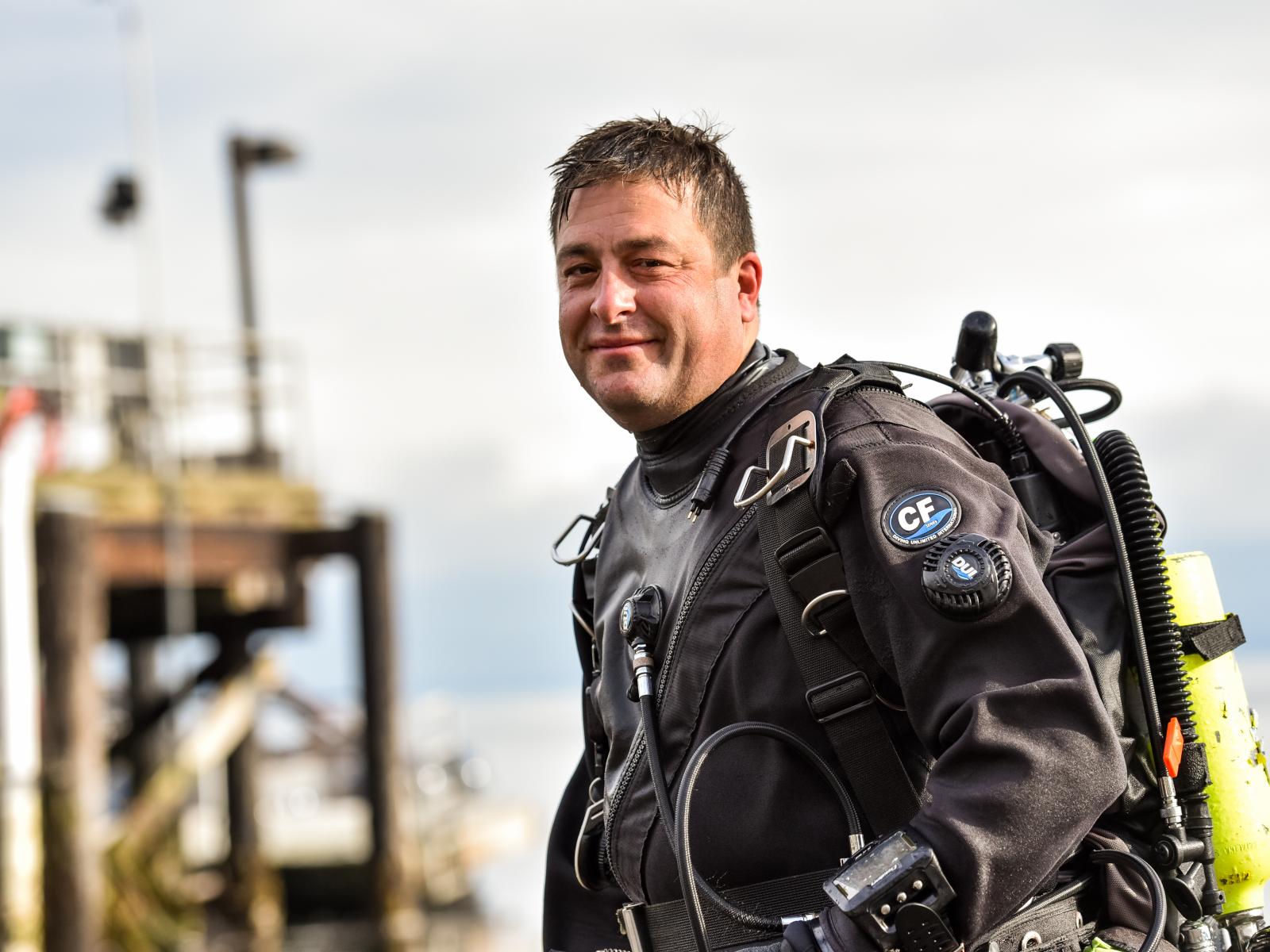
John Vavrinec, PhD, serves as a Dive Officer and senior research scientist with the Coastal Ecosystems Team at Pacific Northwest National Laboratory (PNNL)-Sequim, while holding a joint appointment as an oceanography instructor at Western Washington University. His career spans over three decades of field research in coastal and estuarine environments across North America, with extensive expertise in marine ecology, oceanography, and scientific diving operations. His educational background includes a PhD in Oceanography from the University of Maine (2003), BS in Environmental and Forest Biology from SUNY College of Environmental Science and Forestry (1992), and AA in Liberal Arts Math and Science from SUNY Stone Ridge (1990). Professional certifications encompass NOAA Working Diver, NAUI Master Diver, TDI Rebreather Diver, and multiple advanced technical diving credentials. Vavrinec's research integrates basic ecological principles with practical conservation management, focusing on subtidal community dynamics, marine protected area effectiveness, and anthropogenic impact assessment. His interdisciplinary approach combines field studies on crab foraging, sea urchin demographics, larval transport, and fish behavior with large-scale restoration projects. Recent work emphasizes coastal habitat rehabilitation and human activity impacts on wild populations, requiring collaboration with fisheries managers, government agencies, and industry stakeholders. His publication record reveals consistent contributions to Columbia River estuary restoration, eelgrass rehabilitation in Puget Sound, and underwater unexploded ordnance (UXO) site characterization. Key research themes include cumulative effects assessment, adaptive management frameworks, and marine ecosystem response metrics to anthropogenic disturbances. 2010 Outstanding Performance Award for unparalleled teamwork and safety focus 2011 Outstanding Performance Award for Cumulative Effects Study support 2011 Team Of The Year Award As a PNNL STEM ambassador and Western Washington University instructor, Vavrinec actively engages K-12 students through the West Sound STEM Network. His operational expertise includes over 3,000 scientific research dives across diverse environments from the Gulf of Maine to the Pacific Northwest, supporting resource assessment, experimental construction, and underwater documentation for federal and academic projects.
Dr Chris Allen serves as Technical Resources Manager at the Scottish Association for Marine Science (SAMS), overseeing technical teams responsible for vessels, laboratories, and aquarium facilities to support multidisciplinary marine research. He concurrently holds a Lecturer position for the Year 4 module 'Marine Environmental Impact Assessment', reflecting his academic engagement. His educational background includes a PhD in 'The ecology of the intertidal crab Dotilla intermedia from Tsunami impacted beaches in Thailand' (University of Southampton, 2010) and a Master of Oceanography (MOcean, 2005), supplemented by an APM Project Management Qualification and professional certifications as JNCC Marine Mammal Observer, JNCC PAM Operator, and UKAS Laboratory Internal Auditor. Allen's research expertise centers on benthic ecology and environmental management, with significant contributions to habitat mapping and impact assessments across oil/gas, marine aggregates, aquaculture, and renewable energy sectors. His work addresses critical challenges including benthic impacts of fish farming, seaweed harvesting licensing, and environmental monitoring for shellfish harvesting. Analysis of his peer-reviewed publications (2010-2021) reveals consistent focus on marine geology and physical oceanography, particularly seabed dynamics in high-energy tidal environments, alongside tropical marine ecology studies examining crab biodiversity and zonation patterns on sandy beaches. He currently supervises PhD candidate Christian Armstrong (since 2019) investigating dynamic seabed change on the UK continental shelf and has authored over 100 technical reports for clients including JNCC, SNH, and commercial energy firms, demonstrating extensive industry collaboration. As Technical Resources Manager, Allen ensures alignment between technical support and research objectives while promoting staff development, and serves as Internal Auditor maintaining SAMS' ISO9001 and ISO17025 accreditations through quality management oversight.
Dr. Roeland Bom is a Postdoctoral Researcher in the Coastal Systems Department at the Royal Netherlands Institute for Sea Research (NIOZ), specializing in marine organism responses to environmental change. His work spans international field sites including Oman's Barr Al Hikman mudflats, Guinea-Bissau's Bijagós Archipelago, and North Sea ecosystems. Dr. Bom's research focuses on migration ecology of shorebirds (particularly Bar-tailed Godwits), intertidal ecosystem dynamics , and climate change impacts on avian populations . His innovative work combines GPS telemetry with historical ecological data to establish baselines for measuring biodiversity change. Recent projects examine how warming climates homogenize migratory bird subspecies and track epic migration routes across three continents. His publication record demonstrates consistent output in marine ecology journals, with recent work published in Journal of Natural History and ZooKeys . Key findings include the discovery of new burrow morphologies in Omani mudflats, documentation of skate recovery in the North Sea, and recognition of a new bar-tailed godwit subspecies. Dr. Bom maintains active collaborations with: University of Amsterdam (climate-bird interactions) Sultan Qaboos University (Oman migration tracking) University of Aveiro (West African fieldwork) WWF (North Sea conservation initiatives) His research methodology integrates cutting-edge telemetry with historical ecological analysis, providing unique insights into ecosystem resilience under rapid environmental change. Current work emphasizes real-time migration tracking through radio transmitters and citizen science platforms, particularly for Bar-tailed Godwits wintering in the Middle East.