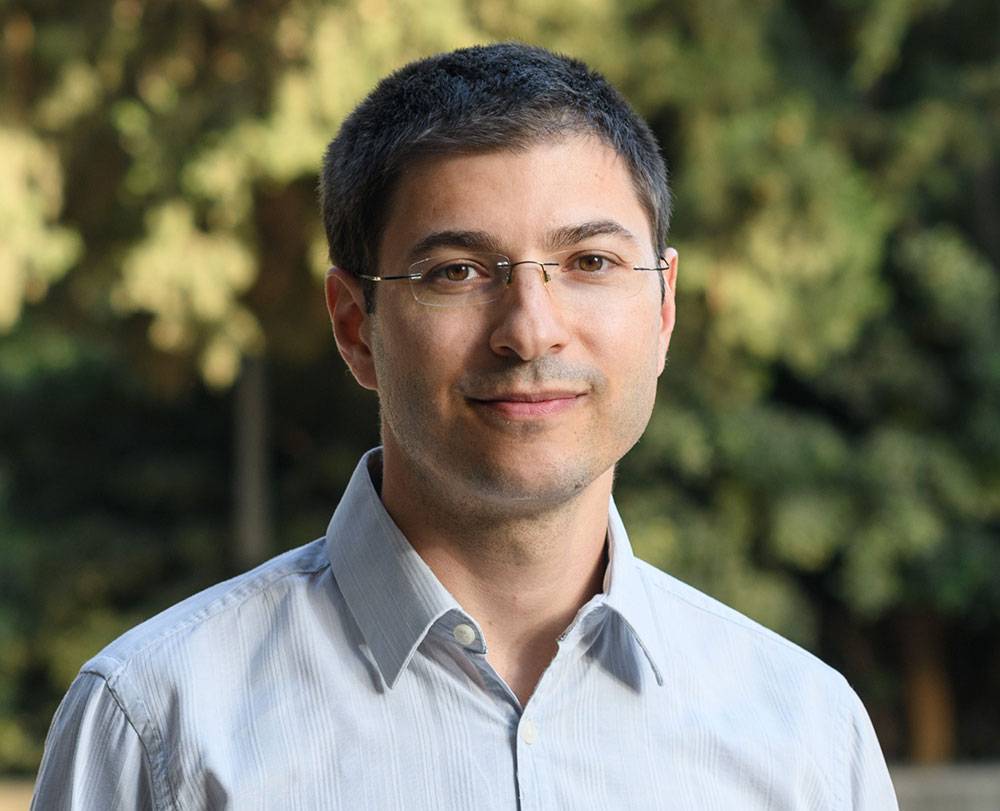
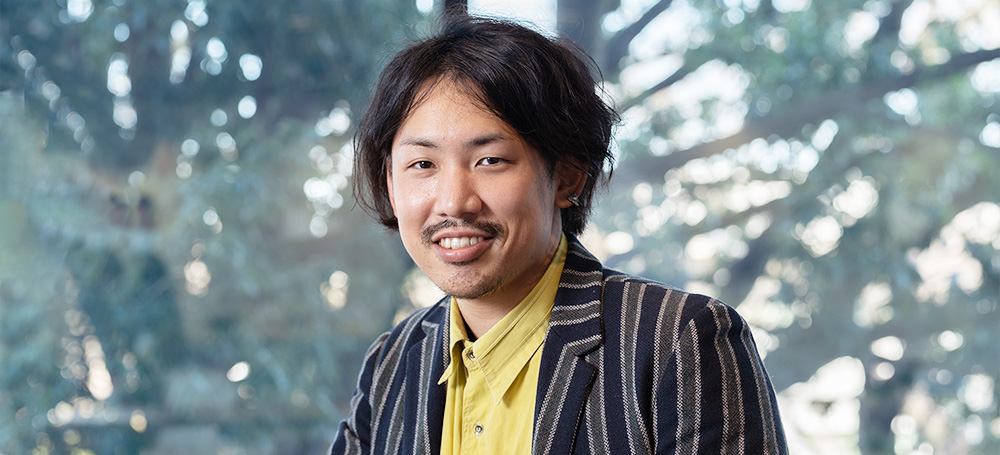
Emmanuel Levy is a Full Professor at the Department of Molecular and Cellular Biology, University of Geneva. His research focuses on the self-organization of proteins, integrating computational and experimental approaches such as structural biology, proteomics, and synthetic biology. Using budding yeast as a model organism, his lab investigates principles of protein assembly, phase separation, and evolutionary constraints. Full Professor University of Geneva Department of Molecular and Cellular Biology Research interests include: Protein Structure and Assembly Synthetic Biology applications Proteomics and Evolutionary Biology Biomolecular Condensates Structural and Computational Biology Recent publications highlight work on: Protein complex alignment Co-translational assembly Evolution of oligomeric states Coiled coil analysis Stickiness and condensate recruitment Phase separation dynamics Laboratory name: Explorers and Architects of Cells' Proteome
Dr. Kurtis D. Miller serves as Associate Professor of Communication and Assistant Dean of Humanities within Tusculum University's College of Civic and Liberal Arts. His administrative roles include Communication Program Director, Faculty Parliamentarian, and Andrew Johnson Debate Team Coach since joining the institution in 2016. His educational credentials feature: Ph.D. in Communication from Purdue University M.A. in Communication from College of Charleston B.A. in Communication: Speech/Theatre from Anderson University Miller's research examines communication mechanisms in educational and political environments , with particular focus on pedagogical approaches in technical education and political rhetoric analysis. His work investigates how educators implement innovative teaching methods in technology programs and how political figures strategically employ introduction structures during public engagements, revealing nuanced connections between communication theory and real-world application. Publication trends from 2009-2019 demonstrate consistent exploration of applied communication challenges , evolving from complaint perception studies toward contemporary analyses of competency-based education systems and political crowd dynamics. This trajectory highlights his commitment to addressing evolving communication paradigms across academic and political spheres. Through his leadership as Debate Team Coach, Miller actively mentors students in competitive argumentation while managing program administration as Communication Director. His dual academic-administrative position enables integrated development of curricular initiatives and student development programs within the humanities division. He directs the Andrew Johnson Debate Team, providing structured competitive experiences that develop students' rhetorical analysis, public speaking, and critical thinking capabilities through intercollegiate competition frameworks.
Antonio Salmerón Cerdán is a Professor in the Mathematics Department at the University of Almería, where he has established himself as a leading researcher in probabilistic artificial intelligence and Bayesian networks. With over 25 years of academic experience, he leads the 'Análisis de datos' research group and serves as Principal Investigator for multiple nationally and internationally funded projects, including the current 'Hacia una Inteligencia Artificial Probabilística Confiable (TOPAI-UAL)' project (2023-2026). His research expertise spans theoretical and applied aspects of probabilistic graphical models, with particular focus on Bayesian networks, causal inference, and their applications across diverse domains. His work demonstrates a consistent trajectory from foundational theoretical contributions to practical implementations in software engineering, genomics, sports analytics, and trustworthy autonomous systems. Professor Salmerón's publication portfolio reveals a strong emphasis on methodological innovations in probabilistic reasoning, with recent work exploring divide-and-conquer approaches for causal computation, noise-robust classification methods, and the integration of observational and randomized data sources. His research shows increasing interdisciplinary reach, connecting computer science methodologies with applications in plant genomics, software maintenance, and healthcare. Journal Publications: 105 articles in high-impact venues including Ecological Informatics (Q1), International Journal of Approximate Reasoning (Q2), and ACM Transactions Research Funding: Principal Investigator for 9 major projects since 2001 totaling over €800,000 in funding Thesis Supervision: Director of 7 doctoral theses on probabilistic graphical models and their applications Metrics: h-index 22 (Web of Science), i10 index 59 His research program demonstrates a unique combination of theoretical rigor in probabilistic reasoning with practical applications across diverse scientific domains, positioning him at the forefront of reliable probabilistic AI development.
Ting Xu is an Assistant Professor of Finance at the University of Toronto's Rotman School of Management and a Faculty Research Fellow at the National Bureau of Economic Research (NBER). Previously, he served as an Assistant Professor at the University of Virginia's Darden School of Business from 2017 to 2022. His research focuses on entrepreneurial finance, innovation, labor economics, and closely held firms, with publications appearing in top finance journals including the Journal of Finance, Review of Financial Studies, and Journal of Financial Economics. Professor Xu received his PhD in Finance from the University of British Columbia's Sauder School of Business, following an MSc in Economics from the Hong Kong University of Science and Technology and a BA in Finance from Renmin University of China. His research explores critical questions at the intersection of entrepreneurship, finance, and labor economics. Professor Xu investigates how policy interventions affect entrepreneurial activity, how labor market dynamics interact with innovation, and how corporate governance structures influence firm behavior. His work often leverages natural experiments and large-scale datasets to identify causal relationships in entrepreneurial finance and labor markets. Recent projects examine the impact of remote work on entrepreneurship, the effects of childcare access on women's careers, and the regulatory costs of being a public company. Professor Xu's research has been widely recognized and cited in policy discussions. His work on regulatory costs of being public has been cited by the SEC, FINRA, and the US Government Accountability Office. His research on childcare access has been featured in the New York Times, and his study on talent flows during economic downturns was published in the Harvard Business Review. 2025-26 Canadian Securities Institute Research Foundation (CSIRF) Academic Award 2025 Roger Martin Award for Excellence in Research, University of Toronto 2023 Rotman Teaching Award 2022 Best Paper Award, Utah Winter Finance Conference 2021 Best Paper Award, China International Conference in Finance (CICF) Professor Xu serves as a referee for leading finance journals including the Journal of Finance, Review of Financial Studies, and Journal of Financial Economics. He has received multiple research grants, including SSHRC Insight Grants and Institutional Grants as principal investigator. He is also actively involved in academic service, currently serving as Director of the Eastern Finance Association (2025-2028). Professor Xu teaches FinTech and Financial Management to MBA students at Rotman, where he received the Rotman Teaching Award. He is involved in PhD supervision and serves on the Finance Area Recruitment Committee and PhD Recruitment Committee at Rotman.
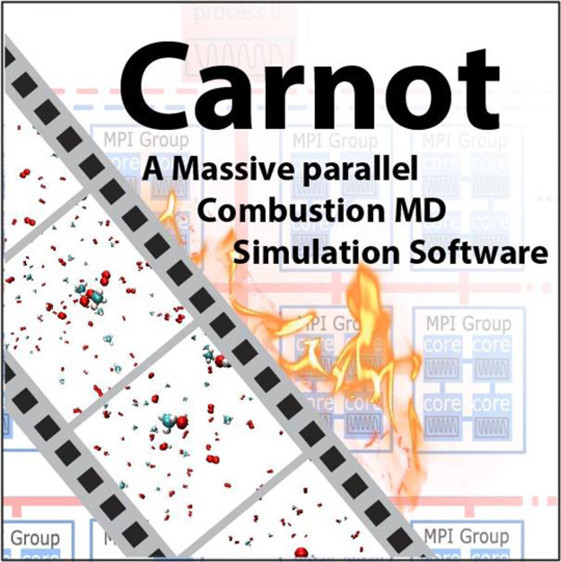
Professor Jiali Gao is a faculty member in the Department of Chemistry at the University of Minnesota, where he holds the position of Professor. His research program focuses on developing computational methods to study complex biological systems through the integration of quantum mechanics and molecular mechanics (QM/MM) approaches. Professor Gao's research interests span multiple interconnected areas: Development of novel combined QM/MM methods for studying chemical and biological reactions Understanding the physical origins of enzyme catalysis Modeling diffusion and interactions of macromolecular particles in cellular environments Application of computational methods to energy-related problems including photosynthesis and combustion His recent publications demonstrate a consistent focus on advancing computational methodologies while applying them to significant biological and chemical problems. Professor Gao's work bridges theoretical development with practical applications across multiple domains including protein dynamics, spectroscopy, and reaction mechanisms. Notable contributions include the development of the CARNOT simulation package for reactive systems and significant advances in multistate density functional theory. Professor Gao maintains an active research program with numerous publications each year in high-impact journals such as Nature Communications, Journal of Chemical Physics, and Journal of Chemical Theory and Computation. His interdisciplinary approach, connecting computational and experimental work, strengthens the impact of his research by providing molecular-level interpretations of experimental observations.
Dr. Ariane Nunes Alves is a Junior Group Leader at Technische Universität Berlin's Institute of Chemistry, leading the Theoretical Structural Biology group . Her research bridges computational chemistry and biophysics, specializing in protein-ligand binding kinetics, enzyme catalysis in crowded cellular environments, and machine learning applications in drug design. Research Focus: Her lab develops methods to predict binding/unbinding pathways using molecular dynamics (e.g., tauRAMD) and AI models. Key areas include: Kinetics of protein-ligand interactions Effects of macromolecular crowding on enzymes Structure-based drug design with QSKR models Machine learning for hydrogenase pathway identification Awards & Fellowships: HITS Award for Women in Science (2020) Capes-Humboldt Research Fellowship (2019) CellNetworks Postdoctoral Program (2018) Fapesp Ph.D. Fellowship (2014) Teaching: She instructs graduate courses on applied machine learning in chemistry and computational drug design at TU Berlin. Her lab investigates substrate dissociation in hydrogenases, cellular environmental impacts on catalysis, and ML-based kinetic predictions.
Fabrice Lamarche serves as an Associate Professor at Université de Rennes 1 within the ESIR School of Engineering, while maintaining dual affiliation with the MimeTIC research team at IRISA / INRIA Rennes. His academic career spans uninterrupted service since 2004, evolving from Assistant Professor roles at IFSIC (2003-2009) to current positions at ESIR. As co-founder of Golaem (2009), he bridges academic research with commercial application in crowd simulation technology. His institutional journey includes sequential membership in SIAMES (2004-2006), Bunraku (2007-2011), and MimeTIC (2011-present) research teams at INRIA. Lamarche earned his PhD in Computer Sciences from Université de Rennes 1 in 2003 with thesis work on virtual human autonomy. His educational foundation includes a Master of Computer Sciences specializing in Computer Graphics and AI (1999-2000), a Master of Engineering from INSA de Rennes (1997-2000), and a Technical degree from IUT de Limoges (1995-1997). His research program centers on virtual human behavior modeling with emphasis on decision-making systems, path planning under environmental constraints, and crowd simulation architectures. Key innovations include TopoPlan for human-scale navigation and frameworks integrating high-level task scheduling with low-level motion planning. This work addresses fundamental challenges in creating autonomous virtual characters capable of navigating complex 3D environments while exhibiting realistic behaviors, with applications spanning virtual reality, gaming, and simulation-based training systems. Publication analysis reveals consistent output from 2001-2014, evolving from foundational behavioral animation (2001-2004) to sophisticated crowd simulation systems (2013-2014). A notable trajectory shows increasing integration of cognitive modeling with motion planning, alongside exploration of Brain-Computer Interfaces for virtual navigation. Recent work demonstrates particular strength in semantic decomposition of urban environments and time-space constrained task scheduling. His scientific contributions have earned significant recognition: Rennes city medal (2009) for research excellence Second prize at Deutsch Telekom Awards (FMX 2008) for TopoPlan/MKM integration As an active researcher and educator, Lamarche advises students through Université de Rennes 1 while leveraging INRIA resources and Golaem industry partnerships. His publication record indicates sustained grant funding, particularly through INRIA channels, with collaborative projects extending to neuroscience applications via Brain-Computer Interface research. The MimeTIC team affiliation provides infrastructure for multimodal interaction research in complex virtual environments. Lamarche's laboratory work through MimeTIC focuses on developing practical implementations of virtual human autonomy systems. His research group maintains strong industry connections via Golaem, which commercializes crowd simulation technology. Current efforts emphasize semantic understanding of virtual urban spaces and robust path planning under dynamic constraints, building on foundational work in topological navigation and behavioral decision systems.
Dr. Dragomir Milovanovic is a Researcher and Group Leader at the German Center for Neurodegenerative Diseases (DZNE) in Berlin, with laboratory space at Charitéplatz 1/Virchowweg 6. His research focuses on understanding the spatial organization of organelles and macromolecules within the crowded environment of neuronal cytosol, particularly at nerve terminals. Dr. Milovanovic's research interests center on intrinsically disordered regions (IDRs) and biomolecular condensates in neuronal function and disease. His lab investigates how proteins with IDRs balance solubility with spatial patterning in nerve terminals, with particular focus on synapsin 1's role in forming liquid phases that sequester synaptic vesicles. This work has direct implications for understanding neurodegenerative diseases including Parkinson's, Alzheimer's, ALS, and Frontotemporal Dementia, where proteins with IDRs form pathological aggregates. His recent publications reveal groundbreaking discoveries about condensate biology, including electric potential at condensate interfaces, single-molecule dynamics of synapsin-1, and novel paradigms for condensate-membrane interactions. These findings establish phase separation as a fundamental mechanism in synaptic function and neurodegenerative disease pathology. Dr. Milovanovic founded the MemPhaseClinic (MPC) think-tank to foster interdisciplinary collaboration across biochemistry, physics, engineering, and medicine for developing new diagnostic and therapeutic strategies against neurodegenerative diseases. The MPC organizes regular seminars featuring leading researchers from institutions worldwide including Harvard Medical School, Duke University, and the University of Tokyo.
Wylie Stroberg is an Assistant Professor in the Department of Mechanical Engineering within the Faculty of Engineering at the University of Alberta. He leads the Computational BioSystems Lab, where he conducts research at the interface between cell biology, physiology and engineering using a range of computational and theoretical techniques. His research interests span multiple areas including: Biomechanics and Biomedical Engineering Biomaterials Mechanics and Materials Composites and Polymers Nano and Micro Materials Computational Mechanics Systems Biology of Proteostasis and the Unfolded Protein Response Reactions in Crowded Cellular Compartments Wetting Phenomena of Nanoscale Structures Dr. Stroberg's research focuses on developing new quantitative techniques for studying complex biological systems across disparate length and time scales. His work has significant implications for understanding cellular physiology, protein homeostasis, and developing new therapeutic approaches for age-associated and protein folding diseases. He employs advanced computational methods including multiscale modeling, machine learning, and theoretical analysis to investigate biological phenomena from the molecular to cellular level. His research group has published extensively in mathematical biology and computational mechanics, with a consistent focus on enzyme kinetics, cellular stress responses, and computational modeling of biological processes. The publications demonstrate a strong interdisciplinary approach combining techniques from mechanical engineering, computational science, and molecular biology. Dr. Stroberg has received recognition for his work in mathematical biology and systems biology, with publications in journals such as the Journal of Theoretical Biology, Biophysical Journal, and Mathematical Biosciences. He currently advises several graduate students working on diverse projects including multiscale modeling of enzymatic nanosensors, protein-based modulation of endoplasmic reticulum shape, development of machine learning-based coarse grained models for high-entropy alloys, and simulation of high-entropy alloys for thermal-spray deposition. His lab has trained undergraduate and master's students who have gone on to further academic pursuits. The Computational BioSystems Lab maintains active collaborations with other researchers at the University of Alberta and beyond, working at the intersection of engineering, biology, and computational science.
Wataru Toyokawa serves as Unit Leader at the Computational Group Dynamics Collaboration Unit, BTCC, RIKEN CBS, Tokyo, and Research Scientist at the University of Konstanz's Department of Psychology. His interdisciplinary work integrates computational modelling, Bayesian statistics, and real-time behavioural experimentation to investigate human social dynamics and collective intelligence. His academic background includes: PhD in Behavioural Science, Hokkaido University (2015) M.Sc. in Behavioural Science, Hokkaido University (2012) B.Sc. in Fisheries Science, Hokkaido University (2010) Toyokawa's research centers on complex systems and social psychology, examining how individual learning strategies shape collective phenomena like cultural evolution and group decision-making. Using mathematical analysis and online experiments, he explores how social learning mitigates cognitive biases and resolves social dilemmas through computational frameworks. His work bridges evolutionary game theory with real-world behavioural data. Recent publications reveal consistent focus on the tension between individual exploration and social information use in collective intelligence. His studies demonstrate how conformity prevents suboptimal decision cascades and how risk tolerance modulates cooperative behavior in social dilemmas, advancing understanding of human group dynamics in complex environments. His scientific recognition includes: Japan Society for Promotion of Science Fellowships (2012-2019) Multiple Young Researcher Awards from Human Behavior & Evolution Society Japan Best-Poster Award from Japan Ethological Society (2012) EHBEA student travel award (2014) Toyokawa secures competitive funding including Association of Psychological Science Estes Fund grants (2022-2023) for COSMOS summer schools and CASCB Large Project grants for collective foraging research. He mentors postdoctoral researchers while teaching experimental methods, R programming, and seminars on social learning at Konstanz. He leads the Computational Group Dynamics (COGNAC) Unit at RIKEN CBS, developing real-time online experiments using Mechanical Turk and computational tools (R, Stan, JavaScript). The unit's research combines evolutionary game theory with human behavioral data to model cultural transmission and collective problem-solving in dynamic environments.
Dr. Takayuki Ito is Professor at Nagoya Institute of Technology in the Computer Science & Engineering school. He earned his Doctor of Engineering from Nagoya Institute of Technology in 2000. His academic journey includes positions as a JSPS research fellow, associate professor at JAIST, and visiting scholar at prestigious institutions including USC/ISI, Harvard University, and MIT (visited twice). He has served as a board member of IFAAMAS (International Foundation for Autonomous Agents and Multiagent Systems). Dr. Ito's research primarily focuses on multi-agent systems, automated negotiation, argumentation frameworks, and AI-mediated discussion platforms. His work spans theoretical foundations of argumentation semantics to practical applications in sustainable development, urban planning, and online citizen engagement. He has developed the D-Agree platform for facilitating large-scale online discussions, with notable implementations in Afghanistan for municipal policy-making and SDG implementation. His publication record demonstrates significant contributions to understanding how AI can mediate human discussions, with experiments involving thousands of participants in countries like Afghanistan. His research shows how argumentative agents can improve responsiveness in discussions while also potentially polarizing debates by reinforcing initial stances. His work bridges theoretical computer science with practical social applications, particularly in contexts with challenging participation constraints. Board member of IFAAMAS Developer of D-Agree discussion support system Conducted large-scale experiments in Afghanistan with over 1,000 participants Expert in multi-agent negotiation protocols Dr. Ito's research has substantial implications for democratic processes, particularly in contexts where traditional face-to-face meetings are problematic due to security concerns, cultural restrictions, or pandemic conditions. His work demonstrates how AI mediation can overcome barriers to equal participation, especially for women and religious minorities in restrictive societies.