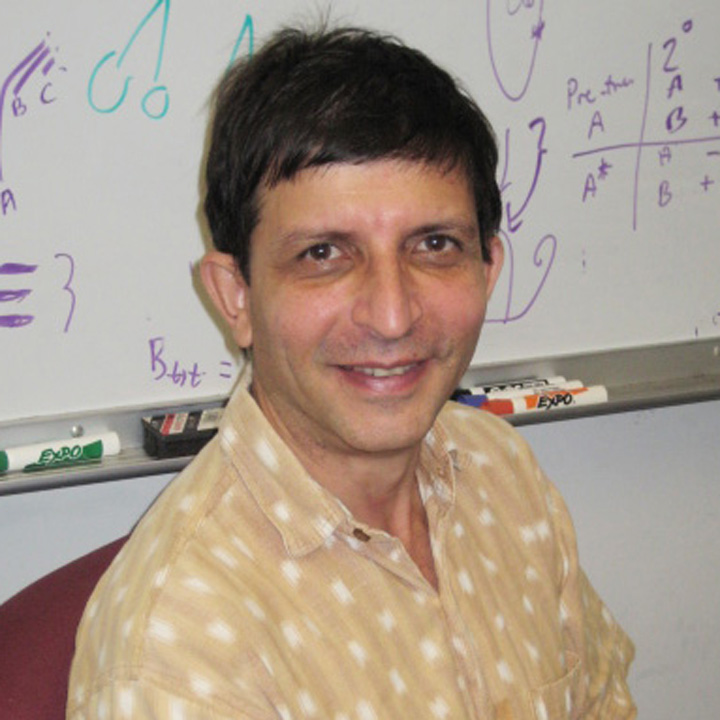
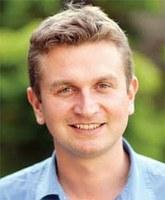
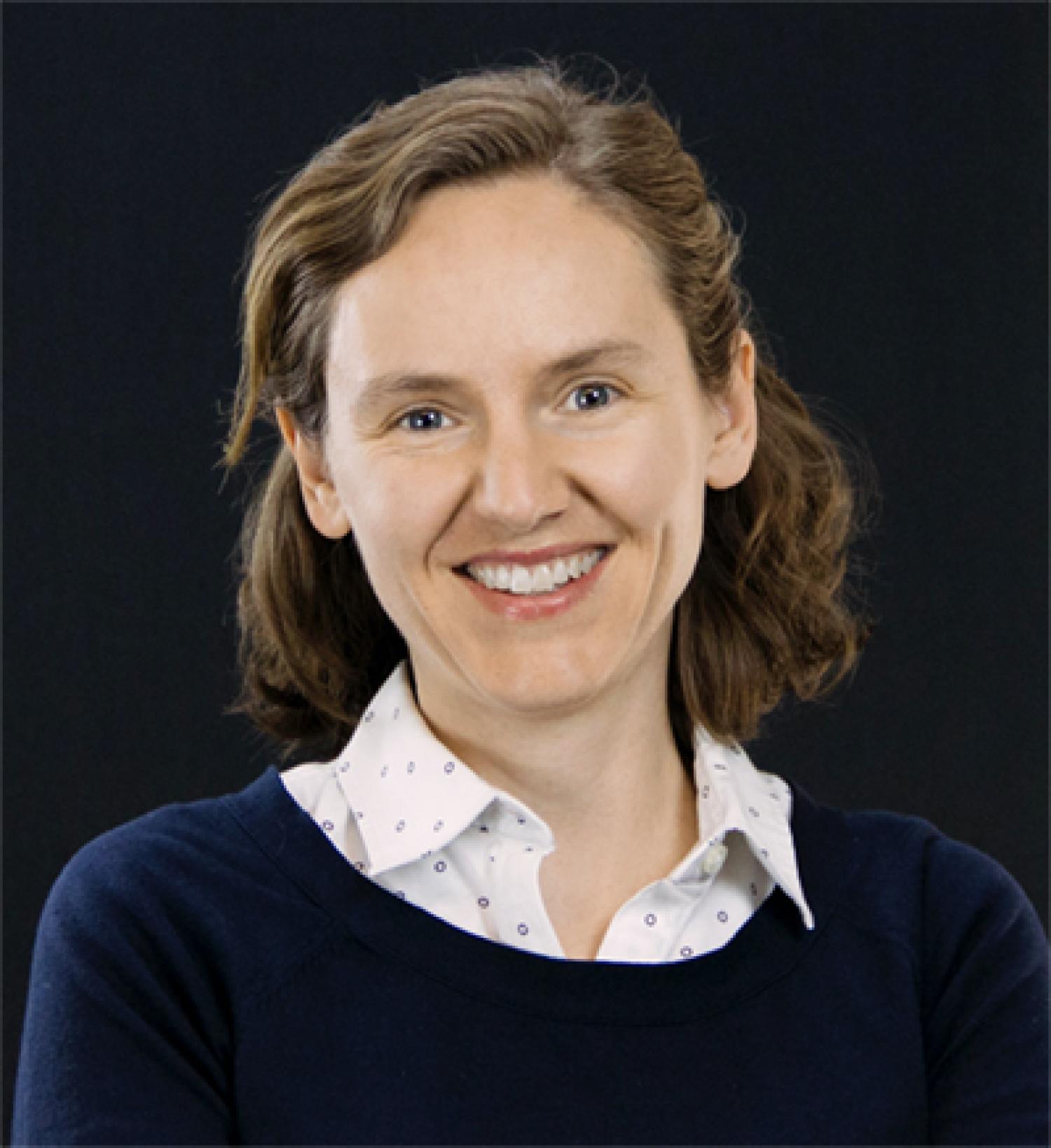
Joachim Oberhammer is a Professor in Microwave and THz Microsystems at KTH Royal Institute of Technology in Stockholm, Sweden. He leads research in radio-frequency/microwave/terahertz micro-electromechanical systems (MEMS) and has held academic roles since 2005. His work includes pioneering advancements in THz communication, sub-THz radar concepts, and MEMS-based components. Oberhammer has been awarded the 2023 Young Engineer Award by the European Microwave Association and holds multiple grants, including an ERC Consolidator Grant (2013) and SSF framework grants (2014–2025). He has authored over 200 peer-reviewed publications and holds four patents in MEMS and THz technology. Education: M.Sc. in Electrical Engineering (Graz University of Technology, 2000), Ph.D. in Microwave Engineering (KTH, 2004). Postdoctoral research at Nanyang Technological University (2004) and Kyoto University (2008). Guest professorships at Universidad Carlos III de Madrid (2019–2020) and NASA-JPL (2014). Research focuses on MEMS fabrication, THz systems integration, and radar technologies. Key projects include the EU-funded M3TERA and Car2TERA projects, and leadership in SSF framework grants for electronics research. He coordinates the EU RIA projects TeraMeasure and TESLA, advancing terahertz applications. Teaching responsibilities include MSc and PhD courses in MEMS engineering, radar systems, and integrated circuits. His lab develops high-performance THz components, including waveguide switches, antennas, and filters, with applications in communication, sensing, and aerospace.
Brian Møller Andersen is a Professor in Solid State Physics at the Niels Bohr Institute, University of Copenhagen, where he has maintained continuous academic appointments since completing his PhD. His research spans multiple frontiers of condensed matter physics with significant contributions to superconductivity and magnetism. PhD in Theoretical Physics, University of Copenhagen (2001-2003) PhD studies at Stanford University (2000-2001) MSc in Theoretical Physics, University of Copenhagen (1998-2000) International Exchange at UC Berkeley (1997-1998) BSc in Mathematics and Physics, University of Copenhagen (1994-1997) Andersen's primary research focuses on Superconductivity , particularly high-temperature superconductors where magnetism and superconductivity coexist, and Magnetism in novel quantum materials. His work extends to Quantum Transport phenomena, Ultracold Atoms in optical lattices, Topological Insulators , and Strongly Correlated Systems . Recent publications reveal a growing emphasis on altermagnetism, kagome lattice physics, and topological superconductivity, indicating significant evolution in his research trajectory toward emergent quantum phenomena. Analysis of his 15 most recent publications (2024-2025) shows a clear progression into cutting-edge areas: 60% focus on altermagnetism and novel magnetic states, 40% on unconventional superconductivity in topological materials, and 30% examining quantum confinement effects. His work demonstrates increasing interdisciplinary connections between condensed matter theory, materials science, and quantum information science, with frequent collaborations across Europe and the US. Andersen has received significant research support through prestigious fellowships including the Lundbeck Foundation fellowship (Associate Professor level, 2012-2017) and FNU Steno Stipend (Assistant Professor level, 2009-2013), alongside early career support from the Villum Kann Rasmussen Post. Doc. Stipend. His research group at the Niels Bohr Institute focuses on theoretical modeling of quantum materials, particularly computational approaches to understanding competing orders in correlated electron systems. The group maintains strong connections with experimental teams conducting neutron scattering, STM, and ARPES measurements to validate theoretical predictions.
Rustom Antia is the Samuel C. Dobbs Professor in the Department of Biology at Emory University, affiliated with the Emory College of Arts and Sciences. His research focuses on the quantitative analysis of pathogen dynamics, immune responses, and evolutionary biology using mathematical models and experimental collaborations. He leads the Antia Lab (located in Rollins 1164), working closely with experimental immunologists like Dr. Rafi Ahmed at Emory. Education: Ph.D., University of Massachusetts (1990); MSc, Indian Institute of Technology (1983). His research interests include population biology, computational biology, and the evolutionary interactions between pathogens and hosts. He explores how immune memory shapes viral evolution and transmission, with recent emphasis on SARS-CoV-2, influenza, and dengue viruses. Key research themes include modeling immune responses to vaccines, understanding antibody waning and viral escape, and developing transmissible vaccines for disease control. His work integrates experimental data with theoretical frameworks to predict outbreak dynamics and inform public health strategies. Notable collaborations include studies on CD8+ T cell-mediated immunity in respiratory infections, the role of menstrual cycles in immune surveillance, and immune dysfunction in autoimmune diseases like SLE. His lab’s contributions span from basic immunology to translational applications in vaccine design and cancer therapy.
Prof. Dr. Michael Horn-von Hoegen is a full professor in the Faculty of Physics at the University of Duisburg-Essen , Germany. His research focuses on ultrafast structural dynamics , surface physics , and 2D materials , particularly using electron diffraction and plasmonic imaging techniques. He leads the Horn-von Hoegen Group , which plays a central role in the Collaborative Research Center CRC 1242 Non-Equilibrium Dynamics of Condensed Matter in the Time Domain , where his team investigates driven phase transitions and phonon systems with sub-femtosecond temporal resolution. Location: Office Window MF260, Faculty of Physics, Lotharstr. 1-21, 47057 Duisburg Contact: Tel. +49 (203) 379 1439 | Fax +49 (203) 379 1555 His research spans ultrafast electron diffraction of photo-induced phase transitions in atomic wires and topological materials , with recent breakthroughs on Kibble-Zurek dynamics in the Si(001) surface and chiral plasmon polaritons . The group’s 15 most recent publications (2025-2022) address phenomena such as negative thermal expansion in 2D materials , electron-phonon coupling in Pb/Si heterostructures , and quantum pathway analysis in Bismuth films . These works are categorized under disciplines like Condensed Matter Physics , Nanooptics , and Ultrafast Dynamics , with subfields including Ising Model Transitions , Plasmon Focusing , and Time-Resolved Diffraction . Prof. Horn-von Hoegen serves as DFG Liaison Officer for the University of Duisburg-Essen, providing guidance on Deutsche Forschungsgemeinschaft (DFG) proposals . His group has mentored notable researchers including Dr. Simon Sindermann (postdoc at IBM), Dr. Anja Hanisch-Blicharski (Leopoldina Fellow), Dr. Hichem Hattab (Leopoldina Fellowship), and Dr. Marin Petrovic (Humboldt Fellow). The group’s laboratory facilities include advanced ultrafast electron diffraction and photoemission microscopy systems, enabling studies of atomic-scale processes such as molecular dynamics simulations of laser-excited surfaces and domain wall motion in Si(553)-Au systems .
Professor Ian Henderson is a leading academic in the Department of Plant Sciences at the University of Cambridge, affiliated with the School of Biological Sciences. He holds the title of Professor of Genetics and Epigenetics and has been a Royal Society University Research Fellow and Gatsby Resident Fellow since 2008. Education: BA in Biological Sciences (University of Oxford, 1997-2000); PhD in Plant Genetics (John Innes Centre, 2000-2004) under Prof. Caroline Dean His research focuses on genetic and epigenetic control of meiotic recombination in plant genomes, with an emphasis on crossover frequency, chromatin interactions, and centromere evolution. His group uses model organisms like Arabidopsis thaliana , wheat, potato, and oak trees. Key trends in his recent publications include centromere genomics , epigenetic regulation of recombination , and application of long-read sequencing to resolve complex genomic regions. Collaborations with agro-biotech companies (Bayer Biosciences, Solynta) aim to translate findings into crop breeding technologies. Scientific Awards EMBO Member (2022) Society for Experimental Biology President's Medal (2013) Royal Society University Research Fellow (2008-2016) Gatsby Research Fellow (2008-2016) EMBO Long Term Fellowship (2004-2008) Professor Henderson's work bridges fundamental research on plant genome evolution with applied strategies to control recombination for climate-resilient crops. His lab employs advanced techniques including nanopore sequencing , ChIP , and high-performance computing for genome analysis.
Professor Cindy Regal holds the Baur-SPIE Endowed Chair in Optical Physics and Photonics at the University of Colorado Boulder, affiliated with JILA, a joint institute of the university and NIST. Her research focuses on engineering isolated quantum systems for quantum information and optics, particularly manipulating single/few neutral atoms and controlling phonons in mesoscopic oscillators using optical interfaces and laser cooling. She has pioneered optomechanical systems, including laser-cooled membranes and microwave-to-optical transducers. Regal’s work bridges atomic physics and quantum engineering, with applications in quantum sensors and quantum networks. Education/Background : Ph.D. in Physics, notable contributions in ultracold atoms and optomechanics. Her research interests emphasize quantum optomechanics, cryogenic Rydberg atom arrays, and electro-optic quantum converters. Collaborations include projects like the National Quantum Nanofab (NQN), funded by NSF, and the Quantum Systems Accelerator. Recent publications (2025) highlight advancements in Rydberg atom trapping, optomechanical cooling, and quantum magnetometry. Awards include the Brown Investigator (2025) and Baur-SPIE Chair (2020). Teaching : Courses include Physics 2010 (Classical Mechanics), 3330 (Electronics for Physical Sciences), and advanced quantum mechanics. Funding sources include NSF, Brown Institute, AFOSR, and ONR. Her lab (Regal Lab) collaborates with groups like JILA’s Kaufman and Lehnert teams. Future work includes scaling quantum systems and developing quantum technologies.
Tina H. Lee is an Associate Professor in the Department of Biological Sciences at Carnegie Mellon University (CMU), part of the Mellon College of Science. Her research focuses on understanding the structure-function relationships of the endoplasmic reticulum (ER), particularly how proteins such as Yip1A and atlastin regulate its architecture and dynamics. Her work integrates cell-based RNA interference, biochemical assays, and microscopy to study ER organization's role in cellular physiology and neurological disorders like hereditary spastic paraplegia. Education: Ph.D. from the University of California, San Francisco (UCSF), followed by a postdoctoral appointment at CMU. Research Interests: ER membrane networks, protein-lipid interactions, GTPase-driven membrane fusion, and disease-linked ER structural defects. Her lab uses advanced microscopy and mutagenesis to dissect how ER-shaping proteins influence organelle function and human health. Key Findings: Identified Yip1A’s role in ER dispersal and atlastin’s critical function in ER network connectivity. Her studies reveal how atlastin mutations disrupt ER structure, contributing to neurological diseases. Scientific Recognition: Two publications highlighted as Faculty of 1000 Must Read/Recommended for their significance in the field. Laboratory: Lee’s lab employs interdisciplinary approaches, combining genetics, biochemistry, and cell biology to advance understanding of ER biology. Her work bridges fundamental research and translational insights into ER-related pathologies.
Nishant K.T is a Professor in the School of Biology at the Indian Institute of Science Education and Research (IISER) Thiruvananthapuram, where he has served as Professor since 2022, Associate Professor from 2017-2022, and Assistant Professor from 2011-2017. He also served as Head of the School of Biology from 2017-2021. Prior to joining IISER-TVM, he was a Research Associate and Postdoctoral Fellow at Cornell University, USA (2005-2010). Ph.D from Dept. of Biochemistry, Indian Institute of Science, Bangalore (2005) M.S in Biological Sciences from Indian Institute of Science, Bangalore (2000) B.Sc(H) in Biochemistry from Sri Venkateswara College, Delhi University (1997) Dr. Nishant's research focuses on mechanisms that maintain genome stability using baker's yeast Saccharomyces cerevisiae as a model system. His laboratory investigates two key areas: mechanisms of meiotic recombination, with emphasis on meiotic crossover pathways and their role in promoting accurate chromosome segregation during meiosis (errors linked to congenital birth defects like Down syndrome); and mechanisms of mitotic genome stability, studying processes contributing to mutagenesis, loss of heterozygosity and aneuploidy using high-throughput genomic technologies, classical genetics and molecular biology approaches. His work has significant implications for understanding disease progression (e.g., cancer), genome evolution and architecture. Analysis of Dr. Nishant's recent publications (2017-2025) reveals a consistent focus on yeast genetics and genome stability, with particular emphasis on meiotic recombination mechanisms, chromosome segregation, and DNA repair pathways. His work often employs high-throughput genomic approaches to study loss of heterozygosity, crossover formation, and chromosome dynamics in both meiotic and mitotic contexts. The research spans fundamental mechanisms with implications for human health conditions including cancer and congenital disorders. Scientific Awards and Editorial Positions Wellcome Trust-DBT Intermediate Fellow (2012-2017) Editorial board member of the journal YEAST (2021-present) Guest Editor for a special issue of the journal YEAST (2020) Editorial board member for Journal of Genetics (2018-present) Visiting Professor, Osaka University (2018) Visiting scientist, Osaka University, DST-JSPS exploratory exchange (2014) Best Poster awards at Society of Biological Chemists (India) meetings (2001, 2003) CSIR Research Fellowships (Junior 2001-2002, Senior 2002-2004) Dr. Nishant has mentored numerous students through IISER-TVM's PhD and Integrated PhD programs, with several alumni now holding independent research positions. His laboratory (GSL Lab) maintains an active research program with current PhD students working on bioinformatics, yeast genetics, and chromosome stability projects. He has co-organized multiple International Chromosome Stability meetings at various locations in India (Trivandrum 2012, 2016, 2022; Bangalore 2014, 2018, 2024), demonstrating leadership in the field. The GSL Lab operates as a dynamic research team using Saccharomyces cerevisiae as a model system, combining high-throughput genomic technologies with classical genetics and molecular biology approaches. Current lab members include PhD students, postdoctoral researchers, and undergraduate students working collaboratively on projects related to genome stability mechanisms.
Dr. Jennifer Koch is a researcher at the University of Kaiserslautern, affiliated with the Department of Physics and the AG Widera Workgroup. Her research focuses on quantum gases, Anderson localization, and superfluid dynamics in disordered potentials. She has contributed to studies on BEC-BCS crossover, diffusion mechanisms, and phase coherence in ultracold atomic systems. Her recent work explores the interplay between disorder, interactions, and quantum transport in fermionic and bosonic systems. Key publications include experimental and theoretical analyses of Anderson localization, superdiffusion, and disorder-controlled quantum phases. Her research employs ultracold atoms in dynamically tunable disorder environments to investigate fundamental quantum phenomena, with implications for quantum simulation and condensed matter physics.
David Zwicker serves as a Max Planck Research Group Leader at the Max Planck Institute for Dynamics and Self-Organization in Göttingen, Germany, where he heads the Theory of Biological Fluids group. His research investigates how soft and fluid-like biological materials achieve precise spatial and temporal organization through physical principles. Dr. Zwicker's work centers on biomolecular condensates, pattern formation, and smart materials design. His group employs statistical physics, dynamical systems theory, and fluid dynamics to model biological processes including phase separation in cells, active matter systems, and nasal airflow mechanics. Current projects explore how phase transitions might enable cellular information processing and how chemical activity drives droplet self-propulsion. Recent publications (2024-2025) reveal strong focus on phase separation dynamics in biological contexts, with emerging themes in active condensates, multicomponent mixtures, and computational modeling tools. His group develops open-source software like flory for phase diagram analysis and py-pde for partial differential equations. Scientific recognition includes: ERC Starting Grant for biomolecular condensates research Dr. Zwicker leads an active research team currently comprising postdoctoral researchers Guido Kusters and Filipe Thewes (joined October 2024), with ongoing recruitment for ERC-funded projects. His group maintains strong computational focus while collaborating across physics and biology disciplines. The Theory of Biological Fluids group operates within the Max Planck Institute's Department of Fluid Dynamics, utilizing advanced modeling to bridge theoretical physics and cellular biology.
Sumit Mazumdar is a Professor of Physics, Chemistry, and Optical Sciences at the University of Arizona. As a Primary Faculty member, he leads research in strongly correlated-electron systems, spanning from superconductors to carbon-based nanomaterials. His work focuses on understanding unconventional superconductivity, charge-ordering phenomena, and photophysics in organic semiconductors. Mazumdar holds a Ph.D. from Princeton University (1980) and has made significant contributions to the field through collaborations with experimentalists in nonlinear optics and ultrafast spectroscopy. His research interests include the theoretical analysis of quasi-1D/2D systems, such as organic charge-transfer solids and polycyclic aromatic hydrocarbon superconductors. He explores the interplay between electronic correlations and material properties, with applications in organic lasers, solar cells, and transistors. Notable achievements include the development of the valence transition model for copper oxides and the study of paired-electron liquids in frustrated systems. Honors: APS Fellow (2003), Koffler Prize (2006), Outstanding Referee (2010) Key Focus Areas: Superconductivity, Exciton Dynamics, Quantum Phase Transitions Collaborative Work: Partnerships with experimental groups on ultrafast spectroscopy and nonlinear optics Recent studies highlight his exploration of singlet fission in organic materials, triplet-pair correlations, and pressure-induced phase transitions in superconductors. His theoretical frameworks bridge experimental observations with fundamental physics principles in condensed matter systems.
Tony Keene is an Associate Professor in the School of Chemistry at University College Dublin, specializing in molecular magnetism and functional coordination materials. With a strong background in crystallography and materials science, he leads research on coordination polymers and metal-organic frameworks (MOFs) for advanced applications in sensing and energy storage. 2002: BSc (Hons) in Chemistry, University of Southampton, UK 2007: PhD in Chemistry, University of Glasgow, UK Postdoctoral Fellow, Universität Bern, Switzerland 2009: Postdoctoral Fellow, University of Sydney, Australia 2012: Postdoctoral Fellow, University of Adelaide, Australia; Marie Curie Fellow, University of Southampton, UK 2014: Research Scientist, EPSRC National Crystallographic Service, University of Southampton, UK 2015: Lecturer in Inorganic Chemistry, University College Dublin, Ireland Professor Keene's research focuses on the rational design of coordination polymers and porous metal-organic frameworks (MOFs) to create materials that can detect chemical and physical changes through magnetometry. His work provides unique insights into absorption processes in MOFs that cannot be obtained through standard gas sorption analysis. He has a strong interest in developing separation techniques for insoluble materials, enabling the purification of product mixtures on a laboratory scale and allowing for better characterization of target compounds without interference from impurities. His research bridges the gap between molecular magnetism and functional materials design. Analysis of Professor Keene's recent publications reveals a strong focus on crystallography, molecular magnetism, and materials science. His work spans from fundamental structural studies of coordination compounds to applied research on energy storage materials like supercapacitors and battery cathodes. A recurring theme is the use of advanced characterization techniques, particularly X-ray crystallography and magnetic measurements, to understand structure-property relationships in novel materials. His research increasingly incorporates computational modeling to complement experimental findings. Member, Royal Society of Chemistry Member, British Crystallographic Association Professor Keene is actively involved in academic leadership and student engagement. He chairs the Graduate Studies Committee and the School of Chemistry Outreach and Recruitment Team. He coordinates multiple research projects for students and teaches courses ranging from introductory chemistry to specialized topics like computational X-ray crystallography. His outreach work brings chemistry to diverse audiences of all ages and interests through the School of Chemistry's enthusiastic outreach team. As head of the Outreach Team in the School of Chemistry, Professor Keene leads initiatives that bring chemistry to a wide range of audiences. His research group focuses on molecular magnetism and functional coordination materials, with particular expertise in crystallographic characterization and magnetic measurements of novel compounds.
Angelo Valli is a Senior PostDoc Researcher at the Department of Theoretical Physics , Budapest University of Technology and Economics. His research spans condensed matter physics, nanotechnology , and quantum physics , focusing on many-body phenomena, quantum interference, and molecular electronics. 2025/S: Instructor for Modern Physics BMETE15AP59 2024/W: Instructor for Physics Problem Solving Tutorial BMETE15AP58 His work combines quantum field theoretical methods with numerical simulations of low-dimensional systems. Key research areas include: Quantum interference in electron transport Spintronics applications in graphene nanoflakes Molecular electronics with ab-initio and many-body approaches Electronic correlations from bulk to nanoscale Quantum dynamics and coherence effects Valli's theoretical frameworks have direct implications for quantum sensor design , spintronic devices , and chemical detection technologies . He has developed efficient local orbital (LO) basis methods for simulating realistic molecular systems while maintaining numerical accuracy.
Jennifer Fung is an Associate Professor at the University of California, San Francisco (UCSF), affiliated with the Center for Reproductive Sciences. Her academic work focuses on understanding the mechanisms of chromosome segregation during meiosis, with particular emphasis on crossover regulation. Dr. Fung received her B.S. in Biophysics from the University of California, Berkeley in 1987, followed by a PhD in Biophysics from UCSF in 1996. She completed postdoctoral training in Genetics at Yale University in 2003 and a fellowship in Genomics/Cell Biology at UCSF in 2008. Her research interests span multiple areas of genetics and cell biology, with a primary focus on meiosis, chromosome dynamics, and genetic recombination. Using advanced techniques including time-lapse microscopy, structural illumination microscopy, microarray analysis, and biochemical approaches, her lab investigates how crossover control affects chromosome segregation during meiosis. Her work has important implications for understanding genetic disorders that arise from errors in chromosome segregation. Dr. Fung's publications demonstrate consistent contributions to the field of meiotic recombination, with research spanning from basic chromosome pairing mechanisms to the regulation of crossover interference. Her work bridges molecular genetics with cellular dynamics, providing insights into fundamental biological processes. Among her notable achievements are the Mentor Fellowship from UCSF (1992), the International Congress of Electron Microscopy Student Award (1994), the Damon Runyon-Walter Winchell Cancer Foundation Fellowship (1996), and the UCSF Fellow Program Fellowship from The Sandler Foundation (2003). Through her research and mentorship, Dr. Fung has made significant contributions to our understanding of meiotic processes and chromosome dynamics, with implications for reproductive health and genetic stability.
Dr. Richard Kliman is a Professor in the Department of Biological Sciences at Cedar Crest College, joined in 2002 after teaching at large public universities. He holds a Ph.D. from Wesleyan University and postdoctoral fellowships at Rutgers University and Harvard University. His research focuses on evolutionary and ecological genetics, particularly population genomics of invasive species and marine ecology. He collaborates on studies like the Belize marine reserve analysis and has been funded by NIH and Conservation International. Education: A.B. in Biology and Music (Colby College), Ph.D. in Biology (Wesleyan University) Research interests include molecular evolution, speciation mechanisms, and evolution education advocacy. He serves as chair of the Education and Outreach Committee for the Society for the Study of Evolution and previously held roles at the NSF and as editor of the Encyclopedia of Evolutionary Biology. He developed the EvolGenius simulation tool for teaching population genetics. His publications span evolutionary biology, genetics, and computational methods. He has held administrative roles including Department Chair (2017-2022) and Faculty Council President at Cedar Crest.