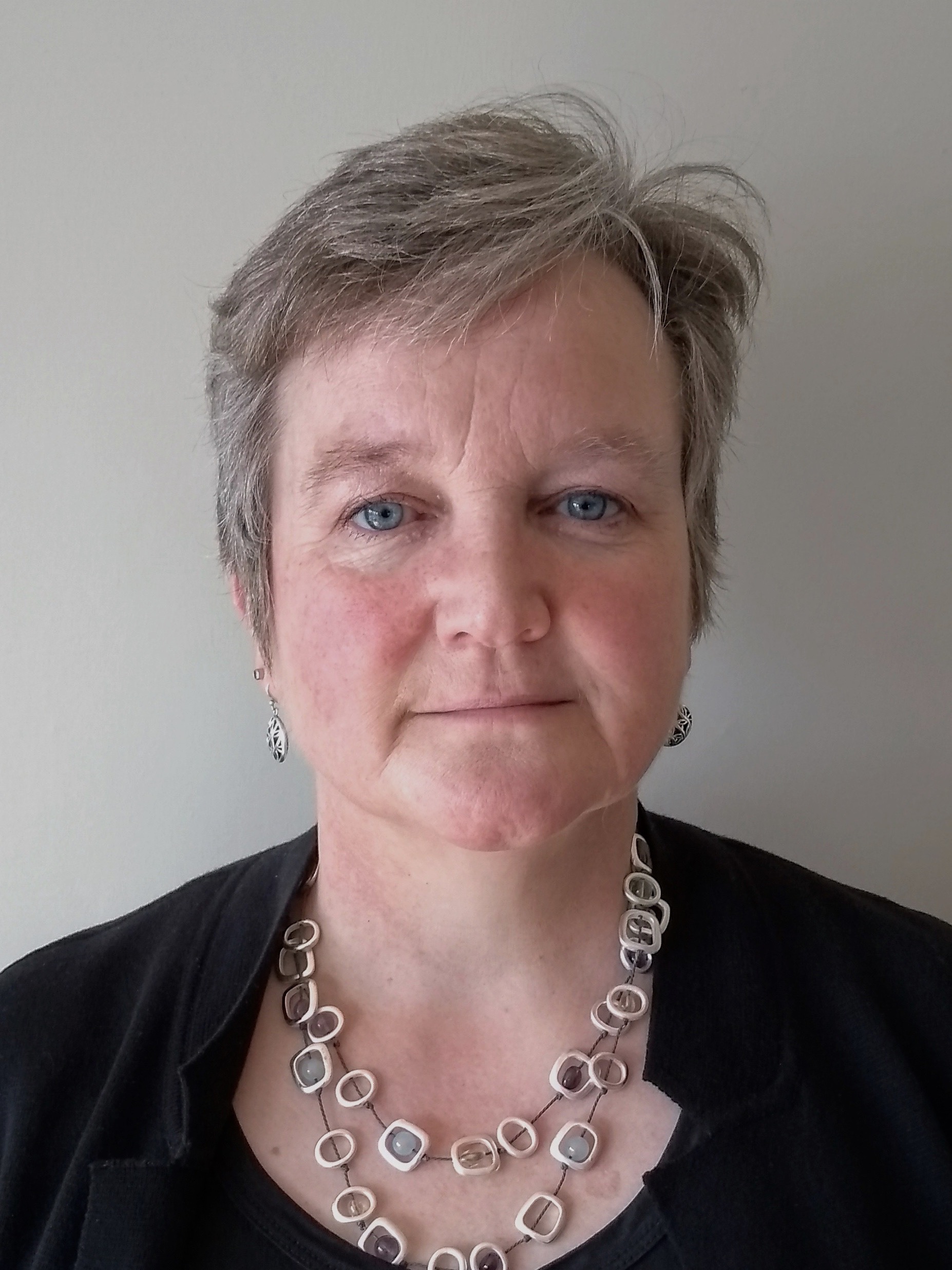
Professor Jan Bebbington holds the Rubin Chair in Sustainability in Business at Lancaster University and serves as Director of the Pentland Centre for Sustainability in Business . Her research intersects sustainable development with organisational operations, focusing on accounting technologies for control and accountability, the Sustainable Development Goals (SDGs), and carbon accounting. Her recent work explores sustainability reporting norms , inter-corporate accountability mechanisms , and biodiversity scenario analysis . Publications highlight interdisciplinary approaches to climate accountability, organisational stability, and resilient business practices. Key projects include collaborations with Stockholm Resilience Centre , The Swedish Research Council , and Innovate UK , addressing topics like ocean stewardship (SeaBOS) and biodiversity decision-making frameworks. She employs virtual labs and cross-sector partnerships to advance sustainability governance.
Associate Professor Bambang Trigunarsyah holds a position at RMIT University since 2018, affiliated with the School of Property, Construction and Project Management (PCPM). He earned his BSc in Civil Engineering from Colorado School of Mines, a Master's in Civil Engineering (Construction Management) from the University of Indonesia, and a PhD in Engineering Project Management from the University of Melbourne. His career spans industry roles, including project engineering in Indonesia's oil and gas sector, academic leadership at the University of Indonesia, and international teaching/research appointments at Queensland University of Technology (QUT) and King Fahd University of Petroleum and Minerals in Saudi Arabia. Research interests focus on post-disaster reconstruction, infrastructure project governance, constructability of infrastructure, and project management in developing countries. Notable projects include risk management frameworks using blockchain, circular economy in Saudi construction, and BIPV energy solutions. He actively supervises HDR students in areas like public-sector project success determinants and thermal environment studies. Bambang serves as Higher Degree Research Delegate Authority (HDR DA) for the School of PCPM and teaches postgraduate project management programs. Professional memberships include AIPM, PMI, and ASCE. His industry advisory roles include Indonesia's National Construction Service Development Board (2002-2007) and Australia-Indonesia Centre's Infrastructure Cluster (2016-2018). Recent research emphasizes BIM applications in infrastructure preservation, risk assessment methodologies, and climate-resilient construction. His work bridges theory and practice, addressing challenges in emerging economies and complex project environments.
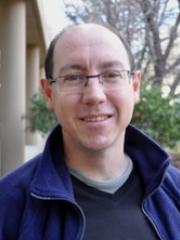
Professor Anthony Richardson is a mathematical ecologist at the University of Queensland , holding a joint position with CSIRO Environment since 2005. He leads the Mathematical Marine Ecology Lab , focusing on marine conservation through mathematical, statistical, and computational modeling. School of the Environment, Faculty of Science, University of Queensland Affiliate, Centre for Marine Science Affiliate, Centre for Biodiversity and Conservation Science Research Interests span marine spatial planning (climate-smart protected areas, 3D ocean zoning), marine ecosystem modeling (lower trophic levels, plankton-dynamics), and climate change impacts (carbon sequestration, fisheries productivity, and marine diseases). His work has been cited in IPCC Assessment Reports and emphasizes international collaboration through projects like the Global Working Group on Climate Change Synthesis . Recent Publications focus on Zooplankton's role in carbon cycling Climate-smart marine protected area design Ecosystem modeling under climate uncertainty Marine megafauna connectivity patterns Supervision is offered for >250 peer-reviewed papers and advanced projects in climate-smart conservation planning, with established funding from ARC Discovery Projects and Norwegian Polar Institute .
Richard Balme is a Professor at the Centre for European Studies and Comparative Politics (CEE) at Sciences Po, specializing in environmental governance, EU-China relations, and public policy. He serves as Director of the Master in International Governance and Diplomacy at PSIA and the Executive Master in Development Policy and Management (Potentiel Afrique) at Sciences Po Executive Education. His research focuses on climate governance, biodiversity policy in the EU, and China's environmental administration. He is a Fellow at several institutions, including Hong Kong Baptist University and the Centre des Politiques de la Terre in Paris. His academic contributions span environmental policy transfers, EU-China energy dynamics, and institutional reforms in Francophone Africa. He has taught at Columbia, Tsinghua, and Fudan Universities and served on key French advisory councils. Balme's work bridges comparative politics, international relations, and environmental studies, with a focus on transnational policy frameworks and governance capacity. Research Themes: Climate policy implementation, EU-China environmental cooperation, authoritarian governance of environmental issues. Recent Activities: Convenor of Sciences Po's AIRE environmental research platform; editorial board member of Environmental Policy and Governance . Awards: Ranked first in France's national political science professor recruitment (1995), recipient of grants from EU, CNRS, and Hong Kong RGC. His publications analyze China's environmental policy evolution, EU climate diplomacy, and the intersection of soft power and human rights in Sino-European relations. He frequently engages in policy dialogues on water security, urbanization risks, and global climate governance.
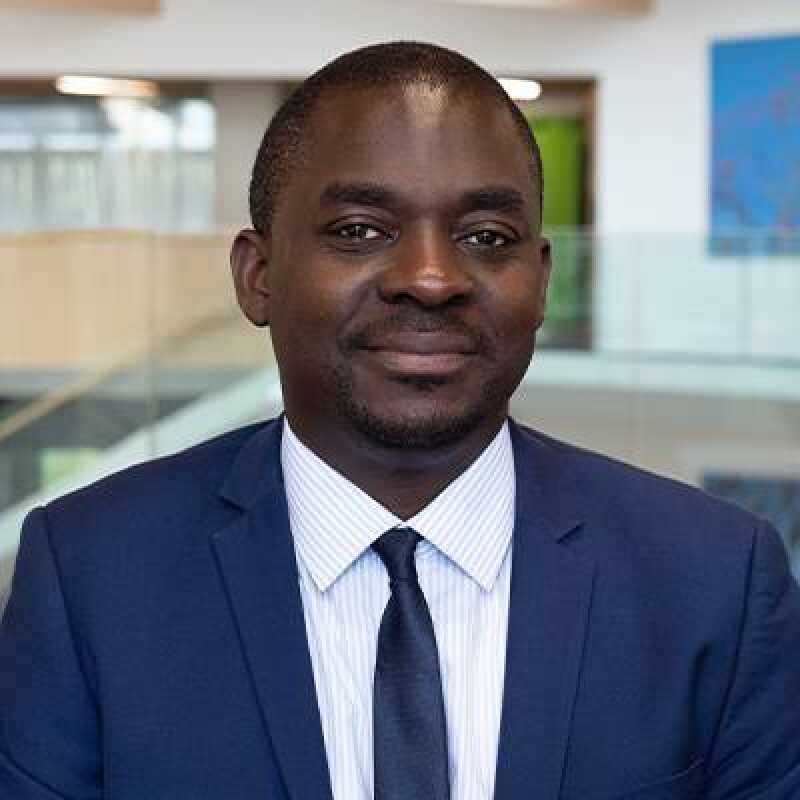
Dr. Godfred Afrifa is a Senior Lecturer in Accounting and Senior Tutor (Canterbury) at Kent Business School , University of Kent. He is also a Visiting Lecturer at IESEG School of Management (France) since 2014 and at ISCID-CO International Business School (France) since 2016. PhD in Finance and Risk (Bournemouth University, 2013) MSc in Finance (University of Leicester, 2008) BSc in Applied Accounting (Oxford Brookes University) HND in Accounting (Kumasi Polytechnic) Chartered Accountant and Certificate in Insurance (Chartered Insurance Institute) His research explores the intersection of corporate governance , working capital management , and microfinance institutions . He investigates how CSR governance affects business practices, the dynamics of trade credit in SMEs, and the role of regional development in service-sector performance. His recent work also covers linguistic influences on financial reporting and pedagogical innovations in accounting education. Dr. Afrifa's 15 most recent publications (2020–2025) span topics like CSR decoupling , firm identity changes , credit policies , and microfinance integrity , with methodologies including stochastic frontier analysis and cross-country comparisons . His work frequently addresses financial strategies in SMEs and sustainability in supply chains and development. Scientific Awards : Fellow of The Higher Education Academy (2015), Affiliate Member of ACCA (2004). Dr. Afrifa supervises Mohammad Abwen (PhD thesis: Credibility of CSR Disclosure ) and welcomes PhD candidates in SME management , working capital , and microfinance . His Visiting Lecturer roles at French institutions highlight international collaboration. The 2023 Evaluation Report on Re:Generation 2031 underscores his work in sustainable development beyond traditional finance.
Christopher O'Donnell is a Professor of Econometrics at the University of Queensland's School of Economics. He holds a PhD from the University of Sydney and has held academic leadership roles including Director of the Centre for Efficiency and Productivity Analysis. His research focuses on productivity and efficiency analysis, econometric methods, and their applications in agriculture, public policy, and environmental economics. Education: PhD (University of Sydney), MCom (University of New South Wales), BAgEc (Hons) (University of New England). Research interests include economic and statistical methods for measuring productivity changes, stochastic frontier analysis, and metafrontier frameworks. He has authored/co-authored three books and over 80 journal articles, with notable contributions in the American Journal of Agricultural Economics , Journal of Econometrics , and European Journal of Operational Research . Scientific awards include being a Distinguished Fellow of the Australian Agricultural and Resource Economics Society. His work has been applied in sectors like healthcare, fisheries, and public utilities through collaborations with organizations such as the World Bank and Asian Productivity Organization. Key projects include measuring agricultural productivity in China, analyzing hospital efficiency, and evaluating climate impacts on farming. Grants include studies on productivity measurement in Australian universities and Northern Grains Region farms. Labs/Teams: Former Director of the Centre for Efficiency and Productivity Analysis, collaborating with global institutions on productivity benchmarking and policy analysis.
Christian FISCH is an Associate Professor in Business Economics and Entrepreneurship at the University of Luxembourg's Interdisciplinary Centre for Security, Reliability and Trust (SnT). His research focuses on the intersection of entrepreneurship with digital technologies, venture finance, and socio-cultural influences. Key areas include blockchain-based financing mechanisms (e.g., ICOs), the psychological and digital identity aspects of entrepreneurs, and the impact of environmental/climate factors on entrepreneurial activity. He has published extensively in top journals, addressing topics such as B Corp certification signaling effects, venture capital decision-making, and the paradox of technology adoption among SMEs. His work spans both theoretical contributions (e.g., extending Schumpeterian frameworks) and applied analyses (e.g., post-pandemic entrepreneurial resilience). FISCH collaborates with global institutions, leveraging mixed-methods approaches including digital trace analysis from platforms like Twitter to study investor behavior and entrepreneurial traits. He has no listed awards but maintains active research agendas in decentralized finance, climate entrepreneurship, and cross-cultural entrepreneurial motivations. Professional activities include editorial roles in entrepreneurship journals and advising on innovation policy. His research often addresses emerging trends such as NFTs in creative industries, DAO governance structures, and the role of trademarks/patents in regional innovation ecosystems.
Michael O. Wood is an Associate Professor in the School of Environment, Enterprise and Development (SEED) at the University of Waterloo and currently serves as the Associate Dean of Work-Integrated Learning in the Faculty of Environment. He holds a Ph.D. in Strategy and Sustainability from the Ivey Business School at Western University, an M.A. in Environmental Studies in Sustainability Management from Western University, and a B.A. in Science from the University of Guelph. Ph.D. in Strategy and Sustainability, Ivey Business School, Western University M.A. in Environmental Studies in Sustainability Management, Western University B.A. in Science, University of Guelph Dr. Wood's research focuses on organizational responses to sustainability challenges through the lenses of space, time, scale, and social license to operate. His work spans industries like insurance, mining, carbon management, waste management, and global security, with a particular emphasis on the Blue Economy and climate change. He has contributed to frameworks for water risk assessment, sustainable packaging practices, and the role of governance in sustainability-financial performance linkages. His recent publications address transdisciplinary tools for water risk management, workforce practices' impact on sustainability, ETS policy effects, and disaster response patterns in multinational corporations. While no scientific awards are explicitly mentioned, his work has been published in journals such as the International Journal of Disaster Risk Reduction and Economic Systems Research . Dr. Wood teaches courses like Introduction to Environment and Business and Environment and Business Project , and he collaborates with researchers like Sandhu, Weber, and Bansal on sustainability-related projects. His studies often incorporate mixed-methods analysis and policy reviews for sustainable resource management in Ontario and Canada.
Heitor Pellegrina is an Assistant Professor of Economics at the University of Notre Dame, specializing in trade and development economics with a particular focus on agriculture and environmental resources. He is affiliated with the Building Inclusive Growth (BIG) Lab and became a Kellogg faculty fellow in 2023. Prior to joining Notre Dame, Pellegrina spent six years as an assistant professor at New York University Abu Dhabi, where he coordinated DevLab seminars from 2021-2023 and co-organized the conference "The End of Globalization" in 2022. His research spans multiple countries including Brazil, India, Colombia, and parts of Africa, examining the intersection of trade policies, economic development, and environmental sustainability. Pellegrina holds a PhD in economics from Brown University (2017) and both bachelor's and master's degrees in economics from the University of São Paulo, Brazil (2009 and 2011 respectively). His research program addresses critical questions at the intersection of international trade, agricultural productivity, and environmental sustainability. Recent work examines how weather shocks affect farm size distribution, the relationship between economic development and greenhouse gas emissions from agriculture, and the global impacts of trade policies on deforestation patterns. His publications appear in top journals including the Journal of Political Economy, Journal of Development Economics, and Journal of International Economics. PhD, Brown University, 2017 M.Sc., University of São Paulo, Brazil, 2011 B.Sc., University of São Paulo, Brazil, 2009 Pellegrina teaches undergraduate courses in Economic Growth and graduate courses in Quantitative International Trade and Development Economics. His research methodology combines empirical analysis of large datasets with theoretical modeling to address questions of economic development and trade policy. He has organized academic events including the Development Economics Working Group at Notre Dame and previously coordinated DevLab seminars at NYU Abu Dhabi.
Dermot J Hayes is the Charles F. Curtiss Distinguished Professor in Agriculture and Life Sciences and holds the Pioneer Hi-Bred International Chair in Agribusiness at Iowa State University's Department of Economics and Ivy School of Business. His expertise spans agricultural economics, financial economics, and international trade policy with a focus on commodity markets, farm policy, and China's agricultural impacts. Education: Ph.D. and M.S. in Agricultural Economics from the University of California, Berkeley (1986 and 1982). Research Interests: Includes U.S. farm policy, international trade dynamics, agribusiness strategies, crop insurance, financial derivatives, and China's role in global commodity markets. His work emphasizes policy analysis, market resilience, and emerging challenges like disease outbreaks (e.g., African Swine Fever). Awards: AAEA Fellow (2007), AAEA Enduring Quality Award (2006), and J.H. Ellis Teaching Award (2005). His research on food safety auctions remains influential. Consulting: Since 1995, he has advised the National Pork Producers Association on trade economics. His work informs policy debates on tariffs, trade deals, and market disruptions. Labs & Collaborations: Engaged with Iowa State's interdisciplinary initiatives on agriculture-environmental nexus and bioenergy systems.
Professor Anant Sundaram is affiliated with the Tuck School of Business at Dartmouth College , where he holds the Professor rank. His research spans critical areas such as Business and Climate Change , ESG Investing , Corporate Governance , and Mergers & Acquisitions , reflecting a focus on global business challenges and sustainable practices. Research Trends : Sundaram's work emphasizes the intersection of finance, corporate strategy, and environmental responsibility. He has explored topics like shareholder value maximization , non-profit investment decisions , and international M&A dynamics , often collaborating with leading scholars like Andrew Inkpen and Kose John. Media Engagement : Sundaram frequently contributes to high-profile discussions on climate policy, corporate accountability, and financial valuation, as seen in outlets like the Wall Street Journal , Fast Company , and Marketplace . His insights on issues such as greenhushing and Paris Agreement implications highlight his role as a public intellectual. Teaching & Executive Education : He designed and taught courses like Business and Climate Change and Corporate Valuation at Tuck. From 2005-2008, he directed Tuck Executive Education, creating programs for global firms including Autodesk and Microsoft .
Dr. Dominik Büeler is a Researcher at ETH Zurich's Institute for Atmospheric and Climate Science and staff member of the Center for Climate Systems Modeling (C2SM). His work bridges atmospheric dynamics with practical climate services, focusing on subseasonal prediction systems and their societal applications in Europe. Research Focus: Büeler's work centers on subseasonal-to-seasonal prediction, with emphasis on weather regime dynamics, extratropical cyclone behavior, and stratosphere-troposphere interactions. His research integrates large ensemble modeling, forecast verification, and climate impact assessment, particularly for European weather extremes. Recent projects examine heatwave mortality prediction, energy meteorology applications, and the role of moist processes in atmospheric blocking. Analysis of his publication record since 2021 reveals consistent advancement in subseasonal forecasting methodology, with growing emphasis on societal applications including public health (heat-related mortality) and energy sectors. His work increasingly connects fundamental atmospheric processes with operational forecasting systems, leveraging collaborations through the Subseasonal-to-Seasonal Prediction Project. Affiliations: Center for Climate Systems Modeling (C2SM) - Core Research Staff ETH Zurich Institute for Atmospheric and Climate Science MeteoSwiss Collaborator (Energy Meteorology) Büeler contributes to multidisciplinary teams developing climate services, with recent work supporting Swiss operational forecasting systems. His research group within C2SM focuses on improving subseasonal predictability through advanced diagnostics of model biases and atmospheric processes.
Ben Seiyon Lee is an Assistant Professor in the Department of Statistics at George Mason University's College of Science. His work bridges computational statistics, climate modeling, and environmental risk assessment. Education: PhD in Statistics, Pennsylvania State University (2020) Lee specializes in computational methods for high-dimensional spatiotemporal data and uncertainty quantification in climate models. His research explores climate change impacts on extreme hydrological events, wildfire emissions, and medical decision-making. Recent publications focus on Bayesian spatiotemporal frameworks for extreme precipitation analysis, zero-inflated spatial models, and multisector uncertainty quantification. His work addresses challenges in flood risk assessment, agricultural yield projections, and healthcare compliance metrics.
Venancio Tauringana serves as Professor of Accounting and Sustainability at Southampton Business School, University of Southampton, where he held the Department of Accounting Head position from April 2018 to September 2023. Previously Acting Head of Department (2016) and Acting Director of Research for the Business School (2017), he also directs the Centre for Research in Accounting, Accountability and Governance (CRAAG) and serves as Editor of Advances in Environmental Accounting and Management alongside Associate Editor roles for two leading journals. His academic credentials include a Masters’ Degree (M.Acc) in International Accounting and Financial Management from the University of Glasgow and a PhD in Accounting from Edinburgh Napier University, Scotland. Professor Tauringana’s research centers on sustainability reporting and corporate governance, examining how organizations—particularly in emerging economies and SMEs—measure and disclose environmental and social performance. His work bridges academic rigor with practical applications, influencing corporate reporting standards and policy frameworks globally. He has published in premier outlets including Review of Accounting Studies (ABS 4*) and British Journal of Management (ABS 4*), establishing himself as a key voice in sustainability accounting. His recent publications (2024-2025) reveal expanding research horizons across sustainability reporting drivers, governance in sustainable manufacturing, African frontier market finance, and healthcare governance impacts. These studies demonstrate methodological diversity—from systematic reviews to multinational case analyses—while maintaining geographic breadth spanning Africa, the Caribbean, and the UK through extensive international collaborations. His scientific recognition includes: Emerald Literati Award for outstanding contribution as a reviewer (2011) Emerald Literati Award for outstanding research paper (2019) Professor Tauringana has examined over 25 PhD students and supervised 15 to completion, currently guiding multiple doctoral candidates in sustainability accounting. His £150,000+ research funding supports impactful projects like the SME Sustainable Growth initiative where students collaborate with UK and Chinese small businesses to produce first-time sustainability reports. He also serves as external examiner for accounting programs at Aston, Kent, and Bedfordshire universities. He actively contributes to the Centre for Research in Accounting, Accountability and Governance (CRAAG), Centre for Accounting Education (CAE), and co-leads CESAR (Centre of Excellence in Sustainability Accounting and Reporting), driving interdisciplinary research that connects academic scholarship with industry sustainability challenges through regular workshops and practitioner engagements.
Mariam Zachariah serves as a Research Fellow at the Centre for Environmental Policy within the Faculty of Natural Sciences at Imperial College London. She is a core contributor to World Weather Attribution (WWA), an international scientific collaboration conducting rapid climate change attribution analyses for extreme weather events globally. Her work bridges climate science, vulnerability assessment, and policy-relevant research. Her educational foundation includes a PhD from the Indian Institute of Technology Bombay (IITB), where she investigated climate impacts on Indian agriculture. This research focused on drought and extreme temperature effects on crop yields in major agrarian regions, recognizing agriculture's critical role in India's climate-vulnerable economy. Zachariah's research centers on near-real-time attribution of extreme events to quantify human-induced climate change influences. Her expertise spans climate modeling, statistical analysis of extreme weather, and integrating vulnerability frameworks to assess compound impacts on communities. She examines how climate change interacts with socioeconomic factors to exacerbate disasters, particularly in agricultural systems and flood-prone regions worldwide. Analysis of her recent publications reveals a dominant focus on rapid attribution of droughts, floods, and heatwaves across diverse global contexts - from the Horn of Africa to Central Europe and South America. These studies consistently demonstrate climate change as a significant amplifier of event severity, while emphasizing how pre-existing vulnerabilities determine actual impacts. Her work increasingly addresses compound hazards and the intersection of climate change with infrastructure failures and land management. As a key member of the World Weather Attribution initiative, Zachariah collaborates with climate scientists, social scientists, and vulnerability experts in a unique operational framework that delivers scientific assessments within days of extreme events. This work directly informs policymakers, media, and affected communities about climate change's role in contemporary disasters.