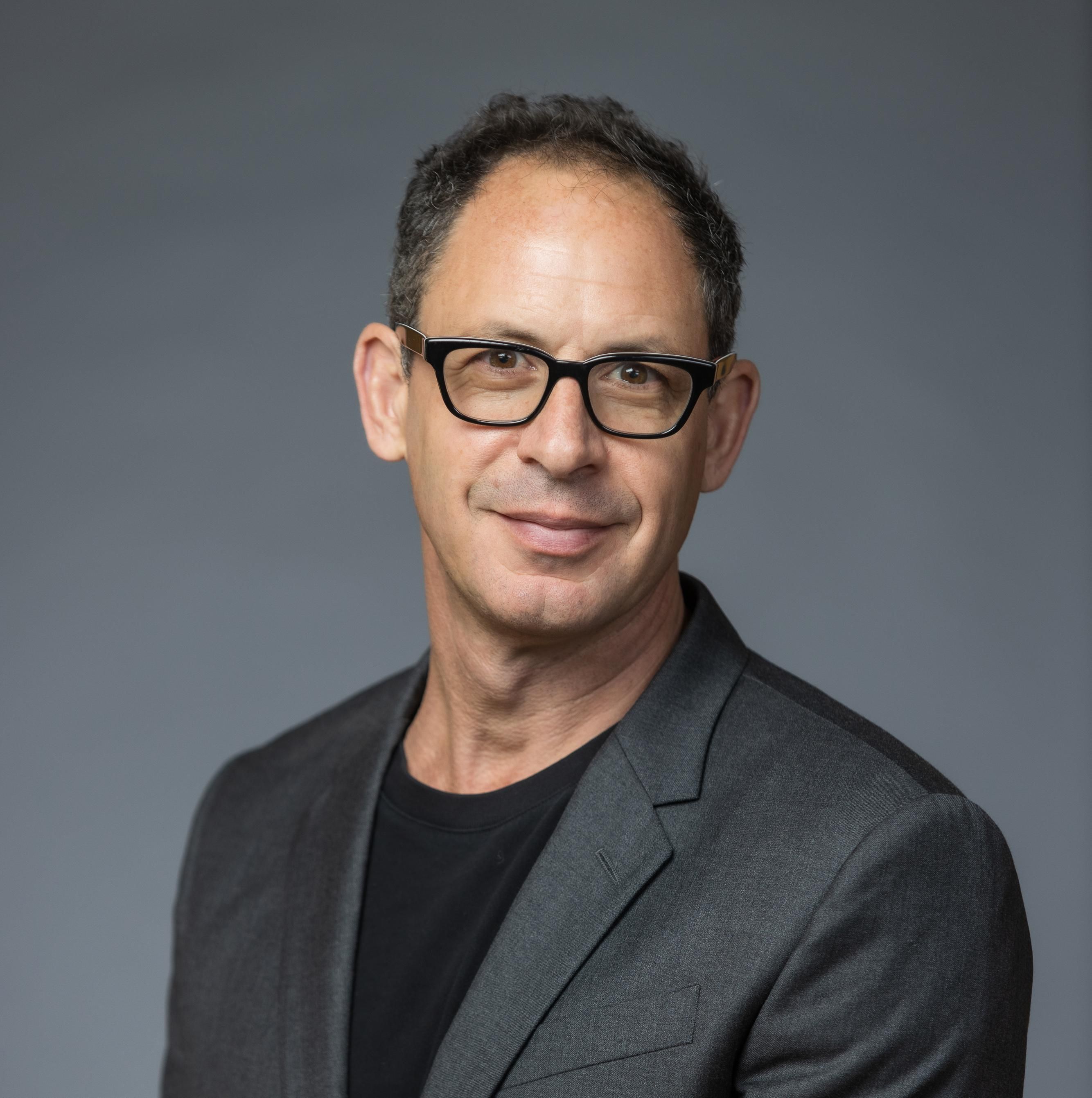
Nicolas Mathevon is a Professor at the University of Saint-Etienne, with a focus on Animal Behavior and Bioacoustics . He currently serves as Director of Studies at Ecole Pratique des Hautes Etudes and leads the ENES Team . His research explores acoustic communication across diverse species, including crocodiles, seals, penguins, and humans, with particular emphasis on vocal recognition, signal evolution, and neurobiological underpinnings. Major collaborations include Dr. T. Aubin (CNRS), Dr. I. Charrier (marine mammals), Dr. N. Grimault (crocodilian bioacoustics), and Prof. D. Reby (human communication). He also co-edits a new book, The Voices of Nature , published by Princeton University Press. His recent work spans ecoacoustic monitoring for conservation, multi-modal communication in crocodiles, and cross-species analysis of distress signals in bonobos, chimps, and humans. Neurobiological studies include brain activation patterns in response to vocalizations and sound localization mechanisms in reptiles. Scientific Awards include senior membership in the Institut universitaire de France .
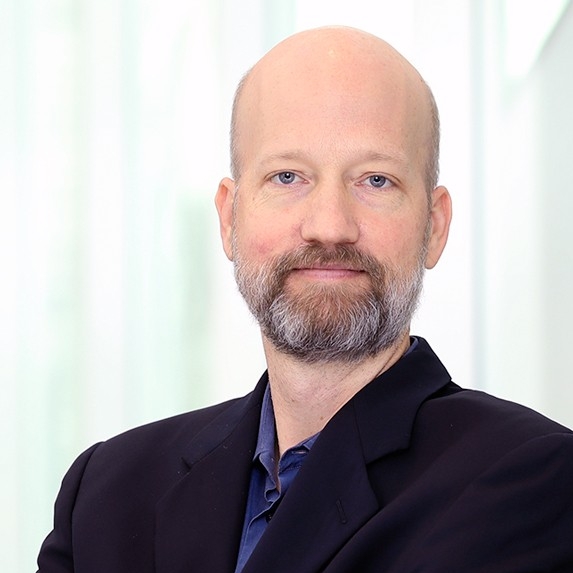
Sebastian Riedel is a Professor at University College London (UCL) and a Researcher at DeepMind, leading the UCL NLP Lab. His work focuses on teaching machines to read, reason, and write, integrating Natural Language Processing (NLP) with Machine Learning. He holds an Allen Distinguished Investigator award and has held roles at FAIR, UMass Amherst, Tokyo University, and the University of Edinburgh. Education: PhD in Computer Science from the University of Edinburgh (advisor: Ewan Klein), postdoctoral research at UMass Amherst (advisor: Andrew McCallum), and research at Tokyo University (advisor: Tsujii Junichi). Research Interests: NLP, machine learning, information extraction, and multimodal models like Gemini. He develops tools such as UCLEED (BioNLP event extractor), frontlets (Scala map wrappers), and thebibbrag (BibTeX to HTML converter). Awards: Allen Distinguished Investigator. Software contributions include GitHub repositories for NLP, machine learning, and data tools. Contact: s.riedel@ucl.ac.uk | Office: 1st Floor, 90 High Holborn, London WC1V 6LJ | Office Hours: Mondays 11 AM–12 PM.
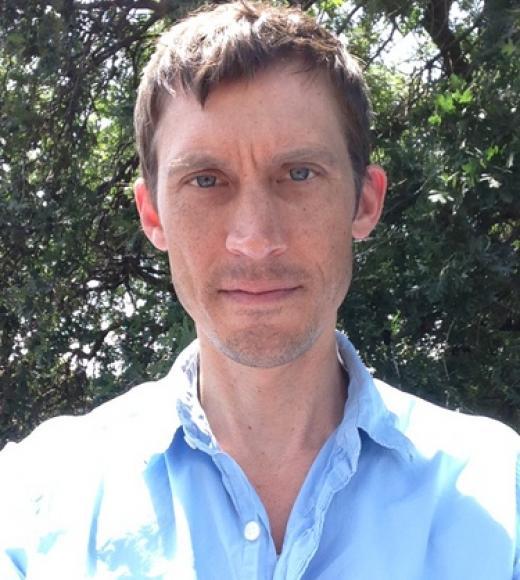
Takako Fujioka is an Associate Professor of Music at Stanford University, affiliated with the Center for Computer Research in Music and Acoustics (CCRMA). Her research focuses on the neural mechanisms underlying auditory perception, auditory-motor coupling, and music-supported therapy for neurorehabilitation. She holds a Ph.D. in Physiology from the Graduate University for Advanced Studies, Japan, and M.Sc./B.Eng. degrees in Electrical Engineering from Waseda University. Her work combines neurophysiological techniques such as MEG and EEG to study brain plasticity in development, aging, and stroke recovery. Notable contributions include investigating how music influences motor and cognitive recovery in stroke patients, as well as exploring the neural basis of musical perception through rhythmic synchronization and pitch discrimination studies. Supported by awards from the Canadian Institutes of Health Research during her postdoctoral work at the Rotman Research Institute, her research bridges clinical neuroscience and music cognition. Dr. Fujioka’s expertise spans auditory neuroscience, neurorehabilitation, and technology-assisted music therapy. She has pioneered studies on tactile mapping for cochlear implant users and networked music performance systems, emphasizing cross-modal perception and human-technology interaction. Her findings contribute to both theoretical understanding of auditory processing and practical applications in medical and educational settings. Awards: Canadian Institutes of Health Research Awards (postdoctoral phase) Labs/Teams: CCRMA, Stanford Music Perception Laboratory, Rotman Research Institute collaborations Key Themes: Neuroplasticity, Music-Mediated Rehabilitation, Auditory-Motor Integration, Multisensory Processing Her recent work examines aging-related changes in binaural hearing and the role of beta/gamma oscillations in rhythmic processing. She advocates for translational research that connects neural mechanisms with real-world therapeutic interventions.
Kevin M. Franks is an Associate Professor of Neurobiology at Duke University, where he investigates how the olfactory system forms neural representations of sensory environments. His work focuses on functional neural circuits in the olfactory bulb and piriform cortex, using techniques like in vivo recordings, optogenetics, and behavioral assays. His research explores Neural circuit dynamics and plasticity Odor coding mechanisms Role of recurrent circuitry Integration of sensory modalities Recent publications highlight his contributions to understanding cortical odor representations, developmental neural connectivity, and cross-modal interactions. Awards include the 2024 Don Tucker Finalist recognition. He teaches advanced neuroscience courses at Duke, including Neurobiology research and concepts in neuronal systems.
David Melcher is Professor of Psychology and Program Head in Psychology at New York University Abu Dhabi (NYUAD), where he also serves as a Global Network Professor. He is affiliated with the Division of Science and leads the Perception and Active Cognition Lab, focusing on the integration of perception, attention, memory, and action within a cognitive neuroscience framework. PhD in Psychology and Cognitive Science, Rutgers University (2001) Former researcher and professor in Italy and the UK Current leadership: Program Head, Psychology, NYUAD David Melcher's research centers on cognitive neuroscience , particularly how perception, attention, working memory, eye movements, and self-motion interact to shape cognition and behavior. His lab emphasizes active cognition —the idea that perception is not passive but dynamically shaped by action, context, and goals. He investigates how temporal dynamics in neural processing organize perceptual experiences and guide decision-making. His work spans both healthy and clinical populations, exploring individual differences in spatial and temporal processing across the lifespan. The 15 most recent publications reflect a consistent focus on temporal organization in cognition , perception-action coupling , and neural mechanisms of attention and memory . Keywords across these works include cognitive neuroscience, perception, and neuroimaging, with subfields ranging from eye movement research and neural synchrony to computational modeling and clinical neuropsychology. Collectively, they demonstrate a trajectory toward integrative models of brain function that bridge behavioral, neuroimaging, and computational approaches. Among his notable recognitions is the Distinguished Scientific Award for Early Career Contribution to Psychology from the American Psychological Association (2011), highlighting the early impact of his work in cognitive neuroscience. Distinguished Scientific Award for Early Career Contribution to Psychology, APA (2011) David Melcher has advised numerous students through capstone projects in psychology and computer science, fostering interdisciplinary research at the intersection of cognitive science and technology. His research has been generously supported by major funding agencies including the European Research Council , the US National Institutes of Health , the Italian Ministry of Research and Education , and the Chinese Ministry of Foreign Expert Affairs . He also contributes to the academic community as a member of the editorial boards of Journal of Vision , Psychonomic Bulletin & Review , Perception , and iPerception . He leads the Perception and Active Cognition Lab at NYUAD, which employs a multidisciplinary approach combining behavioral experiments, neuroimaging (fMRI, EEG, MEG), eye-tracking, computational modeling, and clinical assessments. The lab’s research aims to understand how the brain constructs stable percepts from dynamic sensory input, particularly during active engagement with the environment.
Lee Miller is a Professor in the Department of Neurobiology, Physiology, and Behavior at the University of California, Davis, College of Biological Sciences. His research integrates neural engineering, physiology, and computational methods to develop communication restoration technologies and investigate sensory processing mechanisms. His primary research interests include neural engineering for speech neuroprosthetics, electrophysiological analysis of speech production, auditory neuroscience, and geometric approaches to neuromuscular signal decoding. He employs surface electromyography (EMG), electroencephalography (EEG), and computational modeling to study brain-machine interfaces for speech restoration and multisensory integration. Recent publications reveal a dominant focus on EMG-based speech neuroprostheses, with geometric and topological analysis of neuromuscular signals emerging as a key methodology. His lab has pioneered non-invasive approaches to speech articulation decoding, created standardized EMG databases, and investigated neural mechanisms of attention in speech-in-noise processing. This work bridges engineering innovation with fundamental neuroscience to address communication disorders. Professor Miller leads the Miller Lab at UC Davis, which specializes in neural engineering for communication restoration. The lab develops real-time speech synthesis systems from neural signals and investigates the physiological basis of speech production and perception using multimodal recording techniques.
Daniel M. Wolpert is a Professor of Neuroscience at Columbia University and Principal Investigator at the Zuckerman Institute. His research focuses on computational models of movement, integrating sensory cues and cognitive elements to understand motor control, memory, and rehabilitation strategies for cerebellar disorders. Key Research Areas: Sensorimotor integration, probabilistic inference, reinforcement learning, predictive modeling of movement, and aging effects on motor learning. Selected Awards: Royal Society Fellow (2012), Minerva Golden Brain Award (2010), Fulbright Scholarship (1992-1995). Recent publications highlight his work on contextual learning, motor memory formation, and the computational basis of sensorimotor uncertainty. His lab develops robotic interfaces to study human motor behavior and collaborates on clinical applications for movement disorders. Current opportunities include postdoctoral fellowships in sensorimotor control and decision-making.
Viorica Marian is the Ralph and Jean Sundin Endowed Professor of Communication Sciences and Disorders at Northwestern University's School of Communication. Her research focuses on bilingualism/multilingualism, the neurocognitive mechanisms underlying language processing, and the interplay between language, memory, and cultural factors. She holds a PhD in Experimental Psychology from Cornell University, alongside multiple MA and BA degrees in psychology-related fields. Education: PhD (Cornell), MA (Cornell), MA (Emory), BA (University of Alaska). Research Interests: Bilingualism, cognitive neuroscience, language processing, memory, psycholinguistics, and cross-cultural communication. Labs: Bilingualism and Psycholinguistics Research Group. Marian's work bridges behavioral, cognitive, and neurological methodologies. Her studies reveal how bilingualism enhances executive control, influences memory retrieval, and shapes cross-modal perception. Recent research highlights cultural differences in mother-child communication and the cognitive benefits of multilingualism. Her awards include the 2019 JSLHR Editor’s Award and recognition for teaching excellence. She actively contributes to translational research through grants like the NIH-funded Cognitive Architecture of Bilingual Language Processing project. Courses taught include CSD 309: Culture, Language, and Learning, and CSD 551: Topics in Bilingualism. Key Grants: NIH RO1 HD059858 (2022-2027), NIH R21 DC018349 (2021-2023). Prominent Publications: The Power of Language (2023), LEAP-Q methodology (2007), and foundational bilingualism studies in Bilingualism: Language and Cognition .
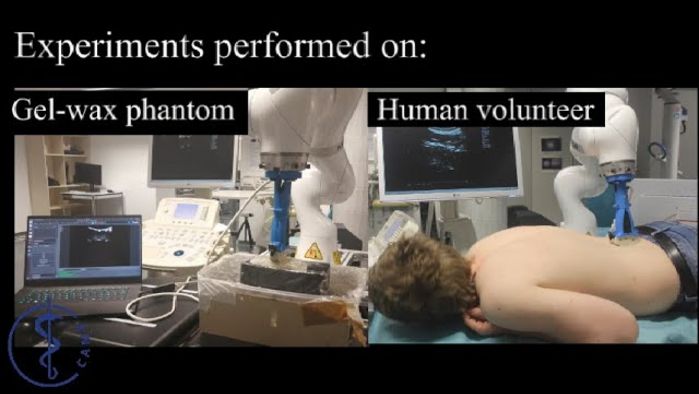
Dr. Zhongliang Jiang is a senior research scientist and leader of the Robotics and Ultrasound team (RobUSt) at the Chair of Computer Aided Medical Procedures (CAMP) at Technische Universität München. He holds a Ph.D. in computer sciences (summa cum laude) and has authored/co-authored over 40 top-tier publications in robotics and medical imaging. His research focuses on robotic ultrasound systems, medical image processing, and robotic learning. Education: Ph.D. in Computer Sciences, TUM (2022, summa cum laude) M.Eng. in Harbin Institute of Technology (2017) Research Assistant at SIAT (2017-2018) Research Interests: Medical Robotics: autonomous robotic ultrasound systems Image Processing: RGB-D/ultrasound segmentation, registration Robotic Learning: reinforcement/imitation learning Robotic Control: MPC, shared control, human-robot interaction Professional Contributions: Associate Editor for ICRA 2024/2025 Guest Editor for IEEE TRO special issue on Robot-Assisted Medical Imaging Main organizer of RAMI workshops at ICRA (2023-2025) Awards: MICCAI 2023 Best Paper Runner-up Gold Medal for Master's Thesis (2017) Lab & Teaching: Leading the RobUSt team developing advanced robotic ultrasound solutions Teaching courses like Computer Aided Medical Procedures and Medical Augmented Reality Supervised over 15 Master/PhD projects in robotic ultrasound and medical imaging
Dr. Kanwaljeet S. Anand is a dual-appointed Professor of Pediatrics (Pediatric Critical Care) and Anesthesiology, Perioperative & Pain Medicine at Stanford University School of Medicine. As director of the Pain/Stress Neurobiology Lab and Jackson Vaughan Critical Care Research Fund, he serves as Editor-in-Chief of Pediatric Research and maintains active membership in Bio-X, MCHRI, and Wu Tsai Neurosciences Institute. Rhodes Scholar with D.Phil from University of Oxford Harvard postdoctoral fellowship and Boston Children's Hospital residency Founded Harmony Health Clinic - Arkansas' largest charitable medical-dental facility A translational researcher with 30+ years of impact, Dr. Anand established the first scientific framework for infant pain perception and developed novel pain assessment methodologies. Current research focuses on: Hair biomarker analysis for stress and social affiliation (cortisol/oxytocin) Machine learning systems for objective pain detection in non-verbal infants Biopsychosocial interventions for stress reduction in disadvantaged youth Neurotoxicity mechanisms of sedatives in developing brains Global NICU opioid usage patterns through the NeoOpioid Consortium His work has yielded over 260 publications and significant advances in: Pediatric pain management protocols Neonatal stress biomarker development Critical care neurobiology insights Community health initiatives AI-driven clinical decision support systems Scientific Recognition 9th Annual 'In Praise of Medicine' Public Address, Erasmus University (2014) Nightingale Excellence Award (2016) Honorary Doctorate from University of Örebro (2019) NIH SBIB-H82 Study Section Chair (2018) Multiple IASP and American Pain Society awards Swedish Academy of Medicine's Nils Rosén von Rosenstein Award (2009) St. Jude Endowed Chairholder (2010) As mentor to Med Scholar Anjali Gupta and advisor to numerous professional bodies, Dr. Anand maintains active clinical leadership in Pediatric Intensive Care while advancing computational approaches to pain detection through collaborations with Stanford's AI researchers.
Prof. Stephen Mayhew is a Professor at Aston University's School of Life & Health Sciences, affiliated with the College of Health and Life Sciences. He leads the Cognition & Neuroscience Research Group (CNRG) and contributes to the Aston Research Centre for Health in Ageing. His research focuses on multimodal neuroimaging (EEG/fMRI/MRI/MEG) to study brain activity in health and cognition, particularly negative BOLD responses and their role in neural inhibition and behavior. Recent work includes investigating task-demand effects on BOLD responses, brain state dynamics during rest, and neurovascular coupling methods. Education & Affiliations: Affiliated with Aston University's School of Life & Health Sciences Member of CNRG and Health in Ageing Centre Research Interests: His work explores collaborative/antagonistic brain networks, lifespan changes in brain function, and the functional significance of negative BOLD responses. Techniques include fMRI, EEG, and advanced neuroimaging analysis methods like fractal dimension and laminar 7T MRI. Key Contributions: Published over 30 peer-reviewed articles on neuroimaging and brain networks Systematic reviews on neurovascular coupling and transcranial Doppler methods Labs & Teams: Active in CNRG and collaborates across disciplines in health sciences and bioengineering.
Marlen Fröhlich is a Research Fellow at the Department of Palaeoanthropology within the Faculty of Science at Eberhard Karls University of Tübingen. As a primatologist, she leads the Volkswagen Foundation-funded 'Pathways to Language' project (2022-2028) investigating communicative plasticity in joint action coordination. Her research examines the evolution of human language through comparative studies of great ape communication, with fieldwork conducted across multiple sites studying chimpanzees, bonobos, and orangutans. Her primary research explores: Multimodal communication development in primates Plasticity in gestural and vocal signaling Infant-directed communication patterns Cross-species comparisons of communicative behaviors Environmental influences on communication systems Analysis of her 15 most recent publications (2022-2025) reveals strong emphasis on: Individual variation in primate communication Multimodal signal integration Captive versus wild behavior comparisons Maternal investment strategies Evolutionary pathways to language Significant scientific awards include: Freigeist Fellowship, Volkswagen Foundation (2022-2028) DFG Research Fellowship (2018-2021) Christiane Nüsslein-Volhard Foundation Stipend (2020-2022) PhD Thesis Award, German Primate Center (2016) Erhard Höpfner Award for Master's thesis (2012) She coordinates the Palaeoanthropology lab's research activities and maintains collaborations with field sites studying wild populations of great apes. Current work focuses on understanding how communicative plasticity facilitates coordination in joint action tasks.
Susanne M. Jaeggi is a Professor of Psychology at Northeastern University, with additional affiliations in the Bouve College of Health Sciences and the College of Arts, Media, and Design. Her research focuses on cognitive training, executive functions, and individual differences in cognition across the lifespan. She holds PhDs in Cognitive Psychology and Neuroscience from the University of Bern (Switzerland), and completed postdoctoral work in Cognitive Neuroscience at the University of Michigan. Her work has been funded by NIH, NSF, IES, ONR, and the Advanced Education Research and Development Fund (AERDF). She leads the Working Memory & Plasticity Lab , which develops interventions to improve working memory and executive functions, and co-leads the Brain Game Center for Mental Fitness and Well-Being , creating evidence-based brain fitness tools. Jaeggi’s research emphasizes understanding mechanisms of cognitive improvement through training, including neuroplasticity and individual variability. Key areas include cognitive aging interventions, gamification, sensory-cognitive interactions, and the impact of socioeconomic factors on academic achievement. Her work integrates behavioral experiments, neuroimaging, and digital health technologies to address real-world challenges in education and healthcare. Recent studies explore music/art-based interventions, brain stimulation (e.g., tDCS), and scalable cognitive assessments. Collaborations span disciplines, with publications addressing topics like neural correlates of training, motivational features in interventions, and cross-modal perception. Her labs emphasize translating findings into public-facing tools, such as freely accessible brain fitness apps. Current projects include optimizing interventions for ADHD populations and leveraging digital platforms for global mental fitness.
Eduardo Mercado III is a Professor in the Department of Psychology at the University at Buffalo, College of Arts and Sciences. His research focuses on bioacoustics, cognitive psychology, and marine ecology, particularly the vocal behavior of humpback whales and its implications for understanding human impact on marine ecosystems. He is also known for his work in perceptual learning, autism spectrum disorder, and comparative cognition. Scientific Awards Guggenheim Fellowship Harvard Radcliffe Institute Fellowship Research Trends His recent publications emphasize bioacoustic analysis of humpback whale songs, including their spectral entropy, cyclical variations, and adaptive adjustments to anthropogenic noise. Additional work explores perceptual learning mechanisms in autism, neural network modeling for acoustic classification, and cognitive processes in canines and rodents. Projects Mercado’s “Singers as Sentinels” project combines acoustic analysis of humpback whale songs with public awareness initiatives about ocean noise pollution. The project will produce a book, Why Whales Sing and Dolphins Don’t , and a web-based interface for public engagement.
Prof. Sander Bohte is a part-time full professor of Computational Neuroscience at the University of Amsterdam (Swammerdam Institute of Life Sciences) and an honorary full professor of Bio-inspired Neural Networks at the University of Groningen. He serves as a Scientific Staff Member and Group Leader in the Machine Learning department at CWI, Amsterdam. His work bridges computational neuroscience and machine learning with a focus on continuous-time information processing. Key research interests include: Spiking Neural Networks with predictive coding and multi-compartment models Biologically Plausible Learning in recurrent and deep architectures Working Memory modeling via reinforcement learning Neuromorphic Computing for real-time systems and GPU acceleration His recent publications highlight trends in neural adaptation , predictive coding , and SNN hardware-software co-design . Awards include the Veni Innovational Research Grant (2004) and ERCIM grant (2013) . He actively supervises MSc theses and leads grants like the NWO KIC project 'Selfhealing Neuromorphic Systems' (2024).