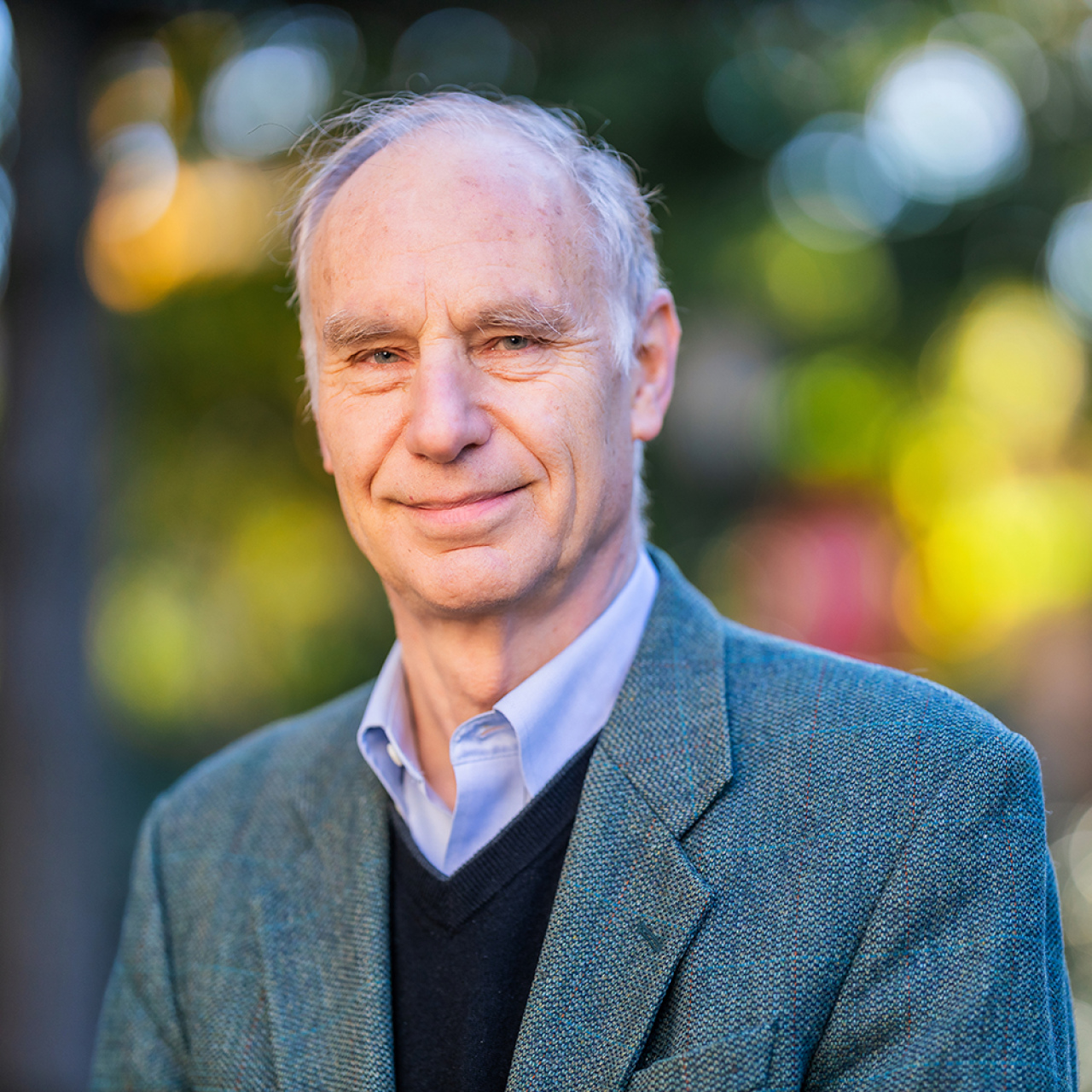
Dr. Lionel Jayaraj is a Lecturer in Games (Visual Effects and Animation) at the University of Bedfordshire's School of Computer Science and Technology. An independent Oculus Game developer with industry experience (2011-2014) and engineering background, he holds a PhD and MRes in Virtual Reality Games from University of Bedfordshire, PGCHPE from Staffordshire University, and a Bachelors of Engineering and Technology from Pondicherry University. His research focuses on Serious Games using Extended Reality (AR, VR, MR), aiming to inspire the next generation of game developers and advance VR through innovative pedagogy. His work bridges gaming technology with practical applications in training and education. Dr. Jayaraj's recent publications explore immersive sports simulations, AI in game development, and performance capture technologies, demonstrating a consistent focus on enhancing user experience through technological innovation.
Lily Rui Liang is a Professor and Director of the MSCS Program in the Department of Computer Science and Information Technology at the University of the District of Columbia (UDC), School of Engineering and Applied Sciences. She joined UDC in 2004 after completing her Ph.D. at the University of Nevada, Reno. Her educational background includes: Ph.D. in Computer Science and Engineering, University of Nevada, Reno Dr. Liang's research spans cybersecurity , digital image processing , artificial intelligence , and computer science education , with a dedicated focus on broadening participation in computing . Her technical work includes deepfake detection and reinforcement learning for cybersecurity, while her educational innovations develop inclusive curricula for commuter and underrepresented students through Minecraft, robotics, and service learning. Analysis of her recent publications (2024-2018) shows a strategic evolution from core AI/image processing research toward educational interventions, particularly addressing commuter student engagement in urban settings while maintaining technical contributions in multimedia security and deep learning. Her scientific awards and honors include: Fellow of Center for the Advancement of STEM Leadership (CASL) (2019-2020) Fellow of Opportunities for UnderRepresented Scholars (OURS) (2014) Outstanding University Service Award from School of Engineering and Applied Sciences, UDC (2014) Myrtilla Miner Faculty Fellow (2012-2013) Frontiers of Engineering Education (FOEE) Conference participant, NAE (2011) Project Kaleidoscope (PKAL) Summer Leadership Institute participant (2011) Preparing Critical Faculty for the Future (PCFF) program participant (2011) Dr. Liang serves as Co-PI on multiple NSF grants including the UDC-CSEC-ENGAGE Project ($399,924, 2024-2027) for cybersecurity workforce development, CUE-T: HBCU Learning Community ($654,004, 2023-2026), and the AI-CyS Research Partnership ($152,350, 2021-2024) with six HBCUs and national labs. Her mentorship is evidenced through extensive curriculum development projects targeting K-12 and undergraduate students, particularly women and commuters. She leads the MSCS program and coordinates the AI-CyS consortium researching video authentication and autonomous cybersecurity agents, establishing UDC as a hub for HBCU cybersecurity education and AI research.
Karen Stock is an Associate Professor of Business at Walsh University, where she has been since 2010. She holds a Doctor of Management (D.M.) from Case Western Reserve University, a Master of Arts in Management from Walsh University, and a Bachelor of Science from Miami University. Her primary research focuses on experiential learning, cross-cultural management, and ethical leadership, emphasizing practical application in both academic and workplace settings. Dr. Stock teaches courses in sustainability, cross-cultural management, and ethical leadership. She is also a Research Fellow at the Weatherhead School of Management at Case Western Reserve University. Her work explores innovative pedagogical methods, including equine-assisted learning and design thinking, to deepen student engagement and real-world relevance. She frequently presents at conferences such as the Academy of Management and the Management and Organizational Behavior Teaching Conferences. Her publications span journals like OD Practitioner and Journal of Education for Business , focusing on experiential learning metrics, global virtual teams, and sustainable construction practices. She actively contributes to the Experiential Learning Community of Practice, advocating for immersive educational strategies. Dr. Stock’s career combines academia with industry experience in multinational marketing and product development, enriching her teaching with practical insights. She is committed to fostering ethical leadership and sustainable business practices through innovative curricula and collaborative research initiatives.
Dr. Kieran O'Halloran is a Reader in Applied Linguistics at King's College London, based in the School of Education, Communication & Society within the Faculty of Social Science & Public Policy. He holds a BA from the University of Cambridge and a PhD in Applied Linguistics from University College London. His research focuses on critical thinking, posthumanism, and digital pedagogy, integrating corpus linguistics and posthumanist theory. Key interests include creative teaching methods, digital text analysis, and the intersection of technology with education. He teaches modules such as 'Critical Posthumanism, Digital Data' and 'Film, Poetry, Style' in the BA English Language and Linguistics program. O'Halloran's work emphasizes innovative approaches to literary interpretation using AI and digital tools, as seen in his recent articles on AI-driven creative analysis and posthumanist stylistics. He leads initiatives like the King’s Festival of Artificial Intelligence, exploring AI's role in education and creativity. His research is affiliated with the Research Centre for Language, Discourse & Communication, focusing on descriptive linguistics and applied linguistic practices. Publications include books like Posthumanism and Deconstructing Arguments (2017) and Posthumanism and Corpus Linguistics (2022), alongside peer-reviewed articles in Language and Literature and Discourse, Context & Media . His pedagogical contributions highlight digital literacy and creative problem-solving in higher education.
Linda J. Graham is a Professor at Queensland University of Technology (QUT) and Director of the Centre for Inclusive Education (C4IE). Her research focuses on education policy, disruptive student behavior, and inclusive pedagogies. PhD, Master of Education, and Bachelor of Arts from QUT and Macquarie University Chaired the 2020 Inquiry into Suspension, Exclusion and Expulsion Processes in South Australia Her work explores the intersection of inclusive education , student voice , and teacher-student relationships . She advocates for systemic reform to address overrepresentation of Indigenous and disabled students in exclusionary discipline. Recent publications highlight accessible assessment redesign , equity in education , and student perspectives on discipline . Notable awards include the Spencer Foundation Mentorship Excellence Award (2021) and Macquarie University's Early Career Researcher of the Year (2011). Scientific Awards: Spencer Foundation Mentorship Excellence Award (2021) Macquarie University Early Career Researcher of the Year (2011) Paul Bourke Award (2011) She supervises PhD and professional doctorate students in projects related to language disorders , student voice , and curriculum adjustments . Her leadership extends to the AARE Inclusive Education Special Interest Group and collaborations with institutions like Speech Pathology Australia and the QCAA.
Paul L. Harris is the Victor S. Thomas Professor of Education at Harvard University's Graduate School of Education. He holds a D.Phil. from Oxford University (1971) and specializes in cognitive, emotional, and imaginative development in children. His research examines how children evaluate testimony about domains like history, science, and religion, focusing on their trust in others' claims versus firsthand observation. Key publications include *Trusting What You're Told: How Children Learn from Others* (2012, Harvard UP), exploring children's reliance on testimony. His work spans developmental psychology, epistemology, and cultural learning. He has served on editorial boards for journals like *Child Development* and is a Fellow of the British Academy. Notable awards include the 2017 APS Mentor Award and the 2009 William Thierry Preyer Award. He is affiliated with the British Academy, the Norwegian Academy of Science and Letters, and the Max-Planck-Institut für Evolutionäre Anthropologie. Currently retired from advising doctoral students, he remains active in research and publishing. Education: D.Phil. in Psychology, Oxford University (1971) Research Themes: Testimonial learning, imagination's role in cognition, moral development, cross-cultural emotional understanding Recent Work: Investigating children's skepticism of adult claims, the impact of religion on belief systems, and the development of empirical reasoning Grants & Fellowships: Recipient of the Guggenheim Fellowship (2005) and Fellow of the Center for Advanced Study in the Behavioral Sciences (1992). Collaborates with institutions like the Living Laboratory® for museum-based research.
Distinguished Professor Larissa Hjorth is a digital ethnographer and ARC Future Fellow leading research on mobile media, grief, and ageing at RMIT University's School of Media & Communication. Her work explores intergenerational connection, digital kinship, and loss in the Asia-Pacific. She has directed major initiatives like the Design & Creative Practice ECP Platform and co-founded the Digital Ethnography Research Centre (DERC). With over $8M in grants, she collaborates with ACMI, Intel, and international networks like Aging in Data. She supervises 20+ PhD students and advises global grief research networks. Recent projects include studies on QR codes in public spaces, co-designing ICT strategies for older adults, and digital rituals around death. Research interests span mobile media ethnography, playful urban design, and ethical digital practices. Her ARC Future Fellowship (2023-2027) investigates mobile media mourning rituals, while her Aging in Data project examines older adults' data experiences. Teaching spans 20 years across design, art, and media disciplines. Awards: ARC Future Fellowship, Japan Foundation Fellowship, Asialink Residency Key Collaborations: SSHRC (Canada), Concordia University, DORS (death online network) Labs: DERC, Museum Digital-Social Futures project Grants: 7+ ARC grants, Young and Well CRC, CCI CoE Notable outputs include works on pandemic-era QR code placemaking, WeChat's role in intergenerational care, and co-designed risk strategies for older adults' ICT use. Her creative projects like The Children's Sensorium blend art and mindfulness to support youth well-being.
Rosemary Fisher is a Senior Lecturer in Entrepreneurship and Innovation at Swinburne University of Technology's School of Business, Law and Entrepreneurship. She holds a PhD from Swinburne and multiple advanced degrees in business and arts disciplines. Her career spans academic leadership roles including Head of Commerce at Box Hill Institute and Course Director for the Master of Entrepreneurship at Swinburne. Fisher combines teaching with impactful research in entrepreneurship education, higher education pedagogy, and innovative teaching strategies like flipped learning. Education: PhD, Swinburne University of Technology MBA, University of Melbourne Master of Business (Professional Accounting), Victoria University Bachelor of Arts, Canberra College of Advanced Education Research Interests: Focuses on pedagogical innovations such as flipped learning's impact on student outcomes, entrepreneurial resilience, and strategies to enhance teacher status. Active in curriculum design for entrepreneurship programs and digital education solutions. Current projects explore AI's role in business education and EFL teaching methodologies. Awards: 2017 Faculty Teaching Excellence Award Academy of Management Distinguished Reviewer (2012, 2014) 2011 Outstanding PhD Thesis Award Grants & Projects: Lead researcher on initiatives addressing teacher retention, aged care feedback systems, and migrant business training. Recent grants include "$60K for AI in Entrepreneurial Education" and "$45K for EFL Flipped Learning Research". Professional Engagement: Editorial Board member for Active Learning in Higher Education and Journal of Effective Teaching . Serves on international committees for entrepreneurship education and pedagogical innovation. Active in policy development for social entrepreneurship and educational technology adoption.
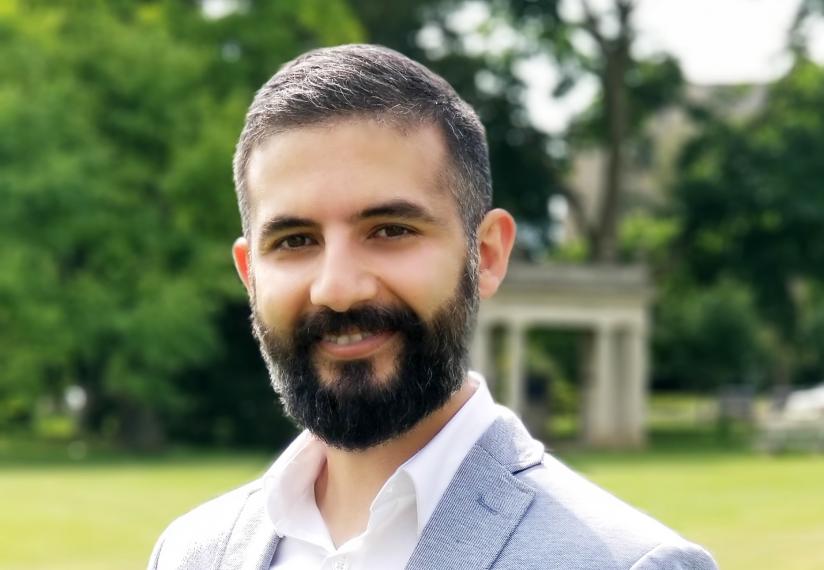
Afshin Ashari is an Assistant Professor in Landscape Architecture at the School of Environmental Design and Rural Development , University of Guelph. Prior to academia, he worked at BrookMcIlroy Inc., an interdisciplinary firm in Toronto, on architectural and landscape projects in public and private sectors. Education : Masters in Landscape Architecture, University of Toronto Bachelor of Computer Engineering, Azad University of Tehran Research Interests : Afshin explores the intersection of computational design and mixed-reality environments, focusing on: Art-Technology Unity in Public Spaces Algorithmic and Parametric Modeling Data-Driven Design Approaches Interactive Immersive Environments Biophilic Design Agricultural Urbanism Article Trends : His publications emphasize: AI tools for design processes Parametric modeling in urban rehabilitation Climate change communication via social media Drones for visual impact assessments Augmented reality in public spaces Historical and future-oriented design frameworks
Robert Kaplan is an Advanced Senior Lecturer and Associate Director at Stony Brook University’s Program in Writing & Rhetoric, affiliated with the College of Arts and Sciences and Department of English. His work bridges academic writing pedagogy, writing transfer studies, and interdisciplinary research in Euro-American intellectual history, early American literature, queer theory, and poetry. Fields of Interest: Writing in the disciplines, writing transfer, eighteenth-century rhetoric, queer theory, HIV-related public health research. Research & Grants: Co-PI for the Writing Research Lab (2017–present), focusing on writing skills for non-native English speakers and cross-curricular transfer. Collaborated on NIH-funded workshops (D43TW000233) in Kyiv, Ukraine (2013). Scientific Awards: New York State English Council Mini-Grant (2017–18) Presidential Mini-Grant for Diversity Initiative (2016) FAHSS Interdisciplinary Award (2014) Presentations & Contributions: Active in conferences on writing pedagogy, including the Conference on College Composition and Communication, and interdisciplinary studies of moral philosophy and early American literature.
Dr. Eirini Sanoudaki is a Professor in Linguistics (Bilingualism) at Bangor University's School of Arts, Culture and Language. She specializes in language development in monolingual and bilingual children, particularly those with developmental conditions such as Down syndrome, Rett syndrome, and neurodiverse populations. Her research focuses on bilingualism's impact on cognitive and linguistic skills in atypical development. She leads the Child Bilingualism Lab and has secured UKRI funding for projects like 'Language Development in Welsh-English bilingual children with Down syndrome and autism.' She is a Senior Fellow of the Higher Education Academy and Director of Postgraduate Research and Welsh Language Matters in her school. Education: BA in Philology (National and Kapodistrian University of Athens), PhD in Linguistics (University College London), MA in Linguistics (University of Reading). Research Interests: Bilingualism, neurodiversity, child language acquisition, developmental disorders, and the intersection of language and cognitive skills. She collaborates with organizations like the Down's Syndrome Association and explores innovative methods like creative techniques in language learning. Her work has been recognized with the 2021 National Work Welsh Award for promoting Welsh in the workplace. Grants & Projects: Includes ESRC Wales DTP grants, Impact Acceleration Awards, and Welsh Crucible grants. She supervises numerous PhD students studying bilingualism in neurodiverse populations. Recent publications address bilingualism in Rett syndrome, executive function in bilingual children, and Welsh-English language profiles in Down syndrome. Labs/Teams: Heads the Bangor University Child Bilingualism Lab, which investigates bilingualism's role in neurodiverse contexts. Engages in outreach through public lectures and workshops for families and educators.
Raphaël Baroni is an Associate Professor of Teaching French as a Foreign Language at the School of French as a Foreign Language (EFLE), Faculty of Arts, University of Lausanne (UNIL). He has held this position since August 1, 2011, and has been actively involved in research and academic collaboration since 2005. He previously taught at the University of Michigan and conducted research at the Center for Research on Arts and Language (EHESS-CNRS) in Paris. His research centers on narratology, particularly narrative tension, plot dynamics, focalization, and transmedial storytelling, with a strong emphasis on the didactic applications of narrative theory in language learning. He aims to develop a general narrative theory while exploring its role as a reflective and pedagogical tool in French language acquisition. His work bridges literary theory, cognitive narratology, and language pedagogy. The recent scholarly output shows a consistent focus on narrative theory, especially in graphic narratives and transmedia contexts. His publications explore narrative pacing, segmentation, immersion, and the teaching of narrative concepts. There is a clear trend toward interdisciplinary research, connecting narratology with media studies, education, and cognitive science. Raphaël Baroni founded the French-speaking Narratology Network (RRN) and co-founded the Research Group on Language Biographies (GReBL) to strengthen interdisciplinary collaboration among Francophone scholars. These initiatives reflect his commitment to building academic communities around narrative studies. He has not received any scientific awards mentioned in the source material, and no information is available about advising students or securing research grants. His work is primarily theoretical and pedagogical, with a strong publication record in narratology and French language education.
Klára Trencsényi is a Visiting Professor of Practice at the Undergraduate Program of Central European University (CEU), appointed since 2020. A prominent figure in documentary filmmaking, she holds a qualification in Directing Photography from the Hungarian Film Academy, Budapest, and a degree in Spanish Philology from Eötvös Loránd University. Her work focuses on social and creative documentaries, blending artistic vision with socio-cultural critique. Member of faculty at CEU’s Undergraduate Program Lecturer at Budapest’s Metropolitan University (since 2017) Her documentaries, including Train to Adulthood and Corvin Variations , have screened globally at festivals like IDFA Amsterdam, Margaret Mead Festival (NY), and Sarajevo Film Festival. She has received grants from the European Union’s Creative Media Program, Visegrad Fund, and Nipkow Fellowship Programme, as well as participation in prestigious workshops like DocsBarcelona and Berlinale Talent Campus. As an educator, she teaches documentary writing, directing, and film presentation at CEU, Budapest Technical University, and Anderson Art Lab. She co-founded the DunaDOCK Creative Documentary Development Forum to support emerging filmmakers. Awards: Recognized for Train to Adulthood (unspecified honors) Grants: European Union Creative Media Program, Visegrad Fund, Nipkow Fellowship
Bjørg Dale is a Professor at the Department of Health and Nursing Sciences at the University of Agder, Norway. She is affiliated with the Center for Care Research, South and holds a PhD in Nursing Science from the University of Oslo (2009) for her work on compensatory care in older adults. Education: PhD in Nursing Science (2009), University of Oslo Clinical experience: Nurse and leader in municipal and specialist health services since 1978 Research Focus includes ageing research, elderly care, municipal health services, and holistic patient processes. Her work emphasizes transitions between hospital and home care, nursing competence, and self-care among older adults. Publication Trends show a focus on nursing competence in municipal acute care, psychometric validation of healthcare instruments, telemedicine applications, and quality of life in elderly populations. Key methodologies include cross-sectional and qualitative studies. Collaborations span institutions like the University of Oslo and South Eastern Norway Regional Health Authority. She contributes to nursing education reform and policy discussions on elderly care challenges. Contact: Email bjorg.dale@uia.no | Office: C4060, Jon Lilletuns vei 9, 4879 Grimstad, Norway
Dr hab. Krzysztof Węcel serves as Professor and current Head of the Department of Economic Informatics at Poznan University of Economics and Business (UEP), appointed on October 4, 2024. His primary affiliation spans over 25 years with UEP's Department of Economic Informatics, which maintains one of Poland's longest-running academic websites since 1998. He holds dual recognition through habilitation from University of Potsdam (2020) and professorship conferred by UEP (June 24, 2020). His academic milestones: Habilitation degree in Economic Informatics, University of Potsdam (2020) Professor title, Poznan University of Economics and Business (2020) Węcel's research centers on Semantic Technologies and data quality assessment across multilingual Wikipedia, with emphasis on company information verification, citation analysis, and open data applications. His work bridges Big Data analytics with practical business solutions, particularly in maritime logistics where he pioneered evolutionary algorithm-based AIS data processing. Current investigations focus on generative AI's dual role in creating and combating disinformation, including ChatGPT's impact on academic writing and fake news propagation. Recent publications (2022-2025) reveal three dominant trends: First, systematic analysis of Wikipedia's reliability across languages during crises like the pandemic and Ukraine war. Second, development of AI-driven fact-checking frameworks (e.g., OpenFact project's CLEF 2023 victory). Third, exploration of generative AI's societal impact ranging from student creativity to disinformation campaigns. Scientific awards received: Best Paper Award at ICIST 2017 Conference Award for most innovative article at NATCON 2018 conference Microsoft Azure for Research Award (2016) As academic advisor, he leads the 'Semantic Technologies' diploma seminar attracting high-achieving students, with participants winning the 29th UEP Foundation Competition (2025) and Eurostat's Web Intelligence Challenge (2024). His grant portfolio includes the 'Maritime Big Brother' project (2017) for ship voyage prediction using AIS data and Microsoft Azure funding for Wikipedia quality enhancement. Ongoing initiatives include OpenFact (fake news detection) and GOBLIN projects. He actively collaborates with SKN Data Science student circle (evidenced by 2024/2025 inaugural meeting) and international consortia like CLEF and QOD workshops. Departmental leadership involves managing the OpenFact research team that achieved top results in CheckThat! Lab competitions, alongside maritime data analytics groups applying evolutionary algorithms to shipping networks.