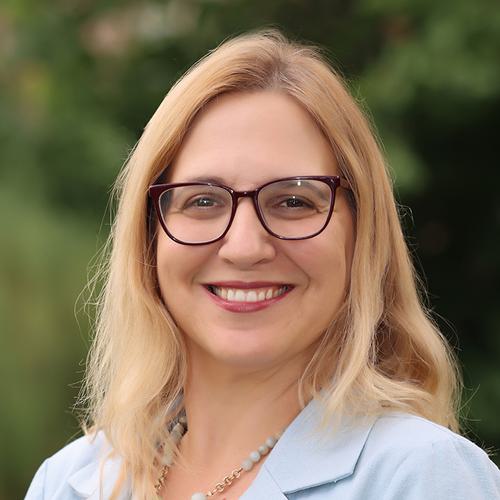
Tore Slaatta is a Professor of Media Studies at the University of Oslo (UiO) and holds a Professor II position at the Department of Archives, Library and Information Science (ABI) at Oslo Metropolitan University (OsloMet). He is also an Honorary Research Fellow at the Centre for Cultural Policy Research at the University of Glasgow. With extensive experience in media and cultural research, he has led major projects for institutions like the Research Council of Norway, the Norwegian Media Authority, and the Fritt Ord Foundation.
Albéric Tellier is a University Professor of Innovation Management at Paris Dauphine University , part of PSL University . A Doctor of Management Sciences, he is affiliated with the M-Lab research team at the DRM (Decision Risk and Information Management) research center (UMR CNRS 7088). Research Focus: Innovation strategies and organizational dynamics, including corporate failure, industry evolution, and social network analysis. Methodology: Historical case studies (pinball, Kodak, music industry) and theoretical frameworks. Publication Trends : Recent articles analyze technological disruption (Kodak), ecosystem alignment , and social network roles in innovation streams . His work spans strategic management, business models, and institutional pressures. Labs/Teams : Active member of the M-Lab team at DRM, focusing on innovation management and organizational theory. His research bridges empirical and theoretical contributions, often in collaboration with scholars like Frédéric Simon and Marc Malherbe.
Keith E Byerman is a Professor in the English Department of the College of Arts & Sciences at Indiana State University, where he has been a faculty member since 1986. His scholarly work focuses on African American literature and culture, with particular emphasis on race, gender, and historical representation across multiple literary periods. His educational background includes a BA from Anderson College and a PhD in English from Purdue University (1978), following prior teaching positions at the University of Texas, University of Vienna, and Columbus College. Byerman's research demonstrates deep engagement with African American literary traditions, examining mixed-race identity in Chesnutt and Gaines, lynching narratives in Wideman and Forrest, and gender dynamics in McCullers' work. His scholarship bridges 18th-century foundations with contemporary postmodern explorations, consistently interrogating how literature processes historical trauma and constructs racial identity. His publication trends reveal sustained focus on African American short fiction and author studies, with recent work analyzing Ellison's narrative techniques and Wideman's experimental storytelling. The interdisciplinary nature of his research connects literary analysis with critical race theory, gender studies, and historical scholarship. Awards and honors include: Darwin Turner Scholarship Award, African American Literature and Culture Society (2019) Theodore Dreiser Distinguished Research and Creativity Award, Indiana State University (2014) Sylvia Rendell Award for Scholarship, Charles Chesnutt Association (2008) First-Year Experience Teaching Award, ISU Residential Life (2008) Theodore Dreiser Research/Creativity Award, Indiana State University (2004) Byerman has secured significant external funding including a $196,000 NEH grant for 'Ernest Gaines and the Southern Experience' (2016), Japan Foundation support for comparative African American studies, and multiple ISU research grants. His grant work frequently explores transnational perspectives on race, particularly US-Japan academic collaborations. University service includes chairing the Joseph S. Schick Committee (1989-2025) and serving as Interim Department Director (2014-2015). He maintains active community engagement through board memberships with Farrington Renaissance CDC and Friends of Historic Allen Chapel, while continuing scholarly contributions as a peer reviewer for major academic presses and journals.
Lív Maria Róadóttir Jæger serves as a Lecturer in Creative Writing at the Faculty of Faroese Language and Literature, University of the Faroe Islands. Holding a Master of Arts in Philosophy from the University of Copenhagen, she is an influential contemporary poet whose experimental works bridge academic philosophy and artistic practice through innovative multimedia formats and public interventions. Her academic background includes: Master of Arts (mag.art.) in Philosophy, University of Copenhagen (awarded March 5, 2012) Jæger's creative practice centers on poetry and phenomenology, manifested through radical experimentation with form and medium. She pioneers techniques including xerographic poetry, pergament manuscripts, lithographic texts, and multimedia installations that transform philosophical concepts into tangible artistic experiences. Her work consistently engages with urgent contemporary issues—from Gaza conflict commentary to social media critique—while celebrating the expressive potential of the Faroese language through fragmented syntax, multilingual elements, and material innovation. Analysis of her 2022-2025 publications reveals a cohesive trajectory toward interdisciplinary collaboration and expanded poetic forms. Through the SUPERVISJÓN collective, she has systematically dismantled poetry's traditional boundaries, producing street interventions, textile art, sound installations, and digital works that challenge conventional distinctions between literature, visual art, and public space. This body of work demonstrates remarkable thematic consistency in addressing political power structures, psychological states, and environmental concerns while maintaining deep roots in Faroese linguistic and cultural identity. No scientific awards or fellowships were documented in the available information. In her academic capacity, Jæger teaches creative writing within the Bachelor of Arts in Creative Arts program and has co-edited student anthologies like RITLIST II: Antologi (2023). She has contributed to institutional development through consultancy work on sustainability recommendations for the University of the Faroe Islands (2021), demonstrating engagement beyond traditional academic boundaries. While formal graduate students aren't listed, her editorial work indicates active mentorship of emerging Faroese writers. Jæger's primary creative ecosystem is the SUPERVISJÓN collaboration, which functions as both artistic laboratory and cultural platform. This collective enables her poetry to transcend the page through annual Ólavsøkuframsýningin exhibitions, transforming public spaces with wall poems, textile installations, and multimedia performances that engage the Faroese community in contemporary artistic discourse.
Robert Hamilton is a Professor in the Department of Communication Studies & Media Arts at McMaster University's Faculty of Humanities in Hamilton, Canada. With an extensive career as both an academic and practicing artist, he has established himself as a significant figure in contemporary media arts education and creation since joining McMaster University. Hamilton holds dual MFA degrees from the Art Institute of Chicago and the Jan van Eyck Academie in Maastricht, Netherlands, complemented by a Diploma from the Alberta College of Art + Design. His academic journey spans from 1981-1985 at the Alberta College, followed by advanced studies from 1991-1993 at the Jan van Eyck Academie. His research and creative practice centers on visual media with particular focus on video art, photography, and animation. Hamilton's work consistently explores themes of identity, community, and the evolving urban environment, often reflecting on societal events and contemporary issues. His artistic approach combines technical mastery with conceptual depth, resulting in works that challenge viewers' perceptions of everyday spaces and social structures. He has developed a distinctive methodology that blends documentary techniques with artistic interpretation, creating works that are simultaneously observational and transformative. Hamilton's recent body of work demonstrates a clear trajectory toward examining human relationships with urban spaces, particularly during times of societal transformation like the pandemic. His projects increasingly incorporate digital technologies and AI elements while maintaining a strong foundation in traditional media arts. The thematic continuity across his work reveals a persistent concern with how individuals navigate and make meaning within constructed environments. German Video Art Prize Silver Hugo Award at the Chicago Film Festival Work featured in National Gallery of Canada collection As an educator, Hamilton has mentored numerous students through senior thesis projects and specialized courses in media production. His teaching portfolio spans animation, video art, digital cinema, photographic techniques, and emerging media. While specific grant information isn't detailed in the available materials, his sustained creative output suggests successful acquisition of research funding to support his artistic practice. His work has been exhibited internationally at venues including Maison des Arts de Laval, Museum of Contemporary Art in Castello, Spain, and Transmediale in Berlin. Hamilton maintains an active studio practice that directly informs his teaching approach. His creative process involves both digital and traditional techniques, often experimenting with the intersection of physical and virtual spaces. He has developed specialized approaches to documenting urban environments that reveal hidden patterns and structures within everyday landscapes, creating what might be described as visual commentaries on contemporary life.
Dr. Jun Hu is an Associate Professor in Design Research on Social Computing at the Department of Industrial Design, Eindhoven University of Technology (TU/e). He serves as the Scientific Director for the Engineering Doctorate program in Designing Human-System Interaction and is the chair of the working group "Aesthetics and empowerment" of IFIP TC14. Additionally, he holds positions as a Distinguished Adjunct Professor at Jiangnan University and a Guest Professor at Zhejiang University. Dr. Hu earned his Ph.D. degree in Interaction Design and an Engineering Doctorate degree in User-system Interaction, both from TU/e. He also holds a B.Sc degree in Mathematics and an M.Eng degree in Computer Science. He is a System Analyst and a Senior Programmer with qualifications from the Ministry of Human Resources and Social Security, and the Ministry of Industry and Information Technology of China. His research focuses on the intersection of Human-Computer Interaction, Social Computing, and Design Research, with particular interests in data physicalization, empowering systems, and health informatics. Dr. Hu's work explores how technology can be designed to support human needs in social contexts, with applications in health, stress management, and physical activity motivation. His approach often combines aesthetic considerations with functional design to create systems that empower users. Analysis of Dr. Hu's recent publications reveals a strong focus on data physicalization, social aspects of personal informatics, and health applications of interactive systems. His work spans from theoretical frameworks for understanding user interaction with physicalized data to practical applications in stress management for children and motivation for physical activity. There's a clear trend toward integrating AI capabilities into human-centered design approaches while maintaining a focus on user empowerment. Senior Member of ACM Distinguished Adjunct Professor at Jiangnan University Guest Professor at Zhejiang University Editor-in-chief for EAI Endorsed Transactions on Pervasive Health and Technology Associate editor for Behaviour & Information Technology and Entertainment Computing Editor for the International Journal of Arts and Technology Dr. Hu has supervised numerous students through the Engineering Doctorate program and has been involved in various research grants, particularly in the areas of health technology and human-system interaction. He has served in leadership roles including head of the Designed Intelligence group at ID TU/e from 2015-2017 and currently chairs the working group "Aesthetics and empowerment" of IFIP TC14. He coordinates the TU/e DESIS Lab in the DESIS Network and serves on multiple editorial boards. Dr. Hu is actively involved with the Design Of Empowering Systems research group and the EAISI Health initiative at TU/e. His work often involves interdisciplinary collaboration across computer science, design, and healthcare domains, focusing on creating systems that empower users through thoughtful integration of technology into everyday contexts. He also serves as Chairman of the Foundation for Design Promotion in Europe and China and is a board member of the International Chinese Association of Computer Human Interaction (ICACHI).
Dimitris Papanikolaou serves as the John L. & Helen Kellogg Professor of Finance at Northwestern University's Kellogg School of Management and is a Research Associate of the National Bureau of Economic Research (NBER). His research critically examines the nexus between technological innovation and financial markets, with recent contributions spanning intangible capital measurement, innovation's impact on labor dynamics, executive markets, and financial frictions. Education: PhD in Financial Economics, Massachusetts Institute of Technology (2007) MS in Finance and Economics, London School of Economics (2001) BA in Economics and Finance, University of Piraeus (2000) Papanikolaou's research program centers on Asset Pricing , Macroeconomics , Innovation , Economic Growth , and Intangible Capital . He pioneers methodologies for quantifying innovation through textual analysis of patents while investigating how technological advances reshape financial markets and labor outcomes. His work reveals critical insights into human capital displacement, the economic value of intangibles, and the causal mechanisms linking financial constraints to innovation efficiency, employing rigorous empirical designs including natural experiments and administrative datasets. Analysis of his recent publications shows a pronounced interdisciplinary trajectory, merging finance, labor economics, and innovation studies through cutting-edge techniques like NLP and big data analytics. Key thematic clusters include AI's labor market effects (examining task exposure and wage dynamics), creative destruction measurement (using text-based innovation displacement metrics), and intangible capital's macroeconomic role (exploring firm scope, concentration, and growth implications). These works consistently establish causal relationships through exogenous variation in innovation shocks and patent data. Scientific recognition includes: Kellogg Research Mentorship Award Best Paper Award, London Business School Finance Symposium (2018) Best Paper Award, Red Rock Finance Conference (2017) Crowell Memorial Prize (second place), Panagora Asset Management Amundi Smith Breeden Prize, American Finance Association (2014 and 2013) Roger F. Murray Prize (second place), The Q Group (2011) As Co-Editor of the Journal of Financial Economics and former editorial board member for Management Science, the Journal of Finance, and the Review of Financial Studies, Papanikolaou shapes scholarly discourse in finance. His mentorship excellence—recognized by the Kellogg Research Mentorship Award—demonstrates commitment to developing next-generation scholars, though specific grant details remain undisclosed in available materials. Collaborative research networks with leading economists like Kogan, Schmidt, and Eisfeldt drive his high-impact publications. Papanikolaou's research ecosystem involves extensive collaboration with interdisciplinary teams leveraging computational methods for innovation measurement. Current projects focus on AI-labor market interactions and intangible capital dynamics, often utilizing proprietary patent datasets and administrative worker records to generate policy-relevant insights about technological disruption and market efficiency.
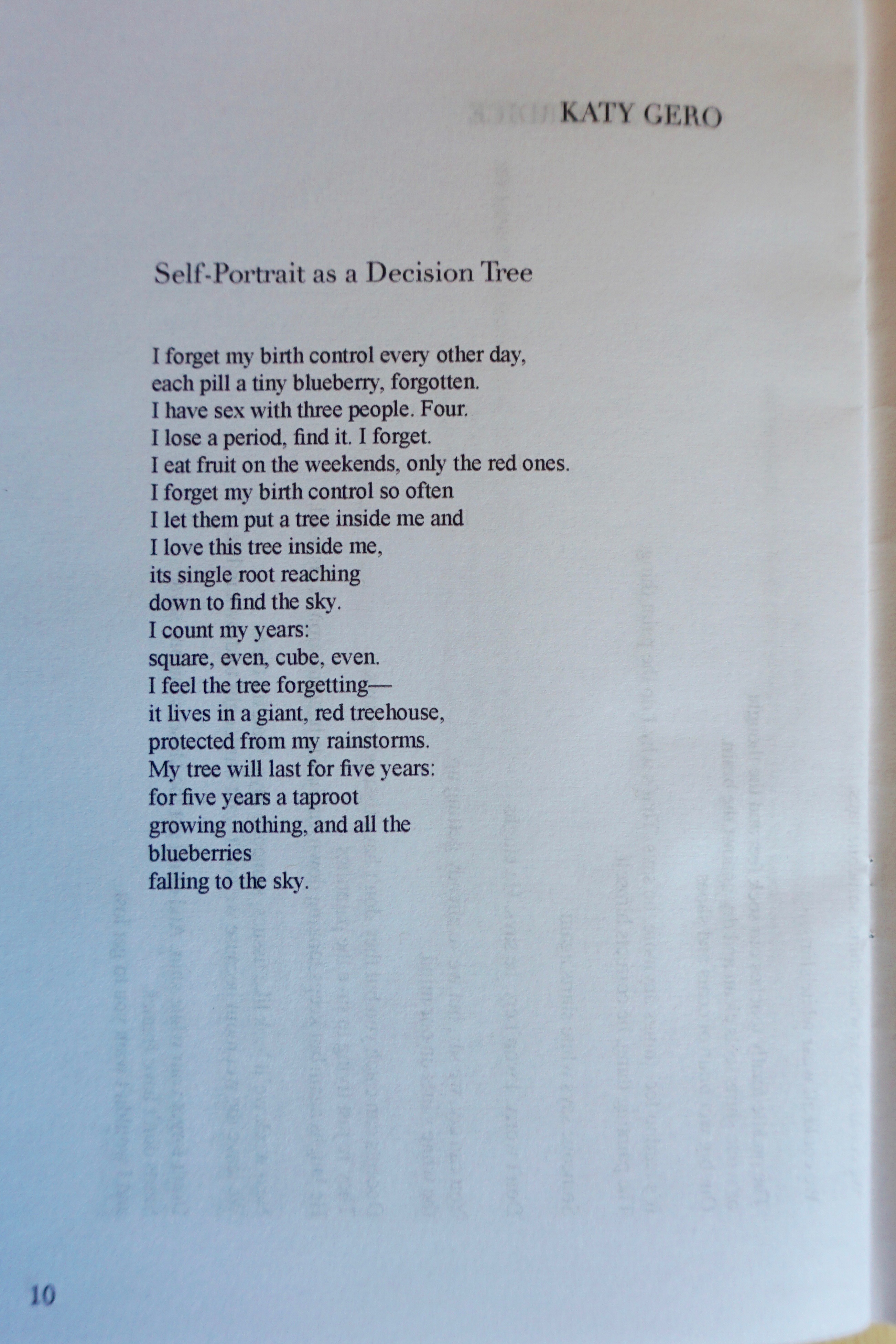
Katy Ilonka Gero is a Lecturer at the School of Computer Science, University of Sydney , with prior postdoctoral roles at Harvard University and the Library Innovation Lab. She holds a PhD in Computer Science from Columbia University (2022) and a BS in Mechanical Engineering from MIT (2017). Education : PhD in Computer Science (Columbia University, 2022); BS in Mechanical Engineering (MIT, 2017) Her research focuses on Human-Computer Interaction in creative domains, particularly how language models impact creative practice, ownership, and learning . She develops community-driven AI models through co-design with creative communities and investigates ethical data governance practices. Recent work includes designing interactive writing tools for metaphor creation and exploring the social dynamics of AI support in writing . The 15 most recent articles reflect trends in AI-augmented creativity (Metaphoria, CHI 2019), AI ethics (Nature Machine Intelligence 2023), and human-AI collaboration (CHI 2020 Best Paper). These works span language model evaluation , creative ownership , and technical innovations in soft robotics (2012) and science communication (2021). Scientific Awards : NSF Graduate Research Fellowship Brown Institute for Media Innovation Grant Amazon Research Award Best Paper - CHI 2025 Honorable Mention - CHI 2024 Best Paper - CHI 2020 As a poet and essayist , she co-edits Ensemble Park , a human-computer co-writing magazine, and authored the dynamic poetry book The Anxiety of Conception (2025). Her grants include support from the National Science Foundation , Brown Institute , and Amazon . For technical details, visit her personal website or GitHub.
Justin Harvey is a Lecturer at the University of Technology Sydney (UTS) within the Faculty of Design, Architecture and Building, specializing in Media Arts and Production. He is an active member of the Creative Practice Research Group and serves on the Faculty Board and Faculty Research Committee. Harvey holds a PhD in Media Art & Design from the University of New South Wales and a Bachelor of Arts in Communication (Media Arts & Production) with First Class Honors from UTS. Harvey's research interests focus on creative uses of generative Artificial Intelligence, experimental approaches to media art making, and creative practice led research. His artistic practice spans moving image, installation, and virtual reality experiences, with a particular fascination for human-machine interaction and the creative potentials of digital technologies. He explores glitch aesthetics, digital video feedback, and imagery generated using diffusion models, often collaborating with AI systems in unexpected ways. Harvey has exhibited his work internationally at venues including VIVID Sydney, ISEA (International Symposium on Electronic Art) in Vancouver, Hong Kong, and South Korea. His 2023 collaboration with generative AI, Unprompted Studies 1-3 , was a finalist in the Fisher's Ghost Art Award. In 2024, he was selected as a Scholar in the Sydney Powerhouse Museum's Research Scholars Program for the "Knit Forward" project, which reimagines historical garments using generative AI and seamless knitwear technology. His research on creative applications of GenAI directly informs his teaching in Experimental Media and Creative Project Development. Harvey has extensive studio-based teaching experience since 2010, covering subjects such as Situated Media Installation Studio, Drama Production, and Experimental Media. Fisher's Ghost Art Award (2023 finalist) Powerhouse Museum Scholars Program funding (2024) UTS ECR Capability Development Initiative funding (2024) FASS ECR Funding (2024) Harvey supervises PhD and Masters of Research students in creative practice research and has mentored hundreds of students through capstone projects in drama, documentary, animation, and media arts installation. His current research projects include collaborations with Dr. Doris Li on reimagining historical garments using AI, and exploring the intersection of Surrealist techniques with generative AI in works like Oneironaut , exhibited at VIVID Sydney 2025.
Dr Joanne Yoo is a Senior Lecturer in the School of Education within the Faculty of Arts and Social Sciences at the University of Technology Sydney (UTS). She specializes in teacher education with expertise in writing pedagogy, academic literacy, and qualitative research methodologies. Her academic profile demonstrates extensive engagement with pre-service teacher education across primary and secondary programs at UTS, where she has worked intensively in quality teacher education development. Joanne began her career teaching English and ESL to secondary students in South Korea, where she first explored autoethnography and narrative inquiry methodologies. Her educational background in teaching English and ESL formed the foundation for her current research trajectory focused on writing as inquiry and embodied practices in academic contexts. Her research centers on writing as inquiry and embodied practices in academic work, investigating how creative, poetic, and sensory-rich writing approaches can transform research and teaching. She challenges conventional academic writing norms by advocating for methodologies that bridge personal and professional knowledge through lived experience. Her book Evocative Qualitative Inquiry Writing and Research Through Embodiment and the Poetic (2022) provides a comprehensive framework for understanding writing as an aesthetic and embodied practice in academic research. Analysis of her publication record reveals consistent exploration of feminist research methodologies , time and temporality in academia , and the relationship between embodiment and knowledge production . Her work often examines the tensions between institutional demands and authentic academic practice, particularly how writing can serve as a transformative tool for both teachers and researchers navigating contemporary academic pressures. Joanne actively supervises Masters Research and PhD students and has secured significant research funding including 'A day in a life' of a child in Australia and Korea (2019-2026), the Claremont PBL project (2016-2017), and research on the Implementation of the New English K-10 Syllabus (2015-2017). Her collaborative work extends through the UTS Hub School partnership with Sydney primary schools, demonstrating her commitment to bridging theory and practice in teacher education with attention to how creative writing approaches enhance both teacher development and student learning outcomes.
Philipp Koehn is a Professor in the Department of Computer Science at Johns Hopkins University, with additional affiliation at the University of Edinburgh. His primary research focuses on statistical and neural machine translation, specifically developing methods to leverage large-scale digital information for cross-lingual communication. He leads the Machine Translation Research Group and maintains key resources like the Moses toolkit and Europarl corpus. His research interests span: Core machine translation techniques (statistical/neural approaches) Low-resource and unsupervised translation methods Cross-lingual representation learning Speech-to-speech translation systems Large-scale parallel data mining and alignment Evaluation methodologies for generated text Koehn's recent publications demonstrate strong focus on improving translation efficiency (dynamic compression, streaming models), robustness (noise handling, error correction), and accessibility (low-resource languages, radio speech processing). Key trends include multilingual generalization, document-level coherence, and human-centered evaluation. Significant scientific recognition includes: ACL Fellow (2024) IAMT Award of Honor (2015) European Inventor Award Finalist (2013) He currently advises PhD students Rachel Wicks, Elina Baral, Bismarck Odoom, and Weiting Tan. His Machine Translation Group develops widely-used open-source tools and organizes major conferences including WMT and MT Marathon.
Orit Shaer is a Professor and co-Chair of Computer Science at Wellesley College , where she founded and directs the Human-Computer Interaction (HCI) Lab . Her work bridges tangible interaction, human-AI collaboration, and mixed-reality interfaces, focusing on transforming work and learning environments through embodied technologies. Education : B.A. from Academic College of Tel-Aviv, M.S. and Ph.D. in Computer Science from Tufts University Research interests center on novel human-computer interaction paradigms : Human-AI collaboration frameworks Tangible and embodied interface design Mixed-reality applications for productivity Genomics collaboration tools STEAM education technologies Recent publications highlight human-AI co-creation (CHI 2024), temporal dynamics in automated work (CHIWork 2024), and pandemic-era remote interaction studies (IEEE Pervasive Computing 2021). Awarded: NSF CAREER Award Agilent Technologies Research Award Google App Engine Education Award Pinanski Prize for Excellent Teaching Best Paper Honorable Mention (ACM CHI 2014) Honorable Mention (CHIWork 2022) She co-founded the international CHIWork Symposium and chairs the ACM TEI conference. Her NSF IRES grant (2022) supports US-German collaboration on human-automation interaction.
Tobias Axelsson is a Senior Lecturer at Örebro University's School of Humanities, Education and Social Sciences, Department of Humanities, Education and Social Sciences. He holds a PhD in Gender Studies, which he defended in 2019 with his thesis "När män möts som pappor" (When men meet as fathers). Axelsson works both as a senior lecturer in Civics/Social Science and as a postdoctoral researcher in Gender Studies. His research interests focus on: Feminist perspectives on fatherhood, fathers, and fathering Gender and parenting support Gender and early childhood education and care Violence studies, particularly regarding men's attitudes toward female genital mutilation Axelsson is currently working as a postdoctoral researcher in the EU Horizon 2020 funded project RESISTIRÉ (2021-2024), which focuses on "Responding to Outbreaks through Co-creative Inclusive Equality Strategies." His research examines how fathering is constructed in gender-equal Sweden, particularly through his analysis of "fathering spaces" - social services directed to fathers on parental leave. He has contributed to international projects on men's parental leave, including reports for the EU Mutual Learning Programme in Gender Equality and an Austrian project on paternity leave. His scientific contributions include numerous publications on gender equality in preschool, feminist perspectives on fatherhood, and men's engagement in issues related to gender-based violence. Axelsson's research demonstrates a consistent focus on how gender norms shape parenting practices and institutional approaches to gender equality. Axelsson actively collaborates with various stakeholders: Participation in a national reference group on parenting support under the Swedish Agency for Family Law and Parenting Support since 2019 Lecturing at conferences on masculinity and gender equality Collaboration with municipalities like Askersund on gender equality work in preschool and school Providing expertise to County Administrative Boards on gender equality and parenting support He is affiliated with several research environments: Centre for Feminist Social Studies (CFS) CVS - The Centre for Violence Studies ReCEL - Research on Children's Education and Learning Critical Studies on Men and Masculinities Feminist violence studies
Jim Tørresen is a Professor of Computer Science at the Department of Informatics, University of Oslo, where he has been employed since 1999 (Associate Professor 1999-2005, Professor since 2006). He serves as group leader for the Robotics and Intelligent Systems (ROBIN) research group and is also a Principal Investigator at the Centre for Interdisciplinary Studies in Rhythm, Time and Motion (RITMO). His academic career includes visiting positions at Cornell University's Creative Machines Lab (2010-2011) and Kyoto University in Japan (1993-1994). His educational background includes a Dr.ing. (Ph.D.) in Computer Architecture from the Norwegian University of Science and Technology (1996) and an M.Sc. in Computer Architecture from the same institution (1991). Before his academic career, he worked in industry at Navia Aviation (1998-1999) and NERA Telecommunications (1996-1998). Tørresen's research spans artificial intelligence, robotics, and bio-inspired computing. His work focuses on biology-inspired algorithms, programmable logic (FPGA), robotics (simulation, prototyping, control), and human-robot interaction. He has made significant contributions to areas including evolutionary computing, reconfigurable hardware, and adaptive systems. His research often bridges theoretical computer science with practical applications in healthcare, music, and industrial settings. His recent publications demonstrate a strong focus on human-robot interaction, particularly in healthcare contexts for elderly care, as well as applications in sports science, musical robotics, and geological engineering. His work shows a consistent pattern of interdisciplinary research that combines machine learning techniques with domain-specific challenges. Tørresen has also authored a popular science book on artificial intelligence in the "what is" series by Universitetsforlaget, which discusses fundamental concepts, methods, future perspectives, and ethical aspects of AI. He has been active in academic leadership, serving as General Chair for the 22nd International Conference on Field Programmable Logic and Applications (FPL) in 2012 and the 9th Joint IEEE International Conference of Developmental Learning and Epigenetic Robotics in 2019. As group leader of ROBIN, he oversees research on intelligent systems that operate in dynamic environments requiring runtime adaptation. The group works at both fundamental and applied levels, using evolutionary algorithms for robot learning and machine learning techniques for classification and recognition tasks in various application domains.
Czarecah Tuppil Oropilla (Eya) serves as a Postdoctoral Researcher at Western Norway University of Applied Sciences (HVL) within the Department of Pedagogy, Religion and Social Sciences. She actively contributes to the KINDknow Centre for Systemic Research on Diversity and Sustainable Futures and co-leads the EX-PED-LAB project focused on pedagogical innovations in early childhood education. Her academic foundation includes a cum laude Bachelor's degree in Family Life and Child Development from the University of the Philippines and an internationally recognized Erasmus Mundus Master's degree in Early Childhood Education and Care, earned through a consortium of Oslo Metropolitan University, University of Gothenburg, Technical University Dublin, and University of Malta. Dr. Oropilla's research investigates intergenerational engagements between children and elderly adults, children's participatory rights, and social sustainability within Early Childhood Education and Care (ECEC) frameworks. Her work emphasizes collaborative explorations and co-creative pedagogical approaches to foster sustainable futures in diverse educational settings. Her 2024 publications reveal thematic cohesion around emergent ocean literacy through coastal explorations, playful co-creation tools for educators, and movement-based learning in preschool contexts. These works collectively advance ECEC through interdisciplinary methodologies bridging environmental education, teacher professional development, and child-centered innovation. Scientific recognition includes: Erasmus Mundus Scholarship for Master's studies Cum laude distinction for Bachelor's degree As an educator, she supervises MBA 515/516 courses and delivers lectures for MARE550 on Ageing and Interprofessional Collaboration. Her EX-PED-LAB leadership and "PedPod" podcast initiative facilitate knowledge exchange among global ECEC researchers through dialogic formats. She actively participates in the KINDknow Centre's Work Package on Families, Generations and Belonging and the "Barnehagen som (ut)danningsarena" research group, examining systemic approaches to diversity and sustainability in Norwegian kindergarten practices through collaborative research frameworks.