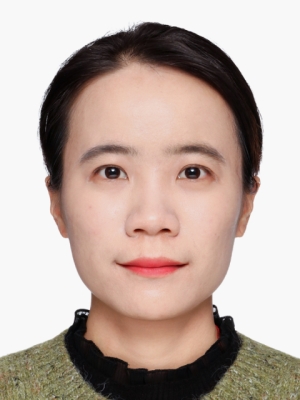
Devon Shipp is Professor of Chemistry and Director of the Center for Advanced Materials Processing (CAMP) at Clarkson University. His research develops novel polymer chemistries for applications in nanotechnology and biomedicine, with focus on radical polymerizations, nanocomposites, and degradable polymers. Shipp's innovations include thiol-ene polymerizations for surface-eroding polyanhydrides, methods for functional polymer particle synthesis, and radical-mediated polymerization techniques. His work has applications in drug delivery, shape-memory materials, and sustainable colloids. Honors include the Polymer Chemistry Pioneering Investigator award (2021) and Fulbright Scholarship (2015). He holds patents for elastomeric polyanhydrides and biomedical devices, with research supported by NSF and industry partners. Current projects focus on dynamic covalent polymers, methacrylic anhydride copolymers, and functional nanoparticles.
Francesco Tassinari is an Associate Professor in the Department of Chemical and Geological Sciences at the University of Modena and Reggio Emilia. His research focuses on the intersection of organic chemistry, materials science, and spintronics, with particular emphasis on chirality-induced phenomena and sustainable polymer chemistry. He teaches courses in organic chemistry laboratory techniques and sustainable processes in organic chemistry for both traditional chemistry and green chemistry degree programs. Dr. Tassinari's research interests span multiple cutting-edge areas of modern chemistry. His primary focus is on the Chirality-Induced Spin Selectivity (CISS) effect and its applications in electrocatalysis, particularly for oxygen evolution and reduction reactions. He also investigates advanced polymerization techniques, especially Atom Transfer Radical Polymerization (ATRP), with applications in sustainable materials and bio-based polymers. His work bridges fundamental molecular phenomena with practical applications in energy conversion and sustainable chemistry. Analysis of Dr. Tassinari's recent publications reveals a strong trend toward interdisciplinary research at the chemistry-physics interface. His work on chiral metal-organic frameworks demonstrates how molecular chirality can enhance electrocatalytic efficiency for water splitting applications. Simultaneously, his research on sustainable polymerization methods addresses critical challenges in green chemistry and circular economy. The consistent thread through his diverse research portfolio is the innovative application of fundamental chemical principles to solve practical problems in energy and sustainability. Dr. Tassinari's teaching portfolio includes 'Organic Chemistry Laboratory I' for Chemistry students and 'Sustainable processes and methods in organic chemistry' for Green and Sustainable Chemistry students. His teaching approach emphasizes both theoretical understanding and practical laboratory skills, with particular attention to safety protocols and sustainable practices. He maintains regular office hours for student consultations and is available by appointment throughout the week.
Julie Hollien is a Professor of Biological Sciences at the University of Utah, leading research on endoplasmic reticulum (ER) stress mechanisms and their implications in neurodegenerative diseases. Her work bridges molecular cell biology with disease pathology, focusing on protein homeostasis pathways critical in conditions like Huntington's disease and Alzheimer's. Her academic background includes: B.A. from Reed College Ph.D. from the University of California, Berkeley Dr. Hollien's research program investigates the Unfolded Protein Response (UPR) and Regulated Ire1-Dependent Decay (RIDD), revealing how mRNA decay pathways regulate lysosome positioning and protein aggregate clearance. Her lab demonstrated that RIDD-mediated degradation of Blos1 mRNA triggers perinuclear lysosome clustering, enhancing clearance of disease-associated aggregates like mutant Huntingtin. This work establishes critical links between ER stress, RNA regulation, and neurodegeneration using Drosophila and mammalian models. Analysis of her publication trends shows sustained focus on ER stress adaptation mechanisms, with recent work expanding into therapeutic implications for neurodegenerative and metabolic disorders. Her articles consistently explore intersections between RNA biology, organelle dynamics, and disease pathogenesis, demonstrating translational relevance from fundamental mechanisms to disease models. She directs an active research laboratory at the University of Utah that employs molecular, cellular, and genetic approaches to dissect stress response pathways. Her team investigates how RNA decay mechanisms influence cellular physiology during proteotoxic stress, with ongoing work exploring therapeutic modulation of these pathways for neurodegenerative conditions.
Prof. Anke Blume holds the position of Full Professor in Elastomer Technology and Engineering. Her research focuses on advancing sustainable materials science, particularly in tire technology and waste management. Key expertise includes rubber formulations, silica-filler interactions, and polymer engineering. Her work contributes to UN Sustainable Development Goals related to responsible consumption and climate action. Notable achievements include the 2023 Melvin Mooney Distinguished Technology Award. Recent research highlights include studies on pyrolysis of waste tires, dynamic imine bonds for circular economy applications, and innovative rubber compositions. She actively collaborates internationally and has over 370 research outputs including patents and datasets. Professional activities include invited talks on sustainable tire design, devulcanization techniques, and silica pre-treatment methods. Her research group explores cutting-edge solutions for environmental challenges in materials science.
Dr. Céline Calvino is a Research Fellow and Junior Group Leader at the University of Freiburg's Living, Adaptive and Energy-autonomous Materials Systems (liv MatS) Cluster of Excellence. She holds a PhD in polymer chemistry from the University of Fribourg (2018) and completed postdoctoral research at the University of Chicago. Her work focuses on developing recyclable, light-responsive, and mechanochromic polymers to address challenges in sustainability and materials science. Calvino has secured significant funding, including a €469,000 grant from the Baden-Württemberg Stiftung for the 'PhotoPolyNet' project collaborating with Prof. Marc Hillmyer. She leads a team of PhD students and postdocs, advancing innovations like strain-sensing polymers and bio-inspired self-toughening materials. Notable awards include the Horst Freisler Project Award (2021) and recognition in the Women Interactive Materials Awards 2024. Education: MSc in Chemistry (University of Fribourg), PhD in Polymer Chemistry (Adolphe Merkle Institute, Fribourg), Postdoc at University of Chicago. Research emphasizes renewable materials, mechanoresponsive systems, and smart polymers for environmental sustainability. Her group's work spans polymer synthesis, material characterization, and interdisciplinary applications in energy and environmental science. Key collaborations include projects on recyclable thermosets and light-driven polymer networks. Publications highlight advancements in mechanochromic materials, cellulose nanocrystals, and adaptive polymer design. Grants and awards reflect her contributions to both fundamental and applied research in materials science.
Dr. José Augusto Berrocal serves as a Group Leader at the Institute of Chemical Research of Catalonia (ICIQ), where he leads research in stimuli-responsive materials. He joined ICIQ in July 2023 through the Starting Career Programme (ICIQ-SCP) funded by the Severo Ochoa Excellence Grant, bringing with him an ERC Starting Grant for the project 'Reversible Heterolytic Mechanophores for Dynamic Bulk Materials' (ReHuse). Dr. Berrocal's research focuses on designing and synthesizing stimuli-responsive polymers that change properties in response to external stimuli such as heat, light, chemical reagents, and mechanical force. His work integrates organic, supramolecular, and polymer chemistries to develop materials with potential applications in sustainable development. His recent publications demonstrate significant advances in transient supramolecular polymerization, chemical upcycling of polymers, and force-induced bond cleavage mechanisms. These works collectively point toward more sustainable and sophisticated adaptive materials that can respond to external stimuli while maintaining recyclability. 2025 : PMSE Early Investigator Awardee by the American Chemical Society 2024 : Joven Investigador en Polímeros by Spanish Royal Society of Chemistry 2023 : Thieme Chemistry Journals Award 2022 : ERC Starting Grant 2021 : EIC Pathfinder Open Grant Dr. Berrocal leads a diverse research team comprising PhD students and postdoctoral researchers working on advanced polymer systems. His group emphasizes cultural diversity, sustainability, and collaborative approaches to scientific discovery. The laboratory environment fosters international perspectives through cultural exchanges, with food and music serving as important connectors among team members.
Kristi Anseth is a Distinguished Professor and Tisone Professor in the Department of Chemical and Biological Engineering at the University of Colorado Boulder. She also serves as Associate Faculty Director of the BioFrontiers Institute. Her research focuses on biomaterials engineering, particularly in designing synthetic extracellular matrices for tissue regeneration and drug discovery. Anseth holds a BS from Purdue University (1992) and a PhD from the University of Colorado (1994). Her pioneering work includes developing photoresponsive hydrogels and dynamic biomaterials that mimic biological tissues' 4D behavior. Key research areas include cardiac valve fibrosis, intestinal organoid engineering, and mechanotransduction. Anseth has authored over 350 papers, mentored 110+ students/postdocs, and launched two startups in biomaterials. Recipient of the 2024 VinFuture Prize for Women Innovators. Elected to the National Academies of Sciences, Engineering, and Medicine. Her lab investigates biomaterials' spatiotemporal control over cell behavior, with applications in regenerative medicine and disease modeling. Collaborations include the BioFrontiers Institute and industry partnerships.
John M. Torkelson is the Walter P. Murphy Professor of Chemical and Biological Engineering and Materials Science and Engineering at Northwestern University, affiliated with the Robert R. McCormick School of Engineering. His research focuses on sustainable polymers, nanocomposites, and novel solid-state processing techniques to enhance material recyclability and performance. Torkelson holds a Ph.D. from the University of Minnesota and a B.S. from the University of Wisconsin. His research interests span sustainable and recyclable polymers, nanoscience of polymers, and solid-state processing. He has pioneered dynamic covalent chemistry approaches for reprocessable polymer networks, enabling recycling of thermosets and crosslinked polymers. His work includes developing alkoxyamine-based crosslinking for tires, polyhydroxyurethanes, and polythiourethanes with high recovery efficiency. Key achievements include over 200 publications and prestigious awards like the Charles Deering McCormick Professor of Teaching Excellence (2012) and Fellow of the American Physical Society (1999). He has advised over 50 doctoral and master's students, many of whom hold leadership roles in academia and industry. His professional service includes directing the Materials Research Center (2003–2006) and serving as Associate Dean for Graduate Studies (1997–2002). Current research explores biobased polymers, chemical recycling, and functional polymer networks for applications in energy and sustainability.
Dr. Wusha Miao is a Researcher affiliated with the Department of Robotics Materials at ETH Zürich. She holds a PhD in Chemical Engineering from Zhejiang University (2022), where her research focused on dynamic covalent polymers. Since March 2024, she has been a postdoctoral researcher in the Robotic Materials group, investigating sustainable soft robotics solutions. Her work bridges material science and robotics, emphasizing eco-friendly and adaptive materials. Research Interests: Sustainable Soft Robotics, Dynamic Covalent Polymers, Smart Materials, and Robotics Engineering. Dr. Miao's recent publications explore innovations in dielectric polymers, shape memory materials, and light-regulated topological transformations in polymer networks. Her contributions aim to advance materials that enable energy-efficient and environmentally conscious robotics systems.
Dr. Chong Cheng is a Professor in the Department of Chemical and Biological Engineering at the University at Buffalo (SUNY), affiliated with the Cell, Gene, and Tissue Engineering Center. His research focuses on biodegradable polymers, drug delivery systems, and tissue engineering materials. He holds a PhD in (Polymer) Chemistry from the City University of New York (2003) and conducted postdoctoral research at Washington University in St. Louis with Prof. Karen L. Wooley. Before joining UB in 2007, he was promoted to Associate Professor in 2013 and later to full Professor. Education: BS in Polymer Materials, Hefei University of Technology (1993) MS in Polymer Materials, Beijing University of Chemical Technology (1996) PhD in (Polymer) Chemistry, City University of New York (2003) Research Interests: Dr. Cheng develops novel polymers for therapeutic delivery (e.g., drug-gene co-delivery systems), template synthesis using crystallized miniemulsions for nanomaterial fabrication, and polymers with unique architectures. His work bridges polymer chemistry, nanotechnology, and biomedical applications, including antibacterial dental materials and biodegradable drug carriers. Grants & Advising: While no student names are listed, his research group advises graduate students in polymer science and engineering. His grants focus on NSF-funded projects related to drug delivery and materials engineering. Labs/Teams: Active in the Cell, Gene, and Tissue Engineering Center, collaborating on nanomedicine and biomaterials projects.
Patrice Woisel is a Professor at the Centrale Lille Institute, affiliated with the Materials and Transformations Unit (UMET, CNRS UMR 8207) at the University of Lille. He leads research in polymer systems engineering, focusing on intelligent supramolecular polymers, stimuli-responsive materials, and the functionalization of titanium-based biomaterials. His work bridges fundamental chemistry with biomedical and environmental applications. His research interests include smart hydrogels , self-immolative polymers , pillararene-based systems , and dopamine-inspired surface functionalization . He investigates molecular design, supramolecular interactions, and stimuli-responsive behavior for applications in drug delivery, recyclable materials, and biomedical coatings. His work emphasizes sustainable and high-performance polymer systems. His recent publications (2022–2025) reveal a strong trend in stimuli-responsive polymer networks , supramolecular cross-linking , and biomedical material design . Key themes include thermoresponsive behavior, dual-stimuli hydrogels, VOC capture, and polymer dispersity effects on pharmaceutical formulations. His work appears in journals like Macromolecules , ACS Applied Materials & Interfaces , and Small . Scientific Awards: No awards explicitly mentioned in the provided text. Advising and Grants: He has supervised over 15 PhD students, many focusing on smart polymers and hydrogels. His research is supported by institutional and collaborative funding, including ANR, ERC, and Interreg projects, though specific grants are not detailed. He frequently collaborates with researchers such as Joël Lyskawa, Jonathan Potier, and Kedafi Belkhir. Labs and Teams: He is a key member of the Polymer Systems Engineering team within UMET, utilizing advanced facilities like electron microscopy, high-pressure platforms, and polymer characterization labs. His work involves close collaboration with the Chevreul Institute and interdisciplinary teams across materials, chemistry, and biomedical engineering.
Dr. Charalampos Pappas is a Junior Research Group Leader at the Cluster of Excellence liv MatS and the Freiburg Center for Interactive Materials and Bioinspired Technologies (FIT) at the University of Freiburg. His research focuses on systems chemistry and bioinspired materials, particularly exploring phosphates' roles in biological and non-biological contexts. Key projects include 'From Phase Separation to Living Materials' and 'SEAAM: Spontaneous Emergence of Adaptive and Active Materials.' Research Interests: Development of abiotic phosphate systems for self-assembly and adaptive materials Chemically fueled adaptivity in materials Peptide oligomerization and transient assemblies Dynamic combinatorial libraries for foldamer and replicator formation Publications highlight advancements in peptide self-assembly mechanisms, phase behavior dynamics, and supramolecular hydrogels. His work has been featured in Chem , Journal of the American Chemical Society , and Angewandte Chemie . Grants and Funding: His group is supported by the Hermann Staudinger Doctoral Fellowship Program and a Boehringer Ingelheim Foundation Exploration Grant. Current openings include postdoctoral and ERC-funded positions. Labs and Infrastructure: Active in the IDEASfactory@FIT and Master Lab program, focusing on innovative materials design and interdisciplinary collaboration.
Dr. James Wilson is a Lecturer in Chemical Engineering & Applied Chemistry at Aston University's School of Infrastructure and Sustainable Engineering, part of the Aston Polymer Research Group. He holds a PhD from the University of Warwick (2015), focusing on renewable polymers for biodiesel. His career includes postdoctoral research at the University of Akron (USA, 2015–2018) on 3D-printed biomaterials, a fellowship at RCSI Dublin (2018–2020) on bioadhesives, and roles as Senior Research Associate and Research Fellow at the University of Sheffield (2020–2023). At Aston since October 2023, his research emphasizes sustainable biomaterials from renewable resources, with a focus on environmental safety and industrial collaboration for commercial viability. Research Interests: Wilson’s work spans biomaterials design, biodegradable polymers, and 3D-printable materials for medical applications. Key areas include self-healing thermoplastic elastomers, covalent adaptable networks, and hydrolytic degradation of polymer blends. He also explores tissue engineering via bilayer films and renewable resource-derived scaffolds. Recent Themes in Publications: His 2023–2025 articles highlight advancements in self-healing polymers, covalent adaptable networks for adhesives, and hydrophilicity in biodegradable blends. These studies address challenges in material durability, environmental impact, and industrial scalability. Collaborations: Engages with spin-out companies and industrial partners to bridge academic research with commercial needs, ensuring short- and long-term applicability of his innovations.
Professor Jun Ma is a distinguished academic in Materials Engineering at the University of South Australia (UniSA) STEM, focusing on advanced nanocomposites and sustainable materials. His research spans polymer engineering, graphene-based materials, and mechanochemical processing for multifunctional applications. Research Focus: Polymer nanocomposites, self-healing materials, thermal management, and environmental sustainability Applications: Energy conservation, flame retardancy, electromagnetic shielding, and sensor development Recent publications highlight innovations in 3D-printed eco-friendly elastomers, graphene modification techniques, and carbon nanotube-based composites. His work emphasizes mechanical robustness, functional adaptability, and scalable manufacturing for industrial applications.
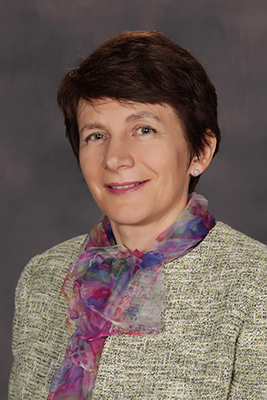
Professor Svetlana Sukhishvili is a faculty member in the Department of Materials Science and Engineering at Texas A&M University’s College of Engineering. She serves as Director of the Soft Matter Facility, overseeing advanced research infrastructure and collaborations. Ph.D., Polymer Chemistry, Moscow State University, Russia – 1989 B.S., Polymer Science, Moscow State University, Russia – 1984 Her research explores stimuli-responsive polymer assemblies , covalent adaptive networks , and polymer salogels for thermal energy storage , with expertise in polyelectrolyte multilayer dynamics and surface functionalization for controlled wettability and adhesion. Recent publications highlight advancements in dynamic covalent networks , self-healing materials , and polymer-stabilized phase change systems , often addressing energy storage, mechanical resilience, and biomedical applications. Senior Faculty Fellow Award, Texas A&M Engineering Experiment Station – 2023 Dean of Engineering Excellence Award, Texas A&M College of Engineering – 2022 Distinguished Research Achievement Award, Texas A&M Association of Former Students – 2021 Fellow, American Physical Society – 2007 Distinguished Visiting Scientist, Institute of Materials Research and Engineering, Singapore – 2017-2020 Provost’s Entrepreneurship Award, Stevens Institute – 2013 National Science Foundation Special Creativity Award – 2012 Davis Award for Research Excellence, Stevens Institute – 2011 American Coatings Association Scientific Achievement Award – 2009 She mentors students including Yilei Zhao (Ph.D. candidate), Kiyaan Aly (undergraduate researcher), and recent graduates Ardak Makhatova (Ph.D., 2025) and Kartik Rajagopalan (Best Ph.D. Thesis, 2025). Her lab acquired state-of-the-art SAXS/WAXS/GISAXS/GIWAXS equipment in 2023, enabling advanced materials characterization.