Wei-Tang Changمشاهده پروفایل
استادیار
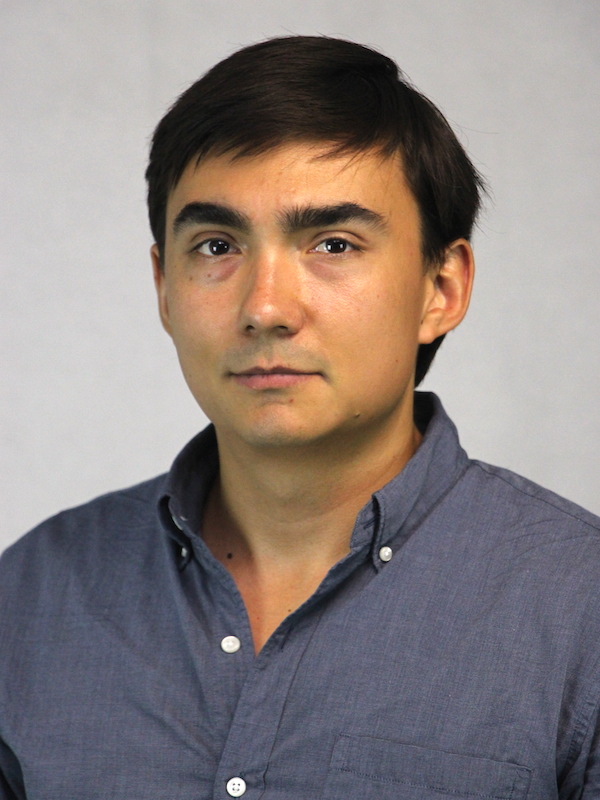
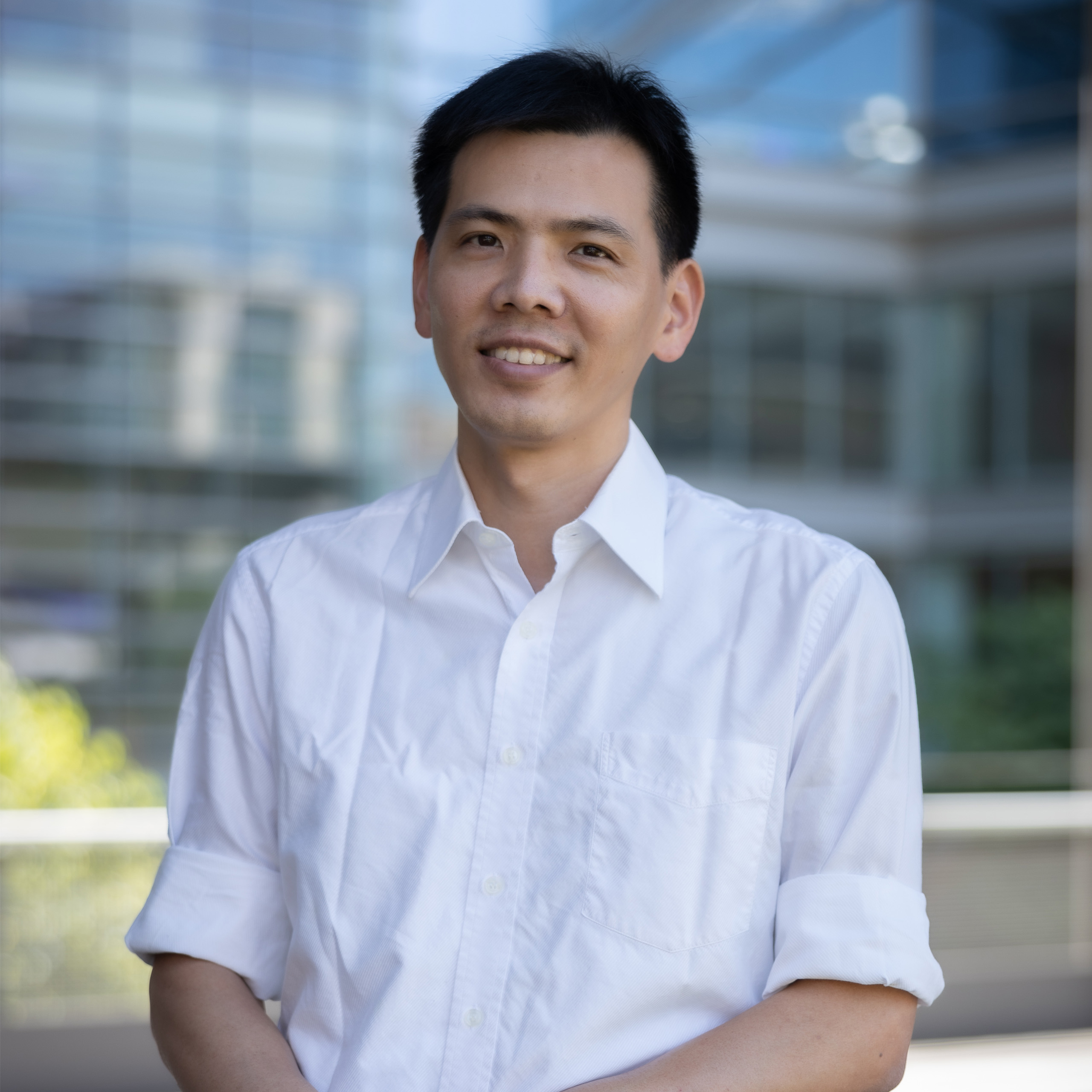
Dr. Wei-Tang Chang is an Assistant Professor in the Department of Radiology at the University of North Carolina School of Medicine. His research focuses on advancing ultrahigh-resolution functional and diffusion MRI techniques, with emphasis on improving spatial and temporal resolution while reducing scan times. Key projects include submillimeter isotropic-resolution fMRI for hippocampal subfield analysis (funded by NIH R21), novel dMRI approaches to overcome resolution limits, and clinical translation of robust imaging methods resistant to motion/noise artifacts. Dr. Chang holds a PhD in Biomedical Engineering from National Taiwan University and completed postdoctoral training at the Martinos Center for Biomedical Imaging (MGH), Massachusetts General Hospital, and Singapore BioImaging Consortium (SBIC). His research innovations include SORDINO fMRI for awake rodent imaging, pPRISM diffusion MRI for submillimeter resolution, and ZTE pulse sequences for ultra-fast acquisitions. Awards include the 2011 OHBM Trainee Award for work on MEG source localization and fMRI temporal resolution breakthroughs. Current work bridges basic neuroimaging science with clinical applications, particularly in neurodegenerative disease biomarker development and rodent disease model studies. Education: PhD in Biomedical Engineering, National Taiwan University Postdoctoral Fellowships: Martinos Center for Biomedical Imaging (MGH) Singapore BioImaging Consortium (SBIC) Key Technologies Developed: ZTE pulse sequences (25 ms temporal resolution fMRI) pPRISM diffusion MRI (navigator-free submillimeter imaging) Draining-vein suppression layer-dependent fMRI Awards & Funding: NIH R21 Grant (2019) for hippocampal subfield fMRI OHBM Trainee Award (2011) Dr. Chang's translational focus involves adapting laboratory innovations for clinical use, with particular interest in Alzheimer's disease biomarkers through hippocampal network analysis and Huntington's disease models using rodent functional connectivity studies. His lab actively develops open-source MRI reconstruction algorithms and collaborates internationally on multi-center neuroimaging projects.