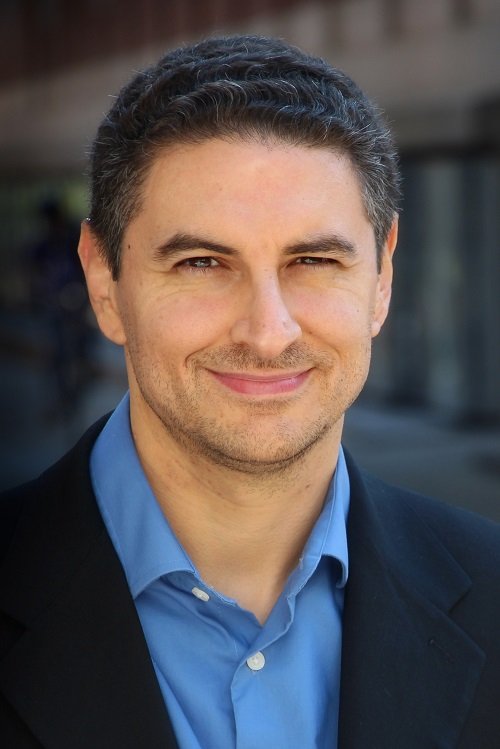
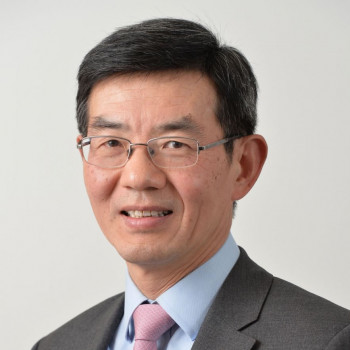
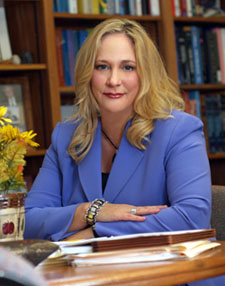
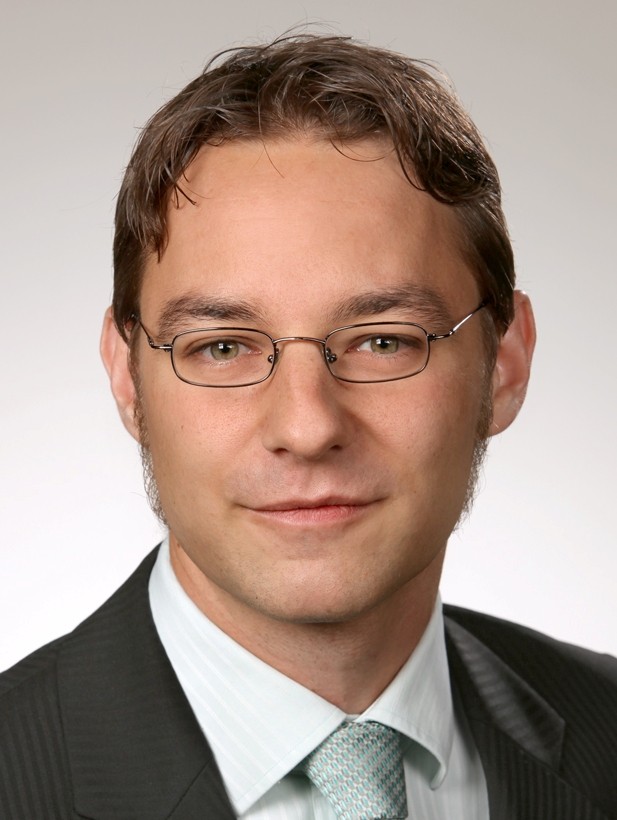
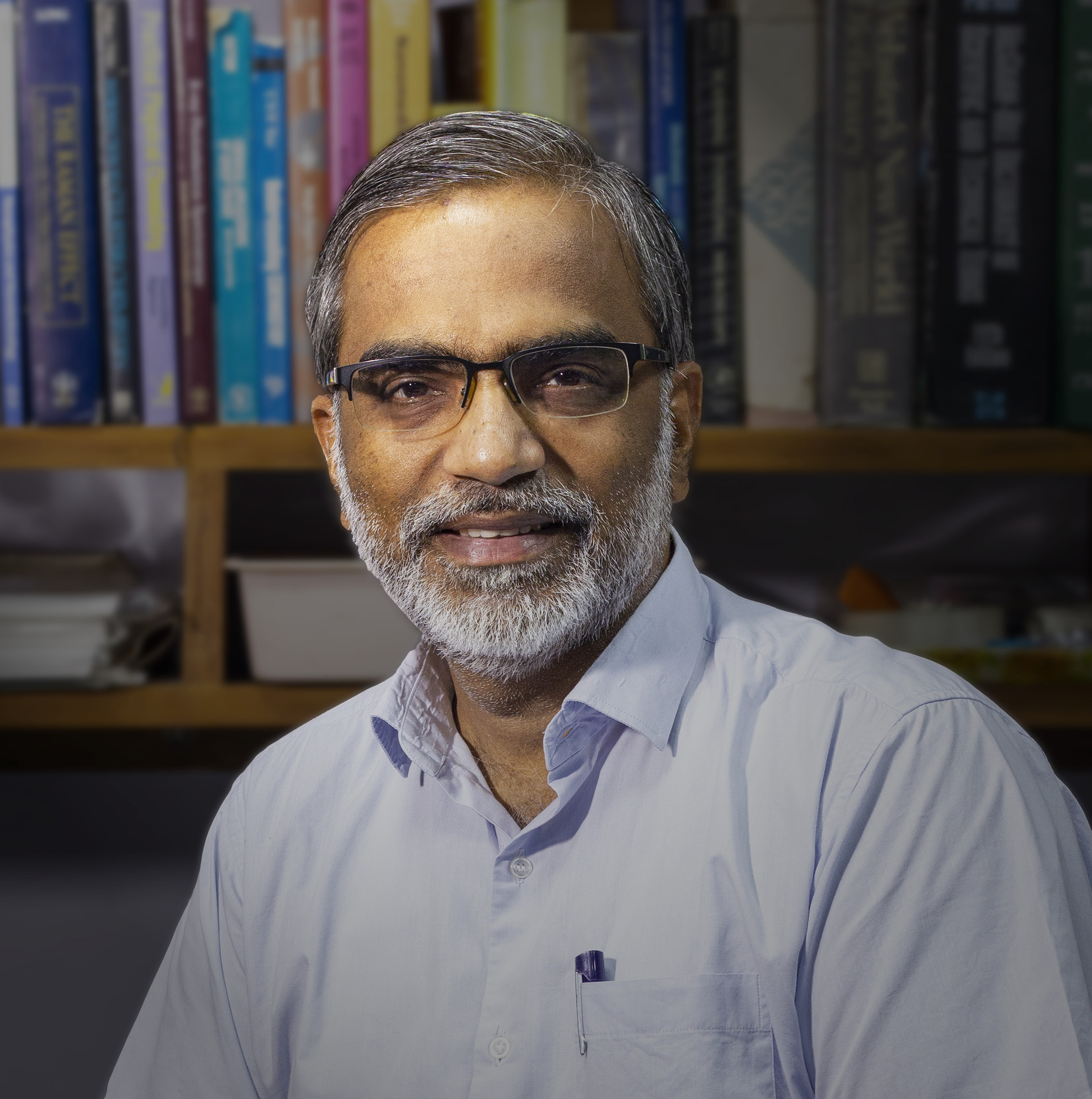
Michael McAlpine is a Professor in the Mechanical Engineering department at the University of Minnesota . He also holds affiliations with the Biomedical Engineering and Electrical and Computer Engineering departments. His research focuses on 3D printing functional materials & devices , Nanoscale inks , Biomedical devices , Bioelectronics , and Flexible Microsystems . Research Interests : 3D Printing, Biomedical Engineering, Nanotechnology, Flexible Electronics, Microfluidics Labs : ME 361/363 Contact : mcalpine@umn.edu , (612) 626-3303, ME 117 Recent Research Trends include 3D Printed Biomedical Devices , Flexible Electronics , and Bioprinting Applications . His work spans from Spinal Organoid Formation to Programmable Drug Release Capsules . Scientific Award : Circulation Research 2020 Best Manuscript Award
Yan Liu is a full professor in the Thomas Lord Department of Computer Science at the University of Southern California (USC), serving as Director of the USC Machine Learning Center within the Viterbi School of Engineering. He holds courtesy appointments in the Ming Hsieh Department of Electrical Engineering and the Quantitative and Computational Biology Department. Before joining USC in 2010, he was a research staff member at IBM's T.J. Watson Research Center. He earned his M.S. and Ph.D. from Carnegie Mellon University. His research focuses on machine learning for time series, physics-informed AI, and interpretable models, with applications in healthcare, sustainability, and social media. Notable projects include developing AI for surgical training, analyzing misinformation on social platforms, and predicting cancer treatment outcomes. He has held leadership roles in top conferences like ICLR and ACM KDD, and serves as Associate Editor-in-Chief of TPAMI and Board Member of ICLR. Education: Ph.D., Carnegie Mellon University Affiliations: USC Machine Learning Center, Viterbi School of Engineering Service: General Chair (ICLR 2023, ACM KDD 2020), Program Chair roles across multiple conferences His lab, the Melady Group, emphasizes foundational ML advancements and interdisciplinary applications. Recent work includes physics-aware neural networks and time-series foundation models.
Gunnar Kusch is a Senior Research Associate at the Department of Materials Science & Metallurgy, University of Cambridge. His research focuses on defects in semiconductors, porous AlGaN materials, and advanced characterization techniques like cathodoluminescence (CL) and atom probe tomography (APT). He holds a PhD from the University of Strathclyde and leads projects on UV-B LED optimization, nanoscale defect behavior analysis, and semiconductor device design. His work bridges materials synthesis, characterization, and device performance, with applications in energy-efficient lighting and solar cell technology. Key research areas include: Defect engineering in III-nitride semiconductors Porous AlGaN templates for high-efficiency UV emitters Correlative microscopy techniques (CL, EBSD, APT) Composition-structure-property relationships in photovoltaic materials Notable contributions include developing CL-based methods for nanoscale defect analysis and demonstrating improved Cu(In,Ga)S₂ solar cell efficiencies through compositional engineering. His laboratory focuses on translating microscopic insights into macroscopic device improvements.
Prof Wen Wang is Professor of Biomedical Engineering and Vice-Principal and Executive Dean for Science and Engineering at Queen Mary University of London, affiliated with the School of Engineering and Materials Science and the Centre for Bioengineering. He is a Chartered Engineer and holds fellowships from the Institution of Mechanical Engineers (FIMechE), Higher Education Academy (FHEA), American Institute for Medical and Biological Engineering (FAIMBE), and the Royal Academy of Engineering (FREng), reflecting his leadership and technical excellence in engineering and biomedical sciences. His research focuses on vascular bioengineering , biomaterial mechanics , and cell biomechanics , with particular emphasis on the endothelial glycocalyx , vascular stem cells , and transmembrane transport . He employs advanced techniques such as AFM nano-indentation, confocal microscopy, and microfluidic platforms to study the mechanical properties, shear stress responses, and structural stability of biological systems. His work spans from fundamental biophysics to translational applications in drug delivery and cardiovascular disease. Prof Wang has led multidisciplinary research projects in the UK and through international collaborations with partners in the US, China, and Japan. His recent publications highlight sustained contributions to understanding microcapsule mechanics , extracellular vesicles , biofluid dynamics , and biomolecular sensing . His work integrates experimental and computational modeling, particularly in microcirculation and cellular transport phenomena. He has received notable scientific recognition through multiple prestigious fellowships and has published extensively in high-impact journals including Nature Communications , Journal of Controlled Release , Biosensors and Bioelectronics , and Journal of Fluid Mechanics . His research demonstrates a strong trajectory in both fundamental discovery and applied biomedical innovation. Prof Wang actively supervises research and collaborates with clinical and engineering partners at Queen Mary and King's College London. His leadership in the School of Engineering and Materials Science underscores his role in shaping academic strategy and research excellence in science and engineering at Queen Mary University of London.
Ramses Martinez is an Assistant Professor in the Department of Industrial Engineering and Biomedical Engineering at Purdue University . He holds a B.A. in Applied Physics from Universidad Autonoma de Madrid (2004) and a Ph.D. in Physics and Materials Science from the Spanish National Research Council (CSIC) in 2009. Prior to joining Purdue, he conducted postdoctoral research in the lab of Prof. George M. Whitesides at Harvard University, focusing on nanofabrication, microfluidics, and soft robotics. Education B.A. in Applied Physics, Universidad Autonoma de Madrid (2004) Ph.D. in Physics and Materials Science, Spanish National Research Council (CSIC) (2009) His research bridges soft robotics , flexible electronics , and nanofabrication , with a focus on creating self-powered e-textiles , omniphobic paper-based devices , and programmable mechanical metamaterials . His work has led to over 25 publications and 9 patents, emphasizing practical applications in health monitoring and industrial automation . Notable projects include waterproof electronic decals for biofluid monitoring, smart bandages for chronic wound detection, and laser nanoforming methods for scalable metallic structures. His research has been recognized through the Fulbright Fellowship and the Marie Curie IOF Grant .
Praveen Agarwal is a Professor of Mathematics at the Department of Mathematics, International College of Engineering, located near Kanota, Agra Road, Jaipur-303012, Rajasthan, India. He also maintains a significant affiliation with the Lepage Research Institute in Slovakia. His academic profile demonstrates a strong international presence with collaborations spanning multiple continents. Dr. Agarwal's research expertise centers on Special functions , Fractional calculus , and Mathematical Physics . His work in fractional calculus represents cutting-edge contributions to this specialized mathematical field, developing theoretical frameworks with applications across diverse scientific disciplines. His research in special functions has led to numerous extensions and generalizations of classical mathematical constructs, creating innovative tools for solving complex differential equations. In mathematical physics, he applies rigorous analytical techniques to model physical phenomena, particularly those involving wave propagation, diffusion processes, and energy systems. Analysis of Dr. Agarwal's extensive publication record reveals a sophisticated approach to fractional-order differential equations with applications spanning viscoelastic wave behavior, neural networks, energy storage systems, and biomedical engineering. He frequently develops novel mathematical methods, including specialized integral transforms and polynomial-based solution techniques, to address complex nonlinear systems. His research consistently bridges pure mathematical theory with practical engineering applications, particularly in areas requiring precise modeling of memory effects and non-local phenomena. The interdisciplinary nature of his work is evident in publications addressing both theoretical mathematics and practical engineering challenges. Dr. Agarwal maintains active research collaborations with prestigious institutions worldwide, including The Union of Czech Mathematicians and Physicists, University of Prešov in Prešov, Eötvös Loránd University, Italian Society for General Relativity and Gravitation, Transilvania University of Brasov, VŠB-TU Ostrava, and Lodz University of Technology. These international partnerships reflect the global recognition of his contributions to mathematical sciences and demonstrate his ability to work across disciplinary boundaries to solve complex problems.
Daniel W Armstrong is a Professor at the University of Texas at Arlington in the Department of Chemistry and Biochemistry. With over 35 years of experience, he is a pioneering figure in chiral recognition, enantiomeric separations, and the biological relevance of D-amino acids. His work has led to over 740 publications, 35 patents, and 560 invited seminars worldwide. Developed first chiral recognition mechanism by cyclodextrins First to use macrocyclic antibiotics as chiral selectors Synthesized most new ionic liquids (ILs) globally Created ultra-fast separation techniques now standard in analytical chemistry Contributed to FDA 1992 guidelines on chiral drug separation His research focuses on chiral separations, ionic liquids, and the role of D-amino acids in biological systems. He has commercialized over 30 HPLC and GC columns, transforming analytical chemistry and pharmaceutical analysis. Recent publications demonstrate continued innovation in chiral chromatography, biomarker analysis, and AI-driven separation optimization. His grants include industry collaborations with Merck, Alcon, and Sigma-Aldrich, emphasizing practical applications of his work. Scientific honors include multiple lifetime achievement awards, fellowships in the Royal Society of Chemistry and American Chemical Society, the Chirality Medal, and induction into the National Academy of Inventors. He has mentored over 100 PhD students, many from first-generation college backgrounds.
Dr. Gangcheng Yuan is a Research Fellow affiliated with the School of Science at RMIT University, Australia. His research focuses on quantum dot blinking mechanisms and their implications for optoelectronic applications. His work investigates competing models of quantum dot photoluminescence fluctuations, including Auger recombination and surface trap-induced recombination, aiming to engineer stable nanocrystals for applications in LEDs, biolabels, and quantum devices. The article on quantum dot blinking highlights interdisciplinary research spanning nanotechnology, materials science, and condensed matter physics. Surface passivation strategies are central to his findings.
David P. Arnold is the George Kirkland Engineering Leadership Professor and Associate Chair for Faculty Affairs in the Department of Electrical and Computer Engineering at the University of Florida. He also serves as the Director of the Florida Semiconductor Institute and is a member of the Interdisciplinary Microsystems Group (IMG). His research focuses on magnetic materials, microsystems, and energy systems, with notable contributions in wireless power transmission, nanocomposites, and MEMS devices. Arnold holds degrees from the University of Florida (B.S., M.S.) and Georgia Tech (Ph.D.). He has led significant projects, including the NSF IoT4Ag Engineering Research Center for smart agriculture and advanced magnetic materials for millimeter-wave applications. His work spans academic leadership, with recognitions like the PECASE (2008) and DARPA Young Faculty Award (2009). Research interests include magnetic microdiscs for pathogen detection, electrodynamic wireless power systems, and high-performance CoPt magnets. His group collaborates on innovations like miniaturized antennas and energy-efficient sensors. Arnold has advised numerous students, many of whom have won awards for their contributions in MEMS, materials science, and biomedical applications. Awards include the HWCOE Leadership Award (2024), Fellow of the National Academy of Inventors, and multiple teaching/service distinctions. His labs and teams emphasize interdisciplinary approaches to address challenges in energy, healthcare, and precision agriculture.
Koray Aydin is an Associate Professor in the Electrical and Computer Engineering department at Northwestern University 's McCormick School of Engineering. His research focuses on nanophotonics , optical metamaterials , and inverse design of photonic devices. PhD in Physics, Bilkent University MS and BS in Physics, Bilkent University The Metamaterials and Nanophotonic Devices Lab (MNDL) explores light-matter interactions at the nanoscale. Key research areas include: Plasmonic materials and devices for absorption engineering Metasurfaces for subwavelength light control Two-dimensional materials in optoelectronics 3D printing of millimeter-wave and optical metadevices Hybrid and tunable nanophotonic systems Dynamic metamaterials via self-assembly His publications highlight inverse design methodologies, DNA-assembled metasurfaces , and active nanophotonic materials . Collaborations with Chad Mirkin, Vinayak Dravid, and Prem Kumar have led to breakthroughs in scalable photonic systems and programmable metamaterials. Current efforts in MNDL aim to integrate machine learning with nanophotonic device design, enabling non-intuitive geometries and ultra-compact optical components with applications in telecommunications, defense, and consumer electronics.
Dr Qiandong Zhuang is a Reader in Semiconductor Quantum Materials and Devices at the Physics Department of Lancaster University. He joined Lancaster University in 2003 after working as a Research Scientist at Singapore Nanyang Technological University and the University of Glasgow. At Lancaster, he established the MBE Laboratory and has been leading the Semiconductor Quantum Materials and Devices research group. His primary research focuses on semiconductor nanostructures and physics: MBE growth of compound semiconductor materials including arsenide, antimonide, dilute nitride and nitrides Quantum structures including quantum dots, quantum rings, nanowires and superlattice Droplet epitaxy of unique quantum dots including GaAs/AlGaAs and GaSb/AlGaSb QDs Semiconductor nanowires and integration with silicon and 2D materials Fundamental studies using HRXRD, photoluminescence, and electroluminescence Advanced optoelectronic devices including VCSELs, Lasers, LEDs, and photodetectors Dr Zhuang's current work emphasizes epitaxy of semiconductor quantum materials for photonic devices and laser-based spectroscopic technology for medical sensors and gas monitoring. His recent publications show strong trends in infrared photodetectors, semiconductor nanowires, and applications in medical sensing (particularly non-invasive glucose monitoring) and environmental monitoring. Dr Zhuang maintains extensive national and international collaborations with institutions including Nottingham University, Surrey University, Warwick University, Shanghai Institute of Technical Physics CAS, and University of Electronic Science and Technology of China. He has established industrial partnerships with Cascade Technologies Emerson, Lumentum, Gas Sensing Solutions Ltd, and CST Global. He actively supervises PhD students and welcomes researchers for postdoctoral positions. His major research projects include Horizon Europe's COMPAS, Drone-based air pollution mapping (SNIFFIRDRONE), and various VCSEL-based spectroscopy projects for non-invasive glucose monitoring. Dr Zhuang hosts academic visitors from China, India, and Russia, and encourages international collaborations in semiconductor quantum materials research.
Kim Dunbar is a Senior Professor in the Department of Chemistry at Texas A&M University. Her research focuses on molecular magnets, conducting metal-organic solids, spin-crossover compounds, and metals in medicinal applications. She explores anion-pi interactions and cyanide chemistry to design novel materials with tailored electronic and magnetic properties. Dunbar has pioneered studies on single-molecule magnets (SMMs) and their integration into metal-organic frameworks for nanostructuring. Her work bridges inorganic, bioinorganic, and materials chemistry, with applications in photodynamic therapy and energy conversion. Education: B.S., 1980, Westminster College Ph.D., 1984, Purdue University Research Interests: Her group investigates hybrid materials combining magnetic and conductive properties, including molecular squares/cubes with single-molecule magnetism, dirhodium anticancer agents, and photoactive ruthenium complexes. They employ X-ray crystallography, magnetometry, and spectroscopy to study structure-property relationships in transition metal systems. Awards: Dunbar has received numerous honors, including the ACS Distinguished Service Award (2015), Eminent Scholar Award (2012), and AAAS Fellowship (2004). She is a frequent plenary speaker at international conferences and has been recognized for her mentoring and teaching excellence. Labs/Teams: The Dunbar Research Group collaborates across disciplines, leveraging computational and synthetic chemistry to design functional materials. Their work has led to breakthroughs in SMM design, cyanide-based magnetism, and photodynamic therapy drug development.
Dr. Thomas Gennett is a University Professor at the National Renewable Energy Laboratory (NREL) within the Chemistry and Nanoscience department. His career spans over two decades, focusing on advanced materials for energy applications, particularly hydrogen storage and carbon dioxide capture technologies. Research interests include hydrogen storage in nanoporous materials Development of covalent organic frameworks Investigations into borohydride chemistry Gas separation and storage systems Thermal stability of magnesium-based compounds Direct air CO2 capture materials His publications from 2016 to 2025 demonstrate expertise in metal-organic frameworks, covalent organic frameworks, and borohydride systems. While no formal awards are publicly documented, his work has been cited over 250 times. He holds multiple patents related to hydrogen storage and electrochemical devices.
Prof. Dr.-Ing. Markus Gallei is a Full Professor of Polymer Chemistry at Saarland University, Faculty of Natural Sciences and Technology, where he leads the Gallei Lab. His research focuses on the development of nano-structured and stimuli-responsive polymeric materials inspired by natural hierarchical design principles. He holds a W3 professorship and is actively involved in interdisciplinary research bridging polymer chemistry, colloidal science, and self-assembly for advanced applications. His primary research interests include polymer chemistry , self-assembly of block copolymers , stimuli-responsive materials , smart membranes , photonic materials , and ceramic templating . His group develops novel synthetic strategies such as controlled radical polymerization and post-functionalization to create functional hybrid nanostructures. These materials are applied in fields like photonics , separation technologies , and energy storage . The recent publications reflect a strong trend toward redox-responsive systems , metallopolymer-based materials , 3D-printed structural colors , and environmental applications such as PFAS removal. The research combines fundamental polymer synthesis with applied materials engineering, emphasizing scalable and sustainable approaches. Reimund-Stadler-Prize donated by the GDCh (2017) Emerging Investigator 2016, RSC Journal of Materials C Fond der Chemischen Industrie (2016) Emerging Investigator 2016, RSC Polymer Chemistry Fellowship Max-Buchner-Foundation (DECHEMA) (2015) Young Talents 2015, Polymer Science, Macromolecular Chemistry and Physics Prize of the Familie-Bottling-Foundation (2011) Honor for PhD Thesis (summa cum laude), TU Darmstadt (2010) Prize of the Foundation of the Ehemaligen des Deutschen Kunststoff-Instituts (2007) GDCh-Prize for Chemistry (Abitur) (2000) Markus Gallei has led a junior research group at TU Darmstadt and has been a visiting scientist at MIT. He advises students and collaborates extensively on interdisciplinary projects. His lab is supported by national and EU-level funding, particularly in the area of smart inorganic polymers. He is a member of the editorial board of Frontiers in Polymer Science (Colloids) and part of the EU network 'Smart Inorganic Polymers'. The Gallei Lab operates within a well-equipped research environment, focusing on the self-assembly of core-shell particles , melt-shear organization , and functional hybrid films . The group actively develops new methodologies for creating porous membranes , ceramic precursors , and stimuli-responsive opal films .
Thalappil Pradeep is the second Institute Professor at the Indian Institute of Technology Madras (IITM) and holds the Deepak Parekh Institute Chair Professor position in the Department of Chemistry. With academic training from the University of Calicut, Indian Institute of Science (IISc), UC Berkeley, and Purdue University, his research focuses on molecular and nanoscale materials for environmental applications. Education: University of Calicut (B.Sc.), Indian Institute of Science (M.Sc. & Ph.D.), UC Berkeley (Postdoc), Purdue University (Postdoc) His work in molecular materials and nanotechnology has led to groundbreaking innovations in drinking water purification, including commercialized technologies for pesticide and arsenic removal that serve millions. He has authored over 550 scientific papers and holds 120 patents, with a strong emphasis on translating laboratory discoveries into real-world solutions through seven co-founded companies. Research Trends: Development of affordable nanotechnology-based water filters, atomically precise nanocluster assemblies, plasmonic materials, and metal recovery chemistry Among numerous accolades, he has received the Shanti Swarup Bhatnagar Prize, Padma Shri, VinFuture Prize, and Eni Award. He is a fellow of all major Indian science academies, TWAS, AAAS, and The African Academy of Sciences. Scientific Awards: Shanti Swarup Bhatnagar Prize (2008), Padma Shri (2020), TWAS Prize in Chemistry (2018), VinFuture Prize (2022), Eni Award (2023) Pradeep actively contributes to academic leadership through editorial board memberships in journals like ACS Nano and Environmental Science & Technology. His philanthropy includes supporting a village school with 500 students, demonstrating his commitment to education access.