Dr. Peining Li is a Professor of Genetics at Yale School of Medicine, where she serves as Director of the Cytogenetics Laboratory and Co-Director of the Fellowship in Laboratory Genetics and Genomics. Her primary affiliations include the Department of Genetics, Yale Center for Genomic Health, and Yale Ventures. She leads a research program focused on structural and functional characterization of human chromosome abnormalities using advanced molecular techniques. Her research interests span: Cytogenetics and chromosome aberration analysis Genomic diagnostics using microarray and sequencing technologies Cancer genomics with focus on hepatocellular carcinoma Reproductive genetics including pregnancy loss mechanisms Recent publications demonstrate her work in pediatric genetic diagnostics, NGS concordance studies, stem cell applications, and ring chromosome characterization. Her lab provides clinical services for diverse specimen types including blood, amniotic fluid, and tumor samples.
Dr. Don X. Nguyen is an Associate Professor of Pathology and Medical Oncology at Yale School of Medicine, where he joined the faculty in 2010 and was granted tenure. He holds a primary appointment in the Department of Pathology and Medical Oncology and serves as Co-Leader of the Cancer Signaling Networks program at Yale Cancer Center. Dr. Nguyen maintains multiple institutional affiliations including the Yale Stem Cell Center, Pathology Research Program in Translational Biomedicine (PTB), SPORE in Lung Cancer initiative, and the Yale Combined Program in the Biological and Biomedical Sciences (BBS). Dr. Nguyen earned his B.Sc. in Microbiology and Immunology from McGill University in 1998, followed by a Ph.D. from the University of Rochester in 2004, and completed post-doctoral training at Memorial Sloan Kettering Institute in 2009. His research focuses on understanding the fundamental mechanisms of cancer metastasis, with particular expertise in brain metastasis from lung cancer. The Nguyen Lab investigates how cell lineage control influences tumor progression, how epigenetic regulation affects cell-cell communication in disseminating tumor cells, and the mechanistic links between drug resistance and brain metastasis. Recent work has revealed important insights into how cancer cells co-opt the brain microenvironment and develop resistance to targeted therapies like osimertinib. Dr. Nguyen's laboratory maintains an active publication record with significant contributions published in high-impact journals including Nature Communications, Cell Reports, Science Advances, and Cancer Cell. His research spans molecular biology, epigenetics, and translational research with a strong focus on developing novel models to study metastatic progression and therapeutic resistance. Class of 1961 Cancer Research Award (2021) Yale Cancer Center Basic Research Prize (2013) Stewart Trust Scholar (2013) IASLC Young Investigator Award (2012) Yale Center for Clinical Investigation Scholar (2011) Dr. Nguyen serves as Principal Investigator on the study 'Determining Mechanisms of Sensitivity and Resistance to Anti-Cancer Therapy for Advanced Lung Cancer' (HIC ID 1603017333), which is recruiting participants until June 2026. The Nguyen Lab, located at the Brady Memorial Laboratory, maintains active collaborations with researchers across Yale including Dr. Veronica Chiang, Dr. Katerina Politi, and Dr. Anna Arnal-Estapé, with whom he has published numerous high-impact papers on cancer metastasis and therapeutic resistance.
Joseph Schlessinger is the William H. Prusoff Professor of Pharmacology at Yale School of Medicine and Co-Director of the Cancer Biology Institute. He has been a faculty member at Yale since 2001 and maintains an active research program focused on receptor tyrosine kinases and cellular signaling mechanisms. His educational background includes a B.S. and M.S. from Hebrew University of Jerusalem (1968, 1969) and a Ph.D. from the Weizmann Institute of Science (1974). Professor Schlessinger is affiliated with multiple Yale research entities including the Cancer Signaling Networks Program, Diabetes Research Center, Structural Biology Program, Yale Cancer Biology Institute, and the Yale Combined Program in the Biological and Biomedical Sciences. Professor Schlessinger's research centers on tyrosine phosphorylation mechanisms in cellular processes. His lab has made seminal contributions by determining crystal structures of growth factor ligands (SCF and FGF), receptor-ligand complexes, and protein tyrosine kinase domains. This structural work has enabled the development of specific kinase inhibitors now in clinical trials. His research spans structural biology, pharmacology, cancer signaling, and drug discovery with significant translational impact. Analysis of his recent publications shows continued high productivity with work spanning cancer biology (particularly colorectal and cervical cancers), receptor tyrosine kinase signaling mechanisms, structural biology of growth factor receptors, and therapeutic development. His research maintains strong connections between basic structural insights and clinical applications. Clifford Prize for Cancer Research (2017) BBVA Foundation Frontiers of Knowledge Award (2014) AACR International Award for Cancer (2010) Medal of Danica Hrvatska Order, Republic of Croatia (2009) Elected as a foreign member of the Croatian Academy of Science (2008) Professor Schlessinger maintains active research funding including recent $10.5 million and $12 million NIH grants. His lab collaborates extensively across Yale and with international partners. He has mentored numerous students and postdocs, with Francisco Tome, Yoshihisa Suzuki, and Sangwon Lee appearing frequently as co-authors on his publications. The Schlessinger Lab continues to be a major center for structural and mechanistic studies of receptor tyrosine kinases with implications for cancer and other diseases.
Dalila C Pinto, PhD, is an Associate Professor at Icahn School of Medicine at Mount Sinai, with joint appointments in Psychiatry and Genetics and Genomic Sciences. She holds affiliations with the Seaver Autism Center, Mindich Child Health Institute, Friedman Brain Institute, Icahn Genomics Institute, and the PsychENCODE Consortium. Her research integrates genomics, transcriptomics, and bioinformatics to study neuropsychiatric disorders. Key focus areas include: Genetic architecture of autism, epilepsy, and schizophrenia Brain-specific gene regulation and proteomics De novo mutations and rare variants in neurodevelopmental disorders Computational frameworks for multi-omics data analysis Recent publication trends (2020-2024) highlight her work on brain proteomics in psychiatric disorders, epilepsy genetics, stem cell transcriptomics, and schizophrenia risk loci. Her team consistently contributes to large consortia like PsychENCODE and Epi25, emphasizing translational genomics. Dr. Pinto leads the Pinto Lab, which develops innovative genomic approaches to map disease mechanisms. The lab is based in the Hess Center for Science & Medicine and collaborates internationally to advance neuropsychiatric research.
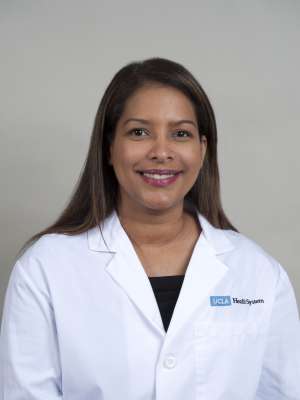
Dr. Isla P. Garraway is a Professor and Director of Research in the Department of Urology at the David Geffen School of Medicine at UCLA. She serves as an Attending Urologist at the Greater Los Angeles VA Healthcare System and is a Member of the UCLA Jonsson Comprehensive Cancer Center and the Broad Center for Regenerative Medicine and Stem Cell Research. As a surgeon-scientist, Dr. Garraway leads a basic/translational science laboratory focused on characterizing molecular, cellular, and microenvironmental interactions associated with metastatic prostate cancer. Her research interests include prostate stem cells and development, epithelial-mesenchymal interactions in the prostate, functional biomarkers of prostate cancer progression and metastasis, prostate cancer health disparities, prostate cancer biorepositories, multi-omic platform analysis of lethal prostate cancer, digital image analysis applications in prostate cancer, and single cell sequencing of prostate tumor populations. Dr. Garraway's work particularly emphasizes understanding the etiologies of racial/ethnic disparities in prostate cancer. Dr. Garraway's recent publications demonstrate a strong focus on prostate cancer genomics, tumor heterogeneity, therapeutic resistance mechanisms, and health disparities research. Her work spans basic molecular mechanisms of prostate cancer progression to clinical implementation of precision oncology approaches, particularly within veteran populations. She has led significant efforts in prostate cancer screening guidelines for Black men and research on metastatic progression mechanisms. Donald S. Coffey Career Development Award from Prostate Cancer Foundation Young Investigator Award from Prostate Cancer Foundation Challenge Award from Prostate Cancer Foundation Super Doctors® Southern California, 2022-2025 2018 Los Angeles Magazine Top Doctors American Society of Clinical Investigators Outstanding Research Award 2004 Dr. Garraway has secured substantial research funding from the National Cancer Institute, Department of Defense, Veterans Health Administration, Prostate Cancer Foundation, and Jean Perkins Foundation. Her leadership extends to directing research efforts in the Precision Oncology Program for Cancer of the Prostate and ensuring equity within the Veterans Health Administration's role in the presidential Cancer Moonshot initiative. She also actively engages in community education about prostate cancer and early detection.
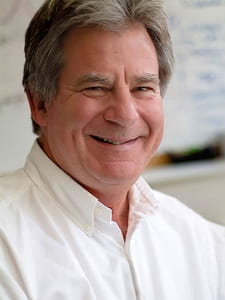
Dr. James Hicks serves as Professor of Research in the Department of Biological Sciences at the University of Southern California's Dornsife College of Letters, Arts and Sciences, and as Deputy Director of the Convergent Science Institute in Cancer (CSI-Cancer) at the USC Michelson Center. A pioneer in single cell genomics and translational cancer research, Dr. Hicks focuses on breast and prostate cancer through the development of high-content single cell assays to understand cancer's spatial and temporal evolution in the human body. Trained initially at the University of Oregon, Dr. Hicks built his career through research and faculty appointments at Cornell University and Cold Spring Harbor Laboratory before joining USC in 2014. His groundbreaking work at Cold Spring Harbor Laboratory enabled routine whole genome analysis of individual cells applied to solid tumor biopsies, establishing him as a leader in the field. At CSI-Cancer, his research expands to systemic diseases including cardiovascular disease, rheumatoid arthritis, and diabetes, addressing challenges of disease evolution under natural and therapeutic pressures. Dr. Hicks' research program represents a unique bridge between academic excellence and corporate entrepreneurship, with a proven track record of translating scientific discoveries into practical applications. His work on liquid biopsy technologies has positioned him at the forefront of cancer diagnostics, with over one hundred scientific papers and patents to his name, alongside multiple founded companies. The Convergent Science Institute under his deputy directorship integrates patient data, model systems, and high-content single cell analysis with advanced machine learning to translate clinical observations into mechanistic understanding of cancer dynamics across cellular, human, and population scales. Analysis of his recent publication record (2024-2025) reveals consistent innovation across multiple cancer types including breast, prostate, lung, pancreatic, and retinoblastoma. His research demonstrates sophisticated integration of single-cell analysis with liquid biopsy approaches, establishing new standards for cancer detection, monitoring treatment response, and understanding tumor heterogeneity. Notably, his work spans from fundamental genomic discoveries to clinical applications, with particular emphasis on developing more sensitive diagnostic methods and understanding the evolutionary dynamics that drive treatment resistance. As Deputy Director of CSI-Cancer, Dr. Hicks plays a critical role in advancing the institute's mission to enhance cancer patient care through convergent science that brings together researchers across disciplines. His leadership extends to the DoD-funded Convergent Science Cancer Consortium, which includes collaborations with Cedars-Sinai, Children's Hospital Los Angeles, and Stanford University, demonstrating his significant impact on the broader cancer research community.