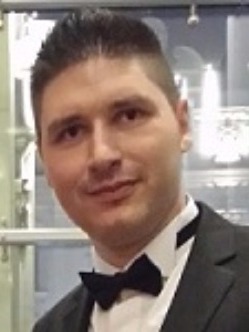
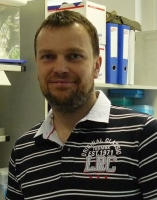
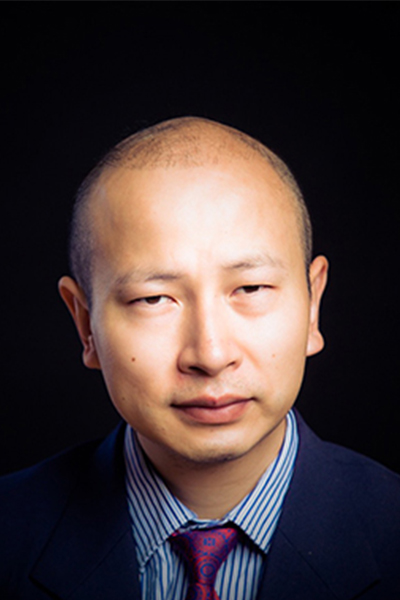
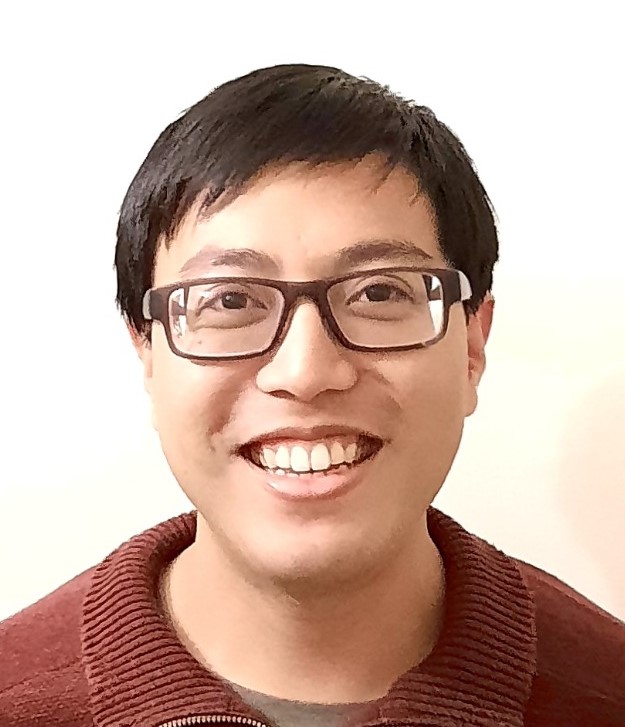
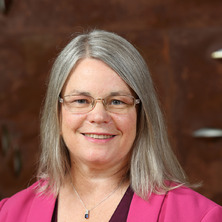
Professor Alexandru Mihai Grumezescu is affiliated with the University Politehnica of Bucharest , specifically within the Faculty of Chemical Engineering and Biotechnology and the Department of Science and Engineering of Oxide Materials and Nanomaterials . His research spans interdisciplinary domains including nanotechnology, biomedical engineering, and environmental applications. Education : Doctorate in Engineering (PhD Eng). His research focuses on: Design of nanomaterials for water decontamination (e.g., magnetic silica aerogels, pesticide removal) Development of advanced biomedical coatings for implants and wound dressings Exploration of liposomal drug delivery systems targeting sarcopenia and chronic diseases Recent work highlights include: Nanostructured platforms for spinal fixation devices and hip endoprostheses Microfluidic synthesis of nanoparticles with applications in antimicrobial therapy and bioremediation Integration of vitamin C , natural products , and phytochemicals into nanocarriers The department emphasizes oxide materials , biomedical engineering , and environmental sustainability in its research initiatives.
Gloria Oporto is an Associate Professor of Sustainable Biomaterials at the Davis College of Agriculture, Natural Resources and Design , West Virginia University . She joined WVU in June 2010 as Associate Professor of Wood Science and Technology in the School of Natural Resources, with a formal promotion to Associate Professor in August 2016. Education: PhD in Forest Resources (University of Maine, 2009), Chemical Engineering undergraduate (University of Concepcion, Chile) Her research focuses on woody biomass utilization from central Appalachian hardwoods, emphasizing: Pre-treatments for bioenergy production Development of high-value products for packaging, catalysis, and pharmacy Nanocellulose and composite material innovation Recent publications highlight advancements in cross-laminated timber (CLT) structural analysis, rotary jet spinning (RJS) nanofiber filters, and agro-waste composite development. Her work integrates forest resources with green technology applications. Contact: gloria.oporto@mail.wvu.edu | Office: 329C Percival Hall
Dr. Mariusz Grinholc serves as an Associate Professor at the Institute of Biotechnology within the Intercollegiate Faculty of Biotechnology of University of Gdańsk and Medical University of Gdańsk. He concurrently holds the position of Deputy Dean for Research and leads the Laboratory of Photobiology and Molecular Diagnostics. His academic career focuses on developing light-based antimicrobial strategies to combat the global crisis of antibiotic resistance, with particular emphasis on translational applications in healthcare and food safety sectors. Grinholc's research program centers on Antimicrobial Photodynamic Inactivation (aPDI) and Antimicrobial Blue Light (aBL) therapies. His team investigates molecular mechanisms of bacterial response to phototreatments, resistance development pathways, and nanotechnology-enhanced delivery systems. Key areas include genomic analysis of stress responses, optimization of gallium porphyrin photosensitizers, and development of hybrid nanofibers for wound healing. His interdisciplinary approach bridges photobiology, molecular diagnostics, and nanotechnology to address ESKAPE pathogen infections and biofilm-related challenges. Analysis of Grinholc's recent publications reveals three dominant trends: (1) genomic characterization of bacterial tolerance mechanisms to aBL through genome-wide screens and mutant analyses; (2) refinement of the "Trojan horse" strategy using cationic heme-mimetics to disrupt iron metabolism in resistant pathogens; and (3) development of multifunctional nanomaterials combining natural compounds (chamomile oil, gallic acid) with metallic nanoparticles for synergistic antimicrobial effects. His work increasingly incorporates in vivo validation using murine models for skin colonization and vaginal infection scenarios. As head of the Laboratory of Photobiology and Molecular Diagnostics, Grinholc oversees research on phototherapeutic applications spanning food safety decontamination, chronic wound management, and prevention of vertical pathogen transmission. The lab maintains active collaborations with medical institutions for translational studies on Group B Streptococcus and Staphylococcus aureus infections, with emphasis on virulence factor suppression rather than mere bacterial killing.
Dr Maria Dzierżyńska is an Adjunct Professor at the Faculty of Chemistry, Department of Biomedical Chemistry, University of Gdańsk. Her research focuses on peptide hydrogels and biomaterials for regenerative medicine, particularly in skeletal muscle and cartilage repair, wound healing, and antimicrobial peptidomimetics. Key research areas: Peptide-based biomaterials, regenerative therapies, antimicrobial agents. Current affiliations: Laboratory of Medical Chemistry, University of Gdańsk. Dr Dzierżyńska's recent publications highlight her work on self-assembling peptides (e.g., RADA16-I hybrids), functionalized hydrogels, and QSAR studies for antimicrobial and anticancer compounds. She explores the use of bioactive peptides in tissue engineering and evaluates their biological activity through in vitro and in vivo models. Her scientific contributions include designing novel delivery systems for growth factors, investigating epigenetic regenerative therapies, and optimizing peptide synthesis for therapeutic applications. She also addresses immunological safety and ADME/ADMET properties of peptide-based drugs. Dr Dzierżyńska's work is associated with the Laboratory of Medical Chemistry at the University of Gdańsk, where she contributes to advancing biomedical chemistry and regenerative medicine through innovative material science approaches.
Andreia de Almeida Rosatella is a Researcher at CBIOS - Research Center for Biosciences & Health Technologies within Lusofona University's School of Health Sciences and Technologies (ECTS). Her work bridges chemistry, pharmacology, and biomedical engineering with significant contributions to ionic liquid applications and natural product drug discovery. Her research portfolio centers on Ionic Liquid Chemistry (100% fingerprint weight), Natural Product Chemistry (23%), Diterpene Chemistry (21%), and Adler Phenol Oxidation (21%). She investigates ionic liquid systems for biocatalysis and sustainable chemistry, alongside mechanistic studies of African plant-derived diterpenes for anticancer applications. Recent publications (2024-2025) reveal a strategic convergence of green chemistry and biomedicine, particularly in ionic liquid-based drug delivery systems and natural product-derived cancer therapeutics. Her work demonstrates consistent interdisciplinary collaboration across chemical synthesis, pharmacological testing, and biomedical engineering domains. Scientific Awards: No awards documented in available materials. Dr. Rosatella actively contributes to two major projects: Líquidos Iónicos Inteligentes (2024-2030; FCT-funded) developing food waste valorization technologies, and ABC-MDR-REVERSAL (2024-2025) targeting cancer multidrug resistance mechanisms. Her grant portfolio emphasizes natural additives, functional food ingredients, and anticancer diterpene development. As a core member of CBIOS, she operates within a multidisciplinary ecosystem integrating chemists, pharmacologists, and health scientists to advance biosciences through innovative ionic liquid technologies and natural product pharmacology.
Yu Huang is an Associate Professor in the Department of Biological Engineering at Utah State University's College of Engineering, where he leads the MicroBrain Laboratory. His research focuses on BioMEMS and microtissue engineering of neurons, tumors, and stem cells with applications in neuroscience, regenerative medicine, and cellular therapy. Dr. Huang earned his educational credentials from prestigious institutions: PhD in Materials Science, University of Wisconsin-Madison, 2011 MS in Materials Science, University of Wisconsin-Madison, 2010 BS in Chemistry, Beijing University, 2001 Dr. Huang's research interests center on BioMEMS (microfabrication technology for biomedical applications), biomaterials, microfluidics, and tissue engineering. His laboratory specializes in microtissue engineering of neurons, tumors, and stem cells, with applications spanning neuroscience, neuro-engineering, regenerative medicine, cell assay development, and cellular therapy. His work bridges engineering principles with biological systems to create innovative solutions for healthcare challenges. His publication record demonstrates consistent focus on neural tissue engineering, organoid development, and microfabrication technologies. Recent work emphasizes brain organoid modeling, 3D-printed biomaterials, and microfluidic platforms for neural and cancer research. His publications appear in high-impact journals including Nature Biotechnology, ACS Nano, and NanoScale, reflecting the interdisciplinary nature of his work at the intersection of engineering and biology. Dr. Huang has received numerous prestigious awards recognizing his research and teaching excellence: NSF CAREER Award (2022) NIH MIRA Award (2021) Multiple Faculty Research Excellence Awards from USU (2022-2023) Outstanding Graduate and Undergraduate Mentor Awards Young Investigator Award from Society for Biomaterials (2022) As an educator and mentor, Dr. Huang has guided numerous graduate and undergraduate students through research projects in his MicroBrain Lab. His teaching portfolio includes BioMEMS, Engineering Properties of Biological Materials, and Graduate Seminar courses. His lab actively recruits students interested in neural engineering, cancer research, and biomaterials development, providing hands-on research experience in state-of-the-art facilities. The MicroBrain Laboratory maintains active collaborations across disciplines, focusing on engineering micro-environments for neural tissue development, cancer migration studies, and therapeutic applications of engineered tissues. Current projects include organoid engineering, anti-inflammatory compound studies, and development of novel biomaterials for neural applications.
Professor James E. Hanson is a faculty member in the Department of Chemistry and Biochemistry at Seton Hall University. His research focuses on organic, materials, and biochemistry, with specializations in polymer chemistry, photochemistry, and nanomaterials. He holds a B.S. in Chemistry and Geology from Texas Christian University and a Ph.D. in Chemistry from the California Institute of Technology. His work has resulted in over 40 publications and 3 patents, supported by grants from agencies like NSF-DMR and NOAA. Dr. Hanson’s teaching spans General Chemistry, Organic Chemistry, and Polymer Chemistry, with a focus on developing environmentally sustainable laboratory curricula. Notable courses include Polymer Chemistry and Theoretical Organic Chemistry. His research innovations include photoacid generators, molecular imprinting, and materials for microlithography, alongside contributions to marine semiochemicals and natural sunscreens. His articles highlight advancements in hyperbranched polymers, photocatalytic materials, and pheromone-based pest control strategies. While no specific awards are listed, his work reflects significant contributions to interdisciplinary chemistry and environmental applications. Dr. Hanson’s lab has explored acid diverters, graphene composites, and 3D printing materials, with ongoing projects in controlled drug release systems and self-cleaning coatings. His research bridges fundamental chemistry with practical applications in cosmetics, environmental science, and marine biology.
Ranko Škrbić is a full professor at the Department of Pharmacology, Clinical Pharmacology and Toxicology, Medical Faculty of the University of Banja Luka. His primary roles include teaching and leading research in pharmacology and toxicology. He oversees academic programs spanning bachelor's, master's, and doctoral studies in medicine. His research focuses on drug mechanisms, cardiovascular pharmacology, inflammation modulation, and metabolic disease interventions. Notable areas include the cardioprotective effects of GLP-1 receptor agonists (e.g., liraglutide), bile acid therapies for organ protection, and drug degradation kinetics. He also investigates placental biology, smoking cessation strategies in surgical patients, and nanomaterial biocompatibility. Dr. Škrbić has published extensively in peer-reviewed journals, with over 100 articles since 2001. His work spans cardiovascular pharmacology, drug development, and clinical trials. He collaborates internationally, including with institutions like the University of Essen and Fairnetzen Foundation. No specific awards are listed, but his prolific research output reflects significant contributions to his field. His advising and grants focus on translational research, with projects funded by organizations like the National Science Fund of Serbia. He leads teams exploring drug mechanisms in sepsis, diabetes, and inflammatory bowel disease. Collaborations include work on graphene-based biomedical materials and 3D-QSAR modeling for TRPA1 agonists.
Professor Pall Thordarson is a leading researcher at the School of Chemistry, The University of New South Wales . His work spans bio-mimetic chemistry, nanomedicine, and supramolecular systems with applications in drug delivery, cancer therapy, and energy conversion. Education: PhD in Organic Chemistry (University of Sydney, 2001), BSc in Chemistry (University of Iceland, 1996) Research areas include: Nanomedicine: Cancer-targeting peptides and drug release systems Supramolecular chemistry: Self-assembled gels and ion-pair recognition Biophysical chemistry: Protein self-assembly and light-harvesting mechanisms Origin of life studies: Prebiotic self-assembly processes Recent publications highlight advancements in: Peptide hydrogels for cell culture and drug delivery RNA-binding motifs and nucleotide recognition Mechanistic studies of singlet fission and energy transfer Chiral biomaterial design and stereochemistry effects Scientific awards include: Le Févre Memorial Prize (2012) Future Fellowship (ARC, 2012) SPP/JPP Young Investigator Award (2010) NSW Young Tall Poppy Science Award (2008) Teaching roles: CHEM 1041/1061: Higher Chemistry CHEM 2041: Analytical Chemistry CHEM 3071: Supramolecular Chemistry & Chemical Biology Professional leadership: Director of Research, School of Chemistry (UNSW) Chair, Scientific Advisory Board (Biomedical Imaging Facility, UNSW) Associate Editor, Australian Journal of Chemistry Co-Chair: IUPAC Conference on Physical Organic Chemistry (2016) Outreach initiatives: Open science advocate (supramolecular.org, 50,000+ visits) ABC Radio National contributor on science ethics (2017)
Dr Jonathan Yeow is a Lecturer at the Graduate School of Biomedical Engineering , Imperial College London , and an Honorary Research Associate in the Department of Bioengineering . He holds a Bachelor of Science (Advanced) in Chemistry and a Bachelor of Engineering in Biomedical Engineering from the University of Sydney , followed by a PhD in Chemical Engineering at the University of New South Wales (UNSW) . His research focuses on polymer chemistry and biomaterials at the intersection of chemical engineering and biomedical engineering . Key areas include nanomedicine , drug delivery , self-assembled polymers , and controlled radical polymerization . His recent work explores polymersomes for intracellular protein delivery, 4D bioprinting for vaccine kinetics, and thermally robust RNA delivery systems . His publications highlight advancements in nanoparticle engineering , photopolymerization , and biomaterials for therapeutic applications . Despite no explicit scientific awards mentioned, his work aligns with cutting-edge research in polymer design and bioengineering . He supervises students in polymer chemistry and nucleic acid delivery .
Professor Bronwyn Laycock is a faculty member at the University of Queensland's School of Chemical Engineering within the Faculty of Engineering, Architecture and Information Technology. Her research focuses on biodegradable polymers, particularly polyhydroxyalkanoates (PHAs), and their applications in environmental sustainability, circular economy initiatives, and agricultural technologies. She holds a strong record of commercialization, including co-inventing CSIRO's extended wear contact lens technology and developing oxodegradable polyethylene licensed by Integrated Packaging. Education: BSc and PhD from The University of Queensland, Postgraduate Diploma and Master's from the University of Melbourne. Research Interests: PHA synthesis, biocomposites, controlled release formulations, polymer lifetime estimation, methane emissions reduction, and sustainable materials. Her work spans 162+ publications, including studies on biodegradation mechanisms, polymer applications, and environmental impact assessments. Recent projects include evaluating biodegradable fertiliser coatings, marine plastic degradation, and methane mitigation in cattle. Awards: CSIRO Medal (2009), CRC Joint Chairman’s Award, and Excellence in Innovation Award. Grants: ARC Discovery Projects, Fight Food Waste CRC, Meat & Livestock Australia, and Queensland Government initiatives. Laycock supervises PhD/Master’s students on topics like PHA composites, biodegradation lifetimes, and toxin release mechanisms. She collaborates with institutions like CSIRO, Dow Chemical, and international partners on sustainable materials.
Nina Umićević is a Senior Lecturer at the Faculty of Medicine, University of Banja Luka. Her primary affiliation is with the Department of Toxicology, where she contributes to academic programs and research activities. She holds a position as a senior assistant and collaborates with multiple research groups within the faculty. Her research focuses on toxicology, occupational health, and nanomedicine. Key areas include assessing the health impacts of organic solvent exposure in industrial settings, developing green synthesis methods for biomedical nanoparticles (e.g., ZnO and TiO₂), and analyzing pharmacological agents using advanced analytical techniques. Recent studies highlight her work on mixed solvent toxicity, oxidative stress biomarkers in workers, and the application of toxicogenomic data-mining. She has co-authored over 20 peer-reviewed articles and conference papers since 2015, focusing on environmental health, nanotechnology, and occupational safety. Umićević is actively involved in national research projects, including studies on nanoparticle synthesis for biomedical use and the effects of radiofarmaceuticals in cancer therapy. She collaborates with colleagues on projects funded by the Ministry of Science and Education of Republika Srpska and contributes to international conferences in toxicology and pharmacology. Her teaching responsibilities include integrated academic programs at the Faculty of Medicine, where she integrates research outcomes into curricula. She also participates in quality assurance initiatives and international cooperation projects to enhance educational standards in pharmacy and biomedical sciences.
Dragana GAJIĆ is a Senior Lecturer at the Department of Chemistry, Faculty of Natural Sciences and Mathematics, University of Banja Luka. She holds an MSc in Physical Chemistry from the University of Belgrade and a teaching qualification from the University of Banja Luka. Her research focuses on physical chemistry, photochemistry, and mechanochemistry with emphasis on the synthesis and characterization of semiconducting materials, particularly zinc oxide and iron oxide nanoparticles. She actively participates in national and international projects related to environmental remediation and nanomaterials. Her work includes antimicrobial and photocatalytic applications of doped nanoparticles, as well as adsorption studies for heavy metal and pharmaceutical pollutant removal. Education highlights include a 2018 MSc thesis on ZnO synthesis via mechanochemistry and a 2015 teacher’s degree in chemistry. She has conducted research exchanges at Eastern Finland University (2018) and contributed to UNESCO projects. Her research interests also extend to green synthesis methods and biomedical applications of nanocomposites. Notable achievements include a first place award at the 2015 STES Student Conference. She teaches physical chemistry, electrochemistry, and chemistry pedagogy courses. Her projects span mechanochemistry for sustainable industry, nanoporous catalyst development, and pyrophyllite-based nanocomposites for drug release.
Michael J. Cima is the David H. Koch Professor of Engineering and Professor of Materials Science and Engineering at MIT, serving as Faculty Director of the Lemelson-MIT Program since 2009. He joined MIT's faculty in 1986 after earning a BS in Chemistry and PhD in Chemical Engineering from UC Berkeley. His research focuses on materials and engineered systems for improving human health, particularly in cancer treatment, metabolic disorders, and implantable medical devices. Key innovations include MIT's three-dimensional printing process, chemically derived epitaxial oxide films for superconductors, and implantable MEMS devices for drug delivery and diagnostics. Cima holds over 300 peer-reviewed publications and 90 patents. His research interests span medical device development, biomaterials, and translational technologies like non-invasive diagnostic tools for liver disease and bladder cancer therapies. Awards include membership in the National Academy of Engineering (2011) and National Academy of Inventors (2016), as well as the W. David Kingery Award (2019). The Cima Lab, under his leadership, pioneers advanced materials and medical technologies.
Micahail Kastellorizios is an Assistant Professor in Pharmaceutical Sciences at the UNT System College of Pharmacy, part of the University of North Texas Health Science Center (UNTHSC). He holds a PhD in Pharmaceutics from the University of Connecticut and advanced degrees in Pharmacy and Pharmaceutics from the University of Patras. His research focuses on two core areas: (1) pharmaceutical technology emphasizing nanoparticle drug delivery systems, in vitro diagnostics, and bioequivalence studies; and (2) space medicine involving nanomedicines for long-term space missions and medication stability for astronauts. He has led multiple sponsored projects funded by organizations like the NIH and PhRMA Foundation, including work on implantable sensors and liposomal drug formulations. Key research interests include foreign body reaction prevention, lipid-based drug delivery systems, and drug-tissue interactions. His work spans 15+ peer-reviewed publications since 2011, with notable contributions to journals like ACS Omega , Journal of Controlled Release , and Molecular Pharmaceutics . Though no formal awards are listed, his h-index of 378 and 1,000+ citations reflect significant academic impact. Current projects include neuroprotective therapies for retinitis pigmentosa and optimizing surface properties of anti-cancer nanoparticles. He collaborates with institutions like the University of Texas and National Institutes of Health, advancing translational research in drug delivery and space medicine.