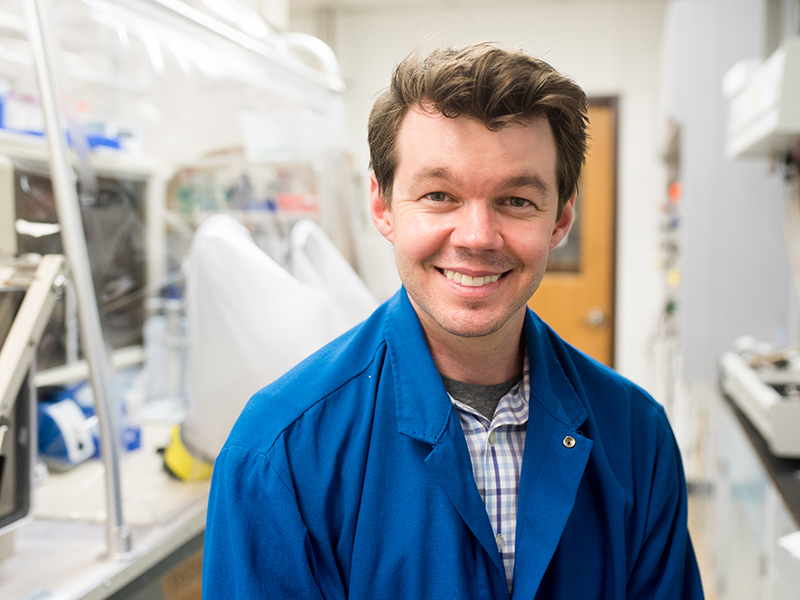
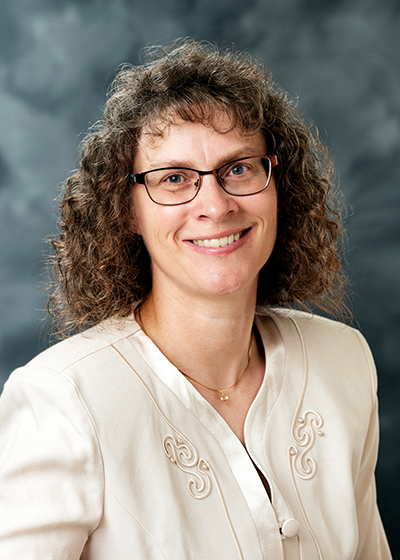
Professor David Haddleton is a leading academic in polymer chemistry at the University of Warwick , with over 30 years of experience in industrial and academic research. He serves as the Director of the Polymer Characterisation RTP at Warwick and holds an Honorary Professor position at Monash University (Pharmacy and Materials Engineering). His research focuses on sustainable polymer synthesis, catalysis, and applications in healthcare and personal care. Key projects : Sustainable Chemistry in Flow, Stress-Free 3D Printing, Controlled Radical Polymerization, Transdermal Drug Delivery Haddleton’s work emphasizes controlled polymerization techniques such as atom transfer radical polymerization (ATRP), catalytic chain transfer polymerization (CCTP), and SET-LRP. He integrates biomimetic chemistry and green polymer science to address challenges in biodegradability and industrial applications. His collaborations span Unilever, Lubrizol, Syngenta, and SMEs like Medherant, where he co-founded the company as Chief Scientific Officer. His publications span environmentally friendly polymerization , protein-polymer conjugates, and glycopolymer interactions with lectins. Current research explores pressure-sensitive adhesives for transdermal drug delivery and chemistry in flow for scalable synthesis. Though no specific awards are documented, his 20+ patent families and extensive industry partnerships underscore his impact. Haddleton supervises 19 PhD students and contributes to undergraduate teaching modules on Materials and Polymers and Colloid Science . His expertise drives innovation in biodegradable polymers and photopolymerization , aligning with global sustainability goals.
Clovia Holdsworth is an Associate Professor and Deputy Head of School (Research Training) at the School of Environmental and Life Sciences, University of Newcastle. She holds a PhD from Griffith University and a MSc in Chemistry from De La Salle University, Philippines. Her academic career includes roles such as Head of Chemistry Discipline and Senior Lecturer. She specializes in polymer chemistry, molecular imprinting, and plasma polymerization of greenhouse gases. Research Expertise: Her work focuses on radical polymer synthesis, molecularly imprinted polymers (MIPs), and their applications in sensing and extraction. Notable contributions include the first successful use of ionic liquids and microwave irradiation in MIP synthesis. Collaborations with the Australian Centre for Separation Science and plasma polymerization studies highlight her interdisciplinary approach. Teaching & Awards: A dedicated educator, she coordinates undergraduate courses in Organic, Analytical, and Polymer Chemistry. Her teaching excellence is recognized through multiple awards, including the Vice-Chancellor’s Teaching Excellence Award (2010) and Faculty Teaching Awards (2018, 2014, 2011, 2009/2008). She is also a recipient of the Balik Scientist Fellowship (2010). Grants & Funding: Over 30 grants totaling $2.3M, including projects on molecularly imprinted polymers, conductive polymers, and environmental remediation via plasma technology. Recent grants include a New Colombo Plan mobility project (2022) and collaborations with Indonesian institutions. Labs & Teams: Leads research in polymer synthesis and molecular imprinting, with active collaborations in drug delivery, environmental sensors, and plasma chemistry. Her labs integrate advanced techniques like quantitative NMR and capillary electrophoresis for material characterization.
Nicholas A. Peppas is the Cockrell Family Regents Chair #6 in the Departments of Chemical Engineering and Biomedical Engineering at The University of Texas at Austin's Cockrell School of Engineering. He previously held the Fletcher Stuckey Pratt Chair at UT (2003-2014) and served as Chair of the Department of Biomedical Engineering (2009-2015). Before joining UT, he was a Showalter Distinguished Professor at Purdue University (1993-2002) where he also held positions as Professor, Associate Professor, and Assistant Professor in the School of Chemical Engineering. His educational background includes a Dipl. Eng. from the National Technical University of Athens (1971) and a Sc.D. from MIT (1973). He has received honorary doctorates from multiple institutions including the Universities of Thessaloniki, Santiago de Compostela, National Technical University of Athens, Patras, Athens, and Ghent. Peppas's research follows a multidisciplinary approach blending molecular and cellular biology with engineering principles to design next-generation drug release systems. His work spans bionanotechnology, controlled drug delivery, polymerization kinetics, biomaterials science, and mathematical modeling of diffusion in polymers. Over 42 years, he has established fundamentals for rational design of biomedical systems and developed models of drug and protein diffusion in controlled release devices and biological tissues. His publication record shows a consistent trajectory from fundamental polymer science toward increasingly sophisticated biomedical applications. Early work focused on polymer chain entanglements and polymerization kinetics, then evolved to molecular theories of polymer gels, and more recently to advanced drug delivery systems including glucose-responsive biomimetic networks, oral insulin delivery systems, and siRNA nanocarriers for inflammatory disease treatment. The research demonstrates a progression from theoretical foundations to practical medical applications targeting diabetes, autoimmune disorders, and cardiovascular diseases. 2019 Honorary Doctorate, University of Thessaloniki, Greece 2018 Adam Yarmolinsky Award of the National Academy of Medicine 2017 American Academy of Arts and Sciences (elected fellow) 2016 International Academy of Medical and Biological Engineering (elected member) 2015 Controlled Release Society Award for Life Contributions 2014 National Academy of Inventors (elected fellow) 2012 Founders Award, National Academy of Engineering 2008 National Academy of Medicine (elected member) 2006 National Academy of Engineering (elected member) Peppas has served in numerous leadership roles including President of the International Union of Societies of Biomaterials Science and Engineering, Chair of the Engineering Section of the American Association for the Advancement of Science, Chair of the Council of BME Chairs, and President of both the Society for Biomaterials and the Controlled Release Society. He is Editor of 'Regenerative Biomaterials' and Associate Editor of 'Science Advances'. As a highly decorated researcher with membership in multiple national academies worldwide, his laboratory has produced groundbreaking work in biomaterials and drug delivery that has translated into significant medical advancements. His research group, the Laboratory of Biomaterials, Drug Delivery, and Bionanotechnology at UT Austin, focuses on developing intelligent biomaterials for medical applications. The team combines expertise in polymer science, nanotechnology, molecular biology, and medical device engineering to create responsive drug delivery systems. Current work emphasizes targeted therapies for diabetes management, inflammatory bowel disease, and cardiovascular conditions through advanced nanocarrier systems and responsive hydrogels.
Stanislav Groysman is a Professor in the Department of Chemistry at Wayne State University’s College of Liberal Arts and Sciences. His research focuses on synthetic inorganic and organometallic chemistry, bioinorganic chemistry, ligand design, catalysis, and small molecule activation. He investigates group-transfer reactions and small molecule activation at transition and main-group metal centers using bulky alkoxide and redox-active ligands. B.Sc., Tel Aviv University (2000) Ph.D., Tel Aviv University (2006) Postdoctoral Associate, Harvard University (2006-2009) Postdoctoral Fellow, MIT (2009-2011) His research projects include nitrene/carbene transfer chemistry at 3d metals (iron, chromium, cobalt) in bis(alkoxide) environments and homobimetallic systems with redox-active ligands for cooperative small molecule activation. Current work spans energy/environmental applications like CO2 reduction and C-C bond catalysis. Key publication trends include transition metal-mediated reactions (especially 3d metals), ligand design for controlled reactivity, and applications in polymerization, electrocatalysis, and biomimetic chemistry. Notable collaborations involve studies on molybdenum-copper systems relevant to carbon monoxide dehydrogenase enzymes. NSF CAREER Award (2014) for work on heteroallene reductive transformations Invited Contributor, Dalton Transactions Special Issue on Multimetallic Complexes (2017) Invited Contributor, Dalton Transactions Special Issue on New Talent Americas (2016) He teaches graduate-level inorganic chemistry courses including Intermediate Inorganic Chemistry II and Advanced Bioinorganic Chemistry. Contact: groysman@chem.wayne.edu | Office: 123 Chemistry Research Bldg. | Phone: 313-577-2689
Assistant Professor Peter Olsén leads the Green Polymer Chemistry (GPC) group at Linköping University's Laboratory of Organic Electronics (LOE), focusing on sustainable and functional materials through polymer, organic, and biopolymer chemistry. He holds a PhD in Fibre and Polymer Technology from KTH Royal Institute of Technology (2015) and a master's in Chemical Engineering (2010). His research spans green synthetic methodologies, biobased polymers, and chemical recycling, supported by grants from the WWSC, Olle Engkvist Foundation, and FORMAS. Notably, his group moved to LOE in 2024, expanding into organic electronics integration. Key achievements include developing novel functionalization strategies for cellulose and lignin, as well as designing recyclable polymer systems. Education: MSc/PhD in Chemical Engineering/Polymer Chemistry from KTH. Postdoc roles included Stockholm University (2016–2018) and KTH (2018–2020). His research emphasizes sustainable material design, with over 50 peer-reviewed publications. Awards include the WWSC Strategic Recruitment Package (2024) and the FORMAS Starting Grant (2020). Research interests center on green chemistry innovations, including chemical recycling pathways, biopolymer functionalization, and eco-friendly polymer synthesis. His lab's recent expansion at LiU's Norrköping campus (2024) supports advanced material experimentation. Grants and collaborations drive projects on circular materials and energy-efficient biocomposites.
Bronwyn Fox is an Adjunct Professor at Swinburne University of Technology, with a focus on materials engineering and manufacturing processes. She previously served as Deputy Vice-Chancellor (Research and Enterprise) and founded the Manufacturing Futures Research Institute to advance Industry 4.0 in Australia's manufacturing sector. Her expertise includes carbon fibre composites, sustainable materials, and advanced manufacturing technologies. Roles: Adjunct Professor, former Deputy Vice-Chancellor, and founder of the Manufacturing Futures Research Institute Key Contributions: Pioneered the Carbon Nexus facility at Deakin University, fostering industrial research collaboration Research Interests: Her work spans materials science, composite materials, and sustainable manufacturing. Key areas include carbon fibre composites, Industry 4.0 automation, and recyclable vitrimers. She emphasizes interdisciplinary collaboration to bridge materials innovation with industrial application. Awards: Fellow of the Academy of Technological Sciences and Engineering (ATSE), Fellow of the Royal Australian Chemical Institute (RACI), and Chair of the Victorian Division of ATSE. Grants & Supervision: Led projects funded by the Australian Research Council, Department of Industry, and industry partners like Boeing. Supervised numerous PhD students exploring topics such as composite materials, graphene applications, and structural batteries. Labs/Teams: Associated with Swinburne Research and collaborates on initiatives like the ARC Research Hub for Future Fibre Industry.
Morgan Hawker is an Assistant Professor in the Department of Chemistry and Biochemistry at California State University, Fresno. She holds a B.S. in Chemistry from UC Santa Cruz and a Ph.D. in Chemistry from Colorado State University. Her postdoctoral work at Tufts University focused on silk-based biomedical materials through the NIH-funded TEACRS program. Her research focuses on plasma-modifying polymeric materials for biomedical applications, including natural polymers like silk fibroin. Key areas include tuning material surface chemistry, developing hydrophobic materials, and creating functionalized biomaterials. Teaching emphasizes general/physical chemistry with a focus on growth mindset and metacognitive strategies. Dr. Hawker’s lab actively engages undergraduates in synthesizing, modifying, and characterizing polymers. She has secured NIH grants for biomedical materials research and maintains a lab website (Hawker Research Lab). Professional activities include teaching Chem 1A, Chem 1AL, and advanced courses in physical chemistry. Her work bridges material science and education innovation, with notable contributions in plasma surface engineering and specifications grading methodologies in STEM education.
Dr. Simon Harrisson is a Senior Researcher at the CNRS (Centre National de la Recherche Scientifique), affiliated with the Organic Polymer Chemistry Laboratory (LCPO CNRS UMR5629) in Bordeaux, France. His career spans institutions including the University of New South Wales (PhD, 2002), University of Warwick, Washington University in St Louis, CSIRO, Institut Galénique Paris Sud, and Solvay Research & Development Centre. Key research areas: Polymer microstructure control, kinetics, statistical analysis, gradient copolymers, and degradable materials. Recent publications focus: Radical polymerization methods (ATRP, RAFT), biodegradable polymers, thermoresponsive hydrogels, and self-assembling nanomaterials. Scientific Awards Member, Comité National de la Recherche Scientifique (2016-2021) Polymer Chemistry (RSC) Advisory Board
Prof. Jennifer Strunk holds the W3 professorship for Industrial Chemistry and Heterogeneous Catalysis at the Technical University of Munich (TUM), within the TUM School of Natural Sciences. She was appointed to this position in 2023 after serving as a W2 professor at the Leibniz Institute for Catalysis at the University of Rostock (2017-2023). Her research group focuses on using renewable energy sources for the heterogeneously catalyzed activation of small molecules such as CO 2 , H 2 O, N 2 , and short-chain alcohols. Her research interests center on sustainable chemical processes, with particular emphasis on photocatalysis, electrocatalysis, and thermal catalysis. She applies a diverse toolbox of operando spectroscopy to identify active sites under reaction conditions, aiming to establish structure-function relationships. Her work explores various energy input methods including light in photocatalysis, renewable electricity in electrocatalysis, and novel heat sources in thermal catalysis, or combinations thereof. Her fingerprint in research prominently features titanium dioxide, rutile surfaces, carbon dioxide conversion, and photocatalytic processes. Prof. Strunk's recent publications (2023-2025) demonstrate strong activity in semiconductor photocatalysis, heterojunction systems for environmental applications, green synthesis of nanomaterials, and fundamental studies of light-induced surface processes. Her work shows a clear trajectory toward addressing global sustainability challenges through innovative catalytic solutions for carbon dioxide utilization and renewable energy conversion. Scientific Awards: Lecturer Award of the Chemical Industry Fund (2017) Jochen Block Prize of the German Society for Catalysis (2014) Appointment as a member of the Global Young Faculty of the Mercator Research Center Ruhr (2011-2013) Acquisition of a BMBF junior research group (~1.2 million euros) (2010) Doctoral scholarship from the Heinrich Böll Foundation (2007-2008) Prof. Strunk received her diploma (2004) and doctorate (2008) in technical chemistry from Ruhr University Bochum. Following a postdoctoral stay at UC Berkeley (2008-2010), she became a junior research group leader at Ruhr University Bochum (2010-2014), then an independent group leader at the Max Planck Institute for Chemical Energy Conversion (2014-2016), before her appointment at TUM. Her research contributes significantly to UN Sustainable Development Goals related to affordable and clean energy, industry innovation, and climate action.
Yang Shi is a Full Professor and Head of the Department of Polymer Therapeutics at RWTH Aachen University Hospital . His research focuses on engineering polymer-based therapeutic systems for chemotherapy, vaccination, and immunotherapy. PhD from Utrecht University (2014) Former Associate Professor at South China University of Technology Group Leader at RWTH Aachen University Clinic (2016–present) Research Interests : Enzyme-degradable prodrug nanovesicles for immunomodulation Covalent self-assembled nanogels/hydrogels for tissue engineering Polymeric micelles for cancer chemo-immunotherapy Funding & Grants : European Research Council (ERC) Starting Grant & Proof of Concept Grant German Research Foundation (DFG) Federal Ministry of Education and Research (BMBF) Scientific Awards : Theodore von Kármán Fellow Science Award (International Pharma Sciences Foundation/Rottendorf Stiftung) Rising Star Awards from Journal of Nanobiotechnology & Biomacromolecules Merck Best On-Demand Talk Award (Controlled Release Society)
Benjamin Keitz is an Associate Professor in the Department of Chemical Engineering at the University of Texas at Austin, holding the Frank A. Liddell, Jr. Centennial Fellowship. His research focuses on integrating synthetic chemistry and biology to design functional materials for catalysis, energy, environmental remediation, and medicine. Key areas include microbial extracellular electron transfer (EET) and engineering living materials through metabolic networks. He leads the Keitz Group, advancing tools in chemical kinetics, surface chemistry, and genetic networks. Education: Postdoctoral Researcher (UC Berkeley, 2012-2015), Ph.D. Chemistry (Caltech, 2012), B.S. Chemical Engineering (UT Austin, 2007). Research interests emphasize chemical/biological synthesis of functional materials, combining microbial EET with inorganic/organic substrates. Recent work explores organic electrochemical transistors, genome editing in bacteria, and high-throughput EET characterization. His lab develops biohybrid systems where living cells interface with synthetic materials, addressing challenges in sustainable materials and biomanufacturing. Awards include the NSF CAREER Award (2020), Air Force Young Investigator Award (2020), and NIH MIRA Award (2019). His work spans over 100 publications, with contributions in Nature Chemistry , ACS Synthetic Biology , and Nature Communications . Keitz has advised multiple postdocs and graduate students, focusing on troubleshooting skills and interdisciplinary training. His research group collaborates on projects funded by NSF, NIH, and DoD, emphasizing translational applications of living materials.
Dr. Julie Jessop is a Professor and Associate Director at Mississippi State University's Dave C. Swalm School of Chemical Engineering, where she holds the Hunter Henry Chair. She earned her Ph.D. (1999) and B.S. (1995) in Chemical Engineering from Michigan State University. Her research program focuses on: Spectroscopic characterization of polymer reactions Hybrid photopolymer resins development Cationic ring-opening photopolymerizations Electron-beam polymerization mechanisms Analysis of her extensive publication record reveals dominant research themes in polymerization kinetics, radiation chemistry applications, and advanced characterization techniques. Her recent work emphasizes electron-beam systems, hybrid polymerization approaches, and process optimization strategies. Dr. Jessop maintains active memberships in the American Chemical Society (ACS), American Institute of Chemical Engineers (AIChE), American Society for Engineering Education (ASEE), and RadTech International North America.
Dr. Ali Bagheri serves as a Lecturer in Chemistry at the School of Science and Technology, University of New England (UNE), specializing in macromolecular synthesis for drug delivery and 3D printing applications. His educational background includes: BSc (unspecified field) MSc (unspecified field) PhD in Chemical Engineering, University of New South Wales (2018), completed under Dr. May Lim and Prof. Cyrille Boyer at the Centre for Advanced Macromolecular Design (CAMD) and Australian Centre for NanoMedicine (ACN) Dr. Bagheri's research pioneers visible light-controlled radical polymerization techniques for synthesizing stimuli-responsive polymeric materials. His work bridges fundamental polymer chemistry with practical applications in biomedical engineering and advanced manufacturing, particularly focusing on oxygen-tolerant 3D printing systems and antimicrobial polymer development. Key innovations include photo-RAFT polymerization for complex structure fabrication and nitric oxide delivery systems targeting bacterial biofilms. His 13 publications (2016-2021) reveal a cohesive research trajectory centered on visible light-mediated polymerization. Dominant themes include 3D/4D printing material development (69% of works), antimicrobial polymer systems (23%), and nanoparticle functionalization (15%). Publications appear in high-impact journals like Advanced Science and Angewandte Chemie , demonstrating strong industry-academia collaboration with institutions including University of Auckland and UNSW. Scientific awards: No awards are documented in the provided profile. Advising and grants: The profile does not specify graduate students supervised or research grants secured. Teaching responsibilities include CHEM 110, CHEM 120, CHEM 305/505, and CHEM 306/506 in Polymer Chemistry and Material Science. Labs and teams: Current research operates within UNE's School of Science and Technology. Previously affiliated with CAMD and ACN at UNSW during doctoral studies, with postdoctoral work in the University of Auckland's Polymer Chemistry group.
Professor Michelle Coote is the Matthew Flinders Professor in Chemistry at Flinders University’s College of Science and Engineering. She holds roles as Research Leader at the Flinders Institute for Nanoscale Science & Technology and Executive Editor of the Journal of the American Chemical Society. Her research focuses on designing novel synthetic methods and catalysts, particularly using non-traditional approaches like electricity and light for bond activation. Coote completed a BSc(Hons) in industrial chemistry (UNSW, 1995) and a PhD in polymer chemistry (UNSW, 2000), followed by postdoctoral work at the University of Durham (UK) and Australian National University (ANU). She transitioned to Flinders University in 2023 after 19 years at ANU. Research Interests: Coote’s group integrates computational and experimental approaches to advance polymer chemistry, catalysis, and materials science. Key areas include RAFT polymerization, electrochemical synthesis, and photocatalytic reactions. Her work emphasizes sustainable methodologies and novel bond-activation strategies. Awards and Fellowships: Elected Fellow: Australian Academy of Science, Royal Society of Chemistry, Royal Australian Chemical Institute RACI Leighton Memorial Medal (2021), Cornforth Medal (2000), HG Smith Medal (2016) Georgina Sweet ARC Laureate Fellowship (2017–2022) International Union of Pure and Applied Chemistry Prize for Young Scientists (2001) Grants and Funding: Extensive ARC funding including Future Fellowships (2010–2014) and Postdoctoral Fellowships (2002–2004). Her lab’s work aligns with UN Sustainable Development Goals related to affordable clean energy and responsible consumption. Labs and Collaborations: Leads the Computer-Aided Chemical Design group at Flinders, collaborating globally on topics like electrostatic catalysis and green chemistry. Active in training early-career researchers through her supervisory roles.
Dr. Damien Samways is Associate Professor of Biology at Clarkson University's Lewis School of Health & Life Sciences. His laboratory investigates cellular signaling mechanisms through membrane receptors and ion channels, with applications in cancer research and drug delivery. Research focuses on: Functional characterization of ATP-gated P2X receptors and TRPV channels Calcium signaling dynamics in cellular responses Receptor-targeted drug delivery strategies for cancer Development of polymeric drug carriers for chemotherapeutic agents His publications demonstrate innovative approaches to modulating cellular uptake of therapeutic agents, with recent work on selective permeabilization of cancer cells and novel polymer-based delivery systems. The research spans molecular biophysics, pharmacology, and materials science. He teaches neurobiology, comparative physiology, and pharmacology courses at undergraduate and graduate levels.