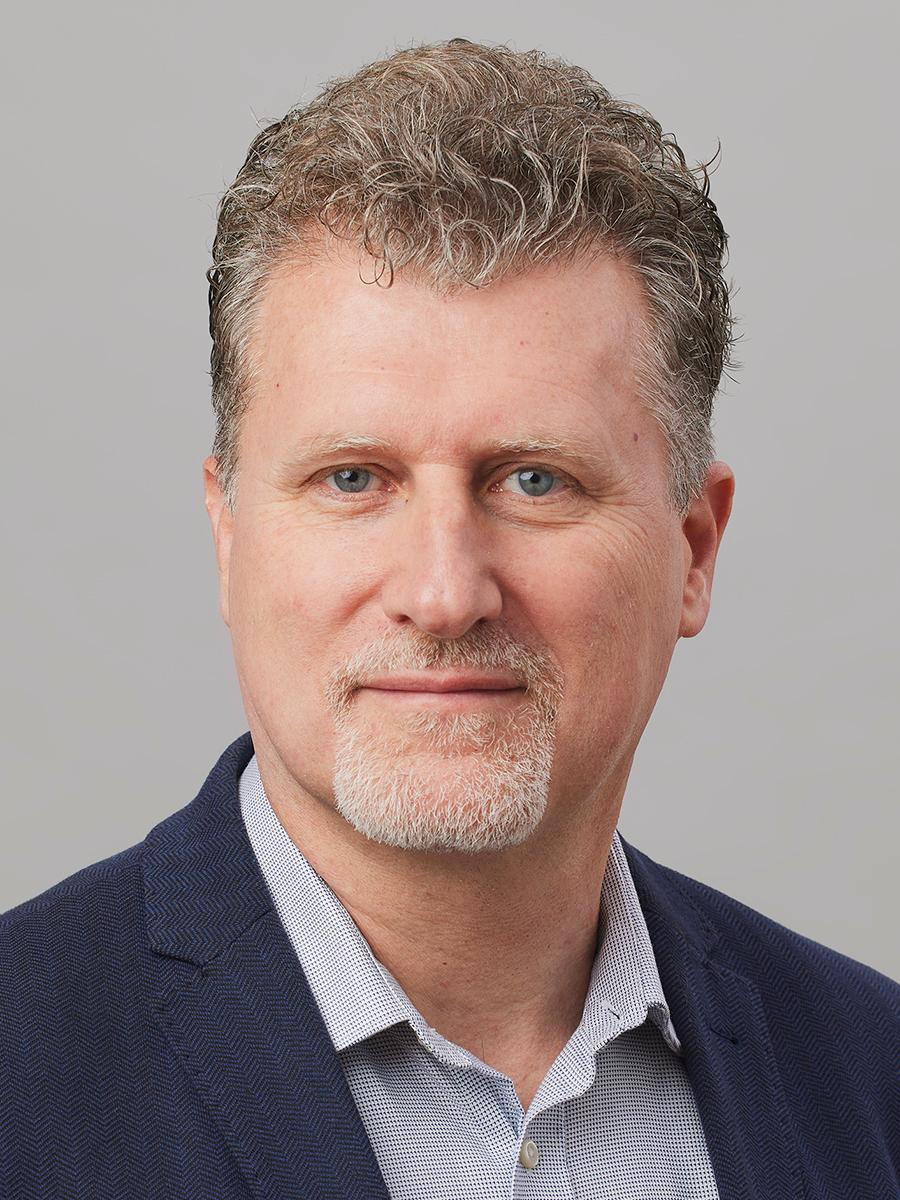
Masaki Nishida is a Professor at the Faculty of Sport Sciences , Waseda University, and Vice President of the Health Support Center at the same institution. He also serves as Chief of the Sleep Research Institute . His research bridges Sleep Science , Sports Medicine , and Clinical Psychiatry , with a focus on the interplay between sleep, cognitive function, and athletic performance. Education: Tokyo Medical and Dental University, Faculty of Medicine (1996) His work has significantly advanced understanding of napping interventions for athletes, sleep quality in competitive divers, and neurophysiological mechanisms linking sleep spindles to memory consolidation. Current research projects include a 2024-2027 study on functional bedding effects funded by Japan Society for the Promotion of Science. Scientific awards include the 15th Japanese Society of Sleep Research Encouragement Award (2010) and the 88th Japanese Society for Occupational Health Award (2015). His publications span topics like REM sleep's role in emotional memory , sleep inertia , and motor adaptation , with recent emphasis on international sports psychiatry standards . He actively contributes to professional societies including the Japanese Association of Sports Psychiatry (Chairman) and Society for Neuroscience .
John MacLaren Walsh is a Professor in the Department of Electrical and Computer Engineering at Drexel University, where he leads the Adaptive Signal Processing and Information Theory Research Group. He holds BS, MS, and PhD degrees from Cornell University, all completed under Dr. C. Richard Johnson, Jr. His research spans information theory, network coding, distributed computing, and machine learning applications in patent analysis. His work focuses on: Bounding entropic vectors and their impact on communication networks Rate region computation for network coding and distributed storage Information theory for distributed function computation Machine learning-enhanced patent processing systems Publications emphasize entropy geometry, network coding complexity, distributed algorithms, and patent analysis, with consistent themes of optimization and combinatorial methods. Recent work (2016-2019) shows increased focus on probabilistic supports and computational efficiency in network coding. Awards: 2011 NSF CAREER Award for 'Entropy Geometry in Variational Inference Signal Processing' He has advised PhD students on topics like entropy region mapping, network coding, and distributed control. Key grants include NSF CAREER and AFOSR funding for wireless network overhead control. He directs the Adaptive Signal Processing and Information Theory Research Group, which develops algorithms for network coding, distributed storage, and patent analysis systems.
Ashwani K. Gupta is a Distinguished University Professor at the University of Maryland, holding the Minta Martin Professorship in Engineering. He serves as Professor in the Department of Mechanical Engineering, Professor at the Institute of Physical Science and Technology, and Affiliate Professor in the Department of Aerospace Engineering. With over 45 years of experience in combustion engineering since graduating from Southampton University in 1970, Gupta has established himself as a leading authority in advanced combustion technologies. Dr. Gupta earned his Ph.D. from the University of Sheffield in 1973, followed by a D.Sc. from the same institution in 1986 and another D.Sc. from Southampton University in 2013. His academic journey includes six years at MIT as a research staff member and three years at Sheffield University as an independent research worker before joining the University of Maryland in 1983. Gupta's research focuses on revolutionizing combustion technology through innovations in swirl flows, high-temperature air combustion (HiTAC), and distributed combustion systems. His pioneering work on 'colorless distributed combustion' has enabled ultra-low emission combustion processes with significant applications in gas turbine engines and waste-to-energy conversion. His research spans biofuels, CO2 utilization, sulfur chemistry, waste conversion, and advanced laser diagnostics, addressing critical challenges in sustainable energy and environmental protection. Analyzing his recent publications reveals a strong emphasis on waste-to-energy conversion, biomass processing, and CO2-assisted technologies. Gupta's work demonstrates a clear trajectory toward sustainable energy solutions, with increasing integration of artificial intelligence for combustion optimization and emission control. His research bridges fundamental combustion science with practical engineering applications for cleaner energy systems. Among Gupta's numerous accolades are: Election to Fellowship of the Royal Academy of Engineering (2023) Honorary Fellowship of the Royal Aeronautical Society (2020) Recognition as one of the top 2% of scientists worldwide by Stanford University (2022-2024) Multiple prestigious medals from ASME and AIAA including the Soichiro Honda Medal (2018) and AIAA Air Breathing Propulsion Award (2014) Honorary doctorates from three international universities Gupta has secured substantial research funding throughout his career, resulting in over 850 technical papers, three books, 18 edited books, and 22 book chapters. He has delivered over 100 plenary/keynote/invited presentations at international conferences. His mentorship has shaped numerous graduate students who continue to contribute to the field of combustion engineering. Gupta directs the Combustion Laboratory at the University of Maryland, which serves as a hub for cutting-edge research in sustainable combustion technologies. The Combustion Laboratory, under Gupta's leadership, has become a center of excellence for advanced combustion research, particularly in distributed combustion systems, waste-to-energy conversion, and alternative fuels. The lab maintains strong collaborations with industry partners and international research institutions, facilitating technology transfer and practical implementation of research findings. Gupta's team employs state-of-the-art diagnostics and computational tools to advance fundamental understanding while developing practical engineering solutions for cleaner energy systems.
Antonia Holzapfel is a doctoral researcher at the Institute for Data Science in Mechanical Engineering (DSME) of RWTH Aachen University. Supervised by Prof. Sebastian Trimpe, her work focuses on safe and explainable machine learning (XAI) for robotics and time-series modeling, with applications in mechanical engineering and medical technology. Bachelor's in Mechanical Engineering (Design Engineering specialization) Master's in General Mechanical Engineering (Simulation Technology and Medical Technology specializations) Her research addresses safety in learning processes , including Bayesian optimization for quadcopters and concept extraction for model interpretability. Her Friedrich-Wilhelm Award -winning thesis (2024) explored safe online learning in time-varying environments, presented at the L4DC conference. She contributes to DFG-funded projects on data-driven process modeling in forming technology. Key scientific contributions include: Advancing safe Bayesian optimization for autonomous systems Developing explainable AI methods for time-series analysis Improving model robustness through internal representation patterns Scientific awards: Friedrich-Wilhelm Award for outstanding Master's thesis (2024) Antonia's work bridges machine learning safety with practical applications in robotics and industrial processes.
Lauren Andrews serves as Associate Professor and Marvin and Eva Schlanger Faculty Fellow in the Department of Chemical Engineering at the University of Massachusetts Amherst. Her research integrates synthetic biology and genetic engineering to develop programmable cellular systems for biotechnological applications. Education: Postdoctoral Training: Massachusetts Institute of Technology (Biological Engineering and Broad Institute of MIT and Harvard) PhD: University of Colorado Boulder, Chemical Engineering (2012) MS: University of Colorado Boulder, Chemical Engineering (2009) BS: Cornell University, Chemical Engineering (2006) Dr. Andrews' research focuses on establishing genetic design rules for reprogramming cellular regulation and metabolism. Her lab pioneers synthetic gene networks, genetically-encoded biosensors, and high-throughput methodologies for optimizing genetic designs in both model and non-model bacteria. This work enables precise control of cellular sensing, memory, and environmental responses through multiplexed DNA assembly and next-generation sequencing. Analysis of her 15 most recent publications reveals dominant themes in bacterial biosensor development (particularly for bioremediation), quorum sensing engineering, and programmable genetic circuits for probiotic applications. Her research consistently bridges fundamental genetic circuit design with practical implementations in bacterial consortia and non-model organisms. Scientific Awards: Marvin and Eva Schlanger Faculty Fellowship NSF CAREER Award (2020) for "Programmable synthetic microbial consortia for complex multicellular functions" Her grant portfolio demonstrates significant funding for collaborative research in bacterial communication systems and model-guided design of synthetic ecosystems. The Andrews Lab maintains active partnerships with the MIT-Broad Foundry and Cold Spring Harbor Laboratory, where she co-founded the Synthetic Biology Summer Course. Current projects focus on CRISPR-based regulation in non-model bacteria and algorithmic programming of sequential logic in probiotic strains. The Andrews Lab operates within the Life Science Laboratories at UMass Amherst, utilizing advanced facilities for genetic prototyping and high-throughput screening. Her team develops multiplexed tools for exploring genetic design spaces, with particular emphasis on soil bacteria and Gram-positive pathogens for environmental and therapeutic applications.
Dr. Amin Sakzad is an Associate Professor in the Department of Software Systems & Cybersecurity at Monash University's Faculty of Information Technology. His research focuses on lattice-based cryptography, wireless communications, and post-quantum security protocols. He holds a PhD in Applied Mathematics from Amirkabir University of Technology (2011) and has held academic roles at Carleton University and Monash since 2012. Dr. Sakzad’s expertise spans lattice coding theory, MIMO systems, and privacy-preserving technologies for genomic databases and blockchain applications. He leads multiple ARC-funded projects, including work on secure databases (SRDBMS) and post-quantum cryptographic primitives for FinTech and energy sectors. His research has been recognized through awards such as the FIT Dean’s Award for Teaching Excellence (2021). Key collaborations include projects on blockchain security (CollinStar Lab), genomic data privacy, and energy market cybersecurity. His work addresses UN SDGs through contributions to quality education (SDG 4) and industry innovation (SDG 9). Recent publications highlight advancements in lattice-based cryptography (e.g., CRYSTALS-Kyber variants), privacy-preserving energy trading, and secure blockchain protocols like FPPW watchtower systems. His research bridges theoretical cryptography with practical implementations in embedded systems and 5G telecommunications. Grants: 16 active/completed projects including $1.2M in ARC funding Advising: Supervising PhD projects on lattice applications in post-quantum crypto and blockchain Labs: Core member of Monash’s Software Defined Telecommunications (SDT) Lab and CollinStar Lab
Georgia Zellou is an Associate Professor in the Department of Linguistics at the University of California, Davis, where she co-directs the Phonetics Lab and conducts award-winning research at the intersection of phonetics, speech perception, and human-AI interaction. Her work investigates how phonetic detail is cognitively represented through variations in speech production, with significant contributions to understanding speech alignment with voice assistants, face-masked speech intelligibility, and cross-linguistic perception of synthetic voices. Her academic credentials include a Ph.D. in Linguistics from the University of Colorado at Boulder (2012), an M.A. in Linguistics from Stony Brook University (2007), and a B.A. in Linguistics & Anthropology from the University of Florida (2005, Cum Laude, Phi Beta Kappa). Ph.D., Linguistics, University of Colorado at Boulder (2012) M.A., Linguistics, Stony Brook University (2007) B.A., Linguistics & Anthropology, University of Florida (2005) Professor Zellou's research program centers on laboratory phonology approaches to real-world communication challenges, examining how acoustic-phonetic details influence speech perception across contexts. Her studies span speech alignment with voice-AI systems (e.g., Amazon Alexa), sociophonetic variation in bilingual speech, and the cognitive mechanisms underlying perceptual compensation for coarticulation. She employs experimental methods including eye-tracking, acoustic analysis, and perceptual testing to uncover how phonetic variation functions pragmatically in human communication and human-machine interaction. Analysis of her 15 most recent publications (2023-2025) reveals three dominant research trajectories: (1) human-AI voice interaction dynamics, including prosodic alignment and social evaluation of TTS voices; (2) intelligibility optimization in challenging contexts (face masks, clear speech for diverse listeners); and (3) cross-linguistic phonetic variation in vowelless words and consonant clusters. These works consistently bridge theoretical phonology with applied speech technology, demonstrating how fine-grained phonetic detail influences communication effectiveness in both human-human and human-machine contexts. Her scientific recognition includes: Fulbright Scholar (2022) for research in France Chancellor’s Award for Excellence in Undergraduate Mentoring (2019) Fellow of the Linguistic Society of America (2020) Amazon Faculty Research Award (2019) for Alexa-related speech studies Dean’s Fellow designation at UC Davis (2020-2023) Professor Zellou maintains an active mentoring practice recognized with the Chancellor’s Award, supervising undergraduate researchers in the Phonetics Lab while teaching core linguistics courses from introductory to advanced graduate levels. Her research program is supported by competitive grants including NSF funding, Amazon Research Awards, and UC Davis internal grants (Hellman Foundation, ISS Junior Faculty Grant), reflecting the translational value of her work for speech technology development. She has co-directed major initiatives including the 2019 LSA Linguistic Institute. The Phonetics Lab she co-leads serves as a hub for experimental phonetics research, focusing on speech production-perception relationships through projects investigating vocal accommodation to voice assistants, nasal coarticulation dynamics, and cross-linguistic prosody. Current collaborations with industry partners aim to implement human speech adaptation principles into voice assistant design to enhance naturalness and engagement.
Gustavo Valverde Mora is a Lecturer at ETH Zurich's Power Systems Laboratory in the Department of Information Technology and Electrical Engineering. His research focuses on distributed energy resources, smart grid technologies, and power system control, with expertise in behind-the-meter DER integration and hosting capacity analysis. His recent work addresses key challenges in renewable energy integration, including voltage control coordination between transmission and distribution networks, data-driven local control schemes for active distribution grids, and unsupervised load disaggregation techniques using smart meter data. He has developed novel methods for DER modeling, GIS-based system analysis, and distribution network planning. Recognized with multiple awards including the 2022 Costa Rican National Technology Award, he actively contributes to IEEE Task Forces on DER integration. His research demonstrates strong emphasis on practical grid applications, combining theoretical power systems knowledge with advanced data analytics. Dr. Valverde teaches Power System Analysis (227-0526-00L) and maintains collaborations with utilities worldwide on renewable integration challenges.
Dr. Pavlos Tafidis is a Lecturer in Transport (Systems) Engineering at the School of Engineering, University of Edinburgh. His work integrates interdisciplinary approaches to advance transport planning and engineering, with a focus on smart and sustainable mobility solutions. PhD in Transport Engineering, Hasselt University (2022) M.Sc in Transport Planning, Aristotle University of Thessaloniki (2015) M.Eng in Transportation, Aristotle University of Thessaloniki (2013) He leads projects like "BikeHood" (Science Foundation of Ireland), developing Ireland’s first cycling neighborhood, and contributes to initiatives such as "REALLOCATE" (Horizon 2020) and "CISMOB" (Interreg Europe). His research emphasizes accessible mobility solutions, equity in transport infrastructure, and urban livability. Recent publications analyze cyclist crash hotspots using machine learning, electric bike route preferences via GPS data, and traffic-emission correlations in Dublin. His expertise spans digital twins, virtual reality, and geospatial analysis. Dr. Tafidis teaches courses including Transport Engineering 3, Transport and Society, and Multi-Scale Energy Demand, affiliated with the School of Engineering and Edinburgh Future Institute.
Dr. Madjid Mohseni is a Professor in the Department of Chemical and Biological Engineering at the University of British Columbia's Faculty of Applied Science. He serves as the Scientific Director of the Community Circle on Scaling Business Innovation for Humanity with his office located in CHBE 221. Dr. Mohseni leads the Water Laboratory (http://waterlab.chbe.ubc.ca/), focusing on water quality and advanced treatment technologies for drinking water applications. Dr. Mohseni earned his Ph.D. (1998) and M.A.Sc. (1994) from the University of Toronto, and his B.Sc. from Amirkabir University of Technology in Iran. His educational background has prepared him for his current research in water treatment and environmental engineering. His research program centers on developing, evaluating, and implementing advanced oxidation processes (AOPs), particularly UV-based AOPs, ion exchange, and electrochemical processes. His laboratory conducts both laboratory-scale development and pilot-scale field evaluations at partner community sites. Current work emphasizes PFAS remediation through various approaches including advanced oxidation/reduction processes, ion exchange technologies, and electrochemical methods. He also investigates novel materials like MXenes for water purification and develops practical solutions for municipal and community water systems. Analysis of Dr. Mohseni's recent publications reveals a strong focus on emerging contaminants, particularly PFAS, with significant emphasis on UV-based treatments and vacuum UV technology. His research consistently bridges fundamental science with real-world applications, developing technologies specifically tailored for small community water systems while addressing critical water quality challenges. Dr. Mohseni maintains affiliations with the Clean Energy Research Centre and the Bioproducts Institute at UBC, demonstrating his commitment to interdisciplinary research that addresses environmental challenges through innovative engineering solutions. His work aims to advance the science behind water treatment technologies while offering communities more efficient and cost-effective solutions to protect human health and the environment.
Gregory D. Hager is the Mandell Bellmore Professor of Computer Science at Johns Hopkins University, with joint appointments in Electrical and Computer Engineering, Mechanical Engineering, and the Department of Surgery at the School of Medicine. He serves as the head of the NSF's Computer and Information Science and Engineering Directorate (as of 2024) and is the founding director of the Johns Hopkins Malone Center for Engineering in Healthcare. Previously, he chaired the Department of Computer Science from 2010-2015 and served as deputy director of the NSF Engineering Research Center for Computer-Integrated Surgical Systems and Technology. Hager's research focuses on collaborative and vision-based robotics, time-series analysis of image data, and medical applications of image analysis and robotics. His work spans surgical robotics, human-machine collaboration, and computer vision with applications in healthcare. As director of the Computational Interaction and Robotics Lab (CIRL), he investigates dynamic spatial interaction at the intersection of imaging, robotics, and human-computer interaction. His research has led to real-world applications in surgical training, medical imaging, diagnostics, and computer-enhanced interventional medicine. Hager's publications demonstrate consistent advancement in surgical data science, with recent work focusing on 3D reconstruction from endoscopic video, surgical skill assessment using AI, and robotic assistance in neurosurgery. His research trajectory shows increasing integration of deep learning with surgical robotics, particularly in real-time guidance systems and objective skill assessment metrics. IEEE Fellow MICCAI Fellow ACM Fellow AIMBE Fellow AAAS Fellow MICCAI Best Paper Award (2006) Fulbright Junior Faculty Award (1988) Morris Ruben Outstanding Dissertation Award (1988) Hager has advised numerous PhD students who have become leaders in computer vision and medical robotics. His lab has secured significant research funding, including NSF Engineering Research Center support. He co-founded two successful startups: Clear Guide Medical (ultrasound-guided procedures) and Ready Robotics (industrial robot usability). As chair of the Computing Community Consortium and member of the International Federation of Robotics Research board, he has shaped national research agendas in computing and robotics. Hager leads the Computational Interaction and Robotics Lab (CIRL), which is associated with the NSF Engineering Research Center for Computer-Integrated Surgical Systems and Technology (ERC-CISST) and the Laboratory for Computational Sensing and Robotics (LCSR). His team collaborates extensively with clinicians at Johns Hopkins Hospital to translate robotics research into clinical practice.
Ambuj Varshney is an Assistant Professor at the National University of Singapore (NUS) School of Computing , leading the WEISER research group . His work bridges electronics, wireless communication, computer science, and AI with a focus on creating ultra-low-power embedded systems for sustainable IoT deployments. University of California, Berkeley: Postdoctoral Scholar (2020-2022) Uppsala University: PhD in Sustainable Networked Systems NXP Semiconductors: Software Engineer (prior to PhD) Bachelors in Information & Communication Technology Research interests center on overcoming wireless systems' energy asymmetry through tunnel diode oscillators , LiFi-RF hybrid networks , and battery-free communication architectures . His group develops STICORS —sticker-like computers for industrial and medical monitoring. Recent publications demonstrate AudioCast 's FM-band utilization for 130m transmission, TunnelSense 's vital monitoring, and PixelGen 's diffusion model cameras. These works combine IoT sustainability, spectrum efficiency, and hardware innovation . 2024: Google Research Scholar Award 2023: MobiSys Best Demonstration 2021: Berkeley FORM+FUND Fellowship 2019: ABB's $300K Research Award As an educator, he teaches CS4222 Wireless Networking and CS5272 Embedded Software Design . Past students include Wenqing Yan (NUS/UCB PhD), Qiao Yukai , and Kunjun Li . His team collaborates with Prabal Dutta (UCB), Christian Rohner (Uppsala), and Prateek Saxena (NUS).
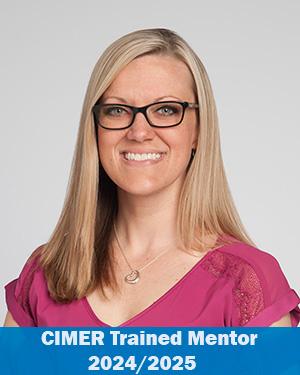
Jessica Williams, PhD is an Assistant Professor in the Department of Neurosciences at the Cleveland Clinic Lerner Research Institute (LRI) with additional faculty appointments at Case Western Reserve University, Kent State University, and Cleveland State University. She serves as the Cleveland Clinic liaison for Kent State University and represents the Clinic on the Executive Council for the Brain Health Institute and the Biomedical Sciences Graduate Program Executive Committee. Education: Postdoctoral Fellowship in Neuroimmunology, Washington University School of Medicine (2017) Ph.D. in Immunology, The Ohio State University (2011) M.S. in Physiology, Purdue University (2006) B.S. in Biology/Chemistry, Lindenwood University (2004) Dr. Williams' research focuses on neuroimmune interactions during multiple sclerosis, particularly examining regional responses of CNS glia to immune stimuli and astrocyte-immune crosstalk. Her lab employs murine MS models, primary human and murine cell analyses, and MS patient lesion assessment to investigate cytokine-mediated neuroprotection and CNS repair mechanisms. Recent work highlights protective astrocyte functions mediated by traditionally deleterious cytokines. Analysis of her 15 most recent publications reveals consistent focus on neuroimmune crosstalk in MS, with increasing emphasis on astrocyte heterogeneity, cytokine signaling (particularly IFNγ), and novel therapeutic targets like immunoproteasomes. Key themes include regional CNS differences in immune responses, glial cell repair mechanisms, and translating basic findings into potential MS therapies. Scientific Awards: Lerner Research Institute Excellence in Education Award (2022) Mentor of the Year Award (2023) Dr. Williams actively mentors the next generation of scientists as evidenced by her CIMER Trained Mentor certification and the graduation of PhD student Brandon Smith. Her research is supported by significant funding from the NIH, National MS Society, W.M. Keck Foundation, Brain Health Research Institute, and Neurological and Vision Impact Area. She regularly serves on study sections for the NIH, National MS Society, and Department of Defense. The Williams Laboratory investigates the interplay between immune and central nervous systems during MS, with current projects examining cytokine-mediated neuroimmune crosstalk for CNS repair and regionally distinct glial responses to inflammation. The lab employs advanced techniques including murine MS models and primary human cell analyses to identify novel therapeutic pathways for MS patients.
Prof. Raffaele Mezzenga is a Full Professor at ETH Zürich's Department of Health Sciences and Technology and Head of the Institute of Food, Nutrition, and Health. He earned his master's from Perugia University (Italy) and a PhD in Polymer Physics from EPFL, followed by postdoctoral work at UC Santa Barbara. His career includes roles at the Nestlé Research Center and the University of Fribourg before joining ETH in 2009. His research focuses on self-assembly processes in polymers, biopolymers, and colloidal systems, with applications in environmental remediation, bioplastics, and biomedical materials. Key contributions include pioneering protein-based materials and advancing understanding of amyloid fibrils. Education: Master's, Materials Science & Engineering, Perugia University PhD, Polymer Physics, EPFL Research Interests: Self-assembly, biopolymers, amyloid materials, sustainable technologies, food colloids, and soft condensed matter. Awards: 2011 AOCS Award, 2017 APS Fellowship, and 2013 Biomacromolecules Young Investigator Award. Visiting Roles: Held visiting professorships at Aalto University, RMIT, Monash University, Nanyang Technological University, and others. Labs/Teams: Leads the Institute of Food, Nutrition, and Health at ETH, focusing on interdisciplinary research in food science and biomaterials. His work bridges fundamental science and applied innovation, addressing global challenges in sustainability and health through materials science. Recent projects include creating bioplastics from food waste, developing amyloid-based water purification systems, and advancing targeted drug delivery via lipidic mesophases.
Yang Weng is an Associate Professor at the School of Electrical, Computer and Energy Engineering, Arizona State University. He leads the U.S.-Israel International Consortium on Energy Cyber Initiative on Cybersecurity R&D and directs a research lab focused on smart grid resilience and machine learning applications. Previously, he was a TomKat Postdoctoral Scholar at Stanford University. Education: Ph.D. in Electrical and Computer Engineering, Carnegie Mellon University M.S. in Machine Learning, Carnegie Mellon University Research: His interdisciplinary work bridges power systems, machine learning, and cybersecurity, emphasizing renewable integration, grid optimization, and cyber-physical resilience. Key themes include physics-informed AI, adversarial robustness in energy infrastructure, and real-time control algorithms for dynamic grids. Publications: Recent articles (2024–2025) demonstrate strong trends in AI-driven grid security, adaptive control under uncertainty, and climate-impact modeling. Dominant domains include neural network applications for stability guarantees, cyber-attack mitigation, and data-efficient renewable integration. Awards: NSF CAREER Award (2021), Amazon Research Award (2023) Best Paper Awards at IEEE SmartGridComm (2012, 2013), PES GM (2014), PMAPS (2016) IEEE Senior Member, Sun Award (ASU), Centennial Award (ASU) Grants & Leadership: Secured DOE, NSF, and AFOSR funding for projects on AI-enhanced grid resilience. Advises PhD/postdoc candidates and chairs the U.S.-Israel Energy Center consortium. Organized international workshops (e.g., ICRDE 2023) and validated research via hardware-in-the-loop experiments. Lab & Team: Directs a research group developing deployable ML solutions for utilities (e.g., OPAL-RT collaborations). Focus areas: cybersecurity toolchains, reinforcement learning for grid control, and anomaly detection architectures.