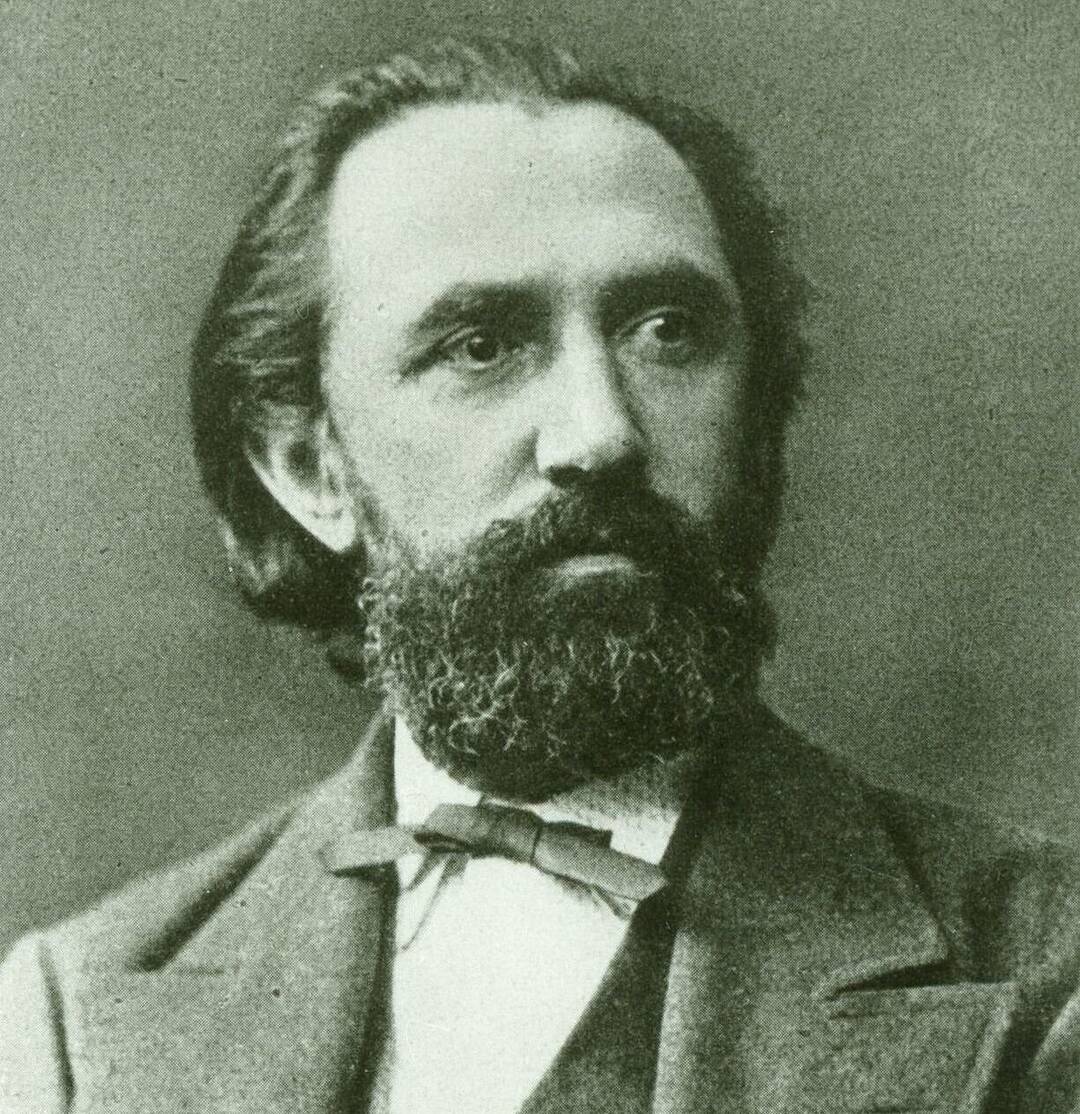
Franz Reuleaux (1829–1905) was a German Professor of Mechanical Engineering and a pivotal figure in establishing technical science on mathematical and scientific principles. He held academic roles at institutions including the Königlich Technische Hochschule zu Berlin (now TU Berlin), serving as Director of the Gewerbeakademie and Rector from 1890–1891. His work emphasized theoretical rigor over mere practical training in engineering education. Education: Studied mechanical engineering at Karlsruhe Polytechnic, followed by philosophy and natural sciences at Bonn and Berlin universities. Key Contributions: Authored foundational works like Theory of Design for Mechanical Engineering (1854) and exposed poor German industrial quality through Letters from Philadelphia (1876), catalyzing national quality reforms. His debates with Alois Riedler highlighted tensions between theoretical and practical engineering education. Despite controversies, his legacy endures in engineering methodology and quality advocacy.
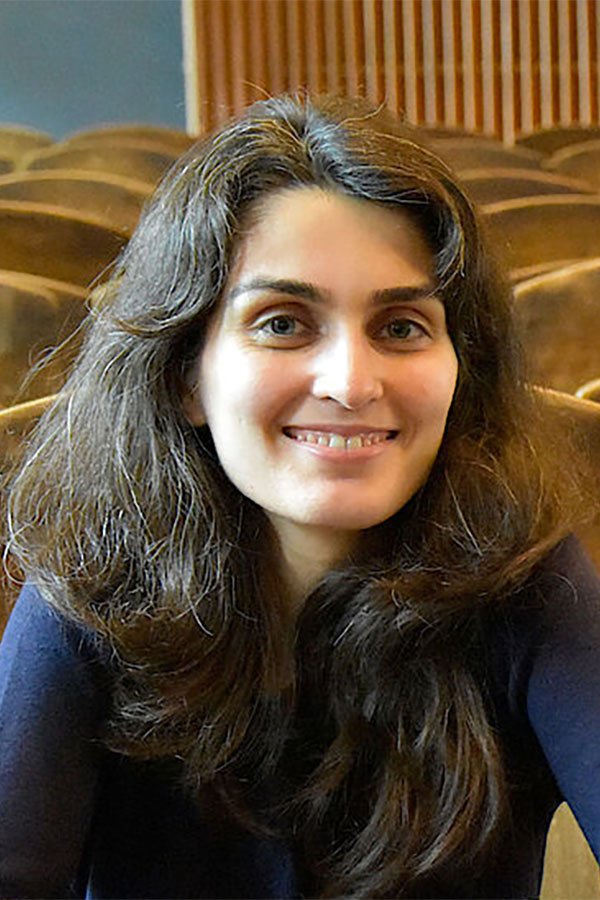
Dr. Irene Morales Casero is a researcher at the Institute of Inorganic Chemistry at Leibniz University Hannover, leading the AG Magnetic Functional Materials group. Her work focuses on magnetic materials, nanotechnology, and their applications in biomedical and materials science. She is also part of the Inorganic Molecular and Materials Chemistry Group . Her research interests include the synthesis and characterization of magnetic nanoparticles, hydrogels, cryogels, and their use in drug delivery, energy storage, and biosensing. Recent studies explore stimuli-responsive nanocarriers for targeted drug delivery, plasmonic metamaterials, and magnetic hyperthermia applications. Publications highlight contributions to magnetic nanoparticle-based platforms, functional nanoparticle assemblies, and material design for energy and biomedical applications. Her work bridges fundamental material science with applied technologies, emphasizing interdisciplinary approaches. Dr. Morales collaborates widely, with postdoctoral researchers and interdisciplinary teams. While no formal awards are listed, her extensive publication record reflects significant contributions to magnetic materials research. No student advisees are explicitly mentioned, but her groups involve postdoctoral and technical staff.
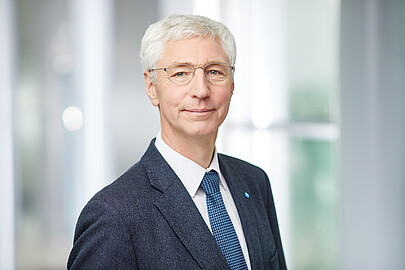
Prof. Jörg Seume is the Executive Director of the Institute of Turbomachinery and Fluid Dynamics at Leibniz University Hannover (Faculty of Mechanical Engineering). He also serves as Spokesperson of the Collaborative Research Centre (CRC) 871 'Regeneration of Complex Capital Goods' and holds roles in the Leibniz Research Centre Energy 2050. His research focuses on turbomachinery, fluid dynamics, gas turbine technology, and aerodynamics. Education details are not explicitly provided, but his academic and professional trajectory indicates expertise in mechanical engineering and fluid dynamics. Research interests include compressor and turbine design, aeroelasticity, aeroacoustics, and energy systems (e.g., PEM fuel cells, organic Rankine cycles). Recent publications (2023-2024) emphasize numerical simulations of turbine and compressor performance, aeroacoustic scaling, labyrinth seal dynamics, and innovations in hydrogen and fuel cell systems. He leads experimental and computational projects, including wind tunnel tests and fluid dynamics modeling. Notable projects include the WiValdi wind farm research initiative and the development of electric turbochargers for automotive applications. His work bridges academic research with industrial applications in energy and propulsion systems.
Prof. Michael Beer is the Executive Director of the Institute for Risk and Reliability at Leibniz University Hannover. He holds a professorship in the Faculty of Civil Engineering and Geodetic Science and serves on the Faculty Council. His research focuses on structural reliability, uncertainty quantification, and risk analysis with applications in civil engineering systems. He leads the Collaborative Research Centres (CRC) 871 and 1463, addressing regeneration of complex capital goods and offshore megastructure design, respectively. His work integrates machine learning, Bayesian methods, and stochastic modeling to address challenges in seismic vulnerability, geotechnical systems, and reliability-based design optimization. Beer is also a member of the Leibniz Research Centre Energy 2050, emphasizing interdisciplinary energy systems research. Beer's research interests span probabilistic modeling of dynamic systems, uncertainty propagation in engineering systems, and data-driven methods for reliability assessment. His recent publications emphasize computational methods for reliability, machine learning applications, and seismic risk analysis. He actively contributes to academic leadership roles, including editorial boards and research center management.
Dr. Setareh Maghsudi is a Professor in the Learning Technical Systems group at the Faculty of Electrical Engineering and Information Technology at Ruhr-University Bochum. She joined Ruhr-University Bochum in August 2023 after serving as an Assistant Professor at the University of Tübingen (2020-2023) and at the Technical University of Berlin (2017-2020). Her academic journey began with an M.Sc. from Kiel University (2008-2010), followed by her Ph.D. and postdoctoral work at Technical University of Berlin (2011-2015), Yale University (2016-2017), University of Manitoba (2015-2016), and Kyushu University (2019). Dr. Maghsudi's research focuses on the application of machine learning to communication networks and distributed systems, with particular emphasis on bandit algorithms, federated learning, and resource allocation in dynamic environments. Her work bridges theoretical machine learning with practical networking challenges, developing algorithms that can adapt to non-stationary environments with partial information. She has made significant contributions to multi-armed bandit frameworks for wireless communications, edge computing, and network optimization. Her recent publications (2023-2025) demonstrate a strong trend toward addressing challenges in integrated sensing and communication (ISAC), federated learning for edge networks, and non-stationary decision-making problems. The publications show expertise spanning theoretical machine learning foundations, wireless communications engineering, and practical implementation for real-world networked systems. Her work increasingly incorporates causal reasoning and robustness considerations into learning frameworks for communication systems. Dr. Maghsudi leads the Learning Technical Systems research group at Ruhr-University Bochum, where she supervises PhD students and postdoctoral researchers working at the intersection of machine learning and communication systems. Her research is supported by various grants focusing on AI for future communication networks. Current projects include developing AI-driven solutions for next-generation communication systems with emphasis on robustness, efficiency, and adaptability in dynamic environments.
Dr. Markus Lindemann is a Senior Researcher at Ruhr-University Bochum's Faculty for Electrical Engineering and Information Technology, working within the Photonics and Terahertz Technology department. His research focuses on advanced semiconductor laser technologies with particular emphasis on VCSELs (Vertical-Cavity Surface-Emitting Lasers) and their applications in high-speed optical communications and terahertz generation. Dr. Lindemann's research interests span photonics, terahertz technology, spintronics, and semiconductor laser physics. His work primarily investigates polarization dynamics in spin-VCSELs, birefringence engineering, and the development of coupled-cavity laser systems capable of ultra-high-frequency modulation. His research has significant implications for next-generation optical data transmission systems that require bandwidths beyond 100 GHz. Analysis of Dr. Lindemann's recent publications reveals a strong focus on advancing VCSEL technology through innovative cavity designs. His work on coupled-cavity VCSEL arrays demonstrates promising approaches for coherent terahertz generation and ultra-broadband optical communications. The research shows a clear trajectory toward overcoming bandwidth limitations in optical data transmission through sophisticated manipulation of laser polarization states and photon-photon resonance phenomena. Dr. Lindemann has published extensively in high-impact journals including Nature, IEEE Photonics Journal, and Applied Physics Letters, with numerous conference presentations at major international venues such as SPIE Photonics West and the IEEE Photonics Conference. His collaborative research approach is evident through his extensive co-authorship network across multiple institutions. Within the Photonics and Terahertz Technology team at Ruhr-University Bochum, Dr. Lindemann contributes to advancing laser technology research, particularly in developing novel VCSEL configurations for high-speed optical communications and terahertz applications. His work bridges fundamental semiconductor physics with practical applications in next-generation optical transmission systems.
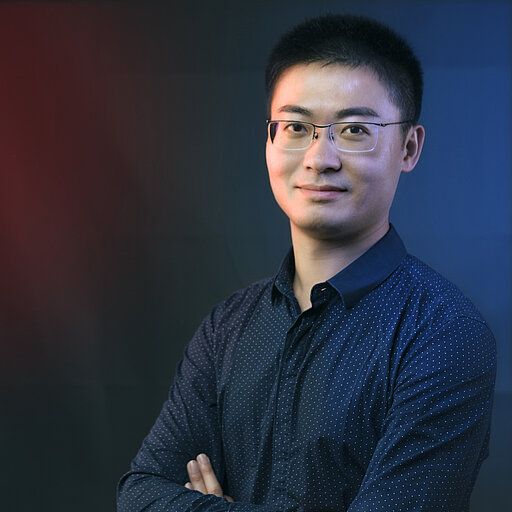
Dr. Jing Qi is a Postdoctoral Researcher in Experimental Physics II at the University of Würzburg's Faculty of Physics and Astronomy, specializing in nanoscale quantum materials and surface phenomena. She joined the research group led by Prof. Dr. Matthias Bode in October 2019 and maintains her laboratory in Building P1 (Physics), Room F164. Educational Background: Bachelor of Science (2013), Huazhong University of Science and Technology (China) Master of Science (2015), Institute of Physics, Chinese Academy of Sciences (China) Dr. rer. nat. in Physics (2019), Institute of Physics, Chinese Academy of Sciences (China) Her research centers on scanning tunneling microscopy/spectroscopy (STM/STS) investigations of two-dimensional quantum materials , with particular emphasis on magnetic chirality tuning, molecular self-assembly on surfaces, and electronic properties of transition metal dichalcogenides. She employs advanced instrumentation including LT-STM/AFM and CryoMag systems to probe nanoscale phenomena at cryogenic temperatures. Her experimental approach integrates atomic-scale imaging with first-principles calculations to establish structure-property relationships in novel materials systems. Analysis of her 15 most recent publications (2017-2024) reveals dominant research themes in quantum material characterization (73%), magnetic nanostructures (62%), and molecular electronics (45%), with increasing focus on Kagome lattices and topological materials in recent works. Her collaborative network spans Germany (University of Würzburg), China (Institute of Physics CAS), and international institutions. Scientific Recognition: Contributions to high-impact journals including Angewandte Chemie , Physical Review B , and Nature Communications Key role in discovering Kagome flat-band localized states through STM imaging Development of methods for reversible magnetic chirality control Dr. Qi actively contributes to the department's research infrastructure, particularly in cryogenic STM instrumentation (LT-1, LT-2, LT-3 systems). She collaborates extensively with theoretical groups for first-principles validation of experimental findings. Her current work focuses on engineered quantum states in 2D materials for potential spintronic applications, with several open research positions available in her team for experimental and computational projects.
Felix H. Schacher is a Full Professor at Friedrich-Schiller-Universität Jena since 2015, previously serving as Junior Professor from 2010–2015. He holds a PhD from the University of Bayreuth (2009) and conducted postdoctoral research at the University of Bristol (2009–2010). His research focuses on polymer self-assembly and applications in biomedicine, including polymer synthesis for membranes and hybrid materials. Awards include the Dr.-Hermann-Schnell-Fellowship (2013) and Carl-Duisberg Memorial Award (2020). Education: PhD in Chemistry, University of Bayreuth (2006–2009) Diploma in Chemistry, Universities of Bayreuth and Lund (2006) Research interests include controlled polymerization techniques, block copolymers, and polyampholytes for material design. His group develops smart polymers for drug delivery and biomedical sensors, leveraging techniques from free radical to ionic polymerization methods. Key projects include SPP 2332 PoP Project 10 on biophysical methods for quantifying parasite mechanics. Collaborations involve interdisciplinary teams across physics, biology, and engineering. His lab (www.jenano.uni-jena.de) explores length-scale self-assembly from nanometers to micrometers.
Prof. Dr. Thomas Speck is a Full Professor of Botany (Functional Morphology and Biomimetics) at Albert-Ludwigs-Universität Freiburg. He serves as Principal Investigator for Research Areas B, C, and D, and Coordinator of the Demonstrator Line within the Cluster of Excellence livMatS. As Director of the Botanical Garden, he combines academic leadership with institutional management. His research focuses on biomimetic applications derived from plant biomechanics, including material science, robotics, and sustainable technologies. Key projects involve developing bio-inspired actuators, adaptive materials, and energy-harvesting systems. Speck also explores plant-host interactions (e.g., mistletoe) and integrates biomimetic principles into education and architecture. Recent work includes studies on plant-inspired soft robots, hygromorphic materials, and biohybrid systems for reforestation. His interdisciplinary approach bridges biology, engineering, and design, with applications in healthcare (e.g., speaking valves), renewable energy, and urban sustainability. Education: Advanced academic training in botany and biomechanics. Grants: Cluster of Excellence livMatS funding and DFG projects. Supervised over 15 doctoral and postdoctoral researchers, contributing to 100+ publications. Laboratory facilities include the Botanical Garden and IDEASfactory@FIT for prototyping biomimetic solutions.
Dr. Armin Nurkanović is an interim professor at the Technical University of Braunschweig's Department of Mathematical Optimization, where he teaches courses on dynamic optimization and numerical methods. Previously, he completed his PhD at the University of Freiburg under Prof. Moritz Diehl, focusing on optimal control of nonsmooth dynamical systems. His research emphasizes numerical methods for hybrid systems, real-time optimization, and applications in robotics and renewable energy systems. He has received the IEEE Control Systems Letters Outstanding Paper Award (2022) and was a finalist for the 2024 European Systems & Control PhD Thesis Award. Education: Bachelor's in Electrical Engineering (University of Tuzla, 2015) Master's in Electrical Engineering and Information Technology (Technical University of Munich, 2018) PhD in Control (University of Freiburg, 2023) Research Interests: Optimal control of hybrid and nonsmooth systems (e.g., Filippov systems, switched systems) Real-time optimization for model predictive control (MPC) Robust control theory and stochastic optimization Applications in robotics and renewable energy systems Teaching & Software: Developed open-source tools nosnoc and nosnoc_py for optimal control Teaching courses on numerical optimization and optimal control at TU Braunschweig Collaborations & Students: Open to academic and industry collaborations Supervises Bachelor's/Master's theses in mathematics, engineering, and computer science
Dr. Philipp Klein is an Assistant Professor at the Chair of Banking within the School of Business and Economics at the University of Münster. He holds a PhD in Finance (2020) from the same institution, preceded by a Master's and Bachelor's in Economics from the University of Münster (2015 and 2013). His research focuses on Risk Management , Financial Intermediation , Green Finance , and Information Processing in Financial Markets . He has published in journals like Journal of Financial Stability and Journal of Financial Intermediation , with notable works addressing ABS market dynamics and regulatory frameworks. Klein has received awards including the Ieke-van-den-Burg-Preis (2025) and a Walter Benjamin Fellowship (2021/22). Teaching responsibilities include courses on Financial Intermediation , Sustainable Finance , and Business Administration . He has held visiting roles at the University of Zurich (2021-2022) and served as Temporary Professor at the University of Paderborn (2023-2024). Klein actively participates in international conferences, presenting at events like the Financial Intermediation Research Society (FIRS) and European Accounting Association (EAA) . His work on synthetic capital relief trades and textual disclosures in ABS prospectuses highlights innovative approaches to bridging the green finance gap and improving market transparency. Research outputs frequently emphasize empirical analysis of banking practices and regulatory impacts.
Jun. Prof. Dr. Ziyue Li is a Junior Professor in Machine Learning in Smart Markets at the Information Systems Department of WiSo Faculty, University of Cologne, Germany (2022–present). They also serve as Chief Machine Learning Scientist at EWI, Germany. Their academic career includes researcher positions at Hong Kong Science and Technology Park Corporation/SenseTime (2021–2022), Nokia Bell Labs (2019), and doctoral studies at The Hong Kong University of Science and Technology (2017–2021). Dr. Li's research focuses on high-dimensional data mining , machine learning , and smart mobility . Their work combines tensor analysis, graph modeling, and spatiotemporal prediction to solve complex problems in transportation systems and data analytics. They have developed innovative approaches for passenger flow prediction and travel pattern analysis. Their publications demonstrate a strong focus on tensor-based machine learning methods applied to mobility data. Key trends include Integration of graph theory with tensor decomposition Development of spatiotemporal prediction models Applications in urban transportation analytics Hybrid transfer learning approaches Multi-clustering methods for travel pattern analysis Data completion techniques for complex networks Scientific recognition includes Multiple INFORMS Data Mining Section awards IEEE CASE Best Conference Paper Award Hong Kong Ph.D. Fellowship Scholarship HKUST Excellent Research Award Three Minute Thesis Competition recognition
Christina Singer is a Professor for Automotive Engineering at the Technische Hochschule Nürnberg, Faculty MBVS, since March 2021. She previously held roles at Schaeffler Technologies AG & Co. KG (2015-2021) as a Specialist Project Management and Expert for Verification & Validation, and was a Research Assistant/Ph.D. Student at TU Darmstadt's Institute of Automotive Engineering from 2011 to 2015. Education: Master of Science in Mechanical Engineering, TU Darmstadt (2008-2010) Bachelor of Engineering in Mechanical Engineering, Fachhochschule Südwestfalen (2005-2008) Her research and teaching focus on Automotive Engineering, Systems Engineering, and Verification & Validation. Her work emphasizes methodologies for vehicle-level validation, change management in release processes, and standardized guidelines for mechatronic systems. Publications highlight interdisciplinary approaches to automotive systems assurance and driver assistance technologies. Publications Trends: Her recent articles center on automotive systems engineering, verification/validation frameworks, and change management. Keywords include Automotive Engineering , Systems Engineering , and Mechatronics , with sub-fields like Vehicle-Level Validation , Test Selection Methods , and Driver Assistance Systems .
Sara Grundel is a leading researcher at the Max Planck Institute for Dynamics of Complex Technical Systems in Magdeburg, Germany. Her work focuses on computational methods in systems and control theory, particularly in model order reduction, gas network simulation, and optimization of energy systems. Education: Diplom in Mathematics, ETH Zurich (2005) PhD in Mathematics, Courant Institute of Mathematical Sciences, New York University (2011) Research Interests: Sara’s research encompasses mathematical control theory, stability analysis, and numerical methods for differential-algebraic equations. She applies these techniques to gas and energy networks, epidemic modeling, and multi-agent systems. Her interdisciplinary work bridges computational mathematics with real-world engineering and public health challenges. Recent Publications: Her 15 most recent articles (2024–2012) demonstrate expertise in parametrized PDEs, model reduction for coupled systems, and control strategies for SARS-CoV-2 containment. Key subtopics include adaptive meshing, stability-preserving algorithms, and optimization of nonlinear network dynamics. Scientific Contributions: Developed clustering-based model reduction techniques for networked systems Investigated hyperbolic discretization methods using Riemann invariants Advanced polynomial root radius optimization with affine constraints Collaborations: Sara frequently collaborates with researchers like Peter Benner and Martin Gersen on energy grid simulations and control theory. She participates in international conferences (GAMM, IEEE CDC, MTNS) and contributes to edited volumes in applied mathematics.
Jatinder Singh is a Professor at the RC Trust and Principal Research Associate (equivalent to Research Professor) at the Department of Computer Science & Technology, University of Cambridge. He is primarily affiliated with the University of Duisburg-Essen, Germany, where he leads the Compliant and Accountable Systems research group within the Law department. His work operates at the critical intersection of computer science, legal frameworks, and societal impact, focusing on practical implementations that align technology with regulatory requirements while addressing user and community concerns. Research interests center on accountability mechanisms for AI systems, responsible development practices, data governance, and privacy/security in emerging technologies. He examines governance, agency, trustworthiness, and transparency gaps in algorithmic systems through interdisciplinary socio-technical lenses. Current work addresses bias in LLMs, stakeholder participation frameworks, and human rights implications in domains like healthcare, maritime enforcement, and consumer IoT, emphasizing contextual awareness and real-world applicability. His 15 most recent publications (2025-2024) reveal dominant trends in AI transparency, fairness proxy development, and legal-compliance engineering. Key focus areas include stakeholder involvement in AI governance, bias mitigation in language models, data justice applications for vulnerable populations, and operationalizing human-centered AI in clinical settings. The work consistently bridges technical implementation with regulatory frameworks like the EU Cyber Resilience Act and GDPR. Scientific Awards: No awards or fellowships were mentioned in the provided text. Advising and Grants: The text does not specify PhD/Master's students or grant details. As leader of an active research group publishing high-impact work on EU regulations and human rights, he likely directs funded projects and mentors early-career researchers, though concrete evidence is absent in the source material. His position suggests involvement in interdisciplinary grant consortia addressing socio-technical challenges. Labs and Teams: Singh leads the Compliant and Accountable Systems research group at University of Duisburg-Essen, which collaborates across university-wide clusters including Artificial Intelligence and Society, Human-AI Interaction, Trustworthy Human Language Technologies, and Verification of Machine Learning. The group develops frameworks for legal compliance in AI, focusing on demonstrable accountability through tools for transparency, bias auditing, and stakeholder engagement in real-world deployments.