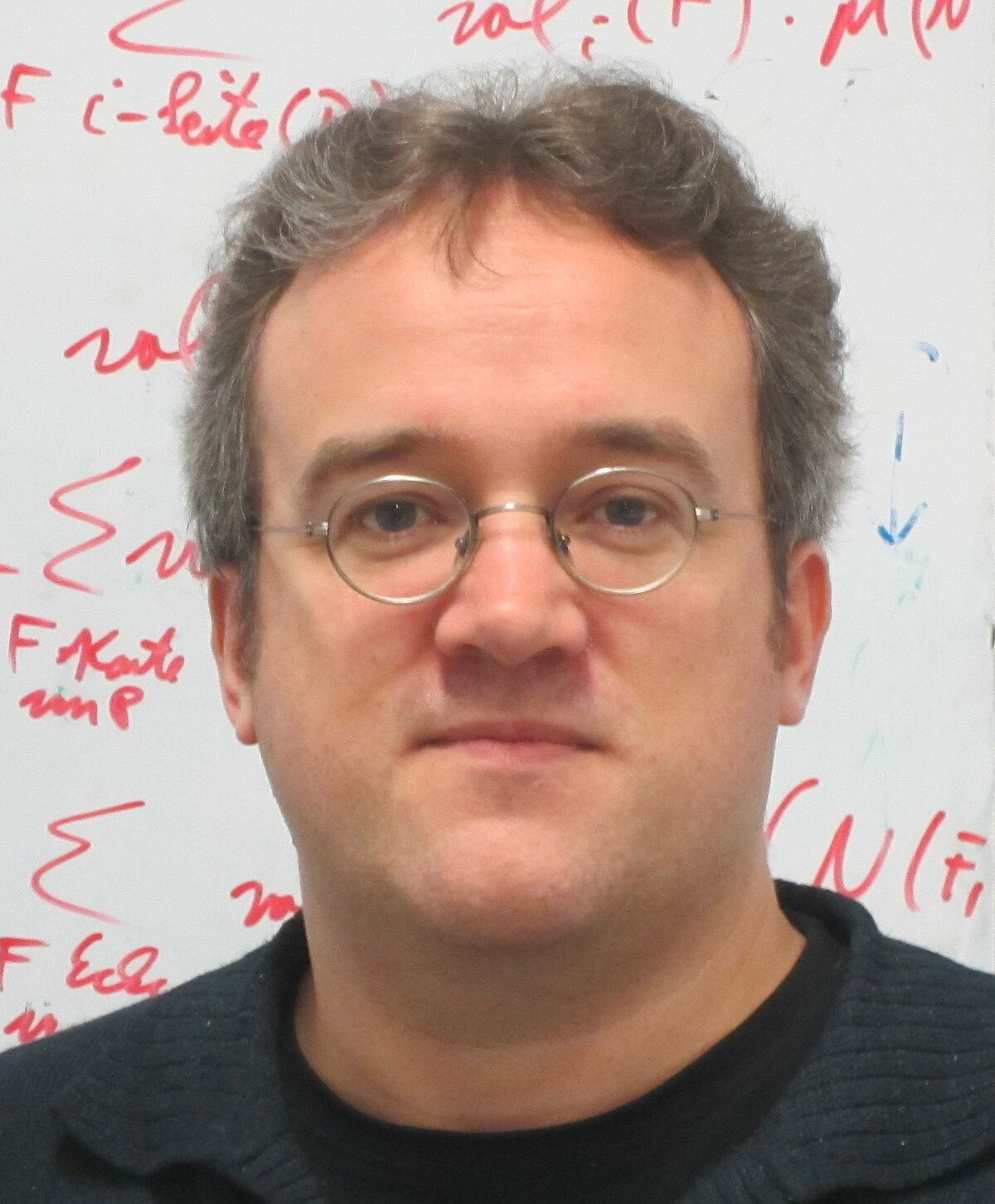
Prof. Dr. Frank Wilhelm-Mauch is a Professor in the Department of Physics at Saarland University, Faculty of Natural Sciences and Technology, and serves as the founding Director of the Institute for Quantum Computing Analytics (PGI-12) at Forschungszentrum Jülich since 2020. His research lies at the intersection of solid state physics and quantum information, focusing on theoretical and numerical aspects of quantum computing systems. Affiliation: Saarland University, Faculty of Natural Sciences and Technology, Department of Physics Position: Professor Joint Role: Director, Institute for Quantum Computing Analytics (PGI-12), Forschungszentrum Jülich Location: Campus E2 6, Saarbrücken; Building 04.9, Jülich His research interests include quantum computing, quantum algorithms, quantum simulation, quantum firmware and control, integration and analysis of quantum computer systems, relativistic quantum information, and quantum technologies. He leads a research group of over 30 members, including students and interns, and is deeply involved in advancing the state of quantum computing infrastructure in Germany. Prof. Wilhelm-Mauch is actively engaged in several major national and international research initiatives such as QSolid, OpenSuperQ+, ML4Q, QAIAC, MUNIQC-SC, and PASQuanS2. These projects aim to develop next-generation quantum simulators, improve quantum computing analytics, and integrate quantum processors into high-performance computing environments. The institute has produced over 25 scientific publications and manages nine funded projects, reflecting its significant role in the European quantum research landscape. He has fostered international scientific collaboration, with institute members having conducted research visits to countries including Italy, Japan, Canada, the Czech Republic, and Luxembourg. He also organizes seminars and hosts scientific visitors, contributing to the global academic exchange in quantum information science. While no specific awards or student advisees are listed in the provided text, his leadership in establishing and directing a major Helmholtz research institute underscores his prominence in the field. He maintains active communication through ORCID (0000-0003-1034-8476) and institutional channels, and welcomes collaboration and visits to his research group.