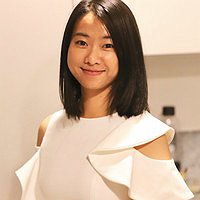
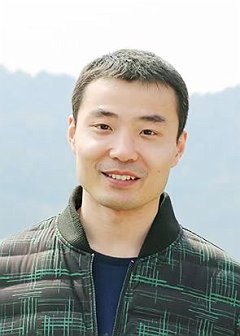
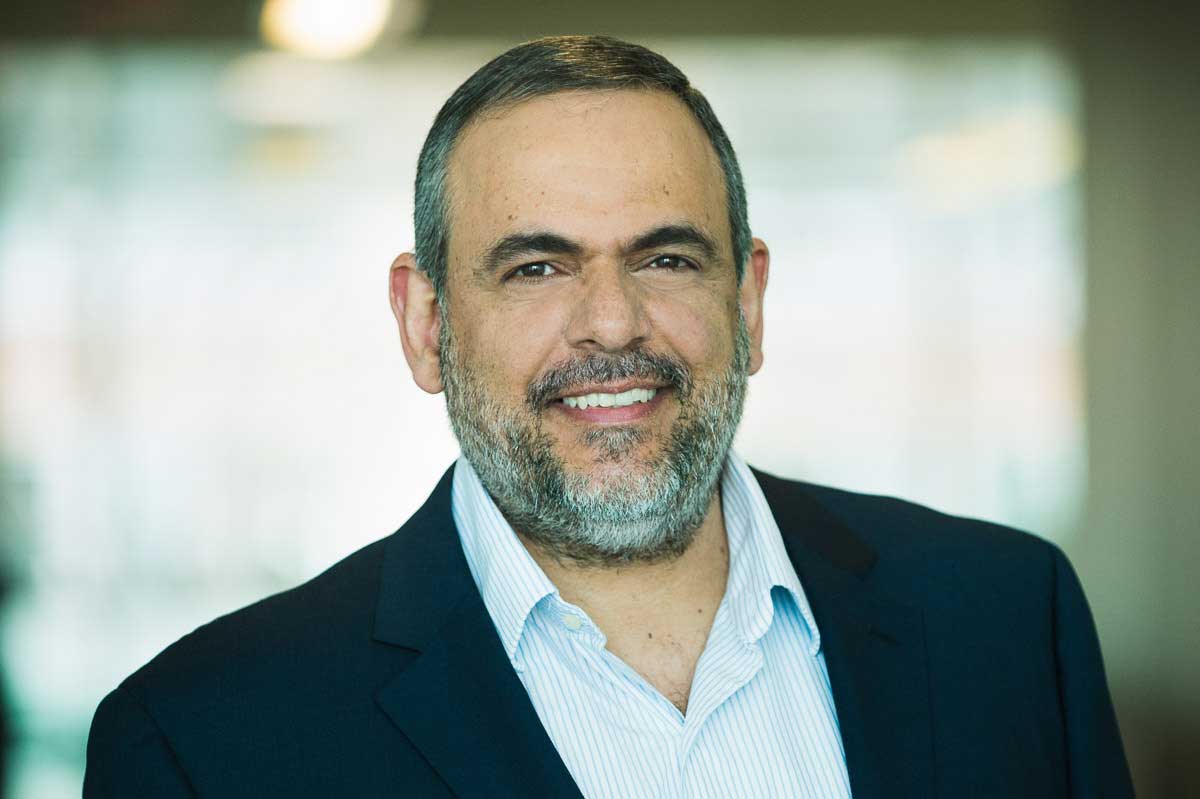
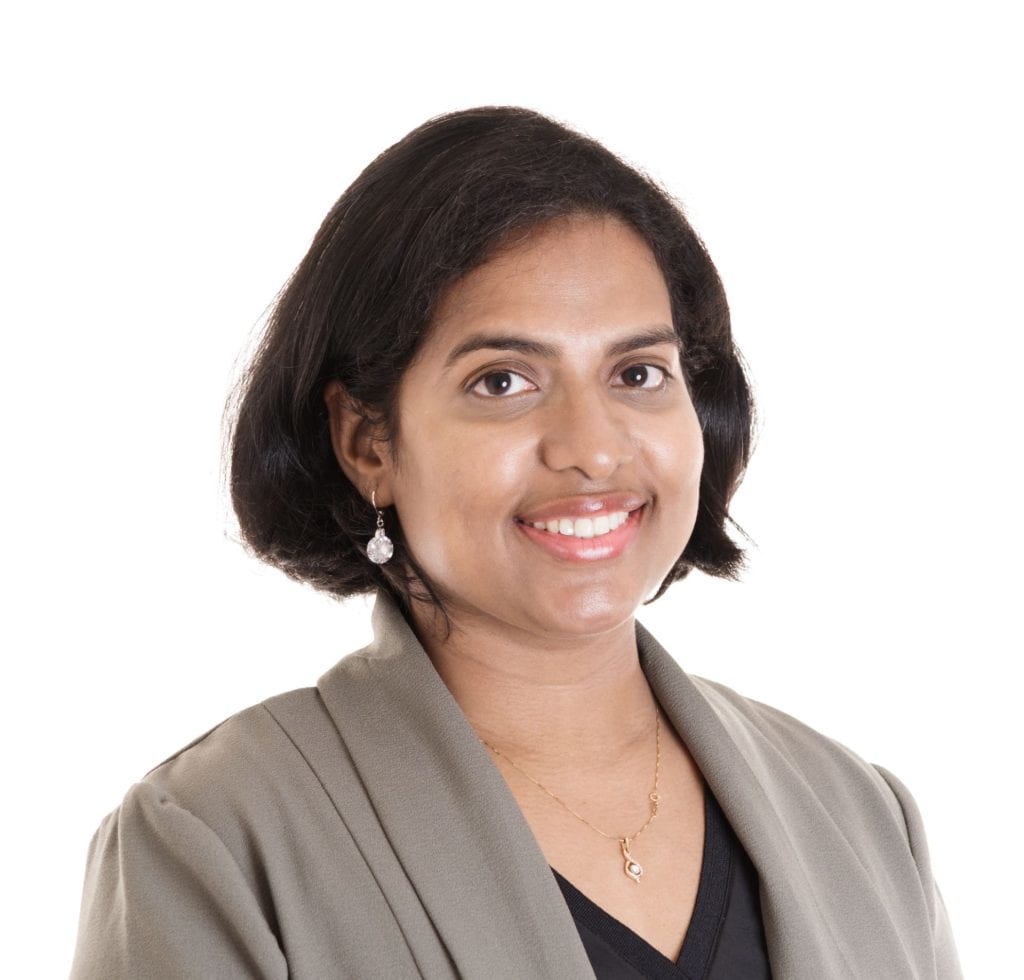
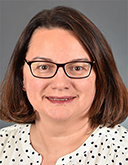
He Ye serves as an Assistant Professor at University College London (UCL), specializing in AI-driven software engineering solutions. His work bridges academic research and industry applications through EuniAI, a startup transforming research into developer tools. Research focuses on code agents for automating software tasks, with three core thrusts: Codebase context retrieval to enhance LLM capabilities Automated issue resolution systems Code agent memory construction His publications (2021-2025) demonstrate consistent innovation in fault localization and program repair. Current advising includes PhD students Zhaoyang Chu and Xiang Li (starting Fall 2025), alongside research assistants Yue Pan, Jiayi Xu, and Han Li. He co-founded EuniAI to commercialize research solutions for practical developer challenges. He actively shapes the field through workshop organization ( LMPL@SPLASH 2025 , APR@ICSE 2025 ) and program committee roles across major conferences including ASE, ICSE, and ESEC/FSE.
Qing Huang is an Associate Professor in the School of Computer and Information Engineering at Jiangxi Normal University in Nanchang, China. His academic career focuses on bridging software engineering with artificial intelligence, particularly through the application of large language models to enhance software development processes. His research interests span multiple interconnected domains: Software Engineering Knowledge Graphs Human-Computer Interaction Programming Languages Artificial Intelligence applications in software development Dr. Huang's recent work demonstrates a strong focus on leveraging large language models (LLMs) to address fundamental challenges in software engineering. His research explores how AI can enhance code generation, API understanding, software testing, and knowledge representation in programming contexts. A significant portion of his work investigates the intersection of knowledge graphs and LLMs to create more intelligent software development tools. His publications reveal a consistent pattern of innovation in applying cutting-edge AI techniques to practical software engineering problems, with particular emphasis on improving developer productivity through better tooling and knowledge management. Dr. Huang has made notable contributions to the field of prompt engineering for software development tasks, exploring how natural language interfaces can serve as "APIs" for human-AI interaction. His work on AI Chains represents a novel approach to connecting human developers with LLM capabilities through structured knowledge representations. Additionally, he has conducted significant research on smart contract analysis, code reuse, and type inference in partial code contexts. His scientific contributions have been recognized through publications at major software engineering conferences including ASE and ICSE, with multiple papers accepted across different tracks (Research Papers, Journal-First, Tool Demonstrations). Dr. Huang serves as a Program Committee member for ASE 2025 in the Research Papers track, demonstrating his standing in the software engineering research community. Dr. Huang collaborates extensively with researchers from various institutions, including Data61 (Australia), Nanyang Technological University, and other Chinese universities. His work demonstrates strong interdisciplinary connections between traditional software engineering and emerging AI technologies.
Panagiotis (Pete) Manolios is a Professor in the Department of Computer Science within Northeastern University's College of Engineering in Boston. He leads the Northeastern University Formal Methods (NUFM) research group and maintains an active research program with multiple current PhD students. His primary affiliation is with the College of Computer Science (CCS) at Northeastern University, where he holds a tenured faculty position. Manolios' research focuses on formal methods with particular emphasis on program verification, theorem proving, and safety analysis of systems. His work spans several key areas including floating-point program analysis, resource-aware program verification, protocol verification, and safety-critical systems. He has developed significant tools and methodologies such as ACL2s (a powerful theorem prover) and pioneered approaches for analyzing numeric stability in compiler optimizations. His recent publications demonstrate substantial activity in formal verification, with particular focus on numeric stability analysis, invariant discovery through gamification, and model-based safety analysis of complex system architectures. These works reflect a consistent research trajectory toward making formal verification more practical and applicable to real-world systems, especially those with safety-critical requirements. Manolios has received recognition through multiple NSF grants including the SaTC: CORE: Medium collaborative project on bridging the gap between protocol design and implementation. His work on confidentiality and integrity of deep neural networks represents cutting-edge research at the intersection of formal methods and AI security. He has successfully mentored numerous PhD students who have gone on to positions at major technology companies including Google, Facebook, Intel, and MathWorks. His students' dissertations cover diverse topics within formal methods, from rank-polymorphic programming languages to resource-aware program analysis. Manolios directs several significant research projects including ACL2s (a powerful theorem prover), CID: Confidentiality and Integrity of Deep Neural Networks, Compilation-Dependent Security Properties of Software, and Platform Dependencies of Floating-Point Programs. These projects address fundamental challenges in making formal verification more practical and applicable to real-world systems.
Marko Vendelin is a Tenured Full Professor at Tallinn University of Technology's School of Science, Department of Cybernetics, where he also leads the Laboratory of Systems Biology. His academic career spans over two decades with continuous appointments at Tallinn University of Technology since 1997, including prestigious fellowships from Wellcome Trust and EU Marie Curie programs. His educational background includes a Doctor's Degree (2001) and Research Master's Degree (1997), both from Tallinn University of Technology under supervision of Jüri Engelbrecht, focusing on cardiac mechanoenergetics and electrical activation modeling. His research interests center on heart muscle biophysics, bioenergetics, and biomechanics, with particular emphasis on energy transfer systems in cardiomyocytes. Analysis of his recent publications reveals strong focus on cardiac metabolism, sex-specific differences in heart structure, and advanced imaging techniques. His work frequently examines creatine kinase systems, calcium handling mechanisms, and metabolic compartmentalization in cardiac cells. The publications span high-impact journals including American Journal of Physiology, PLoS Computational Biology, and FEBS Letters. Awarded the National Science Award in 2008 and recognized as Tallinn University of Technology's Young Investigator of the Year in 2007, his scientific contributions have been widely recognized. His editorial service includes roles at American Journal of Physiology: Cell Physiology and numerous manuscript reviews for leading journals. Prof. Vendelin has supervised two postdoctoral researchers and served as external reviewer for PhD theses at multiple European institutions. His administrative roles include leadership positions in COST Actions CA16225 and CA15203, and chairing joint meetings of major physiological societies across Europe.
Helge Ridderstrøm serves as an Associate Professor in the Department of Archivistics, Library and Information Science under the Faculty of Social Sciences at Oslo Metropolitan University. His scholarly work bridges literary theory, cultural studies, and media analysis with particular focus on contemporary narrative forms and library science applications. Based at Pilestredet 48 in Oslo (Office R411), he maintains active research output across multiple publication types. Ridderstrøm's research interests center on Literary Theory , TV Serial Narratives , and Library Science in Cultural Contexts , with notable contributions examining Netflix adaptations (Dahmer), heritage television (Downton Abbey), and Borges' conceptual libraries. His methodology often combines cognitive approaches with social critique , particularly regarding class dynamics, emotional responses, and digital transformations of traditional cultural institutions. Recent work shows increasing engagement with true crime narratives and contemporary Norwegian literature. His publication portfolio demonstrates remarkable range: 17 scientific publications, 4 textbooks, 4 research reports, and 21 dissemination pieces. Key trends include Analysis of digital pathology in streaming content Reinterpretation of historical library models for extremist contexts Application of cognitive psychology to literary reception Critical examination of class consciousness in heritage media His textbook Litteraturhistoriske tekstpraksiser (2008) remains influential in Norwegian literary education. No scientific awards or student supervision records are documented in available sources. Ridderstrøm's research appears consistently in Nordic journals like Ekfrase and international venues such as the International Journal of TV Serial Narratives , reflecting his transnational scholarly engagement. His work frequently addresses the mediation of culture through evolving technological and social frameworks, particularly examining how traditional literary concepts adapt to digital environments.
Anitha Gollamudi is an Assistant Professor in the Department of Computer Science at the Miner School of Computer and Information Sciences, University of Massachusetts Lowell. She teaches core courses including Systems Security (COMP 5300), Compiler Construction (COMP 4060/5340), and Organization of Programming Languages (COMP 3010). Her research focuses on language-based security through hardware-assisted mechanisms, cryptography, and formal methods. Current projects include: Automatic compartmentalization of Trusted Execution Environment (TEE) programs Formal foundations of Fully Homomorphic Encryption (FHE) compilers Privacy-preserving machine learning with encrypted learning Analysis of her 8 recent publications (2016-2025) reveals dominant themes in TEE security and secure compilation. Key contributions address memory safety in WebAssembly, authorization logic for computation principals, and formal verification of cryptographic systems. Her work consistently bridges theoretical foundations with practical implementations for real-world security challenges. No scientific awards were mentioned in the available information. Professor Gollamudi actively mentors students across levels, currently advising PhD candidates Wesley B. Nuzzo and Samuel Dodson alongside undergraduate Benjamin Houle. Her former students include Nam Bui, James Chen, Yuka Akiyama (honors thesis), and Andrew Eggleston. She emphasizes collaborative research and encourages prospective students to contact her with research interests and academic background. She leads a research group focused on applying programming language techniques to security problems, with ongoing projects targeting enclave placement optimization, FHE correctness verification, and encrypted machine learning frameworks.
Emanuela Gussoni is an Associate Professor in the Division of Genetics and Genomics at Harvard Medical School, with her laboratory based at Boston Children's Hospital. She leads the Gussoni Laboratory, which is part of the Intellectual and Developmental Disabilities Research Center and Research Genetics and Genomics Research units at Boston Children's Hospital. Her work bridges basic science and clinical applications in the field of muscular dystrophy and muscle stem cell biology. Dr. Gussoni earned her PhD from the University of Milan, Italy, followed by postdoctoral training at Stanford University and Boston Children's Hospital. Her research career has focused on muscle stem cells and their potential for treating muscular dystrophy. Her laboratory investigates muscle stem cells in human and mouse tissues with the translational goal of developing cell-based strategies to enhance regeneration or slow the progression of muscular dystrophy. A primary focus is understanding the function of tetraspanin CD82 in muscle stem cells, which serves as an excellent prospective marker for myogenic cells. Her team also discovers new antigens expressed by muscle stem cells and studies their role in normal and diseased tissue. Her work has led to important discoveries about bipotent progenitors in skeletal muscle that can adopt either muscle or fat lineages, and proteins that mediate fusion of myoblasts into myofibers. Analysis of Dr. Gussoni's recent publications reveals a strong focus on muscle stem cell biology, with particular emphasis on CD82 as a marker for muscle satellite cells and its role in muscular dystrophies. Her work spans basic molecular mechanisms of muscle development and regeneration to translational applications for muscular dystrophy. Over the past decade, her research has evolved from characterizing muscle stem cell properties to developing potential therapeutic strategies, including cell-based therapies and understanding the molecular pathways that could be targeted for treatment. Harvard-BBS mentorship award for mentoring graduate students (2017) Permanent member of Muscular Dystrophy Association (USA) Scientific Advisory Committee (2006-2017) Dr. Gussoni has mentored numerous graduate students and postdoctoral fellows in her laboratory at Boston Children's Hospital. Her work has been supported by various grants focused on muscular dystrophy research and muscle stem cell biology. She has also contributed to the field through service on the Muscular Dystrophy Association Scientific Advisory Committee for over a decade. The Gussoni Laboratory consists of researchers working on various aspects of muscle stem cell biology, including molecular characterization of muscle progenitors, development of methods for isolating and expanding muscle stem cells, and testing cell-based therapies in animal models of muscular dystrophy. The lab collaborates with clinicians at Boston Children's Hospital through the Roya Kabuki Program, of which Dr. Gussoni serves as co-director, connecting basic research with clinical applications.