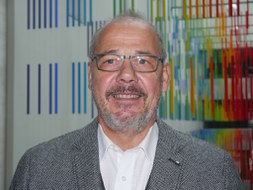
Matthew McDonald is an Assistant Professor at the Department of Chemical and Biological Engineering, Drexel University. His research explores the integration of automation and machine learning (ML) to accelerate the development of complex chemical separation processes, with a focus on pharmaceutical applications and crystallization technologies. Education: PhD, Chemical and Biomolecular Engineering, Georgia Institute of Technology (2020) BS, Chemical Engineering, Princeton University (2015) Research Focus: McDonald’s work centers on leveraging molecular interactions to overcome entropy in challenging separations, utilizing autonomous systems and ML to optimize chemical discovery, analytical methods, and crystallization processes. His publications emphasize calibration-free quantification, closed-loop molecular discovery, and real-time monitoring in pharmaceutical production.
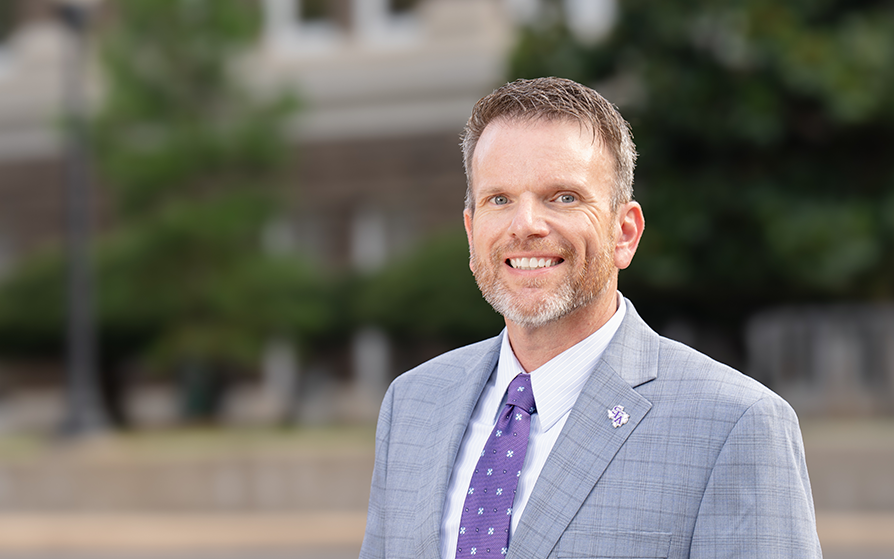
Jordan Barkley is a seasoned academic leader currently serving as Provost and Executive Vice President for Academic Affairs at Stephen F. Austin State University (SFA) since 2025. His career spans leadership roles in education, including Dean and Professor at Tarleton State University (2014-2019) and Associate Dean at Jacksonville State University (2011-2014). Education: PhD in Reading Education, MS in Reading Education, BS in Secondary Education (all from Auburn University) Dr. Barkley’s research and professional interests focus on Reading Education , Teacher Preparation , and Educational Leadership . His administrative work emphasizes resource allocation, faculty development, and enhancing student learning experiences. Notable awards include the Crystal Apple Society (Tarleton State, 2020), a Faculty Fellowship at the Becoming a Provost Academy (2019-2020), and recognition as a Fellow at Deans for Impact (2018-present). He has also contributed to accreditation committees and community education initiatives. Community involvement is central to his philosophy. He served as a Court-Appointed Special Advocate for children in Colorado and continues to engage in educational advocacy in Texas.
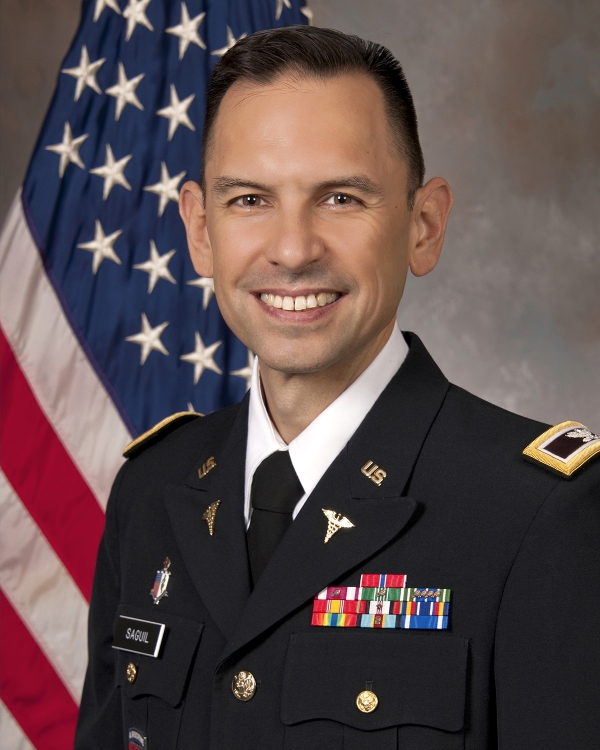
Aaron Saguil, MD, MPH, FAAFP serves as the Associate Dean for Recruitment and Admissions at the Uniformed Services University of the Health Sciences F. Edward Hébert School of Medicine in Bethesda, Maryland. He is also an Associate Professor of Family Medicine and faculty member at the Fort Belvoir Community Hospital Family Medicine Residency program. Dr. Saguil received his B.A. in Chemistry from Duke University and his M.D. from the University of Florida College of Medicine, followed by his Family Medicine Residency at DeWitt Army Community Hospital in Fort Belvoir, Virginia. He completed his MPH at the University of Washington and served as a Faculty Development Fellow at Madigan Army Medical Center. His research interests focus on evidence-based clinical reviews in primary care medicine, with particular expertise in diagnostic approaches to common conditions. Dr. Saguil has served in multiple military medical facilities including Grafenwoehr, Germany; Fort Lewis, Washington; and Fort Gordon, Georgia. His military service includes deployment to Afghanistan where he served as Chief of Primary Care for the NATO Role 3 Multinational Medical Unit in Kandahar. Dr. Saguil's publication record shows consistent contributions to clinical medicine, primarily through evidence-based reviews published in American Family Physician. His work spans diverse clinical topics including infectious diseases, respiratory conditions, and common primary care presentations, demonstrating his commitment to translating evidence into practical clinical guidance. Bronze Star for exceptional service in Afghanistan Canadian Chief of Defence Staff Commendation for multinational medical leadership As Vice Chair of the AAMC's MCAT Validity Committee and Chair of the AAFP's Commission on Continuing Professional Development, Dr. Saguil plays a significant role in shaping medical education standards nationally. His dual expertise in academic medicine and military healthcare administration positions him uniquely to influence both medical education and military healthcare delivery systems.
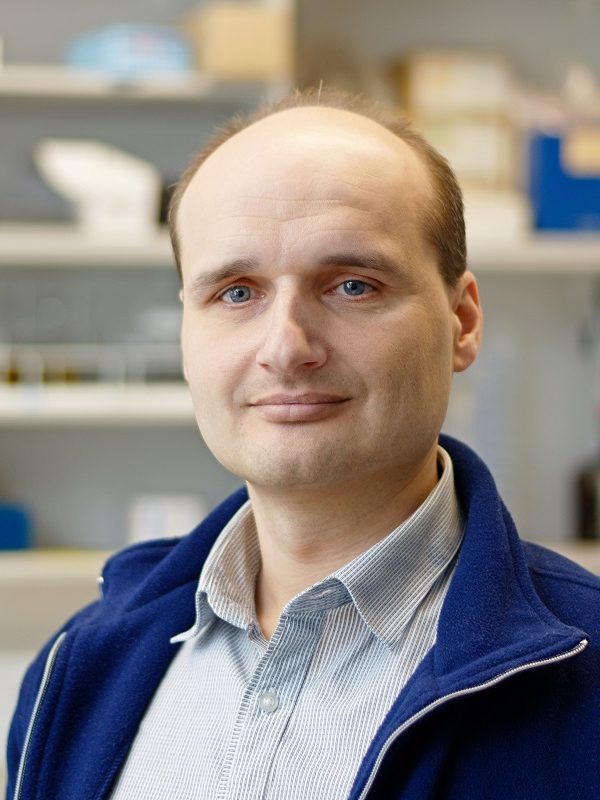
Peter Švančárek, PhD., is a Researcher at the Joint Glass Centre (Vitrum Laugaricio – VILA) within Alexander Dubček University of Trenčín, Slovakia. His work focuses on advanced glass and ceramic materials with applications ranging from structural components to optical devices. He maintains active collaborations with European institutions including Friedrich-Alexander Universität Erlangen-Nürnberg, Friedrich-Schiller-Universität Jena, Consejo Superior de Investigaciones Científicas, and Università degli Studi di Padova. Švančárek earned his Mgr. (1996) and PhD. (1999) in Inorganic Chemistry from the Department of Inorganic Chemistry, Faculty of Natural Sciences at Comenius University in Bratislava. His doctoral research centered on peroxocomplexes of vanadium(V), establishing his foundation in inorganic materials chemistry. His research interests span multiple specialized areas of materials science, with particular emphasis on functional glass materials and ceramic composites. Švančárek has made significant contributions to understanding alumina-based ceramic composites for abrasion-resistant materials and ceramic armor, fluorescent ceramics for lighting applications, and bioinorganic systems. His technical expertise includes advanced characterization techniques such as SEM, EDXS, and EBSD for microstructural analysis. Analysis of his publication record reveals consistent research productivity with evolving focus areas. Early work concentrated on vanadium peroxocomplexes and alumina microstructure control, while recent publications demonstrate growing expertise in composite ceramics (particularly YSZ-based systems), fluorescent materials, and bioactive glasses. His work shows strong interdisciplinary connections between fundamental materials chemistry and practical engineering applications. Maria Curie fellowship for research at University of Leeds (2002-2003) Švančárek contributes to doctoral education through teaching "Inorganic technologies and materials II" with a specialized module on Electron microscopy. His research is supported through participation in major European projects including FunGlass (Horizon 2020), CLiCAM, GlaCerHub, EVERGLASS, and BiCeps. He is an active member of the Slovak Silicate Society, connecting his work to the broader professional community in glass and ceramic materials. His laboratory work centers on the Joint Glass Centre facilities at Alexander Dubček University of Trenčín, utilizing advanced equipment for glass processing, ceramic synthesis, and materials characterization. Current research directions suggest continued exploration of composite systems with tailored optical and mechanical properties, potentially expanding into new biomedical applications based on his recent bioactive glass publications.
Jukka Rantanen serves as Professor and Head of the Department of Pharmacy within the Faculty of Health and Medical Sciences at the University of Copenhagen. Since joining the faculty in 2006 after postdoctoral training at Purdue University, he has established leadership roles including Chairman of the EUFEPS QbD and PAT Sciences Network Steering Committee and membership in the European Pharmacopoeia Commission's Process Analytical Technology Working Party. Education: Docent in Physical Pharmacy, University of Helsinki (2001) PhD in Pharmacy, University of Helsinki (2001) Research Focus: Professor Rantanen pioneers Process Analytical Technology (PAT) and innovative pharmaceutical manufacturing , with expertise spanning solid-state chemistry , crystallization science , and data-driven drug production . His work bridges additive manufacturing (3D printing of combination drugs), blockchain security for medications , and advanced granulation processes , driving industry adoption of Quality by Design principles. Research Trends: Recent publications (2023-2025) demonstrate intensified focus on computational approaches (CSD data mining for hydrate prediction), personalized medicine stability challenges, and manufacturing robustness. His team actively develops blockchain-based authentication systems while optimizing twin-screw granulation parameters for commercial-scale production. Scientific Recognition: APV Research Award for Outstanding Achievements in Pharmaceutical Sciences (2016) Academic Leadership: With supervision of 40+ PhD students and editorial roles at leading pharmaceutical journals, Rantanen shapes next-generation scientists. His research attracts significant industry funding through collaborations with 20+ international companies, particularly in solid-state chemistry consulting and litigation support. Former service on Denmark's Council for Independent Research (2013-2018) highlights policy influence. Research Infrastructure: Leads a multidisciplinary team at Copenhagen investigating real-time process monitoring, crystallization control, and 3D-printed drug products. Current projects include EUFEPS network initiatives advancing PAT implementation across European pharmaceutical manufacturing facilities.
Tonci Balic Zunic is an Associate Professor in Mineralogy and Crystallography at the Department of Geosciences and Natural Resource Management, Faculty of Science, University of Copenhagen. He leads the X-ray diffraction laboratory and has made significant contributions to the field of mineralogy, particularly in the study of crystal structures and diffraction methods. His work spans theoretical development, experimental techniques, and practical applications in geological and planetary studies, materials development, environmental protection, and medical applications. His educational background includes a Dr.Sci in Geology from the University of Zagreb (1984), a PhD in Mineralogy & Petrology (1978), and a Master of Science in Geology (1975), all from the University of Zagreb. His academic career began in Croatia before moving to Denmark in the early 1990s. Dr. Balic Zunic's research focuses on understanding the nature of the solid state through mathematical tools and experimental methods. His primary areas of interest include Mineralogy of Icelandic fumaroles, Limits and improvement of the Rietveld method in Mineralogy, High-pressure crystallography of sulphosalts, and Mineralogy of Stone Age artefacts. He has developed original theoretical tools for the quantification of atomic coordination deformations in solids and authored the computer program IVTON for crystal structure analysis. His recent publications demonstrate a continued focus on mineral discovery, particularly fumarolic minerals from volcanic environments, high-pressure mineral physics, and advanced crystallographic analysis techniques. His research shows strong international collaboration across Europe and beyond, with numerous discoveries of new minerals and structural studies under extreme conditions. Honorary Member of the Italian Society of Mineralogy and Petrology Dr. Balic Zunic has supervised 12 Master's and 6 PhD students. He has led numerous research projects including the Nordic Mineralogical Network (2006-2010), Modular crystal structures and ordering of atoms in minerals (2006-2008), and several projects focused on high-pressure crystallography and mineral analysis. His work spans diverse fields including cement and ceramics, crystal chemistry of sulphosalts, silicates and fluorides, environmental protection, planetology, metamorphic petrology, ore mineralogy, paleoclimate, biomineralogy with medical applications, heterogeneous catalysis and archaeology. He leads the X-ray diffraction laboratory at the University of Copenhagen and has organized international research groups including the Nordic Mineralogical Network and research groups on fumaroles and high-pressure crystal structures. His work involves extensive collaboration with research institutions across Europe and worldwide, including universities and research centers in Athens, Bari, Basel, Bayreuth, Belgrade, Bilbao, Bochum, Cairo, Firenze, Genova, Göttingen, Heidelberg, Iceland, Innsbruck, Moscow, Nantes, Oslo, Padova, Perugia, Petropavlovsk-Kamchatsky, Prague, Roma, Salzburg, Stockholm, Taipei, Tokyo, Torino, Wien and Zagreb.
Prof. Dr. Dietrich Gudat is a Professor at the Institute of Inorganic Chemistry, University of Stuttgart, where he leads an active research group focused on inorganic molecular chemistry. His work centers on the synthesis, spectroscopy, and electronic properties of compounds of main group elements, with particular expertise in phosphorus chemistry and N-heterocyclic phosphines. Prof. Gudat's research interests span several key areas in modern inorganic chemistry: Synthesis of novel main group element compounds, particularly phosphorus-containing systems N-Heterocyclic phosphines and related compounds Molecular design of compounds with unique electronic properties Coordination chemistry of main group element ligands Dynamics and reactivity of low-coordinate main group compounds Applications in hydrogen storage and materials science Analysis of Prof. Gudat's recent publications (2020-2022) reveals a continued focus on phosphorus chemistry, with particular attention to N-heterocyclic phosphines, phosphonium compounds, and their applications in coordination chemistry. His work often bridges synthetic inorganic chemistry with physical characterization methods to understand structure-property relationships. Recent trends show increasing interest in ferrocene-based phosphorus systems, germanium chemistry, and hydrogen storage applications. Prof. Gudat maintains an active research program with consistent publication output, typically producing 5-6 papers annually in reputable inorganic chemistry journals. His work demonstrates strong collaborative networks both within the University of Stuttgart and internationally, with co-authors from multiple European countries. Students working with Prof. Gudat would gain expertise in advanced synthetic inorganic techniques, spectroscopic characterization methods, and the design of novel molecular systems with potential applications in materials science and catalysis.
Dr. Jürgen Getzschmann serves as a Senior Lecturer at Technische Universität Dresden, where he conducts specialized research in materials characterization through X-ray diffraction methodologies and teaches core inorganic chemistry practicals. His research expertise spans: Metal-Organic Frameworks (MOFs) characterization Single-crystal and powder X-ray diffraction Crystal structure determination and refinement Advanced materials analysis With continuous publication activity since 2008, his scholarly work demonstrates sustained focus on applying diffraction techniques to solve structural problems in inorganic materials science. His teaching directly supports undergraduate training through the 'Chemistry of the Elements' practical course for Chemistry and Food Chemistry Bachelor's students.
Miguel Ángel Sánchez Quintanilla is an Associate Professor in the Department of Electronics and Electromagnetism at the School of Engineering, University of Seville. He leads the research group focused on Electrohydrodynamics and Cohesive Granular Media, with extensive experience in fluid dynamics, powder technology, and CO2 capture systems. His research interests center around granular materials , electrohydrodynamics , and fluidization processes . He investigates how mechanical, electrical, and magnetic forces influence the behavior of liquids, gases, and cohesive granular media. His work has particular applications in CO2 capture technologies using calcium-based sorbents and enhancing the fluidization of fine powders through innovative methods. Analysis of his recent publications reveals a strong focus on magnetofluidization , powder rheology , and CO2 capture enhancement . His research demonstrates consistent exploration of how external fields (magnetic, electric, acoustic) affect particle behavior and fluidization dynamics, with increasing emphasis on environmental applications in recent years. His scientific contributions include: Multiple patents for powder characterization and fluidization technologies Supervision of doctoral theses in granular media and CO2 capture Significant contributions to understanding magnetofluidized bed behavior Innovative approaches to enhancing CO2 capture using acoustic fields Professor Sánchez Quintanilla actively collaborates on numerous research projects, particularly those related to physicochemical fluid dynamics and CO2 capture technologies. His group maintains strong connections with the Functional Characterization Service at the University of Seville, providing access to advanced experimental facilities for studying powder behavior and fluidization processes. The research group operates within well-established laboratory facilities focused on granular materials and electrohydrodynamics, with specialized equipment for studying fluidization, particle characterization, and CO2 capture processes. The group maintains an active research agenda with multiple ongoing projects and continues to make significant contributions to the understanding of cohesive granular media behavior.
Dr. James Hoefelmeyer serves as Professor and Chair of the Department of Chemistry at the University of South Dakota, where he leads a dynamic research program in materials chemistry and catalysis. His academic journey began with a B.S. in Chemistry from the University of Texas at Dallas (1998), continued with a Ph.D. in Inorganic Chemistry from Texas A&M University (2002), and included postdoctoral research at the University of California, Berkeley (2002-2005). Dr. Hoefelmeyer's research spans several interconnected areas of inorganic and materials chemistry: Synthesis and surface modification of titanium dioxide (TiO 2 ) nanocrystals Development of frustrated Lewis pairs for catalytic applications Attachment of single-site transition metal ions to nanomaterial surfaces Photocatalysis for solar energy conversion and environmental remediation Nanomaterials for energy storage applications His recent publications (2020-2025) demonstrate a strong focus on energy applications, with particular emphasis on titanium dioxide-based systems, frustrated Lewis pair chemistry, and catalytic materials for fuel cells and solar energy conversion. The research shows a progression from fundamental synthesis and characterization toward applied technologies with practical energy implications. Dr. Hoefelmeyer has secured significant research funding throughout his career: MRI: Track 1 Acquisition of a benchtop powder X-ray diffractometer (NSF, 2025-2028) REU Site: Molecules Meet Materials (NSF, 2022-2025) NSF-MRI: Acquisition of a Digital Camera for the TEM Instrument (2020-2021) Advanced Bioelectrochemical Module for Waste-to-Electricity (NASA, 2016-2021) High Performance and Durable Lithium-ion Battery for NASA Space Applications (2014-2017) As an educator and mentor, Dr. Hoefelmeyer has guided numerous undergraduate and graduate students through research projects, with many appearing as co-authors on his publications. His group maintains strong collaborations with researchers across disciplines and institutions, contributing to a vibrant research environment in the Department of Chemistry at the University of South Dakota.
Andrew R. Teixeira is an Associate Professor in the Department of Chemical Engineering at Worcester Polytechnic Institute (WPI), where he has been faculty since 2017. He holds a B.S. from WPI (2009), a Ph.D. from UMass Amherst (2014), and completed postdoctoral training at MIT (2016). His research bridges reaction engineering and materials science, with core themes including: Dynamic catalysis for distributed manufacturing Waste valorization via hydrothermal liquefaction Pharmaceutical crystallization in continuous flow systems Microreactor design for water purification Recent publications (2020-2022) demonstrate strong emphasis on sustainable process engineering, with computational and experimental work in catalysis kinetics, zeolite synthesis, and biomass conversion. His scholarly output frequently appears in high-impact journals like Green Chemistry and Reaction Chemistry & Engineering . Professional recognition includes: Romeo L. Moruzzi Young Faculty Award (2021) Negative Emissions Science Fellow (2019) Leadership roles in AIChE and catalysis societies He leads the Dynamic Microreaction Engineering Lab, which focuses on microscale reaction systems. His teaching incorporates innovative pedagogies like flipped classrooms and augmented reality, covering core chemical engineering courses including reactor design and unit operations.
Professor Henrik Friis is a distinguished mineralogist at the Natural History Museum, University of Oslo, where he conducts research on mineral formation processes, crystal structures, and properties with particular focus on alkaline deposits. His work has significant implications for understanding rare earth element resources and developing new materials. His educational background includes a PhD from the University of St Andrews (2005-2009), preceded by postdoctoral work at the University of British Columbia and the University of Copenhagen. Professor Friis teaches GEL2110 - Mineralogy, Petrology and Geochemistry at the University of Oslo. Professor Friis's research interests span mineralogy, crystal chemistry, crystallography, and geochemistry, with special emphasis on alkaline complexes and pegmatites. His work combines field studies in South Greenland, the Larvik area of Norway, and North America with advanced laboratory techniques including EPMA, Mössbauer spectroscopy, and single-crystal XRD. This multidisciplinary approach has led to numerous discoveries of new mineral species and insights into rare earth element mineralization. His recent publications (2023-2025) demonstrate continued productivity with over 15 significant papers, primarily focusing on new mineral discoveries, crystal structure determinations, and geochemical studies of alkaline complexes. These works appear in leading journals including Mineralogical Magazine, European Journal of Mineralogy, and Canadian Mineralogist. Associate Editor for Canadian Mineralogist Co-organizer of the annual Kongsberg Minerals Symposium Professor Friis maintains active collaborations with researchers worldwide, as evidenced by his extensive co-authorship network. His laboratory work is centered around the Norwegian Center for Mineralogy (NORMIN), where he contributes to advancing mineralogical research in Norway. His fieldwork in Greenland and Norway provides crucial data for understanding the formation of rare element deposits in alkaline environments.
Dr. Jelena Parlov Vuković is a Research Associate at the NMR Center of the Ruđer Bošković Institute in Zagreb, Croatia. She holds a PhD in Natural Sciences (Chemistry) from the University of Zagreb (2011) and a Bachelor's degree in Chemical Engineering from the Faculty of Science, University of Zagreb (1997). Her research focuses on NMR spectroscopy applications in petroleum analysis, biofuels research, and biomass characterization. Ruđer Bošković Institute, NMR Center (current primary affiliation) Faculty of Science, University of Zagreb (teaching appointment) University of Hohenheim (GRACE Horizon Project collaboration) INA d.d. (Biorefinery Project collaboration) Dr. Parlov Vuković's research expertise centers on NMR spectroscopy applications for characterizing complex chemical systems. Her work spans petroleum analysis (particularly crude oil stability and asphaltene aggregation), biofuels research (including biodiesel purification and characterization), and biomass valorization. She has developed innovative NMR-based methods for fuel analysis, for which she received the INOVA 2006 Gold medal. Her recent work increasingly focuses on sustainable applications of NMR in biorefinery processes and waste valorization. Analysis of her recent publications (2022-2025) reveals a strong research trajectory with consistent output in high-impact journals. Her work demonstrates expertise in applying NMR spectroscopy to solve practical problems in petroleum chemistry, biofuels development, and biomass characterization. The publications show a clear progression from fundamental NMR methodology development to applied research in sustainable energy and waste valorization. INOVA 2006 Gold medal for development of method for determining benzene content using NMR spectroscopy Dr. Parlov Vuković has supervised 2 doctoral dissertations and 7 master's theses, demonstrating her commitment to academic mentoring. She is actively involved in multiple research projects including the current IPS-2023-02 project on valorization of vegetable oil industry residues. Her work is supported by Croatian Science Foundation grants, Horizon 2020 funding, and industry partnerships with INA d.d. As a core member of the NMR Center at Ruđer Bošković Institute, Dr. Parlov Vuković contributes to one of Croatia's leading NMR research facilities. She plays a key role in organizing the Adriatic NMR Conference series and serves as an editor for conference proceedings, helping to establish Croatia as a regional hub for NMR research.
Associate Professor David Rohindra is a distinguished polymer scientist at the University of the South Pacific's School of Biological and Chemical Sciences, where he has built a 25+ year career since 1998. His research bridges fundamental polymer physics with critical environmental applications, particularly relevant to Pacific Island contexts. Dr. Rohindra teaches physical chemistry while leading innovative research in biodegradable polymers, hydrogel development, and microplastics analysis. Dr. Rohindra's research interests focus on polymer science with particular emphasis on biodegradable materials, hydrogel applications, and environmental polymer studies. His work spans from fundamental polymer physics investigations to practical environmental solutions, with special attention to challenges facing Small Island Developing States. Recent research has significantly advanced understanding of microplastics contamination in Pacific environments and developed sustainable remediation technologies. His publication record shows consistent scholarly output with 51 publications generating over 26,000 reads and 926 citations. Recent work (2023-2025) demonstrates continued productivity with innovative research on microplastic detection and removal, sustainable food preservation technologies, and advanced polymer characterization. His research shows strong thematic continuity while adapting to emerging environmental challenges. Extensive research on polymer physics and characterization techniques Pioneering studies on microplastics in Pacific Island environments Development of sustainable hydrogel technologies for environmental remediation Investigation of biodegradable polymer blends for practical applications Educational research on chemistry learning in multicultural Pacific contexts Dr. Rohindra maintains active research collaborations across the Pacific region and internationally, particularly with institutions in Thailand. His work demonstrates strong alignment with regional environmental priorities while contributing to global scientific knowledge in polymer science and environmental materials research. His laboratory serves as an important research hub for polymer studies in the South Pacific region.
Mark Lumsden is a prominent Researcher at Oak Ridge National Laboratory specializing in quantum magnetism and neutron scattering techniques. His work focuses on unraveling exotic quantum phenomena in magnetic materials through advanced neutron scattering experiments at the High Flux Isotope Reactor (HFIR) and Spallation Neutron Source (SNS). His research interests span: Magnetism in iron-based superconductors Quantum spin liquids and fractional excitations Topological magnons and Dirac points Frustrated magnetic systems Field-induced quantum phase transitions Spin dynamics in low-dimensional materials Analysis of his 15 most recent publications (2020-2024) reveals a consistent focus on quantum magnetic phenomena using neutron scattering. His work shows increasing emphasis on topological aspects of magnon spectra, field-tuned quantum effects in honeycomb lattices, and instrumentation development for next-generation neutron spectrometers. Key material systems include YbCl 3 , CrSiTe 3 , and frustrated quantum magnets. Scientific recognition: Elected Fellow of the Neutron Scattering Society of America (2022) for outstanding contributions to understanding magnetism in quantum materials Lumsden maintains an active research program with continuous funding evidenced by his publication record. He collaborates extensively through ORNL's user facilities, providing critical neutron scattering expertise to the global condensed matter physics community. His instrumentation work on spectrometers like CHESS enables new scientific capabilities for studying quantum materials. While not leading a named laboratory, Lumsden operates at the forefront of neutron scattering research within ORNL's Neutron Sciences Directorate, contributing to both fundamental discoveries and advanced instrumentation development for probing quantum magnetic phenomena.