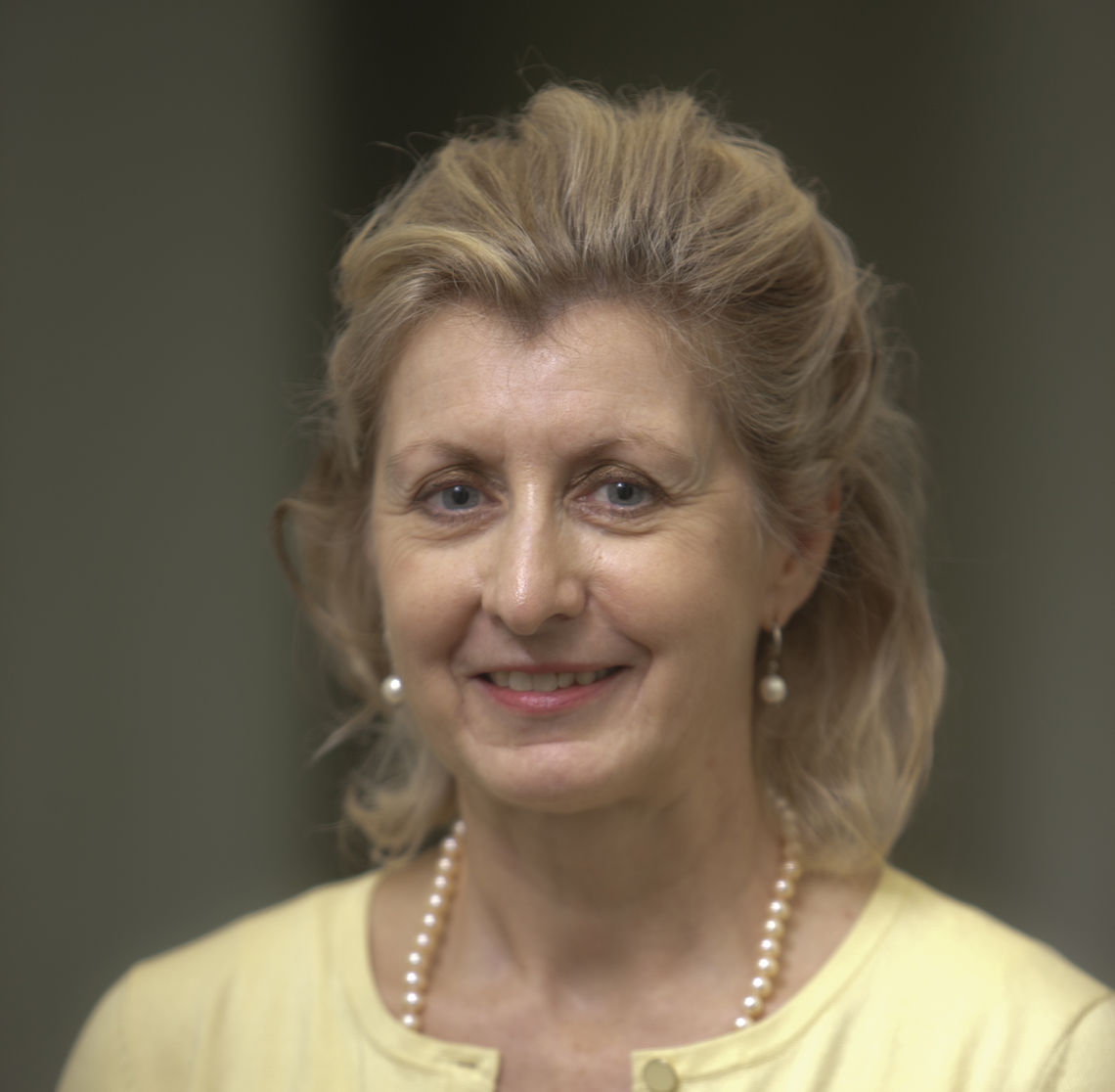
Doriane Coleman is the Thomas L. Perkins Distinguished Professor of Law at Duke Law School, specializing in interdisciplinary scholarship at the intersection of women, children, medicine, sports, and law. She is a Faculty Fellow and Advisory Council Member at the Kenan Institute for Ethics, a Faculty Associate at the Trent Center for Bioethics, and Co-Director of the Center for Sports Law and Policy. Her research explores the evolving definition of sex and its legal, ethical, and societal implications. Key themes include Sex verification in sports Gender policy and Title IX Medical decision-making for minors Bioethics and human rights Recent articles analyze sex differences in elite athletics, transgender inclusion in sports, and ethical issues in pediatric research. She also authored the book On Sex and Gender: A Commonsense Approach (2024), advocating for balancing biological sex recognition with transgender rights. Scientific awards include the Thomas L. Perkins Distinguished Professor title. She holds a Juris Doctor from Georgetown Law and a BA from Cornell University, and was a collegiate and national champion in track and field.
Jennifer Wagner is an Assistant Professor of Law, Policy, and Anthropology at the University of Pennsylvania, affiliated with the Perelman School of Medicine's Division of Translational Medicine and Human Genetics. She also serves as a Research Associate at Penn CIGHT (Center for the Integration of Genetic Healthcare Technologies). Her research focuses on the intersections of genomics, ethics, AI governance, and public health policy. She holds a K99/R00 NIH award for her work on race, ancestry, and discrimination. Previously, she held a visiting assistant professorship at Duke University’s Department of Cultural Anthropology and conducted postdoctoral research at Duke’s Institute for Genome Sciences & Policy. Her research explores topics such as AI ethics in healthcare, genetic privacy, and the societal impacts of DNA technology. She also maintains a private law practice in State College, PA, emphasizing regulatory and policy-related legal work. Key contributions include developing ethical guidelines for genetic ancestry testing and advocating for equitable data practices in precision medicine. Wagner’s articles address cutting-edge issues like synthetic data governance, facial recognition technology ethics, and the legal implications of CRISPR therapies. Her work frequently bridges academic disciplines, aiming to shape policies that balance innovation with societal responsibility.
Connie M. Ulrich, PhD, RN, FAAN is the Lillian S. Brunner Chair in Medical and Surgical Nursing and Associate Professor at the University of Pennsylvania School of Nursing , with a secondary appointment in the Department of Medical Ethics and Health Policy at the Perelman School of Medicine. She serves as Associate Director of the NewCourtland Center for Transitions and Health and previously directed PhD studies at Penn Nursing (2014-2016). PhD in Nursing Ethics (University of Maryland) MSN & BSN (Catholic University of America) Research Focus : Conceptual and empirical bioethics across clinical and research ethics Moral distress in healthcare professionals International bioethics scholarship in Tanzania Empirical bioethics instrumentation development Conflict of interest in nursing-industry relationships Health policy engagement through nursing perspectives Scientific Contributions include foundational work on moral distress taxonomy, ethical climate impacts on clinician retention, and informed consent frameworks. She has published in Hastings Center Report, American Journal of Bioethics, Nursing Research and secured NIH/NINR R01 funding for trauma research. Elected Fellow: American Academy of Nursing Salzburg Global Fellow Bioethics Expert Panel Co-Chair, American Academy of Nursing NIH Data and Safety Monitoring Board Member Teaching includes Bioethics instruction for second-degree nursing students and interdisciplinary co-teaching with medical ethics faculty. Her media commentary includes Washington Post, New York Times, USA Today and Los Angeles Times on nursing care ethics.
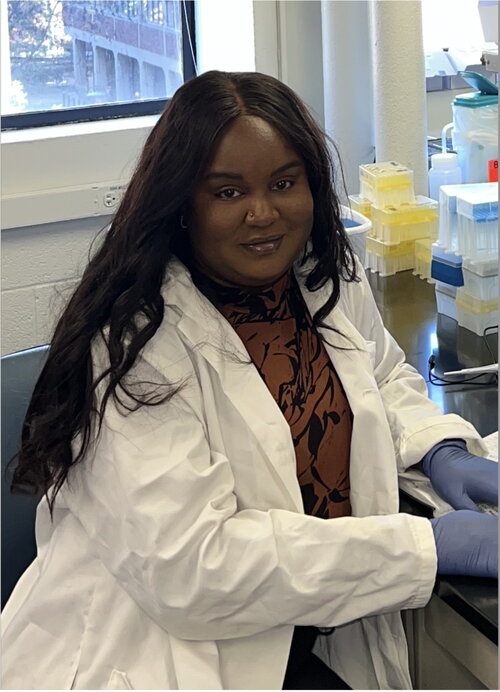
Taiye Winful is an Assistant Professor in the Department of Anthropology at the University of Illinois at Urbana-Champaign within the College of Liberal Arts & Sciences . Her work bridges biological anthropology with epigenetics to study how social factors influence health disparities in African and African diasporic populations. Education PhD in Anthropology (2024), Vanderbilt University M.A. in Anthropology (2020), Vanderbilt University M.A. in Anthropology (2018), University of North Carolina at Charlotte B.S. in Molecular Biology (2016), Loyola University Chicago Winful's research examines how social stressors become biologically embedded through epigenetic mechanisms , particularly in relation to C-reactive protein (CRP) and inflammatory responses . She integrates community-engaged methodologies and mixed methods approaches to explore: Biocultural influences on inflammation Stress narratives and their physiological mediation Cross-cultural comparisons of health disparities The synthesis of her publications—spanning epigenetics , population genetics , and bioethics —highlights a consistent focus on social determinants of health and historical contexts in scientific research. Scientific Awards SEC Emerging Scholars fellowship ($35,000) Provost Fellow, Vanderbilt University (2018-2021) Russel G. Hamilton Scholar, Vanderbilt University (2018-2021) Lauri Bassi Scholarship ($500) Deans scholarship, Loyola University Chicago (2012-2016) Winful's grants include the National Science Foundation Doctoral Dissertation Improvement Grant (NSF-DDIG, $20,000) and multiple Vanderbilt University awards supporting research on epigenetic pathways , Caribbean admixture , and evolutionary studies . She contributes to community-engaged work and collaborates with teams like La Corporación Piñones Se Integra (COPI) in Puerto Rico.
Tanja Krones is a Senior Lecturer at the Institute of Biomedical Ethics, University of Zurich, focusing on clinical ethics, context-sensitive bioethics, and evidence-based medicine. She leads the Clinical Ethics Liaison Service at University Hospital Zurich and co-leads the Ethnography of Human Reproduction research group. Her work bridges empirical research with ethical frameworks in reproductive medicine, public health, and healthcare planning. Her research emphasizes patient-physician dynamics, migration and health, and feminist theory in medical ethics. She has developed methodologies for context-sensitive bioethics and contributed to advance care planning (ACP) literature, particularly in Swiss and multilingual healthcare systems. Richard Merten Preis (1. Preisträger) Berliner Gesundheitspreis (1. Preisträger) for ARRIBA project 3. Preis Perinatalkongress 2006 for ethical analysis of prenatal diagnostics Top 10% reviewer for Human Reproduction (2009) Krones' recent publications explore ACP implementation, genomic screening ethics, and AI applications in resuscitation decisions. She collaborates across disciplines, including sociology, internal medicine, and public health, and serves on the German Central Ethics Commission (ZEKO) and the German Network for Evidence-Based Medicine. Her lab focuses on integrating empirical data into ethical frameworks, particularly for vulnerable populations in healthcare. She has led projects on reproductive ethics, evidence-based medicine, and intercultural bioethics, with a strong emphasis on translating ethical theory into clinical practice.
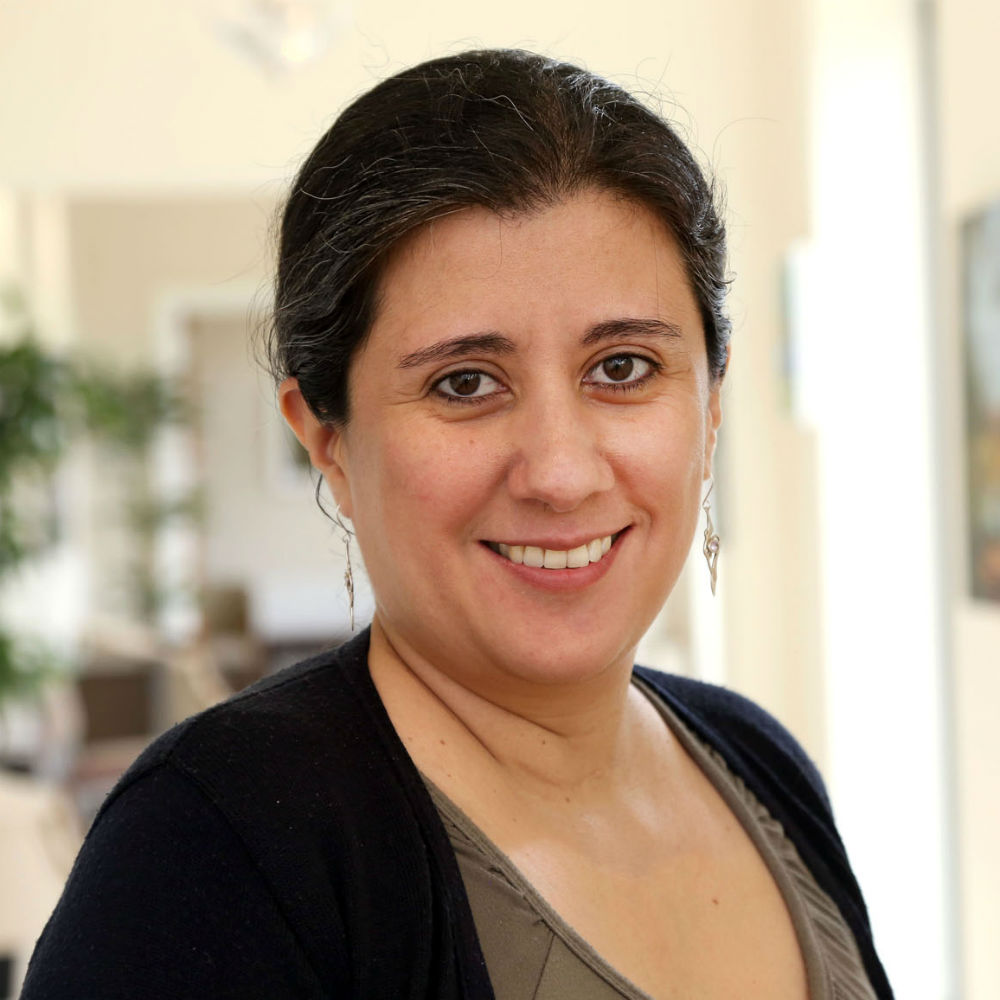
Dr. Patricia Palacios Zuloaga serves as a Lecturer at the Essex Law School, University of Essex, specializing in international human rights law with a focus on gender perspectives. Her academic appointments include teaching core courses such as Human Rights: Global Diversity and Global Challenges (HU930), International Human Rights Law: Law and Practice (LW901), and Human Rights and Women (LW918). Academic Background: Licenciatura en Ciencias Juridicas y Sociales, Universidad de Chile LLM, Harvard Law School JSD, New York University School of Law Post-Doctoral Fellowship in International Law, London School of Economics Dr. Palacios Zuloaga's research centers on the intersection of human rights and gender justice, particularly examining the Inter-American Human Rights System's treatment of women's rights, sexual and reproductive rights, and LGBTIQ+ rights. Her current projects investigate compliance with international human rights rulings and representation of women in human rights education. Her scholarly output reveals a consistent focus on how international adjudication impacts gender equality frameworks across Latin America and globally, with particular attention to abortion rights, transitional justice mechanisms, and discrimination jurisprudence. Dr. Palacios Zuloaga actively supervises doctoral candidates including Matteo Bassetti (current), Paulina Jimenez Fregoso (awarded 2022), and Maria Delia Sanchez Del Angel (awarded 2022), whose theses address intersectionality in human rights adjudication and victim participation mechanisms. She secured a 2022 grant from the Society of Legal Scholars for her project 'Investigating the Challenges to Achieving Decriminalisation of Abortion through Strategic Litigation in Latin America,' reflecting her commitment to translating academic research into real-world human rights advocacy.
Lisa Schwartz is a Professor in the Department of Health Research Methods, Evidence, and Impact at McMaster University's Faculty of Health Sciences. She specializes in medical ethics, palliative care in humanitarian contexts, and health policy research. Her work examines ethical frameworks for disaster response, patient engagement, and global health equity. Canadian Academy of Health Sciences Fellow Focus on humanitarian healthcare ethics Expert in palliative care policy Research Highlights: Schwartz's scholarship explores moral experiences of healthcare workers in crises, ethical challenges in humanitarian innovation, and equity considerations in lung cancer screening. Her recent work includes community engagement strategies during project closures and analysis of the Canadian Feminist International Assistance Policy (FIAP). Scientific Awards: Inducted as Fellow, Canadian Academy of Health Sciences Teaching: She instructs courses on bioethics and research ethics involving human subjects, emphasizing practical applications for healthcare professionals.
Brenda Baker is a Professor in the School of Human Evolution and Social Change at Arizona State University. Her research focuses on bioarchaeology, paleopathology, and ancient population studies across Africa and the Mediterranean. She specializes in skeletal analysis to understand health, mobility, and cultural practices in ancient communities, particularly in Nubia and Sudan. Dr. Baker leads interdisciplinary projects exploring mortuary practices, disease patterns, and human-environment interactions in prehistoric and historic contexts. Her work integrates methods like isotopic analysis, dental morphology studies, and statistical clustering to investigate kinship, migration, and trauma. She has conducted extensive fieldwork in Sudan, Cyprus, and Egypt, contributing to international collaborative projects such as the Qatar-Sudan Archaeological Project and the Fourth Cataract Project. Dr. Baker is also actively involved in developing ethical guidelines for the excavation and curation of human remains, emphasizing cultural sensitivity and repatriation issues. Her research bridges past and present through studies on climate change impacts, disability in bioarchaeology, and the application of modern forensic techniques to ancient populations.
Anne-Marie Nussberger is a Research Scientist at the Center for Humans and Machines, Max Planck Institute for Human Development in Berlin, where she has worked since June 2021 under PI Prof. Iyad Rahwan. Her research investigates how intelligent machines shape human beliefs, values, and behavior through interdisciplinary approaches. Her academic background includes: Postdoctoral fellow at Center for Humans and Machines, Max Planck Institute for Human Development (2021–present) Doctoral candidate in Experimental Psychology, University of Oxford (2016–2021); Thesis: Social Decision-Making under Uncertainty MSc in Psychological Research, University of Oxford (2015–2016); Thesis: Opposing Effects of Outcome and Impact Uncertainty on Prosocial Behaviour BSc in Economics, University of Heidelberg (2011–2015); Thesis: The Effect of Intention on Consistent versus Compensatory Moral Behavior BSc in Psychology, University of Heidelberg (2010–2014); Thesis: On the Pursuit of Happiness: Psychology’s Part in Revising Socio-Political Indices Dr. Nussberger's work bridges social psychology , behavioral economics , and AI ethics , with core focus on moral decision-making under uncertainty , human-AI value alignment , and prosocial behavior in technological contexts . Her methodology combines experimental psychology, computational modeling, and large-scale behavioral data analysis to examine how algorithmic systems influence human cognition and social dynamics. Her publication record (2018-2023) reveals three dominant themes: (1) Cultural transmission in human-machine ecosystems ( Machine Culture ), (2) Moral psychology of risk and uncertainty in human-AI interactions, and (3) Public perception of AI trade-offs between accuracy and interpretability. These studies frequently appear in high-impact journals like Nature Human Behaviour and PNAS , demonstrating rigorous experimental designs and cross-disciplinary collaboration. As a core member of the Humans and Machines research team, she contributes to an interdisciplinary ecosystem integrating psychology, economics, computer science, and ethics to address societal challenges posed by intelligent systems. The team operates through experimental labs, computational modeling groups, and policy engagement initiatives focused on responsible AI development.
PEPES EVANGELOS is an Assistant Professor at the Department of Social Theology and Christian Culture , School of Theology , Aristotle University of Thessaloniki . He teaches Christian Pedagogy , Educational Psychology , and Religious Education courses, with a focus on pedagogical methods and ethical integration in multicultural contexts. Research Interests Christian Pedagogy Didactics of Religious Education History of Religious Education ICT and Religious Education Religious Identity and Otherness Religious Tourism Scientific Output Trends His recent publications emphasize AI in education (ethics and pedagogy), religious literacy in Greece, bioethics (e.g., surrogacy), and peacebuilding through religious curricula. He explores intersections between Christian humanism and technology, and investigates historical educational policies in Greece and Western Thrace. Additional Roles He contributes to the department’s five institutionalized research laboratories, two thematic networks-centers, and interdisciplinary collaborations. His work often addresses public sphere engagement and teacher training for religious diversity.
Prof. Dr. Bijan Fateh-Moghadam is a full Professor of Foundations of Law and Life Sciences Law at the University of Basel's Faculty of Law since 2016. His academic career includes roles as a research associate at the Cluster of Excellence 'Religion and Politics' in Münster and habilitation (2015) in Criminal Law at LMU Munich. He holds a PhD (summa cum laude, 2007) from LMU Munich and extensive legal training in Germany. Research Focus: His work centers on Criminal Law in technological contexts (e.g., biomedical innovations like genome editing, AI risks), legal neutrality in religious pluralism, and the intersection of law with transformative technologies. Key areas include CRISPR regulation, digitalization challenges in criminal law, and ethical dilemmas in medical law such as organ transplantation and triage protocols. Projects & Roles: Leads the SNF project 'Culturally Sensitive Medical Law' and co-directs the Research Network 'Law and Religion.' He is a Research Fellow at Bielefeld University's ZiF and editor of 'Rechtswissenschaft.' Active in teaching advanced courses on medical criminal law, legal philosophy, and technology law. Advising & Grants: Supervises PhD projects on AI in law, cyborg medicine ethics, and climate law. Involved in interdisciplinary initiatives like the 'Climate Law Lecture Series' and the Center for Life Sciences Law at Basel.
Prof. Dr. İlhan İLKILIÇ is a Professor at Istanbul University's Department of Medical History and Ethics and currently serves as Dean of the Faculty of Culture and Social Sciences at the Turkish-German University. He holds memberships in the German Ethics Council (2012–2020) and the Central Ethics Committee of the German Medical Association. His academic journey includes a medical degree from Istanbul University, advanced degrees in Philosophy and Oriental Studies from Ruhr University Bochum, and a PhD in Philosophy from the University of Tübingen. He completed his habilitation at the University of Mainz and conducted research at Georgetown and Duke Universities. His research focuses on intercultural medical ethics, end-of-life care, Islamic medical practices, and the ethical implications of emerging technologies in healthcare. Notable work includes analyzing cultural sensitivity in patient-physician relationships, ethical conflicts in diabetes management during Ramadan, and the intersection of AI with medical decision-making. Prof. İLKILIÇ has authored over 30 peer-reviewed articles, with recent publications addressing AI's impact on patient-physician dynamics and cultural competence in healthcare systems. His contributions bridge philosophical ethics with practical medical dilemmas, particularly in multicultural and religious contexts. He has held leadership roles including Department Head at Istanbul University (2015–2021) and Director of the IU Health Sciences Institute (2016–2019). His academic career reflects a commitment to ethical rigor across medical history, cultural diversity in healthcare, and contemporary bioethical challenges. Current research trends emphasize integrating religious perspectives into medical ethics frameworks and addressing technological advancements' ethical dimensions.
Lisa Felgendreff is a PhD student and Research Associate at the Institute for Planetary Health Behaviour (IPB) under the Faculty of Philosophy at the University of Erfurt . She also serves as a Research Associate at the Department of Journalism and Communication Research at IJK Hanover . Academic Background: B.Sc. Psychology, Otto-von-Guericke University Magdeburg (2010) M.Sc. Psychology, Friedrich Schiller University Jena (2014) Research Focus spans health communication , risk communication , vaccination decision-making , and public health psychology . Her work emphasizes translating psychological insights into practical health interventions, particularly for pandemic contexts. Publications (15 most recent) demonstrate expertise in: Vaccine hesitancy and risk perception dynamics Infographic effectiveness for public health messaging Behavioral consequences of health policies Fact box communication tools Systematic approaches to health decision-making Her research frequently employs experimental designs and cross-sectional surveys to examine pandemic-related behaviors. Professional Experience includes: 2023–Present: Research Associate at IJK Hanover 2022: Research Associate and Lecturer at University of Erfurt 2020–2021: Researcher in the COSMO (COVID-19 Snapshot Monitoring) project 2017–2020: Researcher in the SAFECOMM project funded by the German Research Foundation 2012–2017: Market researcher at IMK Institut für angewandte Marketing- und Kommunikationsforschung GmbH
Alison Dundes Renteln is a Professor of Political Science and Anthropology at the University of Southern California (USC), with affiliations in Public Policy and Law. She holds joint appointments at the Gould School of Law and the Sol Price School of Public Policy. Her roles include former Vice-Chair of Political Science and Director of the Jesse M. Unruh Institute of Politics. Education: J.D. (USC, 1991), Ph.D. in Jurisprudence and Social Policy (UC Berkeley, 1987), M.A. (UC Berkeley, 1985), B.A. in History and Literature of Modern Europe (Harvard, 1981). Research focuses on international law, human rights, comparative legal systems, and cultural rights. She has lectured globally on the 'cultural defense' in legal contexts and served on California judicial and legal reform committees. Her work integrates anthropological methods with legal analysis. Publications include International Human Rights: Universalism Versus Relativism (2013) and edited volumes on cultural law and bioethics. Recent presentations address climate justice litigation, extended case methods in constitutional ethnography, and global cultural heritage governance. Awards include the USC Raubenheimer Award (2022–23) and recognition for teaching and mentoring. She advises pre-law organizations and chairs the American Political Science Association's Ethics Committee.
Sune Hannibal Holm is an Associate Professor in Philosophy at the University of Copenhagen's Department of Food and Resource Economics, specifically within the Section for Consumption, Bioethics and Governance. He holds a Ph.D. from the University of St. Andrews (UK) and has established himself as a leading scholar at the intersection of philosophy, ethics, and emerging technologies. Holm co-directs the Trustworthy AI Lab and serves on the scientific committee of the European Workshop on Algorithmic Fairness (EWAF), demonstrating his significant contributions to the field of AI ethics. His educational background includes: Ph.D. from the University of St. Andrews (2006) Cand. Mag. from University of Copenhagen (2000) M.Litt. from University of St. Andrews (1998) B.A. from University of Copenhagen (1997) Holm's research spans multiple interconnected domains including the ethics of artificial intelligence, philosophy of biology, and bioethics, with particular focus on synthetic biology and the machine-organism analogy. His work examines privacy, autonomy, transparency, responsibility, and discrimination in AI systems, while also exploring foundational questions in moral theory related to risk imposition and the precautionary principle. He has published extensively on the moral status of organisms in light of synthetic biology advancements and has contributed to interdisciplinary work on CRISPR/Cas9 technology ethics. Analysis of his publication record reveals consistent thematic development across two decades, with early work focusing on philosophical foundations of biology and ethics gradually expanding to address contemporary challenges in AI. His recent scholarship demonstrates increasing engagement with practical applications and policy implications, particularly regarding algorithmic fairness and trustworthy AI systems. The interdisciplinary nature of his work bridges humanities, social sciences, and technical domains, creating valuable dialogue between theoretical philosophy and real-world technological challenges. Holm has successfully secured research funding, most notably serving as Principal Investigator for the DFF2-project 'Living Machines?' (2016-2020), which examined philosophical issues relating to the machine-organism analogy. He is an experienced supervisor at BA, MA, and PhD levels, contributing significantly to academic training in philosophy and ethics. His leadership extends to co-directing the Trustworthy AI Lab, which focuses on developing ethical frameworks for AI implementation in healthcare and other critical domains. Within his institutional context, Holm actively participates in multiple research networks and collaborative projects addressing the ethical dimensions of emerging technologies. His work bridges academic research with public policy engagement, as evidenced by numerous media appearances and contributions to public discourse on AI ethics. The European Workshop on Algorithmic Fairness committee membership further demonstrates his standing in the international research community focused on responsible technology development.