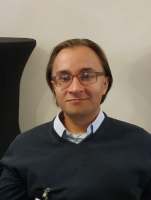
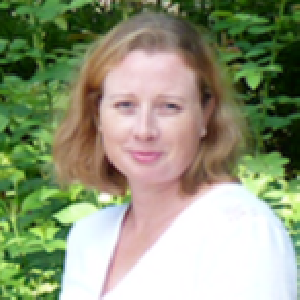
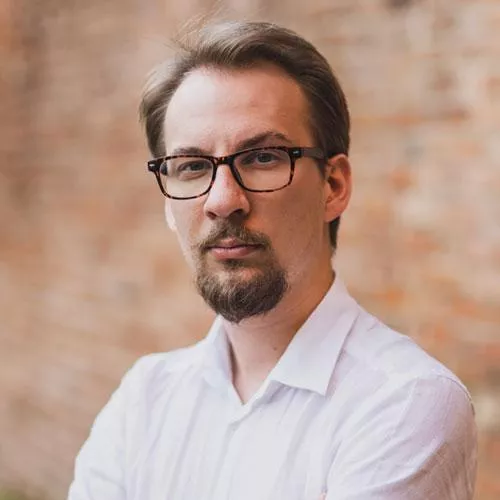
Łukasz Remisiewicz is a Lecturer at the Department of Sociological Theory and Social Research Methodology , Institute of Sociology , Faculty of Social Sciences , University of Gdańsk . He serves as the Editorial Secretary of the journal Miscellanea Anthropologica et Sociologica . His research spans multiple interdisciplinary domains , including sociology of science, philosophy of science, sociology of education, neurosociology, and sociology of examination. He explores the social contexts of academic assessment, cognitive development, and biological dimensions in sociological theory. His 15 most recent publications (2025-2017) focus on evaluative cultures, academic metrics, habilitation processes, family rituals, climate change discourse, disability marginalization, and biology-sociology interfaces. These works reflect his commitment to merging sociological theory with empirical and interdisciplinary analysis. Scientific Awards & Grants : Florian Znaniecki Award, 1st degree (2014) Honorable Mention, Polish Academy of Sciences (2016) Rector's Awards (1st, 2nd, 4th degrees, 2016/17–2024/25) Ministry of Science and Higher Education Scholarship (2017/18) Fulbright Junior Research Award (2018–2019) Mayor of Gdańsk & Gdańsk Scientific Society Award (2024) Florian Awards for 'Discovery of the Year' (2023) and 'Captain of Sociology' (2024) He is an active participant in international conferences, including ESA , Neurodidactics Symposium , and CHER Annual Conferences , presenting on topics ranging from emotional stratification to neurosociological models.
Dr. Krystian Barzykowski is a Professor at the Department of General Psychology within the Faculty of Philosophy at Jagiellonian University in Kraków, Poland. He currently serves as Head of the Applied Memory Research Laboratory and is a Member of the Research Ethics Committee. He also holds the position of Proxy of the Dean of the Faculty of Philosophy for quality assessment and is a Member of the Board of the Krakow Branch of the Polish Psychological Society. Barzykowski obtained his doctorate in 2014 from Jagiellonian University and has since established himself as a leading researcher in cognitive experimental psychology with a focus on memory processes. His research spans multiple areas of cognitive psychology, particularly examining the mechanisms of autobiographical and episodic memory, involuntary cognitive processes, and the intriguing phenomenon of déjà vu. His work uniquely integrates cross-cultural perspectives with experimental cognitive psychology, exploring how multiculturalism and multilingualism affect psychological assessment and memory processes. His research program demonstrates a sophisticated approach to understanding the cognitive mechanisms behind memory retrieval, particularly focusing on how working memory influences involuntary autobiographical memories. Barzykowski's work on mind-wandering and thoughts detached from tasks represents a significant contribution to understanding spontaneous cognition. His recent Marie Skłodowska-Curie Postdoctoral Fellowship project 'SpontaneousPAST' specifically investigates how déjà vu can illuminate spontaneous memory retrieval processes. Barzykowski's extensive publication record shows a consistent focus on memory mechanisms while increasingly incorporating cross-cultural dimensions. His recent work has expanded to address timely societal issues including the psychological impact of the pandemic, refugee integration in educational settings, and the development of cultural intelligence among healthcare professionals. The interdisciplinary nature of his research connects cognitive psychology with educational, clinical, and social applications. Marie Skłodowska-Curie Postdoctoral Fellowship (2023) Andrzej Malewski Award from the Polish Academy of Sciences (2020) Mieczysław Bekker Scholarship from the National Agency for Academic Exchange (2020) Ministry of Science and Higher Education Scholarship for Outstanding Young Researchers (2018-2020) Multiple French Government Scholarships (2019-2021) International European Roma Spirit Award Finalist (2016) Barzykowski has successfully led multiple significant research projects funded by prestigious organizations including the National Science Centre, the Ministry of Science and Higher Education, the Stefan Batory Foundation, and the European Commission. His project portfolio includes 'Analysis of the role of working memory in the formation of involuntary autobiographical memories' (2020-2025), 'Wandering-mind: Advances in involuntary past and future thinking research' (2020), and 'The Role of Cognitive Inhibition in Involuntary Thinking about the Past and Future' (2016-2019). He is particularly noted for originating and co-authoring the first Polish textbook on psychological assessment in multicultural and multilingual contexts, which received a recommendation from the Council of Europe. At Jagiellonian University, Barzykowski leads the Applied Memory Research Laboratory, which focuses on experimental investigations of memory processes, particularly examining involuntary and voluntary memory retrieval mechanisms. His laboratory work integrates sophisticated experimental designs with cross-cultural perspectives, creating a unique research environment that bridges cognitive psychology with multicultural considerations. The laboratory has become a significant center for memory research in Poland, attracting international collaborators and contributing to major multinational research initiatives.
Katarzyna Derlatka is an Assistant Professor in the Department of Recent History of Poland at the Faculty of Philosophy and History, University of Lodz. Holding a doctorate in military science, she specializes in the intersection of historical analysis and contemporary security issues. Her academic work bridges the historical perspective of Poland's recent past with modern security challenges facing nations today. Dr. Derlatka's research interests span security studies with particular focus on information security, crisis management, and communication strategies in defense contexts. She examines how propaganda and disinformation function as tools of modern warfare, analyzing both historical precedents and contemporary applications. Her work on crisis communication explores how governments and institutions can build societal resilience against information threats and hybrid warfare tactics. She investigates the role of media in shaping public perception during conflicts and emergencies, with particular attention to how digital platforms have transformed information warfare. Her publication record reveals a consistent trajectory examining security challenges through historical and contemporary lenses. Early works focused on crisis management fundamentals, while more recent publications address sophisticated topics like multidimensional disinformation in modern warfare and migration as a security threat. Her research demonstrates how historical events like Hurricane Katrina provide valuable lessons for contemporary crisis response, while her analysis of Syrian migration patterns reveals how humanitarian crises can be weaponized in geopolitical conflicts. Dr. Derlatka has supervised three theses, contributing to the development of new scholars in security studies. Her work connects academic research with practical security applications, particularly in the Polish context where historical memory intersects with current security concerns in Central and Eastern Europe.
Maria Piechocka-Kłos is an Adjunct Professor at the Department of Philosophy and Canon Law, Faculty of Theology, University of Warmia and Mazury. Her academic career focuses on theology, history, and anthropology, particularly in the context of Early Christianity and Late Antiquity. Current affiliation: Faculty of Theology, University of Warmia and Mazury Academic rank: Adjunct Professor Her research explores intersections between religious practices, cultural transformations, and historical narratives in the Roman Empire (4th–6th centuries). Key areas include pagan-Christian conflict, liturgical calendar development, hagiographic texts, and legal frameworks affecting religious minorities. With 53 publications and a total ministerial score of 1,254, her work emphasizes patristic studies, classical reception in medieval theology, and symbolic interpretations of historical sources. Articles analyze early Christian synodal documents, Roman legislation, and classical texts like Aulus Gellius' Attic Nights. Notable research themes: Temple destruction in Late Antiquity, saint veneration in heraldry, and anti-Jewish legislation Methodological focus: Textual analysis, historical context, and interdisciplinary synthesis
Institute of Dendrology, Polish Academy of SciencesPoland
Leslie Swartz is a distinguished academic and researcher affiliated with Stellenbosch University and previously with the University of Cape Town . His work spans psychology, public health, and disability studies, focusing on social justice and policy in the South African context. Alan J. Flisher Centre for Public Mental Health Child Guidance Clinic Human Sciences Research Council of South Africa South African Medical Research Council Trauma Centre for Survivors of Violence and Torture Swartz's research explores the intersection of disability, mental health, and healthcare accessibility. He has investigated topics such as reasonable accommodations for visually impaired students, sexual healthcare inequities for people with disabilities, and multilingual barriers in psychiatric services. His interdisciplinary approach bridges clinical and socio-behavioral domains. Recent publications highlight his focus on disability rights , mental health policy , and health equity . Themes include accessible education, cultural competency in healthcare, and systemic barriers for marginalized populations, reflecting a consistent emphasis on social determinants of health and equity. Swartz has secured funding from prestigious sponsors including the Bill and Melinda Gates Foundation and the Japan Society for the Promotion of Science . His collaborations span institutions like the Alan J. Flisher Centre for Public Mental Health and the Trauma Centre for Survivors of Violence and Torture. His work with the Human Sciences Research Council of South Africa and Sociobehavioural Group underscores his commitment to evidence-based policy reform. He has contributed to understanding rural healthcare gaps and parental health literacy in epilepsy management.
Dr hab. Michał Wyrostkiewicz, professor at the John Paul II Catholic University of Lublin (KUL), chairs the Department of the History of Liturgy and is a leading voice in moral theology, liturgical studies, ecological ethics, and media ethics. His interdisciplinary research bridges theology, communication, and environmental studies, supported by numerous national and international grants. Education and Affiliations: Doctor habilitatus (dr hab.) in theology, awarded the academic title of professor by the President of Poland (prof. KUL) Faculty member, John Paul II Catholic University of Lublin (permanent post) Member of the Polish Society for Social Communication and Catholic Theological Ethics in the World Church Research Interests: Michał Wyrostkiewicz’s scholarly work focuses on moral and liturgical theology , with a particular emphasis on ecological responsibility rooted in Catholic social teaching. He explores infoethics —ethical use of information and media—examining how digital technologies shape human identity and community. His recent projects investigate artificial intelligence in pastoral care and the theological implications of the Anthropocene , seeking to integrate environmental stewardship, truthful communication, and liturgical spirituality. Publications Trends: Across the last decade his publications cluster in four dominant areas: (1) ecological theology and ethics (ecology of the Mass, circular economy, eco-virtues); (2) media and infoethics (disinformation, Catholic influencers, digital morality); (3) pastoral-liturgical studies (renewal of liturgy, catechesis, sacramental practice); and (4) moral anthropology (corruption, lying, forgiveness, human dignity). This body of work combines rigorous theological argument with empirical studies and educational tool development. Scientific Awards & Distinctions: Medal of the National Education Commission – Polish state decoration for outstanding contributions to education Long-Service Medal – awarded by the Polish state for dedicated academic service Rector of KUL Individual Award – annual recognition for exceptional research performance Rector of KUL Team Award – shared prize for collaborative research excellence Pro-Rector Award for the Best Scored Publication 2023 – university distinction for highest-impact scholarly output Research Leadership & Doctoral Supervision: Professor Wyrostkiewicz has been principal investigator on over a dozen funded projects financed by the Polish National Science Centre, Ministry of Science and Higher Education, KUL internal budget, and EU programmes such as Horizon 2020 and Erasmus+. Representative grants include “Human Ecology 2.0” , “Theology in the Age of Artificial Intelligence” , and “Town & Gown 2.0” (strategic university-city cooperation in V4+Ukraine). He currently supervises multiple PhD dissertations in moral theology, liturgical studies, and media ethics, and has served as reviewer or opponent in numerous habilitation and professorial nomination procedures. Laboratories & Collaborative Networks: He coordinates an informal Research Group on Eco-Theology and Infoethics within KUL, bringing together theologians, environmental scientists, and communication scholars. The group maintains active partnerships with the Pontifical Universities in Rome (Santa Croce, Angelicum, Lateranense), University of Oxford (Bodleian Libraries), University of Prešov (Slovakia), and a network of Catholic universities across Central and Eastern Europe. These collaborations facilitate joint conferences, visiting scholar exchanges, and comparative empirical studies on ecological awareness and media practice among theology students.
Prof. Grzegorz J. Nalepa holds the position of Full Professor at the Faculty of Physics, Astronomy, and Applied Computer Science, Jagiellonian University, Poland. He leads the Jagiellonian Human-Centered Artificial Intelligence Lab and is involved in international projects such as the CHISTERA XPM initiative on explainable AI in predictive maintenance. His academic journey includes a PhD (2004), habilitation (2012), and a philosophy MA (2012). Research focuses on AI, affective computing, context-aware systems, and explainable AI (XAI). He has authored over 200 papers, two monographs, and edited volumes. Key projects include the BIRAFFE2 dataset for emotion-based personalization and the GEIST team's semantic wiki tools. Holds leadership roles in conferences (e.g., ECAI 2023) and serves on editorial boards of journals like Sensors and Intelligent Sensors Section . Awards include the 2018 Outstanding Monograph Prize and multiple AGH-UST Rector's Prizes for scientific achievements. Advises PhD and master students, supervising 36 MSc theses. Active in professional organizations like the Polish Alliance for AI and the IEEE Computational Collective Intelligence TC. His contributions span industrial collaborations, software tools (e.g., InXAI, LUX, KnAC), and international research networks.
Wrocław University of Science and TechnologyPoland
Dariusz Król is a Professor at the Department of Applied Computer Science, Faculty of Computer Science and Telecommunications at Wrocław University of Science and Technology. He serves as Vice-dean for general matters and Head of the Knowledge Engineering Lab. With a strong background in technical and engineering sciences, his academic career spans over two decades of teaching and research in computer science and telecommunications. Professor Król's educational background, though not explicitly detailed in the provided texts, is evidenced by his habilitation (dr hab. inż.) and professorship at one of Poland's leading technical universities. His extensive experience is reflected in his long-standing teaching career and research leadership. Professor Król's research interests focus on knowledge engineering, multi-agent systems, data quality, and intelligent production. His scholarly output shows a progression from foundational work in multi-agent systems to contemporary applications of deep learning in industrial contexts. Recent publications demonstrate increasing emphasis on practical applications of data quality assessment in production environments, with strong connections to Industry 4.0 and intelligent manufacturing concepts. His work consistently bridges theoretical foundations with real-world industrial applications where data quality and intelligent systems play crucial roles. His scholarly impact is evidenced by his edited books ranking among Springer's top downloaded publications, with two titles placing in the top 25% most downloaded books in 2018. His editorial leadership extends to serving as editor for Computational Intelligence (Wiley-Blackwell) since 2008 and International Journal of Distributed Systems and Technologies since 2010. Book 'Advanced Topics in Intelligent Information and Database Systems' among top 25% most downloaded Springer books in 2018 (31,481 downloads) Book 'Recent Developments in Intelligent Information and Database Systems' among top 25% most downloaded Springer books in 2018 (24,896 downloads) Book 'Propagation Phenomena in Real World Networks' among top 50% most downloaded Springer books in 2015-2016 Professor Król has supervised over 50 Master's and Engineering theses across diverse topics in computer science. He teaches courses ranging from foundational programming to advanced topics in knowledge engineering, maintaining an active teaching schedule for over 18 academic years. He leads the KNJavaTech scientific circle, which has provided research opportunities for students since 2005. His international collaborations include invited seminars at prestigious institutions worldwide, demonstrating global recognition of his expertise in knowledge engineering and intelligent systems.
Professor Jan Blecharz is a distinguished faculty member at the University of Physical Education in Kraków (AWF Kraków), where he serves in the Institute of Social Sciences. With over four decades of experience in sports psychology, Professor Blecharz has established himself as a leading expert in mental preparation for top-level competitions, psychological aspects of sports injuries, and stress management techniques for athletes. His work bridges academic research with practical application in elite sports settings. Professor Blecharz's research spans multiple critical domains in sports psychology, with particular emphasis on psychological aspects of physical injuries, mental preparation for elite competition, psychosomatic regeneration, and stress management techniques. His work has evolved to address contemporary challenges, including the unique psychological profiles of Generation Z athletes and self-regulation processes in sports performance. He has developed practical frameworks that translate complex psychological theories into actionable strategies for coaches, athletes, and sports organizations. His extensive publication record shows a clear trajectory from foundational work on sports injuries and mental preparation to contemporary research on self-regulated learning, burnout prevention, and the psychological impact of extreme conditions like winter swimming. This evolution reflects both his adaptability as a researcher and the changing landscape of sports psychology as a discipline. Knight's Cross of the Order of Polonia Restituta (2002) Gold Badge of Merit for Sport (2004) Award of the Royal City of Kraków for scientific contributions (2002) Multiple team awards from Polish sports authorities (1984-2003) Professor Blecharz has mentored numerous students and collaborators, most notably Małgorzata Siekańska, with whom he has developed a robust research program spanning over 15 years. His teaching portfolio includes sports psychology, clinical psychology and psychotherapy, general psychology, and psychosomatic regeneration, reflecting the comprehensive nature of his expertise. He has also secured research funding including a significant project at the University of Physical Education in Kraków (2004-2006) and an international collaboration at Florida State University (2008).
Ryszard Szynowski is a researcher affiliated with WSB University , focusing on Security Studies and Safety Engineering (50% each). His work spans national defense, military administration, and crisis management, with extensive contributions to academic literature and Polish security policy development. He has supervised 33 promoted theses, indicating a strong mentorship role in shaping defense and security research. Affiliation: WSB University Research Interests: Security Studies, Safety Engineering, National Defense, Military Administration, Crisis Management His research explores historical evolution of military administration, comparative analysis of defense systems in Poland, Czech Republic, and Slovakia, and security challenges in educational institutions. He has contributed to conceptual frameworks for territorial defense forces and Polish-Ukrainian cross-border security collaboration. While his publications emphasize practical applications of security science and administrative integration, the absence of explicit scientific awards or a detailed educational background in the provided data limits further categorization. His work often bridges legal frameworks with operational needs in defense and emergency contexts.
SWPS University of Social Sciences and HumanitiesPoland
Dr. Kamil Janowicz is a psychologist at SWPS University’s Institute of Psychology, affiliated with the Personality Development Research Center. His work focuses on identity development in young people, the role of future thinking in human functioning, parental identity, and the impact of (auto)narrative activity on psychological well-being. He is the principal investigator of the National Science Centre-funded project "Maternal Gatekeeping and Parental Identity – Tool Adaptation and Pilot Studies" and co-researcher on "The Role of Narrative Processing of Experiences in Identity Development and Mental Health in Emerging Adulthood." Education: Ph.D. in Psychology His research integrates narrative psychology and developmental theory, emphasizing how personal narratives shape parenting roles, mental health, and societal adaptation. He also explores perfectionism, singlehood, and cross-cultural identity dynamics. Notable awards include scholarships from the Minister of Science and Higher Education (2016/2017) and the Adam Mickiewicz University Foundation (2021/2022). Dr. Janowicz teaches "Thinking about the Future – Theory, Research, Practical Application" at SWPS University and contributes to public discourse through his popular science blog Father_ing , addressing modern fatherhood and child-rearing.
Dr. hab. Agnieszka Żyta serves as a Professor in the Department of Special Education and Resocialization at the University of Warmia and Mazury, where she leads research on intellectual disabilities and inclusive education. Her academic profile reflects deep engagement with self-determination frameworks and international comparative studies across Polish, Serbian, and Czech contexts. Her research interests center on Intellectual Disabilities, Inclusive Education, and Self-Determination, with significant contributions to understanding professional competencies in healthcare and education settings. Recent work examines social acceptance dynamics, faith narratives among individuals with disabilities, and systemic barriers to autonomy. She actively develops practical frameworks like the “Kręgi Wsparcia” (Support Circles) model for community-based inclusion. Analysis of her 2023-2025 publications reveals three dominant trends: cross-national healthcare education studies (particularly nursing/medical student competencies), exploration of self-determination through qualitative narratives, and implementation of inclusive school-community models. Over 60% of recent work involves international collaboration, with growing emphasis on participatory research methods engaging individuals with disabilities as co-researchers. She directs applied projects including the ASPE assistant services pilot for students with special educational needs and the CUPID initiative for cancer prevention among individuals with intellectual disabilities. Her work demonstrates consistent funding acquisition for field implementation, particularly in community support systems and professional training programs.
Dr. Sylwester Zagulski is a lecturer at the Department of Social Pedagogy and Educational Research Methodology, University of Warmia and Mazury. His work focuses on youth development, social support systems, and comparative social studies between Poland and Germany. Research Interests Analysis of youth crises and community-based support models Comparative foster care systems in Poland and Germany Social activation through international programs Integration of educational systems with modern labor market demands Ethical challenges in cross-cultural research Key research trends include studies on transitional housing for foster youth, historical memory in Polish-German youth populations, and multiculturalism in European contexts. His publications emphasize practical applications for social pedagogy and policy development.
Wrocław University of Environmental and Life SciencesPoland
Iwona Kaczmarek is a Professor in the Department of Systems Research at the Wrocław University of Science and Technology's Faculty of Spatial Management and Landscape Architecture. Her work focuses on advancing spatial data infrastructure (SDI), geoinformatics, and machine learning applications in urban and regional planning. She leads interdisciplinary research integrating GIS, natural language processing (NLP), and graph neural networks to address challenges in spatial planning, policy analysis, and socio-economic modeling. Research interests include: Spatial data integration and interoperability Machine learning for geospatial analysis Semantic web technologies for open data Urban sustainability and transit-oriented development Policy text mining and stakeholder analysis Recent work emphasizes: 1. Combining media sentiment analysis with economic indicators during crises (2025) 2. GeoAI-driven quality of life predictions using graph neural networks (2023) 3. Knowledge graph extraction from spatial development plans (2023) 4. Harmonizing local planning documents via NLP (2022) Collaborations include projects like the EYE initiative analyzing remote sensing for economic trends and SDI implementations in academic contexts. Over 75 documented outputs highlight her contributions to geospatial innovation and policy-relevant research.
Dr. Monika Kaczmarek is a faculty member at the Department of Economic Informatics , part of the Faculty of Informatics and Electronic Economy at the Poznań University of Economics and Business . Her work focuses on semantic technologies, expert finding systems, and energy load forecasting. She has collaborated on research projects like Insemtives and ASG , and contributed to conferences such as ADBIS, eKnow, and ICEIS. Key research areas: Semantic Web, Database Systems, Information Retrieval Notable award: Best Paper Award at eKnow2011 Her publications span topics in semantic expert systems and real-time energy forecasting, with a focus on ontologies, scalable retrieval, and mobile applications. Collaborations include institutions like SAP AG and Technical University of Munich.