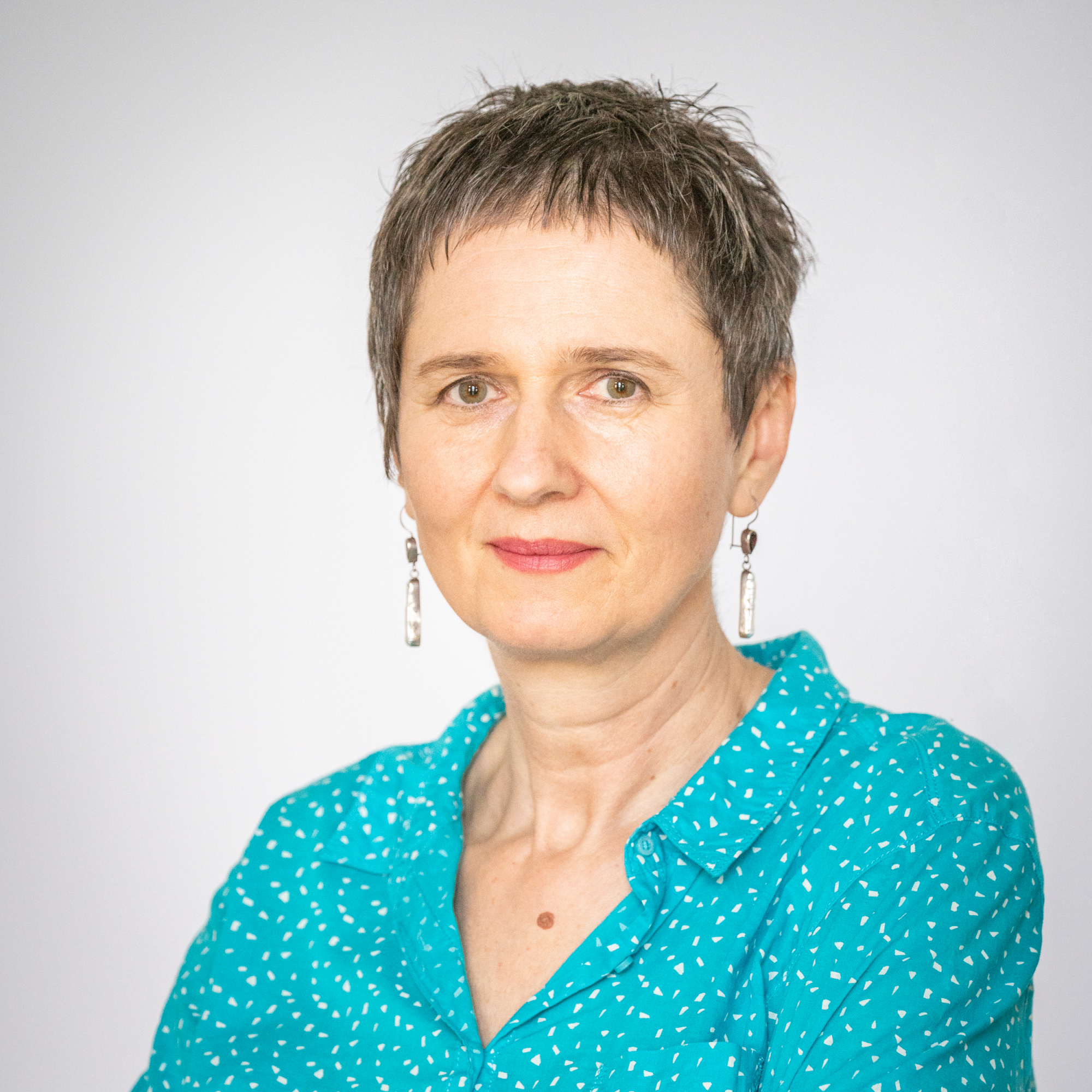
Eda ÖZ ÇELİKBAŞ is an Associate Professor at Karabük University's Safranbolu Fethi Toker Faculty of Fine Arts and Design, Department of Painting. She holds multiple international affiliations, including collaborations with universities in Finland, Poland, and Romania, and serves as a project partner for Turkey's Ministry of Family, Labor, and Social Services. Her academic roles include Vice Dean and Department Vice Chair positions. Education: PhD in Painting, Gazi University (2014-2018) MA in Painting, Gazi University (2012-2014) BA in Painting, Karabük University (2008-2012) Exchange studies at WSUS-Poznan, Poland (2009-2010) Research Focus: Her work bridges art therapy, cultural symbolism, and interdisciplinary practices. She investigates therapeutic applications of traditional arts (e.g., Turkish motifs, shamanic symbols) and ecological art interventions. Research extends to expressionism, intercultural psychology, and museum-based therapy. Publication Trends: Recent works emphasize art therapy methodologies, cultural heritage reinterpretation, and gender studies in art. She frequently explores Jungian frameworks, trauma healing through creative expression, and sustainability in artistic practice. Awards: Sosyal Alanda Araştırma Projeleri 2.lik Ödülü (2024) TÜBİTAK Projeleri Özel Ödülü (2024) Yurtdışı Çalışmaları Özel Ödülü (2024) Advising & Projects: Supervises 5 Master’s students in art therapy and painting. Leads TÜBİTAK-funded projects like 'Disiplinlerarası Birliktelik: Hadrianopolis’te Sanatla Terapi' and EU collaborations such as 'ELISTAT: Enriching Lives of Seniors Through Art Therapy'. Manages workshops integrating archaeology with therapeutic practices.
Dr. Kedi Zhao is an Assistant Professor at the Faculty of Social Work, University of Regina, specializing in cross-cultural research with immigrant and migrant communities through decolonization and social justice frameworks. His work spans macro-level knowledge production, mezzanine-level cultural adaptation, and micro-level navigation of specific cultural conflicts. Dr. Zhao's research interests focus on anti-Asian racism (particularly pandemic-related experiences), cultural adaptation among immigrants, health equity in mental healthcare, and cannabis use as cultural conflict. His integrative approach examines structural, community, and individual dimensions of cross-cultural challenges facing East/Southeast Asian communities in Canada. Recent publications (2022-2025) demonstrate consistent focus on pandemic impacts, with 60% addressing racism/health inequities and 40% exploring cultural conflicts. His work appears in International Social Work , Culture & Psychology , and Journal of Ethnic & Cultural Diversity in Social Work , showing strong methodological diversity across qualitative, mixed-methods, and critical policy analysis. Dr. Zhao currently leads four active research projects funded by SSHRC and the Social Work Research Centre, totaling over $96,000. These projects investigate anti-Asian racism among older adults, cannabis policy adaptation among Chinese immigrants, international students' immigration intentions, and pandemic-related mental health struggles. His research group provides student opportunities in community-engaged scholarship, with emphasis on knowledge translation to social work practice. Dr. Zhao maintains strong community partnerships while advancing decolonial approaches to social work knowledge production and service delivery for immigrant populations.
Aurelia Di Santo serves as Associate Professor at Toronto Metropolitan University's School of Early Childhood Studies, where she has been a core faculty member since 2006 after six years as a contract lecturer. She concurrently directs the School's Laboratory Schools network, encompassing the Early Learning Centre, EarlyON Child and Family Centre, and Every Child Belongs consultation program. Her academic foundation includes an MA and PhD in Developmental Psychology and Education with Early Childhood specialization from the Ontario Institute for Studies in Education/University of Toronto. Professor Di Santo's research pioneers children's rights implementation in early education, with growing emphasis on emergency contexts. She develops practical frameworks for rights-respecting curricula while investigating transitions to school and quality environment design. Her methodology prioritizes authentic child participation, challenging traditional adult-centric research approaches in early childhood settings. Recent publication trends reveal increasing focus on humanitarian applications, particularly refugee education during crises as demonstrated in her 2020 pandemic-response research with iACT. This aligns with her international fieldwork history in Bolivia, Brazil, and Egypt. Her scholarly impact is recognized through significant awards: Canadian Coalition for the Rights of Children–Children’s Rights Champion Award (2015–2016) Sue Williams Excellence in Teaching Award, Faculty of Community Services (2011) Certificate of Academic Excellence, Canadian Psychological Association (2007) iACT Spirit Award (2021) She mentors graduate students through specialized courses in children's rights research while leading field placements across Laboratory Schools. Her active grant portfolio supports the Global Citizens Education Program and Rights Respecting Schools initiative, maintaining strong international partnerships with humanitarian organizations. Current projects address pandemic recovery in refugee education and cross-cultural rights implementation. The Laboratory Schools under her direction provide integrated research-practice environments where theoretical frameworks meet real-world early childhood challenges, particularly in emergency response contexts.
Mónica Ruiz-Casares is a Professor at Toronto Metropolitan University's School of Child and Youth Care with adjunct appointments at McGill University in Psychiatry, Social Work, and Equity/Ethics/Policy. Born in Spain, she holds a PhD in Policy Analysis from Cornell University, MA in International Development from George Washington University, and law degree from ICADE. PhD in Policy Analysis and Management / Human Services Studies, Cornell University MSc in Program Planning and Evaluation, Cornell University MA in International Development, George Washington University Postdoctoral Fellowships in Social and Cultural Child Psychiatry, McGill University Licensed Attorney, ICADE (Spain) Her research centers on cross-cultural child wellbeing , specializing in parent-child separation contexts across low- and middle-income countries. Key focus areas include supervisory neglect, migrant/refugee family dynamics, and ethical youth research methodologies. She leads the Global Child Care & Wellbeing Collective , conducting mixed-methods studies that combine large-scale surveys (e.g., 61-country analysis of non-adult supervision) with innovative qualitative approaches like participatory photography. Her work directly informs international child protection policies through partnerships with UNICEF and national governments. Recent publications demonstrate consistent output across high-impact journals, with 2023-2024 work examining child supervision in Laos, pandemic impacts on refugee youth, and mental health policymaking participation. Her research spans eight continents (all except Antarctica), addressing cultural variations in parenting norms and child protection systems. Santé, Chercheur-Boursier Award (Fonds de Recherche du Québec, 2013-2017) CIHR Mentorship Award (2013) American Evaluation Association Type II Award (2005) Richard H. Tomlinson Postdoctoral Fellowship (McGill, 2006-2008) NSF Doctoral Dissertation Fellowship (2002-2003) As a Credentialed Evaluator with 25+ years of policy evaluation experience, she directs multiple active grants including the Families First Program RCT in Indonesia and the International Survey of Children's Wellbeing in Namibia. Her supervisory approach emphasizes methodological innovation in crisis contexts and authentic youth participation, reflected in her co-chair role for the International Society for Child Indicators. The Global Child Care & Wellbeing Collective provides students with field opportunities across Africa, Southeast Asia, and the Americas while developing culturally responsive assessment tools like the Participatory Photography Assessment Technique.
Patrícia Susana Lopes Guerrilha dos Santos Pinto is a Full Professor at the Faculty of Economics, University of Algarve (FEUAlg), where she has built a distinguished academic career spanning over three decades. She currently serves as Pro-Rector of the University of Algarve for the European University of the SEAS (SEA-EU) and is an integrated member of the Research Centre for Tourism, Sustainability and Well-being (CinTurs), which she coordinated until February 2025. Previously, she was Vice-President of the Research Centre for Spatial and Organisational Dynamics (CIEO) from 2015 to 2017. Her academic leadership extends to program direction, having led the MSc in Marketing (2009-2015), the PhD program in Quantitative Methods Applied to Economics and Management (2019-2022), and the PhD program in Tourism (2022-2023). Professor Pinto holds a comprehensive academic background from the University of Algarve's Faculty of Economics, including: BSc in Business Administration (1993) MSc in Economics and Business Administration (1997) PhD in Quantitative Methods Applied to Economics and Management (2004) Habilitation in Quantitative Methods Applied to Economics and Management (2013) Her doctoral research explored advanced statistical models to understand pro-environmental consumer behavior, which she later applied to tourism management research, establishing her career in this field. Professor Pinto's research focuses on the intersection of tourism, sustainability, and well-being , with particular expertise in tourist experiences, destination image formation, and sustainable tourism development. Her work employs advanced quantitative methods to analyze complex tourism phenomena, including structural equation modeling and partial least squares path modeling. She examines how tourist experiences influence destination image, satisfaction, and loyalty, while also investigating resident attitudes toward tourism development and sustainable practices. Her research has significant practical implications for destination management organizations and tourism businesses seeking to enhance visitor experiences while promoting sustainable development. With approximately 170 publications throughout her career, including 53 scientific articles and 17 book chapters between 2018-2025, Professor Pinto maintains a robust scholarly output. Her recent work demonstrates a clear trend toward examining the psychological and emotional dimensions of tourist experiences , the impact of digital technologies on destination image formation , and the role of resident empowerment in sustainable tourism development . Her research increasingly addresses contemporary challenges such as post-pandemic tourism recovery, smart tourism solutions, and the alignment of tourism development with the UN Sustainable Development Goals. Professor Pinto serves as Editor-in-Chief of the Journal of Tourism, Sustainability and Well-being since 2015 and is a valued reviewer for top-tier tourism journals including: Annals of Tourism Research Journal of Sustainable Tourism Journal of Travel Research Tourism Management Her editorial leadership has significantly contributed to advancing research in sustainable tourism and well-being. As a dedicated mentor, Professor Pinto has supervised 20 PhD and 38 MSc students throughout her career and currently co-supervises 7 PhD students and 1 postdoc. Her research is supported by multiple competitive grants, including the SmartVITATUR project (2025-2028) as Principal Investigator, which focuses on transforming quality of life through smart tourism. She has secured funding from prestigious sources such as the Portuguese Foundation for Science and Technology (FCT) and Horizon 2020, demonstrating the significance and impact of her research agenda. Her projects often involve interdisciplinary collaboration with researchers across Europe through the SEA-EU alliance. Professor Pinto leads research activities through the Research Centre for Tourism, Sustainability and Well-being (CinTurs), accessible at https://www.cinturs.pt . The center brings together researchers from diverse disciplinary backgrounds to address contemporary challenges in tourism development. Current projects include RESTUR (examining residents' attitudes toward sustainable tourism), MONITUR (monitoring the Algarve tourist destination for sustainable development), and TrailGazersBid (measuring returns from trail investment). These initiatives reflect her commitment to generating research with practical applications for destination management and sustainable tourism policy.
Mária Chilf is an Associate Professor at the Hungarian University of Fine Arts with a DLA doctoral degree. Born in Târgu-Mureş, Romania on May 10, 1966, she has established herself as a significant figure in contemporary Hungarian art through her painting and intermedia works. Her educational background includes: 2003-2007: Doctoral studies at the Hungarian University of Fine Arts 1997-1998: Hochschule der Künste, Berlin (studied under Katharina Sieverding) 1990-1995: Hungarian University of Fine Arts, painting and intermedia department (studied under Károly Klimó and Dóra Maurer) Chilf's artistic practice explores psychological landscapes, bodily themes, and conceptual frameworks through series-based works. Her notable projects include 'Private Jungle' (2005), 'Loaded Places' (2003), and 'The Inner Secrets of Our Body' (2003), which demonstrate her interest in the intersection of physical and psychological spaces. Her work consistently examines identity, memory, and subconscious processes through mixed media approaches. Analysis of her exhibition history reveals a progression from formal explorations to increasingly complex psychological investigations, with recurring motifs of water, body imagery, and conceptual frameworks that challenge conventional artistic boundaries. Her international presence includes exhibitions across Europe and Mongolia, demonstrating the broad relevance of her conceptual approach. Her most significant honors include: Mihály Munkácsy Award (2005) STRABAG Painting Award (2004) Hungarian Artists' National Association Award (2006) Hungarian Academy of Rome Scholarship (1998) DAAD Stipendium (1997-98) As an educator, Chilf emphasizes creating environments where students develop independent artistic practices through dialogue and experimentation. Her philosophy centers on helping students understand their creative motivations and expand their awareness of visual culture. Her approach combines technical guidance with critical thinking development, encouraging students to explore both theoretical questions and practical implementation in their work. Chilf's works are held in prominent collections including the Ludwig Museum - Museum of Contemporary Art and Hungarian National Gallery in Budapest, as well as international institutions like the Frauenmuseum in Bonn and Akademie Schloss Solitude in Stuttgart.
Yun Lin is an Associate Professor and Deputy Head of the Department of Computer Science and Technology at Shanghai Jiao Tong University's School of Computer Science. Prior to joining SJTU, Lin served as a Research Assistant Professor at the National University of Singapore working with Prof. Dong Jin Song. Lin leads the CoPhi ("Code Philia") research group, which focuses on the intersection of Software Engineering, AI, and Security. Lin's research spans three major areas: Automatic Programming (including code editing, software testing, and debugging), Explainable AI (focusing on representation interpretation and training data attribution), and Web Misinformation (particularly phishing and scam detection). The research has resulted in numerous tools including CoEdPilot for code editing recommendation, DeepDebugger for interactive debugging of deep classifiers, and Phishpedia for phishing webpage detection. Lin's recent publications demonstrate a strong trend toward integrating AI techniques, particularly large language models and vision language models, with traditional software engineering and security tasks. The work shows increasing sophistication in understanding project context, handling interactive nature of programming tasks, and addressing security challenges in the age of generative AI. Key themes include consistency-based approaches for anomaly detection, agent-based frameworks for complex tasks, and hybrid models that combine symbolic reasoning with neural approaches. ACM Distinguished Paper Award in ICSE'18 for "Towards Optimal Concolic Testing" Distinguished Reviewer Award in FSE'25 2nd prize Research Prototype Award in ChinaSoft'24 Lin advises a large team of PhD, Master's, and undergraduate students, with several publications co-authored with students appearing in top venues. Current research is supported by collaborations with National University of Singapore, particularly with Prof. Dong Jin Song, and includes projects on code editing, GUI testing, and phishing detection. The CoPhi group maintains active development of multiple research tools and datasets. The CoPhi research group under Lin's leadership focuses on building practical tools that bridge the gap between theoretical advances and real-world programming and security challenges. The group's work spans from fundamental program analysis techniques to applied security solutions, with an increasing emphasis on leveraging AI capabilities while maintaining explainability and reliability.
Sara Vincentzen Kondrup is a Teaching Assistant Professor at the Department of Food and Resource Economics, University of Copenhagen, where she also pursues her PhD studies. She teaches philosophy of science and ethics to students across food science, veterinary medicine, and biotechnology programs. Her educational background includes a Master of Science in Philosophy and Economy (Cand.merc.(fil)) from Copenhagen Business School (2009-2012). Dr. Kondrup's research centers on food sociology and animal ethics, examining how cultural contexts shape ethical food consumption and human-animal relationships. Her work employs qualitative methods to understand complex behavioral patterns related to dietary choices, with particular focus on ethical considerations in Danish society. She investigates the intersection of philosophical ethics, economic behavior, and food systems, contributing to scholarly understanding of how people navigate ethical dilemmas in food production and consumption. Her current PhD project explores dietary transitions through a prospective study of individuals adopting plant-based diets in Denmark, analyzing how these dietary patterns are sustained and evolve over time. This research contributes to understanding behavioral change processes related to meat reduction and vegetarianism. Her scholarly impact is evident through citations across academic literature and broader engagement: Multiple publications featured in Wikipedia pages Research picked up by news outlets Significant social media discussion across X (Twitter) and Facebook Extensive academic readership via Mendeley with over 200 readers for some publications Dr. Kondrup collaborates extensively with interdisciplinary researchers including Peter Sandøe, Tore Bjørnbak Lund, and Mona Gjerris. Her work bridges veterinary medicine, food science, and ethics, producing practical insights for improving animal welfare standards and understanding dietary transitions. She is affiliated with the Section for Consumption, Bioethics and Governance, reflecting her specialized focus on ethical dimensions of food systems and human-animal relationships.
María del Mar Ortiz Gómez serves as an Assistant Professor in the Department of Financial Economics and Accounting at Loyola University Andalusia. She received her PhD with Cum Laude distinction in Data Science from Loyola University Andalusia in 2021 and was granted tenured lecturer status by ANECA (National Agency for Quality Assessment and Accreditation) in 2022. Dr. Ortiz Gómez actively contributes to research through dual affiliations with the university's 'Social Matters' and 'Financial Economics and Accounting' research groups. Her academic foundation includes dual undergraduate degrees in Business Administration and Finance and Accounting from Loyola University Andalusia (2015), both earned with Academic Excellence Awards. She completed academic exchanges at Copenhagen Business School (2012-2013) and Fairfield University (2014-2015), where she earned Dean's List recognition. She furthered her education with a Master's in Auditing and Advanced Accounting from Comillas Pontifical University (2018) before completing her PhD. Dr. Ortiz Gómez's research spans two complementary domains. Through the 'Social Matters' group, she investigates corporate governance, leadership models (particularly servant and authentic leadership), and values-based organizational management, often focusing on religious and non-profit contexts. Through the 'Financial Economics and Accounting' group, she specializes in international accounting standards, with particular expertise in lease accounting (IFRS 16) and its implementation in Spanish regulations. Her recent work increasingly integrates sustainable development goals into educational frameworks and organizational practices. Her publication pattern reveals a strategic evolution from technical accounting standards toward interdisciplinary research connecting sustainability, values-based leadership, and financial practice. The concentration of 2024-2025 publications addressing sustainable development goals in educational contexts indicates her current research trajectory and growing scholarly impact in this emerging field. Academic Excellence Award for Business Administration degree Academic Excellence Award for Finance and Accounting degree Dean's List recognition from Fairfield University Best presentation award in human resources area Dr. Ortiz Gómez maintains an active teaching schedule, with responsibilities ranging from 18-30 undergraduate credits annually plus Master's supervision. Her teaching is conducted entirely in English, reflecting the international orientation of her department. Her professional background includes 3.5 years in Deloitte's audit department, providing practical context for her academic work. She actively participates in academic service through AJICEDE and AECA professional development initiatives. Her research groups 'Social Matters' and 'Financial Economics and Accounting' provide the structural framework for her dual focus on organizational values and accounting standards, creating unique interdisciplinary connections between leadership theory and financial practice that characterize her scholarly contributions.
Bartłomiej Pierański is an Assistant Professor at Poznań University of Economics and Business, specifically affiliated with the Department of Commerce and Marketing within the Institute of Marketing. His academic career shows progression from earning his doctorate in 2009 to achieving the position of Professor Assistant in 2020. He maintains an active research profile with 53 documented publications and has successfully promoted one doctoral thesis. Professor Pierański's research spans multiple domains within marketing and sustainability, with particular emphasis on environmental concerns, consumer behavior, and sustainable business practices. His work demonstrates a clear interdisciplinary approach, connecting economics and finance (75% of his research profile) with management and quality studies (25%). His recent publications reveal a strong focus on contemporary sustainability challenges, including greenwashing, household food waste, pro-environmental consumer behavior, and sustainable e-commerce practices. The trend in his work shows increasing attention to environmental issues, with multiple 2024 publications examining how environmental concern influences consumption patterns among business students and the effectiveness of corporate sustainability claims. Total ministerial score: 1,452 2 documented achievements 53 publications 41 documented activities Professor Pierański actively collaborates with researchers both within his institution and internationally, as evidenced by his multicountry studies and participation in the SUSTA Erasmus+ Project. His work combines theoretical marketing frameworks with practical sustainability applications, making significant contributions to understanding how businesses can authentically engage with environmental challenges while maintaining consumer trust. His laboratory affiliation with Dinara Kadyrbekova's Lab provides a research environment for exploring innovative approaches to marketing and sustainability questions, with particular attention to consumer behavior measurement techniques including physiological and biometric methods.
Dr. Maja Krtalić serves as Associate Professor and Head of School at Victoria University of Wellington's School of Information Management. Originally from Croatia, she earned her PhD in Information Sciences from the University of Zadar in 2010, following earlier degrees at the Universities of Osijek and Zagreb. Prior to her current position, she was an assistant professor at the University of Osijek, Croatia (2004-2017). Her research focuses on three interconnected domains: information behavior (particularly among migrants, refugees, and tattooed individuals), personal information management in multilingual contexts, and cultural heritage preservation in both physical and digital environments. Dr. Krtalić has developed expertise in understanding how people manage personal collections during life transitions, with special attention to migration experiences and identity formation. Her recent publication record shows strong thematic continuity across her research interests, with a notable emphasis on multilingual information practices, tattoo-related information experiences, and death-related information management. She has published extensively in high-impact information science journals including Journal of Documentation, Journal of the Association for Information Science and Technology, and Library and Information Science Research. Dr. Krtalić actively contributes to the profession through editorial work with Archifacts (journal of ARANZ) and committee service including IT-019 Joint AS/NZS Committee, LIANZA Research SIG, NZ chapter of Information Review Group for recordkeeping standards, and RIMPA. As an educator, she teaches courses on records management, digital curation, and information access and use. Her current doctoral supervision focuses on rehabilitation patients' information behaviors, South Asian family migrants' information seeking, information systems, and community archives. She has secured research funding for projects examining refugee information needs and humanitarian migrants' post-settlement decision making.
Elisabeth Norman is a Professor in the Department of Social Psychology at the University of Bergen, Norway. She is affiliated with multiple research groups including the Digital Learning Communities, the Research Group on Decision Making, Intuition, Consciousness and Emotions (DICE Group), and the Bergen Laboratory for the Study of Decision, Intuition, Consciousness, and Emotion. Her primary research interests focus on metacognition, intuition, implicit vs. explicit learning, awareness, and the interaction between affective states and cognitive processes. Norman investigates how people learn without awareness, how intuitive feelings relate to unconscious knowledge, and the extent to which strategic control is associated with awareness in cognitive tasks. Her work bridges theoretical cognitive psychology with practical applications in education, clinical settings, and organizational contexts. Norman's recent publications reveal a consistent focus on how metacognitive experiences guide learning and decision making, with increasing attention to digital environments and their impact on cognitive processes. Her research employs diverse methodologies including laboratory experiments, systematic reviews, and web-based studies, often examining how unconscious processes influence conscious judgments and behaviors. She has received attention in Norwegian media for her expertise on intuition and unconscious cognitive processes, appearing on programs like Nyhetsmorgen and contributing to public understanding of psychological phenomena. Norman teaches PSYK208 Affect and Cognition and supervises bachelor's theses in general psychology, demonstrating her commitment to education alongside her research activities. Her collaborations span multiple institutions and disciplines, reflecting the interdisciplinary nature of her work on consciousness and cognition.
Dr. Emilie Whitaker is an established ethnographer and sociologist at the University of Salford, where she serves as the Director of Postgraduate Research for the School of Health and Society since 2024. She also holds visiting lectureships in Sociology at Cardiff University and DePaul University, Chicago. From 2024-2026, she is on secondment for two days per week to the Central Analysis and Science Strategy Unit in the civil service. Her research focuses on: Ethnographic methods and writing Place-making and spatial sociology Sociology of everyday life Objects and material culture Temporal aspects of social life Creative qualitative methodologies Dr. Whitaker's scholarly output demonstrates a consistent focus on methodological innovation in qualitative research, with particular attention to reflexivity, ethnographic practice, and the application of sociological theories to contemporary social issues in healthcare and social work settings. Her work bridges academic research and practical applications in human service contexts. Her notable professional roles include: Director of Postgraduate Research for School of Health and Society Visiting Lecturer positions at two international institutions Secondment to civil service analytical unit Membership in Centre for Research on Inclusive Society As an educator, Dr. Whitaker maintains a strong commitment to building research capacity across student populations. Her teaching reflects her expertise in ethnographic methods and theoretical sociology, particularly in final year undergraduate modules on precarity, constructions of childhood, and dissertation preparation. She is actively involved in PhD supervision, with particular interest in ethnographic projects and creative qualitative methodologies. Dr. Whitaker's research group contributes to understanding social experiences through ethnographic approaches that emphasize inclusion and equity, particularly in healthcare settings and social service organizations.
Dr. Sadaf Hina is a Lecturer in Cybersecurity at the School of Science, Engineering and Environment (SSEE), University of Salford, Manchester, UK. She serves as the Programme Leader for the BSc Computer Science with Cybersecurity and holds significant research leadership roles as REF 2029 Co-Lead for People, Culture and Environment. Dr. Hina is an active member of the IoT Research and Innovation Lab (IRIL) and contributes to the Informatics Research Centre at the university. Her research interests span the critical intersection of artificial intelligence and cybersecurity, with specific expertise in IoT/IIoT security, zero-trust architectures, threat modeling in cyber-physical systems, and AI-aided security optimization. Over the past five years, her publication record shows consistent output in high-impact journals, with a notable increase in 2023-2025 focusing on cutting-edge applications of deep learning and vision transformers for security challenges. Her work demonstrates strong connections between theoretical security frameworks and practical industrial applications, particularly in critical infrastructure sectors. Dr. Hina has received significant professional recognition including: Fellow of the Higher Education Academy (FHEA, 2024) Advance HE Aurora Leadership Development Program certification (2025) REF Co-Lead roles for both People, Culture and Environment (2025) and Contributions to Knowledge and Understanding (2023) Editorial position for Applied Sciences journal (2024) Membership in professional organizations including IEEE (since 2014) and British Computer Society As a dedicated educator, Dr. Hina teaches Information Security, Information Security Management, Network Penetration Testing, Security and Privacy in IoT, and Fundamentals of Cybersecurity. She actively supervises BSc final year projects, MSc dissertations, and three PhD candidates working on AI-aided cybersecurity solutions. Her leadership extends to serving as Faculty Advisor for Women in Cybersecurity (WiCyS) and participation in cross-institutional mentoring programs, demonstrating commitment to developing the next generation of cybersecurity professionals.
Lavy Khoushinsky serves as Assistant Professor in the Marketing Department at Laval University's Faculty of Administrative Sciences, where he maintains an active research program bridging analytical marketing, artificial intelligence, and consumer behavior. His work addresses critical contemporary challenges including ideological polarization in markets, healthcare access barriers, and ethical AI implementation. His educational foundation includes a Ph.D. from Smith School of Business, Master's in Sustainable Energy Policy from Carleton University, and Bachelor's in Communication from Concordia University. This interdisciplinary background informs his research approach that integrates technical marketing analytics with social impact considerations. Professor Khoushinsky's research program demonstrates remarkable thematic evolution from sustainable transportation (2019) through banking experience innovation (2020-2021) to his current focus on AI-consumer interactions in contested spaces. His 14 publications (2019-2025) reveal three dominant trajectories: AI-Mediated Consumer Interactions (50% of recent work): Examining chatbots, healthcare navigation systems, and accountability frameworks Ideological Market Dynamics (30%): Analyzing niche marketing in polarized environments and consumer discourse patterns Technology Adoption Barriers (20%): Studying privacy paradoxes, e-waste responsibility, and mixed-reality banking experiences His methodological approach combines computational linguistics with experimental design to address complex marketing phenomena. Through his teaching portfolio spanning Marketing Principles to AI applications, Professor Khoushinsky prepares students for evolving marketing landscapes. His course development emphasizes practical analytical skills while addressing contemporary ethical challenges in digital marketing. The collaborative nature of his publication record (80% co-authored) indicates strong team-based research practices and interdisciplinary connections across institutions.