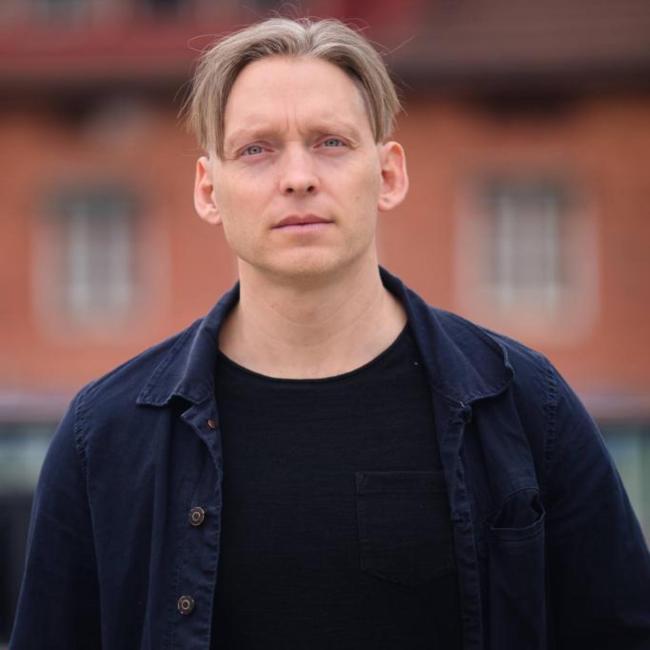
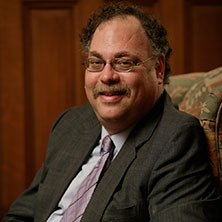
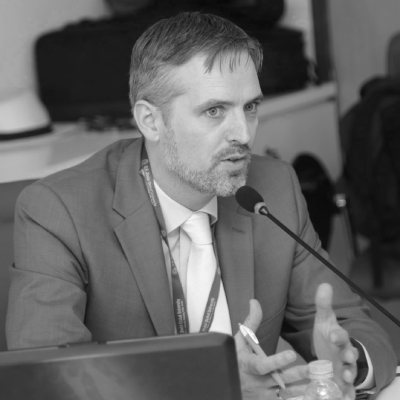
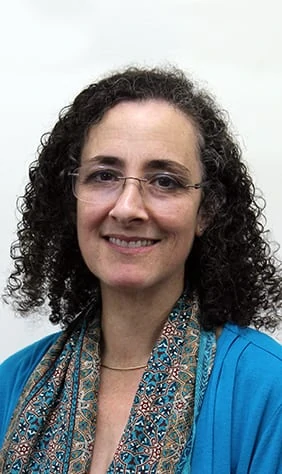
Kristian Petrov is a Senior Lecturer in Cultural Studies Research and Reader in History of Ideas at Karlstad University, serving as Head of Subject. He is affiliated with KuFo (Culture Studies Research Group), one of the university's prioritized research groups. His research focuses on three core areas: modernity and globalization, medical humanities (psychiatry/suicide prevention), and cultural-aesthetic ideas analyzed through interdisciplinary methodologies. He employs conceptual history, hermeneutics, and material cultural studies in his work. Key roles include ethics advisor for the Faculty of Arts and Social Sciences (2021–2023), co-coordinator of Karlstad University's collaboration with Västanå Theater (2015–2020), and deputy supervisor of doctoral students in History and English. He has organized major conferences like Selma Lagerlöf 2018 and Cosmopolitanism in a Wider Context. Professional memberships include Humtank, GEXcel Network, and the History of Political and Social Concepts Group. His publications bridge theoretical and applied research, addressing topics like Russian nihilism, post-communist transitology, and the cultural history of sugar. Recent works emphasize humanities' role in addressing societal challenges such as suicide prevention and science communication. His interdisciplinary approach integrates philosophy, political science, and public health.
Rabbi Alan Brill is the Cooperman/Ross Endowed Chair for Jewish-Christian Studies and Professor in the Department of Religion at Seton Hall University. His work focuses on interfaith theology, Kabbalah, and religious pluralism. He holds a Ph.D. from Fordham University and has authored numerous books, including Rabbi on the Ganges: A Jewish Hindu Encounter (2019) and Judaism and World Religions (2012). Brill has held visiting professorships at Gadja Mada University (Indonesia) and the Vancouver School of Theology. His research explores intersections between Jewish thought and global religions, emphasizing dialogue and comparative theology. He received a Fulbright Senior Scholar Award for research in India and a Dorset Visiting Fellowship at Oxford. His recent work includes analyzing Rabbi Eliezer Melamed’s approach to Hinduism and Buddhism, advocating for inclusive interfaith frameworks. Brill’s scholarship bridges traditional Jewish texts with contemporary theological debates, particularly on religious diversity and mystical traditions.
Marcus Hedblom is a Professor in Landscape Management at the Swedish University of Agricultural Sciences (SLU) in Uppsala, Sweden. His academic career focuses on the intersection of urban ecology, landscape management, and human well-being, with extensive research on how people interact with and benefit from urban green spaces. Professor Hedblom's research interests span several interconnected domains related to urban environments and human-nature interactions. His primary focus areas include urban ecology and biodiversity conservation in cities, landscape management for recreational purposes, and the psychological benefits of nature exposure. He has made significant contributions to understanding soundscape perception in urban forests, children's interactions with natural environments, and the development of nature-based interventions for health and well-being. His work often employs multisensory approaches to studying how visual and auditory elements of landscapes affect human experiences and stress recovery. The trends in Professor Hedblom's recent publications (2023-2025) reveal a strong emphasis on practical applications of landscape research. His work increasingly focuses on design frameworks for multifunctional green spaces, particularly those serving children's developmental needs through nature-based play environments. He has developed innovative approaches like the Contemplative Landscape Model for assessing therapeutic outdoor settings and has conducted cross-continental studies on urban wildlife adaptation. His research consistently bridges ecological science with social science perspectives, examining how landscape characteristics correlate with human perceptions and behaviors in urban settings across different cultural contexts. Professor Hedblom has contributed extensively to the understanding of urban bird ecology, particularly how species like house sparrows adapt their vocalizations to urban noise environments. His work on "play biotopes" represents a significant practical application of ecological principles to landscape design, creating synergistic environments where children's development and ecological functions reinforce each other. Recent publications also address the challenges of balancing traditional lawn maintenance with more sustainable alternatives in the face of climate change.
Eric Mandelbaum is a Professor of Philosophy at Baruch College, City University of New York (CUNY), where he holds the Ruth Printz O'Hara '52 Professorship. He also maintains an appointment at the CUNY Graduate Center Department of Philosophy. His scholarly work bridges philosophy and cognitive science, with a particular focus on the nature of belief, mental representation, and cognitive architecture. Professor Mandelbaum's primary research interests include Philosophy of Cognitive Science and Philosophy of Mind, with significant contributions to understanding belief systems. His work has developed the influential Spinozan model of belief fixation, which posits that merely contemplating a proposition entails believing it, with rejection requiring a separate, effortful process. He has also advanced a fragmented model of belief storage, challenging the traditional unified web of belief in favor of multiple, context-sensitive belief stores. His research extends to language of thought hypothesis, implicit bias, and the psychological immune system that governs belief change. Analysis of Mandelbaum's publication record reveals a consistent trajectory of integrating philosophical analysis with empirical findings from psychology and cognitive science. His recent work demonstrates an increasingly interdisciplinary approach, connecting belief science to mental health applications, language processing, and social cognition. A distinctive feature of his scholarship is the development of mechanistic explanations for seemingly incompatible aspects of belief, showing how belief can simultaneously be discerning, credulous, rational, and irrational. Ruth Printz O'Hara '52 Professorship While specific details about Professor Mandelbaum's advising activities are not explicitly documented in the available information, his extensive publication record featuring numerous collaborations suggests active mentorship and research leadership. His work appears to be supported by institutional resources at CUNY, and likely external research grants given the scope and interdisciplinary nature of his investigations into belief systems and cognitive architecture. His frequent co-authorship with researchers across multiple institutions indicates participation in collaborative research networks. Professor Mandelbaum's research is conducted through collaborative networks spanning philosophy, psychology, and cognitive science disciplines. His frequent co-authorship with scholars like Nicolas Porot, Jake Quilty-Dunn, and others suggests leadership in research teams focused on belief systems, language of thought, and implicit cognition. These collaborations demonstrate his commitment to interdisciplinary approaches that bridge philosophical analysis with empirical cognitive science.
David Albertson is an Associate Professor of Religion at the University of Southern California , specializing in medieval and early modern Christianity, Christian mysticism, and the interplay between religion and visual culture. He serves as a faculty member in the Department of Religion and is affiliated with the Nova Forum for Catholic Thought. Albertson holds a B.A. in Religion from Stanford University, an M.Div. in Theology from the University of Chicago, and a Ph.D. in Religion from the University of Chicago. Research Interests : Albertson’s work bridges medieval and early modern philosophy with theological inquiry, focusing on figures like Nicholas of Cusa and Thierry of Chartres. He explores mystical contemplation, the mathematical dimensions of theology, and the visual representation of sacred concepts. His research also intersects with continental philosophy, particularly in analyzing modern thinkers like Emmanuel Falque and Gilles Deleuze alongside medieval traditions. Publications : Albertson’s recent work (2024–2025) examines Cusanus’s relevance today, Deleuze’s engagement with Christian Neoplatonism, and the mystical philosophies of Hadewijch and Falque. His scholarship often integrates interdisciplinary approaches, merging theology with mathematics, aesthetics, and existential thought. Scientific Awards : Alexander von Humboldt Fellowship (2021–2022) NEH Scholarly Editions and Translations Grant (2016–2021) Charles A. Ryskamp Fellowship (2015–2016) NEH Enduring Questions Grant (2010–2011) Grants & Teaching : Albertson has secured multiple USC research grants and was honored with the USC General Education Teaching Award in 2009. He has also held visiting professorships, including the J. E. & Lillian Byrne Tipton Distinguished Visiting Professorship at UC Santa Barbara in 2025.
Anne Harrington is the Franklin L. Ford Professor of the History of Science at Harvard University, holding appointments in the Department of the History of Science within the College of Arts and Sciences. She currently serves as Acting Director of Graduate Studies and has previously held roles including Department Chair (2007-2010, 2012-13), Director of Undergraduate Studies (2010-22), and Faculty Dean of Pforzheimer House (2013-23). She earned her Ph.D. in the History of Science from Oxford University, followed by postdoctoral fellowships at the Wellcome Institute and University of Freiburg. Her research focuses on the history of psychiatry, neuroscience, and interdisciplinary science-humanities collaborations. Notable works include Mind Fixers (2019), The Cure Within (2008), and Reenchanted Science (1997). She co-directed Harvard’s Mind, Brain, and Behavior Initiative and advised initiatives like the MacArthur Foundation’s Mind-Body Network. Recent projects explore consciousness science, including a forthcoming book on the search for consciousness in disciplines like neuroscience and philosophy. Her academic leadership extends to roles such as Acting Dean of Undergraduate Education (2022-23), where she developed programs like the Civic Engagement Certificate, and Special Advisor for a new interdisciplinary environment-focused concentration. She also chairs Harvard’s Climate and Diversity Committee and teaches courses on the history of psychiatry and medical ethics.
Affiliations & Roles Dr. Anthony Cullen serves as an Associate Professor in the School of Law at Middlesex University, London. He concurrently holds roles as a Visiting Professor at the University of Bordeaux, External Examiner at Dublin City University, Senior Fellow of the UK Higher Education Academy, and Senior Research Associate at DCU's Centre for Educational Disadvantage. His work bridges legal scholarship with pedagogical innovation and social justice. Research Interests Dr. Cullen’s research focuses on international humanitarian law, human rights law, contemplative methods in education, decolonization of academia, and student well-being. He actively advocates for integrating mindfulness and meditation into legal education to enhance practitioner resilience and ethical decision-making. Recent Trends in Publications His recent work emphasizes interdisciplinary approaches, blending legal theory with spirituality (e.g., 'Enlightened Management'), decolonizing legal frameworks, and addressing systemic inequities in education and conflict zones. He also explores the evolving nature of armed conflict in digital age warfare. Awards & Recognition Outstanding Wellbeing and Student Support Award (2022) Supervision & Mentorship Currently supervising three PhD candidates: Sylvain Jordan, Fru Ndemeno-Tegomoh, and Oje Hart. His mentorship focuses on fostering academic rigor while prioritizing mental health and professional ethics. Labs & Collaborations Collaborates with the Heartfulness Institute on mindfulness initiatives and the Rajiv Gandhi School of Intellectual Property Law on legal education reforms. His work often intersects with global institutions like the ICC and NGOs addressing humanitarian law compliance.
Agnes B. Curry, Ph.D., is a Professor of Philosophy and Director of the Core Curriculum at the University of Saint Joseph (USJ), where she has served since 2001. She holds a Ph.D. and M.A. in Philosophy from Fordham University and dual degrees in Piano (B.M.) and Philosophy (B.A.) from Benedictine College. Her work bridges philosophical theory with everyday life experiences, emphasizing how ideas shape human perception. Dr. Curry teaches courses on ethics, race, and women philosophers, and actively contributes to academic discourse through editorial roles and collaborative research. Her research focuses on 20th-century ethics, Native American philosophy, and moral/spiritual values in media. She co-edits Studies in Native American and Indigenous Philosophy and serves on the American Philosophical Association’s national committee. Dr. Curry also engages in contemplative practices, serving as a Spiritual Director and contributing to interfaith initiatives through organizations like Spiritual Directors International. Dr. Curry’s publications span academic chapters, edited volumes, and media analyses. She collaborates on projects like a book with Dr. Josef Velazquez on values in television, and her work has been featured in journals such as Slayage and Studies in Native American and Indigenous Philosophy . Her teaching philosophy emphasizes critical thinking and interdisciplinary connections, reflected in courses like Philosophy of Race and Food Ethics .
Patricia (Tish) Jennings is a Professor of Curriculum, Instruction & Special Education at the University of Virginia's School of Education and Human Development. She is an internationally recognized leader in social and emotional learning and mindfulness in education. As the Program Director for the Ed.D. in Curriculum & Instruction, she has established herself as a key figure in developing evidence-based approaches to educator wellbeing and classroom climate. University of Virginia, School of Education and Human Development Department of Curriculum, Instruction & Special Education Program Director, Ed.D. in Curriculum & Instruction Dr. Jennings received her Ph.D. from the University of California Davis in 2004, M.Ed. from Saint Mary's College in 1980, and B.A. from Antioch College in 1977. With over 22 years of experience as a teacher, school director, and teacher educator, she brings substantial practical knowledge to her research. Dr. Jennings' research focuses on social and emotional learning, mindfulness practices, and teacher occupational stress. She pioneered the application of contemplative science to solve difficult problems in education, particularly examining how teacher wellbeing impacts classroom environments and student outcomes. Her work bridges the gap between theoretical research and practical classroom implementation, with a special emphasis on creating compassionate learning environments that support both educators and students. Analysis of her publication history reveals a consistent focus on mindfulness-based interventions in educational settings, with particular emphasis on how teacher wellbeing directly affects classroom quality and student outcomes. Her research trajectory shows increasing attention to scalable implementation models and the connection between educator stress management and student social-emotional development. Distinguished Researcher Award from the University of Virginia (2023) Joseph E. Zins Distinguished Scientist Award from CASEL (2024) Cathy Kerr Award from the Mind & Life Institute (2018) Featured in Mindful Magazine's 'Ten Mindfulness Researchers You Should Know' Dr. Jennings serves as Principal Investigator for multiple large-scale studies funded by the U.S. Department of Education, including Project CATALYZE and Project ENGAGE. She was a member of the National Academy of Sciences Committee on Promoting Healthy Mental, Emotional, and Behavioral Development in Children and Adolescents. Her CARE (Cultivating Awareness and Resilience in Education) program has been evaluated by What Works Clearinghouse and recommended by the CDC to promote educator wellbeing. Dr. Jennings leads the Contemplative Teaching and Learning Lab, where she and her team develop and evaluate mindfulness-based professional development programs designed to address teacher occupational stress. The lab's work focuses on practical implementation strategies that can be adapted across diverse educational settings while maintaining scientific rigor.
Jennifer Sinor is a Professor of English at Utah State University, where she has taught since 2000. She serves as Chair of the Creative Writing Emphasis and Director of Graduate Studies, playing a key leadership role in both undergraduate and graduate creative writing programs. Her research and teaching focus on creative nonfiction, with specializations in non-linear forms, braided essays, flash nonfiction, and speculative nonfiction. She uniquely integrates yoga and somatic practices into writing pedagogy, emphasizing embodied creativity and mindfulness. This approach is central to her book The Yogic Writer: Uniting Breath, Body, and Page , which offers craft guidance through meditative and physical practices. Her recent publications span top literary journals such as The Writer's Chronicle , The Normal School , and Creative Nonfiction . These works explore themes of identity, desire, trauma, and ethical storytelling, often blending lyrical reflection with experimental form. Collectively, her articles reflect a deep engagement with the inner life of the writer and the emotional truth of personal narrative. Selected Honors: Stipend in American Modernism National Magazine Award nomination Inclusion in Best American Essays 2024 Work featured in The Norton Reader Jennifer advises graduate students in creative writing and leads curriculum development as Director of Graduate Studies. She has secured recognition and visibility for her program through her own nationally published work and editorial presence. While specific grant details are not listed, her sustained publication record and inclusion in major anthologies suggest strong scholarly impact and support. She is also a certified yoga instructor and actively incorporates mindfulness into her teaching. Though no formal lab or research team is mentioned, her pedagogical model represents an interdisciplinary approach that unites writing, embodiment, and contemplative practice.
Dr Aakanksha Virkar is a Senior Lecturer at the University of Brighton’s School of Humanities and Social Science, with affiliations to the Centre for Design History. She holds a British Academy Mid-Career Fellowship (2024–2025) for her project on T.S. Eliot and Beethoven. Previously, she served as a Commonwealth Scholar and Nehru Trust Scholar at the University of Cambridge, where she earned her MA and PhD (2010). Her research focuses on modern literature (1870–1945), particularly intersections between literature, philosophy, music, and visual culture. Her current work explores T.S. Eliot’s engagement with Beethoven and fascist cultural ideology, as seen in her 2024 Journal of Modern Literature article. She is co-authoring a monograph with Prof. Daniel Chua (HKU) on Eliot and Beethoven. She also serves on the Board of the International T.S. Eliot Society and UKRI’s Interdisciplinary Assessment College. Education: PhD in Poetry of Gerard Manley Hopkins, University of Sussex (2010) MA English Literature, University of Cambridge (2006) BA English Literature, University of Cambridge (2002) BA English Literature, University of Bombay (2000) Research Interests: T.S. Eliot’s interdisciplinary aesthetics Beethoven’s cultural legacy Victorian mysticism (Hopkins) Literature and philosophy in modernism Music-literature crossovers Nineteenth-century cultural politics Awards: British Academy Fellowship Commonwealth Scholarship Nehru Trust Scholarship Top 50 Article in Literature and Theology (2012) Grants & Activities: Leading a £250k British Academy project (2024–2025) Research Fellow, Institute of English Studies, University of London (2023–2026) Peer reviewer for AHRC grants Contributor to BBC Radio 3’s Beethoven Unleashed series Labs/Teams: Collaborates with musicologists (e.g., Prof. Daniel Chua) and interdisciplinary cultural studies networks.
Julieta Galante is a full-time researcher at the University of Cambridge, affiliated with the Department of Engineering and Cambridge Public Health. Her work focuses on preventative medicine, mental health, and the application of mindfulness interventions. Holding a PhD from Cardiff University, she leads the evaluation of mindfulness courses for university students and explores the integration of machine learning into public health strategies. Galante's research spans randomized trials, systematic reviews, and economic evaluations, addressing stress reduction, dementia caregiver support, and digital health engagement. Primary Affiliation: University of Cambridge, Department of Engineering Research Pillars: Mindfulness, Preventative Medicine, Mental Health Methodologies: RCTs, Meta-Analyses, Cohort Studies Her recent publications highlight dose-response effects of mindfulness, public health ethics, and population-level meditation trends. She collaborates on global health initiatives and develops tools like the Inventory of Meditation Experiences (IME) to assess intervention impacts.
Julie Brefczynski-Lewis is a Research Assistant Professor at West Virginia University School of Medicine, holding positions in both the Department of Neuroscience and the Rockefeller Neuroscience Institute. She earned her PhD from the Medical College of Wisconsin and serves as the neuroimaging liaison for the Center for Advanced Imaging. West Virginia University School of Medicine Department of Neuroscience Rockefeller Neuroscience Institute Dr. Brefczynski-Lewis's primary research focuses on compassion meditation training for stress relief, particularly regarding difficult interpersonal relations. She has developed a smartphone application to facilitate daily meditation practice and examines the resulting neural, physiological, and behavioral changes. Her work spans multiple neuroimaging techniques including MRI, PET, EEG, and TMS, with applications in working memory, mindfulness, trust, neonatal cognition, pediatric sleep disorders, stroke studies, depression, and auditory processing in disordered populations. Her recent publications demonstrate a strong trajectory in advancing neuroimaging technology, particularly in developing ambulatory PET systems that allow brain imaging during natural movement. This work represents a significant departure from traditional stationary brain imaging approaches and opens new possibilities for studying brain function in real-world contexts. Neuroimaging liaison for the Center for Advanced Imaging Weekly neuroimaging group meetings at Mondays 4:00 PM Provides training in MRI, PET, EEG, and TMS techniques Assists with experimental design and IRB protocols Dr. Brefczynski-Lewis actively collaborates across disciplines, serving as a bridge between technical imaging development and clinical applications. Her work on compassion meditation represents an important integration of traditional contemplative practices with modern neuroscience methodology, while her contributions to ambulatory PET technology showcase her innovative approach to overcoming limitations in current neuroimaging paradigms.
Dr. Yusuf Ransome serves as an Associate Professor of Public Health in the Social and Behavioral Sciences department at Yale School of Public Health. He is the Founder and Director of the Society, Connectedness and Health (SOCAH) Lab, where he leads innovative research at the intersection of social connectedness, contemplative practices, and digital technology to address complex public health challenges. His work focuses on creating sustainable pathways to health, wealth, and prosperity for historically underserved communities both in the United States and globally. Dr. Ransome's research integrates social connectedness, contemplative practices, and digital technology to address complex public health challenges. His current priority research areas include: building social connectedness to buffer mental health and improve community resilience; strengthening faith-based infrastructure to improve community health and economic well-being; developing interventions that integrate contemplative practices, belief systems, and artificial intelligence to strengthen well-being; and leveraging the science of strengths through portable technologies to optimize well-being. His methodologies combine advanced quantitative survey analysis, in-depth qualitative research through interviews and focus groups, geospatial data science applications, and artificial intelligence tools for public health solutions. His research has been featured in top-tier public health journals including the American Journal of Public Health and Social Science & Medicine. Dr. Ransome's commitment to accessibility ensures his findings reach beyond academia through community engagement events, digital storytelling initiatives, and practical well-being products that empower communities to thrive. His work demonstrates clear trends across social determinants of health, HIV prevention, mental health, and the role of religion and spirituality in public health, with increasing emphasis on commercial determinants of health and advanced methodological approaches. Public Voices Fellowship with Yale and The OpEd Project (2024) Office of Health Equity Research (OHER) Award (2023) Dr. Ransome brings extensive academic training to his work, including an Alonzo Smythe Yerby Postdoctoral Fellowship from Harvard T.H. Chan School of Public Health, a DrPH in Public Health from Columbia University Mailman School of Public Health, an MPH in Health Behavior & Health Education from the University of Michigan School of Public Health, and a BS in Business Management and Science from Brooklyn College. His work addresses critical social determinants of health through innovative research-to-practice frameworks, providing actionable insights for policymakers, community organizations, faith-based institutions, government entities, and healthcare systems. The SOCAH Lab, which he directs, employs a multidisciplinary team that applies advanced research methodologies to real-world public health challenges.
Gerald P. Boersma is a Professor of Theology at Ave Maria University and a Humboldt Fellow at the University of Tübingen. His work focuses on Augustinian and Thomistic theology, patristics, and medieval Christian thought. He previously taught at St. Bonaventure University and has held fellowships at Villanova University and the University of Tübingen. Education: B.A., Christianity and Culture, Trinity Western University M.A., Theology, Ave Maria University Ph.D., Theology, University of Durham Boersma’s research interests include Augustine’s doctrine of the imago Dei, Aquinas’s virtue ethics, and Greek patristic theology. His publications include Augustine’s Early Theology of Image (Oxford, 2016) and numerous articles on Augustinian and Thomistic thought. Recent work explores themes like Eucharistic miracles, Dante’s theological symbolism, and the intersection of classical philosophy with Christian theology. His articles analyze topics such as the metaphysics of Eucharistic miracles, Aquinas’s contemplative theology, and Augustine’s influence on Dante. These contributions highlight his expertise in patristic exegesis and systematic theology. Scientific Awards: Humboldt Fellowship (University of Tübingen) Boersma’s academic leadership includes directing Ave Maria’s Theology M.A. program and advising on grants related to patristic studies. His scholarly activities involve interdisciplinary engagement with literature, philosophy, and early Christian texts.