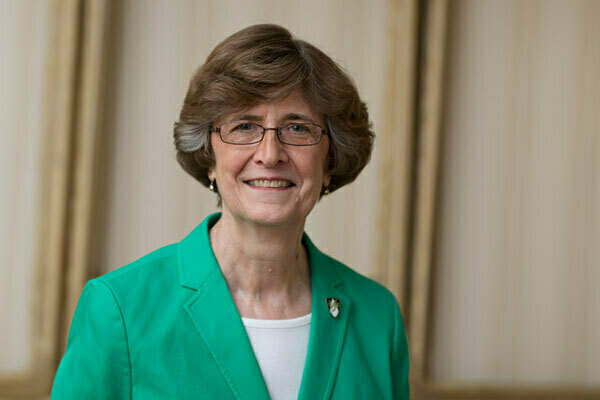
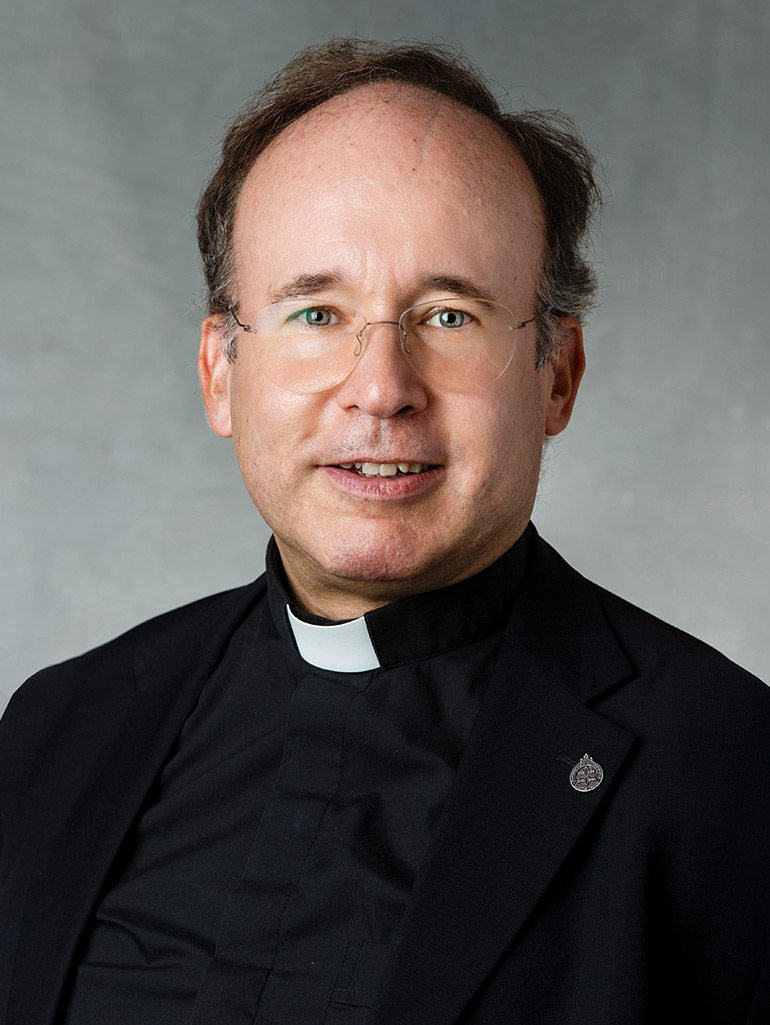
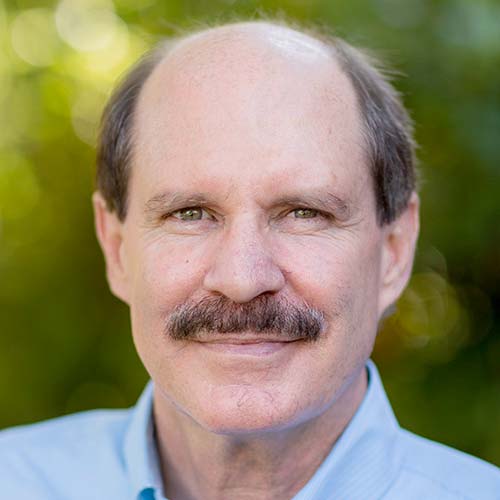
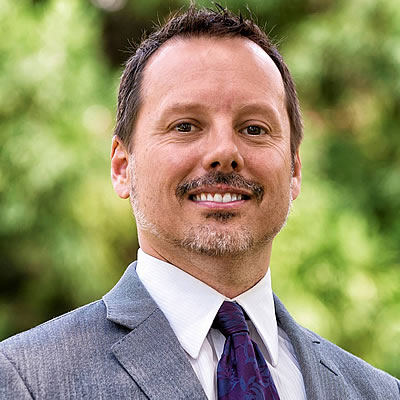
Dr. Edyta Chlebowska is an Assistant Professor at the Cyprian Norwid Research Center, John Paul II Catholic University of Lublin. Specializing in the visual art and literary legacy of Cyprian Norwid, she explores intersections between Polish Romanticism, art history, and cultural studies. Her work extends to album art analysis and interdisciplinary connections with music (e.g., Pink Floyd, Czesław Niemen). Her research focuses on Norwid's self-portraits, eschatological themes in his drawings, and comparative studies with 19th-century Warsaw painting. She reconstructs lost artworks, documents private collections (e.g., Konstancja Górska, Victor Gomulicki), and examines Norwid's reception in Florence and Odessa. Key projects include translating Studia Norwidiana and critical editing of Norwid's complete works. As editor-in-chief of multiple On Cyprian Norwid. Studies and Essays volumes and organizer of conferences like Niemen Non Stop and Colloquia Norwidiana , she bridges academic rigor with public engagement. Her publications span peer-reviewed books, journal articles, and popular science pieces, emphasizing Norwid's unpublished works and symbolic programs.
Professor Mary Catherine Hilkert holds a position in the Department of Theology at the University of Notre Dame’s College of Arts and Letters. Her research focuses on theological anthropology, fundamental theology, Christology, feminist theologies, and the interplay between theology, preaching, and spirituality. A member of the Dominican Sisters of Peace, she has received four honorary doctorates and prestigious awards recognizing her contributions to integrating academic and pastoral theology, particularly through feminist frameworks. Education: B.A., University of Dayton; M.A. and Ph.D., Catholic University of America. Her work centers on Edward Schillebeeckx’s theology, medieval mystics like Catherine of Siena, and sacramental imagination in preaching. She has lectured globally and served on international theological commissions for the Order of Preachers. Awards include the Sophia Award and Yves Congar Award for theological excellence. Her publications explore themes like the Reign of God, liturgical spirituality, and the role of women’s voices in theology. She has advised students through her academic leadership and has been a key figure in ecumenical theological dialogues across continents.
Neil Pembroke is a Lecturer in Studies in Religion at the University of Queensland , affiliated with the School of Historical and Philosophical Inquiry . His academic work bridges theology, philosophy, and pastoral care, with a focus on spiritual formation, healthcare ethics, and the intersection of psychology and religion. Education : B.Eng (Agric.), B.Th (B.C.T.), BA (Hons), PhD (Edin) Teaching interests : Jung and Human Spirituality, Religion and Health, Mysticism, Psychology of Religion, Religion and Psychotherapies His research explores therapeutic preaching, spiritual maturity, and the role of empathy in Christian and interfaith contexts. He has contributed to organizational spirituality, particularly in church-sponsored healthcare, and examined compassion fatigue through Christian and Buddhist perspectives. Publications include books like Divine Therapeia and the Sermon and Renewing Pastoral Practice , with over 50 journal articles and 10 book chapters. Collaborative projects span international studies on pastoral care models and interdisciplinary dialogues on ethics. Neil Pembroke's work emphasizes the integration of theological and psychological insights into personal and communal spiritual growth, with a particular focus on shame, identity, and the relational Trinity as frameworks for pastoral practice.
Aydogan Kars is a Senior Lecturer in the Department of History at Monash University, affiliated with the Centre for Consciousness and Contemplative Studies. His research focuses on medieval and modern Islamic mysticism, Sufi theology, and interreligious dialogue. Kars has led or co-led seven major research projects, including studies on Sufi genealogies, religious literacy, and the intersection of AI with human selfhood. He holds prestigious awards such as the Monash Faculty of Arts Dean’s Research Award (2021) and a Doctoral Fellowship from the Orient-Institut (2015). Kars actively contributes to academic governance as an editorial board member for the Journal for the Academic Study of Religion and peer reviews for journals like Religions and Journal of Islamic Ethics . His research interests span Islamic philosophy, mystical texts, and comparative theology, with notable work on apophatic theology in medieval Islam. Kars supervises PhD students and collaborates internationally on projects exploring Sufi traditions across Iran, the Ottoman Empire, and modern contexts.
Martin Schlag is Professor at the University of St. Thomas holding the Alan W. Moss Endowed Chair for Catholic Social Thought and serving as Co-director of the Terrence J. Murphy Institute for Catholic Thought, Law, and Business within the Opus College of Business's Department of Ethics and Business Law. His educational background includes: JD from University of Vienna Licentiate in Theology (Lic. Theol.) from Pontifical University of the Holy Cross, Rome Doctorate in Sacred Theology (STD) from Pontifical University of the Holy Cross, Rome Schlag's research centers on Catholic social thought's application to political and economic systems, examining historical Christian perspectives on markets, trade, money, private property, and social justice. He advocates for principled business leadership that promotes the common good and integrates the poor into market economies through Christian humanism. His work emphasizes truth, goodness, and beauty as foundational to business as a noble vocation. Analysis of his 2022-2025 publications reveals dominant trends in subsidiarity theory, gift economies in business, digital ethics, and pandemic policy through theological frameworks. His scholarship consistently connects Catholic social teaching to contemporary challenges including e-commerce morality, technological unemployment, diversity initiatives, and integral ecology of work. As Co-director of the Terrence J. Murphy Institute, Schlag leads interdisciplinary initiatives bridging Catholic thought with business practice, organizing global conferences that inform his research and publications. No information is available regarding student advising or research grants.
Paul Anderson serves as Professor of Biblical and Quaker Studies at George Fox University's School of Theology, where he has taught since January 1989. His academic journey includes a PhD from Glasgow University, MDiv from Earlham School of Religion, graduate studies at Trinity Lutheran Seminary and Portland State University, and a BA from Malone University. Anderson maintains significant international academic connections as extraordinary professor of religion at North-West University of Potchefstroom (South Africa) and adjunct professor at Barclay College and Portland Seminary. Anderson's research centers on the Gospel of John, Jesus studies, and Quaker theology. He pioneered cognitive-critical analysis of Johannine traditions to address Christological tensions, developing his "Bi-Optic Hypothesis" for understanding John's composition. His influential book The Fourth Gospel and the Quest for Jesus argues for John's significance in historical Jesus research, while From Crisis to Christ provides a contextual New Testament introduction bridging ancient and contemporary contexts. His work on Quaker spirituality, including Following Jesus , explores practical Christian discipleship within the Friends tradition. As a prolific scholar with over 400 published essays, Anderson has shaped Johannine studies through his founding role in the John, Jesus, and History Project (SBL 2002-2016) and co-editing of four major volumes in its series. His recent publications (2021-2024) demonstrate continued scholarly vitality, focusing on Johannine theology, historical Jesus research, and Quaker thought. These works reveal his consistent engagement with dialectical tensions in John, universalism/exclusivism debates, and the application of biblical insights to contemporary spirituality. Founding member of the John, Jesus, and History Project (SBL 2002-2016) Editor of Biblical Interpretation series (E.J. Brill) Editor of Johannine Monograph Series Editor of Quakers and the Disciplines series (FAHE) Former editor of Evangelical Friend (1990-1994) and Quaker Religious Thought (2000-2011) Anderson's academic leadership extends through visiting professorships at Yale Divinity School (where he taught 1998-1999) and Princeton Theological Seminary, along with international appointments as DAAD professor at the University of Mainz and Fulbright Specialist at Radboud University of Nijmegen. His work bridges scholarly rigor and practical spirituality, particularly in Quaker contexts, while maintaining active engagement with contemporary theological debates through his extensive publication record and editorial work.
David Germano is Professor of Tibetan and Buddhist Studies at the University of Virginia's College of Arts & Sciences, Department of Religious Studies. He also holds a Clinical Professor appointment in Nursing and serves as Director of multiple centers including the Tibet Center, the Contemplative Sciences Center, and SHANTI (Social Sciences, Humanities, and Arts Network of Technological Initiatives). Since 2000, he has directed the Tibetan and Himalayan Library, establishing himself as a leading figure in Tibetan studies and digital humanities. Germano earned his B.A. from Notre Dame University in 1984 and completed his Ph.D. at the University of Wisconsin in 1992. His academic career at UVA progressed from Assistant Professor (1992-1998), to Associate Professor (1998-2011), and finally to Professor (2011-present). His research focuses on the Nyingma and Bön lineages of Tibetan Buddhism, particularly tantric traditions and Buddhist philosophy from the eighth to fifteenth centuries. He also studies Tibetan history and literature, contemporary Tibet (especially regarding religion, education, and technology), and digital humanities. Germano is particularly interested in engaged scholarship that inserts higher education into a socially transformative role across various sectors. Germano's publications reveal a consistent focus on Tibetan Buddhist traditions, with particular emphasis on Dzogchen (Great Perfection) teachings, visionary movements, and the intersection of traditional practices with contemporary contexts. His work spans religious studies, anthropology, digital humanities, and Tibetan cultural studies, demonstrating interdisciplinary approaches to understanding Tibetan Buddhism and its modern manifestations. As a leader in digital humanities, Germano has pioneered numerous initiatives including the Tibetan and Himalayan Digital Library, the Tibetan Unicode Project, the Tibetan Literary Encyclopedia, and the Tibetan Language Learning Resources initiative. He has also co-directed the UVa-Machik Geotourism Initiative and the Tibetan and Himalayan Historical GIS project, demonstrating his commitment to innovative approaches for preserving and disseminating Tibetan knowledge.
Paul Harrison is the George Edwin Burnell Professor of Religious Studies at Stanford University , with a courtesy appointment in East Asian Languages and Cultures. He serves as Co-Director of the Ho Center for Buddhist Studies , focusing on Buddhist literature, history, and manuscript analysis across Mahāyāna and Mainstream traditions. Specializes in Buddhist manuscripts in Sanskrit, Chinese, and Tibetan Current projects: Editions of the Vajracchedikā (Diamond Sutra) and Vimalakīrtinirdeśa Research emphasizes textual authority, transmission, and innovation in Mahayana Buddhism Contact: paulh1@stanford.edu | Office: Building 70, Room 72E
Jeffrey S. Lidke is a Professor of Religious Studies and Chair of the Department of Religion and Philosophy at Berry College. He holds a B.A. from the University of Colorado (1990), M.A. (1996), and Ph.D. (2000) in South Asia Religion and Philosophy from the University of California, Santa Barbara. A Fulbright Dissertation Fellow to Nepal (1996-97), his research focuses on Nepalese Tantra, South Asian religious traditions, and the intersection of contemplative practices with neuroscience. His major works include The Goddess Within and Beyond the Three Cities (2017) and Viśvarūpa Maṇḍir: A Study of Chaṅgu Nārāyaṇa (2017). Key research areas include Śākta Tantra's political theology, Abhinavagupta's monistic philosophy, and the neuroscientific implications of Tantric meditative practices. His work bridges textual analysis with ethnographic fieldwork in Nepal and India. Education: B.A., Religious Studies, University of Colorado (1990) M.A., South Asia Religion and Philosophy, University of California, Santa Barbara (1996) Ph.D., South Asia Religion and Philosophy, University of California, Santa Barbara (2000) Research Interests: Indian and Nepalese Tantra Kashmir Śaivism Cognitive Neuroscience of Contemplative Practices Embodied Mysticism in Art and Dance Maṇḍala Theory and Political Theology Key Contributions: Pioneered studies on the Sarvāmnāya Tantra system Explored neuroscientific applications of Tantric meditation Edited volumes on South Asian religious practices and ecology Awards: Fulbright Dissertation Fellowship (1996-97) Professional Activities: Co-editor of Southeast Review of Asian Studies Interviews on Tantric philosophy and Yoga-Neuroscience connections
Zoran Josipovic is an Adjunct Assistant Professor in the Department of Psychology at New York University's College of Arts & Science. He is also the founding director of the Nonduality Institute, an independent research center exploring nondual awareness. His expertise spans consciousness studies, meditation neuroscience, and cognitive/affective neuroscience. Education: PhD in Cognitive Neuroscience (Union Institute & University), MA in Clinical Psychology (John F. Kennedy University), BA in Asian Religions (SUNY) Research focuses on nondual awareness mechanisms, meditation's effects on epilepsy, and consciousness neurobiology. He investigates how practices like Tibetan Buddhism, Zen, and Advaita Vedanta influence neural processes. His work bridges contemplative traditions with modern neuroscience through studies on self-awareness, brain networks, and minimal phenomenal experience. Recent publications explore reflexivity gradients in consciousness, implicit-explicit nondual awareness dimensions, and neural correlates of prayer in addiction recovery. His grants include funding from the Mind Science Foundation and Yoga Science for nondual awareness research. Awards: 2010 Tom Slick Award for Consciousness Research, multiple grants supporting meditation-epilepsy studies Teaches courses like 'Consciousness and the Brain' and 'Mindfulness & Transformative Technologies.' Active in professional societies including the Association for Psychological Science and Society for Neuroscience. Operates the Nonduality Institute, conducting empirical studies on nondual experience and offering online meditation education. A lifelong practitioner of nondual traditions, he integrates clinical psychology with contemplative practice instruction.
Yanli Lin is an Assistant Professor in the Department of Psychology within the College of Arts & Sciences at the University of Arkansas. She holds a Ph.D. in Clinical Psychology from Michigan State University and completed a postdoctoral fellowship in Cognitive Neuroscience at Washington University in St. Louis (2020–2024). Position: Assistant Professor Institution: University of Arkansas School: College of Arts & Sciences Department: Psychology Email: yanlil@uark.edu Her research focuses on understanding how mindfulness and contemplative practices influence attention, emotion regulation, cognition, and interpersonal behavior, with an emphasis on the mind-brain-behavior relationship. She employs cognitive neuroscience methods, including EEG and statistical modeling, to investigate neural and behavioral effects of meditation in both health promotion and clinical contexts. Her interdisciplinary approach integrates insights from psychology, neuroscience, philosophy, and religious studies. The recent publications highlight a consistent trend in studying distinct mindfulness states—particularly focused attention and open monitoring—on neural markers of emotion and cognitive control. Her work employs within-subject designs and advanced electrophysiological techniques to parse subtle differences in mindfulness-induced brain dynamics. These studies contribute to a growing understanding of how specific meditation practices can be precisely targeted for therapeutic applications. She has been recognized with several prestigious awards: NIH/NIA F32 National Research Service Award WUSTL McDonnell Center for Systems Neuroscience SGP Award Mind & Life Institute Francisco J. Varela Research Award Dr. Lin advises graduate students and leads a research laboratory focused on mindfulness and cognitive neuroscience. While specific grant details are not listed, her award history suggests active external funding. Her lab uses EEG and behavioral experimentation to explore how meditation shapes cognition and emotion, contributing to the scientific foundation for mindfulness-based interventions.
John D. Dunne is a Professor and Distinguished Chair in Contemplative Humanities at the University of Wisconsin–Madison, holding an endowed position through the Center for Healthy Minds. He is affiliated with the Department of Asian Languages & Cultures and has served as its department chair. Dunne's research bridges Buddhist philosophy, contemplative practices, and cognitive science, focusing on mindfulness and compassionate training. He is a Fellow of the Mind and Life Institute and advises the Ranjung Yeshe Institute. His work includes translating Buddhist texts and collaborating on interdisciplinary projects. Education: PhD in Buddhist Studies from Harvard University (1999). Research emphasizes dialogues between Buddhist thought and modern science, with public engagement through organizations like the Upaya Zen Center and Gomde centers. Dunne teaches courses on flourishing, Buddhist philosophy, and contemplative practices, including ASIAN/PSYCH 120. His publications span academic journals (e.g., Mindfulness , Frontiers in Psychology ) and books like Foundations of Dharmakīrti’s Philosophy and translations of Nagarjuna’s Ratnāvalī . Scientific contributions include studies on meditation’s neurological effects, compassion cultivation, and mindfulness-based interventions. Awards include his Mind and Life Fellowship. He collaborates with institutions like the Center for Healthy Minds, exploring human flourishing and mental health. Recent work addresses psychedelic research and postmortem meditation states in Tibetan practitioners.
Kristen Lucken serves as Lecturer in International and Global Studies, Religious Studies, and Sociology at Brandeis University, where she chairs the Interdepartmental Program in Religious Studies and directs the Master's in Global Studies program. Her appointments span the Department of Sociology and two interdepartmental programs, reflecting her interdisciplinary focus. Her educational foundation includes: Ph.D. from Boston University M.A. from University of Denver B.S. from The University of Montana Dr. Lucken's research centers on immigration , ethnic/religious pluralism , and nationalism , with particular emphasis on how religious and ethnic identities transform through migration. Having witnessed the dissolution of multi-cultural states in the former Yugoslavia (1990-1998), she examines Bosnian refugee experiences and transnational religious lives of immigrant communities, especially regarding identity maintenance through religious institutions. Analysis of her 2009-2021 publications reveals three dominant trends: sustained focus on Bosnian refugee communities in New England; expansion into comparative studies of religion in public institutions across the U.S., U.K., and Europe; and growing attention to contemplative practices as stress responses within religious frameworks. Her work consistently bridges sociology, religious studies, and migration theory. Her scholarly recognition includes: Earhart Fellowship, Institute on Culture, Religion and World Affairs, Boston University (2005-2006) Religion Fellowship, School of Theology, Boston University (2011-2013) While directing the Master's in Global Studies program, Dr. Lucken leads a collaborative cross-national project on religion in public institutions. Though specific student advising and grant details aren't documented, her leadership roles indicate significant programmatic responsibilities. Current research extends into spirituality's role within secular public frameworks through comparative international analysis.
Gaston Bacquet is a Lecturer in Education Studies at the University of Glasgow's School of Education, specializing in Culture, Literacies, Inclusion & Pedagogy. A Chilean teacher trainer and educator based in Scotland, he also holds qualifications as a meditation and yoga instructor. With extensive international teaching experience across K-12 and higher education systems in Chile, Japan, Saudi Arabia, Myanmar, the US, and UK, his work bridges practical pedagogy and theoretical innovation. His educational background includes a DipTESOL from Trinity College London, an MA in TESOL from the Institute of Education (UCL), and a PhD in Education from the University of Glasgow. Bacquet currently teaches in the MSc/MEd Education Studies program and leads the undergraduate Asian Religions course, while supervising dissertation students across the School of Education. Research interests center on nonviolence as transformative educational practice, with emphases on decolonial approaches, contemplative pedagogy, and inclusion of minoritized groups. His work integrates Buddhist philosophy, indigenous wisdom traditions, and international perspectives to challenge Western epistemological dominance. Key methodological commitments include participatory action research and qualitative approaches that prioritize community voices. Recent publications reveal evolving trajectories from language education toward decolonial nonviolence frameworks, with increasing focus on Global South contexts, indigenous knowledge systems, and teacher preparation. His 2024-2025 work shows intensified engagement with Buddhist-Christian dialogue, indigenous contributions to peace education, and practical applications of nonviolence in classroom power structures. As a supervisor, Bacquet mentors Master's students in inclusion, nonviolence, and educational ethics, welcoming PhD proposals aligned with his research interests. His professional activities span editorial roles with Cogent Arts and Humanities and SAGE Open , alongside active participation in international scholarly networks including the Comparative and International Educational Society and the European Network for Buddhist-Christian Studies. Professional affiliations reflect his interdisciplinary reach: British Educational Research Association (2021-present), American Educational Research Association (2022-present), International Society for Contemplative Research (2023-present), and the International Society for the Scholarship of Teaching and Learning (2025-present). His conference presentations consistently address nonviolence pedagogy, decolonial curriculum development, and participatory research ethics across global contexts from Chile to New Zealand.
Lobsang Tenzin Negi is a Teaching Professor in Emory University’s Department of Religion and Executive Director of the Center for Contemplative Science and Compassion-Based Ethics (Emory Compassion Center). He leads initiatives integrating Tibetan Buddhist contemplative practices with modern scientific research, including developing programs like Cognitively-Based Compassion Training (CBCT®), the Emory-Tibet Science Initiative (ETSI), and the SEE Learning® framework. Born in a Himalayan region, he holds a PhD from Emory University and a Geshe Lharampa degree from Drepung Loseling Monastery. His work bridges contemplative science, education, and global ethics, emphasizing compassion as essential for human flourishing. Education: PhD, Emory University, 1999 (interdisciplinary dissertation on Buddhist and Western approaches to emotions) Geshe Lharampa, Drepung Loseling Monastic University, 1994 (highest Tibetan monastic degree) MA, Institute for Buddhist Dialectics, 1984 Research & Programs: Compassion Science: Examines compassion’s effects on mental/physical health and social well-being through CBCT®. ETSI: Develops modern science curricula for Tibetan monastics, training them as educators and researchers. SEE Learning®: Global K-12/Higher Ed framework for social, emotional, and ethical education. Mind-Body Sciences Program: Offers study abroad courses in India, integrating Tibetan Buddhism with Western science. Recent Article Trends: Focus on compassion’s applications in healthcare (PTSD, depression, HIV), education (SEL frameworks), and interdisciplinary mind-body research. Studies emphasize measurable impacts on neurology, immune response, and behavioral outcomes. Awards & Honors: While no specific prizes are listed, his leadership roles and global partnerships (e.g., with His Holiness the Dalai Lama) reflect recognition in contemplative science and intercultural education. Grants & Advising: Oversees multi-year initiatives like Tibet Week and the Emory-Tibet Partnership renewal. Advises on global compassion programs and collaborates with institutions like the Piramal Foundation in India. Labs/Teams: Directs the Emory Compassion Center and collaborates with Drepung Loseling Monastery, Emory’s Institute of Tibetan Studies, and international partners to advance compassion-based research and education.