
Prasenjit Mandal is an Associate Professor in the Department of Information Systems, Supply Chain Management, and Decision Support at NEOMA Business School (France). He holds a PhD in Decision Sciences and Information Systems from the Indian Institute of Management (IIM) Bangalore. Previously, he served as an Assistant Professor of Operations Management at IIM Calcutta and worked as an Oracle ERP consultant at Tata Consultancy Services. His research focuses on supply chain finance, revenue optimization, multi-channel retail strategies, and strategic decision-making in supply chains. He has published in top journals like European Journal of Operational Research and IEEE Transactions on Engineering Management. He currently serves as a reviewer for multiple academic journals. Education: PhD in Decision Science and Information Systems, IIM Bangalore, India Oracle ERP Techno-Functional Certification Research Interests: Revenue Management in Retail & E-commerce Supply Chain Finance & Platform Financing Multi-channel Distribution Strategies Empirical Modeling of Supply Chain Trade-offs Strategic Decision-Making under Competition Key Contributions: His recent work explores platform financing models, strategic supplier financing choices, and omnichannel retail challenges. His research integrates optimization models with real-world operational scenarios to address supply chain complexities. Professional Experience: Current: Associate Professor, NEOMA Business School 2016-2019: Assistant Professor, IIM Calcutta 2012-2015: Oracle ERP Consultant, Tata Consultancy Services
جستوجوی استاد و پژوهشگر
استاد راهنما، استاد دانشگاه یا پژوهشگر مناسب برای مسیر پژوهشیتان را پیدا کنید و با او ارتباط بگیرید.
نمایش ۳۱-۴۵ از ۱٬۸۴۳ استاد راهنما
اطلاعات این پروفایلها از صفحات عمومی دانشگاهها جمعآوری شده و ممکن است بهروز نباشد.
- Mechanobiology
- Thrombolysis
- Coagulation
- +۱۰ مورد دیگر
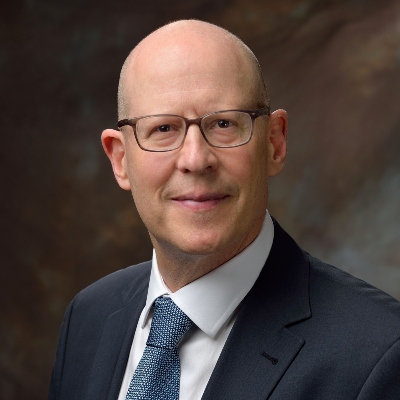
Scott L. Diamond is the Arthur E. Humphrey Professor of Chemical and Biomolecular Engineering and Bioengineering at the University of Pennsylvania's School of Engineering and Applied Sciences. He serves as Director of the Penn Center for Molecular Discovery, Director of the Penn Biotechnology Masters Program (one of the largest in the country with over 130 students), and Associate Director of the Institute for Medicine and Engineering (IME). His laboratory is located in the Roy and Diana Vagelos Laboratories at 3340 Smith Walk, 1020 Vagelos Research Laboratories, Philadelphia, PA. Diamond's research spans multiple interconnected fields in blood biology and biotechnology. His work focuses on mechanobiology, thrombolysis, coagulation, bioadhesion, gene therapy, drug/device development, proteomics, drug discovery, systems biology, and microfluidics. His laboratory has developed numerous specialized microfluidic devices for studying blood clotting under various flow conditions, including 8-channel devices for high-throughput clotting assays, side-view devices for clot structure analysis, stenosis devices for high shear clotting assays, and impingement-post devices for studying von Willebrand factor fibers. Diamond's research group has pioneered approaches to model and predict blood function using systems biology principles. His team has developed computational models that integrate reaction-transport phenomena with platelet signaling networks to predict thrombus formation under flow. These models have enabled the development of 'virtual blood' computer simulations that can predict the effectiveness of anticoagulation drugs for individual patients, contributing significantly to personalized medicine approaches in hemostasis and thrombosis. His extensive publication record demonstrates a consistent focus on understanding the fundamental mechanisms of blood clot formation and dissolution. Recent work has emphasized microfluidic approaches for point-of-care diagnostics, patient-specific modeling of platelet function, and the development of novel therapeutic strategies for thrombotic disorders. His research bridges engineering principles with clinical hematology to address significant challenges in cardiovascular medicine. NSF National Young Investigator Award NIH FIRST Award American Heart Association Established Investigator Award AIChE Allan P. Colburn Award George Heilmeier Excellence in Research Award Elected Fellow of the Biomedical Engineering Society (BMES) Diamond has secured significant research funding, including a $2.8 million NIH grant for 'Blood Systems Biology' and a $9.5 million NIH grant for the Penn Center for Molecular Discovery. His laboratory has developed numerous microfluidic devices for blood analysis and has collaborated extensively with clinicians and industry partners. Diamond has served on advisory committees for NSF, NIH, AHA, and NASA, and has consulted extensively for industry and government. With over 180 publications and patents, his work has significantly advanced the understanding of blood clotting mechanisms and the development of diagnostic and therapeutic approaches for thrombotic disorders.
Megan Lawrenceمشاهده پروفایل
استادیار
- Organizational and Management Practices
- Firm Knowledge and Capabilities
- Management of New Ventures
- +۴ مورد دیگر
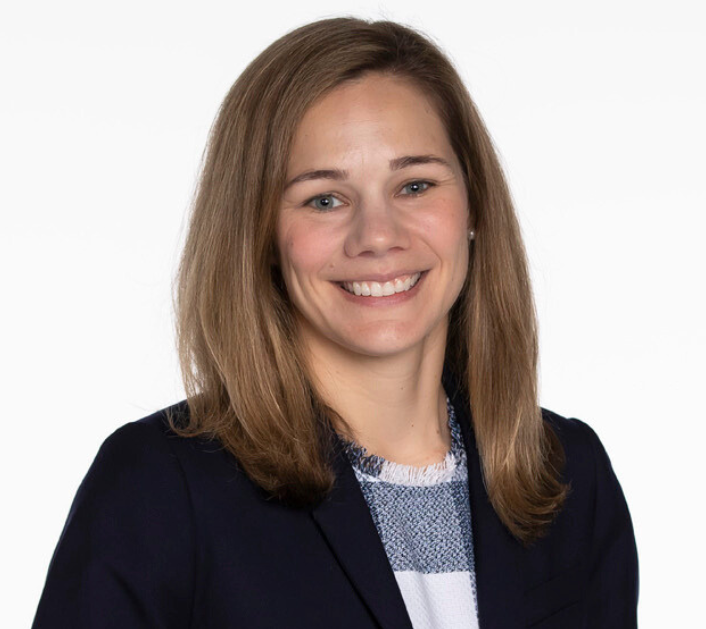
Megan Lawrence is an Assistant Professor of Strategic Management in the Strategy and Business Economics group at the Vanderbilt Owen Graduate School of Management . Her research focuses on organizational adaptation, knowledge evolution, and managerial strategies across firms ranging from Fortune 500 companies to startups. Education: D.B.A. in Strategy from Harvard Business School (2016), B.S.E. in Operations Research & Financial Engineering from Princeton University (2006) Her research interests include organizational management practices, firm capabilities, and structural adaptation. Articles like 'The Growth of Hierarchy in Organizations' and 'Learning to Manage Breadth' highlight her work on knowledge scope, experience repetition, and implementation performance. Scientific Awards: Brownlee O. Currey Jr. Dean’s Faculty Fellow, Poets & Quants 40-Under-40, Strategic Management Society Best Video Abstract Winner, and others Professor Lawrence teaches strategic management in MBA and Specialized Masters programs and has prior industry experience in quantitative consulting at Merrill Lynch. Her email is megan.lawrence@vanderbilt.edu .
Noboru Yonemitsuمشاهده پروفایل
عضو هیئت علمی
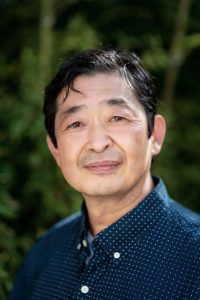
Dr. Noboru Yonemitsu is an Associate Professor of Teaching in the Department of Civil Engineering at the University of British Columbia (UBC), affiliated with the Faculty of Applied Science. He specializes in Hydrotechnical Engineering and has been with UBC since 1992, contributing to both teaching and research. His research focuses on IR-NDT technologies, turbulent fluid mechanics, and environmental fluid mechanics, with applications in wastewater treatment and ecological systems. Education: M.A.Sc. in Engineering Physics from Hokkaido University (Japan), specializing in Turbulent Fluid Dynamics and Non-destructive Testing (NDT). Ph.D. in Water Resources Engineering from the University of Alberta, Canada. Research Interests: Non-destructive testing (NDT) for infrastructure assessment Fluid dynamics in environmental and ecological contexts Wastewater treatment technologies Awards: 2019 3rd Year Student Appreciation Award 2002 Civil Engineering Teaching Award (UBC) Alberta Ministry of Advanced Education Scholarship (1987-1989) Teaching: Instructs courses including CIVL 303 (Computational Tools), CIVL 315 (Fluid Mechanics II), and Civil Engineering Design Projects. His pedagogical approach integrates practical engineering challenges with theoretical foundations. Professional Experience: Extensive consulting and research work with organizations like Northwest Hydraulics Consultants, NASA, BCIT, and major industries, spanning hydraulics, NDT, and environmental engineering.
Tim Schweisfurth is a Full Professor in Organizational Design and Collaboration Engineering at the School of Management Sciences and Technology, Hamburg University of Technology (TUHH), Germany. He previously served as an Associate Professor in High-Tech Business at the University of Twente and in Technology and Innovation Management at the University of Southern Denmark. He received his PhD from TUHH and his venia legendi from the Technical University of Munich (TUM). His research focuses on innovation and entrepreneurship, with key themes including digital and technology-driven innovation, idea generation and evaluation, and distributed and collaborative innovation. His work has been published in leading journals such as Research Policy , Strategic Management Journal , Organization Science , and Creativity and Innovation Management . His recent publications reflect a strong trend in understanding how organizational structures, digital platforms, and user involvement influence innovation outcomes. Topics include internal crowdfunding, idea evaluation biases, user innovation, and Industry 4.0 adoption in SMEs, indicating a deep engagement with both theoretical and applied aspects of innovation management. Editor-in-Chief, Creativity and Innovation Management Advisory Editor, Research Policy He has collaborated with major companies such as Siemens, Osram, Audi, Panasonic, and EWE in both research and consulting. He has advised on innovation strategies and digital transformation, contributing to real-world applications of his research. His work has not explicitly mentioned grants, but his extensive industry collaborations suggest strong project funding and engagement. He leads the research group on Organizational Design and Collaboration Engineering at TUHH, which investigates collaborative innovation, digital platforms, and employee-driven innovation. The team engages in both empirical and theoretical research, often using large datasets and field experiments to understand innovation dynamics in organizations.
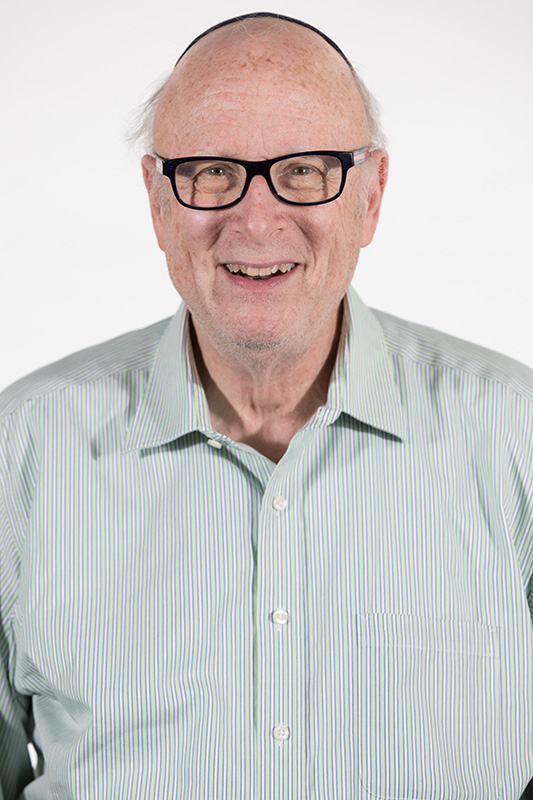
Dr. Kenneth Chelst is a Professor in the Department of Industrial and Systems Engineering at Wayne State University , where he directs the Engineering Management Program. His work bridges operations research with engineering management and K-12 mathematics education . A Rabbinic Ordination holder from Yeshiva University, he combines analytical rigor with pedagogical innovation. Educational Background: Ph.D., M.S. in Operations Research from MIT B.A. in Mathematics and Physics from Yeshiva College His research focuses on structured decision-making , OR applications in emergency services , and math curriculum development . The NSF-funded Project MINDSET ($3.3 million) and Project MEDeATe highlight his efforts to integrate OR into high school education. His From Percentage to Algebra middle school book and Ford-funded workshops have impacted hundreds of teachers. Scientific Awards: INFORMS President's Award (2011) for K-12 OR outreach Edelman Prize Laureate (2000) for Ford's OR application Multiple teaching awards from Ford Motor Company Dr. Chelst consults with Urban Science Applications Inc. and previously led the INFORMS Roundtable. His courses include Decision and Risk Analysis and Leadership Projects in Engineering Management , emphasizing corporate partnerships and immediate ROI.
- Image Compression
- JPEG2000
- Signal Processing
- +۵ مورد دیگر
Professor David Taubman is a distinguished academic serving as Professor and Deputy Head of School (Research) at the School of Electrical Engineering and Telecommunications (EE&T) at the University of New South Wales (UNSW) in Sydney, Australia. He is also co-director of Kakadu Software Pty. Ltd. and its affiliates Kakadu R&D and Kakadu GPU. With a career spanning over three decades, Professor Taubman has made significant contributions to the field of image and video compression, most notably as the author of the EBCOT coding algorithm adopted in the JPEG2000 international standard. Professor Taubman earned his B.Sc. in Mathematics and Computer Science (1986) and B.E. (Medal) in Electrical Engineering (1988) from the University of Sydney, followed by an M.Sc. (1992) and Ph.D. (1994) in Electrical Engineering from the University of California at Berkeley. His professional journey includes engineering work at the Electricity Commission of N.S.W. (1988-1990), research positions at Hewlett-Packard Laboratories in Palo Alto (1994-1998), and an academic career at UNSW where he progressed from Senior Lecturer (1998-2003) to Associate Professor (2004-2009) and finally to Professor (2009-present). He has held various leadership roles including Head of the EE&T Telecommunications Research Group (2003-2014), Head of the EE&T Signal Processing Research Group (2014-present), Director of Research for the School of EE&T (2011-2016), and Deputy Head of School (Research) since 2017. Professor Taubman's research interests center on image and video compression, with particular expertise in JPEG2000 standards and implementations. His work spans signal processing, wavelet transforms, scalable video coding, motion modeling, and multimedia systems. He has pioneered numerous compression algorithms and frameworks, including the EBCOT coding algorithm that became central to the JPEG2000 standard. His recent research focuses on efficient motion modeling with cuboidal partitioning, learned lifting-based transform structures, and high-throughput implementations of JPEG2000 for video applications. His work bridges theoretical foundations with practical implementations, as evidenced by the commercially successful Kakadu Software tools that have garnered around 500 commercial licensees. Analysis of Professor Taubman's recent publications reveals a consistent focus on advancing compression technologies with particular emphasis on scalability, efficiency, and adaptability. His work spans traditional image compression (JPEG2000 extensions), video coding (cuboid-based partitioning for UHD/360-degree video), and emerging applications (nanopore sequencing data compression). A notable trend is the integration of machine learning techniques with traditional compression frameworks, as seen in his work on learned lifting-based transform structures. His research maintains strong connections to real-world applications across diverse domains including medical imaging, astronomical data processing, and genomic sequencing. IEEE Fellow Engineers Australia Fellow (by invitation) Professor Taubman has served as Associate Editor for the IEEE Transactions on Image Processing for two four-year appointments (2003-2005 and 2010-2013). He has been actively involved in numerous research grants focused on image and video compression technologies, particularly those related to the JPEG2000 standard and its extensions. His work has received significant industry support, reflected in his consultancy with various U.S., Japanese, and Australian corporations. He has also contributed to international standards development as a member of Standards Australia Technical Committee MS-065 (mirroring ISO TC42 on Digital Photography) and as a constitutional member of Standards Australia Technical Committee IT-029 (Coded Representation of Picture, Audio and Multimedia/Hypermedia Information). Professor Taubman co-directs Kakadu Software Pty. Ltd. and its research affiliates Kakadu R&D and Kakadu GPU, which have developed the commercially successful Kakadu Software tools for JPEG2000. His research group at UNSW focuses on advanced image and video compression techniques, with particular expertise in wavelet-based methods, scalable coding, and motion modeling. The group maintains strong industry connections and has contributed significantly to the development and standardization of image compression technologies worldwide.
Esmaeel Esmaeeliمشاهده پروفایل
مدرس ارشد
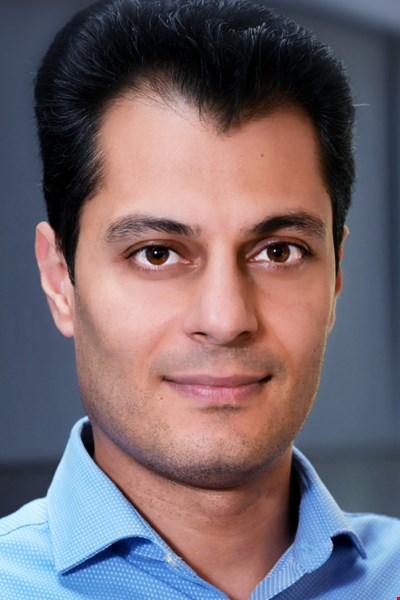
Dr. Esmaeel Esmaeeli is a Senior Lecturer in Civil and Environmental Engineering at Brunel University London, serving as Course Director for the MSc in Structural Engineering. His work focuses on sustainable structural retrofitting solutions, safety, and resilience of concrete and masonry structures. Brunel University London (Current: Senior Lecturer) Queen’s University Belfast (Postdoctoral Fellow, Horizon 2020 MSC Fellowship) University of Minho (PhD research on Hybrid Composite Plate) K. N. Toosi University (MSc research on seismic strengthening) His research spans advanced materials like Strain-Hardening Cementitious Composite (SHCC) and Carbon Fibre Reinforced Polymer (CFRP) for seismic retrofitting, computational modeling of FRP-concrete interfaces, and dynamic response under extreme loads. Recent work includes the SMArtPlate and Hybrid Composite Plate (HCP) systems. Scientific recognition includes the Horizon 2020 Marie Skłodowska-Curie Individual Fellowship and a Portuguese Foundation for Science and Technology (FCT) scholarship. He has advised on structural vulnerability assessments and leads teams in consultancy projects.

Christoph Frei is a Professor and Chair of the Department of Mathematical and Statistical Sciences at the University of Alberta. He holds a PhD in mathematical finance from ETH Zurich and previously worked as a researcher at École Polytechnique in Paris. His research focuses on quantitative finance, risk management, and mathematical economics, with applications to algorithmic trading, credit risk, and digital currencies. Education: PhD in Mathematical Finance, ETH Zurich Postdoctoral Researcher, École Polytechnique (Paris) Bachelor/Master in Mathematics, ETH Zurich His work bridges academia and industry through collaborations with institutions like ATB Financial, Canadian Western Bank, and the Federal Reserve System. Key research interests include over-the-counter markets, financial regulation, and machine learning applications in risk prediction. Frei has received notable recognition, including the Best Paper in Asset Pricing Award (2019). Current industry partnerships include AI-driven customer risk prediction projects with ATB Financial and credit risk analysis with Canadian Western Bank. He actively contributes to professional organizations like PRMIA Edmonton and advises on financial technology innovation. Research grants come from NSERC, SSHRC, and Mitacs. His consulting roles have spanned risk modeling at UBS and Credit Suisse, emphasizing practical applications of theoretical frameworks.
R. Daniel Kelemen is McCourt Chair Professor at Georgetown University's McCourt School of Public Policy, with courtesy appointment at Georgetown Law. His research examines EU law transformation, comparative federalism, and democratic backsliding mechanisms. He received the European Union Studies Association Best Book Award for Eurolegalism: The Transformation of Law and Regulation in the European Union . Publications analyze constitutional crises, EU enforcement deficits, and autocracy dynamics. Recent works investigate funding conditionality for Hungary, judicial guardianship erosion, and geopolitical impacts of Russia's invasion of Ukraine. Article themes show consistent focus on institutional resilience and legal enforcement challenges. He serves on the Council of Foreign Relations and chairs EU policy consultations for risk analysis firms. Previously chaired Rutgers Political Science Department and directed its Center for European Studies.
FARKAS Dávidمشاهده پروفایل
استادیار
- Hydrogeology
- Groundwater hydraulics
- Seepage flow
- +۳ مورد دیگر
Dr. FARKAS Dávid is an Assistant Professor in the Department of Hydraulic and Water Resources Engineering, Faculty of Civil Engineering, Budapest University of Technology and Economics (BME). His office is located in Building K, basement level, room 12/7, and he holds weekly consultation hours on Mondays from 1–3 pm. Educational contributions include teaching core courses in hydrogeology and groundwater engineering: Groundwater (BMEEOVVMV63) Hydrogeology (BMEEOGMMG62) Infrastructural Design Project (BMEEODHAI41) Research activities concentrate on quantitative hydrogeology, with a special emphasis on karstic groundwater systems, seepage hydraulics, and the safety of flood-protection levees. He couples field investigations in iconic Hungarian cave systems (Buda Castle Cave, Molnár János Cave) with laboratory sandbox experiments and numerical modelling to advance understanding of flow and transport processes in fractured carbonates. Over the past decade his work has evolved from fundamental hydrogeological mapping toward the design and deployment of automated monitoring networks that integrate classical hydrological instruments with modern sensor technologies. This progression is evident in his most recent publications (2024-2025) that document the establishment of high-resolution cave monitoring systems capable of capturing rapid responses to precipitation events. Scientific awards currently listed: none. Advising and grants: no specific student names, grant numbers, or funded project titles are provided in the supplied text. Laboratories and teams: while no dedicated laboratory name is stated, his affiliation with the Department of Hydraulic and Water Resources Engineering implies access to the faculty’s hydraulics and hydro-environmental laboratories, including sandbox and seepage modelling facilities.
Mohd Ahmad Syedمشاهده پروفایل
مدرس ارشد
Mohd Ahmad Syed is a Senior Lecturer in Geotechnical Engineering at the University of Manchester's Department of Civil Engineering and Management. His research focuses on climate change impacts on geotechnical infrastructure, resilient and sustainable infrastructure design, and earthquake engineering. He holds a PhD from the Indian Institute of Technology Bombay and has industry experience with firms like Consulting Engineering Services (I) Pvt. Ltd and Dar Al-Handasah Consultants. Education: BTech (Hons) in Civil Engineering, Indian Institute of Technology Kanpur (2001) MTech in Geotechnical Engineering, Indian Institute of Technology Kanpur (2003) PhD in Seismic Analyses of Waterfront Structures, Indian Institute of Technology Bombay (2009) Research Interests: Climate change modelling for geotechnical infrastructure resilience Development of sustainable construction materials (e.g., bagasse ash) Seismic risk analysis for dams and tunnels in West Africa Artificial soil weathering techniques for laboratory testing Coupled numerical methods for embankment stability under climate scenarios Editorial Activities: Assistant Editor, International Journal of Geomechanics (ASCE) Assistant Editor, Indian Geotechnical Journal (Springer) Key Achievements: Developed first-of-its-kind displacement-based S-curve for seismic earth pressure analysis Co-developed methodologies for post-liquefaction pile behavior and blast-loaded tunnels Guided 10 PhD/MSc students in geotechnical resilience and sustainability topics
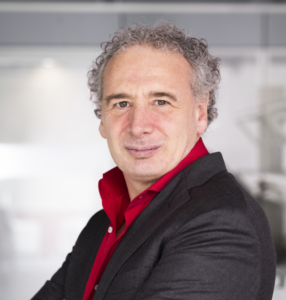
Luca Varani is a Professor and Group Leader of the Structural Biology group at the Institute for Research in Biomedicine (IRB), affiliated with the Università della Svizzera italiana in Bellinzona, Switzerland. His research focuses on understanding the molecular mechanisms of antibody-pathogen interactions and engineering novel therapeutic antibodies. Education: Chemistry degree from University of Milan, PhD from MRC-Laboratory of Molecular Biology (University of Cambridge) Former postdoc at Stanford with EMBO fellowship Founder of CLBiotech (2022), a nanobody discovery and engineering startup Varani's research spans structural biology, immunology, and biophysics with emphasis on viral pathogenesis and antibody engineering. His work combines experimental and computational approaches to study antibody-antigen interactions, particularly against emerging pathogens like SARS-CoV-2, Zika, and Dengue viruses. His group has pioneered structure-guided antibody engineering techniques that have led to multiple high-impact publications in journals like Nature, Cell, and Science. Analysis of Varani's recent publications reveals a strong focus on SARS-CoV-2 antibody responses, with significant contributions to understanding neutralizing mechanisms, viral escape, and therapeutic antibody development. His work also extends to prion diseases, cancer immunology, and flaviviruses, demonstrating a multidisciplinary approach that bridges structural biology with translational medicine. As a reviewer for high-impact journals and international granting agencies, Varani contributes significantly to the scientific community. He also serves as an evaluator for European startup accelerator programs and consults for antibody biotechnology companies, translating academic research into practical applications. Varani leads a highly multidisciplinary research team that employs techniques ranging from NMR spectroscopy and X-ray crystallography to cellular assays and computational modeling. His laboratory has been instrumental in developing bispecific antibodies against SARS-CoV-2 and other pathogens, with several candidates advancing toward clinical trials.
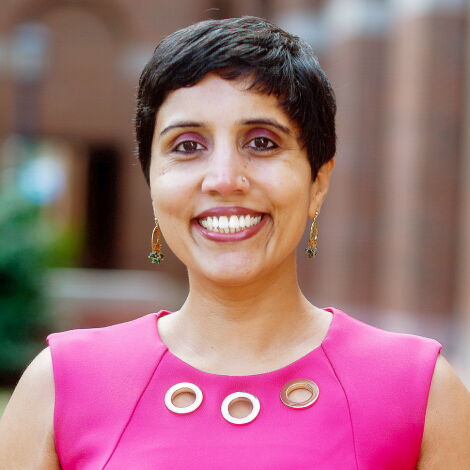
Sreedhari Desai is an award-winning, tenured Associate Professor of Organizational Behavior and Crist W. Blackwell Scholar at the Kenan-Flagler Business School, University of North Carolina at Chapel Hill. Her research focuses on negotiations, ethical decision-making, and gender dynamics in organizations. She holds a PhD in Organizational Behavior from the University of Utah, an MS in Finance, and a BS in Metallurgical Engineering from Punjab Engineering College. Dr. Desai’s academic career includes roles as a visiting assistant professor at Duke University’s Fuqua School of Business and research fellowships at Harvard University’s Edmond J. Safra Center for Ethics and Harvard Kennedy School’s Women and Public Policy Program. She has been honored with prestigious awards such as the Mariner S. Eccles Graduate Fellowship and finalist recognition for the ASPEN Dissertation Proposal Award. Her research explores topics like unethical behavior mitigation, gender and racial disparities in negotiations, and the impact of organizational income inequality. Notable findings include the role of virtuous quotes in curbing unethical requests and the link between marital structure and workplace gender attitudes. Her work has been featured in outlets like Harvard Business Review, Wall Street Journal, and BBC. As an educator, Desai teaches MBA, Master of Accounting, and PhD courses on leadership, negotiations, and ethics. She is a sought-after keynote speaker and consultant for global organizations, military leaders, and Fortune 500 companies, advising on strategic decision-making and ethical practices. Her consulting clients include Boeing, IBM, ExxonMobil, and the U.S. Army. Dr. Desai’s grants and fellowships include funding from the National Stock Exchange of India and UNC’s University Research Council. She has also received the MBA Teaching All-Star award multiple times for her engaging pedagogy.

Professor Atilla Ansal is a distinguished academic in Civil Engineering at Özyeğin University's School of Engineering, where he has served as a full-time professor since March 2012 and previously as the Founding Chair of the Civil Engineering Department from 2012-2019. With an extensive career spanning over five decades, Professor Ansal has held prominent positions at Istanbul Technical University, Bogaziçi University's Kandilli Observatory and Earthquake Research Institute, and has served as a visiting professor at numerous international institutions including Northwestern University, University of California, and Tokyo University. Northwestern University, 1978 (Doctorate) Civil Engineering, Istanbul Technical University, 1969 (Master's) Civil Engineering, Istanbul Technical University, 1969 (Bachelor's) Professor Ansal's research focuses on Earthquake Geotechnical Engineering, Soil Dynamics, Seismic Hazard Analysis, Landslide hazard analysis, Seismic Microzonation, and Laboratory and In-Situ Testing of Soil Properties. His work has significantly advanced our understanding of soil behavior under seismic loading, site response analysis, and seismic microzonation methodologies. His research has direct applications in urban planning, earthquake risk mitigation, and performance-based seismic design. Professor Ansal has pioneered approaches to site-specific earthquake characterization and developed methodologies for seismic microzonation that have been implemented in numerous Turkish cities and adopted internationally. His extensive publication record demonstrates consistent contributions to earthquake engineering, with recent work focusing on probabilistic seismic microzonation, 2D basin effects, site-specific response analysis, and performance-based design approaches. His research shows a clear evolution from fundamental soil behavior studies to practical applications in urban risk assessment and mitigation. 7th Prof.N.Ambraseys Lecturer (2024), European Association for Earthquake Engineering 15th Nonveiller Lecturer (2017), Croatian Geotechnical Society Third Prof.Dr. Rıfat Yarar Lecturer (2015), Turkish Civil Engineers Association Third Ord.Prof.Dr. Hamdi Peynircioglu Lecturer (1988) Professor Ansal has advised 15 PhD students and 27 Master's students, shaping the next generation of earthquake engineers. His leadership extends to editorial roles as Editor-in-Chief of the Springer journal 'Bulletin of Earthquake Engineering' since 2002 and Editor-in-Chief for the Springer book series on 'Geotechnical, Geological and Earthquake Engineering'. He served as Secretary General (1994-2014), President (2014-2018), and Vice President (2018-2022) of the European Association for Earthquake Engineering, significantly influencing the field internationally. His work has been supported by numerous grants from Turkish government agencies, international organizations including UNESCO, and collaborative research projects across Europe. Professor Ansal has been instrumental in establishing geotechnical monitoring systems in Istanbul, including vertical arrays for site response analysis. His leadership in the 'Earthquake Master Plan for Istanbul' and 'Seismic Microzonation for Municipalities' projects has created critical infrastructure for earthquake risk management in Turkey's most populous city. His work with GeoIst, Geotechnical Earthquake Engineering and Consultancy Inc. has translated academic research into practical engineering solutions for seismic risk mitigation.