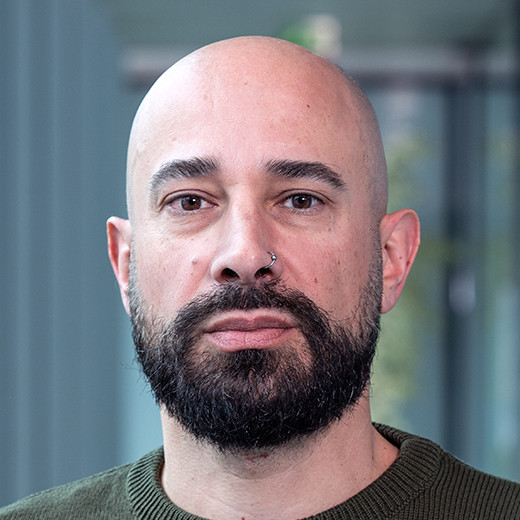
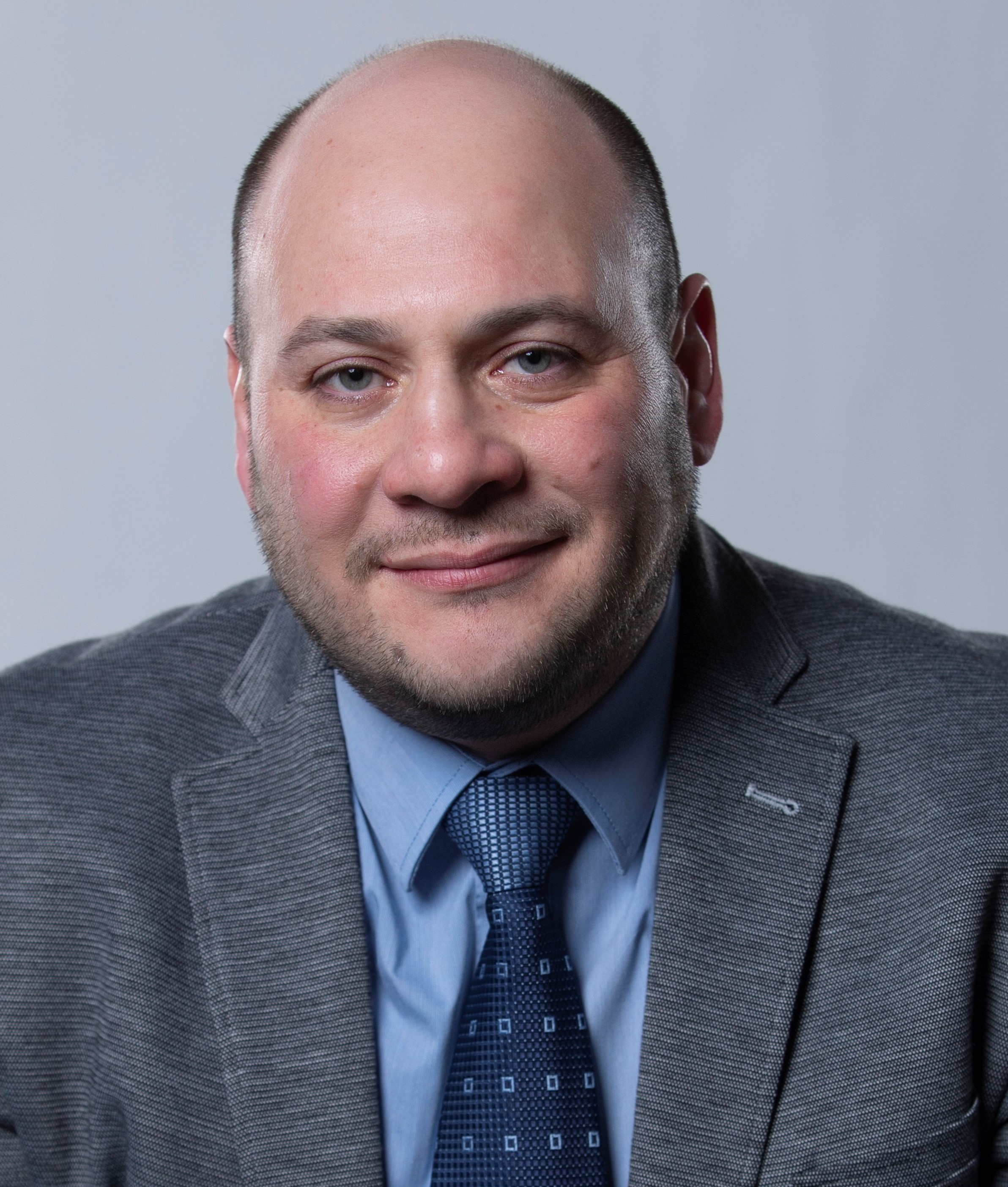
Michele Cagol is a Professor at the Free University of Bozen-Bolzano , Faculty of Educational Sciences. Their work bridges pedagogy, emotional education, and ecological sustainability, with a focus on relational learning frameworks and multisensory educational practices. Research Themes : Emotional education, educational ecology, sustainability pedagogy, media and communication education, teacher training. Projects : Lead participant in the EU Interreg Alpine Space project FRACTAL , promoting green space awareness in the Alpine region. Recent publications emphasize radical relational pedagogy, ecological ethics, and the role of wonder in learning. Notable methodologies include intra-actionist music composition and microteaching for multilingual competencies. Teaching responsibilities span General Pedagogy , Social Education , and teacher training for primary/middle school contexts.
Daniel Pettersson is a Professor at University of Gävle specializing in educational science with a particular focus on international knowledge measurements, comparative education, and curriculum studies. His work critically examines the hegemony of comparisons in education, particularly through large-scale assessments like PISA, and explores how these influence educational policy and practice. Professor Pettersson's research spans several interconnected domains within educational science. He investigates how international comparisons shape educational discourse and policy, examining the historical development of assessment practices and their impact on national education systems. His work frequently analyzes the production of educational knowledge through data visualization and quantification, revealing how numbers become authoritative in educational decision-making. A significant portion of his research focuses on Swedish education within international contexts, exploring how global educational trends are adopted, adapted, and contested in national settings. His extensive publication record reveals several key trends in his scholarly work. Over the past two decades, Pettersson has traced the evolution of international large-scale assessments from marginal research tools to central policy instruments. His recent work increasingly examines data visualization techniques in educational research and the historical construction of educational knowledge through quantification. He also explores the intersection of teacher education with international assessment frameworks, revealing tensions between global educational discourses and local teaching practices. Professor Pettersson has made significant contributions to understanding how educational policy is shaped by international comparisons. His research demonstrates how assessment data becomes transformed into policy narratives that influence educational reform. He has documented the historical trajectory of international assessment research, showing how it evolved from marginal academic interest to central policy instrument. His collaborative work with scholars like Sverker Lindblad, Thomas Popkewitz, and Tatiana Mikhaylova has been particularly influential in critically examining the political dimensions of educational measurement. His research activities include extensive work with international research teams, participation in major conferences including the Nordic Education Research Association (NERA) and the International Standing Conference for the History of Education (ISCHE), and contributions to systematic reviews of international comparative research. Professor Pettersson's work bridges historical analysis, policy studies, and critical examination of educational measurement practices, providing valuable insights into how global educational knowledge is produced and circulated.
Dr. Achim Rohde is a Middle East historian serving as Research Fellow at the University of Hamburg's Asia-Africa Institute and Head of Memorial Development at the Lower Saxony Memorials Foundation. He holds a doctorate from Freie Universität Berlin and has held academic positions at institutions including Philipps University Marburg, Goethe University Frankfurt, and TU Berlin. Research Focus: Modern Middle East history (20th/21st century), gender studies, memory politics, and critical analysis of Orientalism and educational systems. Publications: 15 most recent articles span topics from Jihadist masculinity to post-2003 Iraqi education reforms , Tunisian democratization , and German academic discourse on non-Christian religions . Teaching: Courses on Arab Spring legacies, Islamic popular culture, and gender dynamics in Middle Eastern societies across multiple universities between 2002-2021. Academic Network: Collaborations with institutions like German Institute for Global Area Studies, Heinrich-Böll-Stiftung, and editorial work on comparative Middle East studies. Key Projects: Contributions to Social Contexts of Rebellion in Early Islamic Period (SCORE) , InterSaME , and RomanIslam Center for transcultural empire studies.
Professor Jim Haseloff is a faculty member at the University of Cambridge, serving as Head of the Synthetic Biology for Engineering Plant Growth Group within the Department of Plant Sciences, School of Biological Sciences. His research focuses on applying engineering principles to construct new genetic systems in plants, with particular emphasis on using Marchantia polymorpha as a model system for understanding and engineering plant growth and development. Professor Haseloff's research interests span synthetic biology, genetic circuit design, plant transformation technologies, and the development of low-cost tools for biological research. His laboratory develops novel DNA tools and imaging techniques for visualizing, manipulating, and modeling genetic interactions and morphogenesis in plants. His work bridges the gap between fundamental plant biology and applied engineering approaches to reprogram plant development and physiology. The lab has established Marchantia polymorpha as a simplified model system with a streamlined genome, haploid genetics, and an open form of development ideal for quantitative analysis. Analysis of Professor Haseloff's recent publications reveals a strong focus on advancing the Marchantia model system for synthetic biology applications. His work spans genetic tool development, chloroplast engineering, plant sensing technologies, and fundamental developmental processes. Notably, his research increasingly integrates low-cost sensing technologies with traditional plant biology, reflecting his commitment to making synthetic biology more accessible worldwide. Professor Haseloff is actively involved in several major initiatives including OpenPlant (promoting open technologies for plant synthetic biology), Biomaker (funding construction of low-cost devices for biology), and the Engineering Biology IRC. He has taught undergraduate courses on Plant and Microbial Sciences (NST PMS 1B), Plant Development (NST CDB 1B), and Synthetic Biology (NST PS 2), with extensive teaching materials publicly available online. His laboratory has pioneered techniques for cell-free expression systems that are 200-400 times cheaper than commercial versions, low-cost microreactors using 3D-printed components, and innovative in vivo plant sensing devices. The group has developed extensive resources for the plant synthetic biology community, including standardized DNA parts, microscopy techniques, and educational materials for no-code programming in biology.
Professor Abir Al-Tabbaa is a Professor of Civil and Environmental Engineering at the University of Cambridge, specializing in intelligent, sustainable, and low-carbon infrastructure materials. She leads major research initiatives including the EPSRC Programme Grant 'Resilient Materials for Life (RM4L)', the 'Digital Roads of the Future' initiative, and two EPSRC Centres for Doctoral Training (FIBE CDT and FIBE2 CDT). Her work spans ground improvement, land remediation, self-healing concrete, carbon capture, and biomimetic infrastructure systems. Chartered Engineer (CEng) Fellow of the Institution of Civil Engineers (FICE) Visiting Professor at Nanjing Tech University Guest Professor at Southeast University Her research focuses on: Development of smart low-carbon materials for geo-environmental engineering, road transport, and construction Biomimetic infrastructure materials with self-healing, self-sensing, and self-diagnosing properties Integration of digital twins, robotics, and data science for resilient road networks Thermal capacity optimization for thermoactive geo-structures (SaFEGround project) Major grants and projects include: TSB SMiRT Project (£1.24M) EPSRC M4L Project (£1.67M) EPSRC RM4L Programme Grant (£4.9M) EPSRC Centre for Doctoral Training (FIBE CDT: £5M, FIBE2 CDT: £6.7M) Digital Roads of the Future (£15M) SaFEGround Project (EPSRC collaboration) Scientific awards: Reed and Mallik Medal (2003) She supervises numerous PhD and MRes students and collaborates with institutions like Imperial College London, Cardiff University, and Bath University. Her research team includes senior researchers such as Dr. Damian Palin and Dr. Sripriya Rengaraju.
François Robinet serves as a Lecturer in Contemporary History at the University of Versailles Saint-Quentin-en-Yvelines (UVSQ), where he is an elected member of the Council of the Institute of International Cultural Studies. He concurrently directs the Graduate School of Humanities and Heritage Sciences at the University of Paris-Saclay and holds appointments with the Laboratory Center for the Cultural History of Contemporary Societies (CHCSC) and the 22nd section of the CNU. Education: Doctor of History (2012) Robinet's research centers on 20th-21st century cultural and political history, with concentrated expertise in the Rwandan Tutsi Genocide, post-colonial Franco-African memory politics, and media history since 1990. His work critically examines French journalistic coverage of African conflicts, international information manufacturing during wartime, and the cultural history of colonial and post-colonial societies. He employs interdisciplinary approaches bridging media studies, genocide research, and digital humanities to analyze historical narratives and memory construction. His 15 most recent publications (2016-2023) reveal consistent thematic focus on Rwandan genocide documentation, Franco-Rwandan historical accountability, and media's role in shaping political memory. Key trends include digital methodologies for genocide archives, analysis of French state-media interactions during crises, and evolving commemorative practices through digital platforms. The work demonstrates increasing engagement with digital humanities tools while maintaining rigorous historical analysis of colonial legacies. No scientific awards were documented in the source material. Robinet coordinates the international RwandaMAP2020 research network mapping genocide documentation sites and serves as Vice-president of the Association for the Development of Cultural History. He is an active member of the Society for the History of Media (SPHM) and editorial board of Le Temps des Médias , demonstrating significant scholarly leadership beyond traditional academic advising. His institutional presence spans laboratory governance (CHCSC), university administration (UVSQ Board of Directors), and major conference organization including the 2014 Rwanda international conference and 2022 International Communication Association pre-conference on empires in media history.
Dr. Joshua M. Pearce is a Professor at Western University, holding appointments in the Department of Electrical & Computer Engineering and the Ivey Business School. He is the John M. Thompson Chair in Information Technology and Innovation at the Thompson Centre for Engineering Leadership & Innovation and a Fellow of the Canadian Academy of Engineering. His research focuses on open-source appropriate technology for sustainability and poverty reduction, spanning solar photovoltaics, 3D printing, distributed recycling, and policy analysis. Ph.D. in Materials Engineering from Pennsylvania State University Former Richard Witte Professor at Michigan Tech Editor-in-Chief of HardwareX Author of multiple open-source sustainability books His work integrates engineering, economics, and policy to solve global sustainability challenges. Recent projects include agrivoltaic systems, open-source medical devices, and climate-resilient food production frameworks. He leads the Free Appropriate Sustainability Technology (FAST) research group, which has produced over 200 open-access publications cited in top-tier journals like Renewable and Sustainable Energy Reviews (IF=16.3) and HardwareX (IF=2). Dr. Pearce's scientific contributions include: Fulbright-Aalto University Distinguished Chair Top 0.06% most cited scientist (Elsevier metrics) Leading open-source hardware certification frameworks Developing low-cost scientific instruments His research team includes cross-disciplinary collaborators from Mechanical Engineering, Environmental Science, and Policy Studies. The FAST group emphasizes practical open-source solutions for energy, water, and food security in both developed and low-resource contexts.
Prof. Sam Salem, Ph.D., P.Eng., is a Full Professor in the Department of Civil Engineering at Lakehead University's Faculty of Engineering. He founded the Canada Foundation for Innovation (CFI)-sponsored Fire Testing and Research Laboratory (LUFTRL), the only facility of its kind in a Canadian university. Ph.D. in Structural Fire Engineering, Carleton University M.A.Sc. in Structural Engineering, Zagazig University (Egypt) B.A.Sc. (Honors) in Civil Engineering, Zagazig University (Egypt) Dr. Salem specializes in structural fire engineering, focusing on performance-based fire resistance design, large-scale fire endurance testing, and finite element modeling of steel/concrete/timber structures. His research program investigates structural fire performance of innovative building systems, particularly mass timber construction, through experimental testing and computational modeling. His work has attracted over $2.1 million in research grants from NSERC, CFI, OMRI, NOHFC, MNRF, MTI, and other agencies. He has authored/co-authored 60+ peer-reviewed publications and holds two patents (Canada/USA) for beam-end connection mechanisms in mass timber buildings. Lakehead University 2023 Research Excellence Award Lakehead Merit Awards (Research 2022, Teaching & Research 2020/2015) Contribution to Teaching Awards (2022, 2018, 2014) ASFE 2019 Outstanding Paper Award Dr. Salem trained 40+ highly qualified personnel through a balanced approach emphasizing academic excellence, practical implementation, professional development, and career skills. He served as Dept. Chair (2021-2023), graduate program coordinator (2017+), and sits on multiple university and technical committees including ULC Standards Technical Committee and Canadian Commission on Building and Fire Codes.
Benjamin Goldstein is an Assistant Professor at the University of Michigan School for Environment and Sustainability, where he leads the Sustainable Urban-Rural Futures (SURF) lab. His work bridges quantitative methods (life cycle assessment, input-output analysis, geospatial data science) with social science theory to explore urban sustainability, distributive justice, and global supply chains. His research spans urban food systems, agri-commodities, residual resource engineering, and energy systems. Recent trends in his publications focus on urban agriculture's environmental trade-offs, supply chain transparency, and carbon-negative construction materials. He applies data science to map sustainability challenges across urban and rural landscapes while critically analyzing power asymmetries in global industries like beef production and cannabis cultivation. His work emphasizes actionable tools for policymakers and corporations to address environmental justice and resource efficiency.
Kieren Reed serves as Professor of Fine Art and Slade Professor at University College London's Slade School of Fine Art, where they hold multiple leadership roles including Director of Studies for Undergraduate Programmes and Head of Undergraduate Sculpture. Their academic career at UCL spans over a decade with continuous appointments since 2010. Reed's research explores the conceptual space between form and functionality through sculpture, performance, and installation art. Their practice investigates the duality of artworks serving both utilitarian purposes and aesthetic functions, creating dynamic negotiations between the real and fabricated. Key themes include situated practice in art and architecture, social sculpture, and the relationship between public engagement and artistic production. Reed's work consistently connects to specific sites and situations, transforming functional structures into platforms for discourse. Recent artistic output demonstrates significant engagement with public space and community interaction through projects like Gather , Raising the Sittingbourne Barn , and The Beautifullest Place On Earth . Their publications span performance documentation, exhibition catalogues, and theoretical explorations of nonhuman agency in art practice. Reed's work has been presented at major institutions including Tate Britain, Gasworks, Chisenhale Gallery, and Camden Arts Centre. As an educator, Reed has developed significant expertise in art pedagogy, holding a Postgraduate Certificate in Learning and Teaching in Higher Education. Their academic leadership includes shaping undergraduate programmes and contributing to research on art education transitions and widening participation in the arts.
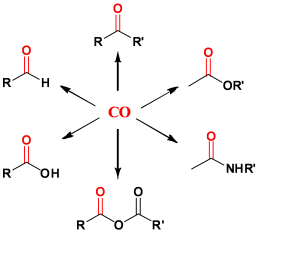
Mathieu Sauthier is a Professor at the University of Lille, affiliated with the National School of Chemistry of Lille and the Unit of Catalysis and Solid State Chemistry (UCCS). His research focuses on homogeneous catalysis for organic synthesis, emphasizing atom efficiency, greener chemistry, and polyol valorization. He specializes in carbon monoxide and 1,3-butadiene chemistry, including carbonylative Suzuki couplings, hydroformylation, alkoxycarbonylation, and domino reactions under one-pot conditions. His work targets catalyst improvements for activity (TOF), selectivity, and lifetime (TON) while minimizing synthetic steps. 2011–Present: Professor, University of Lille 2002–2011: Assistant Professor, University of Lille 2001–2002: Postdoctoral Researcher, University of Amsterdam 1998–2001: Ph.D. in Homogeneous Catalysis, University of Rennes 1997–1998: Master’s in Porphyrin Synthesis, University of Burgundy His research portfolio includes innovative approaches to domino carbonylative reactions for constructing complex molecules, selective 1,3-butadiene etherification, and nickel-catalyzed hydroalkoxylation for agro-based polyol valorization. He has contributed to nonconventional reaction media in catalysis, such as biphasic aqueous systems and ionic liquids, and has co-authored book chapters on carbohydrate chemistry and C-1 building blocks in organic synthesis. The trends in his publications highlight sustainable methodologies using nickel and palladium catalysts for bioresource conversion (e.g., lignin, sorbitol, glycerol), with a strong emphasis on atom economy and clean reaction conditions. His work spans catalyst design, mechanistic studies, and industrial applications. Professor Sauthier is based at the National School of Chemistry of Lille, Scientific City, Building C7, France. He is part of the UCCS unit, a collaborative research environment associated with CNRS (UMR 8181) and partners like Universiteit van Amsterdam. His laboratory, CASECO (Catalysis and Eco-Compatible Synthesis), drives innovations in greener chemistry.
Helmut Meiss serves as an Assistant Professor at the University of Lorraine's University Institute of Technology (IUT) Nancy-Brabois, where he directs the DUT Biology with Agronomy option study program. His research focuses on conservation biological control of crop pests and weeds through natural enemies within innovative cropping systems, bridging ecological science and agricultural practice. Dr. Meiss's work emphasizes biological pest control and weed management in sustainable agriculture, investigating how landscape features, crop rotations, and biodiversity enhance ecosystem services. His research integrates field studies with predictive modeling—particularly machine learning—to develop practical tools for farmers, as evidenced by his leadership in the ARENA project which establishes observation networks for natural pest regulation. Analysis of his 15 most recent publications reveals consistent themes in cereal aphid regulation, weed dynamics in cropping systems, and data-driven approaches to agri-environmental indicators. His work demonstrates a strong trajectory toward generic predictive models for pest control and the integration of biocontrol into farm-level decision-making, with increasing emphasis on ecosystem service quantification since 2017. Dr. Meiss co-supervises PhD candidate Eric STELL on predicting conservation biological pest control in cereal crop mixtures. His involvement in the ARENA project indicates collaborative grant-funded research, though specific funding sources aren't detailed in available materials. He actively contributes to farmer advisory systems through biodiversity indicators and crop management tools. As part of a multidisciplinary research group organized around three thematic axes, he participates in the ARENA network for pest biocontrol assessment and engages in public outreach including school workshops, biodiversity exhibitions, and science-society initiatives like the 'Grand Nancy Terre de pollinisateurs' project.
Prof. Dr.-Ing. Stefan Kopp is a faculty member at Bielefeld University's Faculty of Engineering and serves as Research Group Leader of the Cognitive Systems and Social Interaction Group . He also holds administrative roles as Vice Dean and Deputy CITEC Coordinator . His work focuses on Artificial Intelligence , Cognitive Systems , and Socio-Technical World research areas. Research Group Leader: Cognitive Systems and Social Interaction Group Vice Dean: Faculty of Engineering Deputy Coordinator: Center for Cognitive Interaction Technology (CITEC) Project Manager: TRR 318 "Constructing Explainability" subprojects His research explores human-agent interaction , multimodal conversational agents , and social AI through projects like 39-Inf-11 Human-Machine Interaction and 39-M-Inf-VKI Virtual Humans and Conversational Agents . Publications address topics including adaptive explanation generation , gesture synthesis , and social cognition in dynamic environments. Current research topics span cooperative AI , explainable decision-making , and sensorimotor grounding in artificial systems.
Professor Lisa Regazzoni serves as Professor of Theory of History at Bielefeld University within the Faculty of History, Philosophy and Theology. She directs the Center for Theories in Historical Research and is a member of the Executive Board of the Bielefeld Graduate School in History and Sociology. Her academic leadership extends to multiple roles including Speaker for History: Politics - Image - Art and membership in Historical Cultures research groups. Regazzoni completed her academic education with a Magister Artium in Philosophy from the University of Bologna (1998), followed by doctoral studies in Philosophy at the University of Potsdam (2006), and habilitation in Modern History at Goethe University (2020). Her educational background spans philosophy and modern history across Italian and German institutions, reflecting her transnational scholarly perspective. Her research focuses on the intersection of history, temporality, and materiality, developing what she terms a 'critique of historical materiality.' Regazzoni explores how scholars construct knowledge through material and immaterial sources, particularly examining 18th and 19th century French historical research. Her concept of 'unwritten pasts' addresses methodological limitations in historical reconstruction, while her work on 'monument episteme' investigates how objects function as historical testimony. She has pioneered research on the Reinhart Koselleck Figure Collection, examining how material objects contribute to historical understanding beyond textual sources. Regazzoni's publication trajectory reveals a sophisticated evolution from literary catalog studies to contemporary investigations of historical materiality. Her recent work demonstrates increasing engagement with object-oriented ontology and the epistemic potential of material culture in historical research. The recurring themes across her publications include the relationship between visual evidence and historical knowledge, the transformation of historical methodology, and the theoretical implications of material objects in historical practice. Momentum funding from Volkswagen Foundation (2025) for 'Towards a Material-Oriented Theory of History' (€935,000 over 48 months) Nominated for the 1822 university prize for excellence in teaching at Goethe University (2014) As academic coordinator of the International Graduate School on Political Communication and director of the Center for Theories in Historical Research, Regazzoni has secured significant research funding and fostered interdisciplinary collaboration. She co-founded the Theory-Oriented Object Laboratory (TOOL) with Lara Keuck, creating innovative spaces for material-based historical inquiry. Her leadership extends to the 'Denkraum Theorie' study group, which facilitates theoretical exchange among humanities scholars. Regazzoni directs the Reinhart Koselleck Figure Collection at Bielefeld University, transforming the historian's personal artifact collection into a research laboratory for historical materiality. Through the Theory-Oriented Object Laboratory (TOOL), she has created interdisciplinary spaces where material objects become catalysts for theoretical reflection on history and medical knowledge. Her leadership in the 'Denkraum Theorie' study group fosters theoretical exchange across disciplines, while her digital humanities work maintains the online platform for Goethe University collections.
Nicholas Shapiro is an Associate Professor in the Department of Society & Genetics at the University of California, Los Angeles (UCLA), within the School of Life Sciences. His multidisciplinary research focuses on chemical contamination, climate change, and environmental justice, often collaborating with communities impacted by environmental hazards. He co-founded the Environmental Data and Governance Initiative (EDGI) in 2016 and leads a lab examining environmental health in carceral institutions. DPhil, Anthropology, University of Oxford MPhil, Medical Anthropology, University of Oxford BA, Global Public Health and Anthropology, Bard College Shapiro's research spans environmental health, carceral geography, and toxic exposures. He designs interventions like bio-phyto air remediation systems and smartphone-based formaldehyde testing apps. His work critiques environmental governance and regulatory policies, particularly during the Trump administration, and explores intersections between settler-colonialism, climate change, and the concept of "toxic homes." His recent publications highlight environmental justice in prisons, smartphone-based pollution monitoring, and the sociopolitical impacts of data governance. These works emphasize interdisciplinary approaches, blending technology, anthropology, and public health to address systemic environmental inequities. Scientific Awards 2017 Outstanding Contribution to Making and Doing, Society for the Social Studies of Science 2017 J. Franklin Jameson Archival Advocacy Award, Society of American Archivists 2015 Cultural Horizons Prize, Society for Cultural Anthropology Shapiro co-founded EDGI and collaborates with communities on grassroots environmental monitoring. His lab develops tools for air quality assessment and investigates health disparities in carceral settings, merging activism with scientific rigor to advocate for policy reforms.