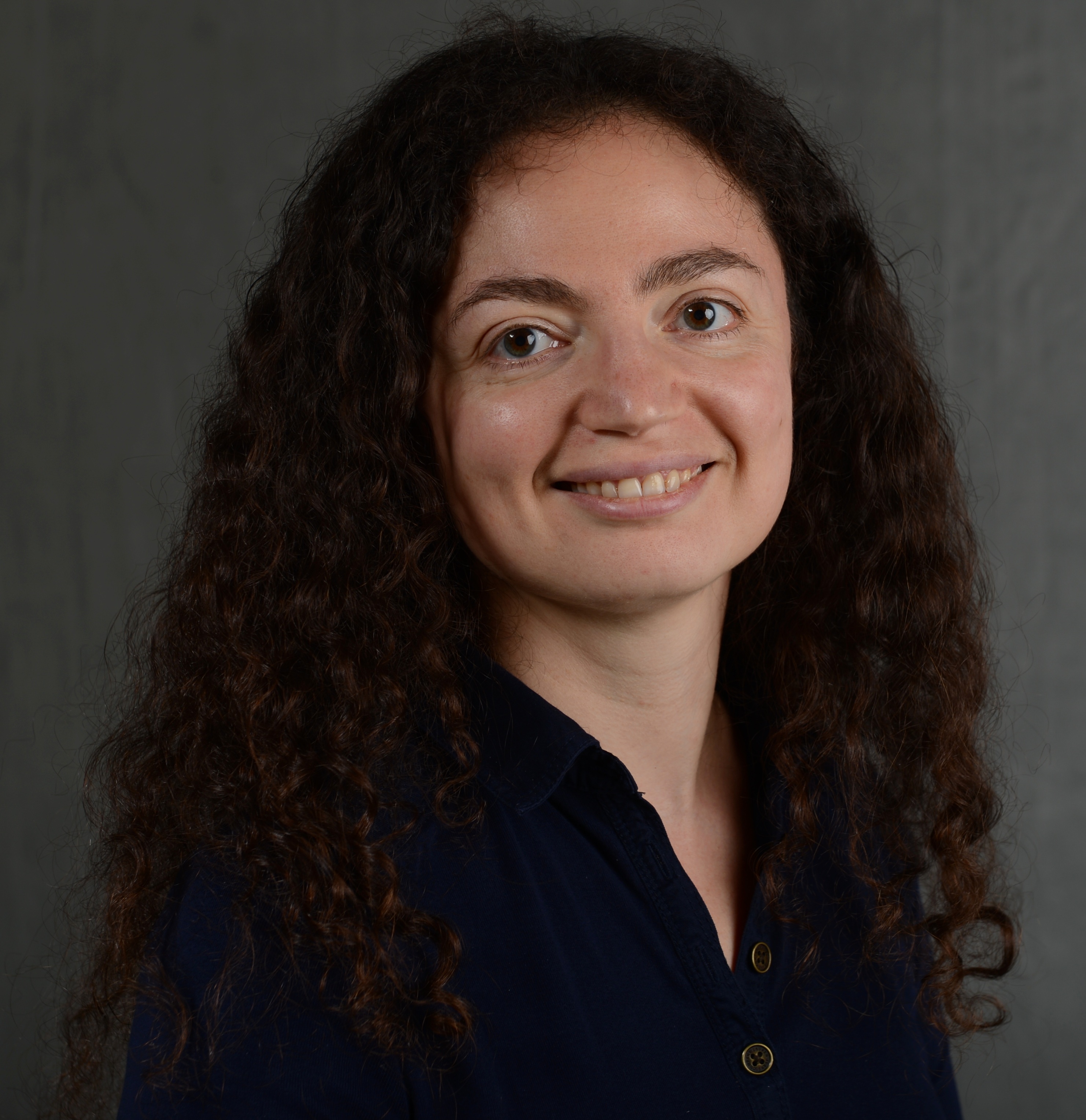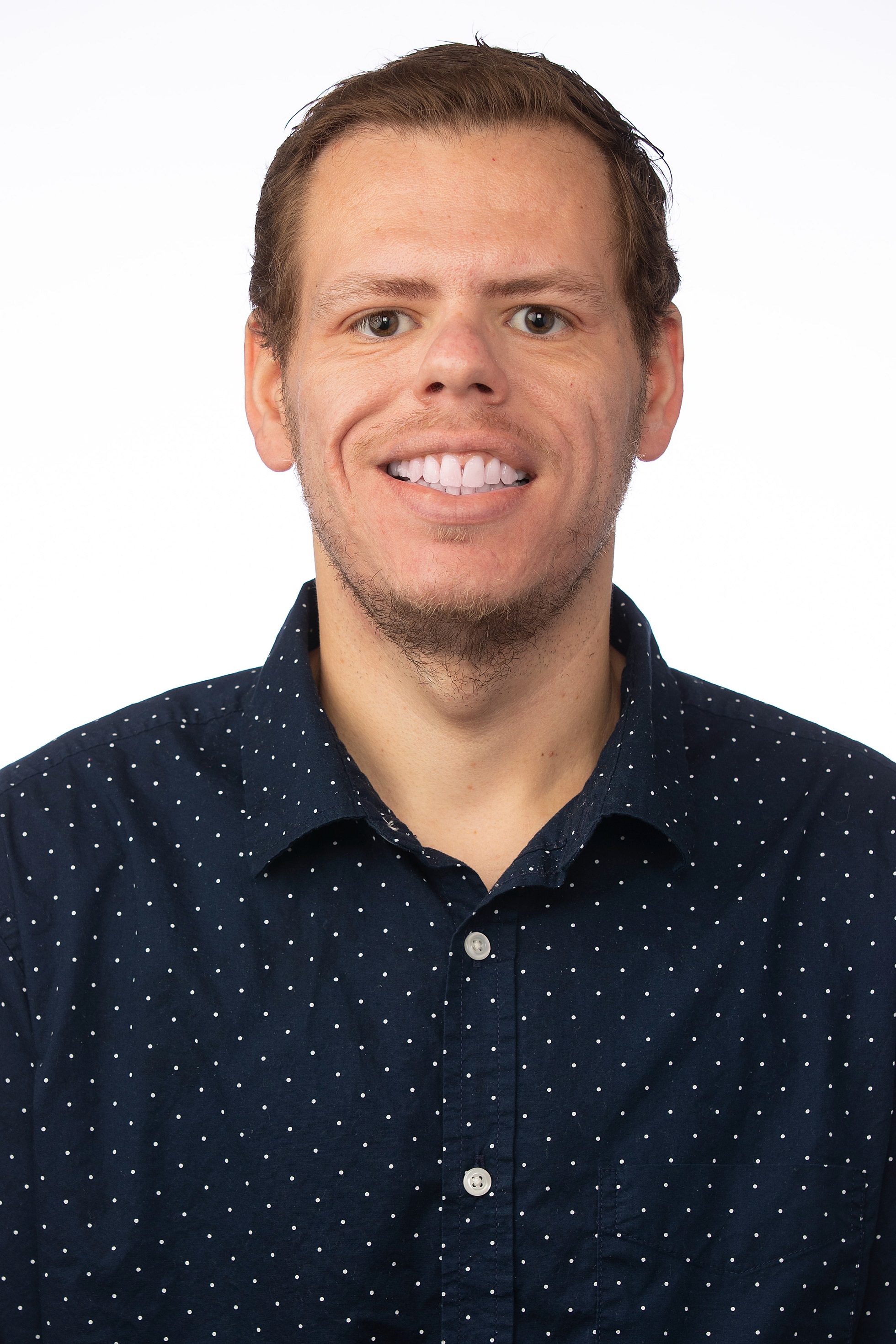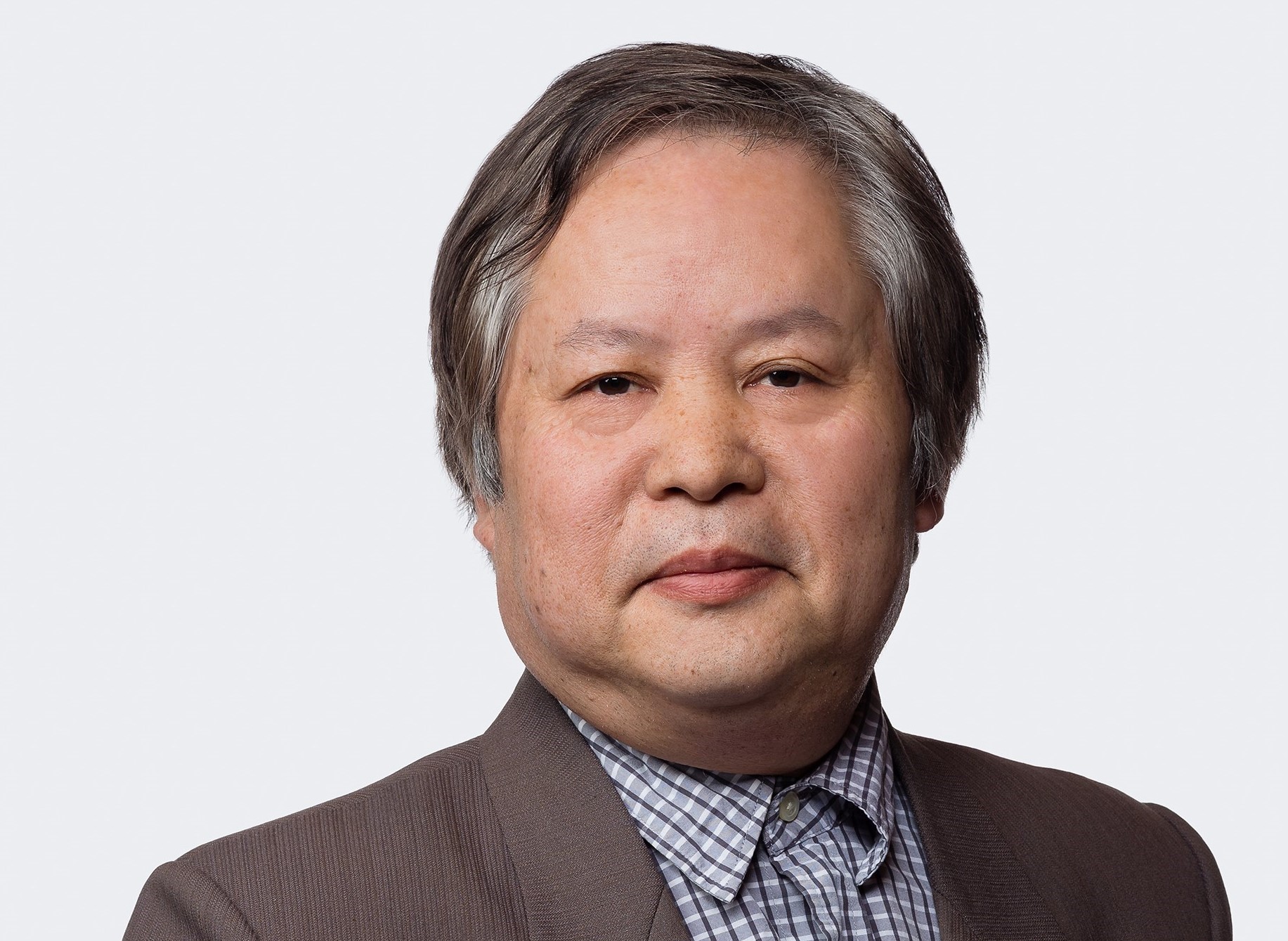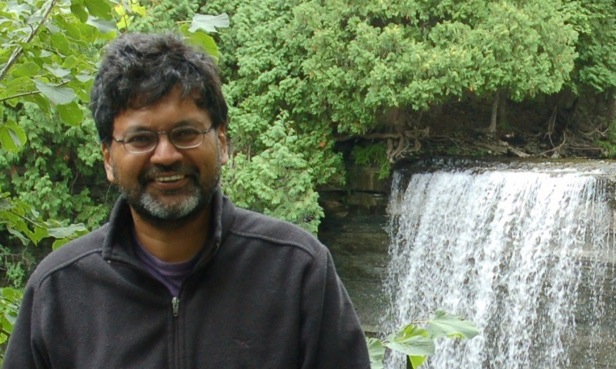
Fahiem Bacchus is a Professor in the Department of Computer Science at the University of Toronto, within the Faculty of Arts and Science. His research is centered on foundational problems in Artificial Intelligence, particularly in reasoning, representation, and algorithm design. Institution: University of Toronto School: Faculty of Arts and Science Department: Department of Computer Science Email: fbacchus@cs.toronto.edu His work spans key areas including constraint satisfaction, satisfiability (SAT), automated planning, Bayesian inference, and constraint optimization. He focuses on developing algorithms that exploit domain-specific knowledge and structural properties to improve performance. His research has led to significant contributions such as the TLPlan planning system, which won the AIPS2002 international planning competition, and the 2clseq SAT solver, which demonstrated that extensive binary clause reasoning can dramatically improve solver efficiency. His work on preprocessors like Hypre further advanced formula simplification techniques. The recent articles reflect a strong focus on improving search algorithms through richer reasoning mechanisms, particularly in SAT solving and non-clausal logic. His publications show a consistent trend toward enhancing DPLL-based solvers with advanced inference techniques, reducing search space through preprocessing, and leveraging structural knowledge in logical theories. No scientific awards are explicitly mentioned in the provided text. Bacchus has supervised research and developed educational materials, with involvement in teaching and academic conference organization. While specific grants are not listed, his software releases (2clseq, Hypre, NoClause) suggest externally supported research activity. He has contributed tutorials, talks, and online teaching resources, indicating an active role in academic dissemination and mentoring. His research group has produced several software systems available for non-commercial research use, including 2clseq, Hypre, and NoClause, reflecting a strong applied and experimental component to his work. These tools are used in SAT solving, preprocessing, and non-clausal reasoning, and are documented with detailed technical information and usage instructions.