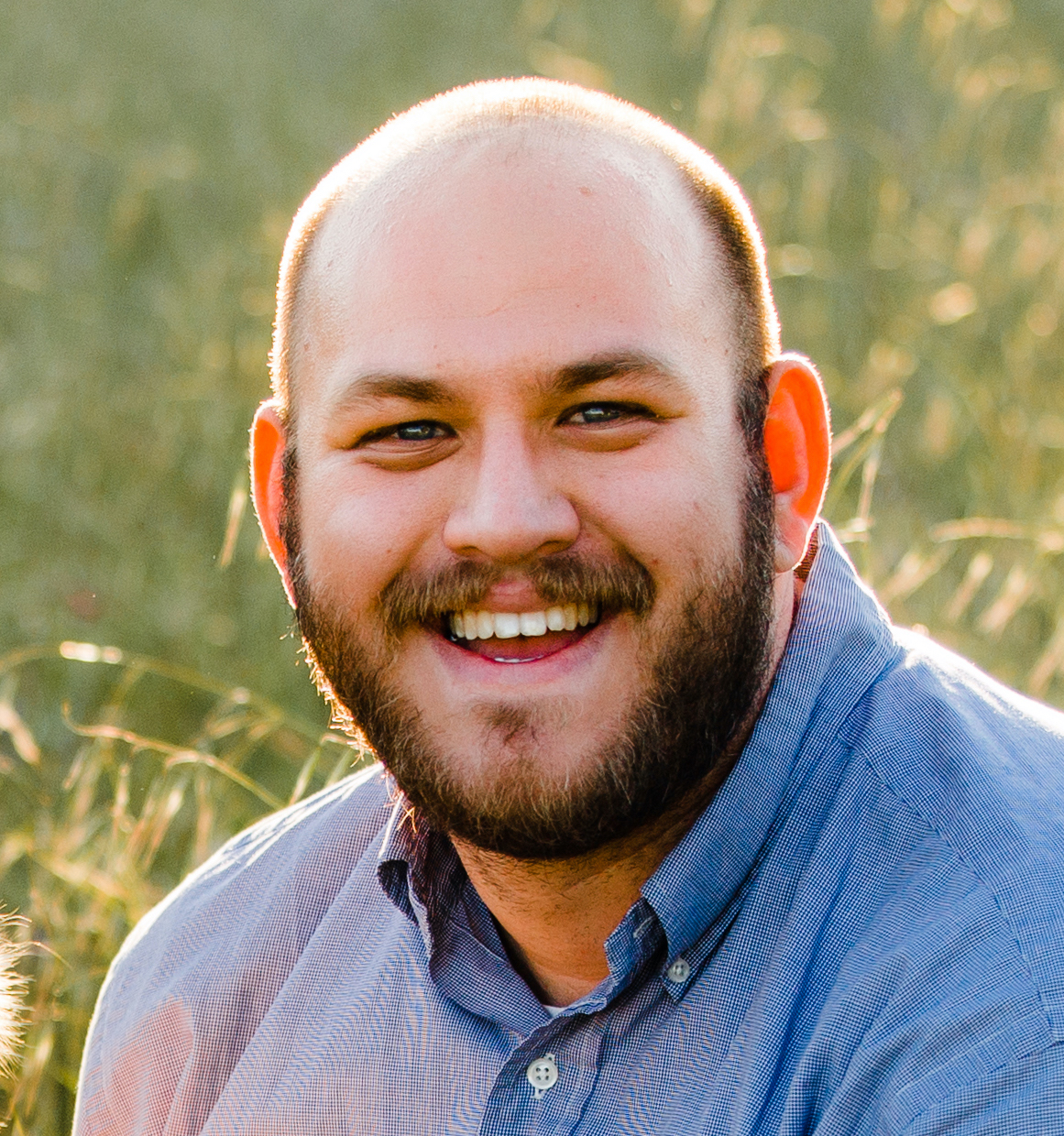
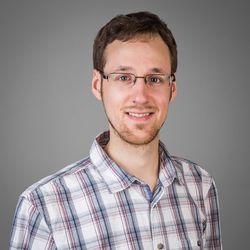
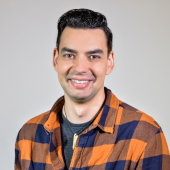
Mykel Loren Brinkerhoff is a Postdoctoral Research Associate and Acting Phonetics Lab Director in the Department of Linguistics at the University of Washington. His research focuses on phonology, phonetics, and linguistic fieldwork, particularly on Mesoamerican languages like Santiago Laxopa Zapotec. He investigates syntactic and prosodic phenomena in Celtic and Germanic languages and collaborates on projects such as the Zapotec Language Project. Brinkerhoff has taught at the University of California, Santa Cruz, and the University of North Carolina at Chapel Hill, leading courses in phonetics, phonology, and syntax. He mentors students in fieldwork and linguistic analysis, with notable projects on Zapotec voice quality and Scandinavian syntax. His work bridges theoretical linguistics with empirical research, contributing to our understanding of phonological interfaces and language structure. His publications explore topics like voice quality in Zapotec, Norwegian object shift, and Welsh morphophonology. He actively contributes to academic discourse through presentations at conferences like LabPhon and SSILA. Brinkerhoff’s research also emphasizes documenting endangered languages and advancing methodologies in acoustic phonetics.
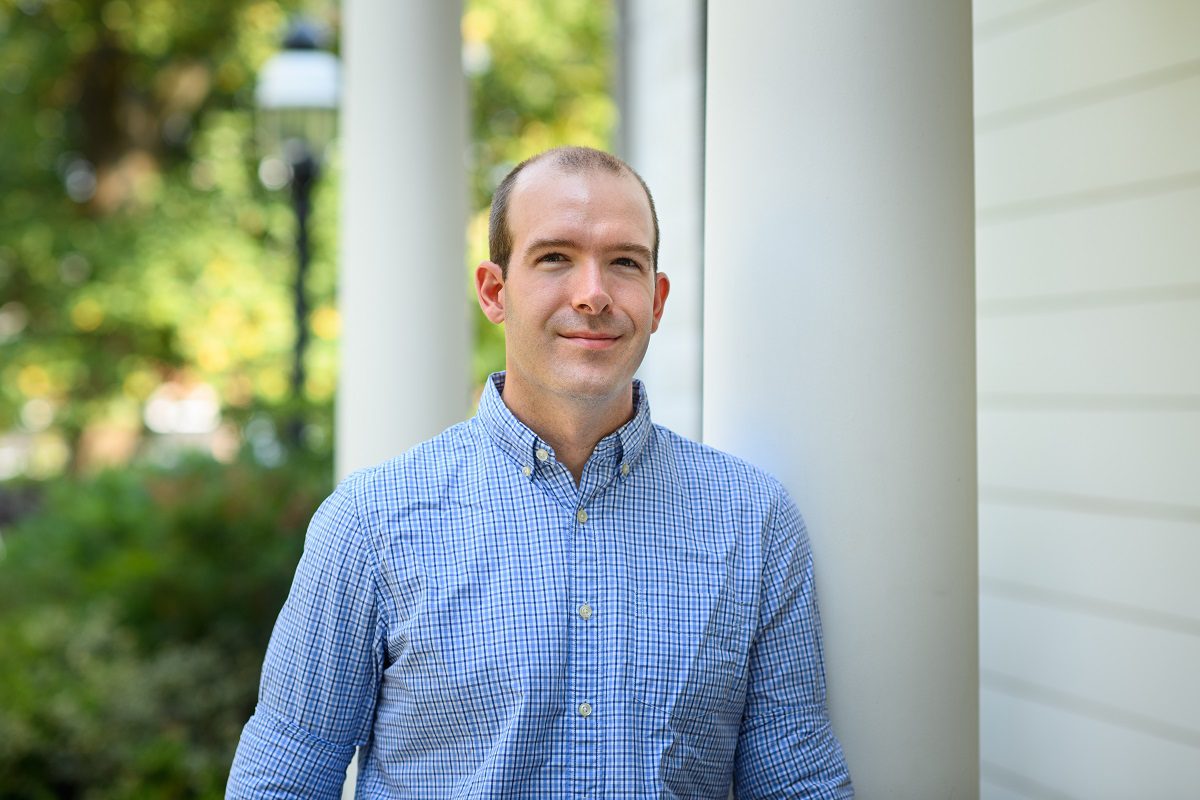
Caitlin Smith is a Teaching Professor in the Department of Linguistics at the University of North Carolina at Chapel Hill. Previously, she held positions as a lecturer at the University of California Davis and a postdoctoral fellow at Johns Hopkins University. She earned her Ph.D. in Linguistics from the University of Southern California in 2018. Her research focuses on phonology, particularly exploring gestural representations and their application to phenomena like vowel harmony, opacity, and phonological exceptionality. Key areas include computational modeling of gestural harmony, typological asymmetries in phonological patterns, and speech production analysis using real-time MRI data. She collaborates with researchers in computational linguistics and speech production, including work with Microsoft Research AI on integrating structured representations into neural networks. Her recent work emphasizes the learnability of phonological patterns through computational models and the reanalysis of traditional phonological puzzles within a gestural framework. She has developed the Grammar + Gesture Gradual Learning Algorithm (GGGLA) to model the acquisition of gestural parameters, demonstrating how derivationally opaque patterns emerge naturally in the Gestural Harmony Model. Her contributions span both theoretical and experimental phonology, with notable publications in venues like The Oxford Handbook of Vowel Harmony , Proceedings of NELS , and Scientific Data . She actively engages in interdisciplinary research, bridging formal phonology with computational methods and articulatory phonetics.
Dr. Brian Ó Raghallaigh is an Assistant Professor in Fiontar & Scoil na Gaeilge at Dublin City University (DCU). He holds a BA (Mod.) in computational linguistics and a PhD in speech technology from Trinity College Dublin. His research focuses on digital terminology, onomastics, folkloristics, phonetics, and language technology. He is Co-Principal Investigator of the AHRC-IRC 'Decoding Hidden Heritages' project (2021–2024) and Principal Investigator of the Department of the Gaeltacht-funded 'Logainm Placenames Database of Ireland' project. Education: BA (Mod.) in Computational Linguistics (Trinity College Dublin), PhD in Speech Technology (Trinity College Dublin) Roles: Technology Manager of the Gaois research group, Module Coordinator for Irish Linguistics (LIG1004), Co-coordinator for Corpus Research (LIG1010) Publications: Authored Fuaimeanna na Gaeilge , creator of fuaimeanna.ie , and co-editor of Decoding the Oral Traditions of Scotland and Ireland . His research interests span terminology, placename studies, digital humanities, and language preservation. He leads projects like Terminologue (a cloud-based terminology platform) and collaborates on initiatives such as the EU-GA terminology project. He is active in professional organizations like SNSBI, SIEF, and CIGILT. Grants & Projects: Funded by AHRC/IRC, Department of the Gaeltacht, RIA. Key projects include Logainm.ie , Gaois surname database , and Historical Dictionary of Modern Irish . Labs/Teams: Gaois research group (focused on language technology), Terminologue (terminology management), and collaborations with the Digital Repository of Ireland (DRI).
John T. M. Merrill is a Lecturer in the Program in Linguistics at Princeton University. He holds a Ph.D. in Linguistics from UC Berkeley (2018). His research focuses on historical linguistics and language documentation, particularly within the Niger-Congo language family, with emphasis on Atlantic languages such as Sereer, Noon, and Kobiana. He specializes in phonology, morphology, and the evolution of noun class systems and consonant mutation. Key research interests include linguistic reconstruction, diachronic analysis of West African languages, and the documentation of endangered languages. He has conducted fieldwork in Senegal and the US, producing lexical and grammatical resources for Sereer, Noon, Kobiana, and Wolof. His work intersects with topics like phonological typology, morphosyntactic evolution, and historical sound change. Merrill has authored/co-authored peer-reviewed articles in journals such as Phonology , Language in Africa , and Diachronica . His 2023 book The Cangin Languages: Phonological and Morphological Reconstruction and Diachrony (Brill) explores the historical phonology of Atlantic languages. He frequently presents at workshops and conferences including the Comparative Niger-Congo Workshop and the Westermann Workshop. His scholarly contributions bridge historical linguistics and fieldwork-based documentation, emphasizing the interplay between synchronic and diachronic analysis. No scientific awards are explicitly noted in the provided materials. Merrill maintains active language resources through platforms like the California Language Archive, preserving audio recordings and lexical databases for languages such as Noon and Kobiana. He collaborates with institutions globally to advance the study of underdocumented African languages.
Dr Holly Kennard is a Departmental Lecturer in Phonetics and Phonology at the University of Oxford, with additional roles as Retained Lecturer at Pembroke College and affiliation with Somerville College through her British Academy Postdoctoral Fellowship. She holds dual academic affiliations within the Clarendon Institute and the Faculty of Linguistics, Philology & Phonetics. Teaching: Undergraduate Phonetics/Phonology, Graduate Phonology, Psycholinguistics, and Historical Linguistics Research: Focuses on Breton morphophonology, French loanword integration, language endangerment and revival impacts, bilingual stress perception, and intonation patterns Her current John Fell Fund-supported project investigates Breton intonation through speech recordings, analyzing generational differences in prosodic systems. Research interests also span broader topics in prosody, language contact phenomena, and syntactic typology. Scientific Recognition: Holder of British Academy Postdoctoral Fellowship Supervises doctoral theses and undergraduate projects in phonology and related fields. Active in multiple research groups including the Phonetics Lab, Language & Brain Lab, and Romance Linguistics Department. Collaborates with institutions like the University of Cambridge and Indiana University through co-authorships.
Ludger Paschen is a Researcher at the Leibniz-Zentrum Allgemeine Sprachwissenschaft (ZAS) in Berlin, specializing in the intersection of phonetics, phonology, and morphology. He leads the DFG-funded project AIRAL (Acoustic insights into the root-affix asymmetry across languages) and co-edits the Language Documentation Reference Corpus (DoReCo). His work focuses on cross-linguistic speech databases, prosody, segmental duration, and endangered languages. Education: PhD from University of Leipzig (2018), member of Research Training Group IGRA. Previously held positions as Substitute Professor at University of Potsdam and PostDoc at Max Planck Institute for the Science of Human History (Jena). Key research areas include: speech corpora design, acoustic analysis of morphological structure, prosodic phrasing, and the phonology-morphology interface. His projects leverage DoReCo to study typological patterns in segmental duration and word-internal pauses. Notable achievements include the 2024 publication of DoReCo 2.0 (53 languages), co-authored Nature Human Behaviour study on consonant lengthening universals, and multiple presentations at major linguistics conferences (ICPhS, DGfS, ICL). Collaborations involve institutions like CNRS, LMU Munich, and Sorbonne University. Teaching experience includes courses on Russian dialects, linguistic theories, and phonological length at Humboldt University and Potsdam University.
Florian Breit is a linguist specializing in language attitudes, theoretical phonology, and phonological interfaces. He holds a PhD from University College London and currently serves as Research Officer in Linguistics (German) at Bangor University's School of Arts, Culture and Language. He also holds an honorary position as Research Fellow at UCL. His research focuses on bilingual communities, particularly Welsh and minority languages, exploring sociopolitical recognition's impact on language vitality and attitudes. He has supervised numerous graduate students, published widely in sociolinguistics and phonology, and developed the L'ART Research Assistant app for language attitude research. Notable contributions include studies on language policy effects in Wales, Italy, and Belgium. Awards include Fellowship of the Higher Education Academy and AHRC grants. Active in public engagement, he organizes lectures and participates in national cultural events like the National Eisteddfod. His interdisciplinary work bridges theoretical linguistics with applied research, leveraging digital tools to advance sociolinguistic methodologies.
Pavel Iosad is Professor of Synchronic and Diachronic Phonology in the Department of Linguistics and English Language at the School of Philosophy, Psychology and Language Sciences, University of Edinburgh. He was promoted to Professor in 2024 after serving as Senior Lecturer (2019-2024) and Lecturer in Theoretical Phonology (2013-2019) at the same institution. Previously, he held a lectureship at the University of Ulster (2012-2013) and was a pre-doctoral research fellow at the Center for Advanced Study in Theoretical Linguistics at the University of Tromsø, Norway (2007-2012). His educational background includes: PhD in Linguistics from the University of Tromsø (2012), with a thesis on 'Representation and variation in substance-free phonology: a case study in Celtic' Specialist degree (roughly equivalent to MA) in Theoretical and Applied Linguistics from Moscow State University, Russia (2007) Pavel Iosad is a prominent phonologist whose research spans theoretical phonology, historical phonology, and phonological typology. His work focuses on the nature of phonological features, the division of labor in phonological theory, and the interaction between segmental and suprasegmental phonology. He has made significant contributions to our understanding of 'pitch accent' systems, morphology-phonology interaction, and historical language contact. Notably, he has explored the interesting phonological commonalities among the languages of north-western Europe, such as preaspiration, 'pitch accent' systems, and sonorant pre-occlusion. His primary language areas of expertise include Celtic languages (particularly Welsh, Irish, and Scottish Gaelic), Germanic languages (especially North Germanic), and Slavic languages. Professor Iosad has received notable recognition for his work, including a Mid-Career Fellowship from the British Academy for his 2025 project 'Phonological microvariation in sound change: Mid vowel alternations in the Slavic languages.' He has also been involved in several other significant research projects, including 'The trajectory and distributional typology of phonological change' with Uppsala University (2024-2026). He is an active supervisor of PhD students, currently mentoring eight doctoral candidates working on diverse topics including vowel insertion in Gaelic languages, initial consonant mutations in Irish, historical phonology of Great Lakes Bantu, and Semitic historical morphology. His past students have completed dissertations on feature specifications in Old Norwegian height harmony and aspects of the historical phonology of Manx. Beyond his research, Professor Iosad is deeply engaged in the scholarship of teaching and learning, particularly in using problem-solving techniques in linguistics education based on the Linguistics Olympiad movement. At the University of Edinburgh, Professor Iosad is affiliated with the Phonetics and Phonology Research Group, the Language Variation and Change Research Group, and the English Language Research Group. He is also an affiliate of the Angus McIntosh Centre for Historical Linguistics. His current research projects include phonological microvariation in Slavic languages and the trajectory of phonological change, reflecting his ongoing commitment to advancing our understanding of phonological theory and historical linguistics.
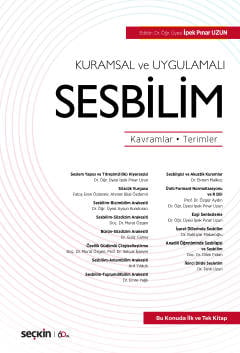
Assistant Professor İpek Pınar Bekar is a linguist specializing in phonetics and phonology, with a strong focus on both theoretical and applied aspects. Her research spans computational phonetics, speech synthesis, forensic phonology, second language pronunciation, and the phonological structure of Turkish and sign languages. She is actively contributing to academic literature in Türkiye through publications and editorial work. Assistant Professor in Linguistics Specialization in Phonetics and Phonology Editor and contributor to key Turkish academic texts Her research interests include phonological theory, computational modeling of speech, prosody, formant analysis, and the interfaces between phonology and other linguistic domains such as morphology, syntax, semantics, and sociolinguistics. She has also explored applications in mother tongue teaching, second language acquisition, and text-to-speech synthesis. Her work often integrates technical tools like the R programming language for acoustic analysis. The recent publications (2020) demonstrate a strong trend in interdisciplinary phonological research, combining theoretical linguistics with computational methods and practical applications in education and forensics. Her work addresses both Turkish-specific phenomena and universal phonological principles. While no formal scientific awards are mentioned in the text, her editorial role in a comprehensive volume indicates recognition within the academic community in Türkiye. İpek Pınar Bekar has contributed to research advising through her publications and mentorship in academic writing, though no formal students are listed. Her work suggests involvement in advancing phonological research and pedagogy in Turkish academia. She is associated with research in phonological computation, speech technology, and linguistic analysis, likely involving collaboration with other scholars across Turkish universities, though no specific lab or team is named.
Mark A. Liker, MD, is a Clinical Assistant Professor (Part-Time) in the Department of Neurological Surgery at the University of Southern California (USC). He is affiliated with the USC Clinical and Translational Science Institute (CTSI) and specializes in innovative neurosurgical techniques, particularly in the application of deep brain stimulation (DBS) for pediatric movement and neuropsychiatric disorders. His work bridges clinical practice with neurotechnology, emphasizing personalized surgical approaches and interdisciplinary collaboration. Research Interests: Dr. Liker’s primary focus is on advancing DBS therapies for children and young adults with dystonia and related neurological conditions. He also explores electropalatography (EPG) advancements in speech therapy and rehabilitation, alongside broader applications of neurotechnology in medical innovation. His interests include genetic mutations impacting neurological outcomes (e.g., TUBB4A, MEPAN syndrome), cognitive effects of DBS in Parkinson’s disease, and optimizing surgical corridors for complex pediatric neurosurgical procedures. Publications Trends: His recent work highlights DBS personalization for pediatric cases, EPG-driven speech analysis, and the integration of neurotechnology into clinical practice. He frequently publishes in journals like Neurosurg Focus , Brain Stimul , and Phonetica , reflecting his dual expertise in neurological surgery and speech rehabilitation. Scientific Awards : Honored Guest Presentation at Clin Neurosurg 2002 for contributions to neurorestoration and molecular/cellular neurosurgery. Advising & Grants: While no formal advisees or grants are listed here, Dr. Liker’s publications suggest active involvement in clinical research and collaborative projects, especially at Children’s Hospital Los Angeles. His work often involves pilot studies and case reports, indicating a hands-on role in advancing treatments. Labs/Teams: Affiliated with the Department of Neurological Surgery at USC and the Children’s Hospital Los Angeles, where he contributed to DBS case studies. He collaborates with speech therapy researchers (e.g., via EPG symposium reports) and neurotechnology developers.
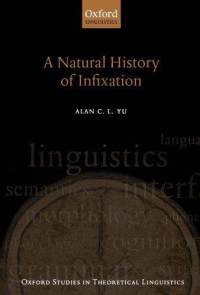
Alan C. L. Yu is the William Colvin Professor of Linguistics at the University of Chicago, Chair of the Department of Linguistics, and Director of the UChicago Phonology Laboratory. His research examines speech processing and production, language variation and change, with a focus on individual differences in phonetic and phonological processing. He employs diverse methodologies including linguistic fieldwork, acoustical analysis, eye-tracking, and neurophysiological techniques. Education contributions: Ph.D. in Biology, Imperial College London German University Diploma in Biology, University of Regensburg His research investigates the perception and production of coarticulation, phonetic convergence, and cue weighting strategies. Current projects include neurophysiological investigations of individual variation in cue weighting, comparative Cantonese acquisition in multilingual communities, and linguistic characteristics of autism in Hong Kong Cantonese. Publications demonstrate a consistent focus on individual variability in phonology and phonetics, with recent work examining atypical speech processing in autism spectrum disorders, sociophonetic variation in Cantonese, and neural correlates of speech perception. His articles frequently integrate experimental, clinical, and sociolinguistic approaches to understand cognitive mechanisms underlying language processing. Scientific Awards: LeRoy E. Doggett Prize for Historical Astronomy (2010) He has advised numerous doctoral students on topics ranging from Irish consonant mutation to sociophonetic variation in American English. As Director of the Phonology Laboratory, he oversees research on language processing using neurophysiological and behavioral methods. Current grants include NSF-funded projects on individual variation in cue weighting.
Krzysztof Jaskuła is an Assistant Professor at the Department of English-Polish Comparative Linguistics, Faculty of Humanities, John Paul II Catholic University of Lublin. His work focuses on phonotactics, loanword adaptation, and historical phonology with specialization in Celtic and Polish languages. Academic Affiliation: Department of English-Polish Comparative Linguistics, John Paul II Catholic University of Lublin ORCID: 0000-0002-5292-4163 Research Interests include: Phonotactic constraints in Polish and Celtic languages Historical development of consonant systems Government Phonology applications Toponymic phonology Comparative Celtic and Slavic linguistic analysis Recent Publications demonstrate expertise in: Polish place name consonant sequences (2025) Loanword adaptation in Irish (2023) Phonological complexity scales (2023) Diachronic rhotic sound analysis (2018) Editorial Contributions : Editor-in-chief of "Phonological and Phonetic Explorations" (2020) Co-editor of "All around the Word" Festschrift (2019) Editor-in-chief of "Levels of interpretation in sound systems" (2014) Conference Activity : Presented at 1st Lublin Celtic Colloquium Organized international phonology/phonetics conferences Reviewed for journals like Lege Artis and Bulletin of the Polish Linguistic Society
Dr. Magdalena Chudak is an Assistant Professor at the Department of English-Polish Comparative Linguistics , John Paul II Catholic University of Lublin . Her research focuses on Celtic Studies , Irish consonant mutations , and historical linguistics . Scientific Awards Medal of the National Education Commission Rector's Award of the Catholic University of Lublin (2016, 2019) Inner Reward 4th Degree Individual Award (2023) She has organized national educational competitions and conducted mentoring sessions for KUL employees. Her publications analyze Irish phonology , including mutation patterns , metanalysis , and segmental alternations .
Stefon Flego is a Postdoctoral Research Fellow at the Department of English within the College of Liberal Arts and Human Sciences at Virginia Tech. His research focuses on phonetics, phonology, and computational modeling of sound systems in diverse languages including Icelandic, Hakha Lai, and Dinka-Nuer. Research Interests: Phonetic and phonological analysis of cross-linguistic sound systems Agent-based simulations for sound change modeling Temporal dynamics in speech production and coarticulation Vocal tract length estimation and acoustic inversion Documentation of Tibeto-Burman and Nilo-Saharan languages Information-theoretic approaches to phonological constraints Recent Publication Trends: His work combines empirical data from speech production tasks with computational models, examining vowel quality mutation mechanisms, sonorant phonation, and articulatory-acoustic relationships across Germanic, African, and Southeast Asian languages.