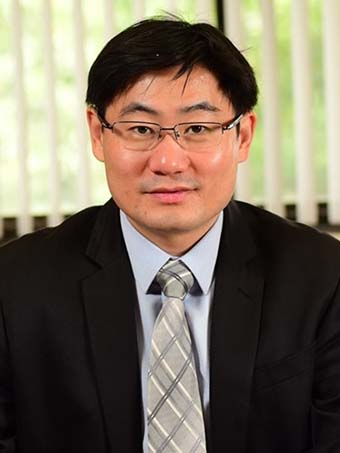
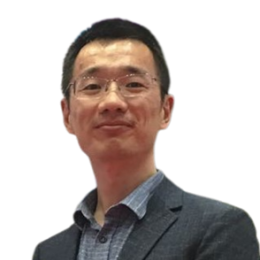
Professor CHEN Wei (National University of Singapore) holds the Provost's Chair Professorship (2023-2026) and serves as Vice-Dean (Research) with joint appointments in the Departments of Chemistry and Physics. His research focuses on molecular-scale interface engineering for 2D materials-based devices and interface-controlled nanocatalysis in energy/environmental applications. PhD in Material Science, NUS (2004) Lee Kuan Yew Research Fellow (2006-2008) Established Surface and Interface Lab (2009) Director, NUS Research Institute (Fuzhou) His work on 2D optoelectronic memory (Nat. Comm. 2018), Kagome lattice design (Nano Lett. 2020), and single-atom catalysis (Nat. Comm. 2021) has been recognized by multiple high-impact publications and the Clarivate Highly Cited Researcher status (2017-2021). Awards include the NRF Investigatorship (2023) , Mitsui Chemicals-SNIC Industry Award (2020) , and Singapore Young Scientist Award (2012) . Grants from NUS, Singapore MOE, CREATE/CRP programs, and A*STAR support his exploration of interface engineering for neuromorphic computing and energy-efficient nanocatalysts . Current projects include monolayer blue phosphorus synthesis and solid electrolyte interphase engineering for lithium batteries.
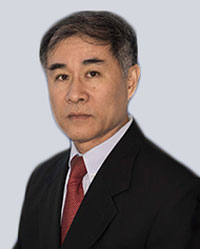
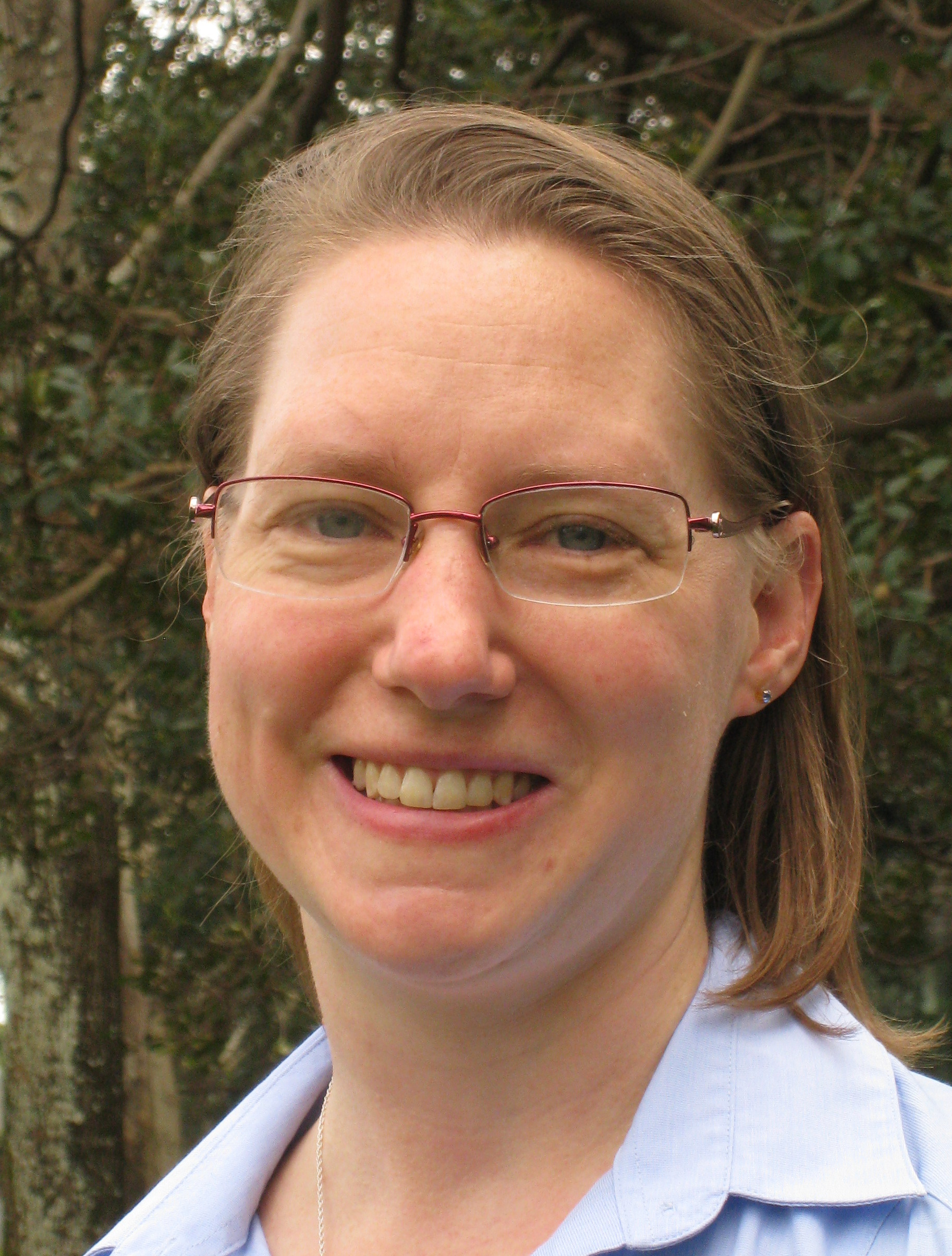
Prof. Li LU is a Professor at the Department of Mechanical Engineering, National University of Singapore (NUS). His research focuses on energy storage materials, ferroelectric systems, and advanced battery technologies. He holds editorial roles at Functional Materials Letters and Materials Technology – Advanced Functional Materials . Education: PhD from KU Leuven (Belgium), M.Eng and B.Eng from Tsinghua University (China). Research interests include thin film deposition, nanostructured materials, and solid-state electrolytes. His work addresses challenges in lithium/ sodium-ion batteries, solid-state interfaces, and high-performance energy storage systems. Recent studies emphasize aerosol deposition techniques, composite electrolytes, and interfacial stability. Publications highlight advancements in battery materials and electrolyte design. Notable contributions include ultra-stable sodium-ion batteries, ferroelectric-engineered electrolytes, and optimizing lithium metal anodes. His research bridges fundamental material science with practical energy solutions.
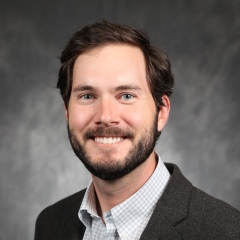
Stéphane BAUDRON is a CNRS Research Director at the Laboratory for the Synthesis and Functions of Molecular Architectures within the Faculty of Chemistry at the University of Strasbourg. His research spans multiple areas of molecular materials chemistry, with particular expertise in coordination polymers, metal-organic frameworks, and supramolecular architectures. Dr. BAUDRON's educational background includes undergraduate studies at the National School of Chemistry of Paris (1998), a Ph.D. from the University of Angers under Dr. Patrick Batail (2002), and postdoctoral research at the University of California Berkeley with Prof. Jeffrey R. Long (2002-2004). He joined CNRS as a researcher in 2004, received his Habilitation from the University of Strasbourg in 2009, and was promoted to CNRS Research Director in 2019. His primary research interests focus on dipyrrin-based complexes and assemblies for luminescent materials and heterometallic frameworks, conducting coordination polymers using redox-active ligands, and the application of deep eutectic solvents for sustainable synthesis of porous materials. His work bridges fundamental coordination chemistry with practical applications in materials science. Analysis of his recent publications reveals a strong trend toward green chemistry approaches for synthesizing metal-organic frameworks, with increasing focus on deep eutectic solvents as environmentally friendly alternatives to traditional solvents. His research spans both fundamental coordination chemistry and applied materials science, with particular emphasis on structure-property relationships in crystalline materials. Lavoisier fellowship (French Ministry of Foreign Affairs) JSPS short-term invitation fellowship at Kyoto University USIAS fellowship ANR DEEPCatCOF project (Principal Investigator) Dr. BAUDRON has successfully mentored numerous graduate students who have gone on to careers in both industry and academia, including positions at Michelin, BASF, and various universities. His current research is supported by multiple grants, including the ANR DEEPCatCOF project focused on deep eutectic solvents for catalytic metal-organic frameworks. His laboratory maintains strong international collaborations with research groups in Japan, Portugal, and other European institutions. Based at the University of Strasbourg's Institute Le Bel, Dr. BAUDRON leads a research team within the Laboratory for the Synthesis and Functions of Molecular Architectures, which is part of the larger Faculty of Chemistry structure. His group actively collaborates with other laboratories within the chemistry faculty, particularly those working on spectroscopy, mass spectrometry, and molecular modeling.
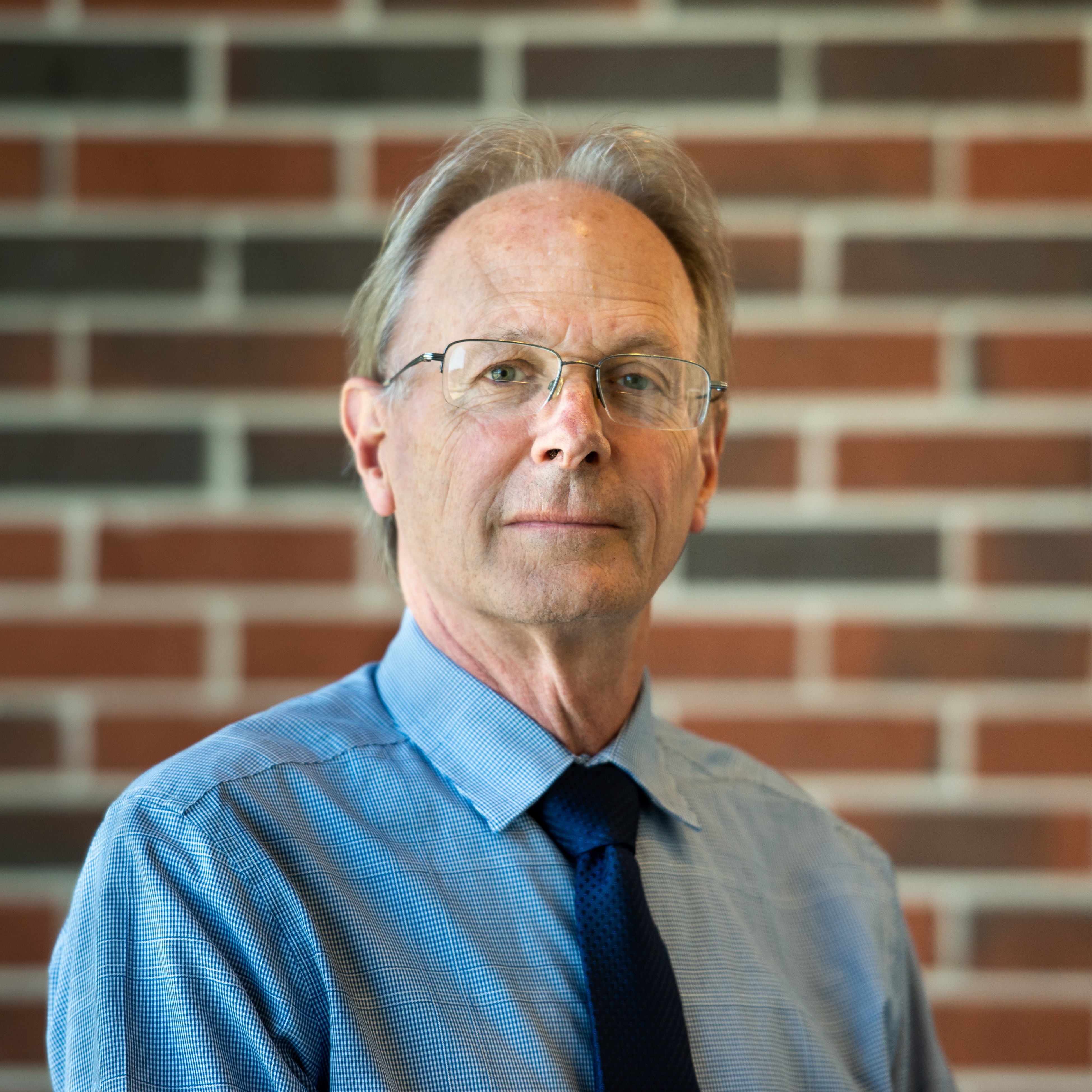
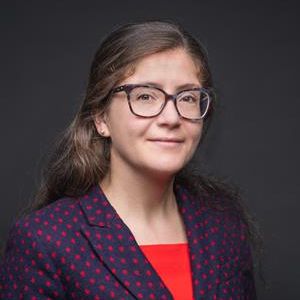
Prof. Roland A. Fischer is a Full Professor at the Chair of Inorganic and Metal-Organic Chemistry at Technical University of Munich (TUM). Previously, he held a Full Professorship at Ruhr University Bochum (1997–2015). His research focuses on multifunctional metal-organic frameworks (MOFs), clusters, and composites for energy conversion, catalysis, gas storage, and environmental applications. He leads the Catalysis Research Center and has pioneered advancements in MOF-based catalytic systems and stimuli-responsive materials. Education: 1981–1986: Diplom in Chemistry (TUM) 1989: PhD, Dr. rer. nat. (TUM) 1995: Habilitation (TUM) Research Interests: His work integrates molecular and extended catalytic systems, including: - Design of MOFs for photocatalytic fuel production - Nanoparticle encapsulation in robust frameworks - Redox-switchable materials and photochromic systems - Cluster chemistry and superatom complexes - Applications in energy storage, environmental remediation, and biomedical technologies. Major Achievements: Over 680+ publications, h-index 101 (Scopus 2025) Coordinator of EU projects (SURMOF, ENHANCE, DEFNET) Recipient of Heinz-Maier-Leibnitz Award (1993) and Alfried Krupp Award (1996) Editorial roles: Angewandte Chemie , Chemical Vapour Deposition Grants & Teams: He has secured major grants including DFG Priority Programs (CVD-Materials, COORNETs) and led interdisciplinary teams in EU initiatives. His lab collaborates globally, including visiting professorships at Kyoto University and IIT Bombay. Labs & Facilities: His research uses advanced facilities like the Catalysis Research Center and contributes to platforms such as the Munich Catalysis Alliance. Key tools include atomic layer deposition, in situ characterization, and MOF-based device fabrication.
Dr. John Reynolds is a Professor of Chemistry and Biochemistry at the Georgia Institute of Technology with a 40-year legacy in polymer chemistry. He serves as founding Director of the Georgia Tech Polymer Network (GTPN) and a member of the Center for Organic Photonics and Electronics (COPE). Research spans conjugated polymers, electrochromism, organic LEDs, photovoltaics, and bioelectronics Expert in optoelectronic and redox properties of electroactive materials Co-editor of the Handbook of Conducting Polymers His group has published over 450 peer-reviewed papers and holds ~45 issued patents. Recent research focuses on: Advanced electrochromic materials for visible and infrared applications Next-generation organic solar cells with green processing techniques Supercapacitor and electrochemical transistor materials Space exploration polymer applications Scientific recognition includes: ACS Cope Scholar Award (2020) ACS Florida Award (2019) ACS Applied Polymer Science Award (2012) Fellowships from Royal Society of Chemistry, Materials Research Society, and PMSE (2013) His editorial contributions include serving on boards for multiple prestigious journals including ACS Central Science and Chemistry of Materials . The Reynolds Group actively trains PhD and postdoctoral researchers, with recent members advancing to positions at University of Michigan, ExxonMobil, Northwestern, and Intel.
Yu Xia is a Post Doc at the Department of Chemistry, Stockholm University, Sweden. He is affiliated with the Tom Willhammar Research Group, focusing on advanced electron microscopy and diffraction techniques for structural characterization of materials. PhD (2019–2023) from a joint program between the University of Birmingham (UK) and the Southern University of Science and Technology (China). Research emphasizes fabrication of metallic nanoparticles with non-equilibrium structures and shapes using gas-phase condensation and thermal shock methods. Specializes in scanning transmission electron microscopy (STEM), in-situ heating experiments, and electron energy loss spectroscopy (EELS) for nanoparticle analysis. Current work prioritizes 4DSTEM imaging for electron beam-sensitive materials and Python-based post-processing of electron microscopy datasets. Yu Xia's research spans Materials Science , Nanotechnology , and Electrocatalysis , with applications in photocatalytic hydrogen evolution , graphene composites , and advanced electron microscopy techniques . His work often integrates computational image processing with structural characterization to optimize material properties. Publications highlight innovations in heterostructure engineering , metallic alloy catalysts , and electron beam-sensitive material imaging . No scientific awards are explicitly mentioned in the provided text. Yu Xia's technical expertise includes Python scripting for image analysis, in-situ electron microscopy , and multifunctional graphene-based materials .
Associate Professor Judy Hart is a materials scientist at the School of Materials Science & Engineering, UNSW Sydney , specializing in the development of semiconducting materials for renewable energy applications. Her work integrates computational (DFT) and experimental approaches to understand composition-property relationships in systems like solid solutions , heterostructures , and doped materials for photocatalysis and solar cells . She leads projects funded by ARC Discovery and Linkage grants , including work on photo-electro-catalysis systems and stabilizing ceramic materials . Education: PhD in Materials Engineering (Monash University, 2007), BEng (Materials) (Monash, 2002) Professional Experience: Senior Lecturer (UNSW, 2017–), Lecturer (UNSW, 2013–2017), University of Bristol (2007–2012) Research Interests Her research focuses on designing materials for renewable energy , particularly photoelectrochemical water splitting and organic oxidation reactions . Key areas include Density Functional Theory (DFT) , defect engineering , band gap tuning , and nanostructured materials . She investigates ferroelectric polarization effects , metal oxide heterostructures , and stability of battery components , with applications in hydrogen production , CO2 conversion , and advanced battery materials . Scientific Awards Ramsay Memorial Fellowship (University of Bristol, 2007–2009) Teaching Contributions She is co-author of the 1st Australian & New Zealand edition of "Materials Science and Engineering: An Introduction" , and teaches courses on computational materials science , corrosion-resistant surfaces , mechanical behavior of metals , and materials design .
Roland Ludwig is an Associate Professor at the Institute of Food Technology, Department of Food Science and Technology, University of Natural Resources and Life Sciences, Vienna (BOKU). He is also the current Senate Chairman at BOKU, demonstrating strong institutional leadership. His research is centered on enzyme technology, biocatalysis, biosensors, and electrochemistry, with a particular focus on oxidoreductases such as cellobiose dehydrogenase (CDH) and lytic polysaccharide monooxygenases (LPMOs), which are crucial in biomass degradation and bioenergy applications. His research interests span food biotechnology, enzyme technology, biocatalysis, biosensors, process engineering, electrochemistry, and nanobiotechnology. He investigates the molecular mechanisms of electron transfer in redox enzymes, their application in biosensors and biofuel cells, and their role in the depolymerization of lignocellulosic biomass. His work integrates biochemical, electrochemical, and structural approaches to understand and engineer enzyme function. The recent publication trends highlight a strong focus on LPMOs and CDHs, with studies on their kinetics, substrate specificity, domain dynamics, electron transfer mechanisms, and engineering for improved stability and activity. These works frequently appear in high-impact journals such as ACS Catalysis and Bioelectrochemistry, reflecting the significance and innovation of his research in biocatalysis and bioelectrochemistry. International DropSens Award for Applied Electroanalytical Chemistry Medal of Honour, Faculty of Food Technology and Biotechnology, University of Zagreb RIZ Genius Award for Innovative Sensor Technology Austrian APART Fellowship INiTS Award 2007 (Life Science) Förderpreis der Österreichischen Gesellschaft für Biotechnologie Roland Ludwig actively supervises students and leads multiple externally funded research projects from FWF and EU, including grants focused on electron transfer in oxidoreductases and the kinetic analysis of oxidative biomass-degrading enzymes. He collaborates with international research groups and is a frequent speaker at major scientific conferences. His research contributes to sustainable bioprocesses, green chemistry, and the development of novel bio-based technologies. He is involved in research teams and collaborative projects such as the FWF-funded Doktoratskolleg "Biomolecular Technology of Proteins" and participates in interdisciplinary initiatives bridging food technology, biotechnology, and materials science. His lab focuses on enzyme characterization, protein engineering, and the development of bioelectrochemical devices.
Professor Klas Tybrandt leads the Soft Electronics group at Linköping University's Laboratory of Organic Electronics (LOE), focusing on stretchable materials and bioelectronics integration with the human body. He holds a Master's (2007) and PhD (2012) from LiU, followed by postdoctoral research at ETH Zurich (2013-2014). Promoted to Professor in 2024, he oversees the Wallenberg Wood Science Center (WWSC), WISE, and AFM initiatives. His work spans Stretchable batteries Neural interfaces Organic thermoelectrics and has earned awards like the ERC Consolidator Grant (2023) and Wallenberg Academy Fellow (2022). His research emphasizes sustainable materials and energy harvesting. Education: PhD in Organic Bioelectronics (LiU, 2012) ETH Zurich Postdoc (2013-2014) Research interests include soft electronics and biohybrid systems , with breakthroughs in gold nanowire electrodes and stretchable electrofluid batteries . Over 70 peer-reviewed articles and 7 patents underscore his contributions to organic electronics. Grants & Funding: ERC Consolidator Grant (€2M) Wallenberg Academy Fellowship (SEK 36M) Labs/Teams: Head of Soft Electronics group (LOE), active in WWSC and WISE consortia.
Dr. Vinothkannan Mohanraj is an Assistant Professor in the Hydrogen Research Theme at Coventry University, UK, specializing in polymer electrolyte membranes and electrochemical devices. His research focuses on developing durable materials for fuel cells, water electrolyzers, redox flow batteries, and electrocatalysts. He earned his Ph.D. from Jeonbuk National University (2018) and held postdoctoral positions at DGIST and Newcastle University. Key collaborations include Prof. Oliver Curnick and Prof. John Graves at Coventry University's C-ALPS. Mohanraj has been recognized in the Top 2% Global Scientists list (Stanford University, 2022-2024) and received the Royal Society Short Industry Fellowship (2025). His work aligns with UN Sustainable Development Goals related to clean energy and sustainability. Education: Ph.D. in Energy Storage and Conversion Engineering, Jeonbuk National University (2015-2018) MSc Chemistry, Madurai Kamaraj University (2014) Bachelor's in Chemistry, Madurai Kamaraj University (2012) Research Interests: Polymer electrolyte membranes (PEMs/AEMs), fuel cells, water electrolyzers, redox flow batteries, and electrocatalysts. His work emphasizes improving durability, conductivity, and operational efficiency under low humidity/high-temperature conditions. Awards & Recognition: Top 2% Global Scientists (Stanford University, 2022, 2023, 2024) Royal Society Short Industry Fellowship (2025) Merit International Student Scholarship, Jeonbuk National University (2015-2018) His articles highlight advancements in composite membranes, nanomaterials, and electrochemical systems, with applications in sustainable energy storage and conversion. Mohanraj also serves as an editorial board member for Polymers and Scientific Reports .
J. Tyler Mefford is an Assistant Professor in the Department of Chemical Engineering at the University of California, Santa Barbara , where he leads the Mefford Group. His research focuses on electrochemical engineering, materials science, and renewable energy technologies. Education : BS in Chemistry from Stanford University (2012), PhD in Chemistry from the University of Texas at Austin (2016). The Mefford Group develops redox-active polymers and inorganic electrode materials for applications in electrochemical energy conversion , storage , and chemical separations . Their work integrates material design , operando spectroscopy , microscopy , and computational modeling to study charge transfer at electrified interfaces. Recent publications highlight advancements in aqueous battery technology , bifunctional electrocatalysis , and mixed-conducting polymer electrodes . The group emphasizes interdisciplinary approaches and diversity in research environments. Scientific Awards : 2020 Best In-situ and Operando Characterization Presentation Award, MRS 2016 Excellence in Renewable & Clean Energy Research Award, UT Energy Institute 2016 Nano Portfolio Presentation Award, University of Texas at Austin
Jocelyn Alcántara-García is an Associate Professor in the Department of Art Conservation at the University of Delaware, with a joint appointment in the Department of Chemistry and Biochemistry since 2023. She specializes in conservation science, focusing on the forensic analysis and preservation of cultural heritage materials, particularly textiles and archival objects. Education: B.S. in Chemistry – National Autonomous University of Mexico (UNAM) Ph.D. in (Inorganic) Chemistry – National Autonomous University of Mexico (UNAM) Postdoctoral Fellowship – Johns Hopkins University (Andrew W. Mellon Postdoctoral Fellow) Conservation Studies – National School of Conservation, Restoration and Museography (ENCRyM) Internship in Polymers – Brno University of Technology, Czech Republic Conservation Science Fellowship – National Museum of Contemporary Art Reina Sofia, Spain Research Focus: Dr. Alcántara-García’s work is deeply interdisciplinary, bridging chemistry, conservation science, and cultural heritage studies. Her research is structured around three core areas: forensic analysis of historical materials, reverse engineering and degradation mechanisms of heritage textiles, and the development of non-destructive techniques for studying cultural artifacts. She also integrates innovative pedagogical approaches to attract and retain students in STEM fields, using cultural heritage as a focal point for teaching chemistry and conservation science. Publications Overview: Her scholarly output reflects a consistent focus on the application of advanced analytical techniques to the study of historical materials. Topics include the non-destructive identification of dyes and pigments, the degradation of copper-based pigments, and the use of spectroscopic and chromatographic methods in conservation science. Her work often involves collaboration with conservators, historians, and scientists, and is published in high-impact journals in the fields of conservation, chemistry, and cultural heritage. Scientific Awards & Honors: Andrew W. Mellon Postdoctoral Fellowship Phi Kappa Phi Honor Society Membership Sigma Xi Scientific Research Society Membership Advising & Mentorship: Dr. Alcántara-García is actively involved in mentoring students across multiple departments and institutions. She works with undergraduate and graduate students in Art Conservation, Chemistry and Biochemistry, and the Winterthur/University of Delaware Program in Art Conservation (WUDPAC). Her mentorship emphasizes interdisciplinary research and hands-on experience with analytical instrumentation in cultural heritage contexts. Labs & Affiliations: She is affiliated with the Winterthur Museum, Garden and Library, where she conducts research and teaches WUDPAC students. She also engages with students and collaborators in Old College and Lamont DuPont/Brown/Drake facilities at the University of Delaware.
Geoffrey M. Geise is an Associate Professor at the University of Virginia's Department of Chemical Engineering , with a courtesy appointment in Materials Science and Engineering. His research focuses on advanced polymer membranes for water desalination, ion separation, and clean energy applications like redox flow batteries . He also directs the undergraduate chemical engineering program. Education: Ph.D. in Chemical Engineering (University of Texas at Austin, 2012) M.S.E. in Chemical Engineering (University of Texas at Austin, 2010) B.S. in Chemical Engineering (Pennsylvania State University, 2007) Research interests include: Fundamental studies of small molecule transport in polymeric materials Development of desalination and ion-selective membranes Non-aqueous redox flow battery membranes Microwave dielectric relaxation spectroscopy for material analysis Recent publications highlight breakthroughs in ion sorption mechanisms , solvent-specific membrane behavior , and modeling selectivity/permeability tradeoffs . Awards span teaching excellence (Hartfield Award, All-University Teaching Award), research recognition (NSF CAREER, NAMS Young Membrane Scientist), and innovation in lithium extraction technologies. Scientific Awards: National Science Foundation CAREER Award (2018) North American Membrane Society Young Membrane Scientist Award (2015) Ralph E. Powe Junior Faculty Award (2016) Journal of Membrane Science Editors’ Choice (2024) Geise actively teaches courses ranging from chemical thermodynamics to advanced transport processes while leading the Geise Research Group at UVA's Chemical Engineering 222 Lab and 325 Lab on McCormick Road.
Li Yiju is an Assistant Professor and doctoral supervisor in the Department of Mechanical and Energy Engineering at the Southern University of Science and Technology (SUSTech) . He earned his Ph.D. in Materials Science and Engineering from Harbin Engineering University in 2018 and was a joint Ph.D. student at the University of Maryland, College Park from 2015 to 2017. He conducted postdoctoral research at Peking University (2018-2021) and Hong Kong University of Science and Technology (2021-2022). Education: Ph.D. in Materials Science and Engineering, Harbin Engineering University (2013-2018) Joint Ph.D. student, University of Maryland, College Park (2015-2017) B.S. in Applied Chemistry (Energy Electrochemistry), Harbin Engineering University (2009-2013) Research Interests: Dr. Li's research lies at the intersection of energy storage , materials science , and micro/nano-manufacturing . His work focuses on high-energy-density lithium metal batteries , solid-state batteries , and advanced electrolyte design . He also pioneers interfacial photothermal steam conversion and leverages cutting-edge techniques like 3D printing , electrospinning , and Joule heat pulse for energy applications. Scientific Impact: With over 100 publications in journals like Nature Energy , Joule , Advanced Materials , and PNAS , his work has garnered 17,000+ citations and an H-index of 60 . His research has been highlighted by Nature and international media like ScienceDaily and VOA News . Awards & Recognition: Clarivate Global Highly Cited Researcher (2020-2022) Stanford University’s Top 2% Scientists (2022) National Postdoctoral Program for Innovative Talent (2018) Peking University Boya Postdoctoral Fellowship (2018) Editorial & Leadership Roles: He serves as an editorial board member for journals like Journal of Energy Chemistry and The Innovation and as a reviewer for Nature Communications , Advanced Materials , and others. Grants & Projects: National Natural Science Foundation of China China Postdoctoral Innovative Talent Support Program Beijing Natural Science Foundation Analog Devices Project
Stephen Bradforth is a Professor of Chemistry at the University of Southern California and Senior Advisor to the Dean for Research Strategy and Development in the Dornsife College of Letters, Arts and Sciences . He earned his PhD in Physical Chemistry from the University of California, Berkeley (1992) and conducted postdoctoral research at the University of Chicago . B.A., Natural Sciences, Cambridge University (1987) Ph.D., Physical Chemistry, UC Berkeley (1992) Postdoctoral Associate, University of Chicago (1993–1996) His research focuses on ultrafast laser spectroscopy to study chemical reactions in complex environments like aqueous systems and molecular materials . Key projects include: Solar Energy Conversion : Investigating photosensitizers based on earth-abundant elements (Cu, Zn, Zr) and organic photovoltaics with BODIPY cores. DNA Photodamage : Mechanisms of cyclobutane pyrimidine dimer (CPD) formation under UV exposure, emphasizing base-stacking effects. Electronic Structure in Ethereal Solvents : Studying solvated electrons in liquid ammonia and their role in carbanion stabilization. His 15 most recent articles (2004–2024) highlight advancements in photoelectron spectroscopy , singlet fission for solar cells, and DNA damage pathways . Collaborations span medicine, physics, and engineering . Scientific Awards include the ACS Physical Chemistry Division Senior Experimental Award (2023) , STAR Awardee (2019) , Cottrell Scholar , and Fellow of APS and AAAS . He has received both Junior (2001) and Senior Raubenheimer Awards (2022) at USC. Advising has been a cornerstone, with 23 PhD students graduated and 4 current candidates. His 15 most recent publications (2012–2024) emphasize ultrafast dynamics , charge transfer mechanisms , and environmental photochemistry . Labs & Teams : The Bradforth Group operates advanced time-resolved photoelectron spectrometers , liquid microjet systems , and high-repetition-rate laser facilities . Current projects include metallic water solutions (Nature 2021), DNA photophysics (FASEB J 2011), and carbanion electronic structure in ammonia.