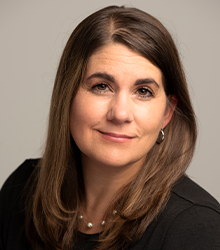
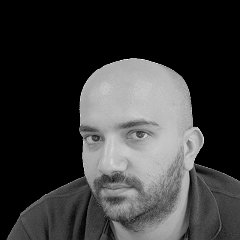
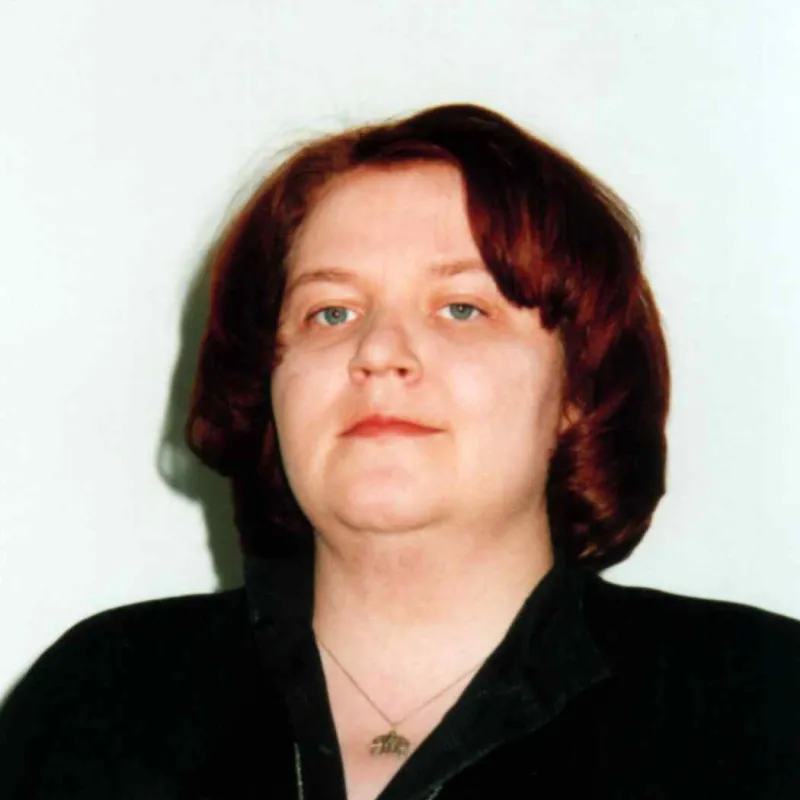
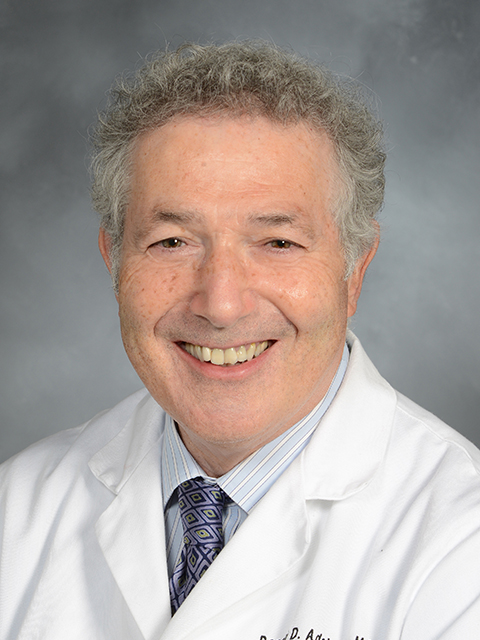
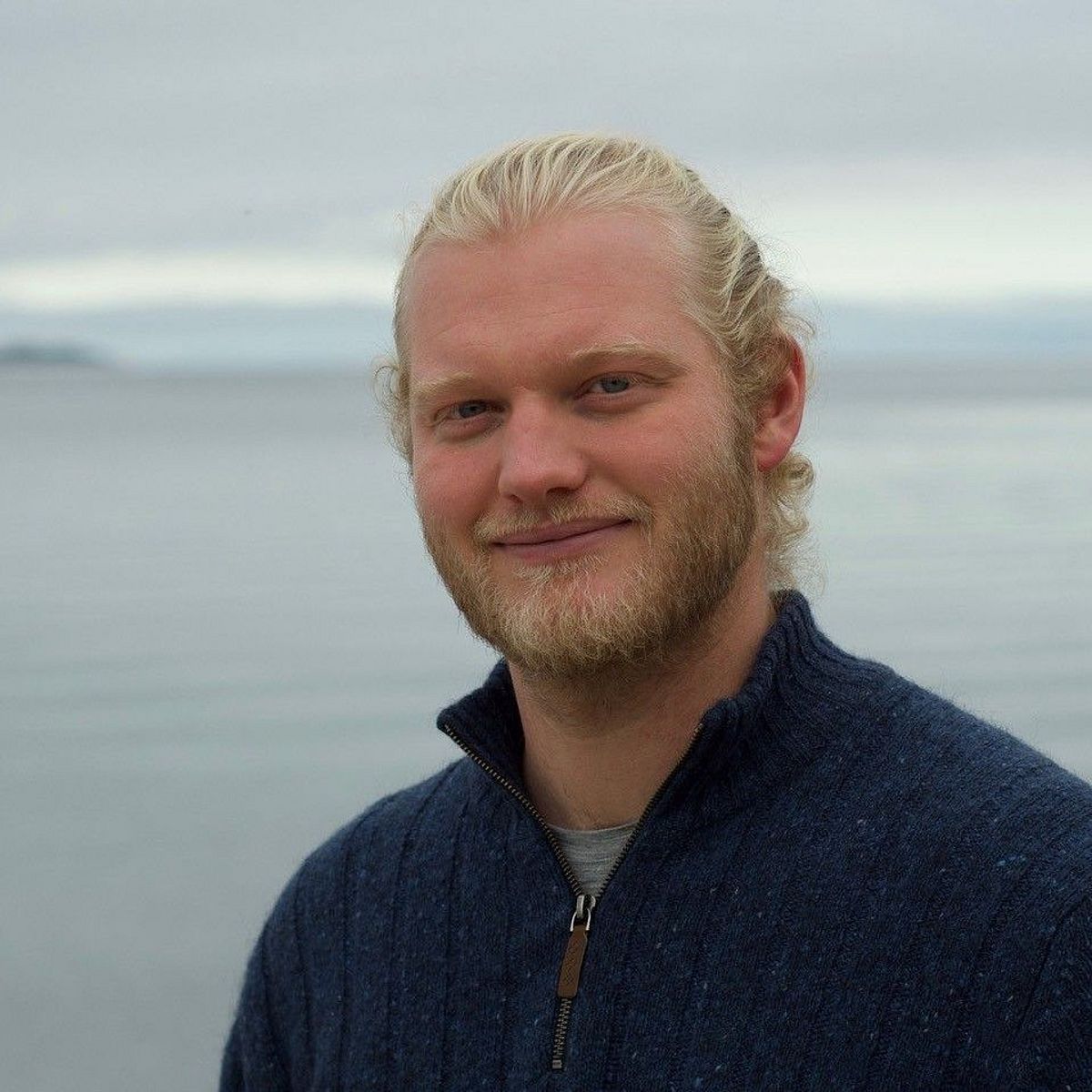
Kirstie Fryirs is a Professor at the School of Natural Sciences , Macquarie University, specializing in fluvial geomorphology and river management. Her work combines geomorphic analysis with interdisciplinary approaches involving ecology, hydrology, and social sciences to address river conservation, recovery, and rehabilitation. Research Focus: River Styles Framework, catchment sediment budgets, climate change impacts, and nature-based flood management. Teaching: Coordinates units like ENVS3439 (Fluvial Geomorphology) and microcredential courses for industry. Awards: Excellence in Mid Career Research Award (2015) Gordon Warwick Medal (2015) Higher Degree Research Supervisor of the Year (2018) Her research spans global river systems, with applications in Australia, Italy, New Zealand, and India. She has pioneered methods for assessing river type, behavior, and recovery potential, now widely adopted across six continents. Collaborations: Works with the Future Ecosystems Research Network (FERN), Australian Harmony Centre for Ecosystem Futures, and interdisciplinary teams. Active in Antarctica with heavy metal contamination studies in 2000s.
Aurelio Soma is a Full Professor in the Department of Mechanical and Aerospace Engineering (DIMEAS) at the Polytechnic University of Turin, where he has served as a faculty member since at least the early 2000s. His academic career spans over two decades, with continuous involvement in teaching Mechanical Engineering doctoral programs since the 19th cycle (2003/2004). He teaches courses including Machine Construction and Product and Process Design with Numerical Methods. Professor Soma's research spans several critical areas of mechanical engineering with a strong focus on sustainable technologies. His primary research interests include Battery Electric Vehicles, Hybrid Electric Vehicles, Internet of Things (IoT) applications, MEMS technology, Railway Vehicles, and Working Vehicles. His work aligns with Sustainable Development Goals 9 (Industry, Innovation, and Infrastructure), 11 (Sustainable cities and communities), and 13 (Climate action), demonstrating his commitment to environmentally conscious engineering solutions. His research bridges theoretical mechanical design with practical industrial applications, particularly in energy harvesting and sustainable vehicle technologies. The analysis of his recent publications reveals a strong trend toward sustainable transportation systems, with particular emphasis on lithium-ion battery technology, energy harvesting for railway diagnostics, and electrification of agricultural machinery. His work consistently combines mechanical engineering principles with cutting-edge sustainable technologies, focusing on practical implementations that address real-world challenges in transportation and industrial systems. The interdisciplinary nature of his research spans mechanical engineering, materials science, electrical engineering, and environmental science. Professor Soma actively supervises PhD students, currently guiding nine doctoral candidates across multiple cycles of the Mechanical Engineering program. His research is supported by numerous competitive funding sources including PNRR Mission 4 (AGRITECH Spoke 6), national research projects, regional innovation centers, and commercial contracts. He has served as Scientific Manager for over 20 research projects spanning from 2006 to 2027, demonstrating sustained research productivity and leadership. His research group focuses on the Design and Experimentation of Industrial and Railway Systems and Microsystems (DIMEAS), developing innovative solutions for energy harvesting, vehicle diagnostics, and sustainable machinery. Professor Soma's work has resulted in numerous patents related to hybrid working vehicles, railway diagnostics systems, energy harvesters, and lithium battery applications, translating academic research into practical industrial solutions.
Professor Zhe Chen is a distinguished academic at Aalborg University's Faculty of Engineering and Science, where he leads research in Electric Power Systems and Microgrids within the Intelligent Energy Systems and Flexible Markets department. With an extensive publication record spanning over two decades and more than 1,200 publications, he has established himself as a leading expert in power engineering and renewable energy systems. Professor Chen's research focuses on Wind Turbine Engineering, Power Engineering, Control Strategy, Wind Power Engineering, Energy Engineering, and Reinforcement Learning. His work bridges theoretical advancements with practical applications in smart grid technology and microgrid systems. His research interests center around developing innovative solutions for renewable energy integration, power system stability, and efficient energy management. His recent publications demonstrate a strong trend toward integrating artificial intelligence with traditional power engineering, particularly in applying deep reinforcement learning to power system control, state estimation with noisy data, and optimization of power electronic converters. His work shows increasing focus on carbon emissions optimization, thermal management in power electronics, and the application of advanced neural network architectures to energy systems. MPCE 2023 Best Paper Award for research on reinforcement learning applications in electric vehicles MPCE 2022 Best Paper Award for distribution network optimization MPCE 2021 Best Paper Award for reinforcement learning in energy systems WATAB Best Paper Award 2005 for offshore wind farm research IEEE Fellow recognition for contributions to power electronics and renewable energy systems Professor Chen has supervised 27 PhD students throughout his career, demonstrating his commitment to academic mentorship. His current research is supported by significant grants including the Erasmus+ funded S3SF project (Smart Energy Solutions for a Sustainable Future) and multiple projects focused on machine learning-based stability analysis for multi-energy systems. His collaborative work spans numerous international partnerships, with recent projects involving researchers from China, Europe, and other global institutions. Professor Chen leads a research team focused on intelligent energy systems, working on advanced control strategies for microgrids, power quality analysis, and the integration of renewable energy sources into existing power infrastructure. His team is particularly known for innovative approaches to wind power integration and DC microgrid technologies.
Maharshi Dhada is a Research Fellow at Darwin College, University of Cambridge, focusing on logistics operations and smart manufacturing. His work bridges industrial engineering with advanced statistical modeling. University: University of Cambridge College: Darwin College Rank: Research Fellow His research integrates hierarchical statistical models and machine learning for predictive maintenance in engineering fleets, smart logistics , and public health applications like SARS-CoV-2 policy analysis. Recent publications highlight collaborations in radio access networks , road condition prediction , and low-cost monitoring solutions . Key article trends show a focus on Weibull models , multi-agent systems , and federated learning for cross-system knowledge transfer. His work spans applications from truck fleet survival analysis to genomic epidemiology .
Randy Benko serves as an Assistant Professor (Part-Time) in the Department of Anesthesia at McMaster University's Faculty of Health Sciences. His academic profile demonstrates active engagement in clinical pharmacy research with particular emphasis on medication safety in vulnerable populations. Dr. Benko's research program focuses on critical areas including polypharmacy management in elderly patients, antibiotic stewardship, medication safety protocols, and treatment optimization for chronic conditions. His work frequently employs systematic review and meta-analysis methodologies to evaluate treatment efficacy and safety across diverse clinical settings. International collaboration is evident through multiple studies conducted in Hungarian healthcare settings and comparative analyses of European medication practices. Analysis of Dr. Benko's publication trends reveals concentrated research activity in 2022 with 10 publications followed by continued output in 2023. His work spans multiple clinical domains including emergency medicine, surgical care, infectious disease management, and chronic disease treatment, demonstrating interdisciplinary research approaches that bridge anesthesia, pharmacy, and geriatric care. Picked up by 1 news outlets 2 readers on Mendeley Dr. Benko maintains active research collaborations with colleagues including Cagla Eskicioglu, Ari Doumouras, and Dennis Hong. His scholarly contributions address pressing healthcare challenges related to appropriate pharmacological management, particularly for elderly patients with complex medication regimens and comorbidities.
Jennifer Doty serves as Associate Professor and Family and Human Services Program Director in the Department of Counseling Psychology and Human Services at the University of Oregon's College of Education. She also holds affiliate faculty status with the Prevention Science Institute, where she leads culturally adapted digital intervention research for Latinx families. Education PhD in Family Social Science, University of Minnesota MS in Applied Family and Child Studies, Northern Illinois University Research Focus Dr. Doty's work centers on leveraging parent-child relationships and technology to improve adolescent health through parent-based prevention, cultural adaptation of digital interventions, and cyberbullying prevention. Her research emphasizes evidence-based parenting strategies, adolescent digital media use, and mental health promotion, with specialized focus on culturally adapting interventions like Family Check-Up Online for Latinx communities. She employs mixed-methods approaches including longitudinal studies, RCTs, and community-based participatory research. Publication Trends Her 2023-2025 publications reveal strong thematic continuity in adolescent mental health, cyberbullying prevention, and digital intervention efficacy. Key trends include cross-cultural cyberbullying measurement (India/US), longitudinal analysis of media parenting effects, dietary impacts on mental health, and resilience frameworks after bullying victimization. Over 70% of recent work involves culturally adapted or Latinx-focused interventions, demonstrating her commitment to health equity. Scientific Recognition NIH R34 grant for Latinx-focused Family Check-Up Online adaptation (2024) NIMH CHIPS Fellow (2022) Society for Prevention Research Early Career Training Program (2020) NIH Training Award in Behavioral Intervention Optimization (2018) Mentorship and Funding As primary advisor for five PhD and three master's students, Dr. Doty actively supports first-generation and diverse scholars through scholarship identification and research opportunities. Her current NIH R34-funded project culturally adapts digital parenting interventions for Latinx families, building on prior NIMH and NIH training awards focused on adolescent health interventions and behavioral optimization. Research Collaborations She leads the Family Check-Up Online adaptation project through the Prevention Science Institute, collaborating with community organizations to develop culturally responsive digital tools. Her work integrates clinical psychology, public health, and human-computer interaction to create accessible prevention resources for underserved populations.
Jorge Arede is a lecturer at the Polytechnic Institute of Viseu (School of Education) and the University of Trás-os-Montes and Alto Douro, with a PhD in Sports Science (2021) and Master's in Team Sports (2016) from the University of Trás-os-Montes and Alto Douro. He received FCT PhD funding (SFRH/BD/122259/2016) and a grant for the DEM project in youth sports talent development. Doctorate: University of Trás-os-Montes and Alto Douro (2021) Master's: University of Trás-os-Montes and Alto Douro (2016) Bachelor's: Polytechnic Institute of Viseu (2014) His research focuses on youth athletic development, biological maturation, strength and conditioning, and talent identification in basketball and football. He has published over 30 indexed articles, five book chapters, and edited a textbook on basketball physical preparation. His work explores maturity-based training adaptations, injury prevention, and game-specific performance metrics. Recent publications analyze the FIFA 11+ warm-up program, differential learning approaches, and bio-banding in youth sports. His h-index ranges from 12 (Web of Science) to 15 (Google Scholar), with over 40,000 publication reads. He has received nine research distinctions and the 2020 Outstanding Reviewer Award (Journal of Sport and Health Science, IF=9.7). Grants: SFRH/BD/122259/2016 (FCT), DEM (UTAD) Awards: 2020 Outstanding Reviewer Award, nine high-level research distinctions Peer Review: Scientific Reports, Journal of Sports Sciences, PLOS ONE As a Level II Basketball Coach, he has worked with the Portuguese U16 Men's Basketball Team and tutored FPF Level I/II trainees. He collaborates with CIDESD, ISCE-Douro, and the International Basketball Research Network.
Artur Rusowicz is a Professor at the Faculty of Power and Aeronautical Engineering , Warsaw University of Technology , specializing in the Department of Refrigeration and Building Energy . His research focuses on heat and mass transfer in refrigeration systems, free cooling technologies, plasma coatings, and entropy generation minimization in thermal systems. Key Roles: Prodziekan ds. ogólnych (since 2016), former advisor for the Student Scientific Association of Refrigeration Engineers (until 2017), Editor-in-Chief of Chłodnictwo magazine, and expert for the International Institute of Refrigeration (IIR) in Paris. Projects: Led national and international research on refrigeration, heat recovery, and plasma waste destruction, including grants from KBN, MNiSW, and Warsaw Technology Incubator. Scientific Contributions: Authored 15+ publications in leading journals like Energy , Thermal Science , and Przemysł Chemiczny , addressing thermal optimization, refrigeration cycles, and sustainable energy systems. 2020: Optimized microjet cooling systems for data centers using CFD. 2019: Refrigerant selection for Organic Rankine Cycles with environmental impact analysis. 2017: Thermoacoustic refrigeration performance evaluation. Awards: Recipient of the Rector's Award (II Class) for scientific achievements (2017, 2012) , Golden SIMP Medal (2014) , and Bronze Medal for Long Service (2012) . Also recognized for mentorship in student thesis competitions. Editorial & Organizational Roles: Served as Editor-in-Chief of Chłodnictwo , head of Warsaw SIMP Refrigeration and Air Conditioning Section, and expert in numerous scientific committees.
Ian S. deSouza is an Assistant Professor in the Department of Emergency Medicine at SUNY Downstate Health Sciences University , where he also serves as Director of the American Heart Association (AHA) Training Center and Chair of the Resuscitation Committee. His clinical and research focus spans resuscitation science , critical care , and emergency cardiology , with a particular emphasis on antidysrhythmic therapies, syncope management, and acute coronary syndromes. Education MD, New York University School of Medicine , May 1999 Residency in Emergency Medicine at New York University Research Interests Dr. deSouza's work centers on optimizing pharmacologic interventions in acute emergencies, including comparative effectiveness of antidysrhythmic drugs (e.g., amiodarone vs. procainamide for ventricular tachycardia), innovative approaches to migraine management in the ED, and evidence-based risk stratification for syncope patients. He has pioneered network meta-analyses to evaluate therapies for atrial fibrillation, opioid overdose prevention, and point-of-care ultrasound (POCUS) applications in critical conditions like abdominal aortic aneurysm and pulmonary embolism. His recent publications highlight trends in Bayesian statistical modeling for clinical trials, emergency diagnostics (ECG interpretation, POCUS integration), and pharmacologic safety in acute care settings.
Mario Alviano is a Full Professor in Computer Science (INF/01) at the University of Calabria, Department of Mathematics and Computer Science. He leads the LAIA lab (Laboratorio di Applicazioni dell'Intelligenza Artificiale) and serves as co-PI in the PRIN project PRODE ('Probabilistic Declarative Process Mining'). Current projects: FAIR ('Future AI Research'), Tech4You ('Technologies for climate change adaptation'), SERICS ('SEcurity and RIghts in the CyberSpace'), CAL.HUB.RIA , RADIOAMICA , and STROKE 5.0 His research focuses on Answer Set Programming (ASP), particularly in optimization, nonmonotonic reasoning, and applications to logistics, healthcare, and cybersecurity. He has authored over 120 publications in top venues like AIJ, AAAI, and IJCAI. Recent academic contributions includes work on: Temporal Many-valued Conditional Logics Weighted Knowledge Bases with Typicality Explainable AI via xASP and ASP Chef Defeasible Reasoning Scalability Notable awards: Artificial Intelligence Award 'Marco Somalvico' (2017) ICLP Best Paper Awards (2015, 2016) LPNMR Best Paper Award (2022) CILC Best Paper Award (2023)
Satu-Pia Reinikainen is a tenured Professor in Computational Engineering at the Lappeenranta-Lahti University of Technology (LUT) School of Engineering Sciences . With expertise in chemometrics and multivariate analysis, her work bridges statistical modeling, spectroscopy, and environmental monitoring. Research Focus Development of advanced kernel-based methods for process control Application of hyperspectral imaging in material and environmental analysis Microplastic pollution dynamics in aquatic systems Integration of spectroscopic techniques for real-time monitoring Conservation of geological and heritage materials through data-driven approaches Her research combines chemometric algorithms, environmental data analysis, and industrial process monitoring to solve complex analytical challenges.
Ronald D. Adelman, M.D. serves as the Emilie Roy Corey Professor of Geriatrics and Gerontology and Professor of Clinical Medicine at Weill Cornell Medical College, Cornell University. He holds multiple leadership roles including Co-Chief of the Division of Geriatrics and Palliative Medicine at New York-Presbyterian Hospital/Weill Cornell Medical Center, Executive Medical Director of the Center on Aging, and Director of both the Center for Aging Research and Clinical Care and Adult Palliative Care services. Education: M.D., Albert Einstein College of Medicine of Yeshiva University (1978) A.B., University of California, Berkeley (1974) Dr. Adelman's research program centers on critical issues in geriatric and palliative care, with particular focus on patient-physician communication dynamics, caregiver experiences across diverse populations, and end-of-life care optimization. His work addresses systemic challenges in hospice services, cultural disparities in symptom management, and innovative interventions for caregiver support. Recent publications reveal growing emphasis on racial health equity, with dedicated studies examining Black caregivers' unique experiences in home hospice settings and developing culturally tailored educational tools. Analysis of his 15 most recent publications (2020-2025) demonstrates consistent investigation into caregiver strain mechanisms, particularly among those managing chronic conditions like hypertension and diabetes. His work increasingly incorporates pandemic-responsive palliative care models while maintaining focus on communication barriers for limited English proficient patients. The research portfolio shows strong methodological diversity, spanning national consensus conferences, pilot interventions, and large cohort studies like REGARDS. Scientific Awards: None explicitly documented in source materials. As Executive Medical Director of the Center on Aging, Dr. Adelman oversees comprehensive geriatric care programs and research initiatives. His divisional leadership integrates clinical services with academic training, though specific grant funding details and student mentorship records are not provided in available documentation. Board certified in both Internal Medicine and Geriatric Medicine, he maintains active clinical practice focused on aging populations. Dr. Adelman directs multiple synergistic entities including the Center for Aging Research and Clinical Care, which bridges translational research with direct patient services, and the Adult Palliative Care program that serves as a clinical training ground for future specialists. His administrative framework emphasizes interdisciplinary collaboration across geriatrics, palliative medicine, and primary care settings.
Professor Sunil Khijwania is a faculty member in the Department of Physics at the Indian Institute of Technology Guwahati, where he has served since 2004, rising from Assistant Professor to his current position as Professor since August 2014. His academic journey includes a PhD from IIT Delhi in 1999, followed by postdoctoral positions at the University of Tokyo (2000-2002) and Mississippi State University (2002-2004). He has also held visiting positions at The Hong Kong Polytechnic University during 2006-2008. Professor Khijwania's primary research focus is on Fiber Optics and its applications, particularly in developing Smart Optical Fiber Sensors for real-field applications. His laboratory, established single-handedly at IIT Guwahati, has been recognized as one of the prominent Fiber Optics Labs of India by 'Optics & Photonics News' (2011). His work spans multiple disciplines including Structural Health Monitoring for civil infrastructure, environmental monitoring for air/water contamination detection, and biomedical engineering applications. His research integrates emerging technologies such as graphene, nano-photonics, plasmonics, specialty fibers, and guided-wave all-optical devices. Current projects focus on developing Smart Optical Fiber Sensors using combinations of Graphene, Localized-surface-plasmon-resonance (LSPR), Specialty fiber (Photonic Crystal Fiber and Bragg Fiber), Fiber Bragg gratings/Long Period gratings, and Nano-photonics. Professor Khijwania has published over 110 papers in journals and conference proceedings with total citations exceeding 1500. His research output demonstrates a consistent focus on optical fiber sensors with particular emphasis on humidity sensing, structural monitoring, and biomedical applications, showing progression from fundamental fiber optics research to increasingly applied work addressing real-world engineering challenges. Elevated as Senior Member of Optical Society of America (OSA) Elevated as Senior Member of IEEE Fellow and Life Member of Optical Society of India (OSI) Elected Executive Member of Optical Society of India (OSI) Laboratory acknowledged as one of the prominent Fiber Optics Labs of India by 'Optics & Photonics News' (2011) Professor Khijwania has served in various leadership roles including Head of the Center for Educational Technology (2015-2019), President of the Faculty Forum (2015-2016), and Warden of Manas Hostel (2008-2011). He has played instrumental roles in national initiatives including TEQIP III and GIAN. His research has been supported by grants from DST, BRNS, and international collaborations including with NASA and EPM Canada. He has organized major conferences including PHOTONICS 2010, an international conference on fiber optics and photonics. His Fiber Optics Laboratory at IIT Guwahati serves as a hub for multidisciplinary research, bringing together students and collaborators from civil engineering, mechanical engineering, environmental science, and biomedical fields to develop innovative optical sensing solutions. The lab has established international collaborations, including a Research MoU between IITG and EPM Canada in Fiber Optics.
Felix Mittermayer is a researcher at the Helmholtz Centre for Ocean Research Kiel (GEOMAR), affiliated with the Marine Evolutionary Ecology group within the Marine Ecology Division. He has been actively conducting climate change impact research since 2014, with institutional affiliations including the BONUS BIO-C3 project, Integrated School of Ocean Sciences (ISOS), and the Linnaeus Centre for Marine Evolutionary Biology (CeMEB). His research focuses on climate change impacts on marine organisms, particularly fish eggs and larvae. Using experimental ecology combined with genetic and genomic methods, he investigates organismal resilience and adaptation potential, with special emphasis on ocean acidification effects on Atlantic cod larvae. Key methodologies include transcriptomic analysis, epigenetic studies, and transgenerational experiments to assess adaptive capacity under changing ocean conditions. Mittermayer's publication record demonstrates significant contributions to understanding climate-driven changes in marine ecosystems, particularly regarding Baltic Sea species distributions, cod larval survival, and sprat population dynamics. His collaborative research spans multiple European institutions through EU-funded projects like BIO-C3. His academic journey includes: Bachelor in Marine Sciences (2010, University of Gothenburg): Focused on sprat reproductive biology Master in Marine Science (2013, University of Gothenburg): Sequencing aspartate aminotransferase gene in North Atlantic Littorina Mittermayer actively disseminates research through conference presentations at venues including the CeMEB Assembly and Fisheries Society of the British Isles symposiums, with particular emphasis on mate choice effects, transcriptomic responses, and epigenetic mechanisms in cod facing ocean acidification.
Joanna Hester is an Associate Professor and group co-leader in the Translational Research Immunology Group (TRIG) at the University of Oxford, based at the John Radcliffe Hospital in Oxford. Her work bridges fundamental immunology with clinical applications in transplantation and immune-related diseases, with significant contributions to regulatory T cell therapy development. Her educational background includes: MSc PhD Dr. Hester's research centers on immunological tolerance mechanisms, specializing in regulatory T cells (Treg) and myeloid-derived suppressor cells. She investigates suppression mechanisms to develop therapies for transplant recipients and autoimmune conditions, while extending her work to cancer immunotherapy through collaborations across Oxford. Her research utilizes both animal models and clinical trials to translate findings into therapeutic strategies for kidney transplantation and oncology applications. Analysis of her 2024-2025 publications reveals a dominant focus on regulatory T cell therapy in kidney transplantation, particularly through the TWO Study clinical trial. Her work spans immune tolerance workshops, prostate cancer microenvironment studies, and T cell engineering approaches, demonstrating a consistent translational theme from bench to bedside across immunology and oncology domains. As co-leader of the Translational Research Immunology Group (TRIG), she directs research operations at the John Radcliffe Hospital, fostering collaborations that integrate basic immunology with clinical practice in transplantation medicine and cancer immunotherapy.