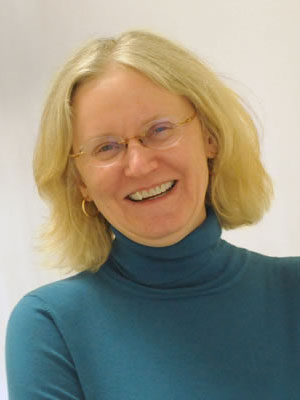
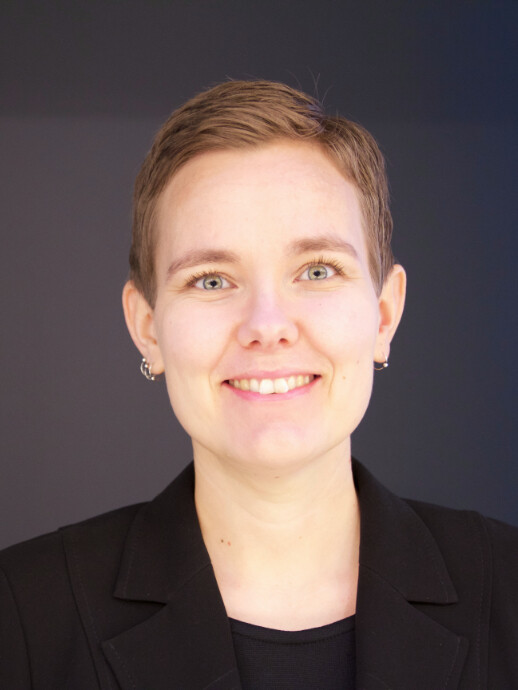
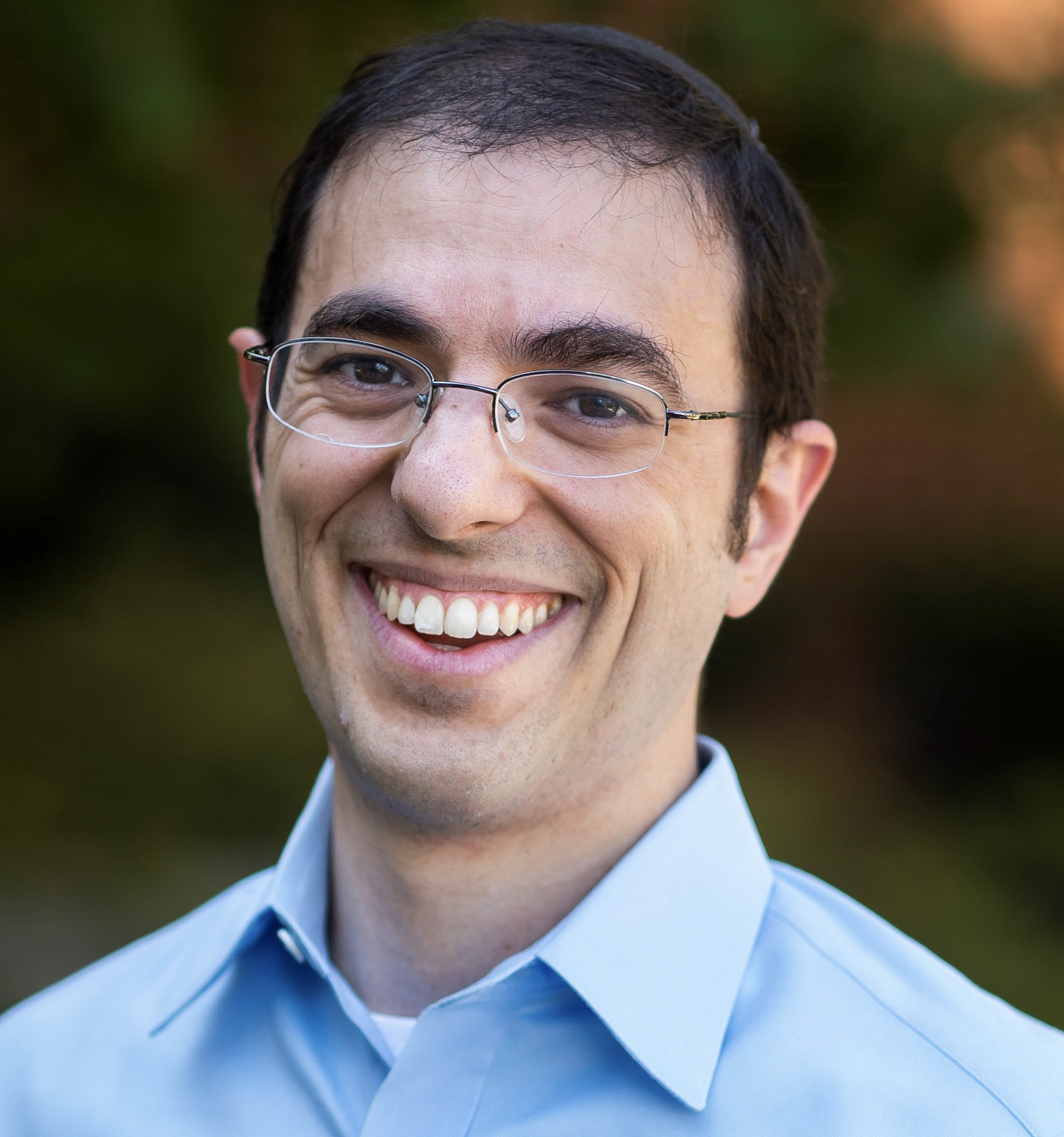
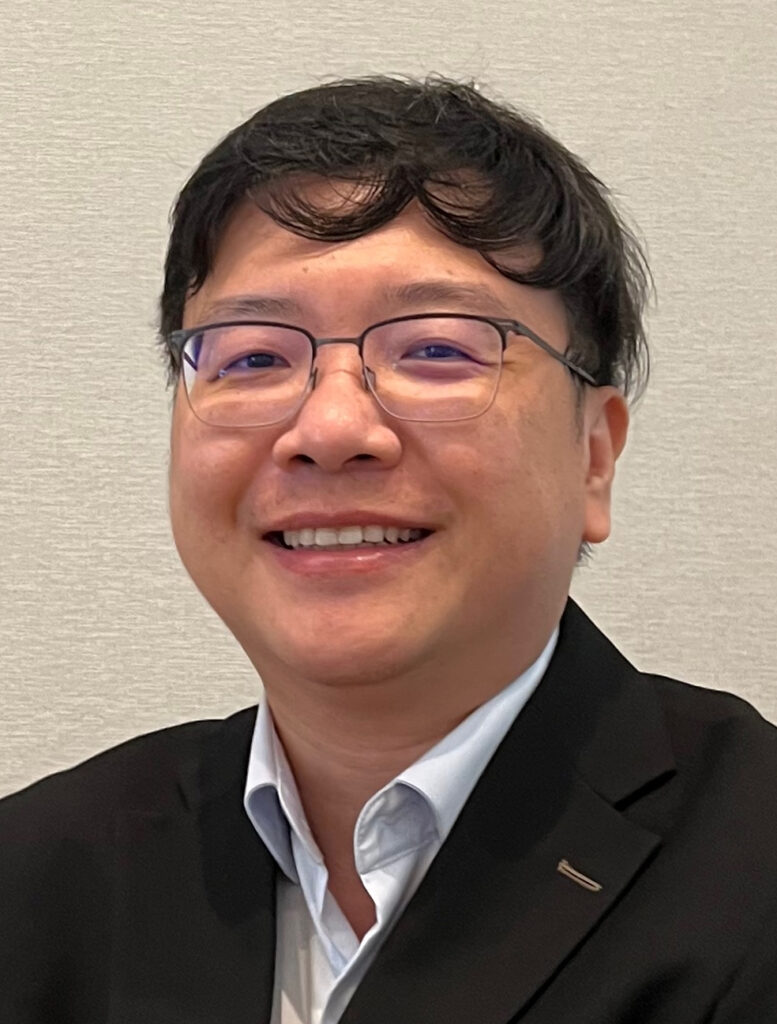
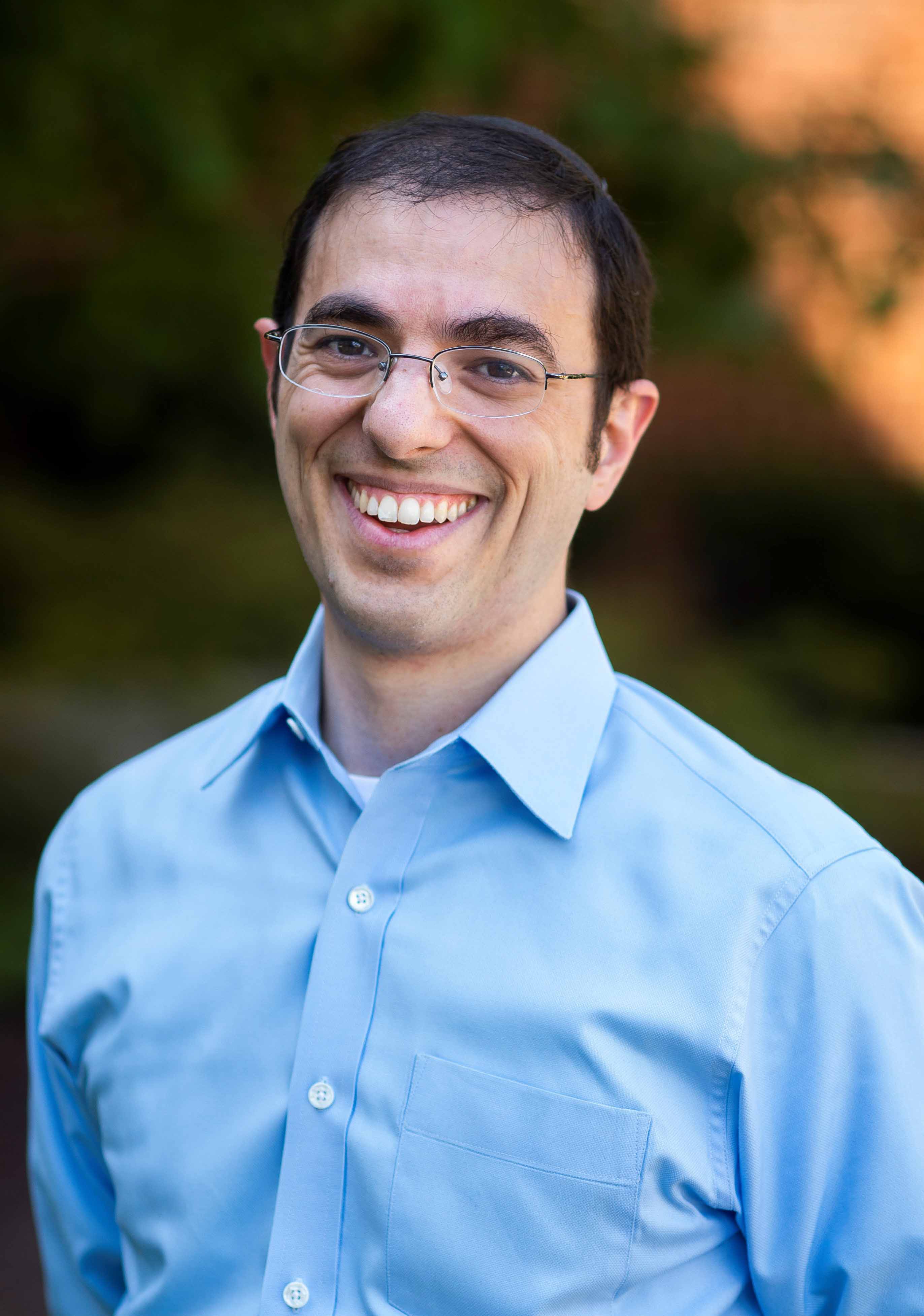
Christoph Koch is a Full Professor in the School of Computer and Communication Sciences at EPFL (Ecole Polytechnique Federale de Lausanne) , Switzerland. He has held academic positions at Cornell University (2007-2010, 2006), Saarland University (2005-2007), and TU Vienna (2001-2005). His research focuses on database systems, logic, programming languages, and data management.
Ana Klimovic is an Assistant Professor at the Department of Computer Science, ETH Zürich, and Deputy Head of the Institute for Computing Platforms. She leads the Efficient Architectures and Systems Lab (EASL) and focuses on optimizing cloud computing performance and resource efficiency. Education: Ph.D. in Electrical Engineering (Stanford University), M.S. in Electrical Engineering (Stanford), B.A.Sc. in Engineering Science (University of Toronto) Previous Roles: Research Scientist at Google Brain Her research spans cloud computing, operating systems, distributed systems, and their intersection with machine learning. Key areas include cloud-native programming models, elastic storage, GPU sharing, and data pipeline optimization. The 2025-2024 articles highlight trends in serverless computing, large language model (LLM) serving, GPU optimization, and data-centric ML systems. Themes include elasticity, resource multiplexing, heterogeneous computing, and infrastructure for AI/ML workloads. Scientific Awards: Microsoft Research PhD Fellowship, Stanford Graduate Fellowship She has led research projects on ephemeral storage, distributed training automation, and cost-efficient ML preprocessing, with grants from Microsoft Research and Stanford.
Jeff Alstott is a Professor of Policy Analysis at the RAND School of Public Policy, serving as the Director of RAND's Center for Technology and Security Policy (TASP) . He holds a concurrent role as a Senior Information Scientist at RAND and directs a program on technology forecasting and improving R&D investment returns at the National Science Foundation. Previously, he held leadership roles in the U.S. government, including the White House as Director for Technology and National Security at the National Security Council and Assistant Director for Technology Competition and Risks at the Office of Science and Technology Policy. Prior to that, he was a program manager at IARPA, focusing on AI, biosecurity, and science forecasting, and has held academic and research positions at MIT, Singapore University of Technology and Design, the World Bank, and the University of Chicago. Education : Doctorate in complex networks from the University of Cambridge; MBA and bachelor's degrees from Indiana University. Alstott's research spans artificial intelligence , technology forecasting , complex networks , and science and technology policy . His recent publications focus on AI security , existential risk from advanced technologies , and collaborative frameworks for AI safety , reflecting his expertise in balancing technological innovation with national and global security. He has contributed to understanding AI model weight protection , cybersecurity challenges , and policy implications of emerging technologies . Alstott has received recognition for his work, including being part of an award-winning team on technology counterintelligence . His policy recommendations and technical research have informed federal strategies for responding to advanced technologies , emphasizing the need for proactive governance and cross-sector collaboration.
Sujaya Maiyya is an Assistant Professor at the Cheriton School of Computer Science, University of Waterloo. Prior to this, she completed a postdoc at Cornell University and earned her PhD from the University of California, Santa Barbara. Her research focuses on distributed systems, databases, and privacy/security, particularly in designing secure and efficient data management systems. She leads projects on oblivious databases, trusted execution environments (TEEs), and scalable privacy-preserving systems. Education: PhD in Computer Science, University of California, Santa Barbara (2018) MSc in Computer Science, University of California, Santa Barbara (2017) BE in Information Science, PESIT Bangalore (2014) Research Interests: Distributed systems, database privacy, oblivious datastores, genomics data security, and secure computation using TEEs. Her work emphasizes practical solutions for privacy-preserving storage and query processing, including tunable-privacy mechanisms and fault-tolerant ORAM systems. Awards and Grants: CFI/ORF Infrastructure Grant (2024-2029) NCC Research Awards (2024-2028) NSERC Discovery Grant (2023-2027) MIT EECS Rising Stars (2021) Teaching: Courses include CS348 (Introduction to Databases) and CS848 (Privacy Enhancing Data Systems). She emphasizes foundational concepts and system internals in database design and secure systems. Professional Service: Chair of Ontario Database Day (2024), PC member for SIGMOD, EDBT, VLDB, and ICDE. Frequent reviewer for journals like TKDE and DKE.
Pasquale Bottalico serves as Associate Professor in the Department of Speech and Hearing Science at the University of Illinois, with dual appointments as Associate Professor at the Center for Latin American and Caribbean Studies and Affiliate Faculty in the School of Music. His unique interdisciplinary profile bridges engineering, music performance, and speech science, reflecting his dual academic training and professional artistry. His educational foundation includes: Bachelor's in Telecommunications Engineering from Univeristà Mediterranea di Reggio Calabria, Italy Concurrent Opera Singing degree from F. Cilea Music Academy, Reggio Calabria Master's in Telecommunications Engineering from Politecnico di Torino, Italy Ph.D. in Metrology specializing in acoustics measurement uncertainty and classroom acoustics Dr. Bottalico's research centers on vocal load quantification and professional voice techniques , with significant contributions to understanding vocal fatigue in teachers and singers. His work spans Speech Intelligibility in educational environments, Room Acoustics for performance and learning spaces, and Musical Acoustics of historical vocal styles. A distinctive thread throughout his research examines how acoustic conditions modulate voice production and perception, increasingly incorporating virtual reality and bone conduction technologies for innovative assessment and intervention approaches. His Colombian vocal health study demonstrates cross-cultural applications of his work. Analysis of his 2023-2025 publications reveals three dominant research trajectories: (1) The impact of noise and dysphonia on children's speech processing in educational settings, using multimodal assessment including EEG; (2) Virtual reality applications for voice production research and therapeutic intervention; (3) Cross-cultural validation of vocal fatigue metrics and development of biofeedback systems. His work consistently bridges engineering precision with clinical applicability, particularly for professional voice users in challenging acoustic environments. No scientific awards were documented in the available information. While specific advising relationships aren't detailed, his research collaborations span international institutions including Colombian and Italian universities, suggesting graduate mentorship in interdisciplinary projects. No grant information was provided, though his systematic reviews and cross-cultural studies imply externally funded research activities. Though no dedicated laboratory is specified, his virtual reality voice studies and acoustic parameter assessments suggest affiliations with audio engineering facilities and voice clinics, likely through the Speech and Hearing Science department's research infrastructure.
Nasir Memon is a Professor of Computer Science and Engineering at the New York University Tandon School of Engineering and concurrently serves as the Dean of Engineering at NYU Shanghai. He has been a faculty member at NYU Tandon since September 1998. Memon is a co-founder of NYU's Center for Cyber Security (CCS) and NYU Abu Dhabi, and the founder of key initiatives such as the OSIRIS Lab, CyberSecurity Awareness Week (CSAW), the NYU Tandon Bridge program, and the Cyber Fellows program. His work focuses on advancing cybersecurity education and addressing systemic biases in AI-driven systems. Education: Ph.D., Computer Science, University of Nebraska Master of Science, Mathematics, Birla Institute of Technology and Science (BITS), Pilani Bachelor of Engineering, Chemical Engineering, BITS, Pilani Research Interests: Media Forensics and Authentication Biometric Security and Privacy Data Compression and Privacy-Preserving Techniques Network Security and Incident Response AI Ethics and Fairness in Machine Learning Cybersecurity Education and Workforce Development Awards and Honors: IEEE Fellow (2010) SPIE Fellow (2014) Jacobs Excellence in Education Award (2002) NSF CAREER Award (1997) Advising and Grants: Advises Ph.D. students like Anubhav Jain and Govind Mittal, and mentors Master’s students such as Rishit Dholakia. Recipient of NSF grants and funding from NYU Abu Dhabi and Indiana University Bloomington for projects like computational tools for fact-checking and AI-driven bias mitigation. Labs and Teams: Directs the OSIRIS Lab, a leading research group in cybersecurity and AI. Leads initiatives at the NYU Center for Cybersecurity (CCS) and collaborates with NYU Abu Dhabi’s Center for Cyber Security.
Gail E. Kaiser is a Professor of Computer Science and the Director of the Programming Systems Laboratory (PSL) in the Computer Science Department at Columbia University. She has been with Columbia University since 1985, becoming a full Professor in 1998. Prof. Kaiser's research spans software engineering, program analysis, software testing, and software security, with recent focus on addressing challenges in AI/ML systems testing and security. Prof. Kaiser received her PhD in Computer Science from Carnegie Mellon University in 1985 and her ScB in Computer Science and Engineering from MIT in 1979. Her dissertation at CMU was titled "Semantics for Structure Editing Environments" under advisor Nico Habermann, and at MIT she completed "Automatic Extension of an Augmented Transition Network Grammar for Morse Code Conversations" under advisor Al Vezza. Prof. Kaiser's research interests primarily focus on software engineering following a systems building approach, with recent emphasis on static and dynamic program analysis techniques to improve software reliability and security. Since 2005, she has investigated testing "non-testable" programs, particularly in machine learning, data mining, and scientific computing applications where traditional testing oracles are insufficient. She has developed novel techniques and tools for detecting bugs and verifying repairs in complex systems. Concurrently, she has worked on collaboration environments for computational scientists, creating knowledge sharing and domain-aware environments to support scientific workflows. Prof. Kaiser's recent publications demonstrate a strong focus on the intersection of software engineering and artificial intelligence. Her work addresses critical challenges in testing AI systems, code understanding through deep learning, vulnerability detection, and educational tools for computational thinking. There's a clear evolution from traditional software engineering topics toward AI/ML applications, with particular emphasis on metamorphic testing for non-testable systems, code similarity analysis, and educational applications. Prof. Kaiser has received numerous prestigious awards throughout her career: Distinguished Journal Award (10 Years) from 18th IEEE International Conference on Software Testing, Verification and Validation (ICST), April 2025 Best Research Paper Award at 24th IEEE International Conference on Source Code Analysis & Manipulation (SCAM), October 2024 Distinguished Reviewer Awards for ASE 2024 and FSE 2024 ACM SIGSOFT Distinguished Paper Award for "CONCORD: Clone-aware Contrastive Learning for Source Code", July 2023 Best Student Paper Award at ICCE 2021 Multiple ACM SIGSOFT Distinguished Paper Awards dating back to 2014 Presidential Young Investigator in Software Engineering and Software Systems from NSF (1988-1993) Prof. Kaiser has chaired Columbia's doctoral program since 1997 and served on editorial boards including IEEE Internet Computing and as a founding associate editor of ACM Transactions on Software Engineering and Methodology. Her lab has been continuously funded by major agencies including NSF, NIH, DARPA, ONR, NASA, and numerous companies. Current grants include significant NSF funding for secure containers architecture, learning semantics of code for software assurance, and finding semantic security bugs. As Director of the Programming Systems Laboratory (PSL), Prof. Kaiser leads research in software systems, program analysis, and software testing. The lab has developed numerous tools and techniques for software reliability and security, with recent focus on challenges in AI/ML systems. Her work bridges theoretical foundations with practical applications, often resulting in deployable tools that address real-world software engineering challenges.
Laura Elo serves as Professor of Computational Medicine and Head of the Medical Bioinformatics Centre at the University of Turku, Finland. She concurrently holds the position of Research Director at Turku Bioscience Centre and acts as InFLAMES Flagship Contact, driving interdisciplinary biomedical research initiatives. Her academic foundation includes a PhD in Applied Mathematics (2007) and Adjunct Professorship in Biomathematics (2011), establishing her quantitative expertise before transitioning into biomedical applications. Her research program focuses on transforming molecular and clinical datasets through statistical modeling and advanced machine learning . Key thrusts include robust computational tools for proteome/epigenome analysis, AI-driven digital health diagnostics, and computational systems immunology for immune-mediated diseases. This work directly addresses challenges in reproducibility and scalability of high-throughput biotechnology data. Analysis of her recent publications reveals dominant themes in type 1 diabetes biomarker discovery , multi-omics integration , and immune system modeling , with strong emphasis on clinical translation through collaborations with experimental and medical teams. Her scientific recognition includes: JDRF Career Development Award Professor Elo actively trains MSc/PhD students and postdoctoral fellows while leading major research initiatives including ERC grants. Her teaching portfolio spans Bioinformatics Journal Club, AI in Diagnostics, and Systems Biology courses. The Elo Lab (https://elolab.utu.fi) operates as a hub for computational biomedicine, developing open-source tools like CellRomeR while maintaining close ties with Turku Bioscience Centre's experimental facilities for validating computational predictions in immunology and metabolic disease contexts.
Andy Pavlo is an Associate Professor with Indefinite Tenure in the Computer Science Department at Carnegie Mellon University's School of Computer Science. He is an active member of the CMU Database Group and the Parallel Data Laboratory, where he leads research in database management systems with a focus on self-driving architectures, transaction processing, and large-scale analytics. His work bridges academic research and industry applications through projects like NoisePage, OtterTune (which he co-founded and served as CEO before it ceased operations), and Peloton. Dr. Pavlo's research interests span database management systems with particular emphasis on autonomous database architectures that can self-tune and optimize without human intervention. His work explores transaction processing systems that can handle high-throughput workloads while maintaining consistency, and large-scale data analytics techniques that efficiently process massive datasets. He has made significant contributions to query optimization, database extensibility, and automatic database tuning using machine learning techniques. His recent work on database extensibility revealed critical issues in PostgreSQL's extension ecosystem, showing that approximately 16% of extensions are incompatible with at least one other extension due to API violations and memory errors. His research output demonstrates a consistent focus on practical database systems challenges, with recent publications examining database extensibility, user-defined function optimization, and the cyclical nature of database research. The articles show a strong trend toward making database systems more autonomous, with increasing integration of machine learning techniques for automatic tuning and optimization. His work often combines deep theoretical analysis with practical implementation in open-source systems. Dijkstra Award 2024 for contributions to database systems research Dr. Pavlo actively mentors graduate students, with current advisees including Wan Shen Lim, William Zhang, and Sam Arch (co-advised with Todd Mowry). His former students have gone on to successful careers in both industry and academia. He has secured significant research funding through CMU's affiliate program with major database companies including ClickHouse, DataStax, dbt, Firebolt, MotherDuck, RelationalAI, SingleStore, Spiral, PingCAP/TiDB, Yellowbrick, and Yugabyte. His research is supported by these industry partnerships and likely includes NSF funding given his active participation in the database research community. At CMU, Dr. Pavlo leads the Database Group and organizes several seminar series including "SQL or Death," "Database Building Blocks," and "ML⇄DB Technical Talks." These seminars bring together researchers and practitioners to discuss cutting-edge developments in database systems. He also runs a summer research internship program that has attracted students for multiple consecutive years, indicating a strong research group with ongoing projects and funding.
Daniel Abadi is the Darnell-Kanal Professor of Computer Science at the University of Maryland, College Park, with an appointment in the University of Maryland Institute for Advanced Computer Studies. He leads the Data Systems Lab at Maryland (DSLAM) and has made significant contributions to database system architecture and implementation, particularly in scalable and distributed systems. Prof. Abadi's research focuses on database system architecture, especially at the intersection with scalable and distributed systems. He is best-known for the development of the storage and query execution engines of the C-Store (column-oriented database) prototype, which was commercialized by Vertica and eventually acquired by Hewlett-Packard, and for his HadoopDB research on fault tolerant scalable analytical database systems which was commercialized by Hadapt and acquired by Teradata. His current work includes deterministic distributed systems like Calvin and SLOG, which provide strictly serializable, low-latency, geographically replicated database transactions. Analysis of his recent publications reveals a strong focus on modern database challenges including transaction processing, distributed systems architecture, data mesh concepts, schema evolution, and IoT data management. His work consistently addresses the tension between consistency, availability, and performance in distributed database systems, with recent emphasis on moving beyond traditional two-phase commit protocols and exploring novel approaches to data architecture like data mesh. ACM Fellow Sloan Research Fellowship Churchill Scholarship NSF CAREER Award VLDB Best Paper Award Two VLDB Test of Time Awards (for C-Store and HadoopDB) 2008 SIGMOD Jim Gray Doctoral Dissertation Award 2013-2014 Yale Provost's Teaching Prize 2013 VLDB Early Career Researcher Award PhD dissertation advisor for Alexander Thomson and Jose Falerio, whose dissertations won SIGMOD Jim Gray Doctoral Dissertation Awards in 2015 and 2020 respectively Prof. Abadi has advised multiple PhD students, including Alexander Thomson and Jose Falerio, both of whom received the prestigious SIGMOD Jim Gray Doctoral Dissertation Award. His research has been supported by numerous grants including NSF funding for projects like SLOG. He maintains an active presence in the database community through his widely-read blog DBMS Musings and through service on program committees for major conferences including SIGMOD, VLDB, and CIDR. He leads the DSLAM research group at the University of Maryland, which focuses on cutting-edge database system research with strong industry connections and practical impact.
Zhuoyue Zhao is an Assistant Professor in the Department of Computer Science and Engineering at the University at Buffalo, School of Engineering and Applied Sciences. His office is located at 338I Davis Hall, Buffalo, NY 14260, and he can be reached at zzhao35@buffalo.edu or by phone at (716) 645-4735. Dr. Zhao received his PhD in Computer Science from the University of Utah in 2021, where he was advised by Prof. Feifei Li and Prof. Jeff Phillips. Prior to that, he earned his BS in Computer Science from Shanghai Jiao Tong University in 2016, where he was part of the prestigious ACM Class. During his undergraduate studies, he conducted research under Prof. Kenny Zhu and spent Fall 2015 as a research assistant at Hong Kong Polytechnic University supervised by Prof. Eric Lo. Dr. Zhao's research focuses on database management systems, with specific emphasis on traditional and approximate query processing, query optimization, database systems on modern hardware, transaction processing, indexing, and storage. His work bridges theoretical foundations with practical implementations, often resulting in systems that address real-world database challenges. He has made significant contributions to probabilistic query processing, transaction scheduling, and learned indexing techniques. His recent publications demonstrate a clear trajectory toward optimizing database performance in hybrid transactional/analytical processing environments. His research increasingly integrates systems techniques with machine learning approaches, particularly in the area of learned indexes. There's also a strong focus on making database operations more efficient through innovative scheduling mechanisms and query processing techniques that can handle concurrent updates. Google PhD Fellowship (2019-2021) Best Paper Award at SIGMOD 2016 for "Wander Join: Online Aggregation via Random Walks" Best Paper Award at SIGMOD 2025 for "Low-Latency Transaction Scheduling via Userspace Interrupts" Dr. Zhao currently advises several PhD students including Yunnan Yu, Congying Wang, Gaoxiang Liu (co-advised with Prof. Ziming Zhao), and Zhuoran Li. He has successfully guided MS student Nithin Sastry Tellapuri to graduation (Fall 2023), who is now employed at AirPay. His research is supported by significant funding including an NSF CAREER award (#2339596) totaling $599,977 for research on "Speedy and Reliable Approximate Queries in Hybrid Transactional/Analytical Systems" (2024-2029) and an unrestricted Google gift of $30,000 (2021). Dr. Zhao leads the ADBLab research group at UB, where students work on cutting-edge database systems research. His lab focuses on building practical database systems that address real-world challenges in query processing, transaction management, and indexing. The lab maintains strong connections with industry partners and regularly contributes to open-source database projects.
Dr. ONG Ghim Ping Raymond is an Associate Professor and Deputy Head (Research) at the Department of Civil and Environmental Engineering, National University of Singapore (NUS). He concurrently serves as Director (Operations) at the Coastal Protection and Flood Resilience Institute (CFI) Singapore. His expertise spans sustainable pavements, multimodal transport infrastructure, and urban mobility systems. Dr. Ong holds a B.Eng (Civil) with First Class Honours and a PhD from NUS, followed by postdoctoral research at Purdue University. He has authored/co-authored over 85 peer-reviewed journal articles and 120 conference papers. His research focuses on circular economy applications in infrastructure, car-lite urban design, and mega-projects like Tuas Port and Changi Airport expansions. Dr. Ong actively engages in policy advisory roles, serving on international committees for ASCE, ASTM, and EASTS. He has received prestigious awards including the Alfred Noble Prize (ASCE) and Takeuchi Yoshio Award (OCDI). His teaching accolades include multiple NUS Faculty of Engineering commendations. He advises on critical infrastructure projects for agencies like Changi Airport Group and Defence Science and Technology Agency. Dr. Ong frequently contributes to public discourse on transport and urban planning via media interviews and policy consultations.
Alberto Navarro Garcia serves as Full Professor of Financial and Tax Law in the Department of Public Law at the Faculty of Law, University of Girona, while concurrently holding the position of Deputy to the Rector for Electronic Administration and Digital Transformation. He also collaborates as a professor at the Open University of Catalonia (UOC). His academic foundation includes a Doctor of Law from the University of Girona, honored with the Extraordinary Doctorate Award in 2014. Dr. Navarro Garcia's research centers on Tax Law and Financial Law with critical applications in Public Finance, particularly examining fiscal policies for housing rights preservation, tax mechanisms for affordable housing, urban economic promotion area (APEU) financing, municipal finance sustainability, and tax justice frameworks. His work integrates legal theory with actionable policy solutions for contemporary urban fiscal challenges. Research Group on Public Law Analysis: special reference to financial and tax law Consolidated Interuniversity Research Group on Tax Law (IDEF), recognized by Generalitat de Catalunya His scholarly excellence is evidenced by the Extraordinary Doctorate Award (2014) and two six-year research degrees from the Agency for the Quality of the University System of Catalonia (AQU). Dr. Navarro Garcia has supervised two doctoral theses (on taxation of telework and cross-border workers) and over sixty master's theses in public law and tax management. He currently contributes to a Ministry of Science and Innovation-funded project titled "A multidimensional approach to housing: an approach from tax law and public spending" and maintains active collaborations with public administrations through competitive research initiatives.
Daniel Abadi is the Darnell-Kanal Professor of Computer Science at the University of Maryland, College Park. He leads the Data Systems Lab at Maryland (DSLAM) and is widely recognized for his groundbreaking contributions to database system architecture and implementation. Previously, he was a faculty member at Yale University where he received the Provost's Teaching Prize. Abadi's research primarily focuses on database system architecture, particularly at the intersection with scalable and distributed systems. He is best known for developing the storage and query execution engines of the C-Store prototype (a column-oriented database system commercialized by Vertica and later acquired by Hewlett-Packard), HadoopDB research (commercialized by Hadapt and acquired by Teradata), and deterministic distributed transactional systems like Calvin (currently being commercialized by Fauna). His work bridges theoretical innovation with practical industrial impact. Analysis of his recent publications reveals a consistent trajectory toward solving fundamental challenges in distributed database systems. His research has evolved from foundational work on column-stores and hybrid database architectures to cutting-edge innovations in geo-replicated transactions, concurrency control mechanisms, and the integration of machine learning with database systems. The trend shows increasing focus on practical implementations that address real-world scalability and performance challenges in large-scale data processing environments. ACM Fellow Churchill Scholarship recipient NSF CAREER Award winner Sloan Research Fellowship recipient VLDB Best Paper Award winner Two VLDB Test of Time Awards (for C-Store and HadoopDB) 2008 SIGMOD Jim Gray Doctoral Dissertation Award 2013-2014 Yale Provost's Teaching Prize 2013 VLDB Early Career Researcher Award Professor Abadi has successfully mentored several PhD students, most notably Alexander Thomson and Jose Falerio, both of whom won the prestigious SIGMOD Jim Gray Doctoral Dissertation Award for their work under his supervision. His research has been generously supported by multiple NSF grants including BIGDATA awards and other funding mechanisms that have enabled significant advances in database technology. He actively collaborates with industry partners, with several of his research projects leading directly to commercial products. At the University of Maryland, Abadi directs the Data Systems Lab at Maryland (DSLAM), which focuses on developing innovative database technologies that address contemporary challenges in data management. The lab's research spans distributed transaction processing, database architecture, and the integration of database systems with emerging computing paradigms. Notable projects include SLOG (Serializable, Low-latency, Geo-replicated Transactions), which eliminates traditional tradeoffs in distributed database design, and ongoing work in deterministic database systems that provide strong consistency guarantees without sacrificing performance.
Babak Falsafi is a Full Professor at the School of Computer and Communication Sciences (IC) at EPFL, leading the Parallel Systems Architecture Laboratory (PARSA). He is a renowned expert in computer architecture, datacenter systems, and cloud-native server design. His research focuses on post-Moore era computing, emphasizing heterogeneous architectures, energy efficiency, and scalable IT infrastructure. Falsafi is the founder of EcoCloud, an EC-sponsored industrial-academic consortium investigating sustainable information technology. He holds ACM and IEEE fellowships, a Sloan Research Fellowship, and has contributed to major projects like Optimus Prime (data transformation acceleration), AstriFlash (flash-based online service systems), and Midgard (virtual memory re-design). His work spans hardware-software co-design, memory systems, and security. Falsafi advises numerous PhD students and collaborates with industry partners such as Google and Cavium. Key achievements include pioneering scalable multiprocessor architectures, snoop filters in IBM BlueGene, and spatial memory streaming in ARM cores. His lab develops open-source tools like QFlex for server simulation. He frequently presents at top conferences (HPCA, ISCA, MICRO) and chairs workshops on post-Moore infrastructure. Teaching roles include leading courses in computer architecture and parallel systems across multiple EPFL departments (SIN, EDIC, SSC, SMA). His work addresses datacenter challenges like the 'data tax' and mitigating latency through specialized accelerators.