Dieu Tien Bui is a Full Professor in the Department of Business and IT at the University of South-Eastern Norway (USN) School of Business. His research focuses on Geospatial Artificial Intelligence Machine Learning GIS and Remote Sensing Natural Hazard Modeling Environmental Problems (landslides, floods, soil salinity, biomass) . He has contributed to over 15 recent publications in journals like Science of the Total Environment , Remote Sensing , and Geomorphology , emphasizing hybrid AI models for landslide and flood susceptibility. His work spans Vietnam, India, China, and Iran with applications in climate change adaptation and disaster management. Scientific Awards: Global Highly Cited Researcher PhD Supervision: He has supervised 8 PhD students at institutions including USN, NTNU, and Vietnamese universities.
Professor Kenneth Ruud is a leading expert in theoretical and computational chemistry at UiT The Arctic University of Norway. He serves as Director General of the Norwegian Defence Research Establishment and leads the Hylleraas Centre for Quantum Molecular Sciences. His research focuses on relativistic quantum chemistry, developing advanced ab initio methods for molecular property calculations, and integrating QM/MM and continuum solvent models. Education: PhD from University of Oslo (1998, supervised by Trygve Helgaker) Postdoc: University of San Diego with Peter Taylor (1998-2000) His work spans relativistic effects in molecular properties, vibronic coupling, and X-ray spectroscopy. He contributes to software development through programs like Dalton, Dirac, ReSpect, and OpenRSP. Recent publications highlight applications in spin-vibronic dynamics, heavy metal L/M-edge XAS, and topological materials. Key scientific contributions include relativistic DFT for nuclear spin-rotation constants, polarizable embedding models for vibrational spectra, and quantum dynamics frameworks. Awards recognize his impact through the Dirac Medal (2008) and multiple academy memberships. Elected to Norwegian Academy of Science and Letters Fellow of American Association for the Advancement of Science (AAAS) Foreign member of Finnish Academy of Science and Letters He actively participates in open science initiatives and serves on boards including Norges Forskningsråd and CAROS center for subsea robotics. Current projects involve quantum molecular science in extreme environments and computational protocol development.
Kjetil Taskén is a full Professor at the Institute for Clinical Medicine, Faculty of Medicine, University of Oslo , and serves as the Director of the Institute for Cancer Research, Oslo University Hospital . He leads the OUS Center for Precision Medicine in Cancer (SEPREK) since 2021 and has held multiple leadership roles in molecular medicine initiatives, including Director of the Norwegian Centre for Molecular Medicine (NCMM) and co-founder of Bioteknologisenteret. Current affiliations: University of Oslo | Oslo University Hospital Education: Dr.med. (Molecular Cell Biology) | Cand.med. | Research Leadership Course Research interests include immunoregulation in cancer , precision oncology , cellular signal transduction in disease , and drug development targeting immune checkpoints . His work bridges translational immunology and molecular oncology , with a focus on regulatory T cell modulation for cancer therapy. Scientific contributions span high-impact publications on regulatory T cell inhibition , precision medicine implementation , and signal pathway drug targeting . Recent articles highlight collaborations across Europe (PCM4EU, PRIME-ROSE) and Norway (IMPRESS-Norway), with methodological advances in tumor microenvironment modeling and mutation timing analysis . Awards : King Olav V Cancer Research Prize | Anders Jahre Medical Prize | Faculty Medal (UiO) | Norwegian Academy of Science and Letters Leadership : Director of NCMM | Founder of Bioteknologisenteret | Head of multiple national cancer research initiatives Labs and teams include the Cancer Immunology Section at Oslo University Hospital and affiliations with the K. G. Jebsen Center for B-Cell Malignancies , where he co-leads research groups.
Trond Vidar Hansen is a Professor at the Department of Pharmacy, University of Oslo , and leads the LIPCHEM research group . He collaborates with institutions including the University of Bergen and Vestlandets Innovasjonsselskap through the VITADEL project, which recently received NOK 5,000,000 in verification support from the Research Council of Norway. His research focuses on the synthesis and biological evaluation of specialized pro-resolving lipid mediators derived from omega-3 fatty acids, with applications in inflammation resolution, neuroinflammation, and drug development. University : University of Oslo Department : Department of Pharmacy Research Group : LIPCHEM Collaborations : University of Bergen, Vestlandets Innovasjonsselskap Research Interests : H Hansen's work centers on the organic synthesis of bioactive lipid derivatives, particularly pro-resolving mediators from omega-3 polyunsaturated fatty acids. His team investigates their roles in inflammatory disease models , neuroinflammation , and PPAR receptor activation , aiming to develop therapeutic agents for conditions like chronic pain, diabetes, and neurodegenerative disorders. The research integrates stereoselective chemistry , biochemical profiling , and pharmacological evaluation to validate these mediators' clinical potential. Recent Awards : 2025: NOK 2,000,000 verification support from Research Council of Norway 2025: Co-leader of NOK 5,000,000 VITADEL project Publications : His articles (2015–2024) reveal a focus on stereoselective synthesis of resolvins, protectins, and maresins, with applications in anti-inflammatory and neuroprotective therapies . Key subfields include omega-3 metabolite profiling , PPAR agonist design , and biosynthetic pathway elucidation , often utilizing human cell models and mouse disease models . Collaborative projects emphasize commercialization of academic research and translational medicine .
Jianhua Zhang is a Professor of Computer Science and founding deputy head of the AI Lab at the Department of Computer Science, OsloMet - Oslo Metropolitan University, Norway. He holds affiliations with the Faculty of Technology, Art and Design. His career includes roles as Scientific Director at Vekia (France), Head of Machine Learning Lab, and Professorships at East China University of Science and Technology and Beijing University of Technology. He has held visiting positions at TU Berlin, TU Dresden, and the University of Catania. Educations: PhD in Electrical Engineering and Information Sciences (Ruhr University Bochum, 2005), Postdoctoral Research at the University of Sheffield (2005-2006). Research focuses on artificial intelligence, computational intelligence, cognitive human-machine systems, neuroergonomics, affective computing, and AI-driven neuroergonomics. Applications span engineering, biomedicine, finance, and business. He has led over 20 large-scale projects and published extensively (4 books, 13 chapters, ~200 papers). Leadership roles include Chair of IFAC Technical Committee on Human-Machine Systems (2017-2023), Vice Chair of IEEE Norway Section, and editorial roles at journals like Frontiers in Neuroscience and Cognitive Neurodynamics . He organized major conferences like IFAC HMS2025 (Beijing) and ICMLT 2024 (Oslo). Awards: Stanford/Elsevier Top 2% Scientists (2023/2024), Senior Research Fellowship (CSC, 2012), Max Planck Fellowship (2011), Shanghai Pujiang Talent (2007), DAAD Scholarship (2002-2004). Grants and advising: PI for 20+ projects, advising PhD students in AI, machine learning, and control systems. Teaching includes courses on computational intelligence, IoT, and fuzzy systems at both undergraduate and graduate levels. Labs/Teams: AI Lab at OsloMet, Machine Learning Lab (Vekia), and collaborations with institutions globally. Current work emphasizes AI ethics, neuroergonomics in smart cities, and adaptive human-machine systems.
Børge Rokseth is an Associate Professor at the Department of Engineering Cybernetics, Norwegian University of Science and Technology (NTNU). His work focuses on maritime systems, autonomous vessel control, and safety verification. He actively supervises Master's students and contributes to research on risk-informed control systems, hybrid power systems, and systems-theoretic process analysis (STPA). Research Interests: Rokseth's research spans autonomous ship systems, dynamic risk assessment, and safety verification. He explores risk-based decision-making for maritime autonomy, hazard identification in hybrid propulsion systems, and control function allocation in dynamic positioning. His work integrates systems theory, machine learning, and regulatory compliance (e.g., COLREGS) to enhance safety and environmental performance in marine operations. Publications: His recent work includes probabilistic trajectory prediction frameworks for autonomous ships, STPA-based safety analyses, and studies on decarbonization barriers in the maritime industry. These publications emphasize risk modeling, systems-theoretic approaches, and simulation-based verification. Teaching: Rokseth teaches courses such as TTK4130 - Modelling and Simulation, contributing to the education of future engineers and researchers in cybernetics and maritime systems.
Filippo Maria Bianchi is an Associate Professor in the Department of Mathematics and Statistics at UiT The Arctic University of Norway, where he conducts research at the intersection of machine learning, dynamical systems, and complex networks. He is also a Senior Researcher at NORCE Norwegian Research Centre and actively contributes to the IEEE Task Force on Learning for Structured Data and the ELLIS Society. Department: Department of Mathematics and Statistics School: Faculty of Science and Technology University: UiT The Arctic University of Norway Adjunct Position: Senior Researcher, NORCE Education: Bachelor’s in Computer Engineering, Sapienza University of Rome Master’s in Artificial Intelligence & Robotics, Sapienza University of Rome (cum laude, 2012) PhD in Machine Learning, Sapienza University of Rome His research focuses on graph machine learning, time series analysis, reservoir computing, and probabilistic forecasting , with applications in energy analytics and remote sensing. He has led and contributed to numerous projects involving Arctic power grids, satellite-based environmental monitoring, and deep learning for sustainability. The recent publications reflect a strong trend in graph neural networks —particularly pooling mechanisms, spatiotemporal modeling, and explainability—alongside applications in energy forecasting, avalanche detection, and remote sensing . His work combines theoretical innovation with real-world impact, especially in Arctic and remote environments. Scientific Affiliations and Leadership: Vice-Chair, IEEE Task Force on Learning for Structured Data Member, ELLIS Society Co-founder, Northernmost Graph Machine Learning group Member, IEEE Task Force on Reservoir Computing Visiting Professor, Politecnico di Milano (2024–2025) He actively mentors students and collaborates on interdisciplinary research. He has led projects in power grid reliability, solar fault detection, and unsupervised change detection in satellite imagery . His work is supported by open-source implementations and reproducible research practices. Laboratories and Research Groups: Northernmost Graph Machine Learning group (co-founder) ARC Research Group, UiT Graph Machine Learning Group, Lugano
Staal A. Vinterbo is a Professor at the Department of Information Security and Communication Technology within the Faculty of Information Technology and Electrical Engineering at the Norwegian University of Science and Technology (NTNU). His research focuses on privacy-preserving technologies, cryptography, and their intersections with machine learning, bioinformatics, and medical informatics. He has contributed to advancements in differential privacy, data anonymization, and secure computational methods.
Behzad Alaei serves as an Associate Professor in the Section for Study of Sedimentary Basins within the Department of Geosciences at the University of Oslo's Faculty of Mathematics and Natural Sciences. His office is located in room K38 of the Geology Building at Sem Sælands vei 1, 0371 Oslo, with a professional email contact at behzad.alaei@geo.uio.no. Dr. Alaei maintains an active research profile with publications spanning from 2005 to the present, demonstrating his ongoing contributions to geological sciences. Dr. Alaei's research spans multiple critical areas within structural geology and sedimentary basin analysis, with particular expertise in fault zone architecture, seismic interpretation techniques, and CO2 storage site assessment. His work bridges theoretical geological concepts with practical applications in petroleum geology and carbon sequestration. A significant portion of his research focuses on the Norwegian Barents Sea region, where he has conducted extensive studies on normal fault systems and their geometric characteristics. His recent work increasingly integrates machine learning and deep learning approaches with traditional geological analysis, reflecting the evolving nature of geoscience research methodology. The analysis of Dr. Alaei's publication record from 2018-2024 reveals a strong thematic continuity in fault characterization research, with progressive incorporation of advanced computational methods. Early publications focused primarily on traditional structural analysis of fault systems in sedimentary basins, while more recent work demonstrates increasing integration of machine learning techniques for fault detection and characterization. A notable trend is the application of these geological insights to practical challenges in carbon capture and storage, particularly regarding fault risk assessment for CO2 storage sites in the North Sea region. His collaborative work with Anita Torabi appears consistently throughout this period, suggesting a strong research partnership. Dr. Alaei maintains an active research program with multiple ongoing projects related to sedimentary basin analysis and fault characterization. His work appears to involve significant collaboration with both academic and industry partners, particularly in the context of CO2 storage research. While specific grant details aren't provided in the available information, his consistent publication record across multiple high-impact journals suggests successful funding of his research activities over the past two decades.
Ronny Scherer is Center Director and Professor at CEMO (Center for Educational Measurement) and Deputy Director at CREATE (Center for Research on Equality in Education) at the University of Oslo's Faculty of Educational Sciences. His work bridges educational measurement, assessment, and evaluation with a focus on research syntheses and complex sampling surveys. Dr. Scherer's research spans two interconnected domains: substantive areas including digital divides, equity and equality in education, and measurement of complex cognitive skills (such as complex problem solving, adaptability, computational thinking, and executive functioning); and methodological areas focusing on advanced meta-analytic techniques, multilevel structural equation modeling, and spatial analysis of complex survey data. His work frequently utilizes international large-scale assessment data from PISA, ICILS, TIMSS, PIRLS, PIAAC, and TALIS. His publication record demonstrates a clear trajectory toward increasingly sophisticated meta-analytic approaches, with recent work focusing on second-order meta-analyses, AI-assisted screening methods, and advanced techniques for handling complex survey data. His research consistently addresses critical educational challenges related to equity, digital literacy, and measurement of 21st century skills. Dr. Scherer has secured significant research funding for projects including ARISE (Academic resilience in mathematics and science among vulnerable students), DiDiRes (Digital inequalities in education), and ADAPT21 (Educational assessments of the 21st century: Measuring and understanding students' adaptability in complex problem solving situations). Co-director of CREATE (Centre for Research on Equality in Education) since 2023 Professor of Educational Assessment and Measurement at CEMO since 2019 Extensive experience with international large-scale assessments including ICILS, TALIS, and PIAAC As an educator, Dr. Scherer teaches advanced courses in measurement models, multilevel models, meta-analysis, and equity in education. He actively supervises graduate students interested in his research areas and has developed numerous workshops on structural equation modeling and meta-analytic methods for international audiences.
Unni Olsbye is a Professor in the Department of Chemistry at the University of Oslo, Faculty of Mathematics and Natural Sciences. Her research focuses on catalytic processes in micro- and nanoporous materials, with particular emphasis on structure-composition-function correlations in catalytic reactions and mechanistic studies of product formation. She is affiliated with several research groups including the Catalysis Section, SMN (Center for Materials Science and Nanotechnology), ProfMOF A/S, and iCSI (industrial Catalysis, Science and Technology). Professor Olsbye's research interests center on heterogeneous catalysis, particularly examining how the chemical composition of catalytic sites, their immediate environment, and steric factors influence reaction rates and selectivity in porous materials. Her work spans zeolites, zeotypes, and metal-organic frameworks (MOFs) for applications in CO 2 conversion, methane activation, methanol-to-hydrocarbons processes, and light alkane dehydrogenation. She investigates confinement effects in micro- and nanoporous materials, with processes studied including C-H activation, C-O activation, methane partial oxidation to methanol and syngas, methyl halide conversion, and ethene oxychlorination. Analysis of her recent publications reveals a strong focus on energy-related catalysis for sustainability, particularly CO 2 conversion to fuels and chemicals, methane activation to methanol, and olefin production. Her work frequently employs copper-based catalysts in zeolites and MOFs, with increasing attention to bio-inspired catalytic systems. The research combines experimental approaches with advanced characterization techniques to understand reaction mechanisms at the molecular level. Professor Olsbye leads or participates in several significant research projects including BIZEOLCAT (bifunctional catalysts for alkane activation), CCU-NET (Nordic mobility network), CO 2 LO (CO 2 hydrogenation, TRL1-3), COZMOS (CO 2 hydrogenation, TRL3-5), CUBE (C-H activation, ERC Synergy), and ProfMOF (MOF scale-up and testing). These projects address critical challenges in catalysis for sustainable energy and chemical production. Her laboratory work focuses on advanced characterization of catalytic materials, particularly using in situ and operando techniques to monitor reactions as they occur. The research group collaborates extensively with experts in organic and inorganic synthesis, advanced spectroscopy, and theoretical calculations to develop a comprehensive understanding of catalytic processes in confined environments.
Bettina Sandgathe Husebø is a Professor and Head of the Center for Geriatric and Nursing Home Medicine at the Department of Global Health and Community Medicine, Faculty of Medicine, University of Bergen (UiB). She also serves as Innovation Manager at IGS, UiB since 2019. Her extensive career spans clinical practice, research, and leadership roles in geriatric and palliative care. Dr. Husebø completed her medical education at the University of Bonn, Germany in 1988, followed by specialization in Anaesthesiology and Intensive Care in 1995. Her Norwegian qualifications include Medical Specialization in Palliative Medicine (2012) and Nursing Home Medicine (2014) from UiB, along with a PhD from the Faculty of Medicine Dentistry at UiB in 2008. She further enhanced her expertise with a Postgraduate Safety, Quality, Informatics and Leadership (SQIL) Program from Harvard University in 2021. Her research focuses on critical geriatric issues including pain assessment and management in dementia patients, behavioral disturbances in dementia, palliative care in nursing homes, and digital phenotyping applications for elderly care. She has pioneered work on the relationship between pain, agitation, and neuropsychiatric symptoms in dementia patients, particularly through the COSMOS trial and LIVE@Home.Path study. Her recent publications (2023-2025) demonstrate a strong emphasis on digital health solutions for dementia care, with particular focus on activity monitoring, pain assessment through technology, and community-based interventions for aging populations. Her work bridges clinical geriatrics, technology innovation, and patient-centered care models. Among her notable recognitions are the National Dementia Award by His Majesty King Harald of Norway (2022) and multiple awards for research excellence in pain management and palliative care. Her work has significantly influenced Norwegian healthcare policy regarding dementia care and end-of-life practices. As an educator, she lectures in English, German, and Norwegian on dementia, pain in dementia, innovation technologies for older adults, symptom management at end-of-life, systematic medication review, and advance care planning. She has received teaching awards including 'Teacher of the Year' from the Faculty of Medicine and Dentistry at UiB. Dr. Husebø leads the Center for Geriatric and Nursing Home Medicine (SEFAS) and has been instrumental in establishing Norway's first palliative care ward in a nursing home. Her research group focuses on translating evidence into practice to improve quality of life for elderly patients, particularly those with dementia.
Roger Flage is a Professor of Risk Management at the University of Stavanger, affiliated with the Faculty of Science and Technology and the Department of Security, Economics and Planning. His research focuses on foundational and applied aspects of risk analysis, uncertainty quantification, and decision-making under uncertainty, with applications in critical infrastructure, environmental systems, and offshore energy. Roger Flage's research interests lie at the intersection of risk science, safety engineering, and decision theory. He investigates how uncertainty—especially epistemic uncertainty and assumptions—affects risk assessments, and advocates for more transparent and robust frameworks. His work spans theoretical advances, such as the treatment of 'black swan' events and the concept of 'real risk', as well as practical applications in offshore safety, power systems, and geohazards. He emphasizes the integration of data-driven methods, AI, and digital twins while critically assessing their limitations and associated security risks. His recent publications show a strong trend toward integrating dynamic, data-rich, and interdisciplinary approaches to risk analysis. Themes include the role of time in risk, AI applications, infrastructure interdependencies, and environmental risk in the oil and gas sector. He frequently publishes in top-tier journals like Risk Analysis , Reliability Engineering & System Safety , and Safety Science , often in collaboration with leading scholars such as Terje Aven and Seth Guikema. No scientific awards are mentioned in the provided text. Roger Flage has supervised or collaborated with several researchers, though no formal list of advisees is provided. His work is supported through academic collaborations and institutional affiliations rather than explicit grant mentions. He is actively involved in advancing risk science methodology, particularly in the treatment of assumptions and uncertainty, and contributes to both theoretical foundations and real-world applications in safety-critical domains. He is associated with research groups and collaborative networks at the University of Stavanger, particularly within the Department of Security, Economics and Planning. His work often involves interdisciplinary teams focusing on risk in complex engineered systems, including energy, transportation, and environmental systems.
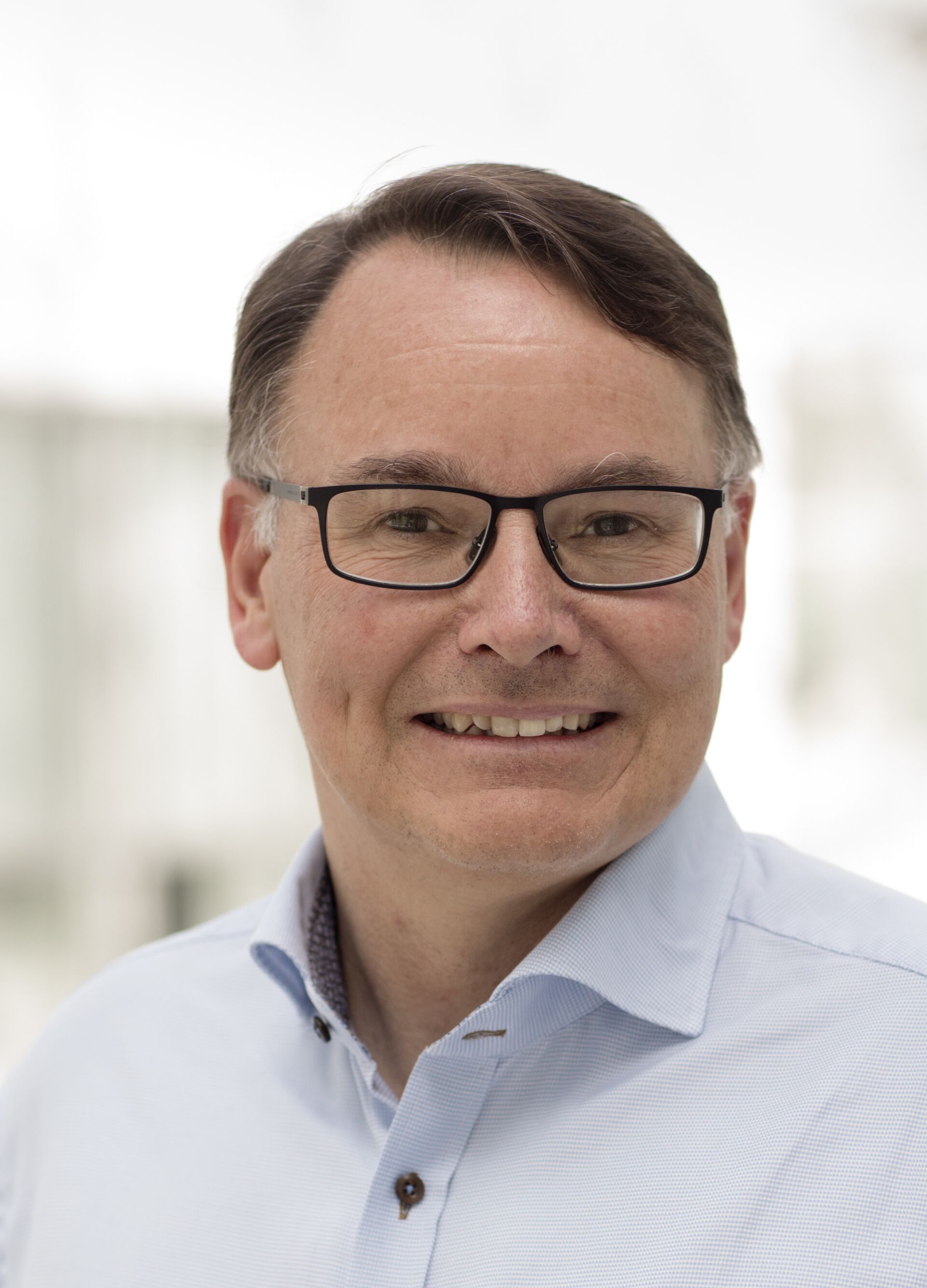
Trym Vegard Haavardsholm is a 20% part-time Lecturer at the University of Oslo (UiO) within the Section for Autonomous Systems and Sensor Technologies. He also serves as Principal Scientist at the Norwegian Defence Research Establishment (FFI) and is a PhD candidate at the Department of Engineering Cybernetics, NTNU. His research focuses on computer vision, machine learning, robotics, and image analysis, with a particular emphasis on multispectral imaging systems and unmanned aerial vehicles (UAVs). Haavardsholm has contributed to advancements in sensor technologies for tactical reconnaissance, autonomous navigation, and real-time data processing. His work spans applications in defense, environmental monitoring, and emergency response systems. Research Interests Haavardsholm’s research integrates interdisciplinary approaches to develop innovative sensor systems and algorithms. Key areas include compact multispectral imaging for small UAVs, in-operation camera calibration, and anomaly detection in hyperspectral data. His contributions emphasize practical applications such as urban feature classification, collaborative indoor navigation, and bioaerosol detection. His work bridges theoretical computer science with applied engineering, addressing challenges in autonomous systems and sensor fusion. Publications His publications highlight trends in multispectral sensor design, UAV imaging, and real-time georeferencing. Recent work includes compact sensor systems for tactical use and advancements in pushbroom image rectification. Earlier research explored band selection algorithms for target detection and GPU-accelerated anomaly detection. Professional Roles As a lecturer, Haavardsholm contributes to academic supervision and teaching in autonomous systems. His dual role at FFI and UiO reflects his commitment to translating academic research into practical defense and civilian applications. His PhD candidacy at NTNU underscores his ongoing academic engagement in engineering cybernetics.
Bjørn Olav Åsvold, MD, PhD, is a Professor of Medicine (Epidemiology) and Center leader at the HUNT Centre for Molecular and Clinical Epidemiology (HUNT MCE), Department of Public Health and Nursing, Norwegian University of Science and Technology (NTNU). He also serves as a Consultant at the Department of Endocrinology, St. Olavs Hospital, Trondheim University Hospital. His research spans epidemiology, genetics, and clinical medicine. MD, Norwegian University of Science and Technology, 2001 PhD, Norwegian University of Science and Technology, 2008 Specialist in internal medicine, 2014 Specialist in endocrinology, 2015 Åsvold's research focuses on thyroid dysfunction and diabetes , investigating their interplay with cardiometabolic diseases and pregnancy complications . He utilizes Mendelian randomization studies to explore causal relationships between genetic factors and health outcomes, including sleep traits , autoimmune thyroid disease , and kidney function . His work also addresses global health issues like obesity in Nepal and diabetic complications in Norway. Recent publications highlight his contributions to understanding hip fracture risk prediction , cardiovascular implications of sleep patterns , and genetic determinants of trace elements . Åsvold's collaborations span multiple international institutions, including the HUNT Study and HUNT MCE in Norway.






/trymh/trym.jpg)