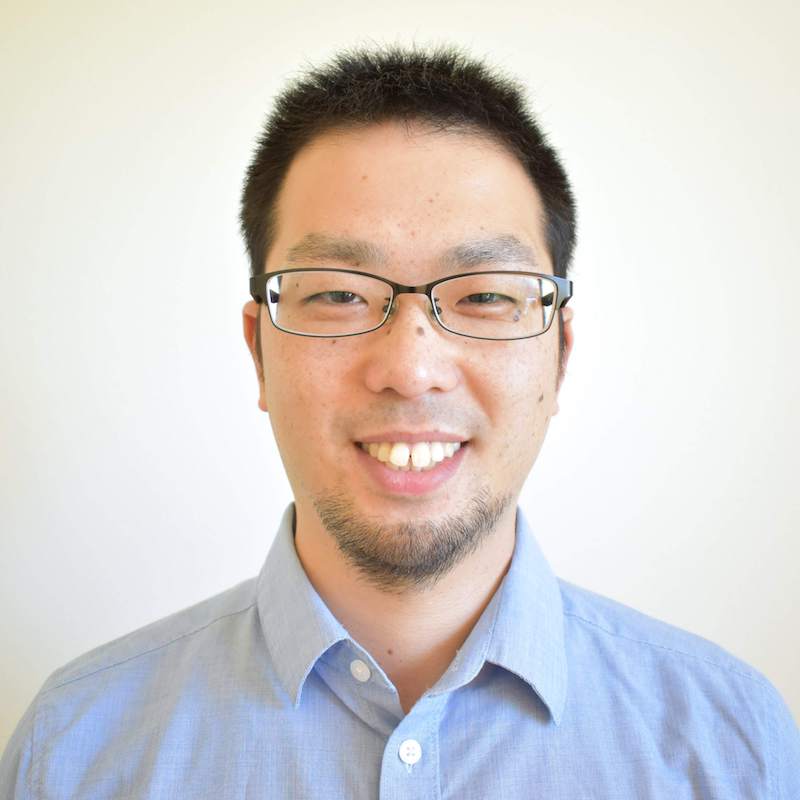
Genya Ishigaki is an Assistant Professor in the Department of Computer Science at San José State University's College of Science. His research focuses on network slicing, combinatorial optimization, and reinforcement learning, addressing resource allocation challenges in next-generation telecommunications networks. Ph.D. in Computer Science, The University of Texas at Dallas, 2021 M.S. in Computer Science, The University of Texas at Dallas, 2021 M.S. in Engineering, Soka University, Japan, 2016 B.S. in Engineering, Soka University, Japan, 2014 Dr. Ishigaki's work explores adaptive network control through machine learning and combinatorial optimization, including elastic network slices , explainable AI , and federated learning . His research addresses critical tradeoffs in resource utilization versus capacity reservation for future demands. Recent publications demonstrate his focus on network automation (2025), information diffusion (2025), federated learning platforms (2024), and DDoS attack detection (2024). Articles span network security , AI-driven optimization , and social network dynamics . NSF Student Travel Grant (2019) Shigeta Education Foundation Ph.D. Scholarship (2019-2021) Outstanding TA Award (2019) JASSO Ph.D. Scholarship (2016-2019) NEC C&C Foundation Travel Grant (2015) He leads the Interconnect Lab, which investigates accountability in autonomous network operations and edge computing-oriented federated learning. His grants include SJSU's RSCA Seed Grant (2022-2023) and University Grant Academy Award (2022).
Ahmed Saeed is an Assistant Professor in the School of Computer Science at Georgia Institute of Technology, specializing in scalable computer networks and systems. His research spans congestion control, operating systems, LEO satellite networks, and formal methods, with a strong record of publications and active mentorship. Education: PhD in Computer Science, Georgia Institute of Technology (2019) Bachelor's in Computer and Systems Engineering, Alexandria University (2010) Postdoctoral Associate, MIT (with Prof. Mohammad Alizadeh) Research Interests: Ahmed's work focuses on the theory, design, and implementation of scalable networked systems. Key themes include: Congestion control algorithms for datacenter and WAN traffic Overload control mechanisms for microsecond-scale RPCs Performance debugging tools for datacenter applications LEO satellite network modeling and policy analysis Formal verification of network protocols and resource schedulers Recent Publications Trend: His 2024-2025 papers emphasize LEO satellite resilience and datacenter performance , with contributions to emergency failover modeling, latency debugging tools, and congestion control protocols. These works combine empirical measurement, formal modeling, and policy recommendations. Awards & Funding: NSF CAREER Award (2024) – LEO satellite variability ($600k) NSF CNS Core Awards (2022) – Edge server stacks & formal verification (total $2.38M) Google Research Award (2022) – Scalable edge systems ($80k) DARPA Risers Top 5 Poster (2022) Spec Tech Award (2023) – Nanomodular electronics routing ($40k) Teaching & Service: He regularly teaches Computer Networking I (CS 3251) and Datacenter Networks & Systems (CS 8803) . Service includes PC roles for SIGCOMM, NSDI, CoNEXT, and Networking area co-chair for JSys. Lab & Students: Ahmed leads an active research group with PhD students Peidi Song, Bhaskar Pardeshi, Sherif Abdelrazek; MS students Dhyey Thummar, Pratyush Sahu, Sammy Kapoor; and undergraduate Demi Lei. Alumni have joined industry leaders like Juniper, Microsoft, and Snowflake.
George M. Church is a Professor of Genetics at Harvard Medical School and affiliated with MIT, where he directs PersonalGenomes.org, providing open-access genomic, environmental and trait data. His laboratory focuses on transformative technologies for reading and writing 3D/4D biological structures with attention to ethics, safety, and equitable access. Church has co-initiated major scientific initiatives including the BRAIN Initiative (2011) and multiple Genome Projects (GP-Read-1984, GP-Write-2016, PGP-2005). Church's research spans multiple cutting-edge domains including genome engineering, synthetic biology, aging reversal, and space genetics. His lab pioneered foundational methods for direct genome sequencing, molecular multiplexing and barcoding in 1984, leading to the first genome sequence in 1994. His innovations contributed to nearly all next-generation DNA sequencing methods and companies. Current research directions include machine learning for protein engineering, tissue reprogramming, organoids, gene therapy, and in situ 3D DNA/RNA/protein imaging. His work bridges fundamental biology with therapeutic applications across diverse fields from Alzheimer's disease to de-extinction biology. Church's recent publications reveal a remarkable breadth of scientific inquiry, spanning from fundamental genome editing techniques to applications in aging research, neuroscience, and space biology. His work increasingly integrates artificial intelligence with biological systems, as seen in papers on machine-guided cell-fate engineering and automation of systematic reviews with large language models. His research maintains a strong translational focus, with numerous papers addressing therapeutic applications in cancer immunotherapy, gene therapy, and diagnostics. The consistent theme across his diverse publications is the development and application of transformative technologies to address fundamental biological questions and medical challenges. National Academy of Sciences (NAS) membership National Academy of Engineering (NAE) membership Franklin Bower Laureate for Achievement in Science Co-initiator of the BRAIN Initiative (2011) Director of multiple NIH Centers for Excellence in Genomic Science (2004-2020) Church directs numerous research centers including the NIH-CEGS, Personal Genome Project (PGP), Lipper Center for Computational Genetics, and Wyss Institute Synthetic Biology center. His laboratory has trained PhD students across multiple Harvard and MIT programs including Biophysics, BBS, Biomedical Informatics, ChemBio, Chemistry, SSQB, MCO, Virology, HST, EE/CS, Physics and Applied Math. His commercial impact is extensive through companies spanning medical diagnostics (Knome/PierianDx, Alacris, Nebula, Veritas) and synthetic biology/therapeutics (AbVitro/Juno, Gen9/enEvolv/Zymergen/Warpdrive/Gingko, Editas, Egenesis). Church also pioneered new privacy, biosafety, ELSI, environmental and biosecurity policies. The Church Lab operates across multiple research domains including molecular multiplexing, next-generation sequencing, nanopore technology, and genome engineering. The lab maintains strong connections with the Personal Genome Project, Wyss Institute, and multiple commercial ventures. Current research directions include the Spatial Atlas of Human Anatomy (SAHA), human skin rejuvenation via mRNA, and space genetics research through the Consortium for Space Genetics and BioAstra. The lab's mission focuses on transformative technologies for reading and writing 3D/4D structures at any scale, inspired by but not limited by biology.
R. Jayakrishnan , a Professor in the Department of Civil and Environmental Engineering at the Samueli School of Engineering , University of California, Irvine, is a leading researcher in transportation systems engineering. Ph.D., University of Texas, Austin, Civil Engineering, 1992 M.S., University of Texas, Austin, Civil Engineering, 1987 B.S., Indian Institute of Technology, Madras, India, 1985 His research focuses on dynamic traffic assignment , urban traffic simulation , and real-time information systems to improve congested traffic corridors. He is developing advanced dynamic simulation-assignment models for urban traffic networks. Recent publications highlight his contributions to: Crowdsourced delivery optimization using decomposition heuristics Eco-driving algorithms with V2I communication Multi-furniture placement applications via augmented reality Subscription mobility services cost-benefit analysis Agent-based lane-changing coordination systems These works demonstrate his interdisciplinary approach combining transportation engineering, optimization algorithms, and emerging technologies like AR and connected vehicles.
Maggie He is an Assistant Professor of Organic Chemistry in the Department of Chemistry & Biochemistry at the University of Arkansas, College of Arts & Sciences. Her research program focuses on the development of functional materials with applications in sensing and adaptive systems. Education: Ph.D. in Chemistry, ETH Zürich M.S. in Chemistry, University of Pennsylvania B.S. in Chemistry, magna cum laude, The City College of New York Her research spans organic synthesis, materials chemistry, and sensor development, with particular expertise in carbon nanomaterials and shapeshifting molecular systems. Current work emphasizes covalent functionalization of carbon nanotubes , bullvalene-based dynamic molecules , and real-time chemical sensors for environmental and medical applications. The group integrates synthetic chemistry with materials characterization to bridge fundamental science and practical devices. Her publication record shows consistent focus on carbon nanomaterial functionalization (35% of recent articles), molecular dynamics in fluxional systems (25%), and sensing applications (40%), with increasing emphasis on radiation detection and bio-inspired sensor designs in the last five years. Scientific Awards: ETH Medal (2015) Swiss National Science Foundation Early Postdoc Mobility Fellowship (2014) Roche Symposium – Leading Chemists (2012) Multiple undergraduate research awards including Merck Index Award and Bristol-Myers Squibb Research Award She teaches graduate courses in organic analysis (CHEM 5753) and experimental methods (CHEM 4723), advising students in synthetic methodology and materials characterization. Her research group maintains collaborations with MIT and ETH Zürich, with funding supporting carbon nanomaterial synthesis and sensor development. The He Group operates specialized facilities for organic synthesis, nanomaterial characterization, and sensor testing, focusing on translating molecular innovations into functional devices for environmental monitoring and healthcare applications.
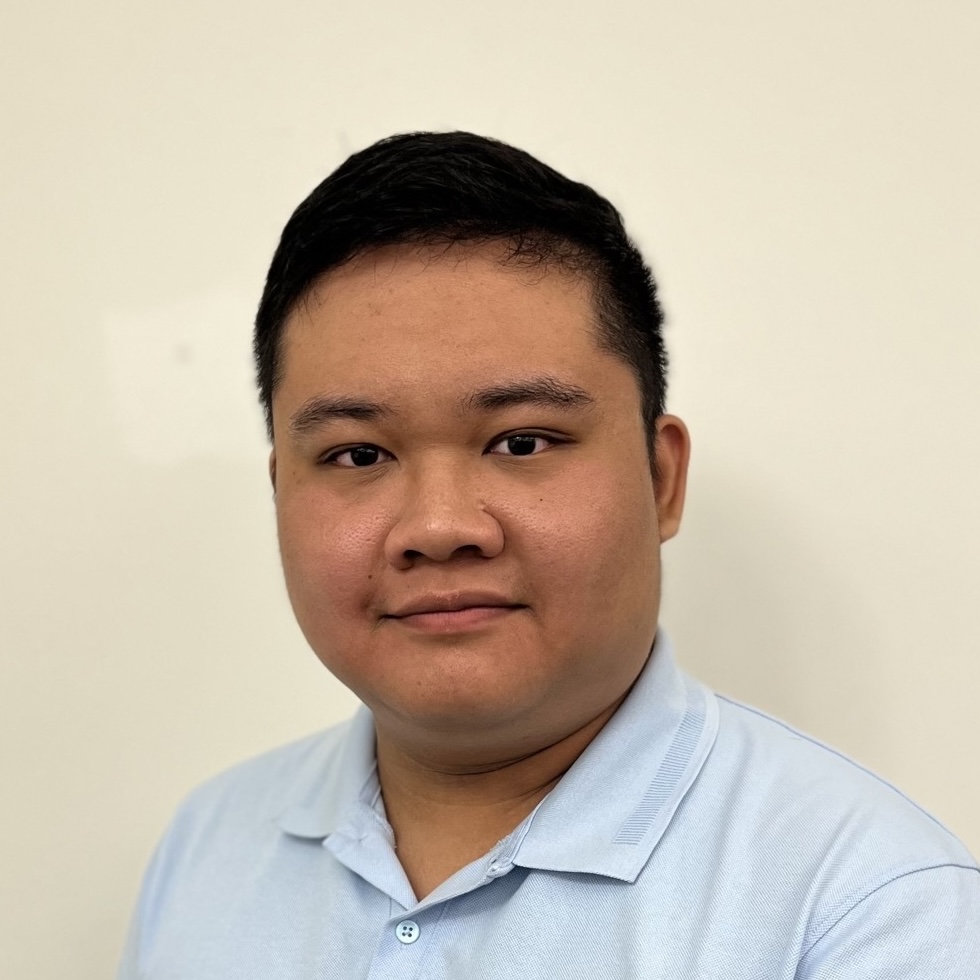
Dr. Muhammad Mustafizur Rahman serves as Dean of the Graduate School of Engineering and Management and Professor of Aerospace Engineering at the Air Force Institute of Technology (AFIT) located at Wright-Patterson Air Force Base, Ohio. He leads AFIT's mission to produce outstanding technical leaders for the Department of Defense through defense-focused research and advanced academic education. His research expertise centers on thermal energy systems with significant contributions to heat transfer analysis, phase change materials, and innovative energy storage solutions. Dr. Rahman's work bridges theoretical thermal dynamics with practical defense applications, particularly in energy efficiency for military infrastructure and renewable energy systems. His research portfolio demonstrates consistent productivity with doctoral students completing dissertations annually from 1999 through 2022. As an academic leader, Dr. Rahman oversees AFIT's engineering and management graduate programs that provide both in-residence and distance learning options with a strong defense-related focus. The Graduate School offers doctoral, master's, and certificate programs across six academic departments serving military and civilian students. Dr. Rahman has mentored twelve PhD students to completion, with recent dissertations focusing on household energy consumption reduction, enhanced hydrogen storage materials, atmospheric fog harvesting technologies, and thermal energy storage optimization. His students' research consistently addresses critical energy challenges relevant to Department of Defense operations and infrastructure.
Purab Sutradhar serves as an Assistant Professor in the Department of Electrical and Computer Engineering at Boise State University, contributing to academic programs and research initiatives within the institution. His educational background includes: PhD in Electrical and Computer Engineering from Rochester Institute of Technology (2024) Dr. Sutradhar's research program centers on innovative heterogeneous computing system design with a specialized focus on Memory-centric architectures. His work targets critical challenges in computational efficiency through low-power, energy-conscious processing solutions for Artificial Intelligence workloads, cryptographic operations, and data-intensive applications, addressing fundamental bottlenecks in modern computing where data movement dominates energy consumption. While specific details about laboratory infrastructure or research team composition are not provided in the source text, his technical focus demonstrates alignment with cutting-edge developments in computer architecture for next-generation computing demands.
Enoch Yeung is an Associate Professor in the Department of Mechanical Engineering at the University of California, Santa Barbara (UCSB). His research focuses on systems biology, control systems, machine learning, and data mining, with a particular emphasis on understanding how mechanical forces in DNA regulate gene dynamics and cell fate. He leads projects on distributed biological computing, data-driven control architectures, and synthetic biological systems design, supported by funding from DARPA, NSF, and the U.S. Army. Yeung holds a PhD in Control and Dynamical Systems from the California Institute of Technology and a BS in Mathematics from Brigham Young University. His work integrates methods from DNA biophysics, synthetic biology, microfluidics, and control theory to study genome organization and cellular decision-making. Recent projects include the DARPA Living Foundries program, the NSF Molecular Programming Project, and the AFOSR Biological Research Initiative. He has received numerous awards, including the NSF Early CAREER Award and Young Investigator Award from the U.S. Army. His lab conducts interdisciplinary research, including a 2024 Summer Synthetic Biology Workshop for high school students. Key research themes include DNA supercoiling dynamics, biophysical feedback control in cells, and scalable Koopman operator methods for analyzing complex biological systems. Lab Focus: Biological Control Lab explores DNA mechanics, synthetic biology, and data-driven modeling. Grants & Collaborations: PI on multi-institutional programs involving PNNL, DARPA, and NSF. Advisory Roles: Served on panels for DARPA, NIST, and the National Defense University.
Kerri Cahoy is the Sheila Evans Widnall (1960) Professor in MIT's Department of Aeronautics and Astronautics, where she serves as Director of the Small Satellite Collaborative and Head of the Space Sector. Her work bridges electrical engineering and aerospace to advance space-based sensing and communication technologies through nanosatellite platforms. Her academic foundation includes: Ph.D. in Electrical Engineering, Stanford University (2008) M.S. in Electrical Engineering, Stanford University (2002) B.S. in Electrical Engineering, Cornell University (2000) Professor Cahoy's research integrates atmospheric sensing with exoplanet detection , pioneering laser communications and adaptive optics for space applications. She develops autonomy systems for nanosatellites to enable cost-effective Earth observation and astronomical missions, transforming how we study planetary atmospheres and distant worlds through innovative small satellite constellations. Her recent publications (2018-2020) demonstrate consistent focus on optical engineering for space systems, with core themes in CubeSat-based atmospheric tomography, laser communication terminal development, and wavefront correction techniques for exoplanet imaging. These works reveal interdisciplinary convergence of aerospace engineering, optics, and machine learning to solve extreme-environment challenges. Her scientific recognition includes: MIT Committed to Caring Award (2020) AIAA Associate Fellow (2018) MIT Outstanding UROP Mentor (2013) Cornell Co-Op Mentor of the Year (2008) As an educator, Cahoy champions hands-on satellite development through MIT's UROP program, with mentoring philosophy emphasizing technical rigor and mission-driven innovation. Her STAR Lab provides students direct experience in spacecraft design, laser communication testing, and orbital operations while securing research funding from NASA and aerospace industry partners for cutting-edge space technology development. She directs the Space Telecom, Astronomy & Radiation Lab (STAR Lab) and leads the Small Satellite Collaborative, driving projects in laser communication terminals, adaptive optics for space telescopes, and nanosatellite constellations for atmospheric science. These initiatives position MIT at the forefront of miniaturized space instrumentation and autonomous satellite operations.
Professor Doraiswami Ramkrishna is the Harry Creighton Peffer Distinguished Professor of Chemical Engineering at Purdue University's Davidson School of Chemical Engineering. His research focuses on applying mathematical methods to chemical and biochemical systems, including population balance modeling, stochastic processes, and cybernetic frameworks for metabolic networks. His work spans crystallization processes, cancer chemotherapy modeling, and personalized medicine. Education: B.S. from the University of Bombay (1960), Ph.D. from the University of Minnesota (1965). He joined Purdue in 1976 after faculty roles at Indian institutions. His awards include membership in the U.S. and Indian National Academies of Engineering, the AIChE Wilhelm and Thomas Baron Awards, and the 2021 William H. Walker Award for Chemical Engineering Literature. Research Interests: Cybernetic modeling of biological systems, population balances in particulate systems, stochastic modeling of rare events, and mathematical approaches to cancer treatment optimization. His group collaborates on projects involving metabolic networks, drug resistance mechanisms, and personalized hydroxyurea therapy for sickle cell disease. Awards: Over 30 honors including the 2021 Walker Award, NAE membership, and Platinum Award from Mumbai University. Advising: Mentored numerous graduate students and research associates, with notable work on lipid metabolism, chemotherapy-induced neuropathy, and crystallization dynamics. Labs/Teams: Leads the Ramkrishna Research Group, collaborating internationally on projects like cancer care engineering and metabolic engineering of bioethanol production.
Peter Haas is a Professor at the Manning College of Information and Computer Sciences at the University of Massachusetts Amherst, with an adjunct role in Industrial Engineering. Previously, he spent 30 years as a Principal Research Staff Member at IBM Research and held a consulting professorship in Management Science and Engineering at Stanford University. His research focuses on applying probability and statistics to data management, simulation of complex systems, and machine learning scalability. Education : PhD, Operations Research, Stanford University, 1986 MS, Statistics, Stanford University, 1984 MS, Environmental Engineering, Stanford University, 1979 SB, Engineering and Applied Physics, Harvard University, 1978 Research Interests : Haas’s work spans stochastic systems, probabilistic databases (e.g., MCDB and SimSQL), sampling techniques, and simulation optimization. He pioneered methods for managing uncertain data and scalable machine learning, including compressed linear algebra for declarative systems. His recent focus includes in-database decision support and hybrid simulation metamodeling with neural networks. Key Contributions : He developed the Online Aggregation framework (SIGMOD 1997), which earned a Test-of-Time Award in 2007. His work on matrix factorization and distributed stochastic gradient descent (DSGD) revolutionized large-scale machine learning. He also advanced techniques for estimating distinct-values and correlation discovery in databases. Awards : A six-time recipient of IBM’s Pat Goldberg Memorial Award, he is an ACM and INFORMS Fellow. His honors include the VLDB Best Paper Award (2016), EDBT Best Paper (2018), and recognition in Communications of the ACM. Advising & Grants : He advises four current PhD students and has graduated Matteo Brucato. His IBM career included over 30 patents, including foundational work for DB2’s sampling capabilities and IBM Watson analytics. He leads the DREAM Lab, focusing on data systems for exploration and analytics. Labs/Teams : Directs the Data systems Research for Exploration, Analytics, and Modeling (DREAM) Lab, advancing projects like Splash (health system simulation) and SuDocu (document summarization by example).
Prof. Allen Knutson is a Professor of Mathematics at Cornell University, affiliated with the College of Arts and Sciences. He earned his Ph.D. from the Massachusetts Institute of Technology in 1996. His research focuses on algebraic geometry, algebraic combinatorics, and geometric representation theory, with an emphasis on Schubert calculus, quiver varieties, and the combinatorial structures underlying geometric problems. Education: Ph.D. (1996) from MIT. His work often involves degenerating complex algebraic varieties into simpler combinatorial pieces, bridging geometry and discrete mathematics. Notable contributions include foundational results in Schubert calculus, honeycomb models, and the use of puzzles in cohomology computations. Research Interests: Algebraic geometry, algebraic combinatorics, Schubert calculus, quiver varieties, geometric representation theory, and applications to integrable systems. His interdisciplinary approach integrates algebraic, geometric, and combinatorial methods to solve problems in mathematics and theoretical physics. Advising: Current students include Portia Anderson, Raj Gandhi, and others. Past advisees have contributed to areas like flag manifolds, Frobenius splitting, and Bruhat atlases. He has taught advanced courses on topics such as symplectic resolutions, differentiable manifolds, and algebraic geometry. Labs/Teams: Collaborates widely, with contributions to projects like the ICM 2022 paper on Schubert calculus and quiver varieties. His work often involves visual tools like puzzles and pipe dreams to encode geometric invariants.
Lin Ma is an Assistant Professor in the Department of Electrical Engineering and Computer Science at the University of Michigan, Ann Arbor, since August 2023. His research focuses on advancing database systems through machine learning integration, with a particular emphasis on self-driving DBMS, query optimization, and GPU acceleration. He holds a PhD from Carnegie Mellon University, where he also served as a postdoctoral researcher, and previously worked as a Software Engineer at Databricks. Research Interests: Lin’s work bridges database management systems and machine learning, aiming to create autonomous systems capable of self-optimization. Key areas include workload forecasting, behavior modeling for self-driving DBMS, and leveraging GPU capabilities for large-scale analytics. His contributions have been recognized through publications in top venues like VLDB, SIGMOD, and CIDR. Service: He actively serves on program committees for major conferences including SIGMOD, VLDB, and CIDR, and has held roles such as Web/Information Chair for SIGMOD (2023). His contributions extend to academic service, including admissions and faculty search committees at CMU and UMich. Labs & Projects: Lin leads research initiatives in database systems, including the QueryBot5000 framework for workload forecasting, and collaborates on projects like Vortex and Database Gyms to advance GPU-accelerated analytics and self-driving system design.
Ilan Shomorony is an Assistant Professor at the University of Illinois at Urbana-Champaign, affiliated with the Grainger College of Engineering, Electrical and Computer Engineering Department, and Coordinated Science Lab. He also holds an affiliation with the Carl R. Woese Institute for Genomic Biology. His research focuses on genomic data science, information theory, and their applications in DNA storage, bioinformatics, and machine learning. He has received an NSF CAREER Award for his work on genomic data science. Shomorony’s academic journey includes roles in multiple departments and labs, reflecting his interdisciplinary approach. His recent publications explore topics such as molecular communication channel capacity, metagenomic binning, and efficient sequence alignment algorithms. Education: Not explicitly stated in provided text, but his academic roles suggest advanced degrees in electrical engineering or computer science. Research Interests: His work bridges theoretical information theory and practical genomic applications. Key areas include DNA storage systems, algorithmic improvements for sequence analysis, and the application of machine learning to biological data. He develops novel coding schemes for molecular data storage and explores fundamental limits of genomic data reassembly. Grants & Awards: NSF CAREER Award (2021): Supported research on genomic data science, integrating informational theory and algorithm design. Labs & Teams: Active in the Coordinated Science Lab and collaborates with the Carl R. Woese Institute for Genomic Biology, emphasizing interdisciplinary research in genomics and computational biology.
Raul A. Urrutia, MD is a Professor in the Department of Surgery & Biochemistry and the Director of the Linda T. and John A. Mellowes Center for Genomic Sciences and Precision Medicine at the Medical College of Wisconsin. He holds the Warren P. Knowles Endowed Chair of Genomics and Precision Medicine and directs the Pancreas Cancer Program. His research focuses on genomics, epigenomics, and precision medicine, particularly in pancreatic diseases such as cancer and diabetes. He has discovered key tumor suppressor genes and epigenetic pathways operational in pancreatic cancer and other diseases. His lab employs a multidisciplinary team of biochemists, geneticists, and bioinformaticians to advance precision medicine. Education: MD, University of Cordoba Postdoctoral Fellowship, National Institute on Deafness and Other Communication Disorders, NIH Research Interests: Dr. Urrutia’s work integrates genomic and epigenomic approaches to uncover mechanisms underlying pancreatic cancer, diabetes, and other diseases. His lab has made seminal contributions to understanding KLF proteins, histone-modifying enzymes (HDACs, HATs, HMTs), and histone-protein subcodes. Recent studies focus on epigenetic regulators in cancer progression and therapy resistance, mitochondrial genomic variants in transplantation outcomes, and precision medicine simulation models. Publications Trends: Recent articles emphasize targeting epigenetic regulators (e.g., CBX5, EZH2), mitochondrial genomics in hematopoietic transplantation, and systems biology approaches combining germline/somatic mutations for tumor analysis. The work spans disciplines from molecular biology to clinical translation. Awards: Warren P. Knowles Endowed Chair Member, American Society of Clinical Investigation Advising & Grants: Dr. Urrutia has mentored over 50 investigators. His lab is funded by NCI grants, the CIBMTR Data Resource (U24), and philanthropic support like the Theodore W. Batterman Family Foundation. Research units include the Precision Medicine Simulation Unit and collaborations with global institutions. Labs & Teams: Leads the Urrutia Research Laboratory and the Mellowes Center, collaborating with experts in epigenetics, computational biology, and clinical genomics. Key lab members include Angela J. Mathison, PhD (Technology Director) and Gareth Pollin, PhD (Bioinformatics).