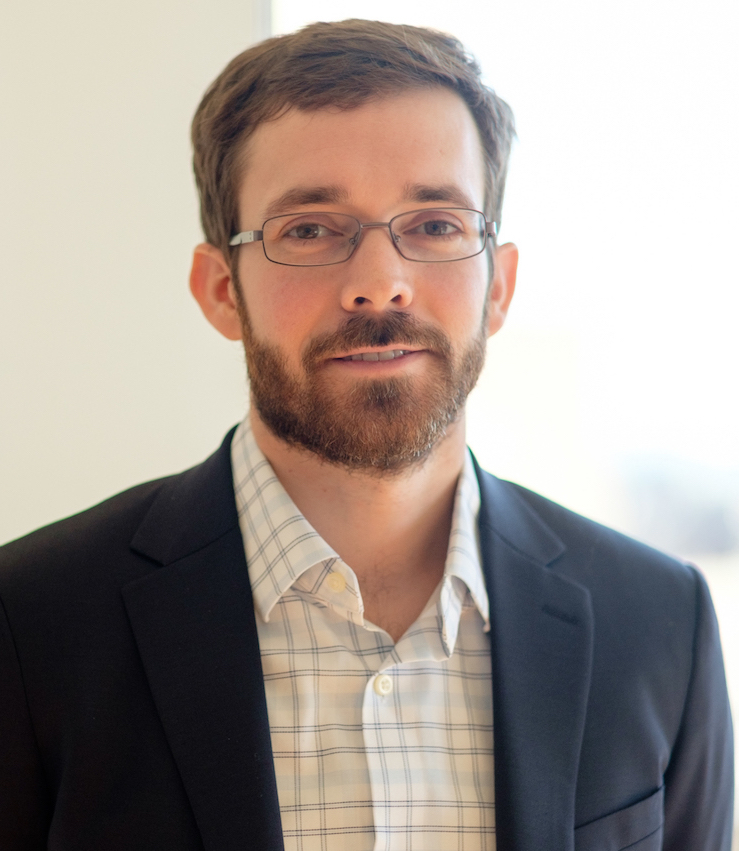
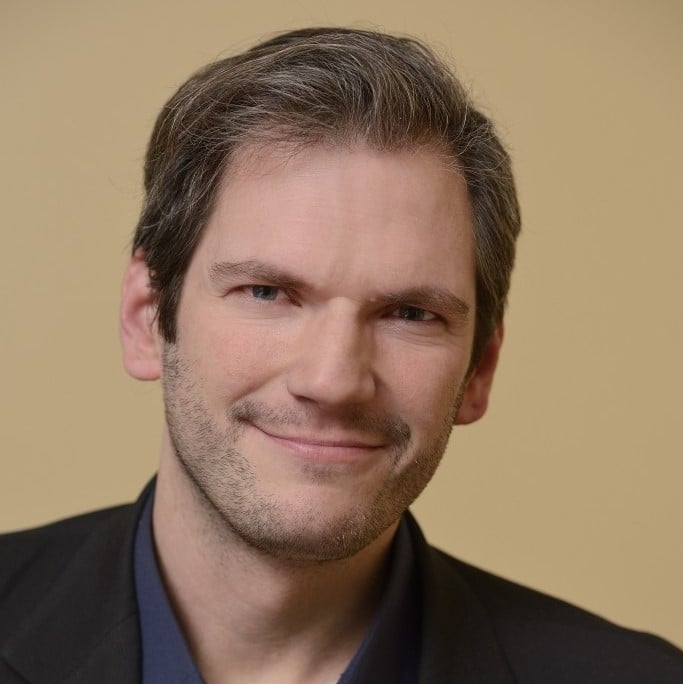
William Hobbs is the Lois and Mel Tukman Assistant Professor in the Department of Psychology at Cornell University , affiliated with the College of Human Ecology. His research intersects politics and health , focusing on social spillover effects of government actions and adaptation to life changes through computational social science methods. Teaches Data Science for Social Scientists I & II (HD/Psych 2930/2940) Co-teaches graduate course Text and Networks in Social Science Research (HD/Soc/Info 6610, Govt 6619) Research strengths include causal inference , representative sampling , and machine learning applications for small training sets. His work has been featured in The Atlantic , Science Magazine , and other major outlets. Current Data Science Lab projects analyze: Political polarization in social media Health behavior networks Government policy feedback Content moderation systems Lab hires Cornell undergraduates with R/Python experience for data management tasks through HD 4010 research credit.
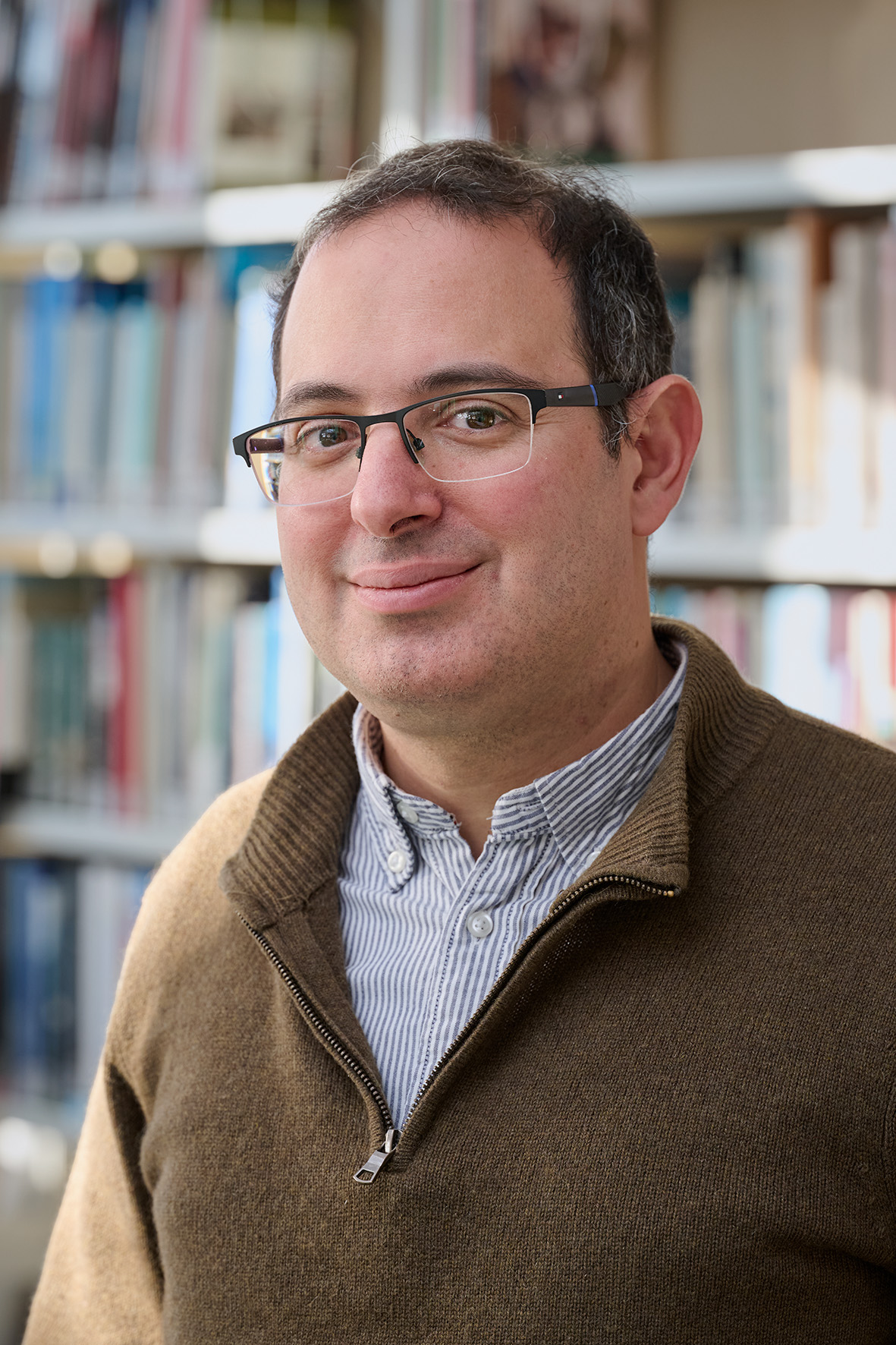
Pentti Juhana Henttonen is an active Researcher at the University of Helsinki, affiliated with the Swedish School of Social Sciences and the Institute of Humanities and Social Sciences. He serves as a Doctoral Researcher in the Doctoral Program in Human Behavior and works as a project planner, contributing to multiple research initiatives focused on human interaction and psychological phenomena. His research interests span cognitive science with particular emphasis on narcissism, sisu (the Finnish concept of inner strength and perseverance), second language acquisition, and physiological responses during social interactions. Henttonen employs diverse methodologies including physiological measurements, conversation analysis, and experience sampling methods to investigate how individuals process emotions, interact with others, and demonstrate mental fortitude in challenging situations. His publication record shows significant activity with 49 publications spanning from 2009 to 2025, with particular concentration in recent years (2023-2025). His work appears across interdisciplinary journals in psychology, linguistics, and social sciences, demonstrating a trend toward increasingly sophisticated methodologies combining physiological measurements with conversational analysis. Recent publications focus on narcissistic traits and their physiological correlates, the cultural phenomenon of sisu, and second language learner behavior. Henttonen actively contributes to the academic community through peer review services for journals including Scientific Reports, BMC Psychology, and Heliyon. He has organized academic events such as the HSSH workshop on motion energy and pose analysis and the HSSH seminar on VR methodology, demonstrating leadership in advancing methodological approaches in social science research. His research is supported through multiple projects funded by institutions including the Academy of Finland (Suomen Akatemia), with his most recent work focusing on patterns in second language learners' behavior (2023-2024) and previous projects examining narcissism (2019-2023) and neighbor dialogues (2018-2020). His work bridges theoretical psychological concepts with practical applications, as evidenced by his media appearances discussing narcissism and sisu for broader public understanding.
Tuomas Väisänen is a Postdoctoral Researcher at the University of Helsinki's Faculty of Science and Department of Geosciences and Geography . He contributes to multiple research initiatives including the Helsinki Inequality Initiative (INEQ), Institute for Urban Studies (Urbaria), and Institute of Sustainability Science (HELSUS). His academic work bridges computational geography with urban studies, focusing on multilingualism, digital data sources, and mobility patterns. Doctor of Philosophy (2019–2023), Multidisciplinary Doctoral Programme in Environmental Studies, University of Helsinki Master of Philosophy (2016–2018), Department of Geosciences and Geography, University of Helsinki Bachelor of Science (2012–2016), Department of Geosciences and Geography, University of Helsinki His research explores urban diversity through linguistic landscapes , dynamic populations , and residential area changes . He integrates sociolinguistics with geographical methods , emphasizing mobile phone data , social media analysis , and machine learning . Recent projects like BORDERSPACE and MOBI-TWIN investigate cross-border interactions and European territorial integration . His 15 most recent publications highlight trends in computational urban geography , geospatial datasets , and linguistic diversity mapping , with a focus on Erasmus+ mobility , national park interactions , and transnational functional areas . Contributions to open datasets (e.g., Mobi-Twin, Erasmus+ flows) underscore his commitment to digital methods and European regional development . While no formal awards are listed, his peer-review activities for journals like Computers, Environment and Urban Systems and Biological Conservation demonstrate academic engagement. He teaches spatial data methods to Master's students and provides guest lectures on computer vision and GIS . Collaborations span the European Commission, Academy of Finland, and University of Tartu Foundation.
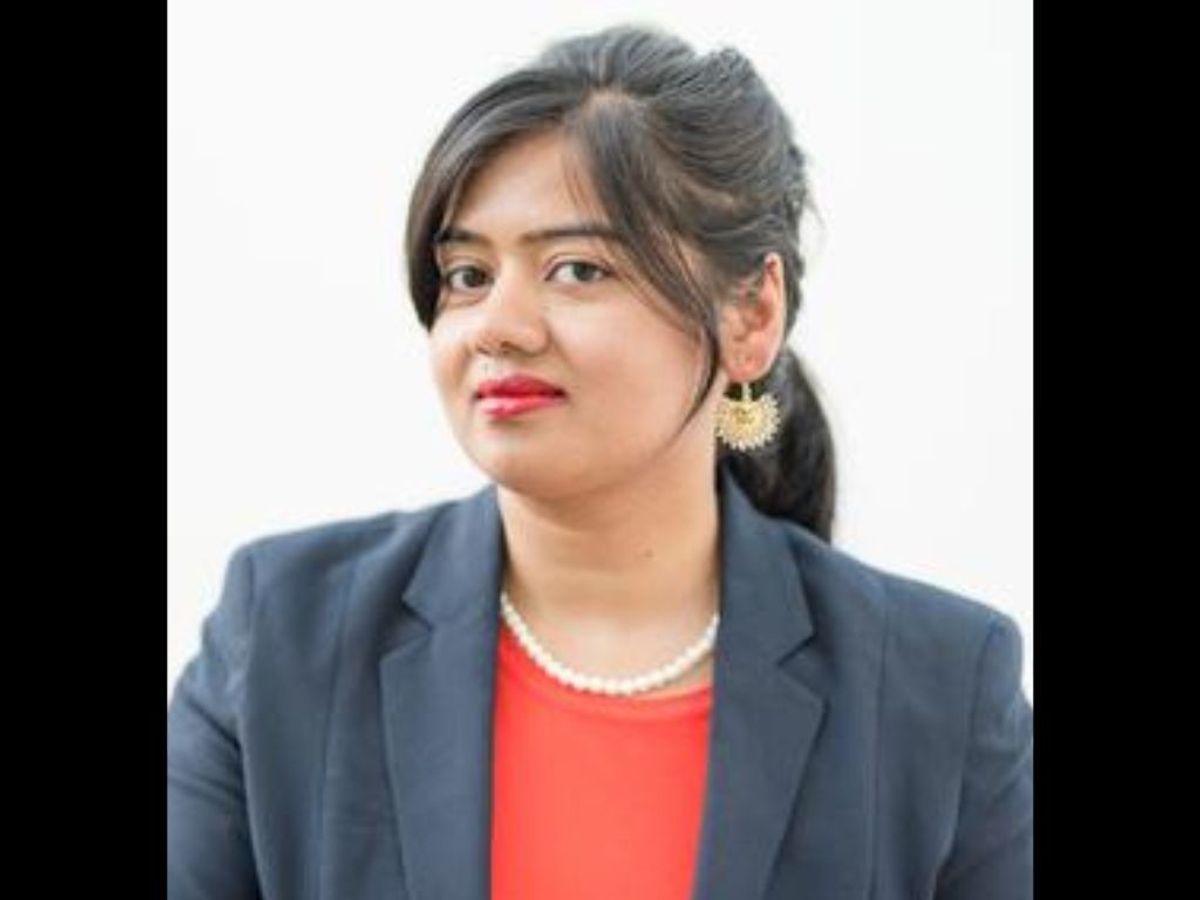
Dr. Shweta Singh serves as an Assistant Professor of Information Systems and Management at Warwick Business School, University of Warwick. She concurrently holds prestigious appointments as a Fellow at the Warwick Institute for Global Sustainability Development (IGSD) and a Behavioral Data Science researcher at The Alan Turing Institute in London. Her academic journey includes a Ph.D. in Information and Decision Sciences from the Carlson School of Management at the University of Minnesota, complemented by dual Master's degrees in Computer Science and Applied Economics from the same institution. Ph.D. in Information and Decision Sciences, University of Minnesota Master's in Computer Science, University of Minnesota Master's in Applied Economics, University of Minnesota Dr. Singh's research centers on developing ethical and responsible artificial intelligence systems that address societal challenges. Her work specifically targets mitigating AI bias, creating explainable AI frameworks, and leveraging technology to combat societal injustice. She investigates how digital platforms, sharing economy models, and IT outsourcing create business value while ensuring these technologies promote sustainability and reduce inequalities. Her innovative approach combines technical AI expertise with deep social awareness, particularly focusing on gender equality and child protection in digital spaces. Her publication record demonstrates consistent high-impact contributions to Information Systems Research, International Conference on Information Systems, and related venues. The trajectory of her work shows increasing focus on practical applications of responsible AI, with recent projects addressing online child safety and human trafficking prevention. Her research increasingly intersects with policy development, as evidenced by her contributions to UK Parliamentary Office of Science and Technology briefs. Doctoral Dissertation Fellowship, University of Minnesota McNamara Fellowship, University of Minnesota Social Impact Project of the Year shortlist (2023) Asian Women of Achievement Award finalist (2023) British Indian Awards finalist (2019) Top 5 Women in Tech for Good Award shortlist (2022) Inspiring 50 UK recognition (2025) Dr. Singh actively mentors students and has been recognized with the Staff Social Inclusion Award (2024) for her teaching excellence. Her advisory roles extend beyond academia to include the UN Women UK delegation for the Commission on the Status of Women and the Advisory Board of AI retail company 'Love the Sales'. She serves as an external collaborator for Boston Consulting Group's Henderson Institute, bridging academic research with industry applications. Through her leadership in the ISM-Analytics (ISMA) Group at Warwick, Dr. Singh fosters interdisciplinary collaboration focused on creating socially responsible technological solutions. Her work with the IGSD specifically targets UN sustainability goals related to reducing inequalities and promoting inclusive societies through responsible AI implementation.
Sergiu Nisioi is an Associate Professor at the Faculty of Mathematics and Computer Science, University of Bucharest, with expertise in computational linguistics, machine translation, and text simplification. He bridges cognitive science with NLP through eye-tracking and EEG research, while also exploring sound art and digital autonomy via initiatives like HYPHA.ro. Current projects include PN-IV-P2-2.1-TE-2023-2007 (text complexity/readability), Legal Document Processing , and Europarl Dialectal Corpora Research spans computational psycholinguistics , LSTM-based translation models , and algorithmic composition for sound art His work integrates interdisciplinary methodologies, combining EEG signal processing for architecture data with the University of Architecture, and DSP for ecological projects at chlorophylla.live.
Carlos Velasco is an Associate Professor in the Department of Marketing at BI Norwegian Business School, where he co-founded the Center for Multisensory Marketing. He holds a D.Phil. in Experimental Psychology from the University of Oxford and has established himself as a leading researcher at the intersection of psychology, marketing, and human-computer interaction. His research focuses on multisensory experiences and their underlying principles, with particular attention to crossmodal correspondences between sensory modalities. His work spans diverse areas including digital dining, food technology, customer experience management, and the application of emerging technologies like AI, VR, and the Metaverse in sensory marketing. Velasco has published extensively in top journals across multiple disciplines including Food Quality and Preference, Journal of Retailing, Journal of Business Research, Psychology and Marketing, and International Journal of Human-Computer Studies. His research reveals consistent patterns in how sensory inputs influence consumer behavior and product perception, particularly examining how visual elements, sounds, and shapes correspond with taste experiences. Velasco's work also explores the ethical dimensions of customer experience design in digital environments and investigates how cultural contexts shape multisensory food experiences globally. Velasco has authored several influential books including Multisensory experiences: Where the senses meet technology (2020 and 2025, Oxford University Press), Digital dining: New innovations in food and technology (2025, Springer Nature), and the edited collection Multisensory packaging: Designing new product experiences (2019, Palgrave Macmillan). Serves on editorial boards of Food Quality and Preference Journal of Business Research Psychology and Marketing International Journal of Gastronomy and Food Science International Journal of Food Design Currently, Velasco co-hosts the customer experience management podcast and collaborates with companies worldwide on topics including multisensory experiences, immersive technologies, Web3, food and drink, branding, and consumer research. His work bridges academic research with practical applications in marketing and product design.
Eythan Levy serves as Senior Assistant in Digital Archaeology at the University of Zurich's Institute of Classical Archaeology within the Faculty of Arts and Social Sciences. Previously, he led an SNSF SPARK project at the University of Bern (2024) and conducted postdoctoral research on stamp seals from the Southern Levant (2022-2023). His research interests focus on computational approaches to archaeological problems, particularly: Computer applications and quantitative methods in archaeology Ancient chronology of the Iron Age Levant Northwest Semitic epigraphy and paleography Archaeology of the Southern Levant Ancient Egyptian archaeology and epigraphy His work bridges computer science and archaeology through innovative methodological frameworks. Levy's publication trends demonstrate consistent interdisciplinary output combining computational methods with archaeological analysis. Recent work focuses on chronological modeling tools, epigraphic analysis of Hebrew seals, multispectral imaging of ostraca, and computational approaches to ceramic typology. His research shows strong emphasis on developing formalized schemes for synchronizing archaeological data and creating specialized software solutions. Levy has developed several significant archaeological software tools : ChronoLog : For computer-assisted chronological modeling Scrypt : Web application for computer-assisted decipherment of ancient inscriptions TPQ Composer : For displaying stratigraphic termini post quem Artifacts Analyzer : For analyzing archaeological artifact datasets These tools represent his commitment to creating practical computational solutions for archaeological challenges. His academic background uniquely combines computer science and archaeology: PhD in Archaeology (Tel Aviv University, 2017-2021) PhD in Computer Science (Université Libre de Bruxelles, 2003-2009) Multiple MA degrees in Archaeology and Ancient Oriental Languages Teaching certificate for higher education This dual expertise enables his innovative approach to digital archaeology.
Kalina Bontcheva is a Senior Researcher in the Natural Language Processing Group within the Department of Computer Science at the University of Sheffield. She holds an EPSRC Career Acceleration Fellowship (working part-time since October 2015) focused on personalized summarization of social media content. Her research spans multiple EU-funded projects including PHEME (computing veracity of social media), TrendMiner, DecarboNet, and uComp, with significant contributions to the GATE (General Architecture for Text Engineering) open-source NLP infrastructure since 1999. Dr. Bontcheva's research interests focus on the intersection of natural language processing and social media analysis. Her work encompasses NLP for social media, semantic search, information extraction from social platforms, crowdsourcing of NLP corpora, collaborative text annotation, semantic technologies, and text mining and analytics. She has particular expertise in developing methods for personalized, abstractive multi-document summarization across different social media platforms, addressing the challenges of noisy, jargon-filled and dynamic content. Her interdisciplinary approach combines machine learning, semantic technologies, and social dimension analysis to create systems that adapt to individual users' information seeking goals. Analysis of her recent publications reveals a strong focus on social media processing challenges, with emphasis on Twitter analysis, temporal expression recognition, and handling noisy text. Her work consistently addresses the unique characteristics of social media content and develops specialized techniques for information extraction, sentiment analysis, and user geolocation within these platforms. The GATE framework serves as the foundation for much of her tool development, demonstrating her commitment to creating reusable, open-source NLP infrastructure. Her most significant award is the EPSRC Career Acceleration Fellowship, which supports her work on personalized social media summarization. This prestigious fellowship includes a substantial budget of £560k and involves collaborations with industry partners including The Press Association, British Telecom, and Fizzback. Dr. Bontcheva has led numerous major research projects throughout her career. She was Principal Investigator on three EU-funded projects (MUSING, TAO, and ServiceFinder) between 2006-2009, coordinating the TAO consortium with seven partner institutions. She currently leads the PHEME EU project and serves as PI for TrendMiner and DecarboNet European projects, while also contributing as Co-I on the uComp project. Her project portfolio demonstrates consistent success in securing competitive research funding across multiple domains within NLP and semantic technologies. She works within the Natural Language Processing Group at the University of Sheffield, which has been central to the development of the GATE infrastructure. Her work connects with various initiatives including the GATE Cloud platform and the TextVRE project for e-humanities textual studies. She has established collaborations with organizations including the Press Association, British Telecom, Oxford Internet Institute, and Sheffield's Department of Journalism to ensure her research addresses real-world needs across different user communities.
Kaius Sinnemäki is a Professor of Quantitative and Comparative Linguistics at the University of Helsinki, affiliated with the Department of Languages under the Faculty of Arts. Since 2025, he has directed the strategic profiling action Diversity in Society and Life (DIVSOL) , funded by the Research Council of Finland, and previously led the ERC Starting Grant project Linguistic Adaptation (2019-2024). His research focuses on large-scale comparative linguistics, integrating language typology with sociolinguistics. Key areas include core argument marking, statistical methods in typology, linguistic complexity, language contact, and the interplay between language and religion. He teaches courses spanning language typology, evolution, sociolinguistics, and quantitative methods. Recent publications address replication in linguistic research, adaptation in contact ecologies, and complexity measures across phonological, morphosyntactic, and syntactic domains. His work often bridges theoretical linguistics with empirical data analysis, utilizing open datasets and computational tools. Scientific Awards: Prize for the Humanities (2021) He actively supervises academic theses, serves on editorial boards (e.g., Linguistic Typology ), and participates in international collaborations, peer reviews, and media engagements on linguistic diversity and secularism.
Katy E. Pearce is an Associate Professor in the Department of Communication at the University of Washington's College of Arts & Sciences. She specializes in the social and political implications of technology in non-democratic contexts, particularly focusing on former Soviet Union states. Her research explores digital divides, social media affordances for resistance, and online impression management in authoritarian regimes. Ph.D. in Communication, University of California, Santa Barbara (2011) M.A. in International Studies, University of London School for Oriental and African Studies (2006) B.A. in Armenian, Arabic, Persian, Turkish & Islamic Studies; American Culture, University of Michigan (2001) Her work examines how digital technologies shape: Information control in semi-authoritarian states Gender and cultural norms in online spaces Misinformation dynamics across platforms ICT's role in opposition movements Face negotiation in digital honor cultures Recent publications demonstrate increasing focus on: Digital health communities in Azerbaijan Misinformation correction strategies Cross-platform affordance analysis State-sponsored online harassment ICT4D in post-Soviet contexts Contact: Office CMU 340-E, kepearce@uw.edu.
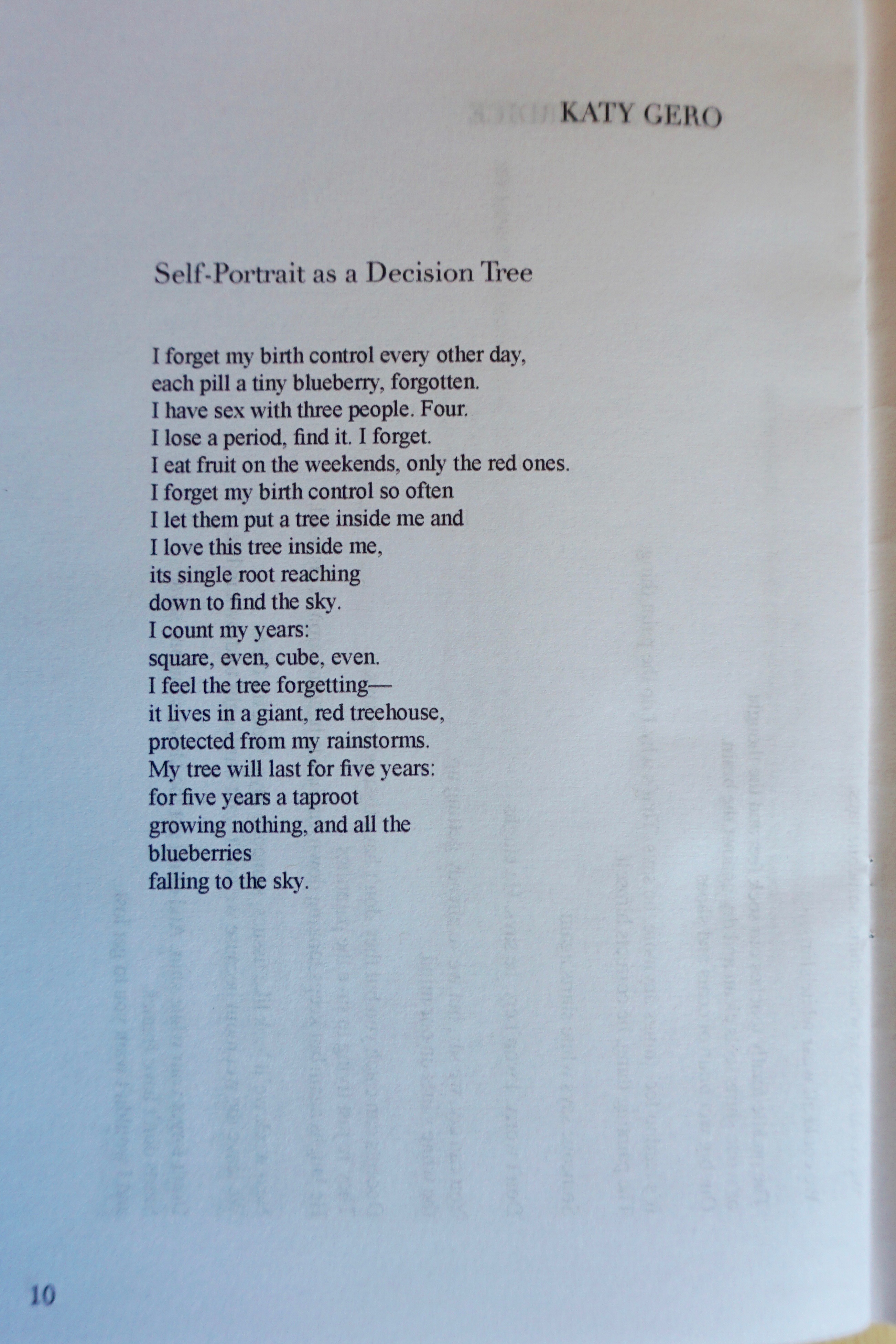
Katy Ilonka Gero is a Lecturer at the School of Computer Science, University of Sydney , with prior postdoctoral roles at Harvard University and the Library Innovation Lab. She holds a PhD in Computer Science from Columbia University (2022) and a BS in Mechanical Engineering from MIT (2017). Education : PhD in Computer Science (Columbia University, 2022); BS in Mechanical Engineering (MIT, 2017) Her research focuses on Human-Computer Interaction in creative domains, particularly how language models impact creative practice, ownership, and learning . She develops community-driven AI models through co-design with creative communities and investigates ethical data governance practices. Recent work includes designing interactive writing tools for metaphor creation and exploring the social dynamics of AI support in writing . The 15 most recent articles reflect trends in AI-augmented creativity (Metaphoria, CHI 2019), AI ethics (Nature Machine Intelligence 2023), and human-AI collaboration (CHI 2020 Best Paper). These works span language model evaluation , creative ownership , and technical innovations in soft robotics (2012) and science communication (2021). Scientific Awards : NSF Graduate Research Fellowship Brown Institute for Media Innovation Grant Amazon Research Award Best Paper - CHI 2025 Honorable Mention - CHI 2024 Best Paper - CHI 2020 As a poet and essayist , she co-edits Ensemble Park , a human-computer co-writing magazine, and authored the dynamic poetry book The Anxiety of Conception (2025). Her grants include support from the National Science Foundation , Brown Institute , and Amazon . For technical details, visit her personal website or GitHub.
Philipp Koehn is a Professor in the Department of Computer Science at Johns Hopkins University, with additional affiliation at the University of Edinburgh. His primary research focuses on statistical and neural machine translation, specifically developing methods to leverage large-scale digital information for cross-lingual communication. He leads the Machine Translation Research Group and maintains key resources like the Moses toolkit and Europarl corpus. His research interests span: Core machine translation techniques (statistical/neural approaches) Low-resource and unsupervised translation methods Cross-lingual representation learning Speech-to-speech translation systems Large-scale parallel data mining and alignment Evaluation methodologies for generated text Koehn's recent publications demonstrate strong focus on improving translation efficiency (dynamic compression, streaming models), robustness (noise handling, error correction), and accessibility (low-resource languages, radio speech processing). Key trends include multilingual generalization, document-level coherence, and human-centered evaluation. Significant scientific recognition includes: ACL Fellow (2024) IAMT Award of Honor (2015) European Inventor Award Finalist (2013) He currently advises PhD students Rachel Wicks, Elina Baral, Bismarck Odoom, and Weiting Tan. His Machine Translation Group develops widely-used open-source tools and organizes major conferences including WMT and MT Marathon.
Jürgen Sauer is a Full Professor at the University of Fribourg , affiliated with the Department of Psychology under the Faculty of Letters and Human Sciences . With over 120 publications, his research focuses on Human-Machine Interaction , Usability Testing , User Experience (UX) , and Automation Design , particularly in high-stakes environments like X-ray baggage screening and spaceflight simulations . Email: juergen.sauer@unifr.ch Phone: +41 26 300 7622 Address: RM 01 bu. C-1.117, Rue PA de Faucigny 2, 1700 Fribourg Orcid: 0000-0003-2105-1694 His research projects, funded by the Swiss National Science Foundation (FNS), include: Improving work design for airport security officers (2019-2024): Developed pictorial scales for measuring psychological constructs in security environments. Social stress and support in hybrid teams (2018-2023): Investigated machine-induced social stressors and mitigation through social support. Automation in visual inspection tasks (2014-2018): Examined adaptable automation for baggage screening and system reliability effects. Usability testing effectiveness (2012-2016): Analyzed cultural background impacts and non-usability product features influencing test outcomes. Key contributions include the Luggage Inspection Simulation (LIS) environment for modeling work environments and the development of pictorial usability scales for multilingual applicability. His work bridges ergonomics , human factors , and applied psychology , with notable collaborations with researchers like Adrian Schwaninger and Andreas Sonderegger . His recent publications (2025-2014) analyze: Human-machine performance under false alarms and miscues Social stressor dynamics in hybrid teams Usability scale animation effects Phubbing behavior in professional contexts Accessible website design for non-disabled users
Dr. Christina Haag is a postdoctoral researcher at the Institute for Implementation Science in Health Care , affiliated with the Faculty of Medicine at the University of Zurich . She leads interdisciplinary projects at the intersection of mental health, digital health, and computational linguistics, focusing on chronic illnesses like multiple sclerosis (MS). Her work leverages free text, sensor data, and advanced analysis techniques such as hierarchical modeling and natural language processing (NLP). Doctorate from the Institute of Psychology, University of Zurich Research experience at the MRC Cognition & Brain Sciences Unit, University of Cambridge Her research explores: Daily-life mental and physical health indicators in MS Development of NLP methods for text classification and topic modeling Digital biomarker creation using wearable sensor data Mindfulness interventions for affective executive control Implementation of remote monitoring tools in healthcare Her recent publications highlight trends in applying NLP and machine learning to unstructured health data, analyzing MS activity patterns, and refining interdisciplinary research methodologies. She contributes to DSI communities including AI & Law , Health , and Ethics , and collaborates on projects like BarKA-MS and DSI-Approach . She is a core member of the UZH Digital & Mobile Health Group , working under Prof. Viktor von Wyl.
Subhajit Dutta is an Associate Professor in the Department of Mathematics and Statistics at the Indian Institute of Technology Kanpur. He has established himself as a notable researcher in specialized statistical methodologies with publications in top-tier statistical journals. Dr. Dutta completed his PhD in Statistics from the Indian Statistical Institute (ISI), Kolkata in 2013 under the supervision of Prof. Probal Chaudhuri. His academic journey includes an M.Sc. in Statistics from IIT Kanpur (2007) and a B.Sc. in Statistics from Presidency College, University of Calcutta (2005). He also pursued post-doctoral research at KAUST with Prof. Marc G. Genton. His research focuses on advanced statistical methodologies, particularly in Discriminant Analysis, Inference based on Data Depth, Characterization of Multivariate Distributions, and Classification of Sequence Data. His work bridges theoretical statistics with practical applications, developing robust methods for complex data analysis problems across various scientific domains. Dr. Dutta's publication record shows consistent progression from foundational properties of statistical depth functions to practical applications in classification and sequence analysis, demonstrating both theoretical depth and practical relevance in his scholarly contributions. As a faculty member at IIT Kanpur, one of India's premier technical institutions, Dr. Dutta contributes to both teaching and research in the Department of Mathematics and Statistics, helping to advance statistical science education and methodology development.