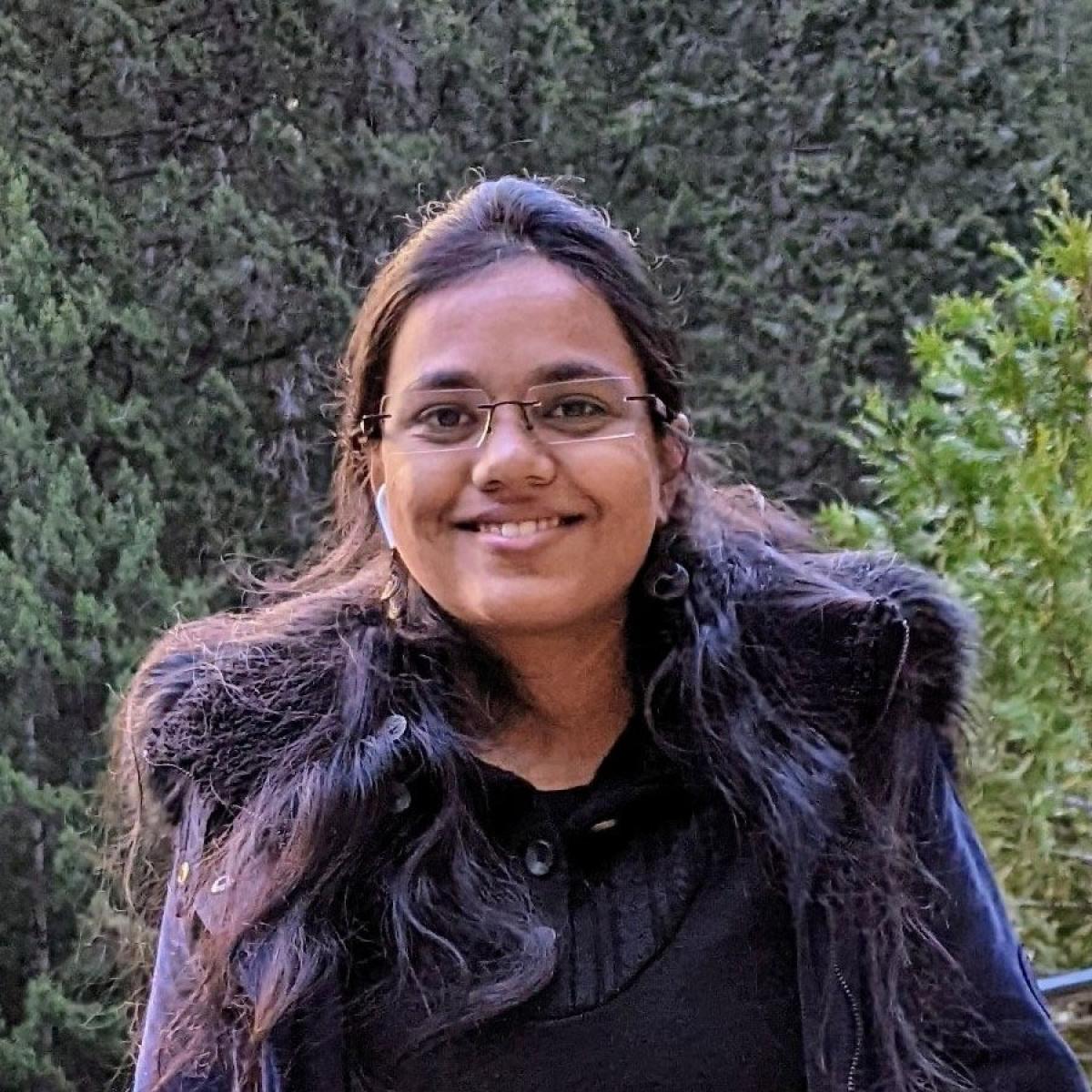
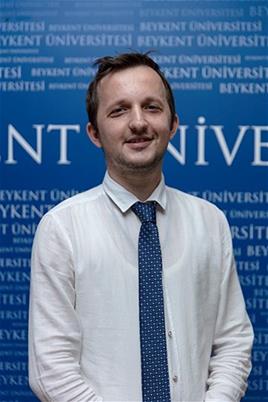
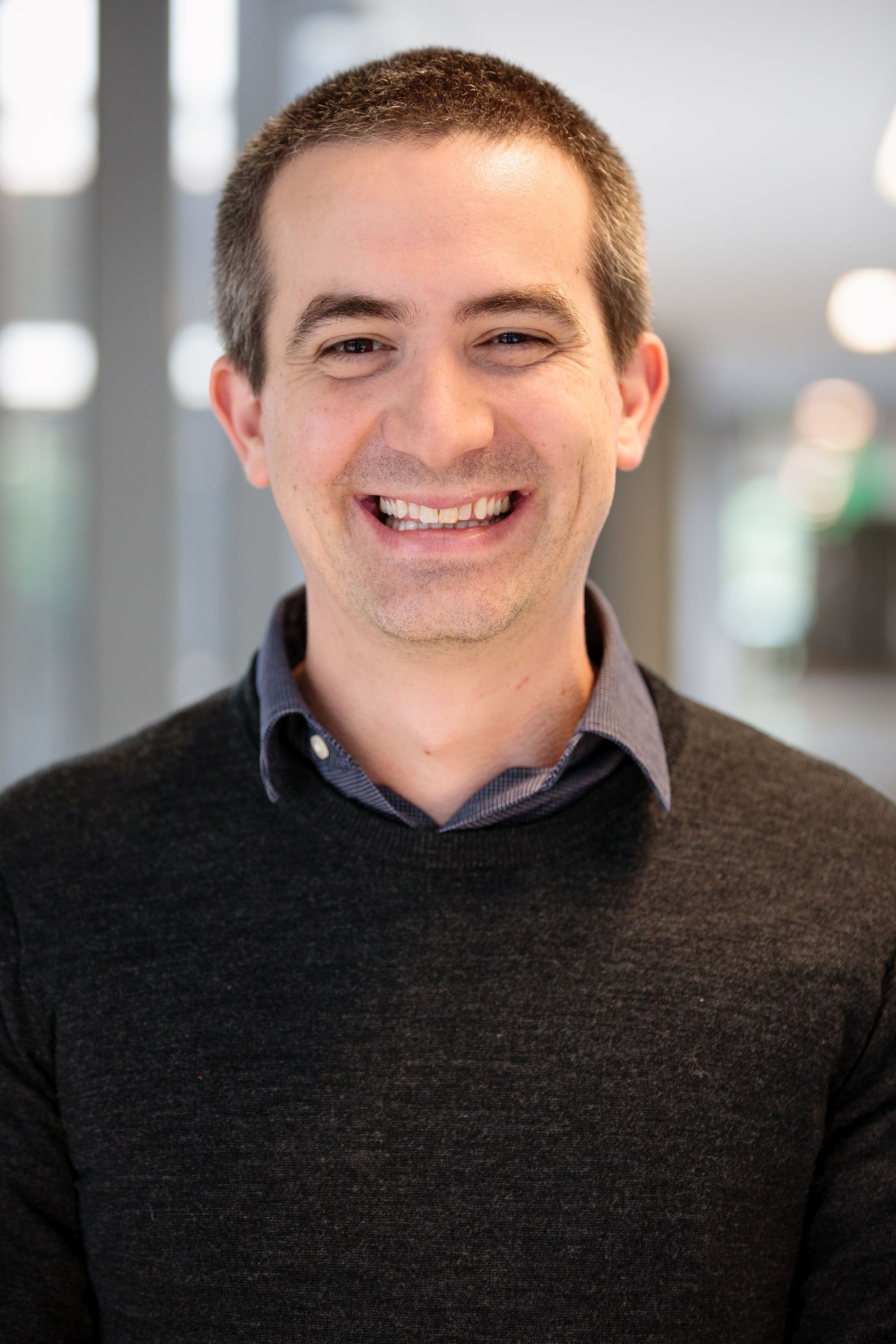
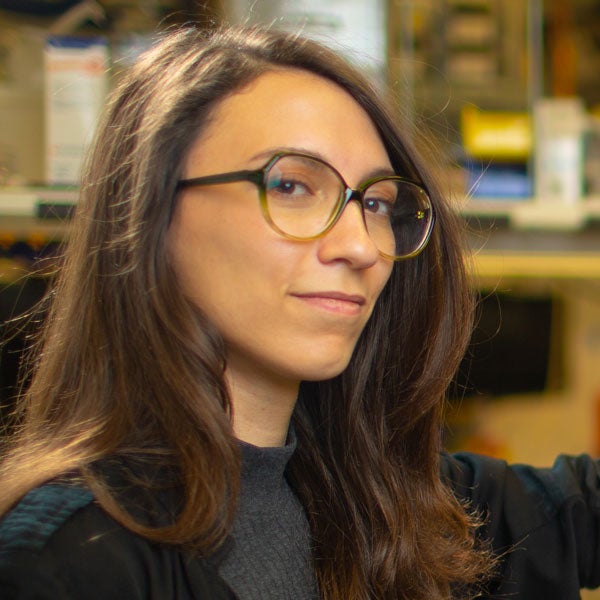
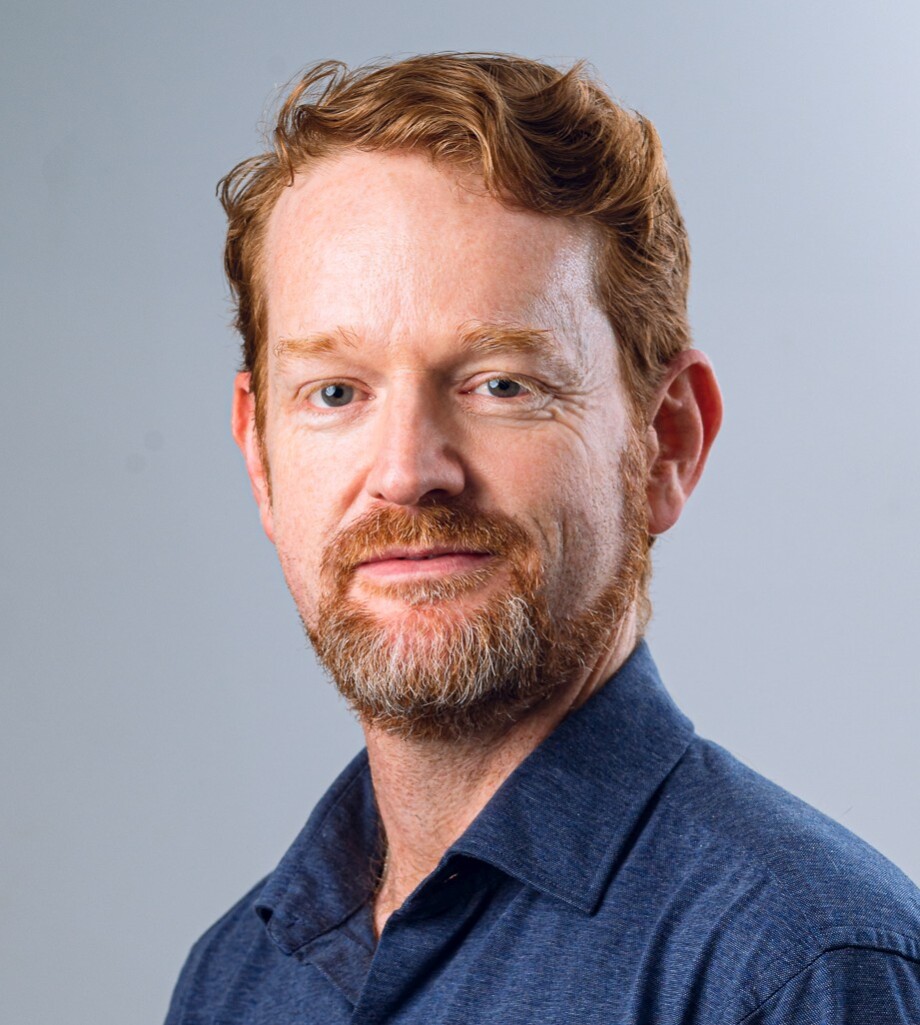
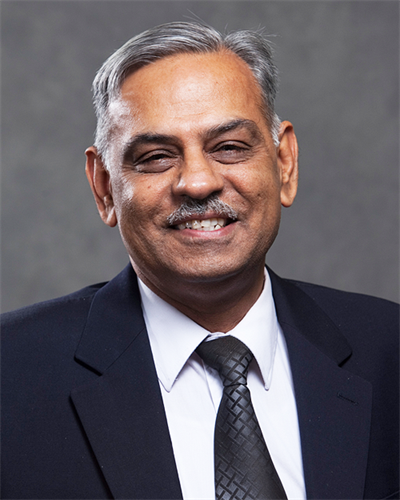
Aarushi Goel is an Assistant Professor in the Computer Science department at Purdue University , specializing in cryptography. She previously held a postdoctoral position at NTT Research's CIS Lab under Sanjam Garg and earned her PhD from Johns Hopkins University in 2022, advised by Abhishek Jain. Research Focus: Designing efficient techniques for secure multiparty computation (MPC) and zero-knowledge proofs (ZKPs), with applications in privacy-preserving systems, blockchain, and cloud security. Teaching: Courses include Advanced Cryptography (CS65500) and Special Topics in Cryptography (CS59200-STC), emphasizing state-of-the-art ZKP methods and MPC protocols. Scientific Awards: Simons-Berkeley Research Fellow (2025), participating in the program "Cryptography 10 Years Later".
Ergin KOSA is an Assistant Professor in the Department of Mechanical Engineering at Beykent University , Faculty of Engineering and Architecture. He has been actively involved in teaching and research since 2017, with a focus on wear analysis, additive manufacturing, and computational fluid dynamics. His academic career includes administrative roles such as Department Head from 2018 to 2020. Doctorate in Mechanical Engineering (Istanbul Technical University, 2016) Master's in Mechanical Engineering (Istanbul Technical University, 2008) Bachelor's in Mechanical Engineering (Istanbul Technical University, 2003) Bachelor's in Civil Engineering (Istanbul Technical University, 2008) Research interests include erosive-abrasive wear modeling , 3D-printed composite optimization , CFD simulations for automotive and energy systems, and MEMS design . Key publications address wear prediction in industrial components, hydrogen production from gasoline reforming, and thermoelectric refrigerator performance. His work frequently appears in journals like Journal of Thermoplastic Composite Materials and European Mechanical Science . Teaching responsibilities encompass courses such as Applied Project Management , Machine Elements , and Manufacturing Technologies for both undergraduate and graduate students. Collaborations include co-authorships with researchers like Meltem Eryildiz, Bekir Yavuzer, and Senol Durmusoglu.
Jon Bellona is an Assistant Professor of Music Technology at the University of Oregon's School of Music and Dance. He serves as co-director of Harmonic Laboratory and specializes in digital technologies, data sonification, and environmental sound art. PhD in Music (2018), University of Virginia MA in Music (2015), University of Virginia MMus (2011), University of Oregon Professional Degree in Audio Engineering (2006), Conservatory of Recording Arts & Sciences BA in Music (2003), Hamilton College His research explores intersections of sound art , data-body interactivity , and digital musical instrument design . Recent projects like SACRIFICE ZONES: S.O.S. (2024) and Wildfire (2019) demonstrate environmental commentary through immersive installations. Earlier works focus on gesture-controlled compositions and algorithmic sound processing. Scientific awards include grants from the National Science Foundation, Andrew W. Mellon Foundation, and Oregon Arts Commission. He has received fellowships from the University of Virginia and Ford Family Foundation. Jon's practice combines academic research with artistic innovation , utilizing platforms like Kyma, Max/MSP, and custom electronics. His Accessible Oceans NSF grant (2018) exemplifies cross-disciplinary environmental sonification.
Dario Basile is a PhD candidate and Lecturer at the Department of Management and Production Engineering (DIGEP) at Politecnico di Torino. He teaches Manufacturing Processes and collaborates in courses related to Automotive Engineering, Mechanical Engineering, and Management Engineering. His research focuses on advanced manufacturing technologies, including: Laser welding of aluminum alloys and thermoplastics Robot-assisted manufacturing systems Material joining for nuclear applications Surface repair techniques for metallic alloys Recent publications analyze: Thermal cycle modeling in laser welding Optical microphone sensing for process monitoring Sensor integration in remote laser welding Automation of polymer joining technologies His work bridges computational modeling with hands-on manufacturing innovation.
Mohammad Rafiee is an Adjunct Professor in the Department of Mechanical Engineering at the Faculty of Engineering, University of Ottawa. He holds affiliations with City University of Hong Kong, École Polytechnique de Montréal, National Research Council Canada, and Advanced Microelectronic Technologies, Sanmina. His research focuses on Advanced materials (graphene, carbon nanotubes, piezoelectric composites) Additive manufacturing (multi-material 3D/4D printing, coaxial deposition) Mechanical/thermal analysis of composite structures Smart devices (sensors, actuators, energy harvesters) Numerical modeling (finite element analysis, nonlinear dynamics) Recent publications highlight trends in Nonplanar additive manufacturing of piezoelectric devices Multiscale graphene/epoxy composites for vibration damping Thermal stability of nanomaterial-reinforced laminates 4D printing applications Structural health monitoring via machine learning Development of polymer-derived ceramics Scientific awards include Ontario Trillium Scholarship Fonds de Recherche du Québec – Nature et technologies (FRQNT) World’s Top 2% Scientists (Stanford, since 2020) Top 1% most cited authors in materials science
Alex Reid is a Professor in the Department of Media Study at the University at Buffalo, affiliated with the College of Arts and Sciences. His research intersects digital rhetoric, media theory, and posthumanist philosophy, focusing on human-nonhuman relations in digital environments. Education : PhD in English from SUNY Albany. Reid explores the interplay between bodies, technologies, and environments through posthuman and new materialist frameworks. His work includes studies on media infrastructure, algorithmic culture, and generative AI. He has authored two influential books: The Two Virtuals: New Media and Composition (2007) and Rhetorics of the Digital Nonhumanities (2022). His scholarly contributions examine procedural rhetorics, synthetic attention structures, and electrate collective experiments. Publications highlight his engagement with digital pedagogy and professional-technical communication. Scientific Awards : Open SUNY Online Ambassador (2020). Reid actively mentors graduate teaching assistants and has previously directed UB’s university writing program. He continues to shape discourse on digital rhetorics and media studies through teaching and research.
Ido Levin is an Assistant Professor at the Department of Chemistry and Department of Mathematics within the Faculty of Science at the University of British Columbia. His research integrates geometrical modeling, responsive materials, and innovative fabrication techniques to design programmable and active materials inspired by natural systems. He combines experimental approaches with analytical and numerical tools to study shape morphing in soft systems, chemo-mechanical active solids, and lipid membrane patterning. Education: B.Sc. in Physics and Mathematics, Hebrew University of Jerusalem (2012) M.Sc. in Physics, Hebrew University of Jerusalem (2014) Ph.D. in Physics, Hebrew University of Jerusalem (2021) His work spans soft matter, material chemistry, and theoretical modeling, focusing on distributed actuation, multi-responsive materials, and geometric frustration. Articles from 2015 to 2024 highlight his contributions to programmable materials, fluid dynamics in bio-inspired structures, and mechanical instabilities in amorphous systems. Scientific Awards: WRF Postdoctoral Fellow (2022-2025) Fulbright Postdoctoral Scholar (2021-2022)
James Benson Wirth is an Acting Assistant Professor in the Department of English at the University of Washington, within the College of Arts & Sciences. His roles include teaching composition and technical writing, alongside research interests in post-WWII American Literature and digital pedagogy. He holds a Ph.D. in English (2019) and an M.F.A. in Creative Writing in Prose (2011), both from the University of Washington. Dr. Wirth’s research focuses on integrating technology into pedagogy, particularly through Git-based workflows, open-source tools like qpdf, and Markdown-based writing practices. He emphasizes collaborative and iterative approaches to technical and academic writing. Recent work includes exploring AI integration in writing education and developing tools for LMS compatibility (e.g., Markdown to Canvas). In 2023, he secured an AI research grant to investigate emerging technologies in writing pedagogy. His teaching philosophy centers on preparing students for professional writing environments through digital literacy, as reflected in his courses and repositories showcasing open-source projects. He actively shares educational resources and collaborates on digital pedagogy initiatives, maintaining repositories that document his work on Git workflows, FOSS tools, and academic writing practices.
Ben Pearce is an Assistant Professor in the Department of Earth, Atmospheric, and Planetary Sciences at Purdue University. He holds a PhD in Physics and Astronomy (Astrobiology) from McMaster University (2021), an MSc from McMaster (2017), and dual BSc degrees in Astronomy (University of British Columbia, 2015) and Software Engineering (University of Calgary, 2010). His research focuses on the origin of life through experimental and computational approaches, including atmospheric modeling and wet-dry cycling experiments in warm little ponds. He leads the Laboratory for Origins and Astrobiology Research (LOAR), which investigates prebiotic chemistry on Earth and other planetary bodies. His work has been recognized with the 2017 PNAS Cozzarelli Prize. Research emphasizes HCN production mechanisms in early Earth atmospheres Develops hybrid atmospheric models combining quantum chemistry and fluid dynamics Investigates impact cratering effects on ocean worlds Key findings include demonstrating how Titan's atmospheric chemistry informs prebiotic pathways, and establishing wet-dry cycles as critical for RNA polymerization. His experimental work uses ultra-high performance liquid chromatography and mass spectrometry to analyze prebiotic samples.
Vanessa Sanchez is an Assistant Professor in the Department of Mechanical Engineering at Rice University. She transitioned from fashion design to engineering, focusing on smart and assistive clothing through materials science, manufacturing, and robotics. Her research emphasizes soft robotic textiles and shape memory polymers, with applications in wearable technology and medical devices. She leads the Sanchez Lab, an interdisciplinary group working at molecular and device scales. Education: PhD in Materials Science and Mechanical Engineering, Harvard University (2022) MS in Materials Science and Mechanical Engineering, Harvard University (2020) BS in Fiber Science, Cornell University (2016) Research Interests: Stimuli-responsive polymers and smart textiles Material-in-the-loop manufacturing for advanced systems Robotics via automated experimental processes Soft robotic devices and wearable energy harvesting Her work bridges fashion and engineering to create adaptive, functional fabrics with applications in healthcare and assistive technologies. Research Trends in Articles: Recent publications explore pneumatic soft robotics, knitted multistable materials, and medical textile devices like expanding foam casts. Themes include wearable energy systems, data-driven robotics analysis, and passive actuation mechanisms. Awards and Recognition: NSF MPS-Ascend Postdoctoral Fellow (Stanford University) Forbes 30 Under 30 (2022) ACS CAS Future Leader (2022) Lab and Collaborations: The Sanchez Lab at Rice University focuses on integrating materials science and robotics to develop responsive textiles. Projects include smart orthopedic casts, logic-enabled fabrics, and energy-harvesting systems for assistive robotics.
Professor Jonathan Paxman is a faculty member in the School of Civil and Mechanical Engineering at Curtin University, affiliated with the Faculty of Science and Engineering and the Office of the Provost. He holds a PhD (Cantab.) and is a Fellow of the Institute of Engineers Australia (FIEAust) and the Society for Higher Education in Australia (SFHEA). His research focuses on space systems engineering, meteor detection, planetary crater analysis, assistive technologies, and autonomous robotics control. Education: PhD in Engineering from the University of Cambridge (Cantab.), MPhil, and professional certifications in engineering and higher education. Teaching: Courses include Microcontroller Project and Linear Systems and Control . His research innovations include the Desert Fireball Network (DFN), a continental-scale meteor tracking system, and the Fireballs in the Sky citizen science app. He has pioneered automatic crater detection algorithms for Mars surface dating and developed control systems for autonomous spacecraft and robots. Key awards include the 2021 Research Team of the Year (Binar Space Program), 2016 Eureka Prize for Innovation in Citizen Science, and multiple teaching excellence citations. His work bridges academia and industry through projects like the Binar lunar mission series and assistive technologies for disability support. Grants and collaborations: Extensive funding for space exploration and planetary science projects. His team’s work has led to meteorite recoveries (e.g., Murrili) and contributed to Mars surface age mapping. Active in STEM outreach and curriculum innovation, including transforming pedagogy in science and engineering education. Labs/Teams: Leads the Desert Fireball Network and collaborates with NASA, ESA, and industry partners on space systems and planetary research initiatives.
Dr. Zahra Khatami is an Assistant Professor in Electrical and Computer Engineering at the University of New Brunswick, specializing in advanced materials for photonic applications. Her research focuses on luminescent rare-earth-doped silicon structures fabricated via hybrid deposition techniques. Research: Develops terbium/europium-doped silicon oxide/oxynitride thin films using integrated sputtering and PECVD systems. Investigates structure-property relationships in nanomaterials for optoelectronic devices, emphasizing luminescent efficiency and material stability under various processing conditions. Publications: Focus on fabrication and characterization of rare-earth-doped thin films, with emphasis on deposition methodologies, TEM analysis, and tunable optical properties. Recent work examines FIB-induced damage in nanocrystalline structures.
Dr. Deborah Do Rosario Benros is a Senior Lecturer and Cluster Lead in Architecture at the University of East London. She specializes in computational design methodologies, robotic manufacturing, and sustainable micro-housing solutions. Her research bridges architectural theory with digital fabrication technologies, focusing on generative design systems and mass customization. Research interests span generative multilingual shape grammars, 3D printing applications in large-scale construction, and AI-assisted co-design processes. Her work emphasizes sustainable housing innovation through parametric modeling and robotic construction techniques. Recent publications demonstrate consistent focus on AI-driven design collaboration, robotic fabrication efficiency, and sustainable modular systems. Trends include increased integration of machine learning with architectural prototyping and human-AI co-creation frameworks. As Cluster Lead, she oversees research initiatives in Architecture, Computing & Engineering, fostering cross-disciplinary innovation in digital manufacturing.
Raad Azzawi is a Professor of Instruction in Civil Engineering at the University of Texas at Arlington (UTA), College of Engineering. He holds a PhD in Civil Engineering from the University of Baghdad (2000) and an MBA in Projects Finance and Investment from UTA (2021). With over two decades of academic experience, he progressed from Assistant Professor to full Professor within UTA's Civil Engineering Department, while maintaining industry engagement through consulting roles with firms including Transtech Co. and Miad Construction Co. Education: MBA in Business Administration, University of Texas at Arlington (2021) PhD in Civil Engineering, University of Baghdad (2000) MS in Civil Engineering, University of Baghdad (1995) BS in Civil Engineering, University of Baghdad (1989) Azzawi's research centers on sustainable structural engineering solutions with emphasis on fiber-reinforced concrete systems and energy-efficient construction . His experimental work investigates seismic retrofitting techniques, steel-fiber reinforced concrete (SFRC) behavior under eccentric loading, concrete breakout strength of anchors in FRC, and innovative applications of expanded polystyrene (EPS) for insulating concrete forms. He actively explores composite steel-concrete systems for bridge decks and structural components, combining laboratory testing with numerical simulations to advance sustainable infrastructure design. His 15 most recent publications reveal a strong focus on experimental validation of novel concrete composites (particularly SFRC), sustainable construction materials (EPS-based systems), and structural connection behavior under dynamic loading. The research trajectory shows consistent progression from fundamental material testing (2020-2021) toward applied sustainable solutions (2023-2024), with increasing industry collaboration evident in recent conference presentations. Scientific Awards: Outstanding Civil Engineering Teaching Award, University of Texas at Arlington (2020) Outstanding Teaching Award, CE/UTA (December 13, 2019) Azzawi has advised over 35 graduate students across thesis committees and dissertation roles, demonstrating significant mentorship impact. His current research includes a $2,000 UTA-funded grant (January-April 2024) on EPS blocks for energy-efficient construction. He serves on multiple committees including ABET accreditation, department promotion guidelines, and UG curriculum development, while maintaining active industry partnerships through the Timber Strong competition and structural engineering associations. As a member of ASCE, AISC, ACI, and AWC, Azzawi integrates professional practice with academic work. His teaching portfolio spans structural design courses (concrete, steel, timber, masonry) and advanced topics including BIM and nonlinear analysis, reflecting comprehensive expertise across civil engineering subdisciplines.
Anil Saigal is a Professor in the Department of Mechanical Engineering at Tufts University's School of Engineering. He has been at Tufts since 1983, progressing from Assistant Professor to his current position as Professor. During his tenure, he served as Department Chair from 2002-2007 and as Director of International Programs for the School of Engineering from 2007-2009. His primary academic home is within the Mechanical Engineering department, where he teaches courses related to materials and manufacturing. Dr. Saigal received his educational foundation from prestigious institutions: B.Tech. with distinction from the Indian Institute of Technology (IIT), Mumbai, India (1979) M.S. from Georgia Institute of Technology, Atlanta, United States (1980) Ph.D. from Georgia Institute of Technology, United States (1983) Professor Saigal's research focuses on materials engineering and science, with particular emphasis on composite materials, polymer processing, and advanced manufacturing techniques. His work spans fundamental material characterization to applied manufacturing processes, with strong connections to both industrial applications and emerging technologies. Key areas include: Characterization of composite materials and polymers Additive manufacturing and directed energy deposition techniques Materials processing and quality control Mechanical behavior of advanced materials at various temperatures Structure-property relationships in engineered materials His recent publications reveal a strong focus on additive manufacturing technologies, particularly directed energy deposition methods for creating advanced metal and composite materials. There's a clear trajectory toward biomedical applications of materials science, as evidenced by studies on cryogenic processing of biodegradable polymers and mechanical characterization of materials for medical devices. The research consistently bridges fundamental material science with practical engineering applications. Professor Saigal has received significant recognition for his contributions to the field: Fellow of the American Society of Mechanical Engineers (ASME) 2011 Distinguished Service Alumni Award from IIT Mumbai Vajra Fellowship from the Government of India (2020-2023) Best Paper Award from Minerals Metals and Materials Society (2017) Honorable Mention from American Society of Mechanical Engineers (2017) Throughout his career, Professor Saigal has been actively involved in mentoring students and securing research funding. His grant portfolio includes projects funded by the National Science Foundation, industry partners like Conn-Selmer, Inc., and internal Tufts University programs. He has served as an advisor for numerous student research projects and has contributed to skill development initiatives aimed at high school students. In addition to his research grants, he has held significant administrative roles including serving as an ABET Program Evaluator and on various university committees focused on tenure and promotion, academic calendar planning, and diversity initiatives. Professor Saigal leads the Research and Characterization of Composites and Polymers (RECCAP) Lab at Tufts University, which serves as the primary research hub for his work on advanced materials. The lab focuses on experimental characterization and computational modeling of composite materials and polymers, with particular emphasis on manufacturing processes and structure-property relationships. The RECCAP Lab supports both fundamental research and industry collaborations, providing students with hands-on experience in state-of-the-art materials characterization techniques.